La historia
El Louvre empezó siendo una fortaleza. Felipe II Augusto la levantó en la orilla derecha del Sena hacia 1190 para proteger el París medieval, y a lo largo de los siglos siguientes los reyes de Francia la reconstruyeron hasta convertirla en palacio real, hasta que Luis XIV trasladó su corte a Versalles en 1682 y dejó las salas a medio terminar a la colección real y a los artistas alojados dentro.
La Revolución lo transformó en museo público. El 10 de agosto de 1793 el Muséum central des arts abrió sus puertas, mostrando el arte confiscado a la corona y a la Iglesia a cualquier ciudadano que quisiera entrar. Napoleón lo llenó con el botín de sus campañas y por un tiempo lo rebautizó con su propio nombre. Mucho se devolvió tras Waterloo, pero la idea se mantuvo: una colección nacional dispuesta para el estudio y gratuita para el público.
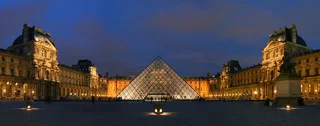
Hoy el Louvre guarda más de 35.000 obras, desde la Venus de Milo hasta La balsa de la Medusa de Géricault. La multitud, sin embargo, se agolpa ante un pequeño retrato. En agosto de 1911 desapareció. Vincenzo Peruggia, un operario italiano que había trabajado en el museo, descolgó La Gioconda de Leonardo y se la llevó bajo el abrigo. Durante dos años el marco colgó vacío mientras los visitantes acudían a contemplar el hueco, y el cuadro no regresó hasta 1913, después de que Peruggia intentara venderlo a un marchante en Florencia. La pirámide de cristal de I. M. Pei, colocada en el patio en 1989, marca ahora la entrada.
Más artículos
Colección
1174 obras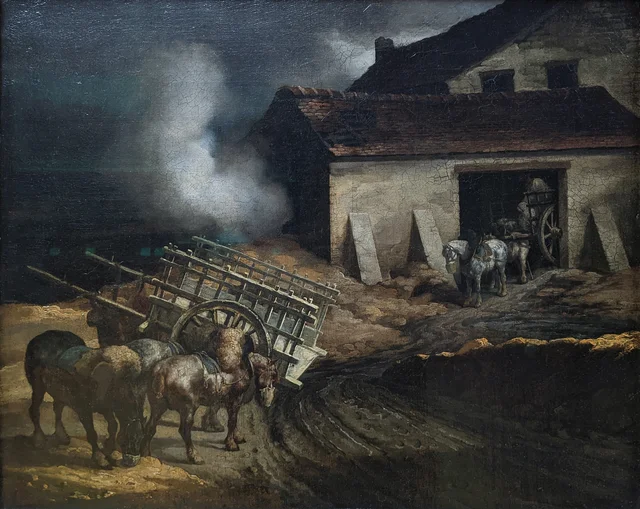 El horno de yesoThéodore Géricault, 1821
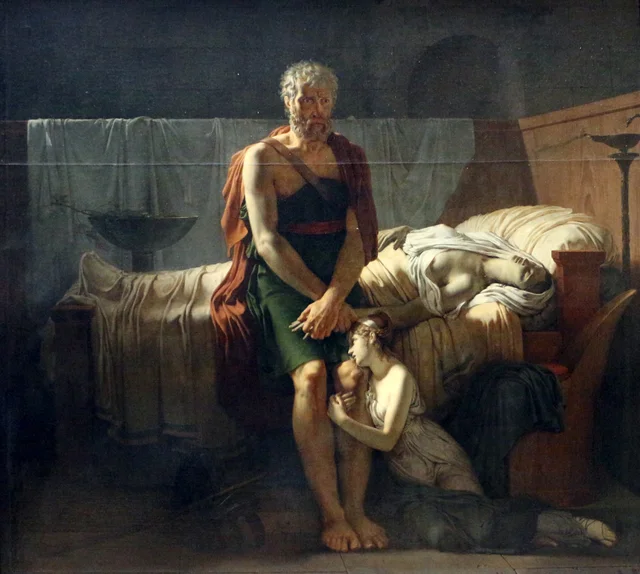 El regreso de Marco SextoPierre-Narcisse Guérin, 1799
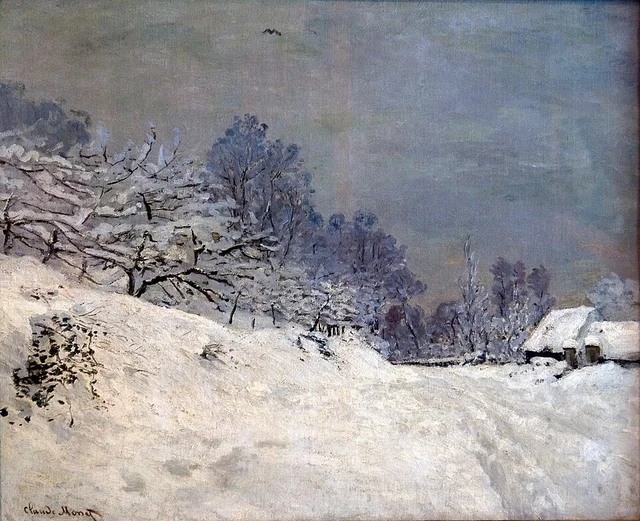 El camino frente a la granja Saint-Siméon en inviernoClaude Monet, 1867
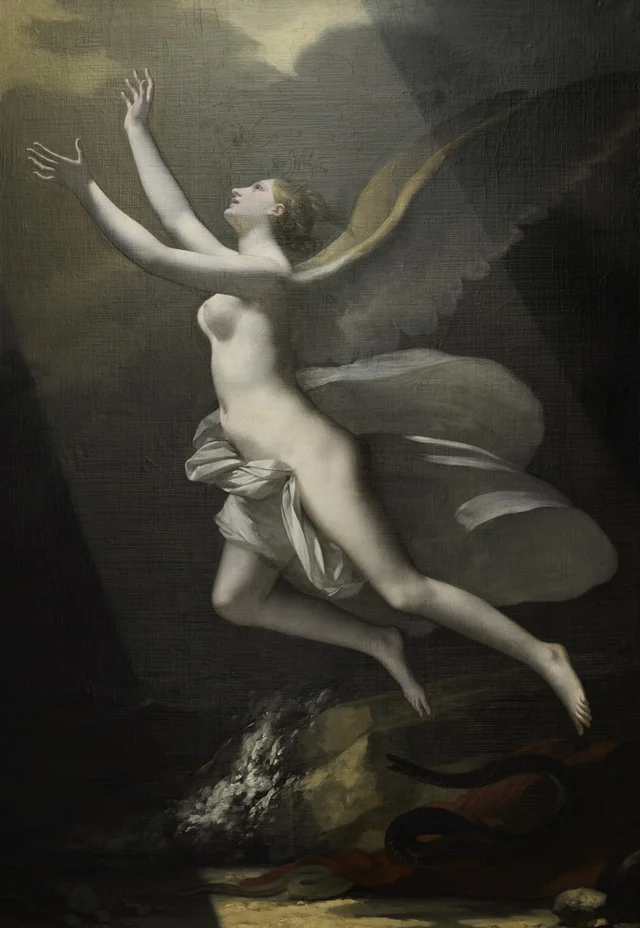 El alma rompiendo los lazos que la atan a la tierraPierre-Paul Prud'hon, 1822
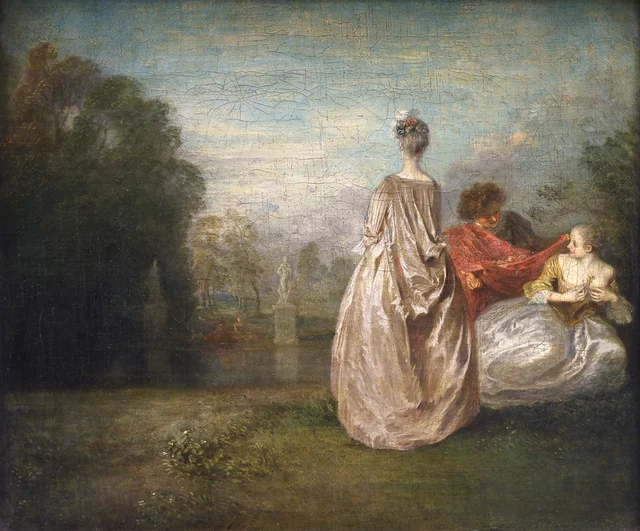 Las dos primasJean-Antoine Watteau, 1716
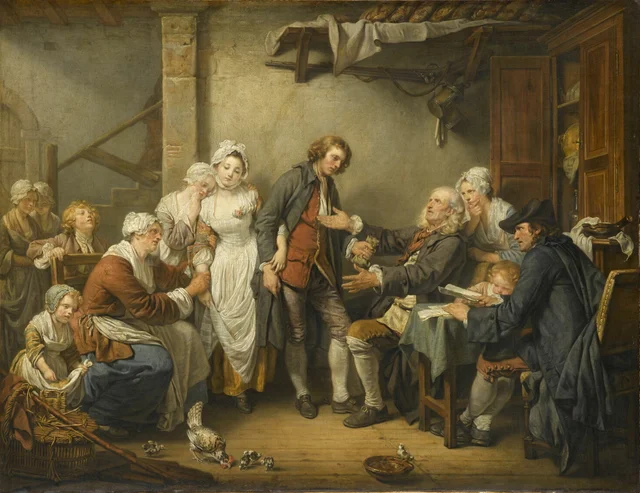 La novia de puebloJean-Baptiste Greuze, 1761
 Apolo enamorado de DafneNicolas Poussin, 1664
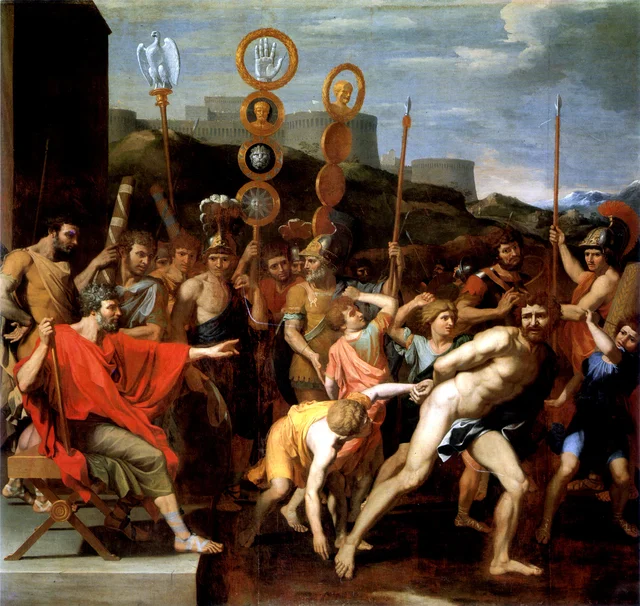 Camilo entrega el maestro de Falerios a sus alumnosNicolas Poussin, 1637
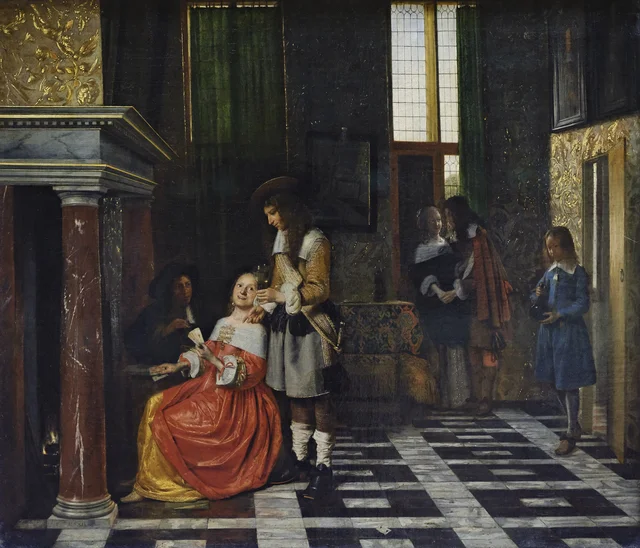 Jugadores de cartas en un interior opulentoPieter de Hooch, 1663
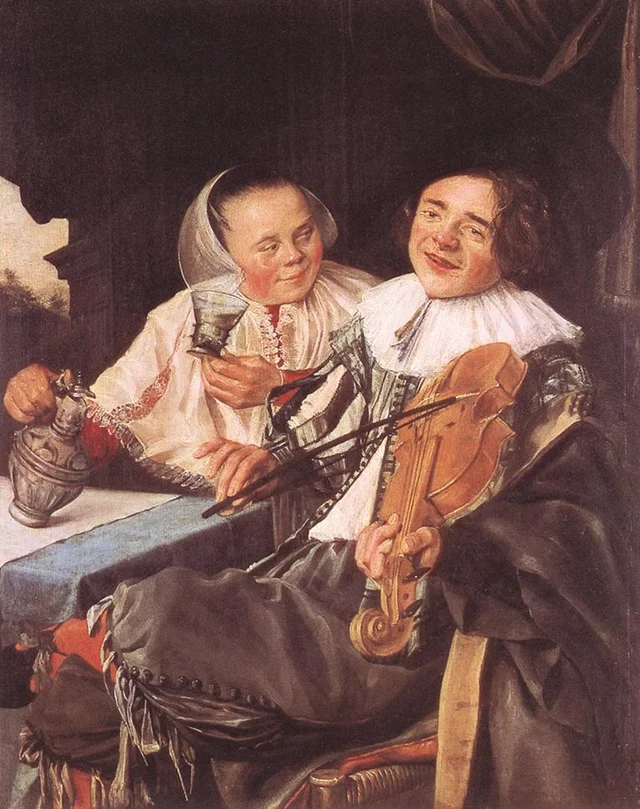 Pareja de juergaJudith Leyster, 1630
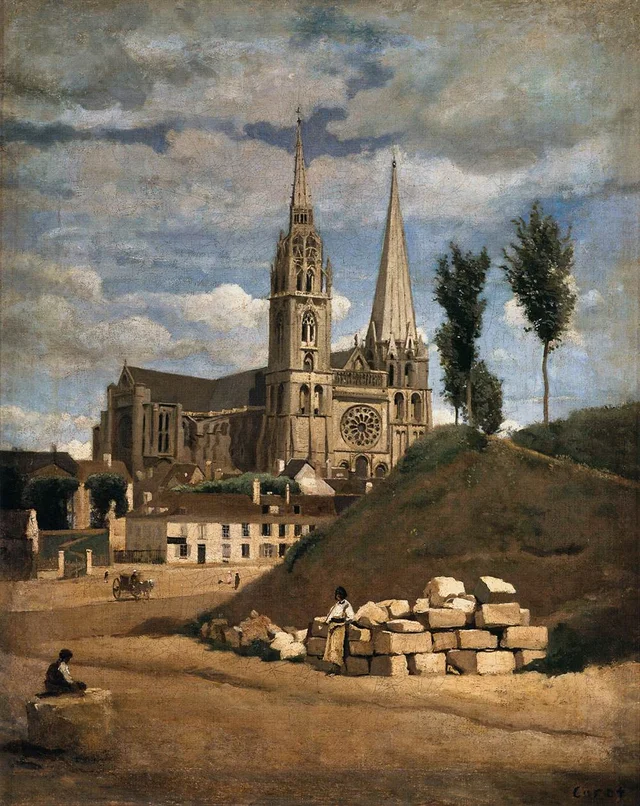 Catedral de ChartresJean-Baptiste Camille Corot, 1830
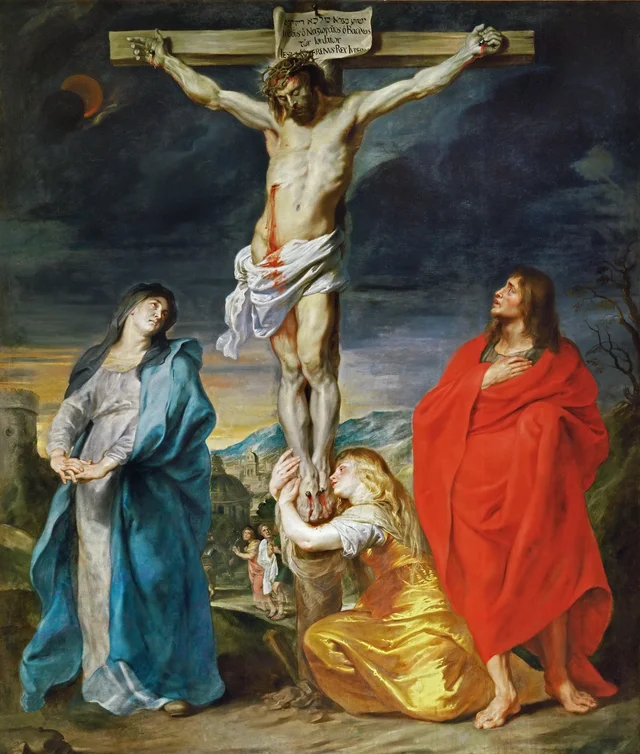 Crucifixión con la Virgen María, san Juan y santa María MagdalenaAnton van Dyck, 1618
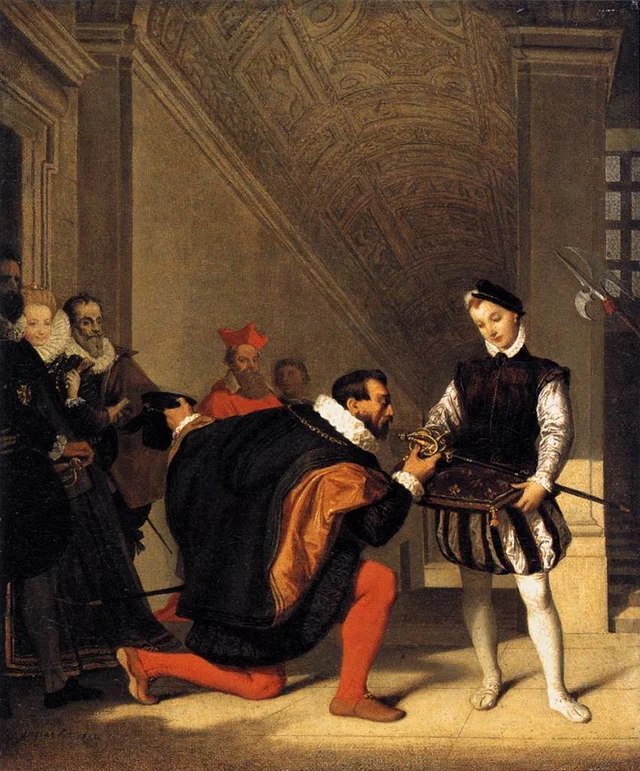 Don Pedro de Toledo besando la espada de Enrique IVJean-Auguste-Dominique Ingres, 1831
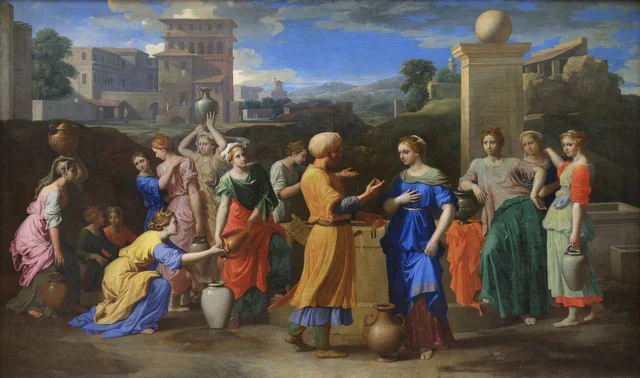 Eliezer y RebecaNicolas Poussin, 1648
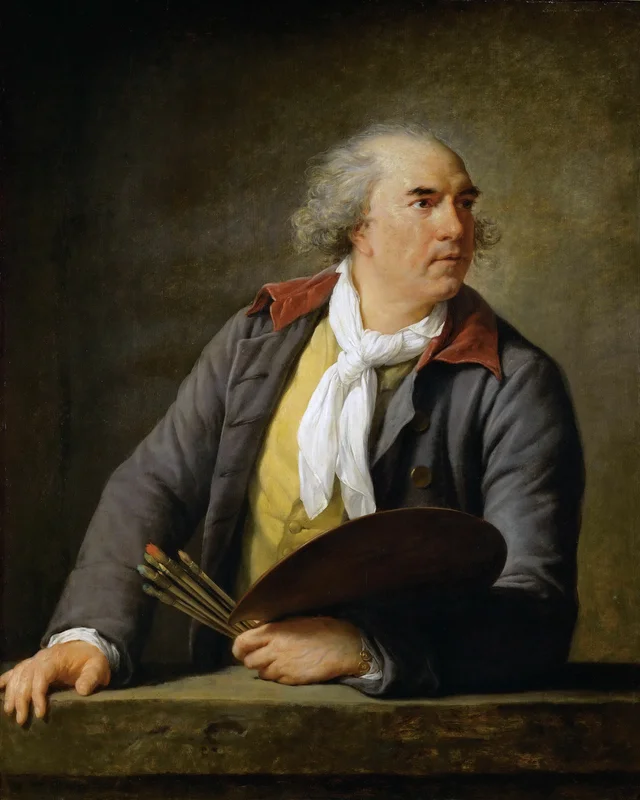 Hubert RobertÉlisabeth Louise Vigée Le Brun, 1788
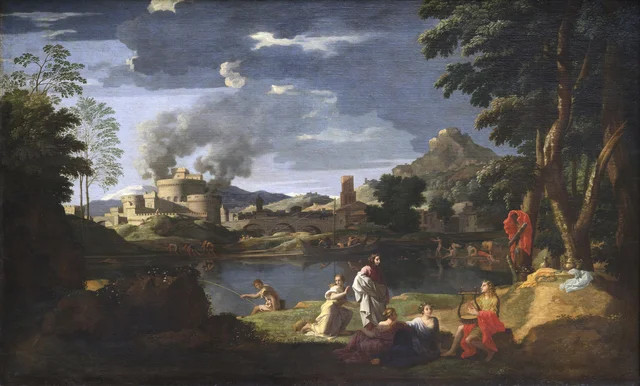 Paisaje con Orfeo y EurídiceNicolas Poussin, 1650
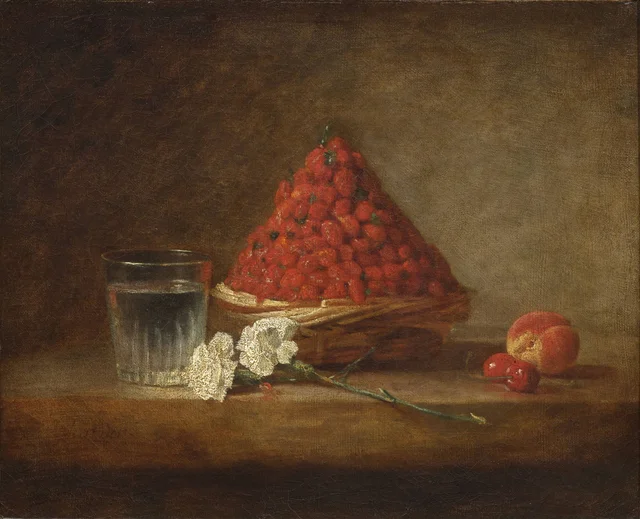 La cesta de fresas silvestresJean-Baptiste-Siméon Chardin, 1761
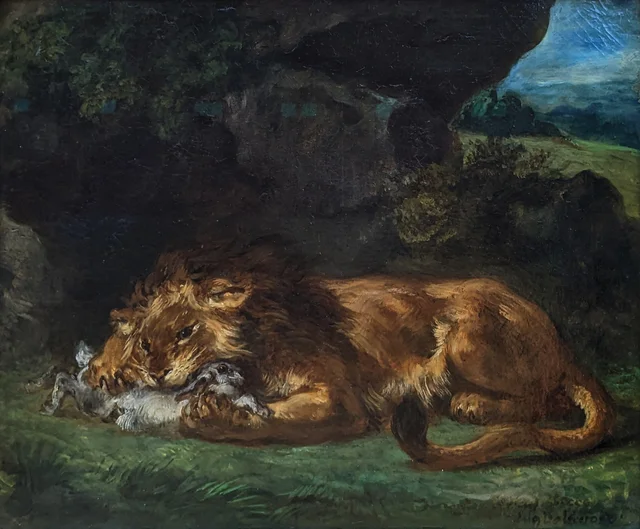 León devorando un conejoEugène Delacroix, 1853
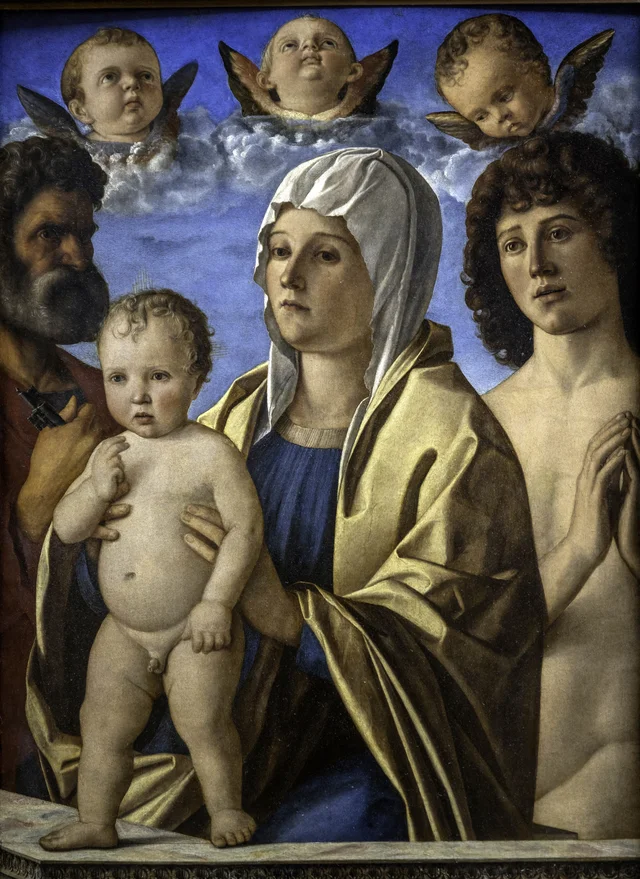 Virgen con el Niño, san Pedro y san SebastiánGiovanni Bellini, 1480
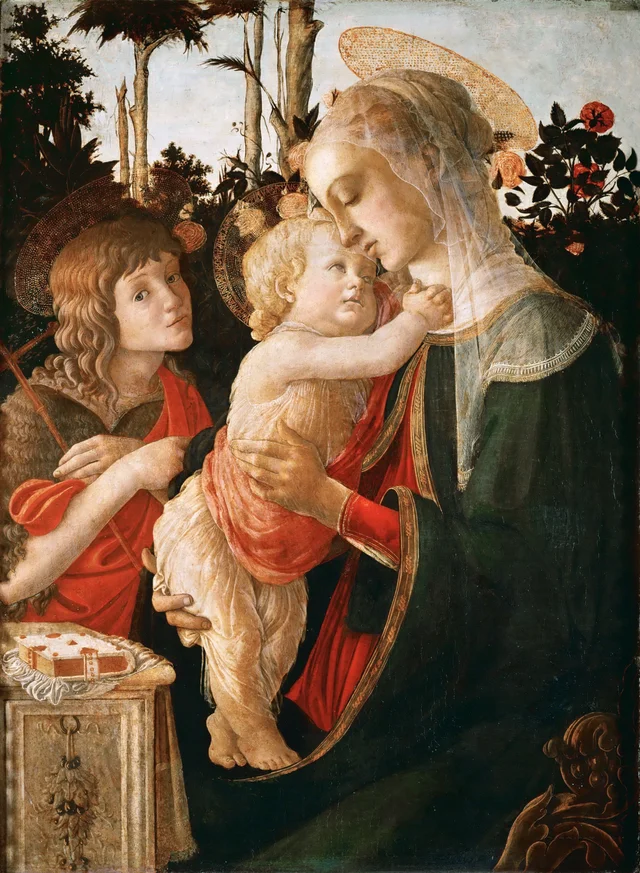 Virgen con el Niño y el joven san Juan BautistaSandro Botticelli, 1500
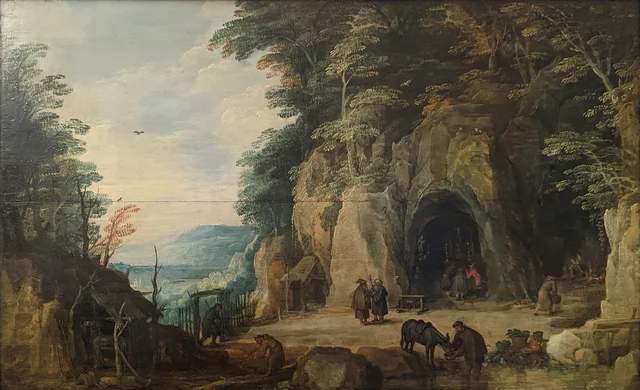 Ermita de un monje en una cuevaJoos de Momper el Joven, 1600
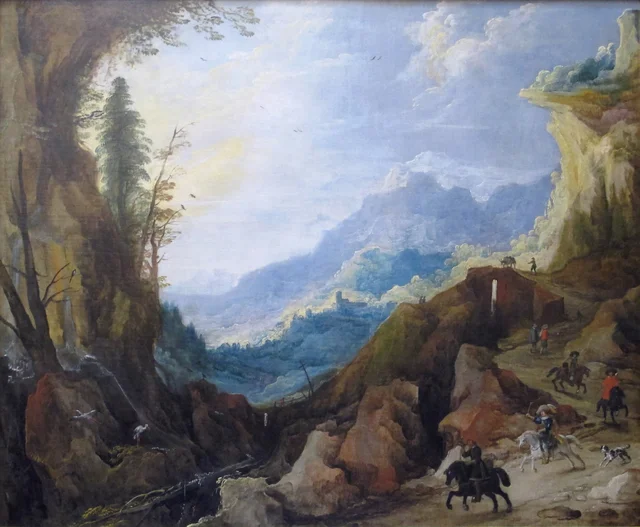 Paisaje montañoso con un puente y cuatro jinetesJoos de Momper el Joven, 1600
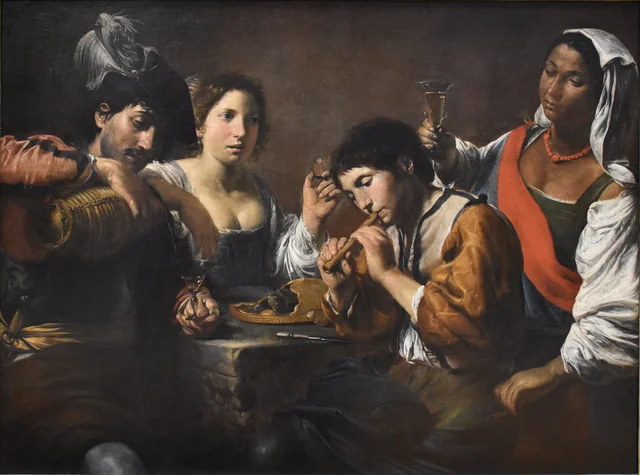 Músico y bebedoresValentin de Boulogne, 1623
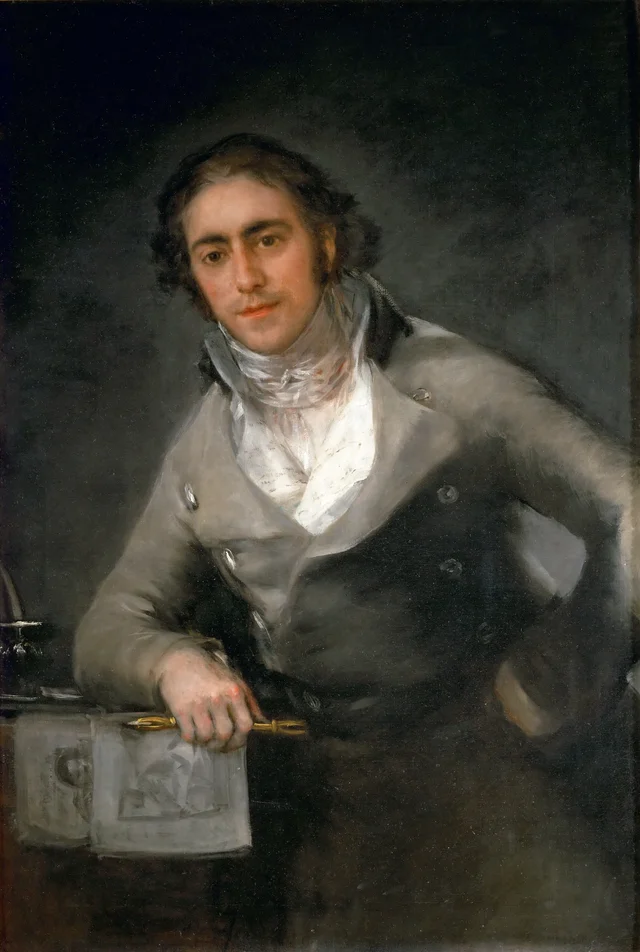 Retrato de un hombreFrancisco Goya, 1806
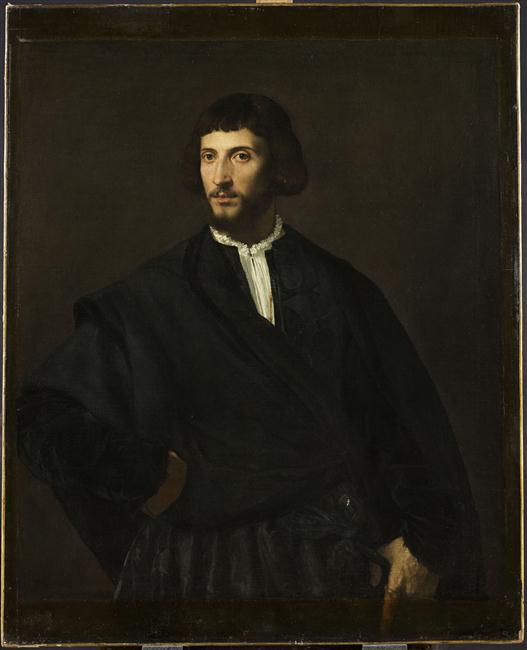 Retrato de un hombre, con la mano en el cinturónTiziano, 1520