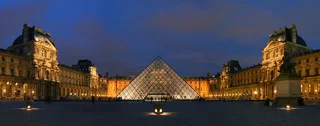
La historia
El Louvre empezó siendo una fortaleza. Felipe II Augusto la levantó en la orilla derecha del Sena hacia 1190 para proteger el París medieval, y a lo largo de los siglos siguientes los reyes de Francia la reconstruyeron hasta convertirla en palacio real, hasta que Luis XIV trasladó su corte a Versalles en 1682 y dejó las salas a medio terminar a la colección real y a los artistas alojados dentro.
La Revolución lo transformó en museo público. El 10 de agosto de 1793 el Muséum central des arts abrió sus puertas, mostrando el arte confiscado a la corona y a la Iglesia a cualquier ciudadano que quisiera entrar. Napoleón lo llenó con el botín de sus campañas y por un tiempo lo rebautizó con su propio nombre. Mucho se devolvió tras Waterloo, pero la idea se mantuvo: una colección nacional dispuesta para el estudio y gratuita para el público.
Hoy el Louvre guarda más de 35.000 obras, desde la Venus de Milo hasta La balsa de la Medusa de Géricault. La multitud, sin embargo, se agolpa ante un pequeño retrato. En agosto de 1911 desapareció. Vincenzo Peruggia, un operario italiano que había trabajado en el museo, descolgó La Gioconda de Leonardo y se la llevó bajo el abrigo. Durante dos años el marco colgó vacío mientras los visitantes acudían a contemplar el hueco, y el cuadro no regresó hasta 1913, después de que Peruggia intentara venderlo a un marchante en Florencia. La pirámide de cristal de I. M. Pei, colocada en el patio en 1989, marca ahora la entrada.
Más artículos
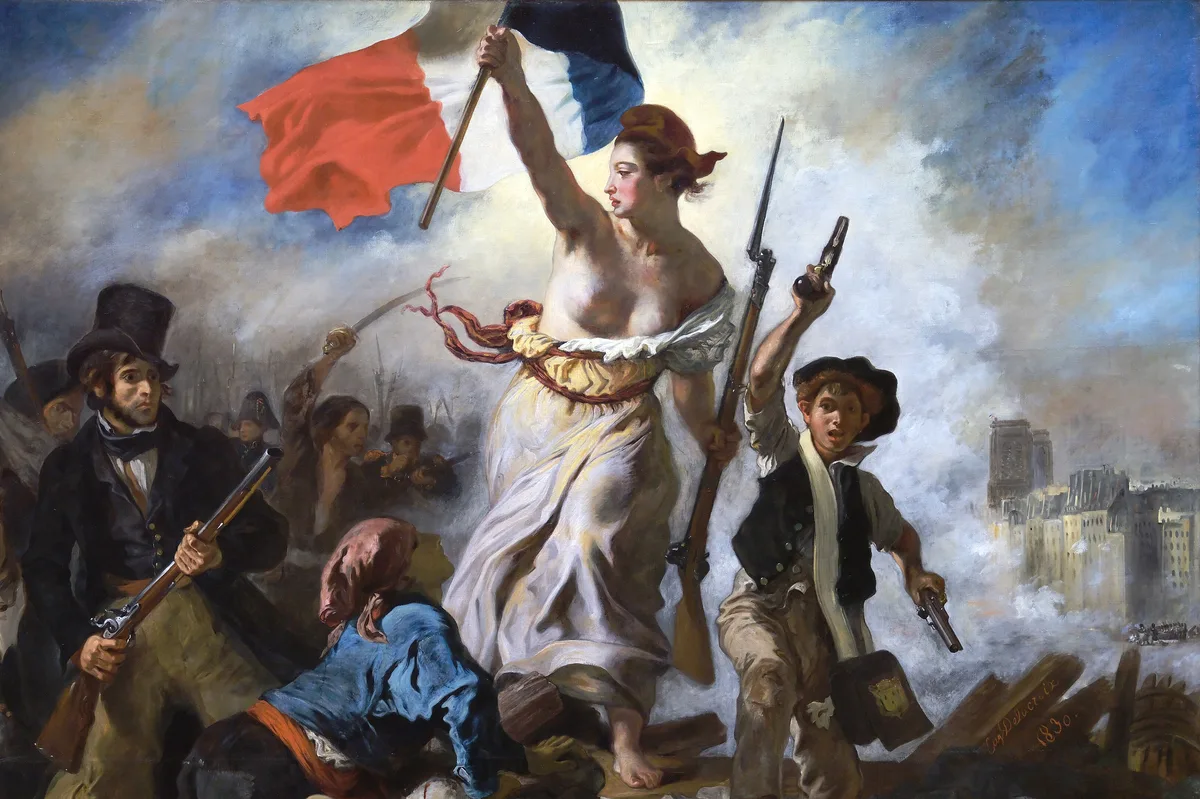
Colección
1174 obras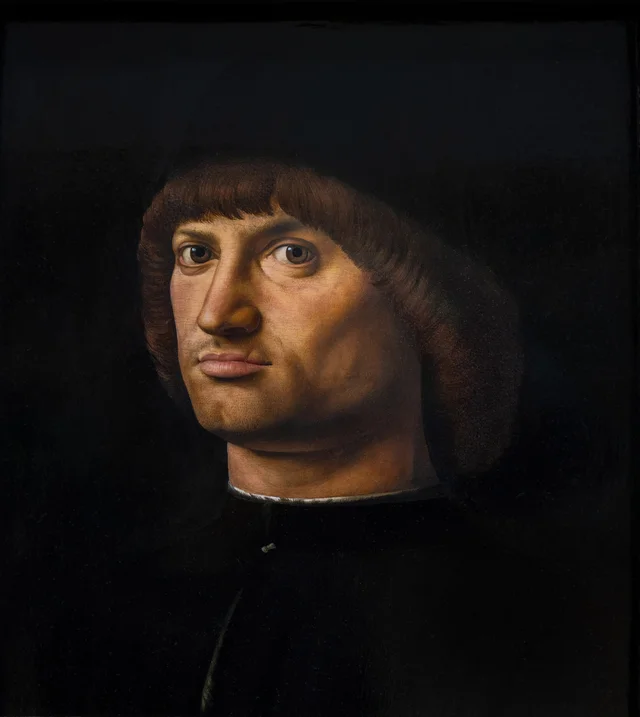 Retrato de hombre, llamado el CondotieroAntonello da Messina, 1475
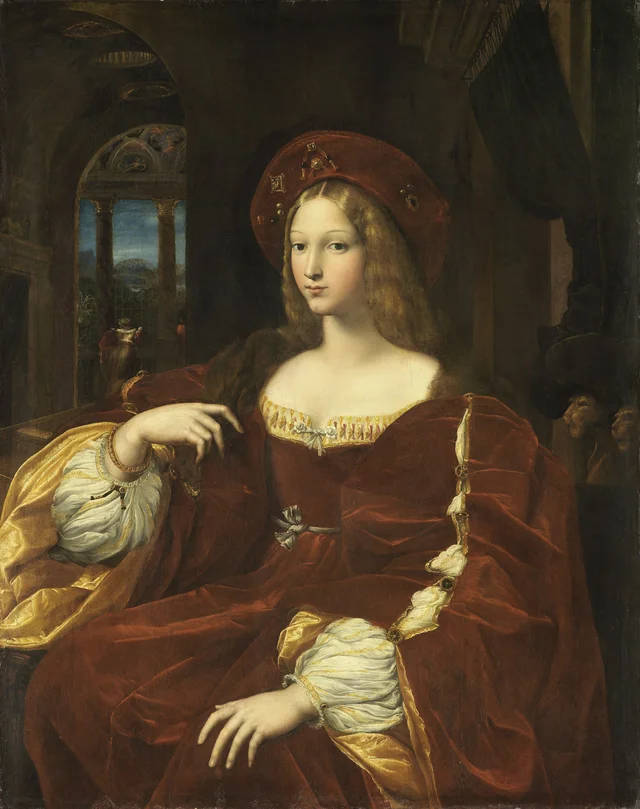 Retrato de doña Isabel de Requesens y Enríquez de Cardona-AnglesolaRafael, 1518
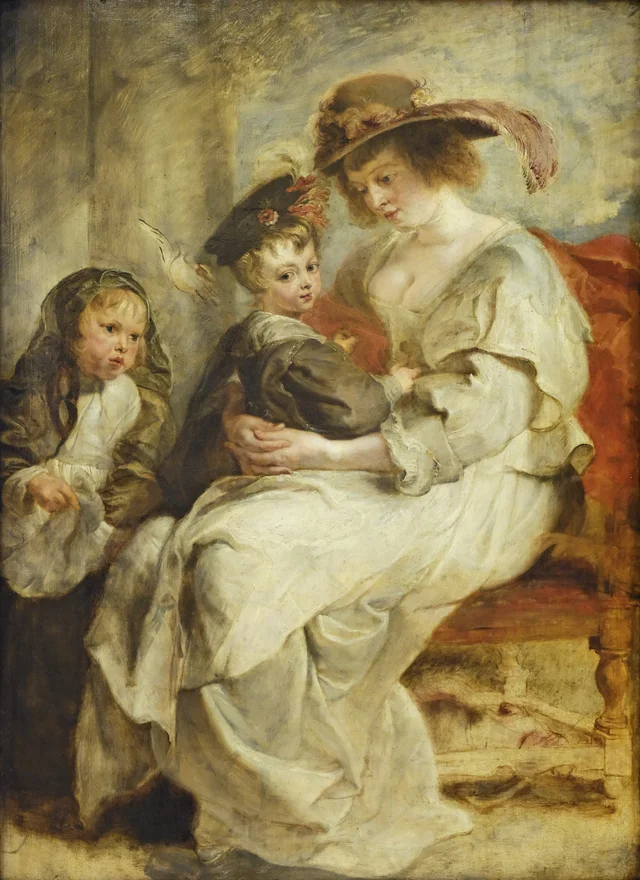 Retrato de Helena Fourment con dos de sus hijosPedro Pablo Rubens, 1636
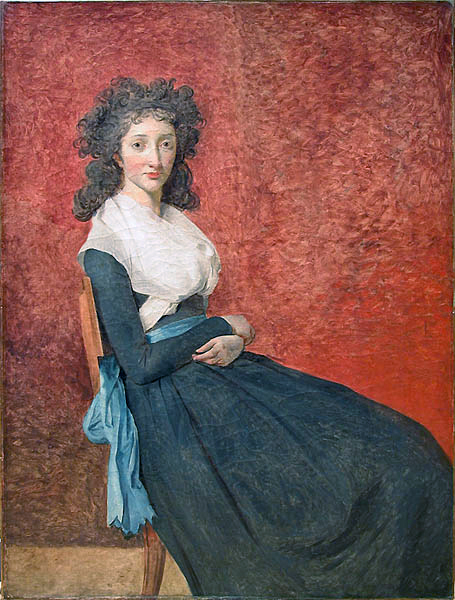 Retrato de Madame Marie-Louise TrudaineJacques-Louis David, 1794
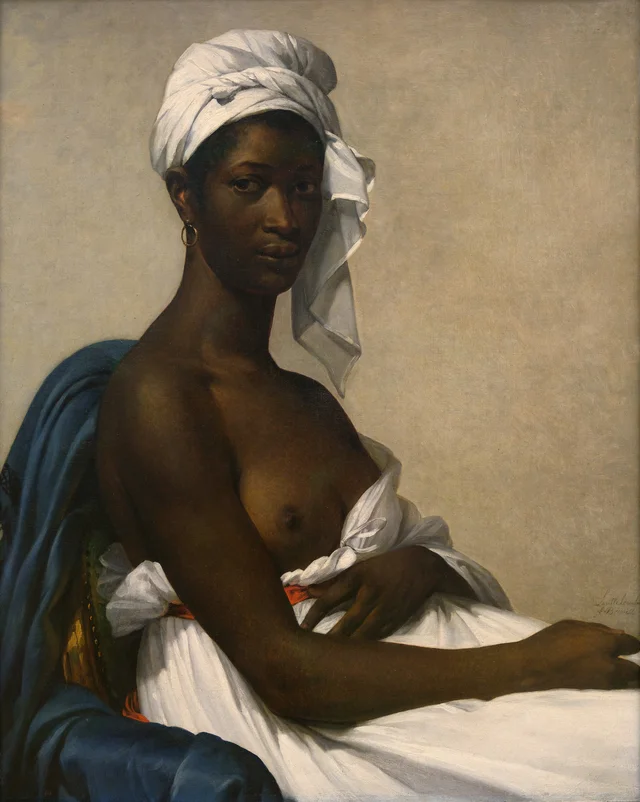 Retrato de MadeleineMarie-Guillemine Benoist, 1800
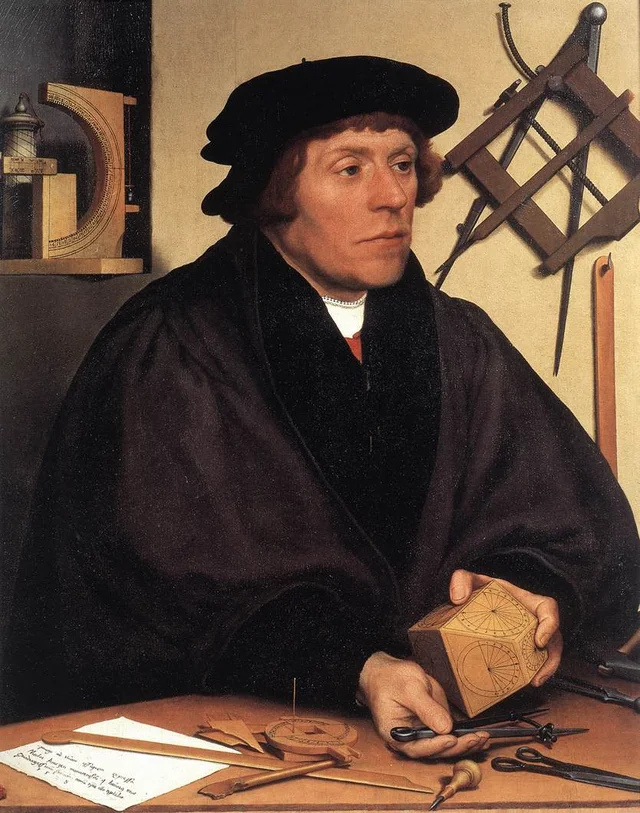 Retrato de Nikolaus KratzerHans Holbein el Joven, 1528
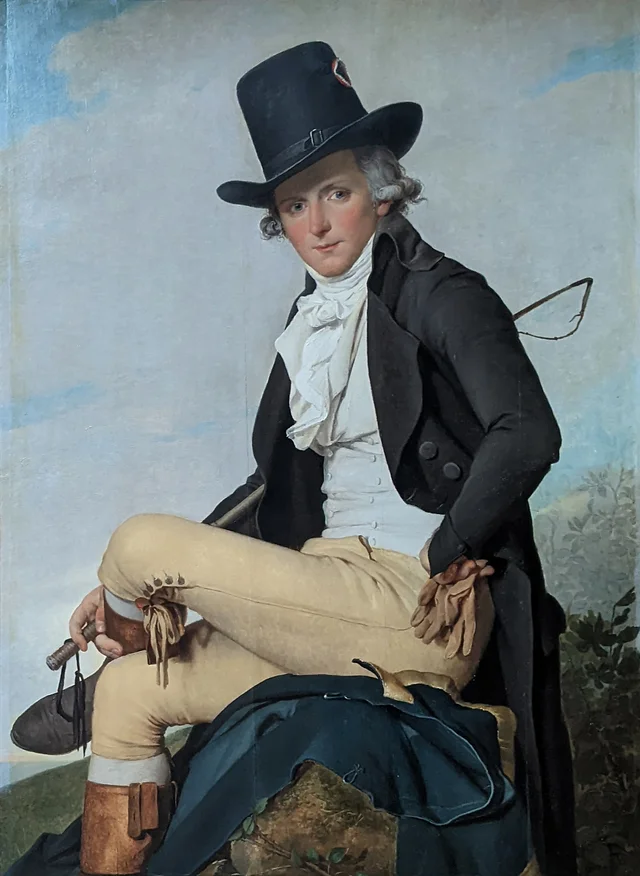 Retrato de Pierre SériziatJacques-Louis David, 1795
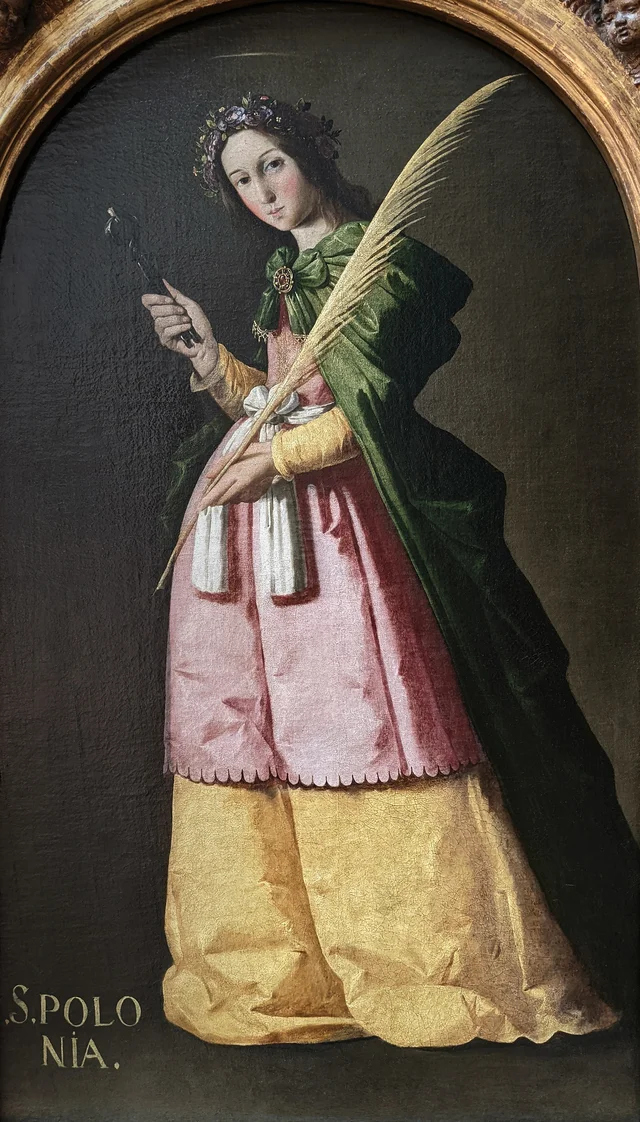 Santa ApoloniaFrancisco de Zurbarán, 1637
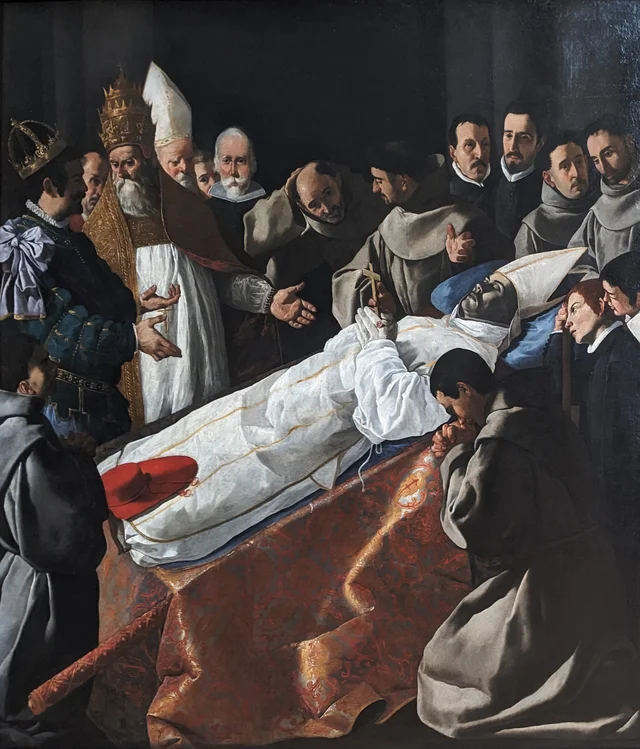 El cuerpo de san Buenaventura expuesto en capilla ardienteFrancisco de Zurbarán, 1629
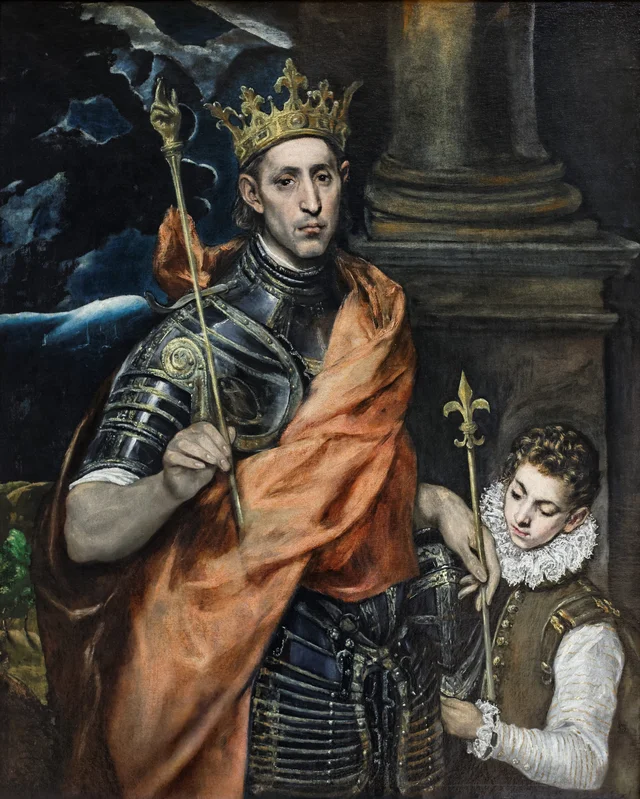 San Luis, rey de FranciaEl Greco, 1592
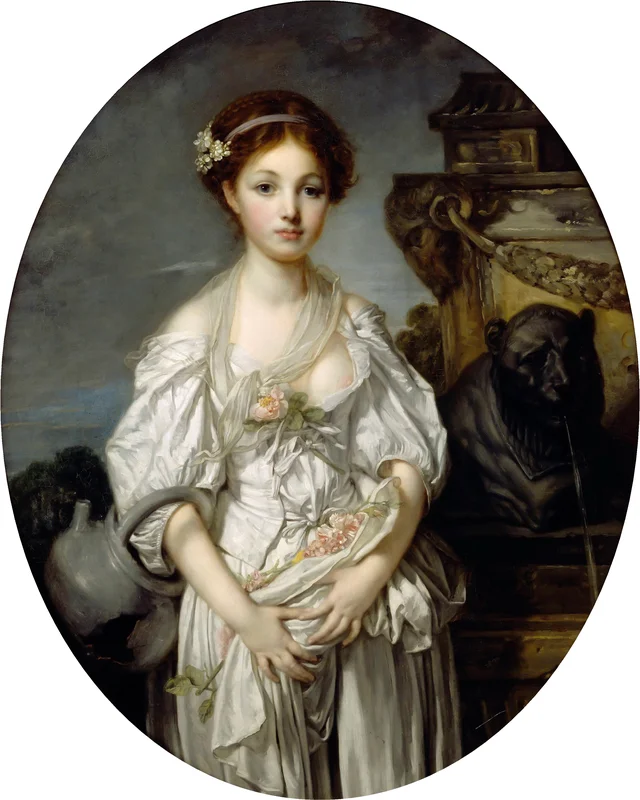 El cántaro rotoJean-Baptiste Greuze, 1771
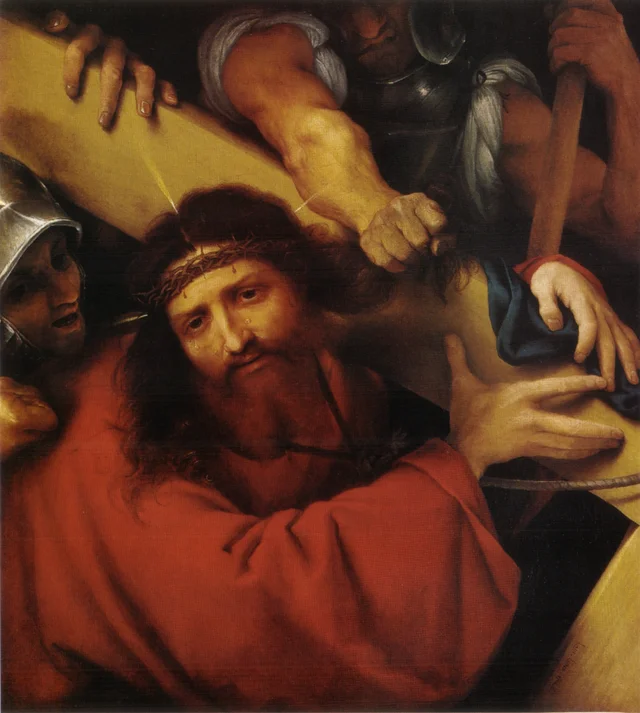 El camino del CalvarioLorenzo Lotto, 1526
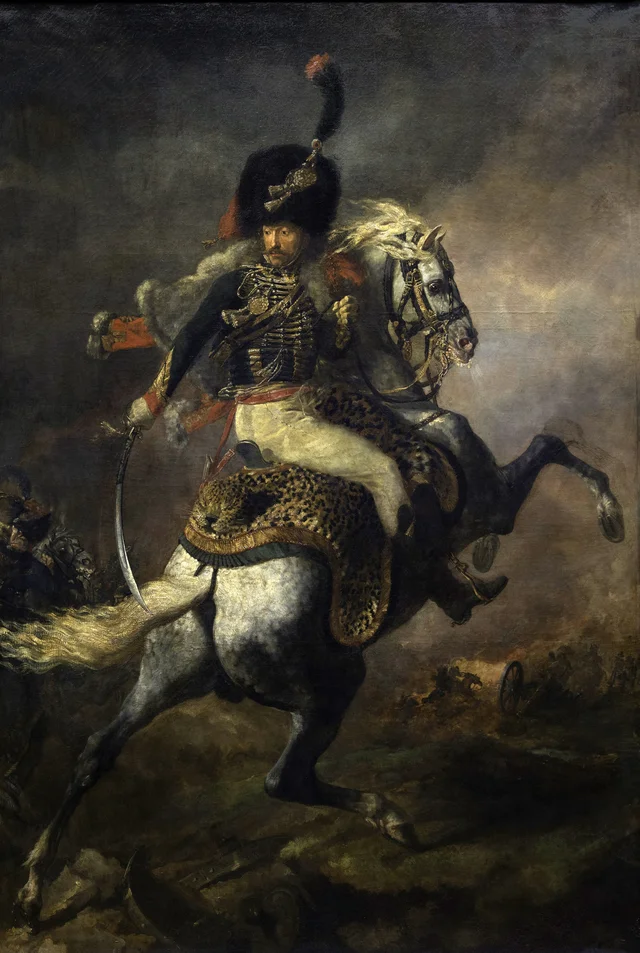 Oficial de cazadores a caballo cargandoThéodore Géricault, 1812
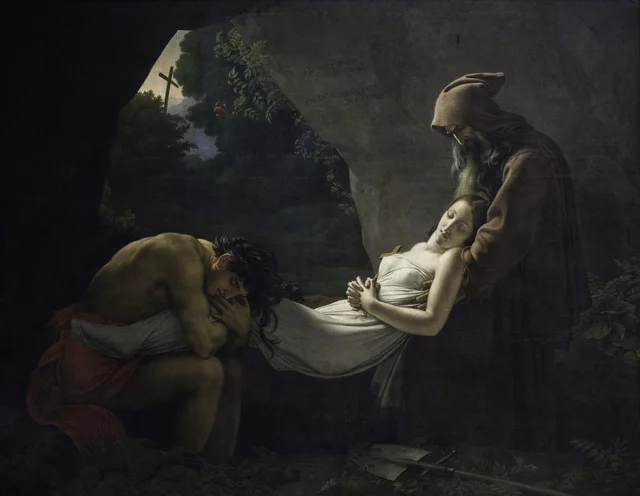 El entierro de AtalaAnne-Louis Girodet, 1808
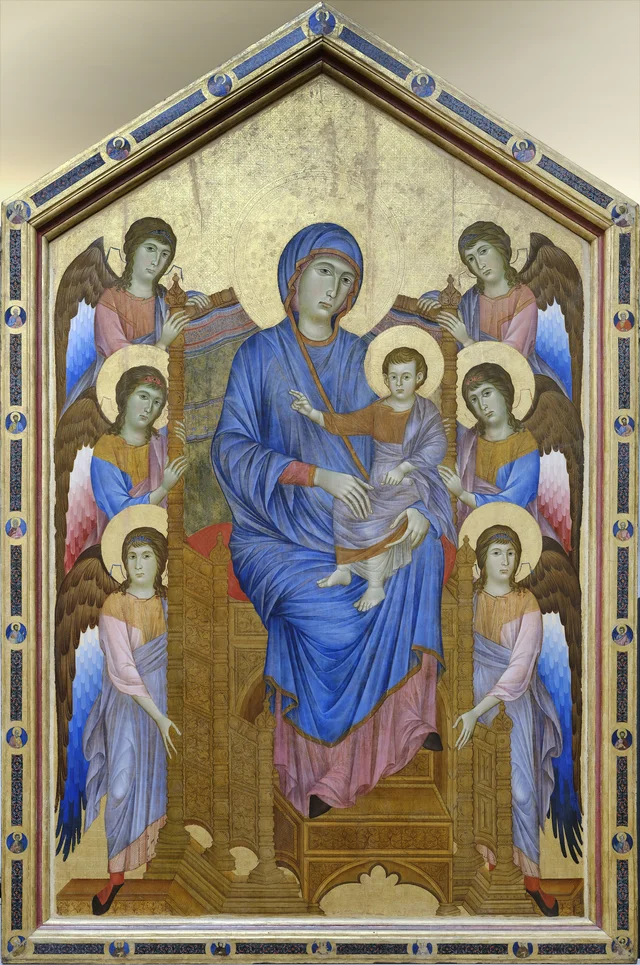 La Virgen y el Niño en majestad rodeados de ángelesCimabue, 1300
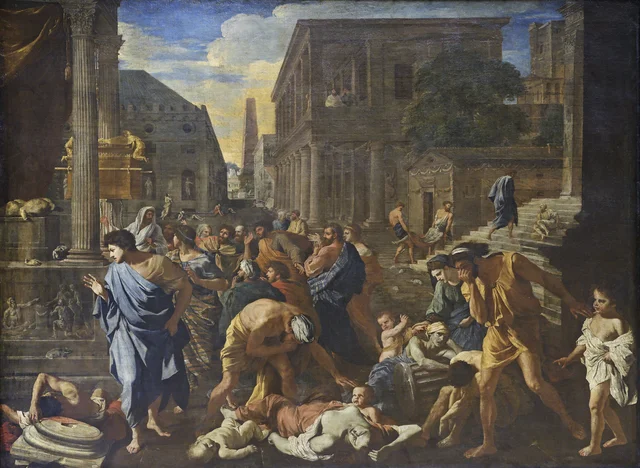 La peste de AzotoNicolas Poussin, 1630
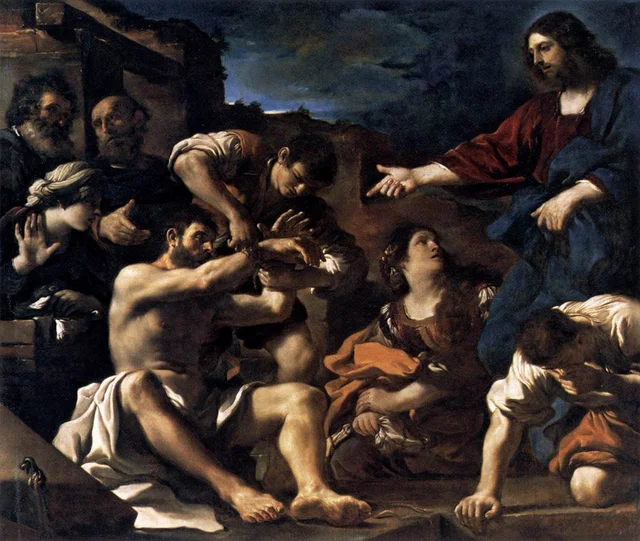 La resurrección de LázaroGuercino, 1619
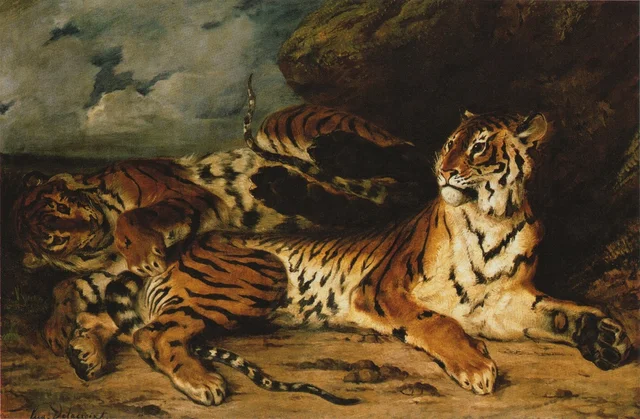 Joven tigre jugando con su madreEugène Delacroix, 1830
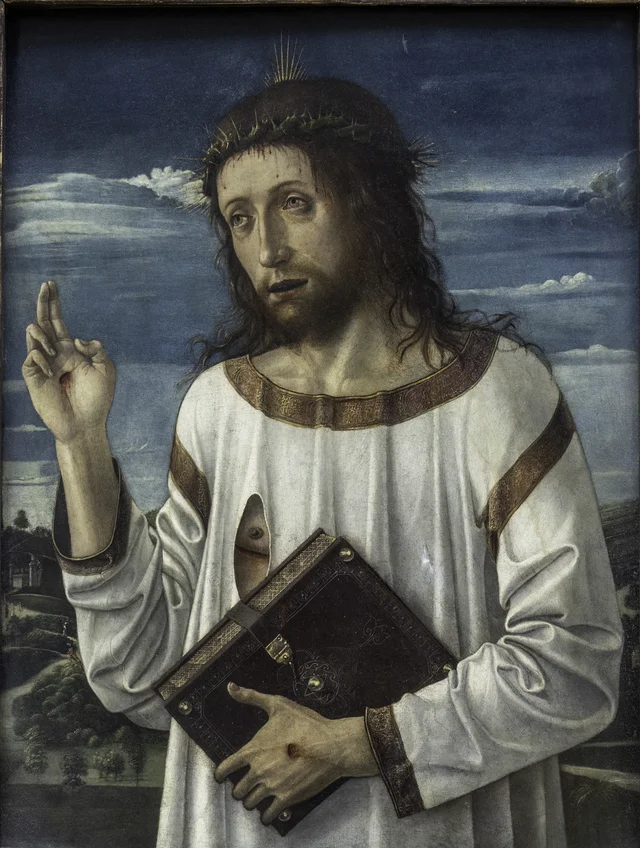 Cristo bendicienteGiovanni Bellini, 1464
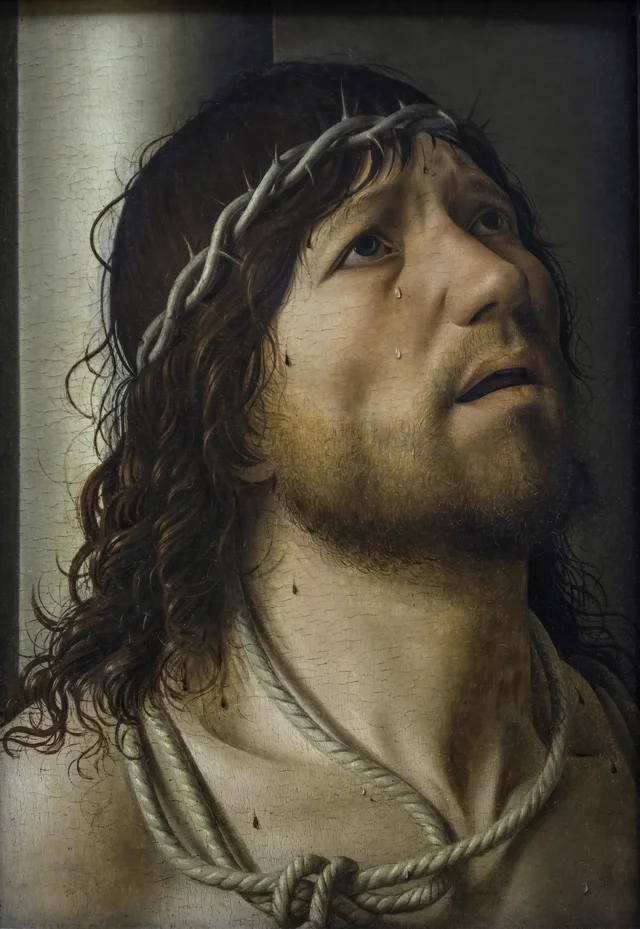 Cristo en la columnaAntonello da Messina, 1477
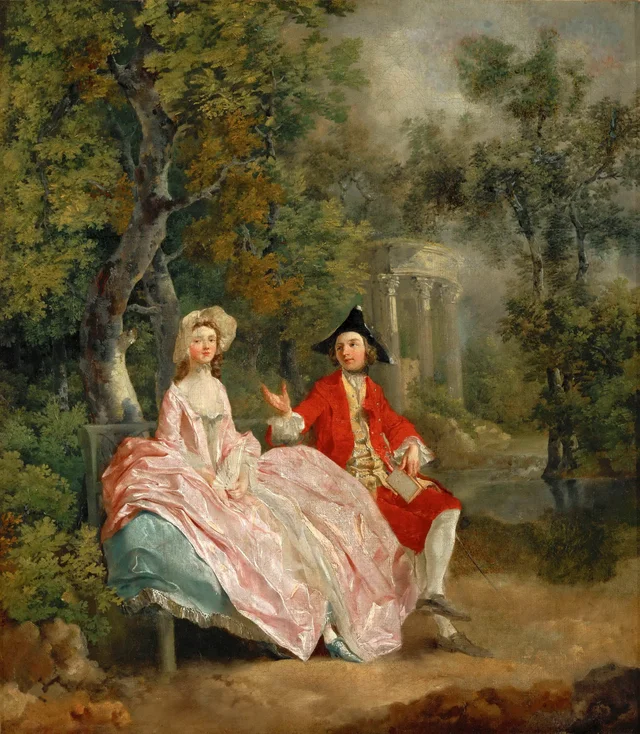 Conversación en un parqueThomas Gainsborough, 1746
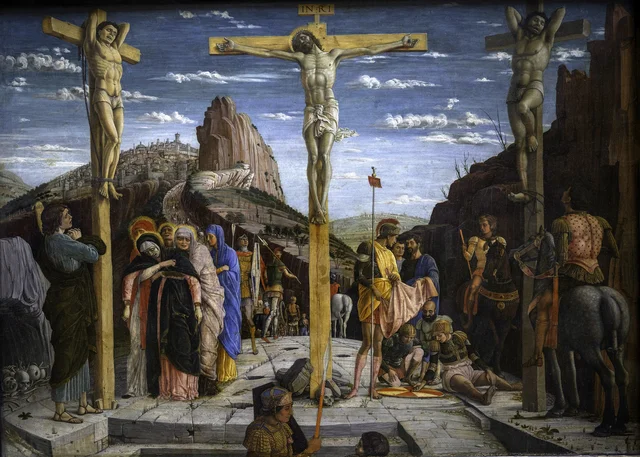 La CrucifixiónAndrea Mantegna, 1457
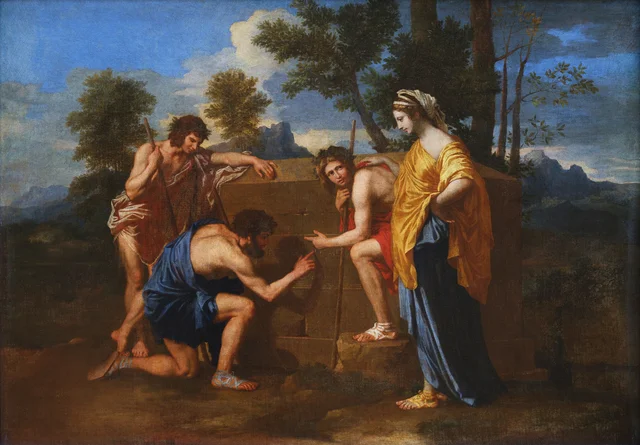 Et in Arcadia egoNicolas Poussin, 1638
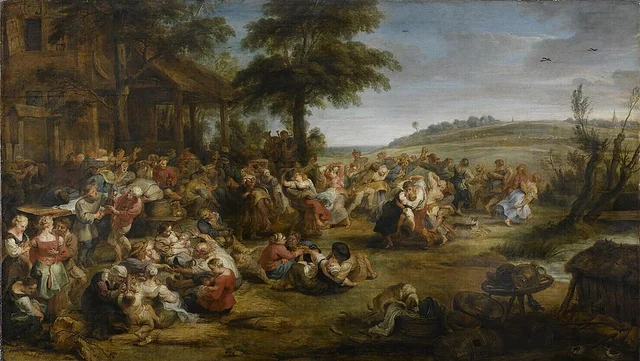 Campesinos festejando y bailandoPedro Pablo Rubens, 1635
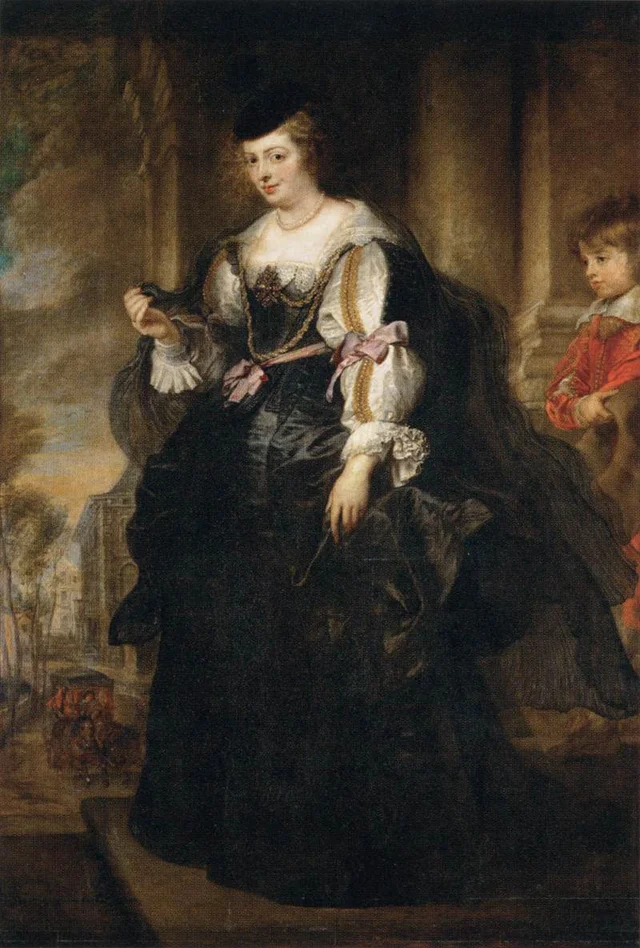 Helena Fourment con un carruajePedro Pablo Rubens, 1639