La historia
El Louvre empezó siendo una fortaleza. Felipe II Augusto la levantó en la orilla derecha del Sena hacia 1190 para proteger el París medieval, y a lo largo de los siglos siguientes los reyes de Francia la reconstruyeron hasta convertirla en palacio real, hasta que Luis XIV trasladó su corte a Versalles en 1682 y dejó las salas a medio terminar a la colección real y a los artistas alojados dentro.
La Revolución lo transformó en museo público. El 10 de agosto de 1793 el Muséum central des arts abrió sus puertas, mostrando el arte confiscado a la corona y a la Iglesia a cualquier ciudadano que quisiera entrar. Napoleón lo llenó con el botín de sus campañas y por un tiempo lo rebautizó con su propio nombre. Mucho se devolvió tras Waterloo, pero la idea se mantuvo: una colección nacional dispuesta para el estudio y gratuita para el público.
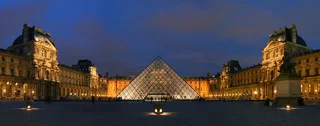
Hoy el Louvre guarda más de 35.000 obras, desde la Venus de Milo hasta La balsa de la Medusa de Géricault. La multitud, sin embargo, se agolpa ante un pequeño retrato. En agosto de 1911 desapareció. Vincenzo Peruggia, un operario italiano que había trabajado en el museo, descolgó La Gioconda de Leonardo y se la llevó bajo el abrigo. Durante dos años el marco colgó vacío mientras los visitantes acudían a contemplar el hueco, y el cuadro no regresó hasta 1913, después de que Peruggia intentara venderlo a un marchante en Florencia. La pirámide de cristal de I. M. Pei, colocada en el patio en 1989, marca ahora la entrada.
Más artículos
Colección
1174 obras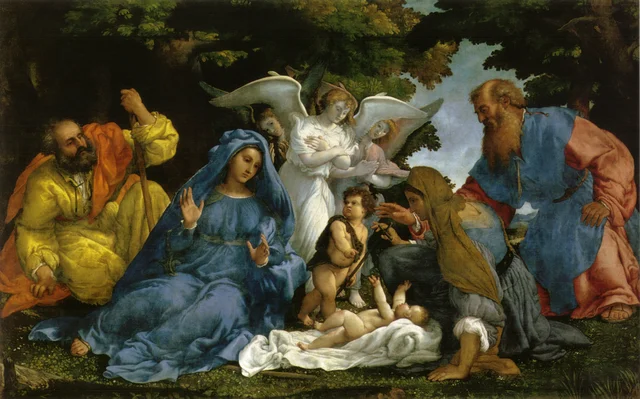 Sagrada Familia con san Juan BautistaLorenzo Lotto, 1536
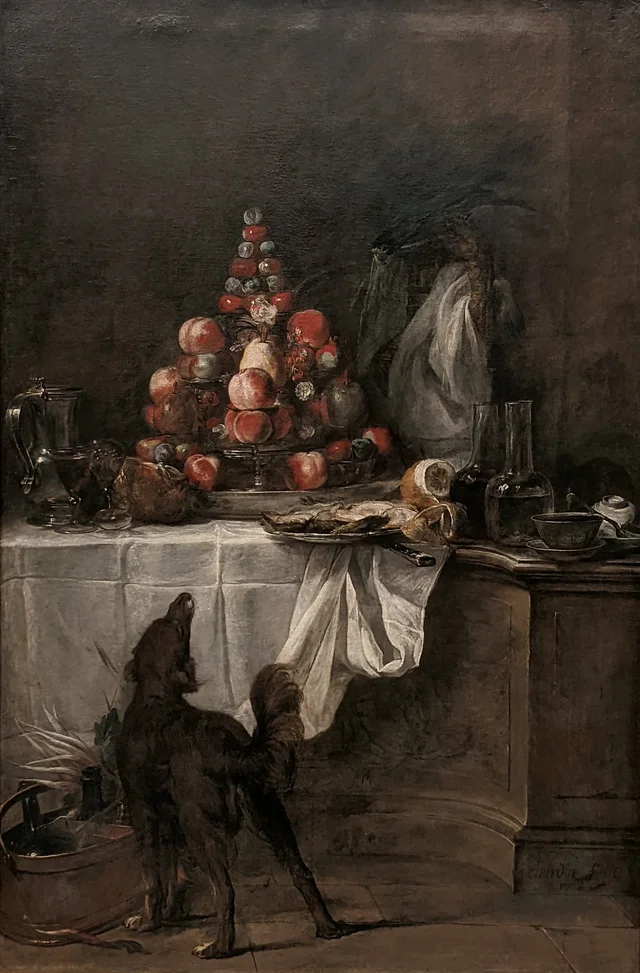 El aparadorJean-Baptiste-Siméon Chardin, 1728
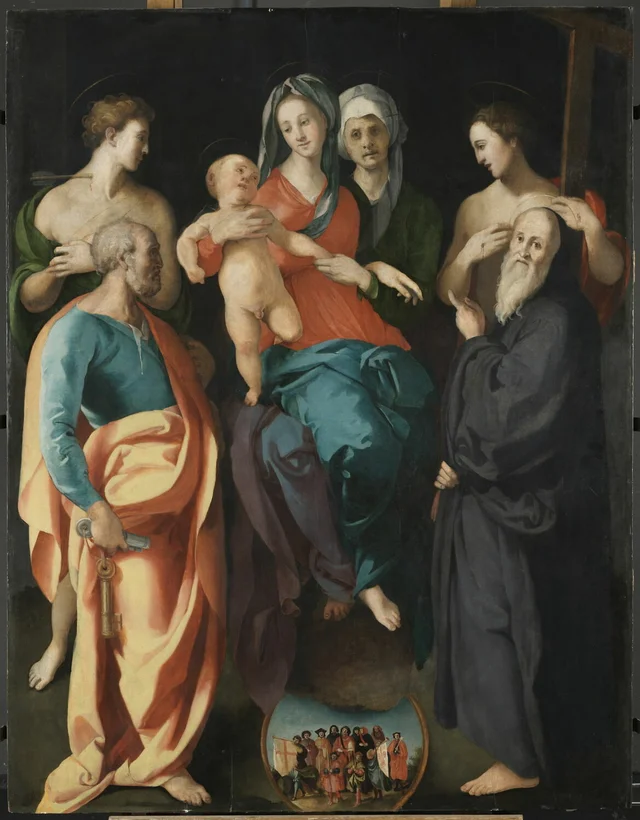 Virgen con el Niño, santa Ana y cuatro santosPontormo, 1528
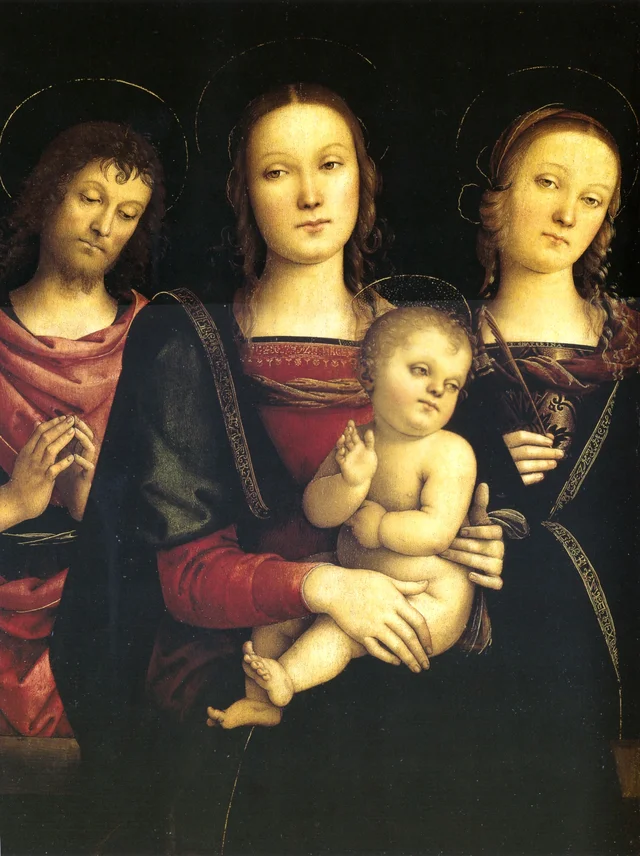 La Virgen y el Niño con san Juan Bautista y santa Catalina de AlejandríaPietro Perugino, 1495
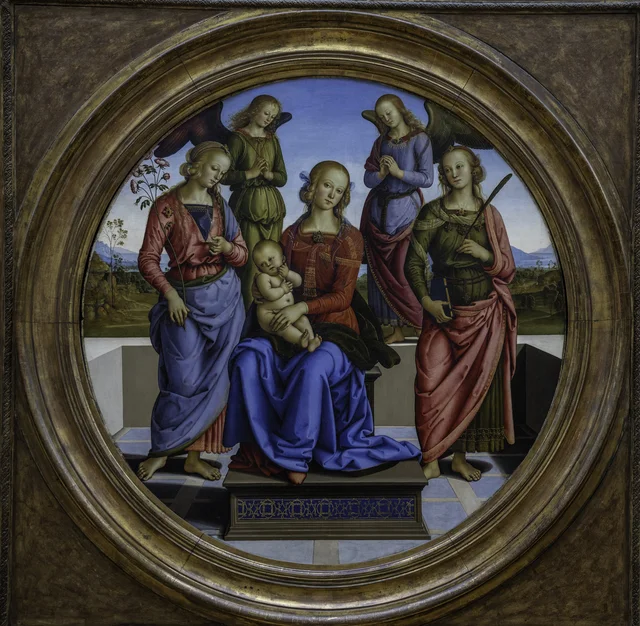 Virgen con el Niño entre dos ángeles, santa Rosa y santa CatalinaPietro Perugino, 1490
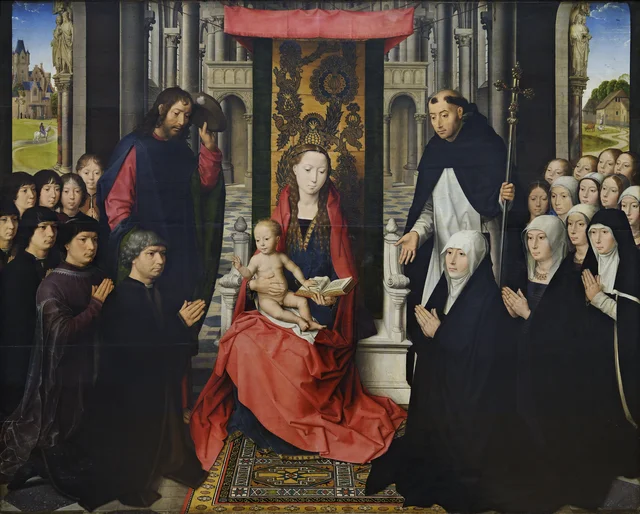 La Virgen de Jacob FloreinsHans Memling, 1485
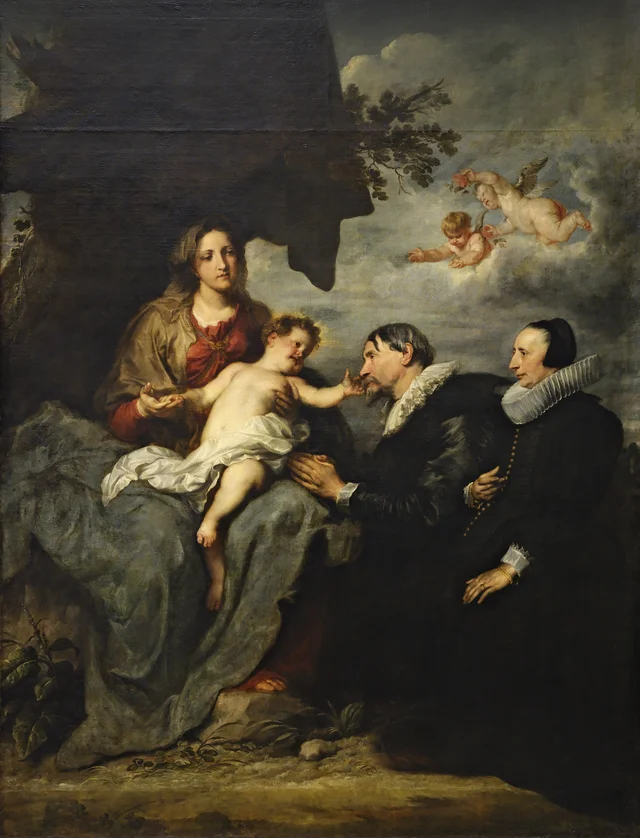 La Virgen con dos donantesAnton van Dyck, 1630
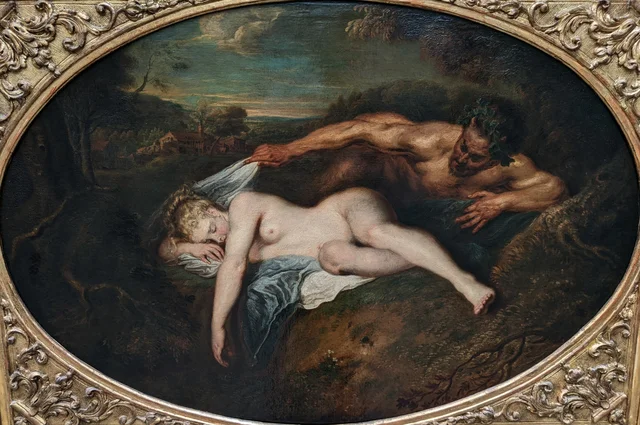 Ninfa y sátiroJean-Antoine Watteau, 1716
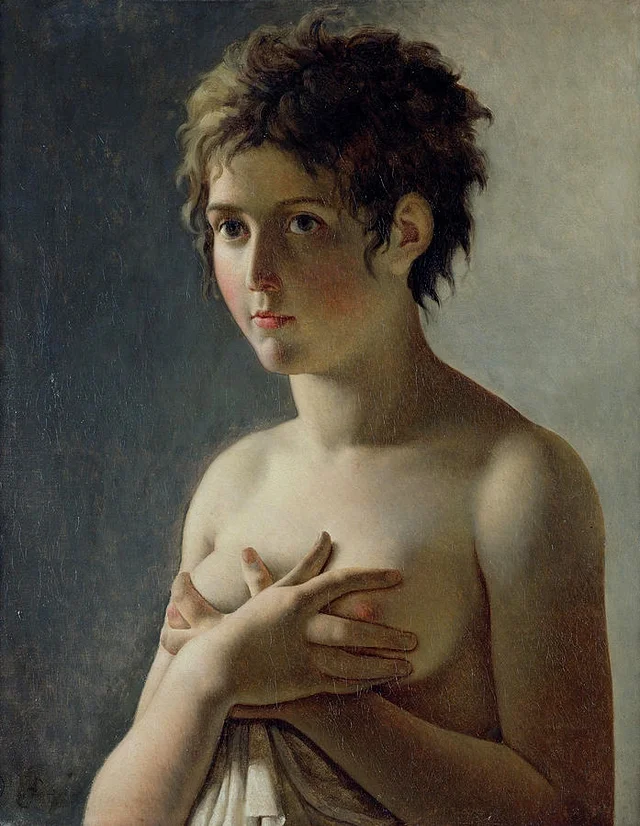 Retrato de una jovenPierre-Narcisse Guérin, 1795
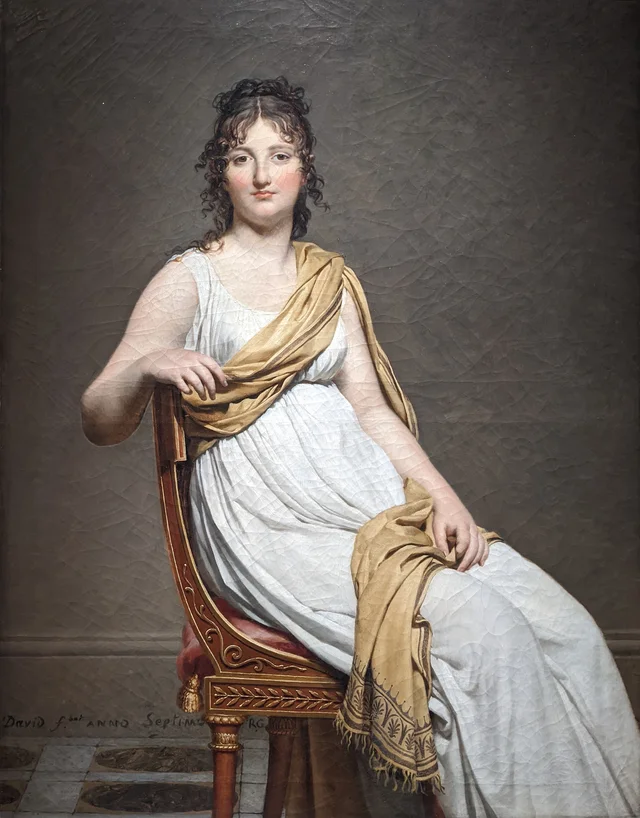 Retrato de Madame de VerninacJacques-Louis David, 1799
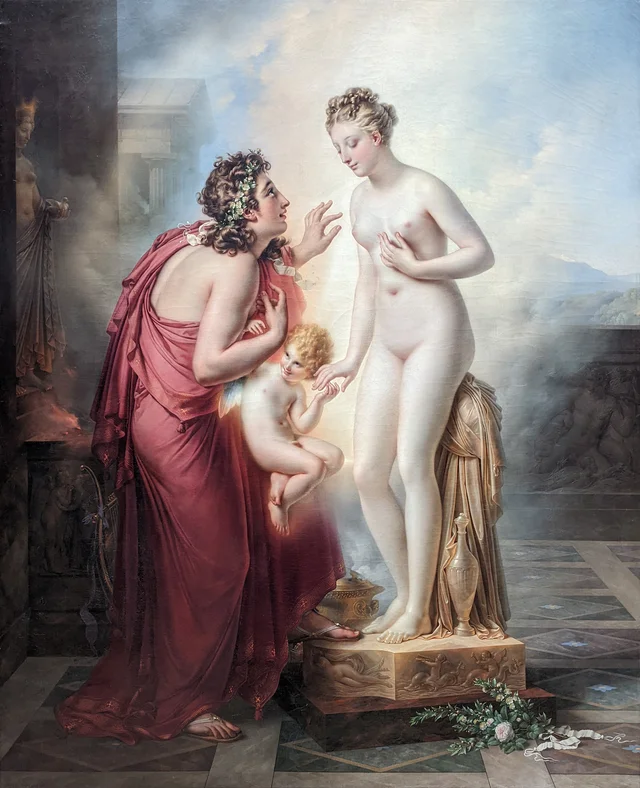 Pigmalión y GalateaAnne-Louis Girodet, 1819
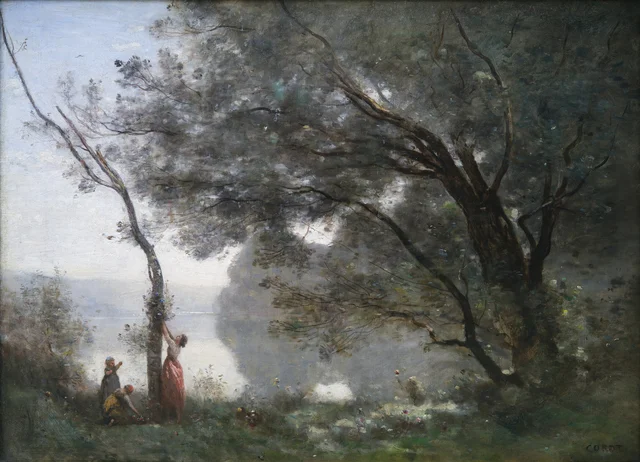 Recuerdo de MortefontaineJean-Baptiste Camille Corot, 1864
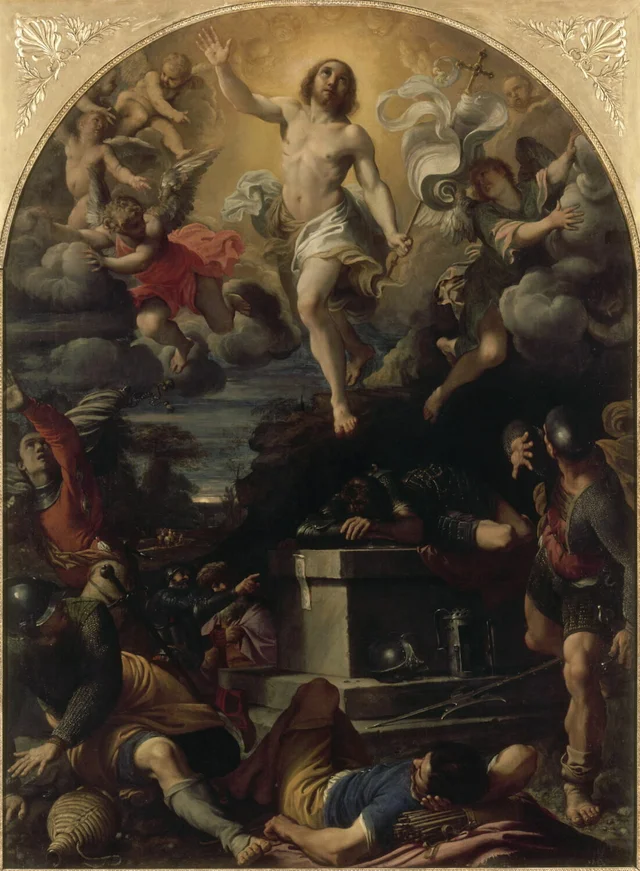 Resurrección de CristoAnnibale Carracci, 1593
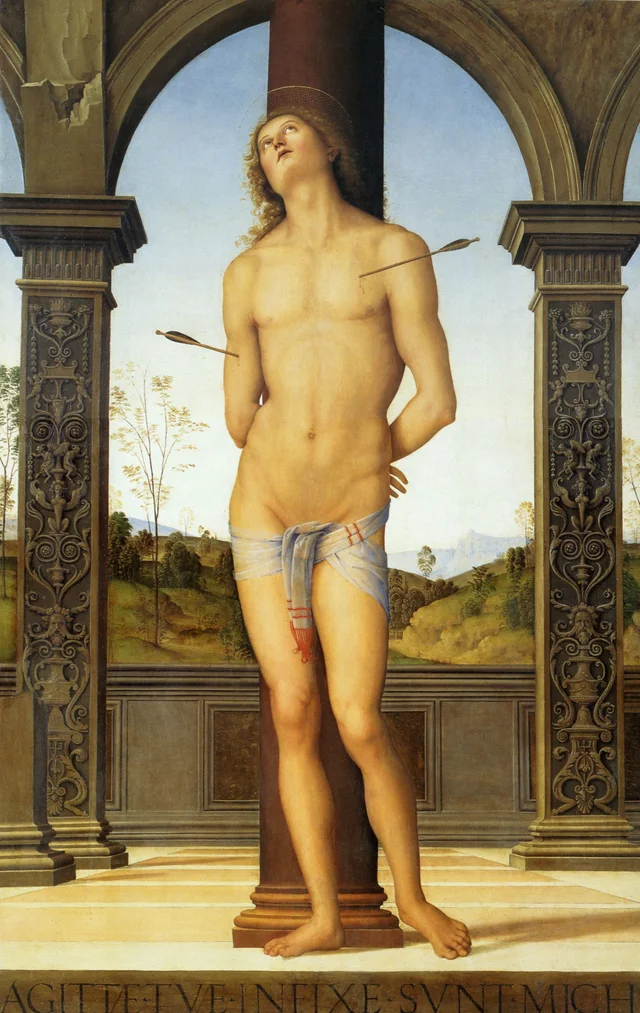 San SebastiánPietro Perugino, 1490
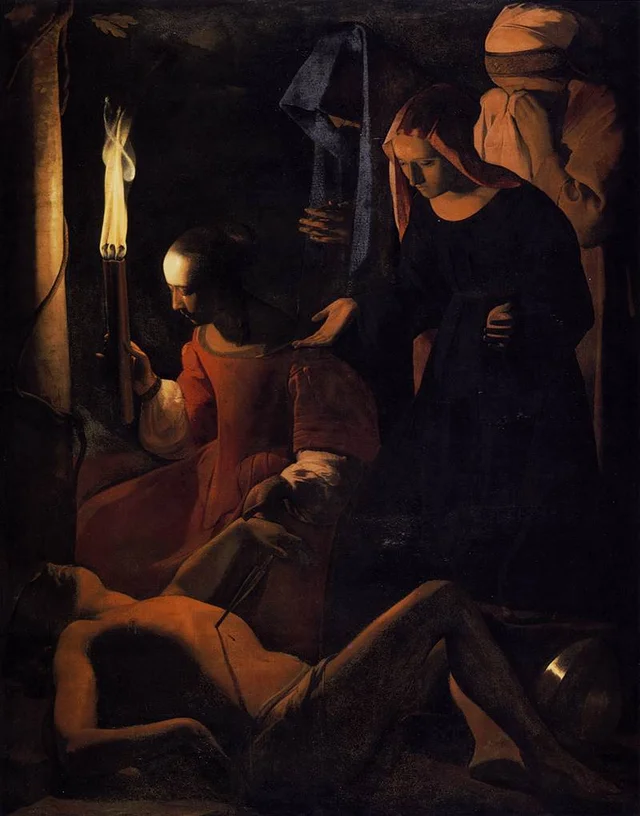 San Sebastián atendido por Santa IreneGeorges de La Tour, 1649
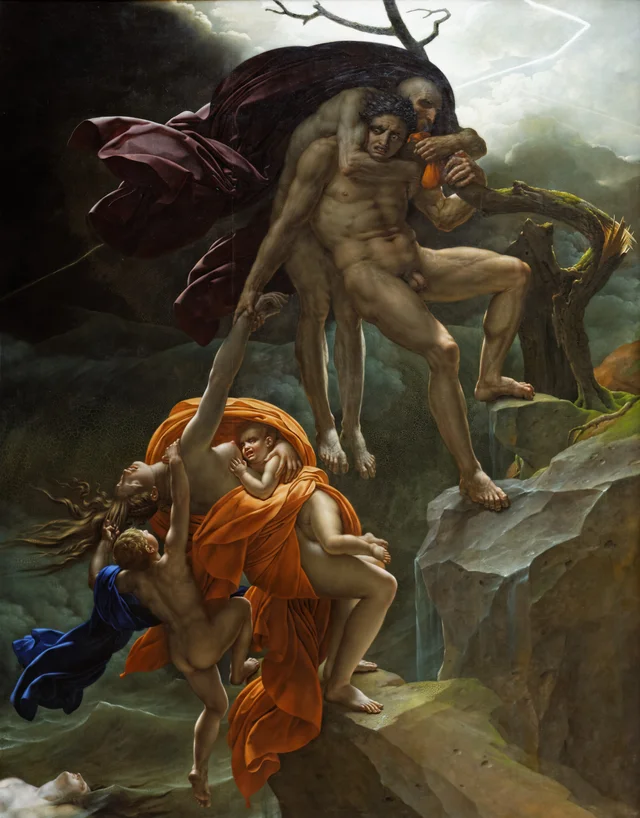 Escena de diluvioAnne-Louis Girodet, 1806
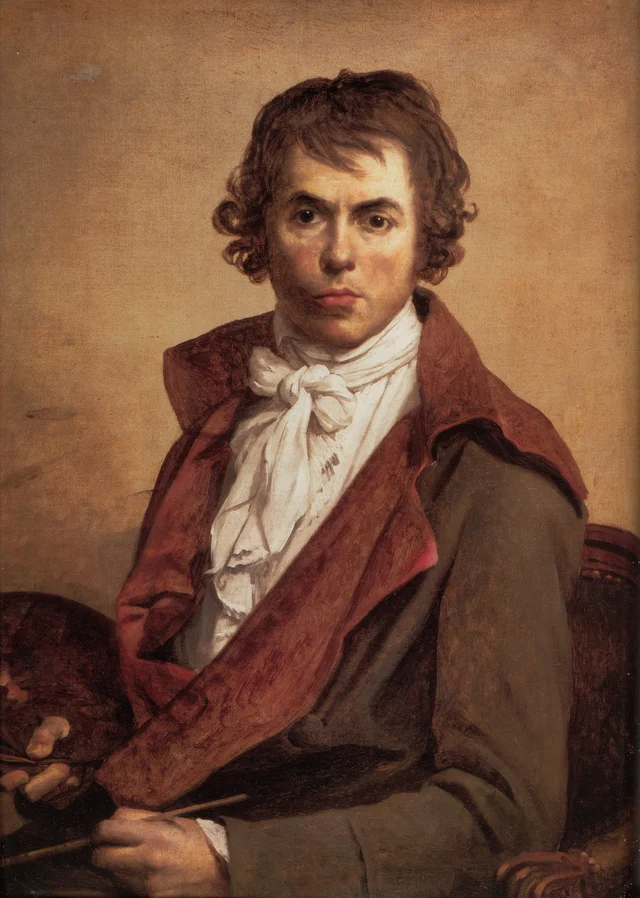 AutorretratoJacques-Louis David, 1794
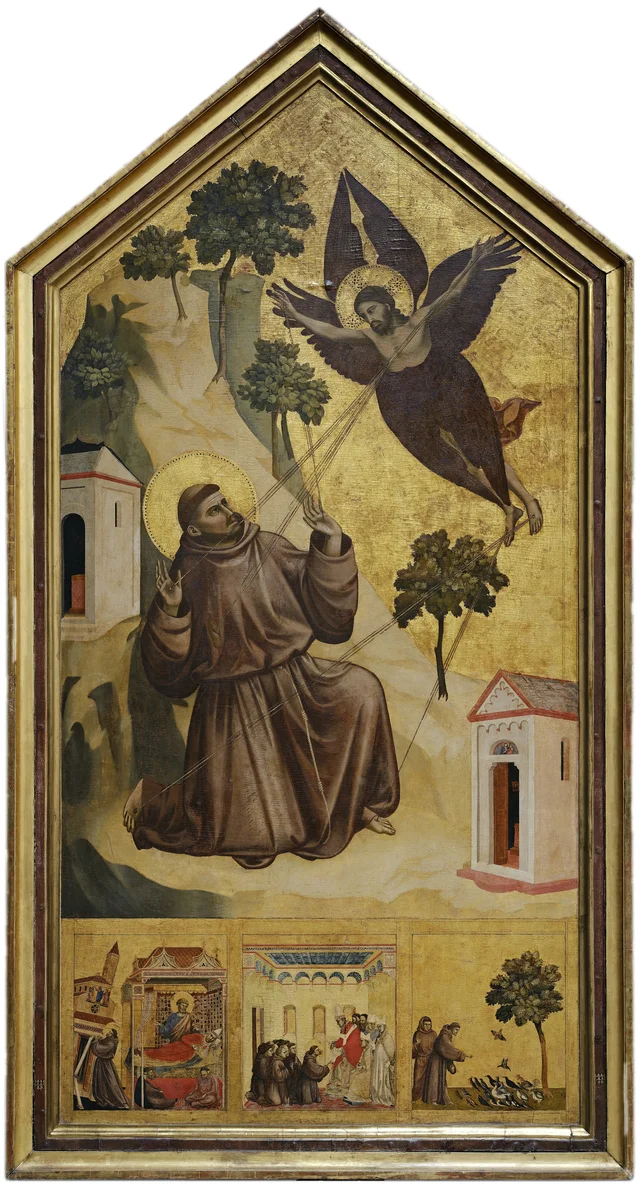 San Francisco de Asís recibiendo los estigmasGiotto, 1297
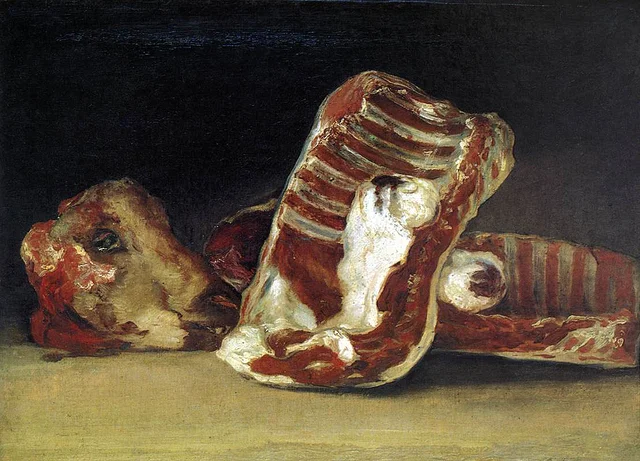 Bodegón: mostrador de una carniceríaFrancisco Goya, 1808
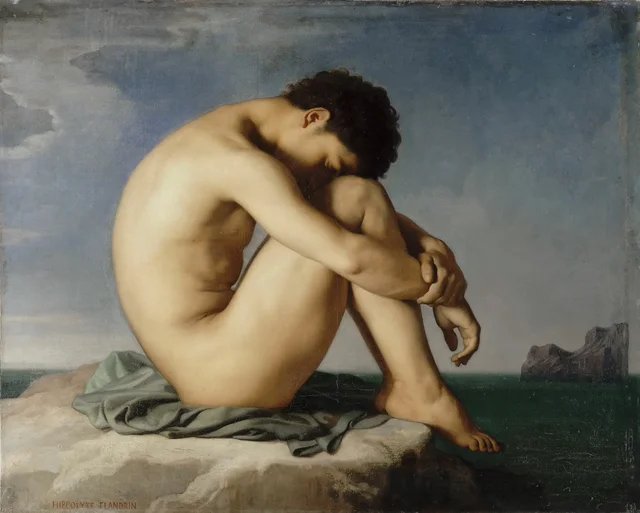 Estudio (Joven desnudo sentado junto al mar)Hippolyte Flandrin, 1837
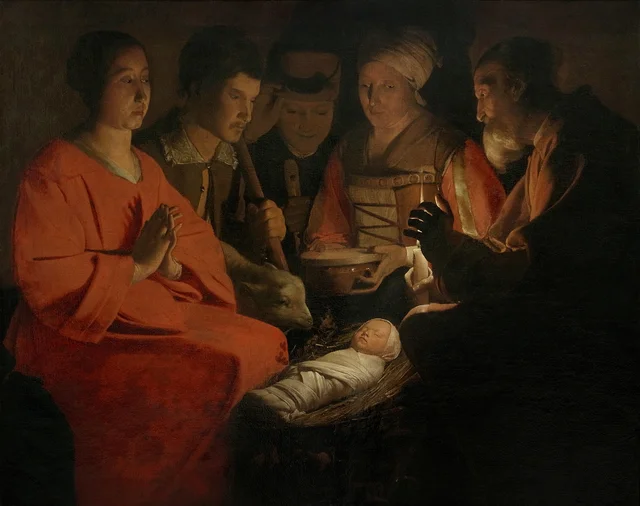 La adoración de los pastoresGeorges de La Tour, 1645
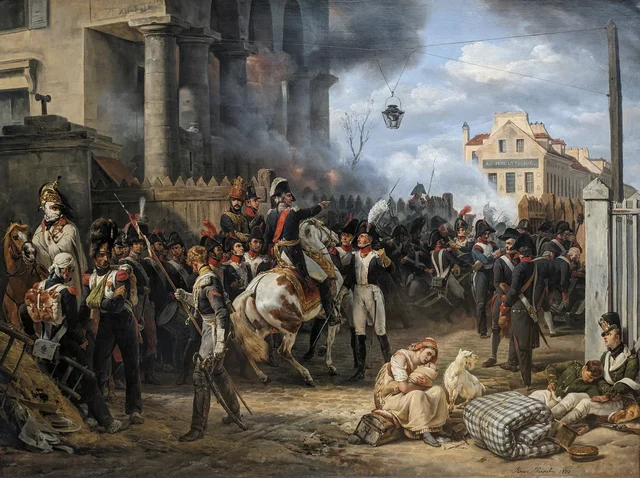 La barrera de ClichyHorace Vernet, 1820
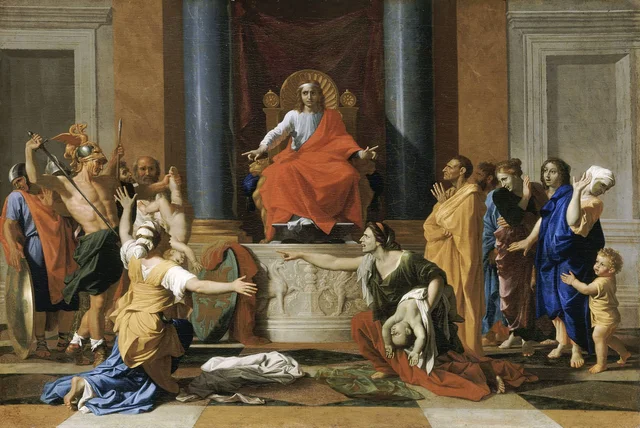 El juicio de SalomónNicolas Poussin, 1649
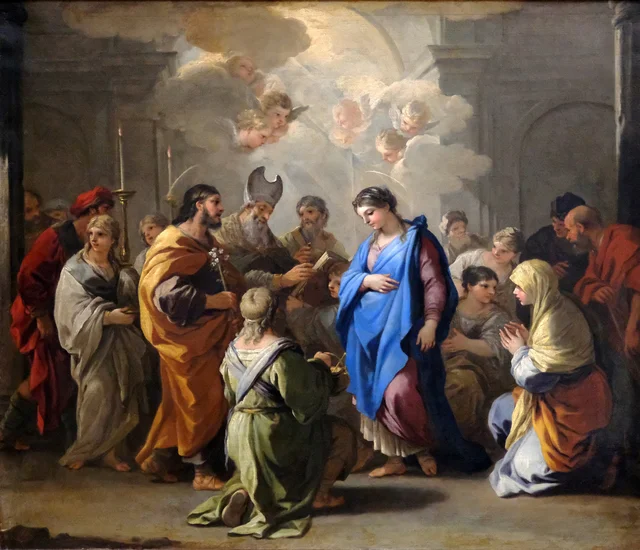 El desposorio de la VirgenLuca Giordano, 1688
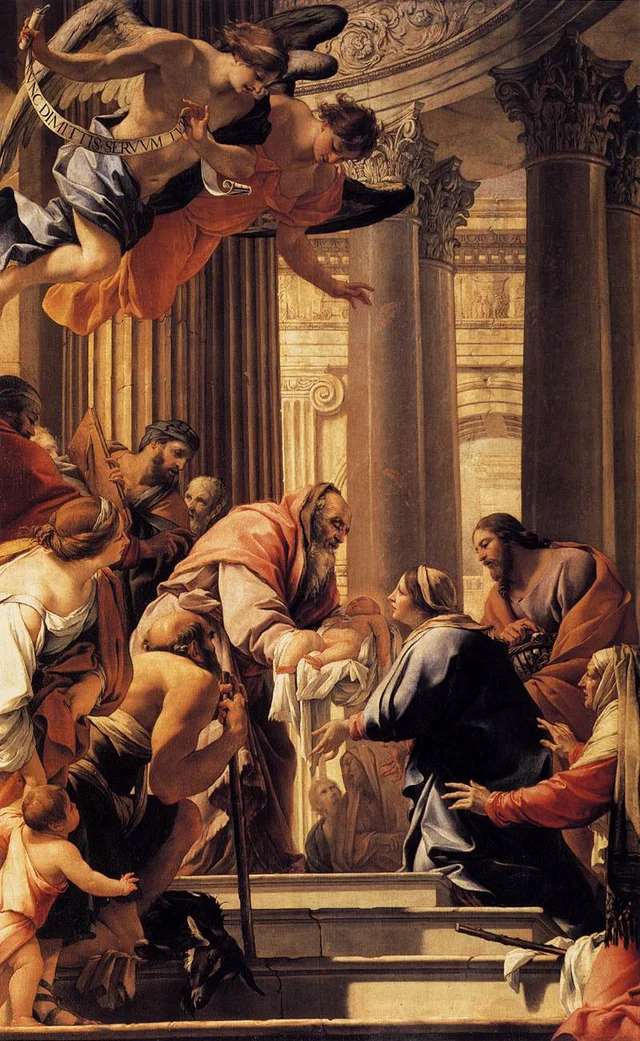 La presentación en el temploSimon Vouet, 1640