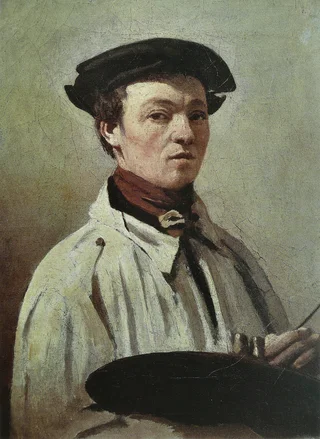
Jean-Baptiste Camille Corot
1796–1875 · France · Réalisme français
L'histoire
Jean-Baptiste Camille Corot vint tard à la peinture, et sans contrainte financière. Son père était perruquier et sa mère tenait une boutique de modiste, tous deux assez prospères pour lui accorder, à vingt-cinq ans, une petite rente et le laisser abandonner le commerce des tissus pour peindre, une liberté qui lui permit de travailler à son propre rythme le reste de sa vie. Il passa plusieurs années en Italie à réaliser en plein air de rapides esquisses à l'huile, développant une technique libre et lumineuse, en avance de plusieurs années sur les paysages d'atelier léchés qu'attendait encore le Salon de Paris.
De retour en France, il gravita à partir de 1829 autour de la forêt de Fontainebleau, où un cercle informel de peintres insatisfaits des conventions académiques, parmi lesquels Jean-François Millet et Théodore Rousseau, formait ce qui allait devenir l'école de Barbizon. Corot en devint la figure la plus célébrée, apprécié pour ses scènes de sous-bois argentées et atmosphériques, qui se vendaient bien et le rendirent confortablement riche alors même que de plus jeunes artistes radicaux peinaient à vivre.
Il se montra aussi étonnamment généreux de cette réussite, venant en aide à des confrères plus pauvres en difficulté, et forma personnellement les jeunes Camille Pissarro et Berthe Morisot, futurs impressionnistes qui portèrent dans ce mouvement, auquel il n'adhéra jamais officiellement, son attachement à peindre directement d'après nature. Il mourut à Paris en 1875, laissant plus de trois mille tableaux, un nombre gonflé au fil des décennies suivantes par des faux réalisés dans son style.
Autres articles
Œuvres
170 œuvres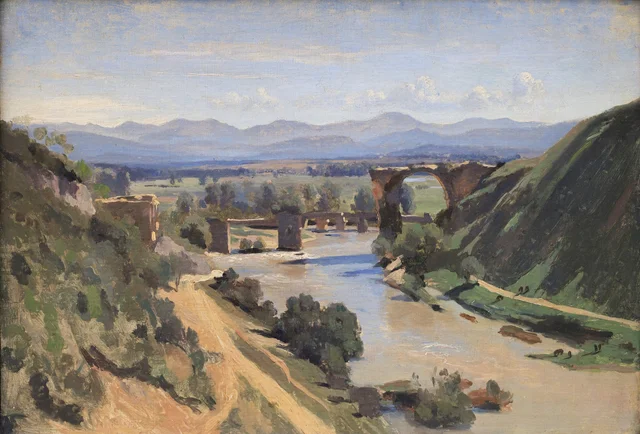 Le Pont de NarniJean-Baptiste Camille Corot, 1826
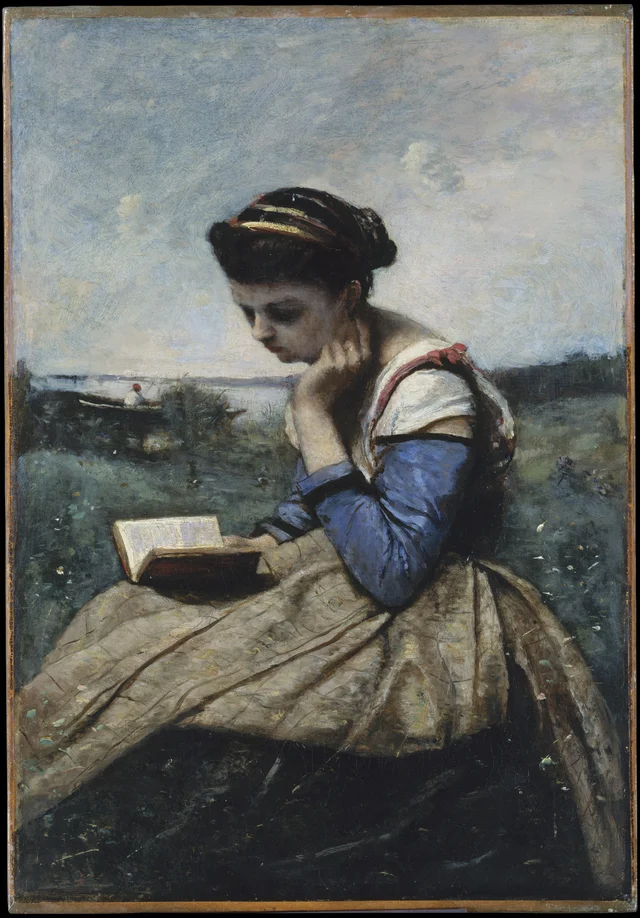 Femme lisantJean-Baptiste Camille Corot, 1869
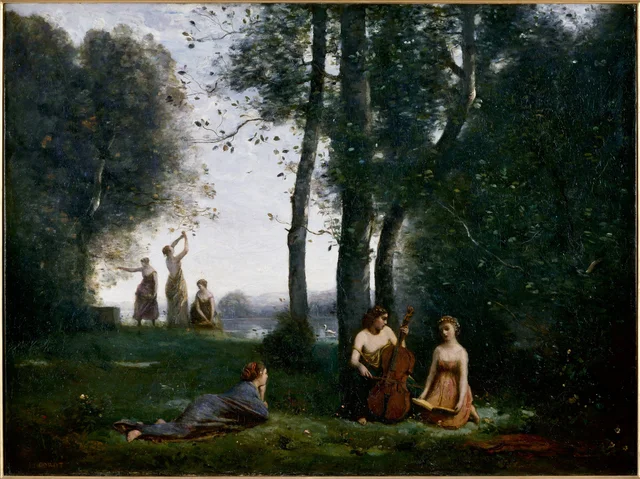 Le Concert champêtreJean-Baptiste Camille Corot, 1857
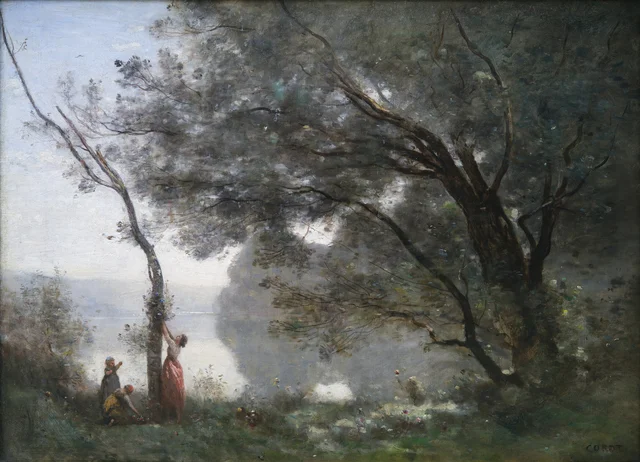 Souvenir de MortefontaineJean-Baptiste Camille Corot, 1864
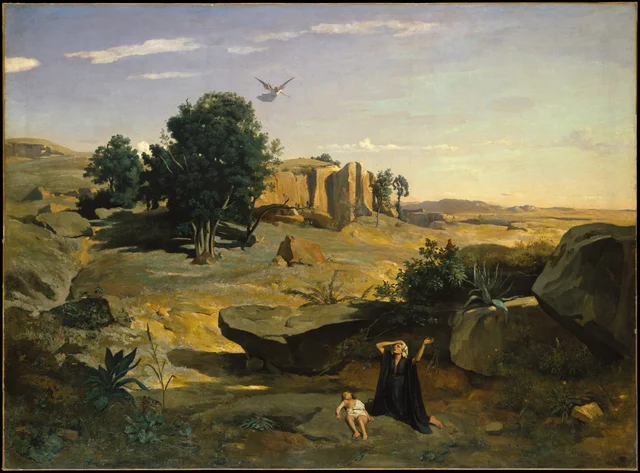 Agar dans le désertJean-Baptiste Camille Corot, 1835
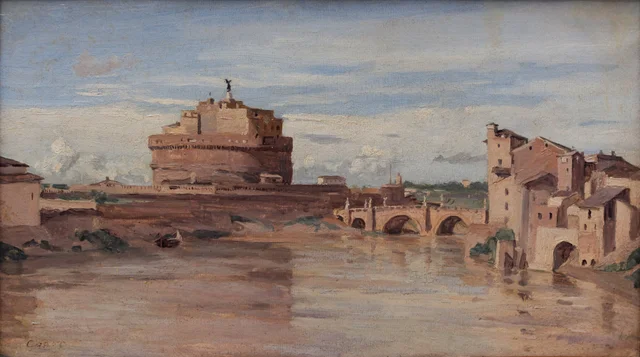 Le Château Saint-Ange et le TibreJean-Baptiste Camille Corot, 1826
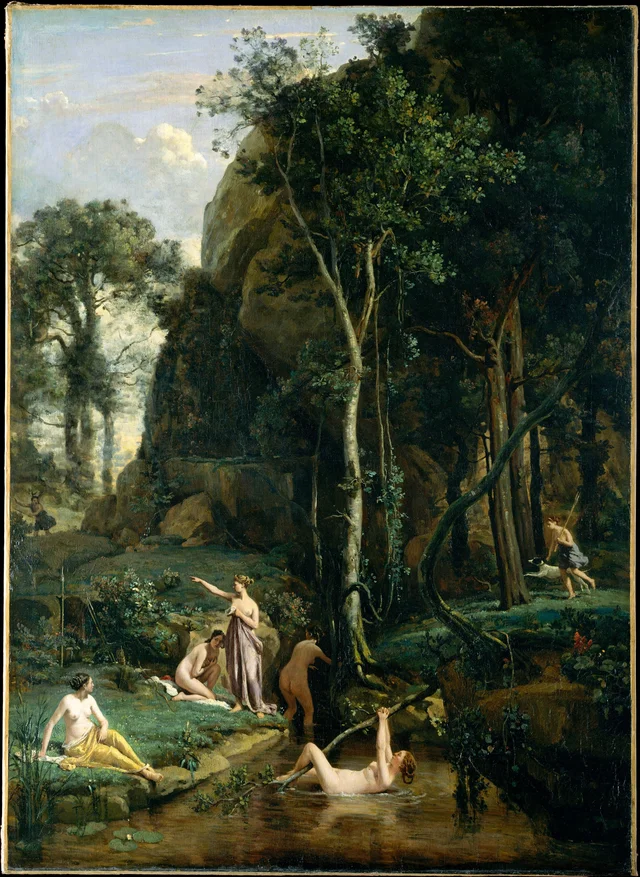 Diane et Actéon (Diane surprise au bain)Jean-Baptiste Camille Corot, 1836
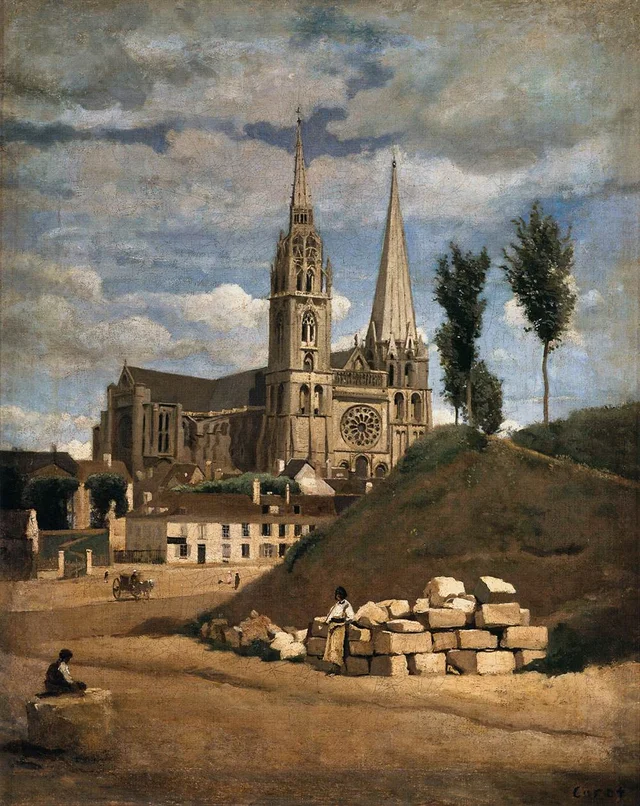 La Cathédrale de ChartresJean-Baptiste Camille Corot, 1830
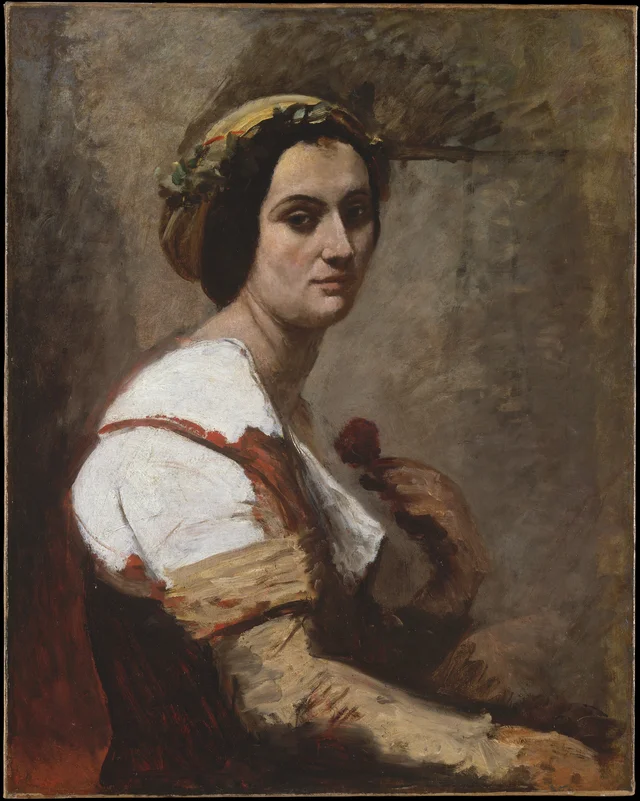 SibylleJean-Baptiste Camille Corot, 1870
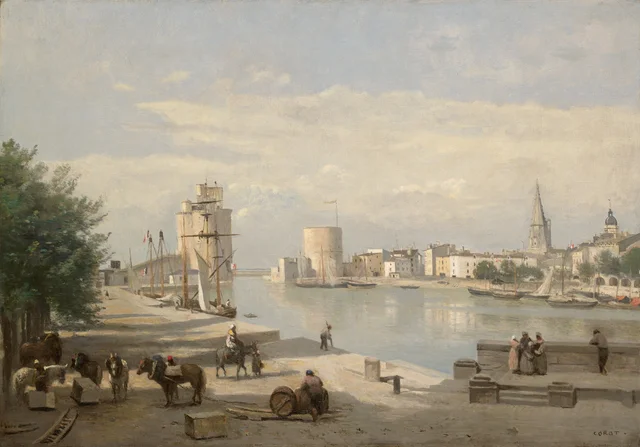 Le Port de La RochelleJean-Baptiste Camille Corot, 1851
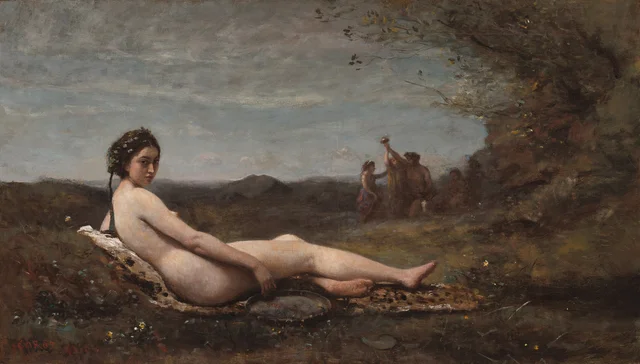 Le ReposJean-Baptiste Camille Corot, 1860
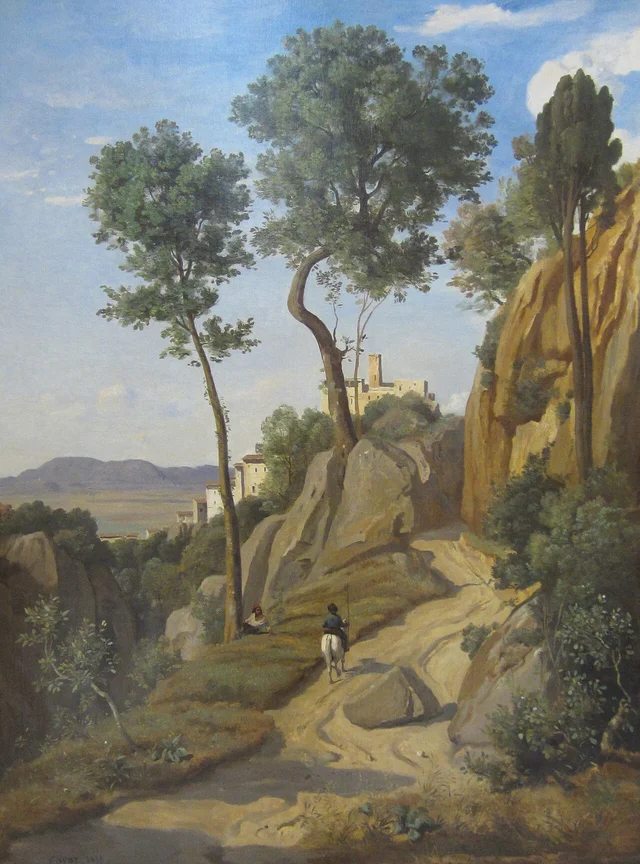 Vue de VolterraJean-Baptiste Camille Corot, 1838
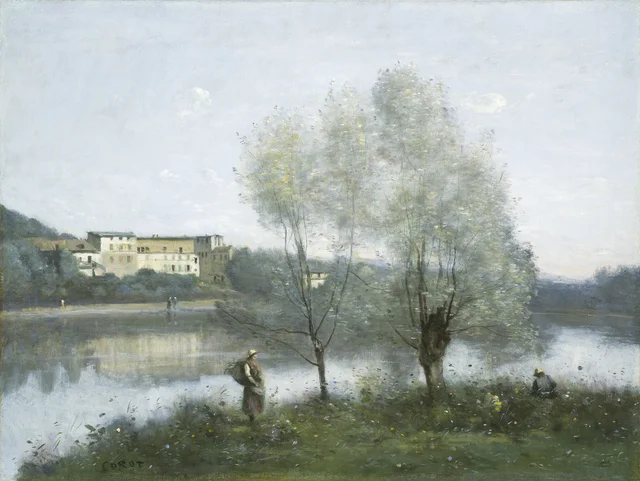 Ville-d'AvrayJean-Baptiste Camille Corot, 1865
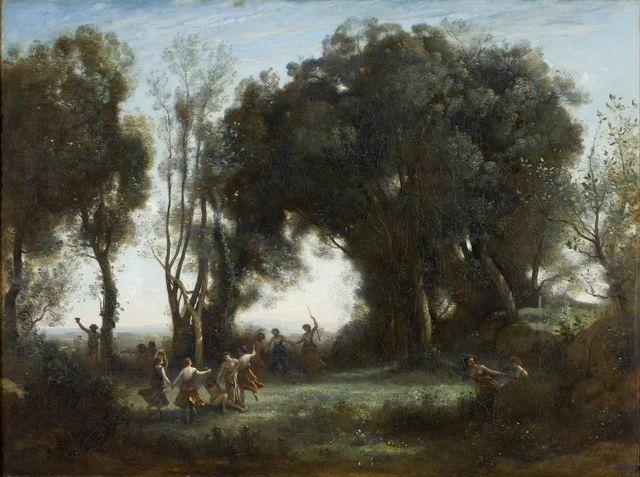 Une matinée. La danse des nymphesJean-Baptiste Camille Corot, 1850
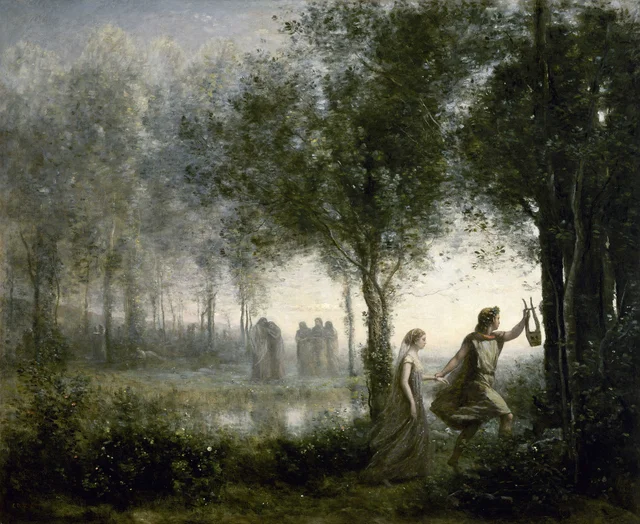 Orphée ramenant Eurydice des enfersJean-Baptiste Camille Corot, 1861
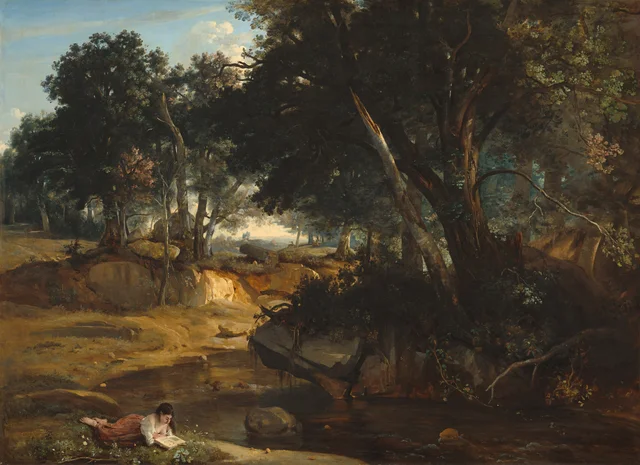 Forêt de FontainebleauJean-Baptiste Camille Corot, 1834
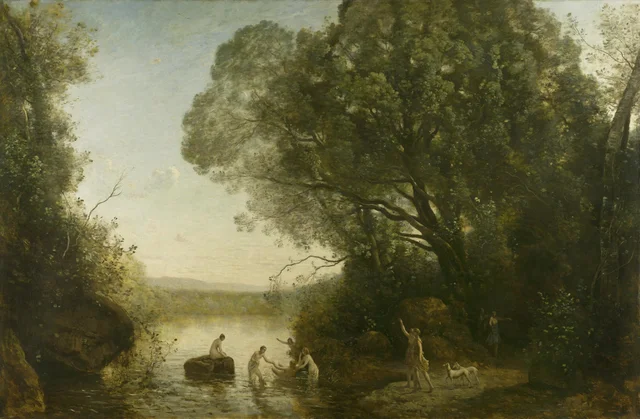 Le Bain de DianeJean-Baptiste Camille Corot, 1855
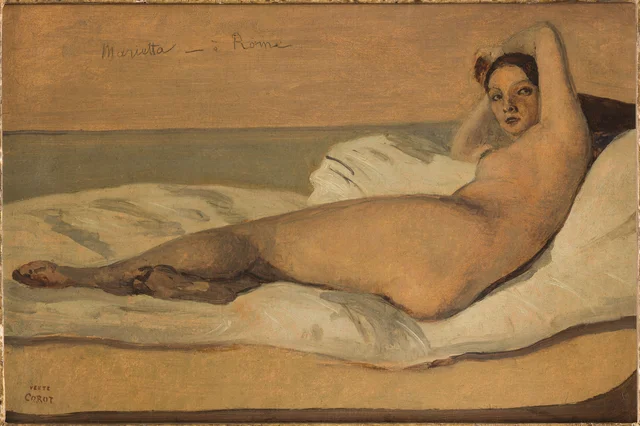 MariettaJean-Baptiste Camille Corot, 1843
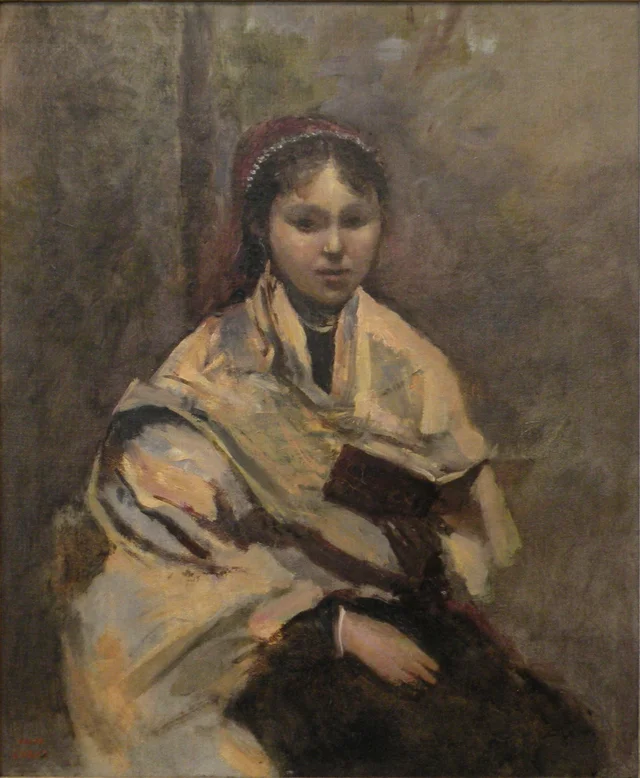 Jeune fille assise avec un livre à la mainJean-Baptiste Camille Corot, 1865
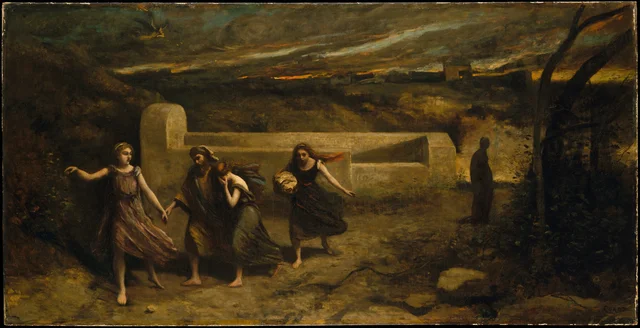 L'Incendie de SodomeJean-Baptiste Camille Corot, 1857
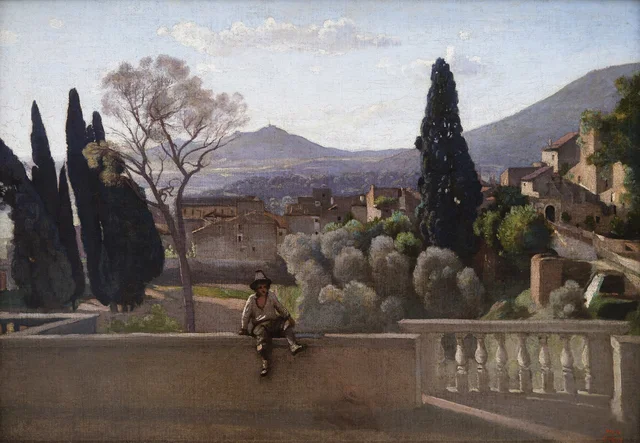 Les Jardins de la villa d'Este à TivoliJean-Baptiste Camille Corot, 1843
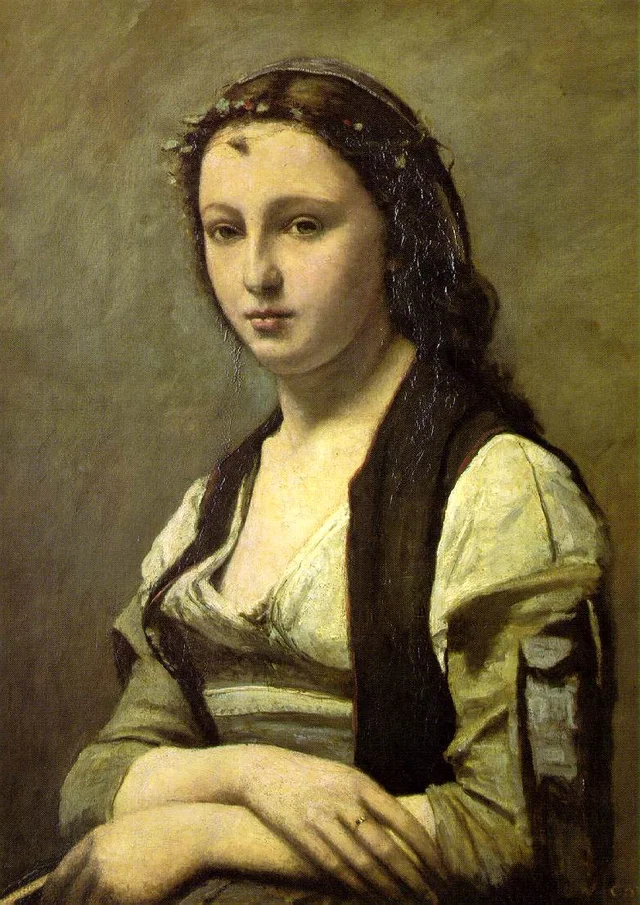 La Femme à la perleJean-Baptiste Camille Corot, 1868
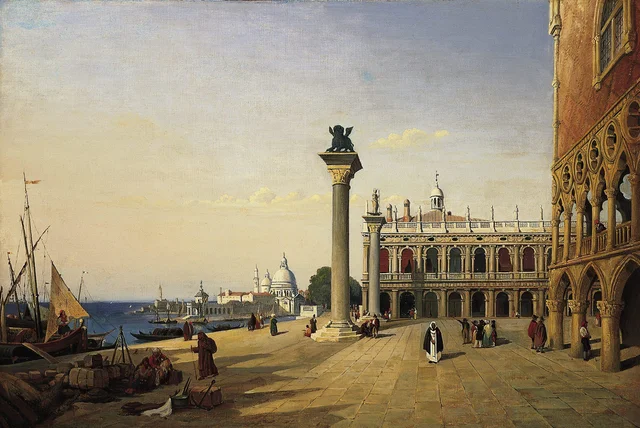 Venise, la PiazzettaJean-Baptiste Camille Corot, 1840
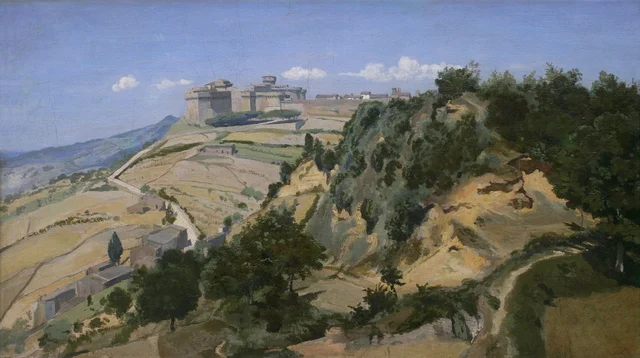 Vue de VolterraJean-Baptiste Camille Corot, 1834
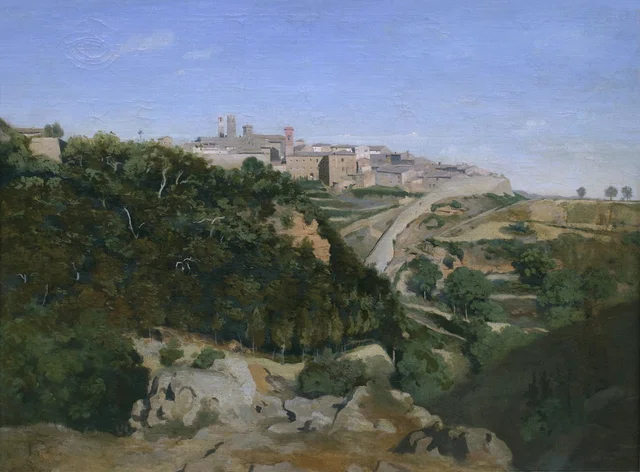 Vue de VolterraJean-Baptiste Camille Corot, 1834