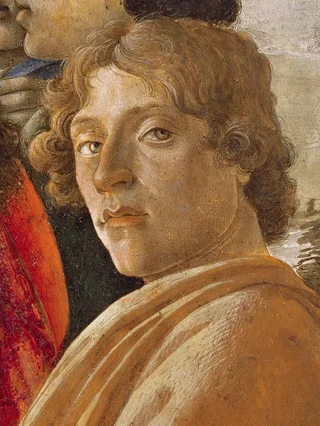
Sandro Botticelli
1445–1510 · République de Florence · Première Renaissance
L'histoire
Pendant quelques décennies, à la fin du XVe siècle, Florence fut gouvernée en tout sauf le nom par les Médicis, une famille de banquiers qui aimaient habiller leur pouvoir de poésie et de philosophie. Sandro Botticelli fut leur peintre pour cela. Né vers 1445 dans la ville, formé dans ses ateliers, il produisait dès la quarantaine les images auxquelles on pense encore aujourd'hui pour se représenter la Renaissance à son apogée la plus sûre d'elle-même — Vénus arrivant sur un coquillage, le Printemps traversant une orangeraie, tous deux peints pour des cousins Médicis et accrochés dans leurs villas.
Ces tableaux étaient inhabituels, même pour l'époque. De grandes scènes mythologiques de dieux païens presque nus, réalisées pour une maison privée plutôt que pour une église, s'appuyaient sur le savoir grec que le cercle des Médicis s'employait à faire revivre. Le philosophe Marsile Ficin, sous le patronage des Médicis, soutenait que la beauté païenne et la foi chrétienne pouvaient se concilier, et la Vénus de Botticelli est ce qui, en peinture, s'approche le plus de cette idée.
Puis tout s'effondra. Laurent de Médicis mourut en 1492, la famille fut chassée deux ans plus tard, et un moine dominicain nommé Savonarole prit la ville en main avec des sermons sur le péché et la fin des temps. En 1497, ses partisans dressèrent sur la place principale le Bûcher des vanités et y brûlèrent miroirs, beaux vêtements, livres et tableaux jugés immoraux. Les mythologies de Botticelli survécurent, très probablement parce qu'elles se trouvaient à l'abri dans des pièces privées des Médicis. Le peintre lui-même semble avoir été ébranlé par les prêches, et son œuvre tardive se fait religieuse et sévère, la légèreté d'autrefois disparue. Il mourut en 1510, passé de mode, et resta largement oublié jusqu'à ce que le XIXe siècle ramène sa Vénus au regard du monde.
Autres articles
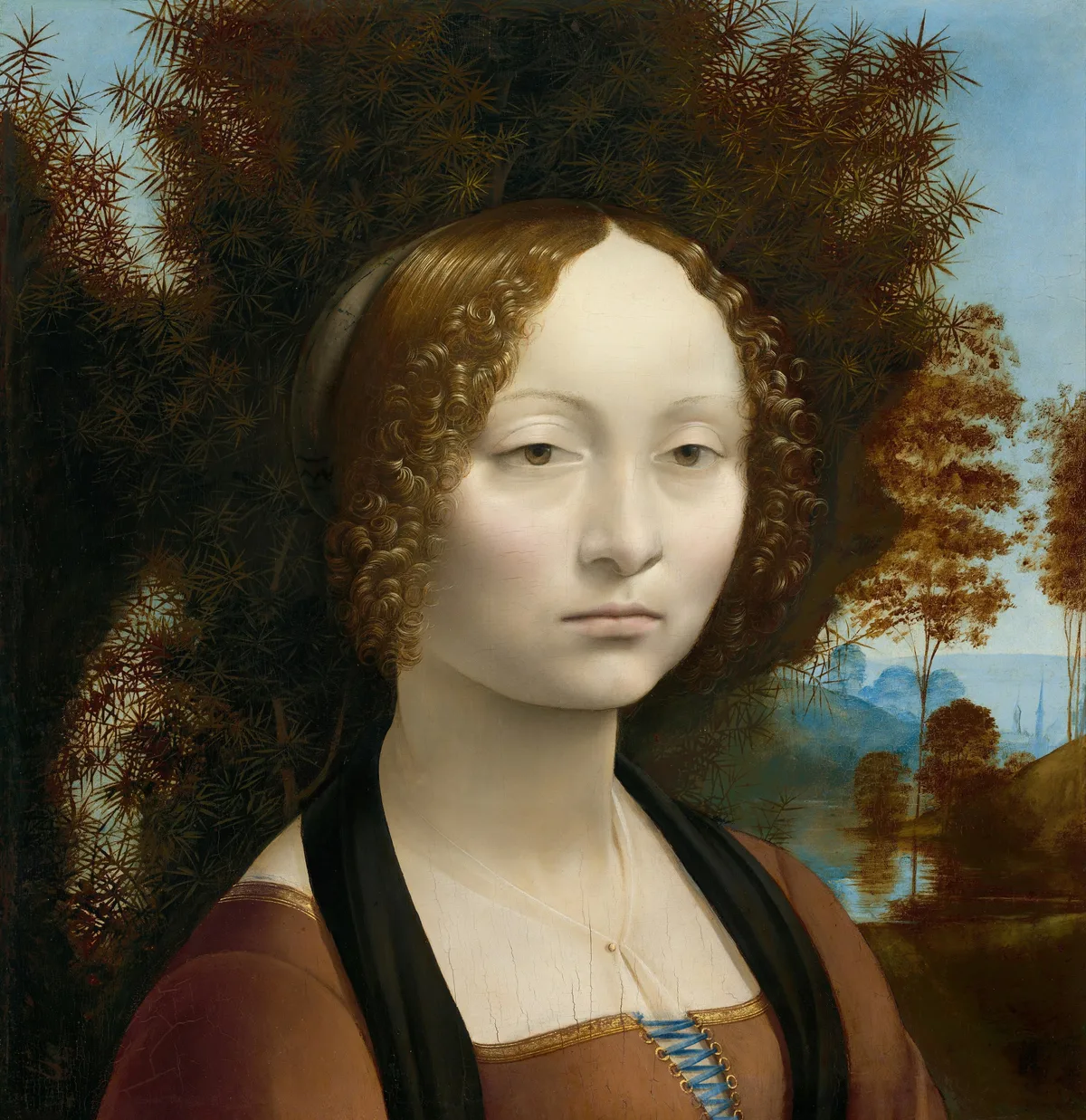 Article · 42 min de lectureLa National Gallery of Art de Washington : vingt tableaux venus de mains privées
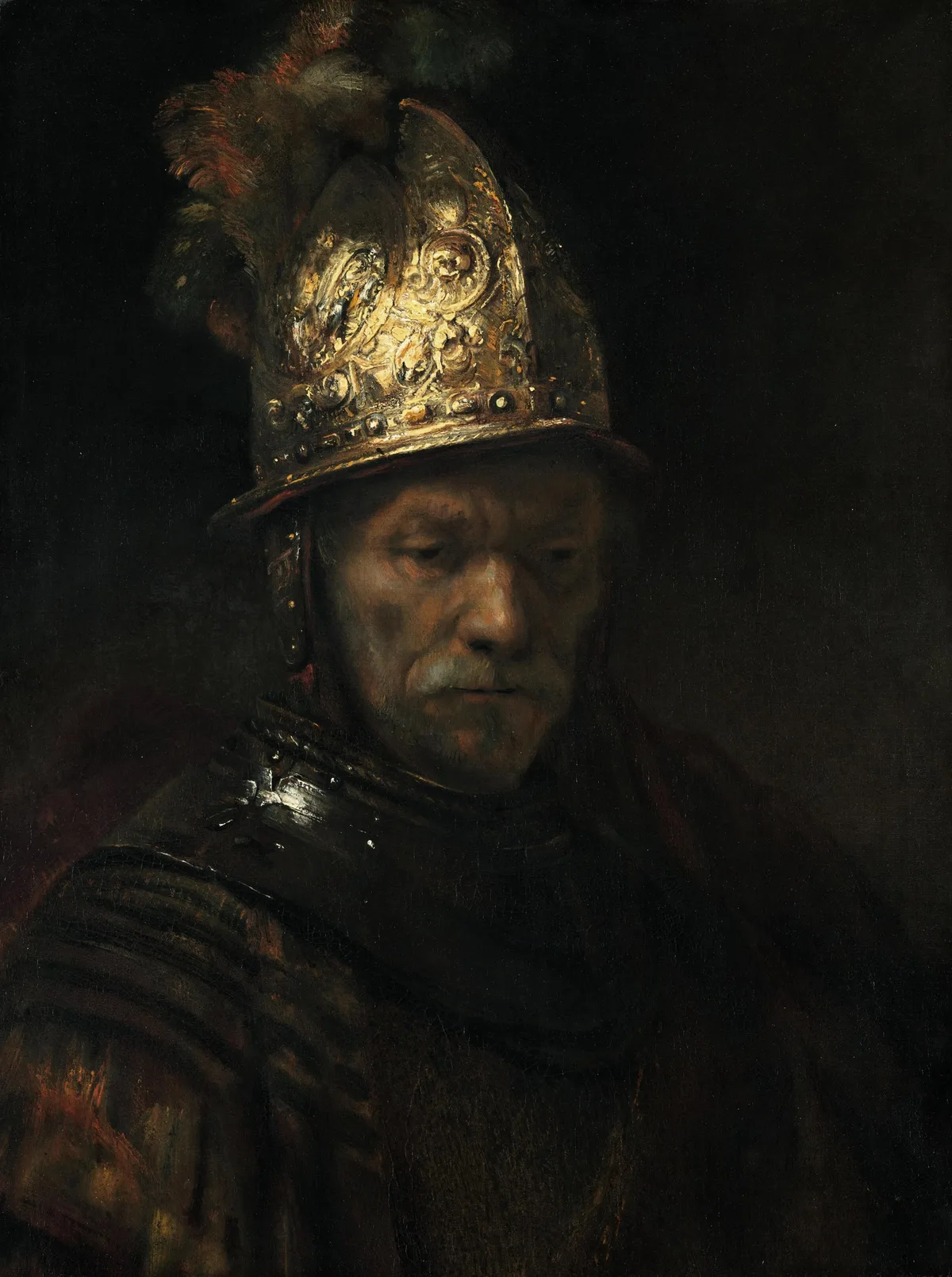 Article · 47 min de lectureLa Gemäldegalerie de Berlin : 20 tableaux que Berlin a achetés, perdus et divisés
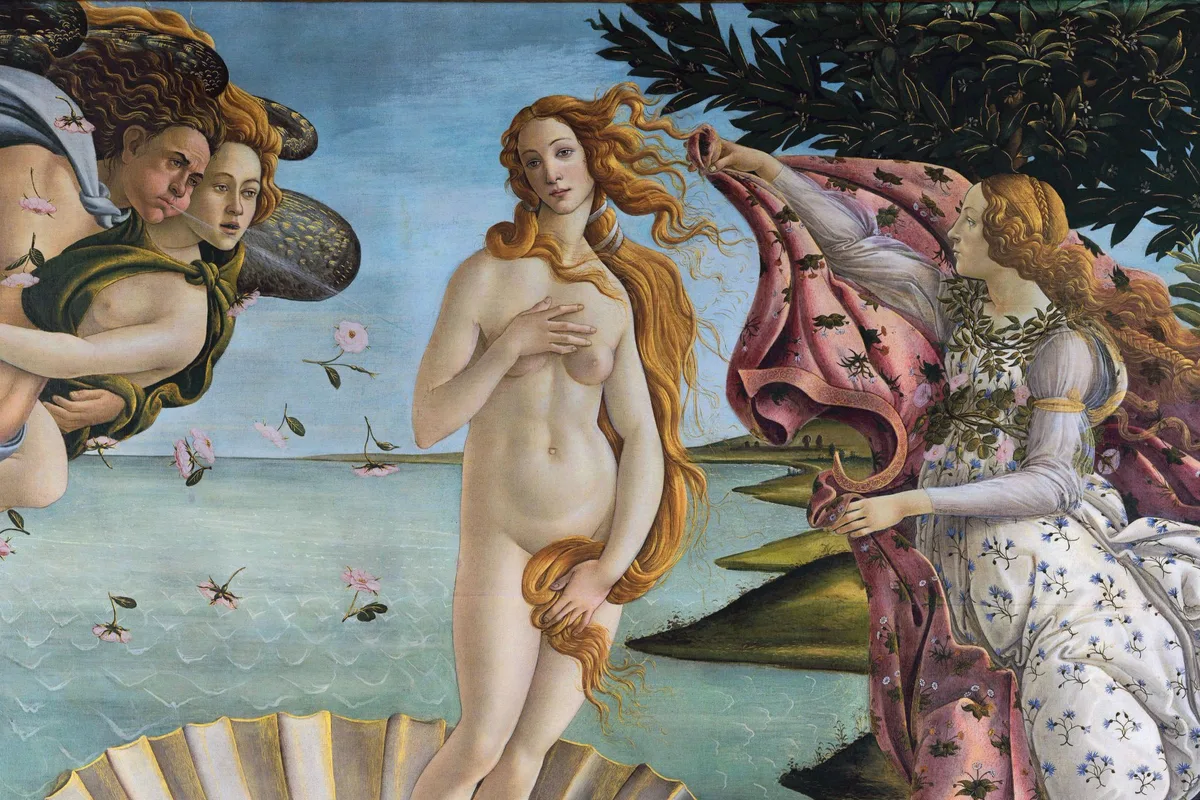 Article · 47 min de lectureGalerie des Offices : le musée qui a survécu aux Médicis
 Article · 45 min de lectureL’Alte Pinakothek : 20 tableaux et comment ils sont arrivés à Munich
 Article · 43 min de lectureComment s'est constituée la National Gallery : d'Angerstein à Artemisia
Œuvres
119 œuvres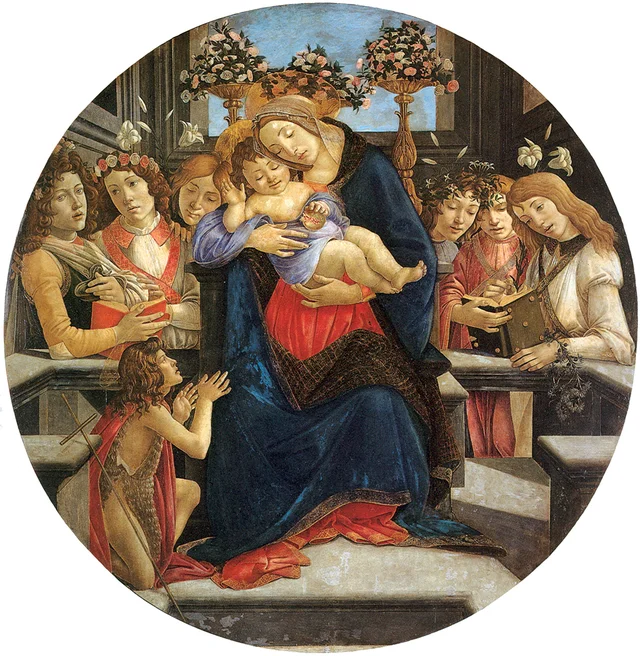 Vierge à l'Enfant avec six anges et saint Jean-Baptiste enfantSandro Botticelli, 1489
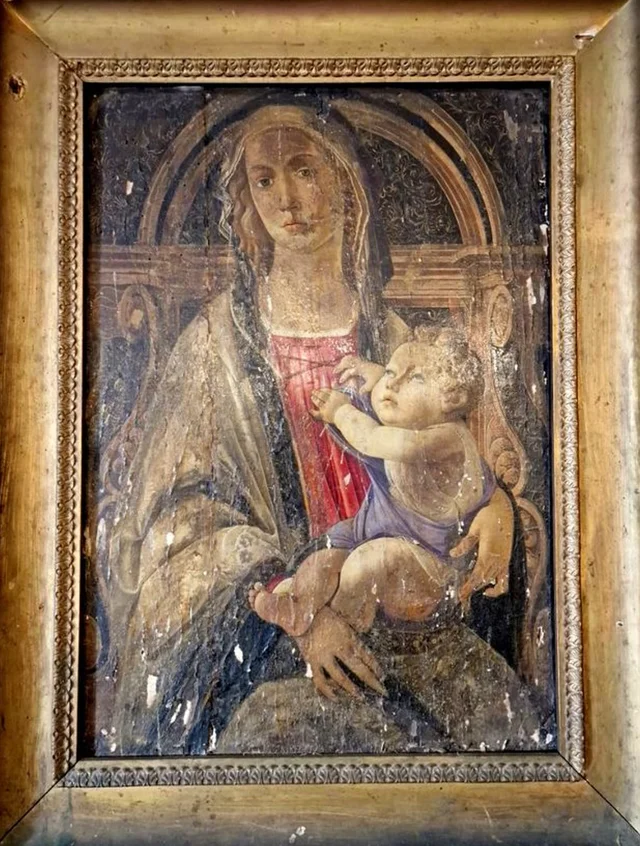 Vierge de GrâceSandro Botticelli, 1470
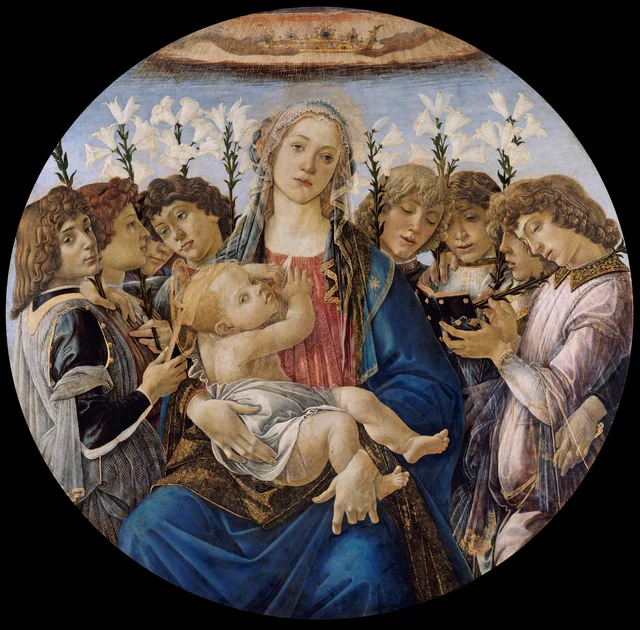 Marie avec l'Enfant et des anges chanteursSandro Botticelli, 1478
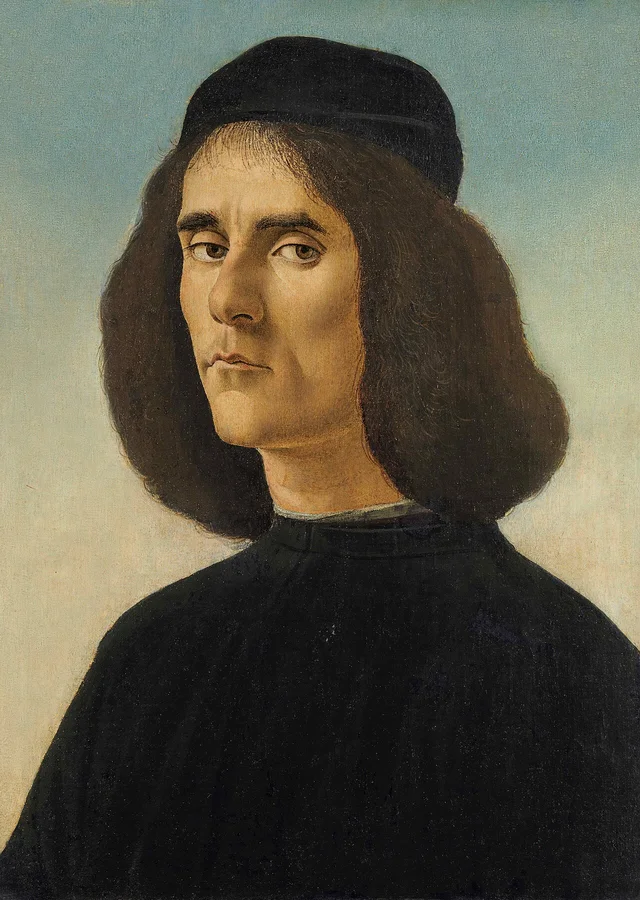 Portrait de Michel Tarchaniota MarulleSandro Botticelli, 1497
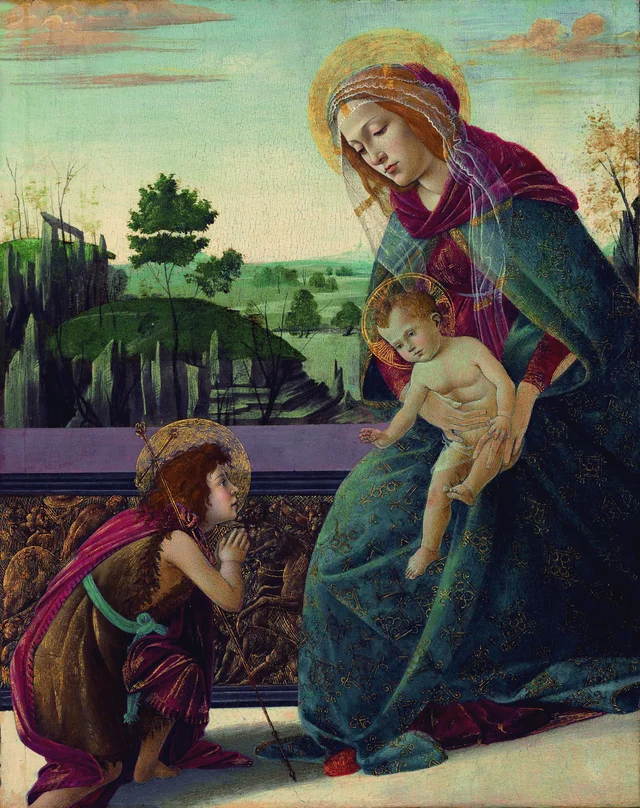 La Vierge à l'Enfant avec le jeune saint Jean-BaptisteSandro Botticelli, 1490
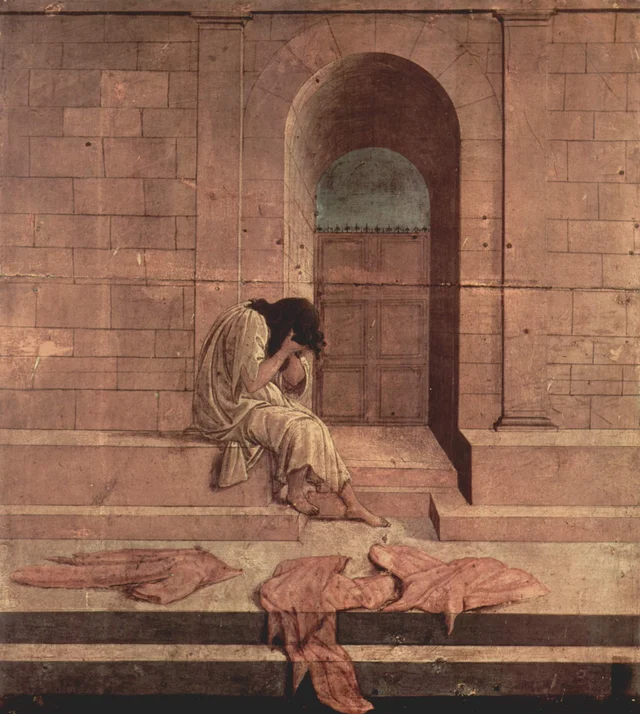 La BannieSandro Botticelli, 1480
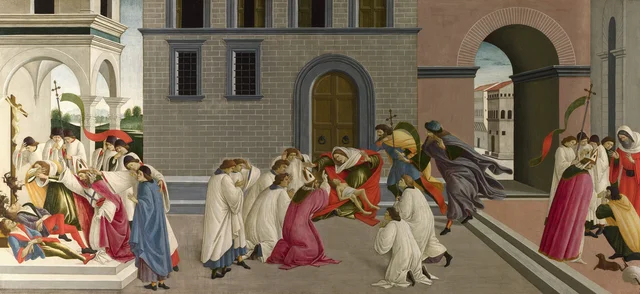 Trois miracles de saint ZénobeSandro Botticelli, 1500
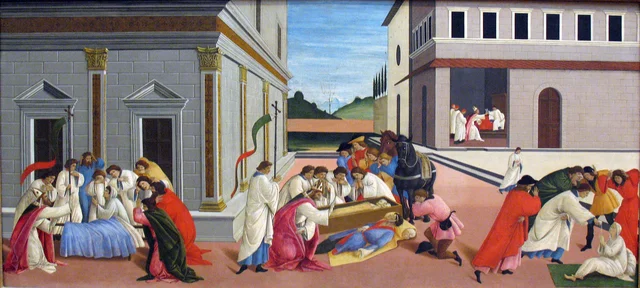 Trois miracles de saint ZénobeSandro Botticelli, 1500
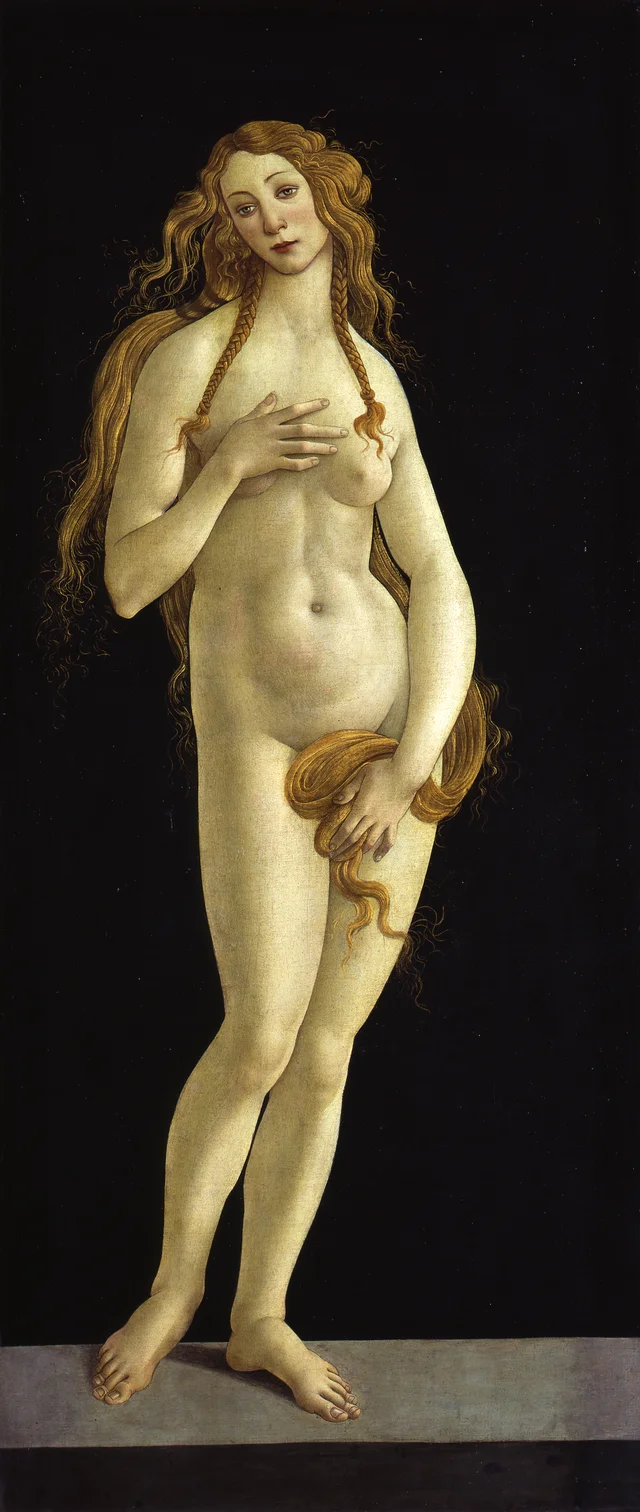 VénusSandro Botticelli, 1490
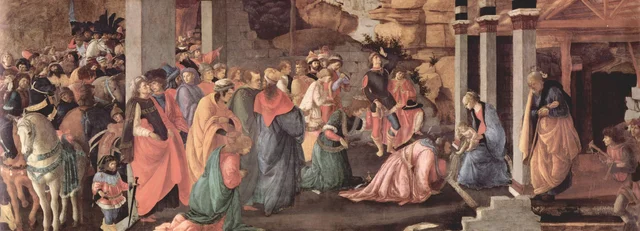 L'Adoration des Rois magesSandro Botticelli, 1470
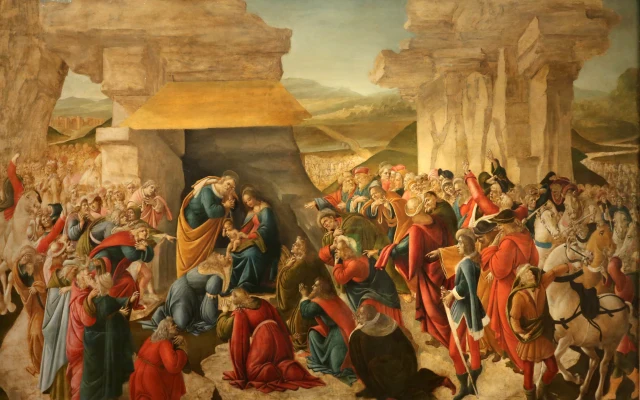 L'Adoration des MagesSandro Botticelli, 1500
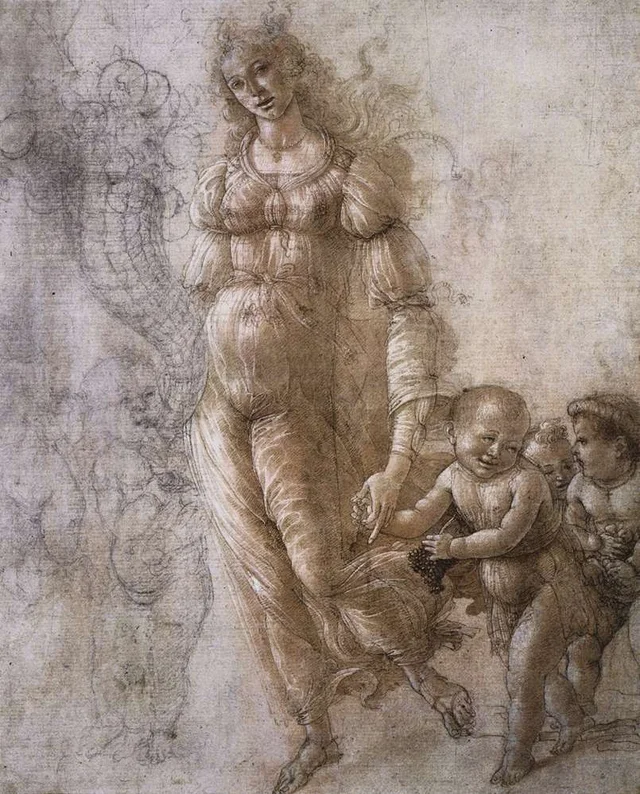 Allégorie de l'AbondanceSandro Botticelli, 1480
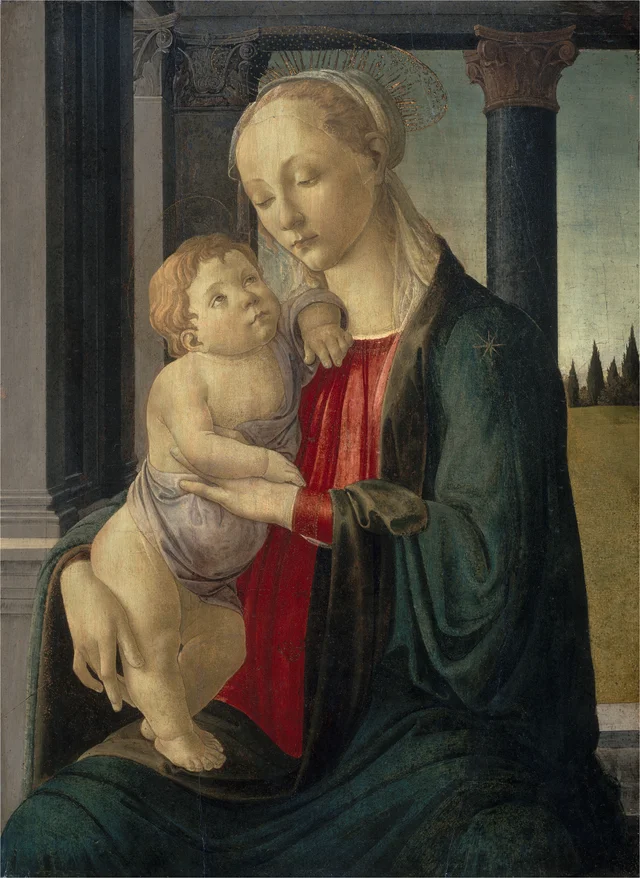 Vierge à l'EnfantSandro Botticelli, 1470
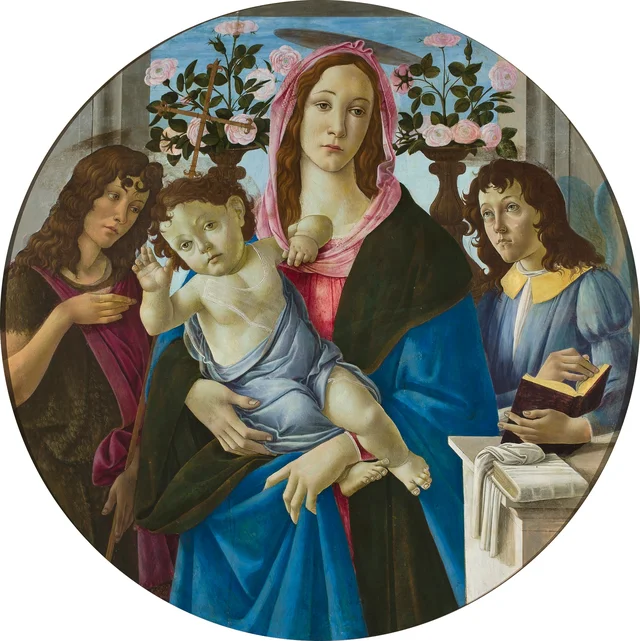 Vierge à l'Enfant avec saint Jean-Baptiste et un angeSandro Botticelli, 1480
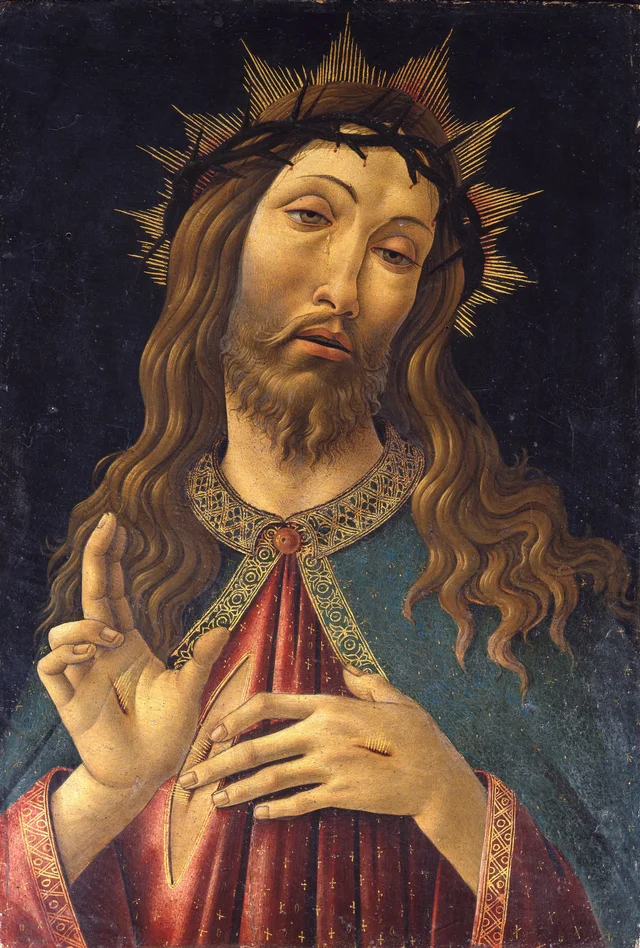 L'Homme de douleursSandro Botticelli, 1500
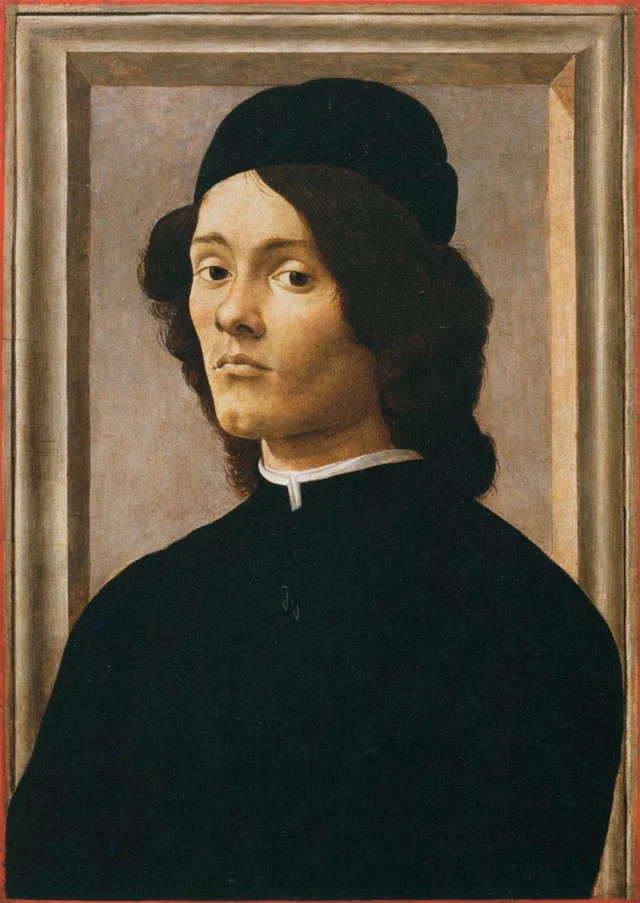 Portrait d'un jeune hommeSandro Botticelli, 1490
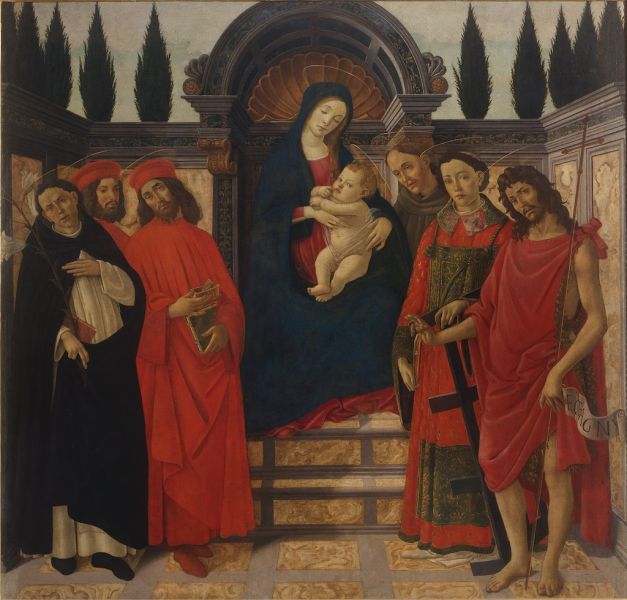 Retable du TrebbioSandro Botticelli, 1498
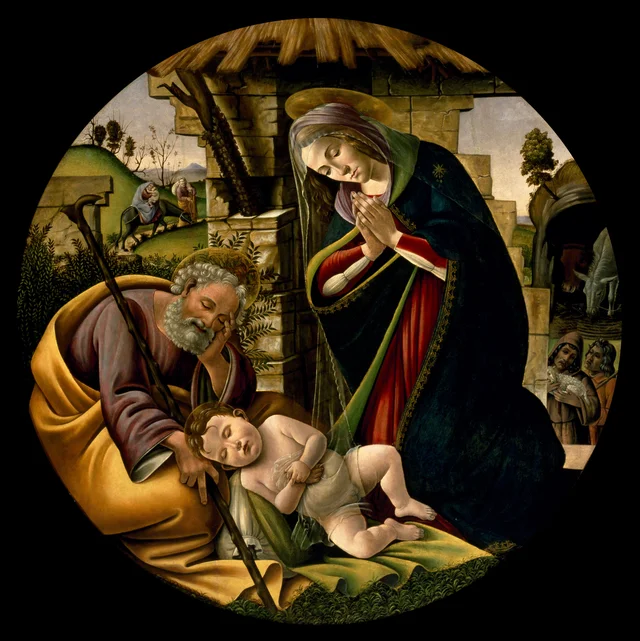 L'Adoration de l'Enfant JésusSandro Botticelli, 1500
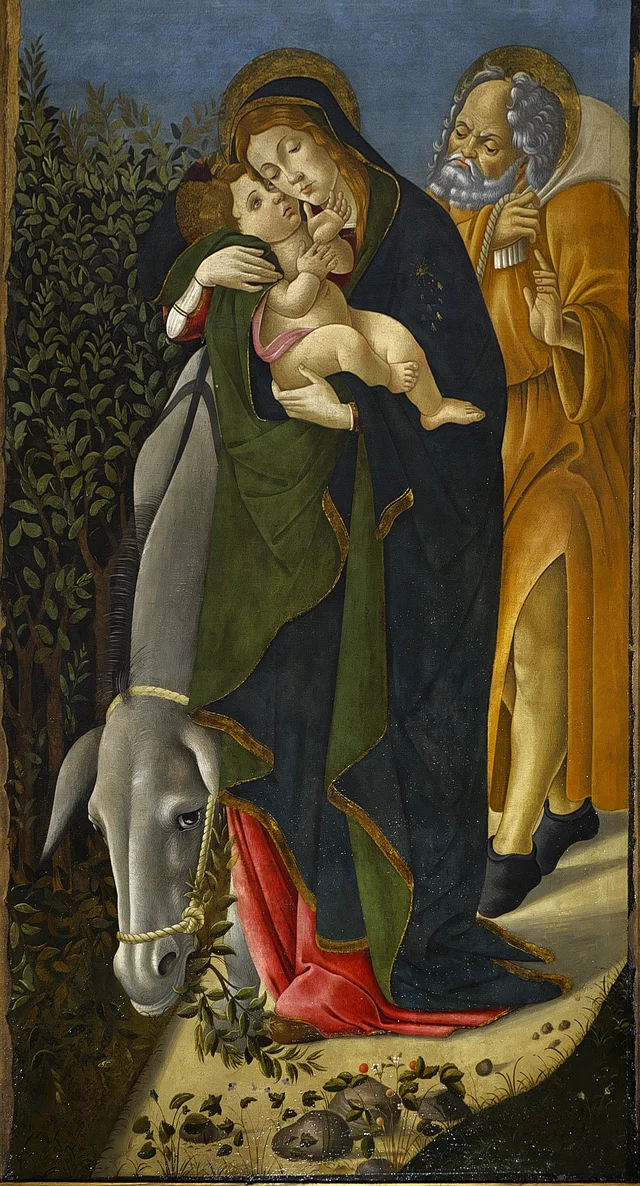 La Fuite en ÉgypteSandro Botticelli, 1510
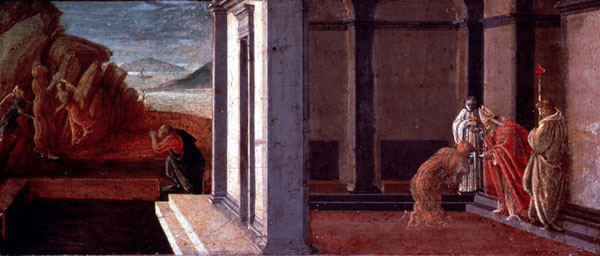 Les Derniers Moments de sainte Marie-MadeleineSandro Botticelli, 1491
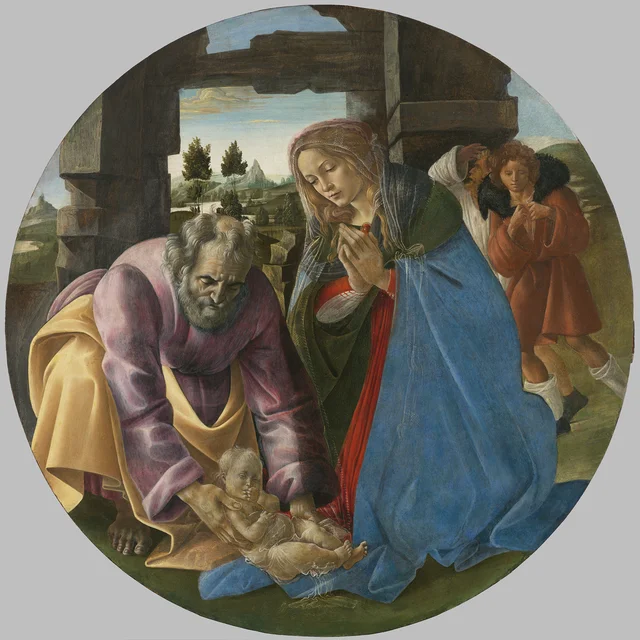 La NativitéSandro Botticelli, 1483
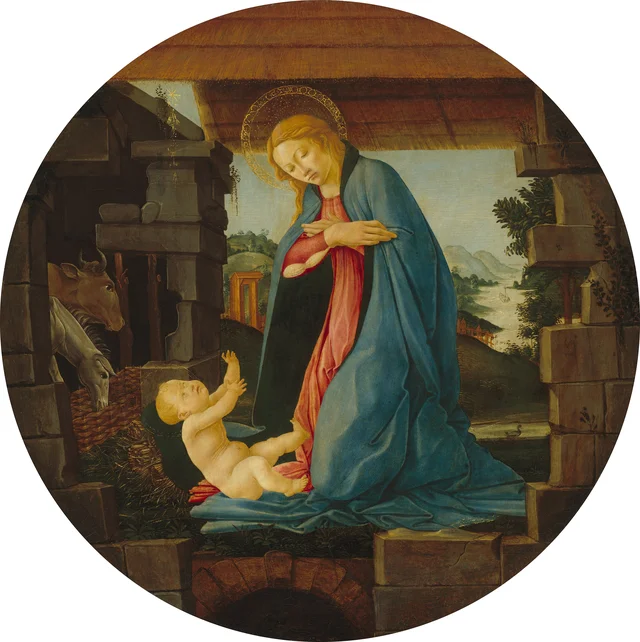 La Vierge adorant l'EnfantSandro Botticelli, 1490
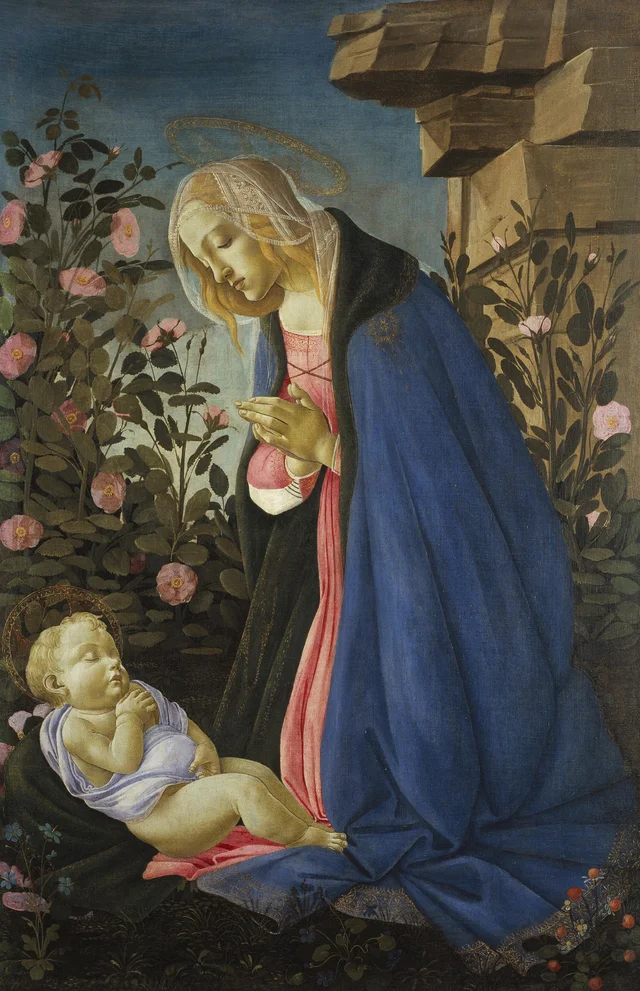 La Vierge adorant l'Enfant Jésus endormiSandro Botticelli, 1485
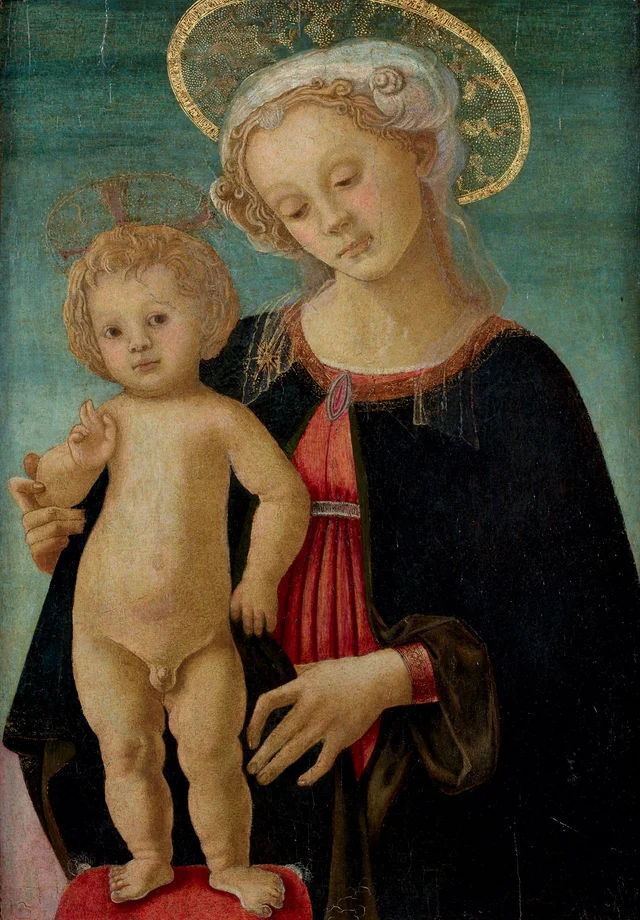 La Vierge et l'EnfantSandro Botticelli, 1470
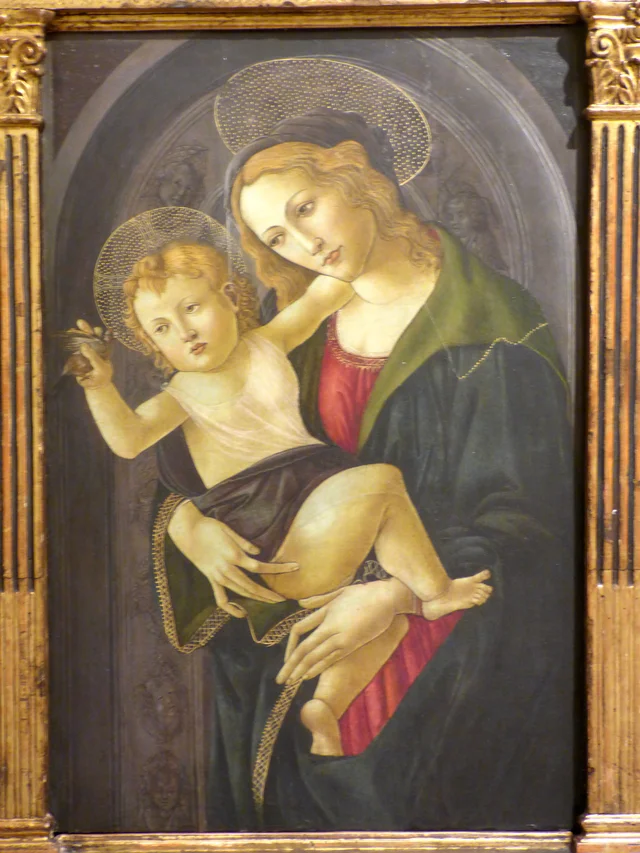 La Vierge et l'Enfant dans une nicheSandro Botticelli, 1477