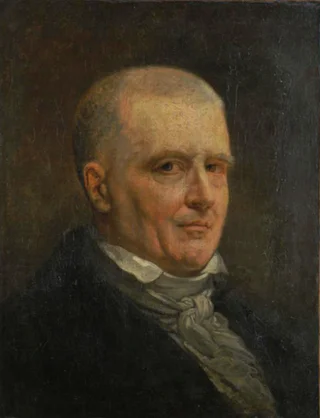
Jean-Honoré Fragonard
1732–1806 · Francia · Rococò
La storia
Nel 1767 un nobile di second'ordine si rivolse al pittore Gabriel-François Doyen con una commissione singolare: ritrarre lui e la sua amante, lei su un'altalena spinta da un vescovo, disposta in modo che dal suo nascondiglio in basso potesse guardarle sotto la gonna. Doyen rifiutò e passò l'incarico al collega più giovane Jean-Honoré Fragonard, che lo accettò, sostituì il vescovo con un marito nascosto nell'ombra e dipinse quella che divenne 'L'altalena', oggi alla Wallace Collection di Londra.
Fragonard si era formato sotto François Boucher, il maggiore pittore decorativo dell'epoca, e nel 1756 vinse una borsa per l'Accademia di Francia a Roma, dove passò cinque anni a studiare i maestri antichi. Tornò a Parigi capace di affrontare seri soggetti di storia, ma furono i rosa e i verdi vorticosi di quadri come 'L'altalena' e 'Il progresso dell'amore', commissionato per l'amante del re Madame du Barry, a renderlo celebre e a essere richiesti dai suoi committenti. Era noto anche per la rapidità: la sua serie di 'ritratti di fantasia' del 1769 circa, energici studi a mezzo busto di amici in costumi immaginari, sarebbero stati dipinti in circa un'ora ciascuno.
Dopo il 1767 smise in gran parte di presentarsi alle esposizioni ufficiali del Salon, lavorando invece direttamente per collezionisti privati su scene di giardini, amanti e baci rubati. Negli anni 1780 il gusto virò con decisione verso il severo Neoclassicismo. Dopo la Rivoluzione, perduto il suo patrimonio, Fragonard trascorse gli ultimi anni come modesto curatore del museo del Louvre appena aperto, sistemato nello stesso palazzo dove erano vissuti i committenti aristocratici che un tempo avevano ordinato 'L'altalena'.
Opere
32 opere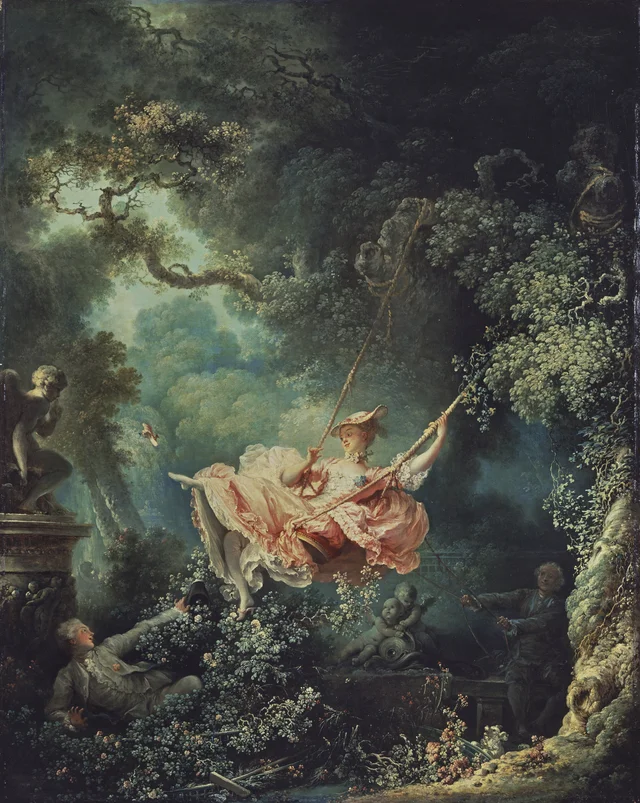 L'altalenaJean-Honoré Fragonard, 1767
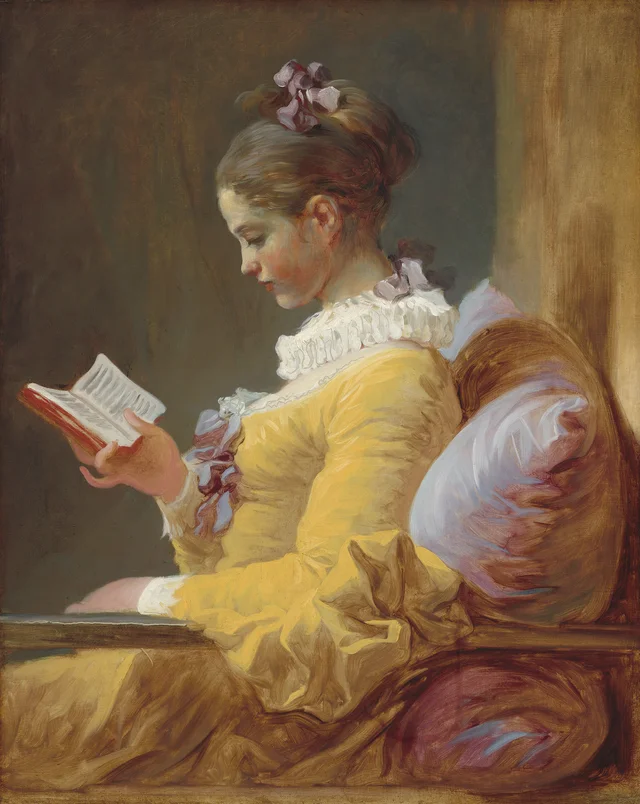 Giovane donna che leggeJean-Honoré Fragonard, 1770
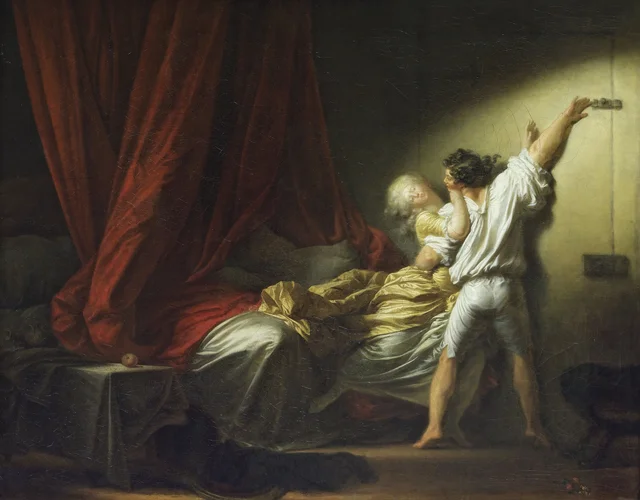 Il chiavistelloJean-Honoré Fragonard, 1777
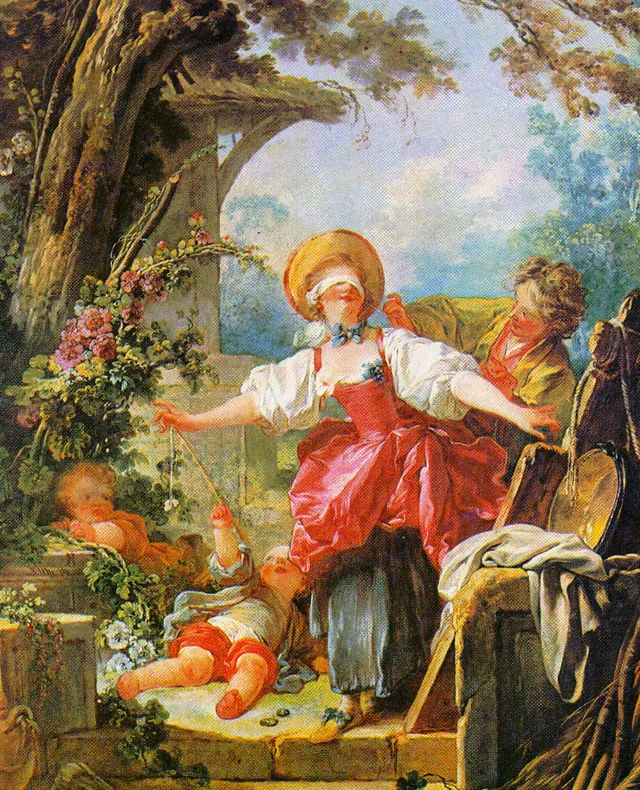 Mosca ciecaJean-Honoré Fragonard, 1750
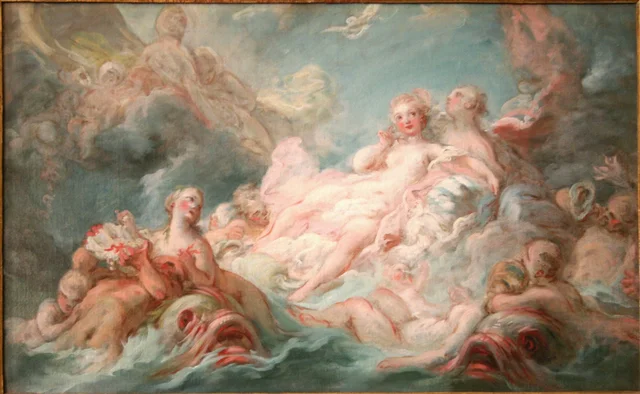 La nascita di VenereJean-Honoré Fragonard, 1753
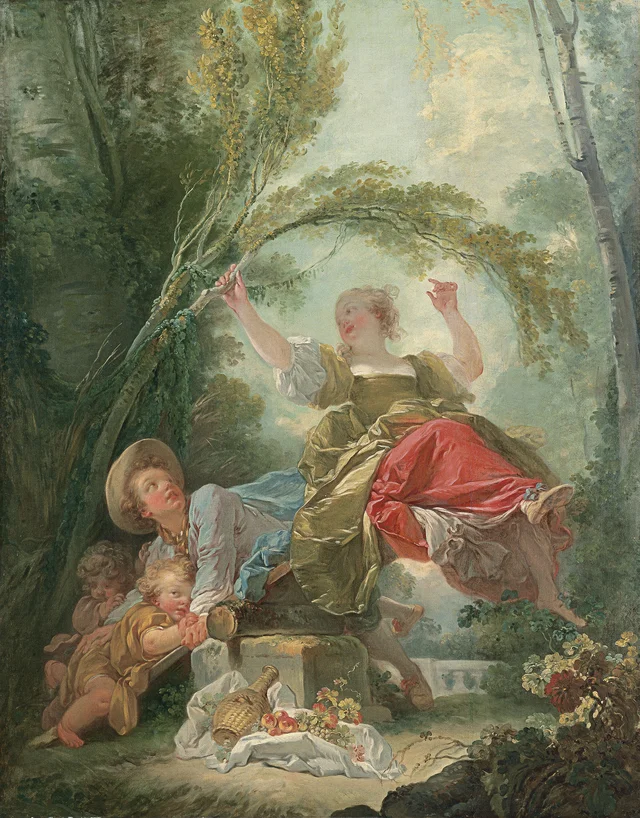 L'altalenaJean-Honoré Fragonard, 1750
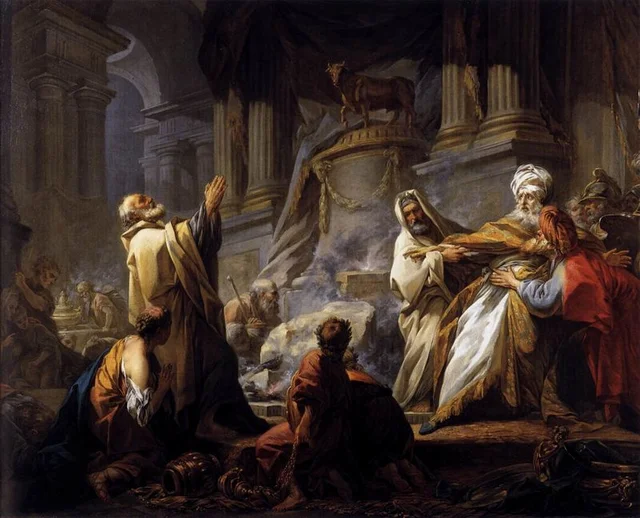 Geroboamo sacrifica agli idoliJean-Honoré Fragonard, 1752
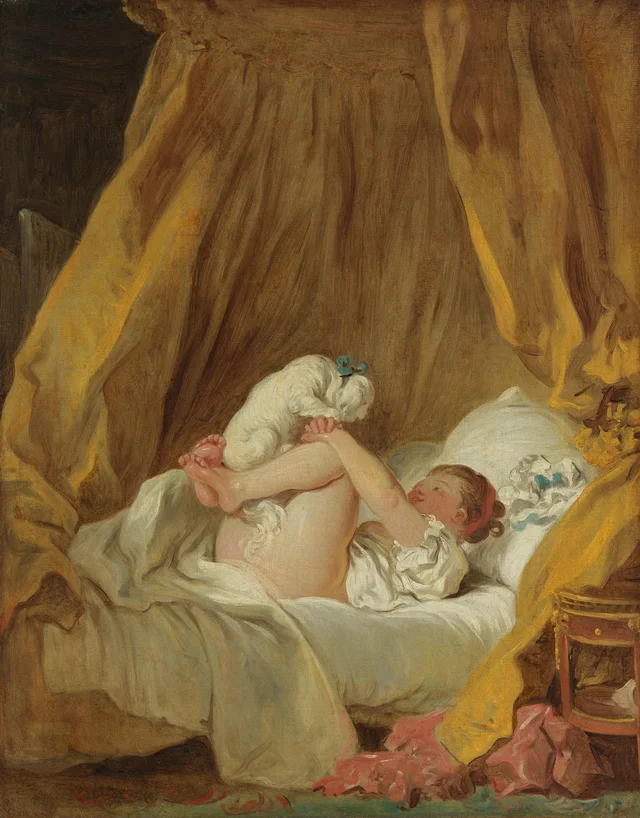 La GimbletteJean-Honoré Fragonard, 1770
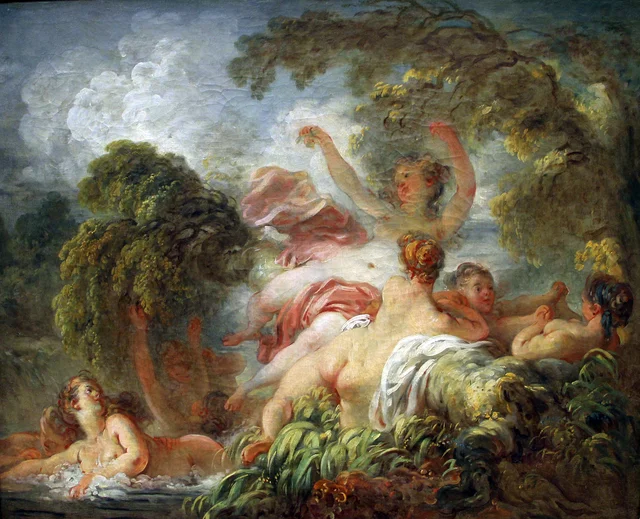 Le bagnantiJean-Honoré Fragonard, 1765
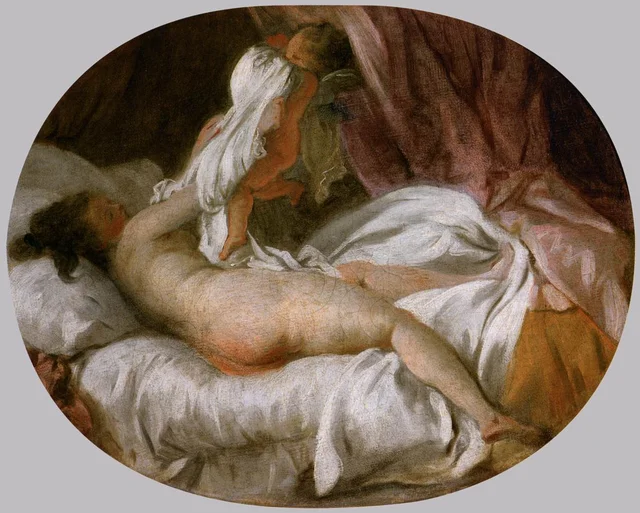 La camicia toltaJean-Honoré Fragonard, 1770
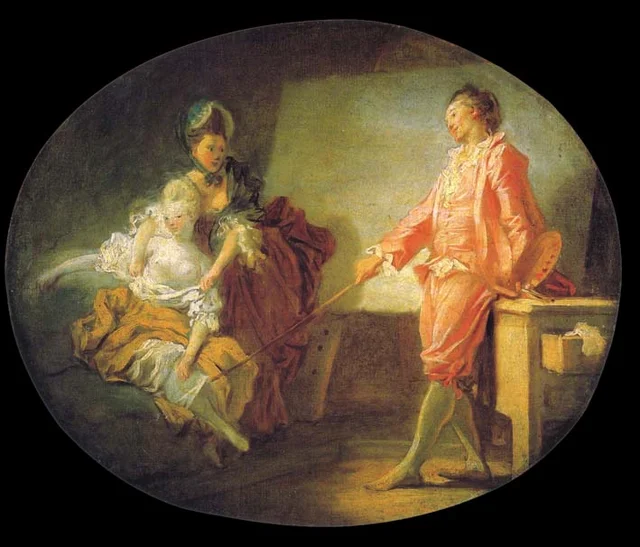 La prima posa della modellaJean-Honoré Fragonard, 1769
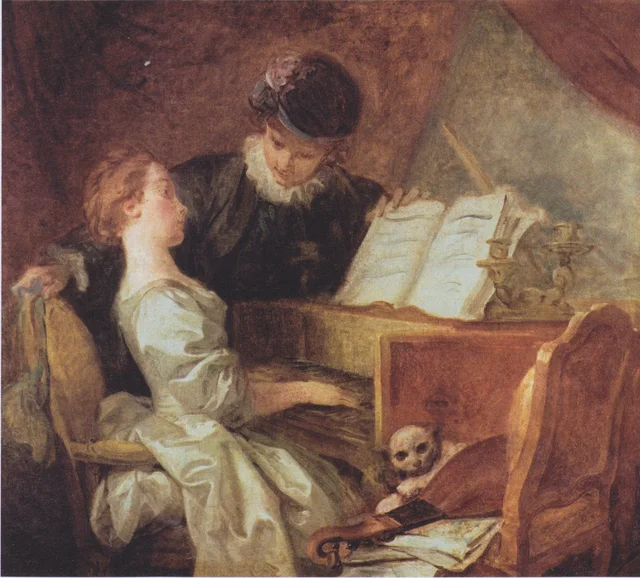 La lezione di musicaJean-Honoré Fragonard, 1770
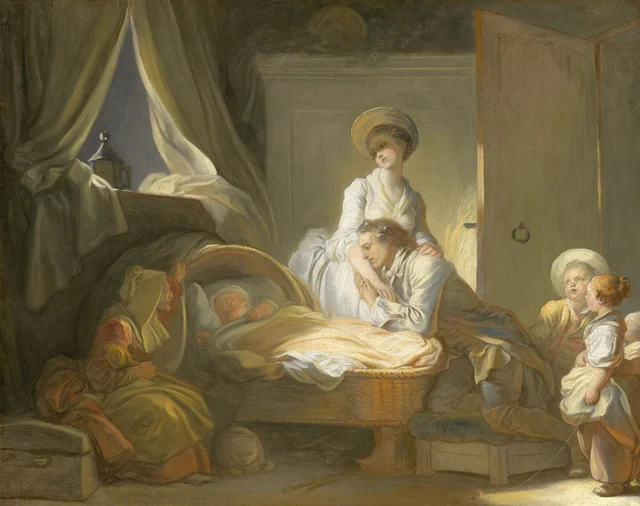 Una visita alla nurseryJean-Honoré Fragonard, 1775
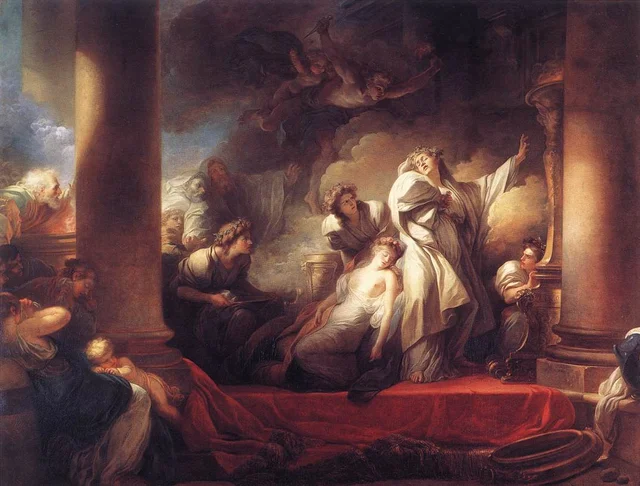 Coreso si sacrifica per salvare CalliroeJean-Honoré Fragonard, 1765
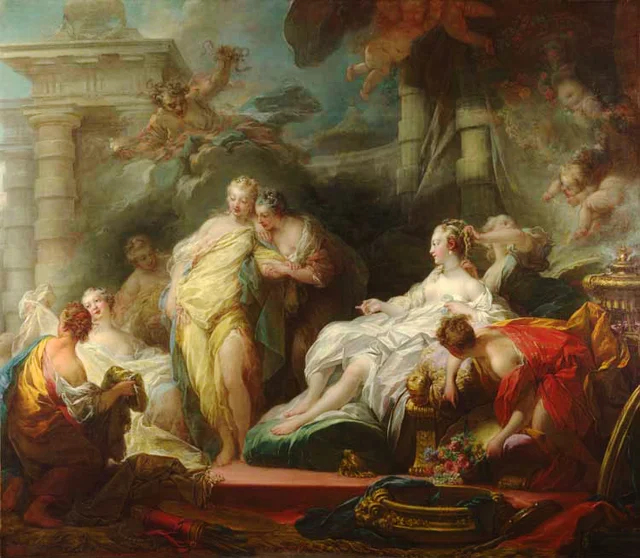 Psiche che mostra alle sorelle i doni di AmoreJean-Honoré Fragonard, 1753
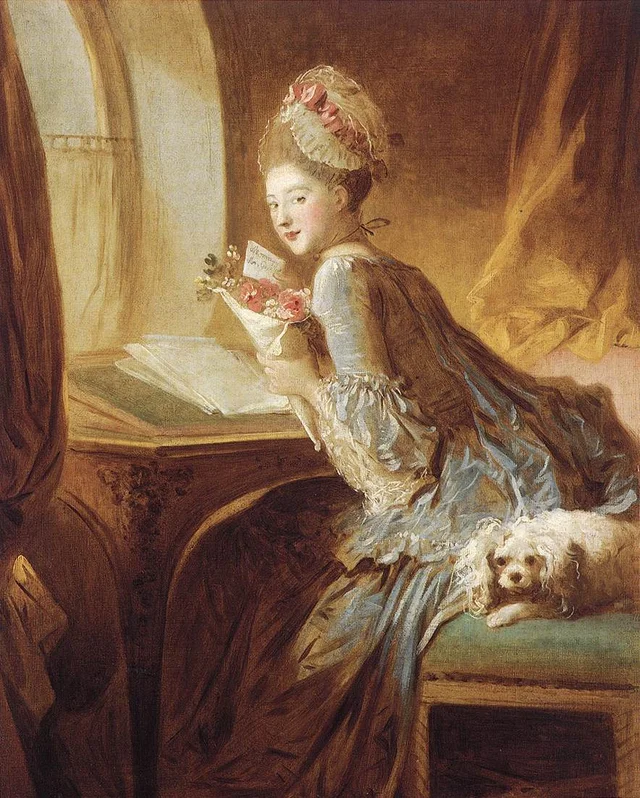 La lettera d'amoreJean-Honoré Fragonard, 1770
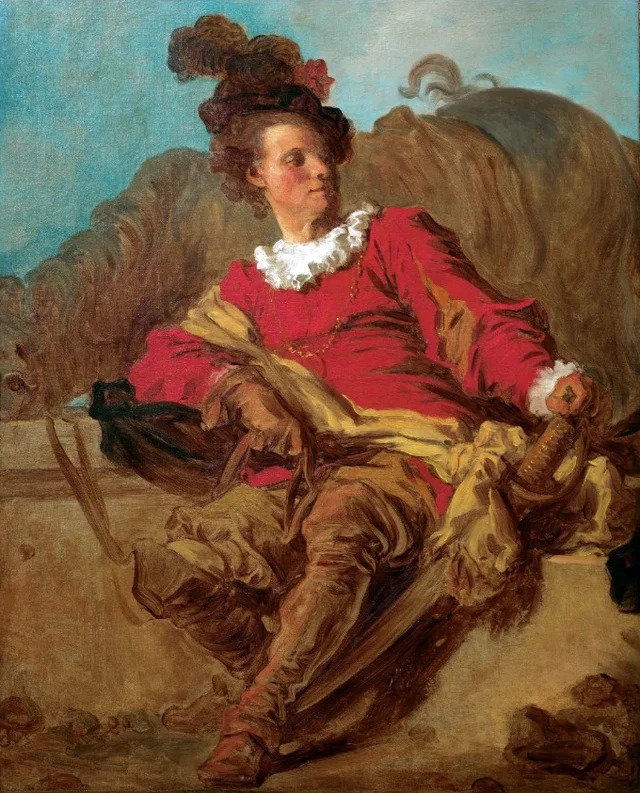 Jean-Claude Richard, abate di Saint-NonJean-Honoré Fragonard, 1769
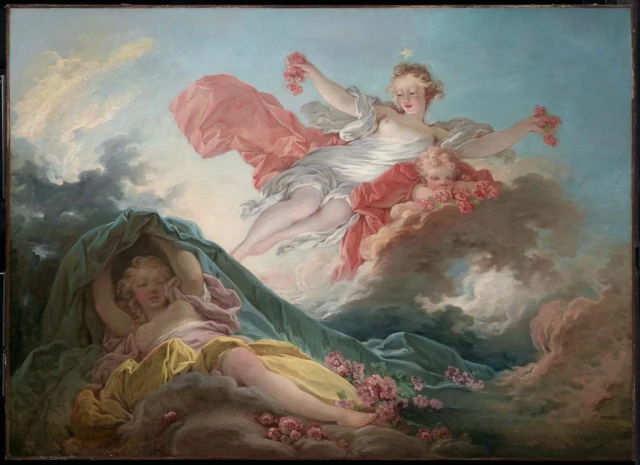 Aurora che trionfa sulla NotteJean-Honoré Fragonard, 1755
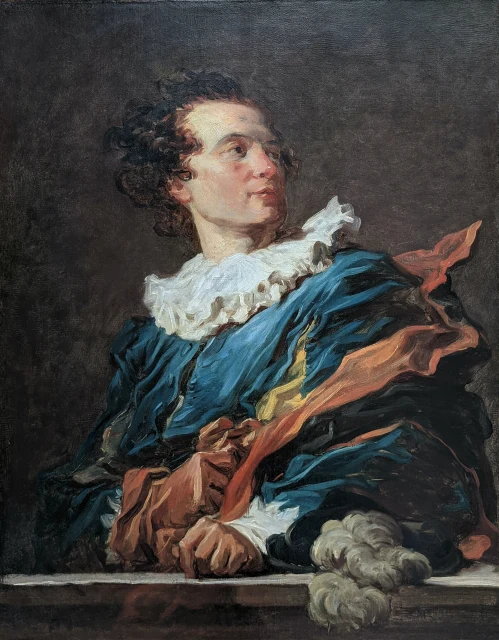 Figura di fantasia: ritratto dell'abate di Saint-NonJean-Honoré Fragonard, 1769
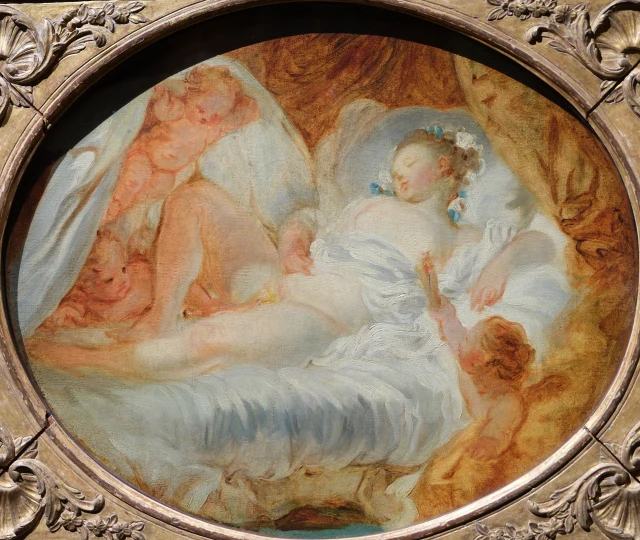 Il fuoco alle polveriJean-Honoré Fragonard, 1772
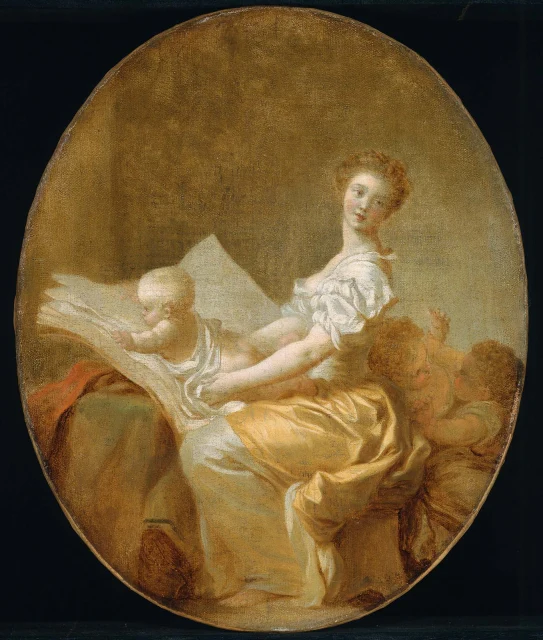 Madre e bambinoJean-Honoré Fragonard, 1778
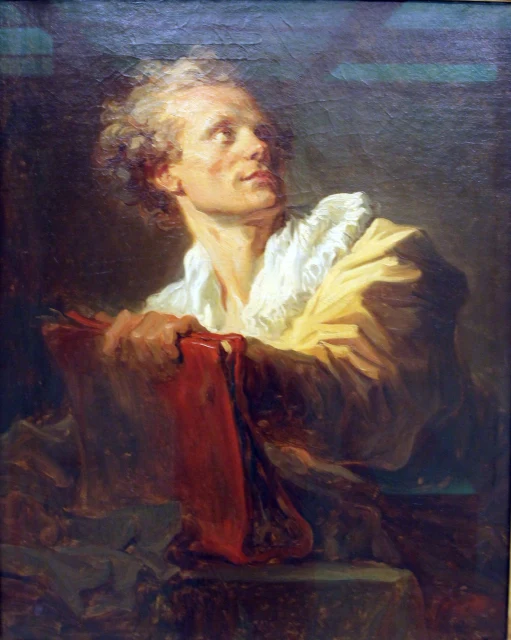 Ritratto di giovane artistaJean-Honoré Fragonard, 1769
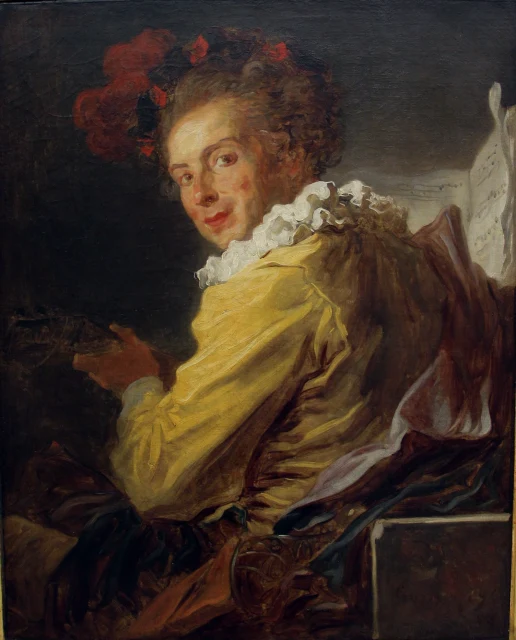 Ritratto di Louis Richard de La Bretèche in costume di fantasia, già detto La musicaJean-Honoré Fragonard, 1769
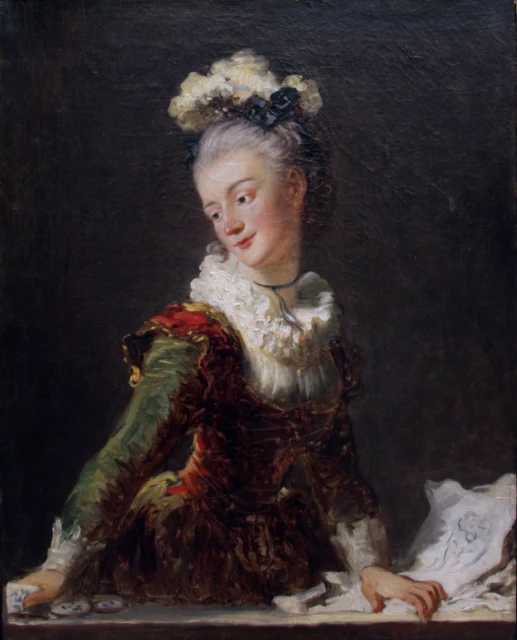 Ritratto di Marie-Anne-Éléonore, contessa de Grave, già detto Ritratto di Marie-Madeleine GuimardJean-Honoré Fragonard, 1769
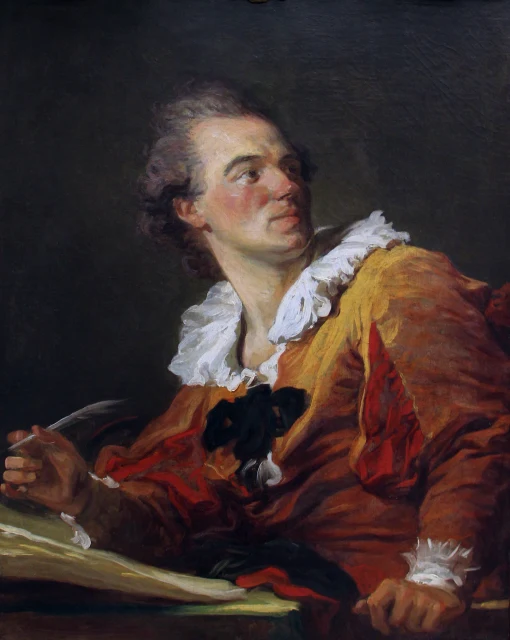 Presunto ritratto di Louis-François Prault, già detto L'ispirazioneJean-Honoré Fragonard, 1769