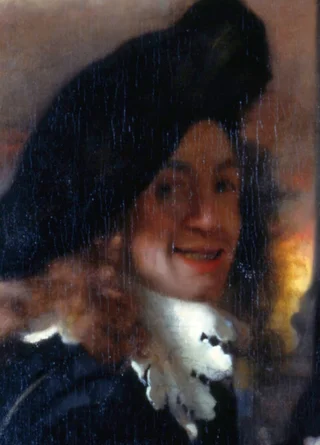
Johannes Vermeer
1632–1675 · Province Unite · Pittura del secolo d'oro olandese
La storia
Vermeer lavorava lentamente e lasciò pochissimo. Oggi gli si attribuiscono con certezza solo circa 34 dipinti, per lo più tranquilli interni di Delft, la cittadina olandese dove trascorse tutta la vita, donne che leggono lettere o versano latte in un fascio di luce dalla finestra. Li dipinse nell'arco di circa vent'anni, mentre gestiva anche un commercio di quadri di altri artisti per arrotondare.
Poi il mercato gli svanì sotto i piedi. Nel 1672, ricordato in Olanda come il Rampjaar, l'anno del disastro, gli eserciti francesi di Luigi XIV invasero la Repubblica delle Province Unite e l'economia crollò, e con essa il commercio di dipinti da cui Vermeer viveva. Morì tre anni dopo, nel 1675, improvvisamente, lasciando la moglie Catharina e 11 figli superstiti sommersi dai debiti. Lei tentò di consegnare due delle sue tele al fornaio locale per saldare il conto del pane.
Per quasi 200 anni restò pressoché dimenticato fuori da Delft. Negli anni Sessanta dell'Ottocento il critico francese Théophile Thoré rintracciò i suoi quadri dispersi e scrisse gli articoli che ne fecero il nome, chiamandolo la Sfinge di Delft perché così poco si sapeva dell'uomo. È ancora, grosso modo, così. Abbiamo i suoi dipinti e una manciata di documenti, e quasi nessuna parola detta da Vermeer stesso.
Altri articoli
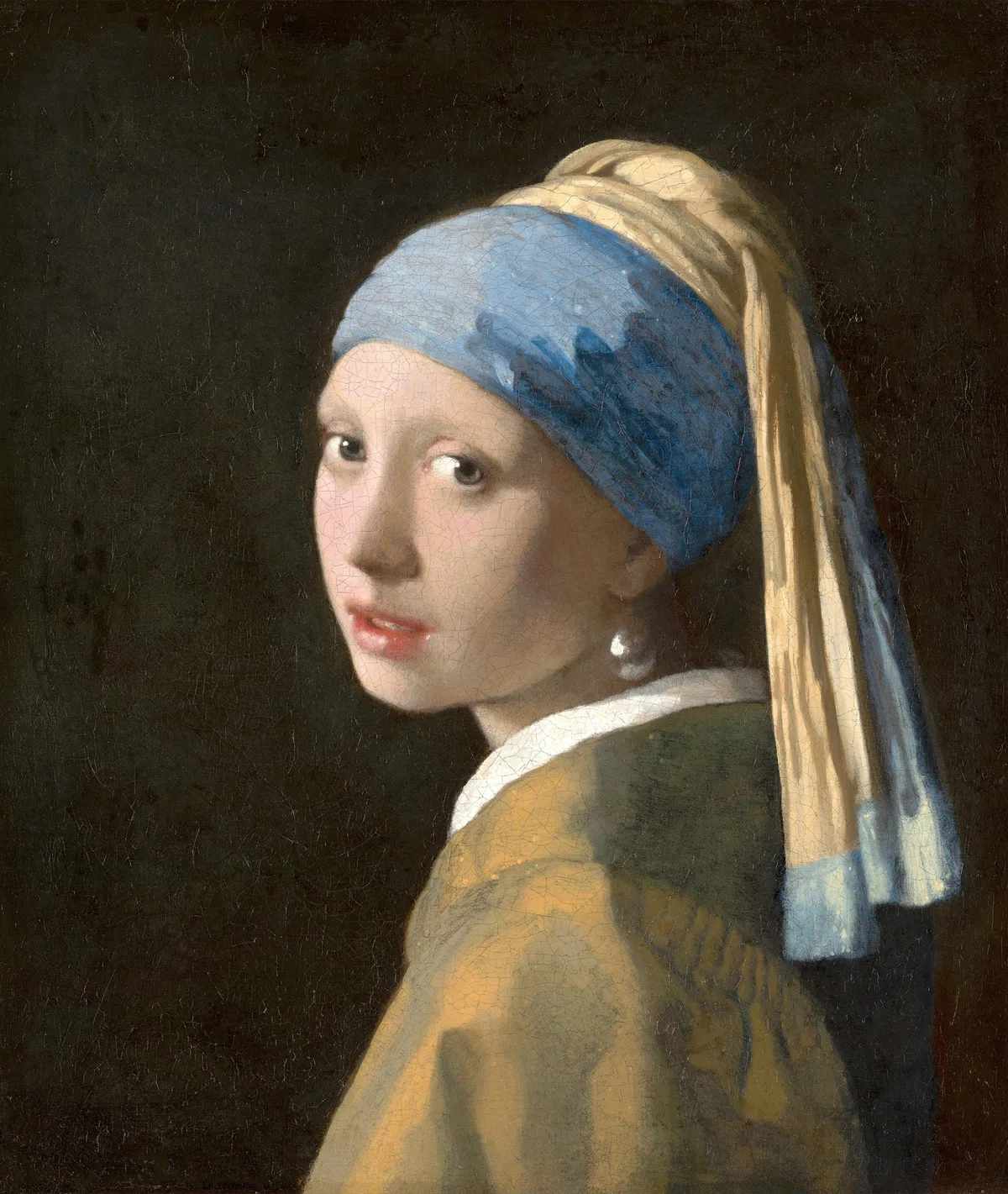 Articolo · 44 min di letturaIl Mauritshuis all'Aia: 20 quadri e come ci sono arrivati
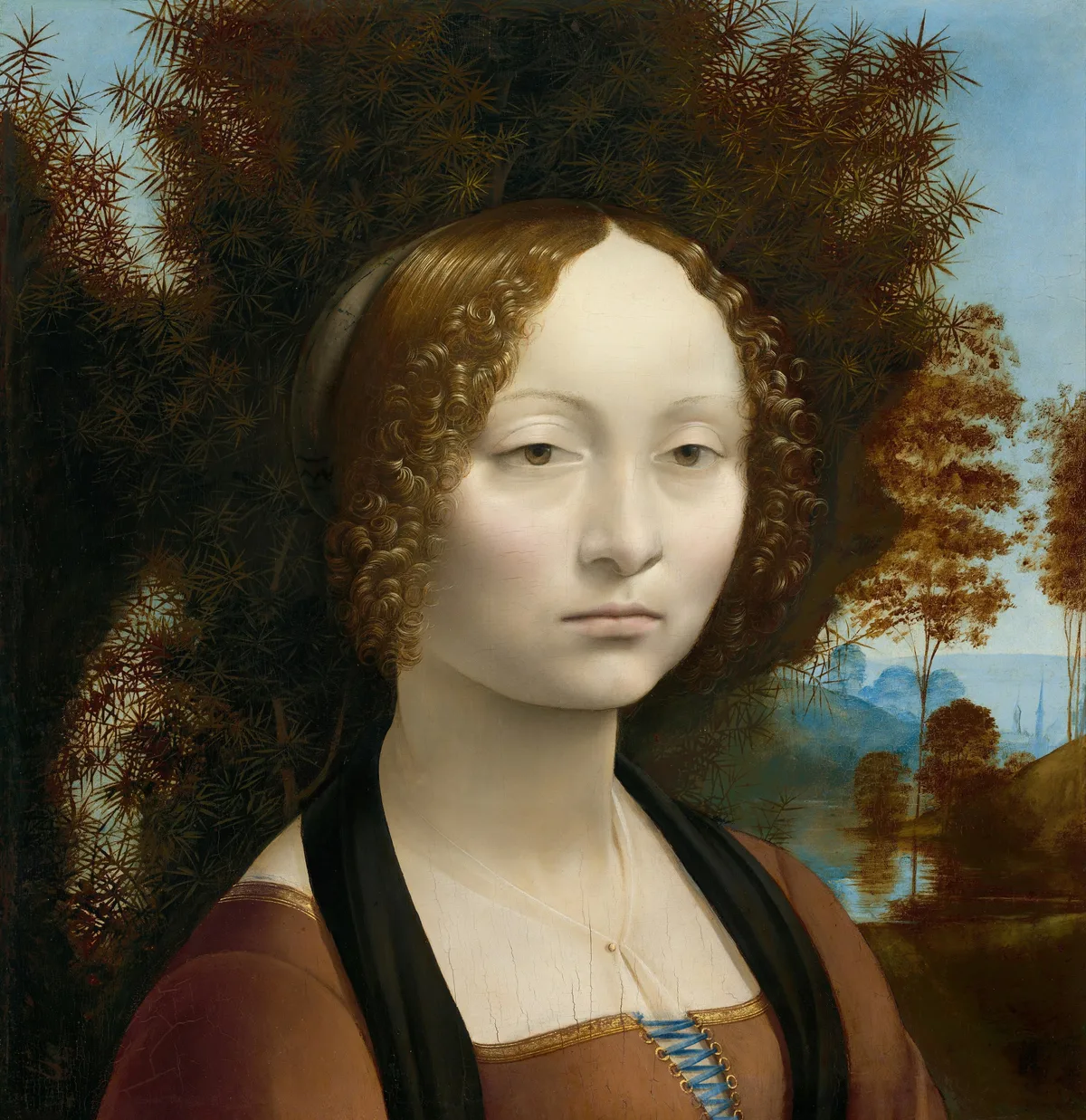 Articolo · 38 min di letturaNational Gallery of Art di Washington: venti quadri arrivati da mani private
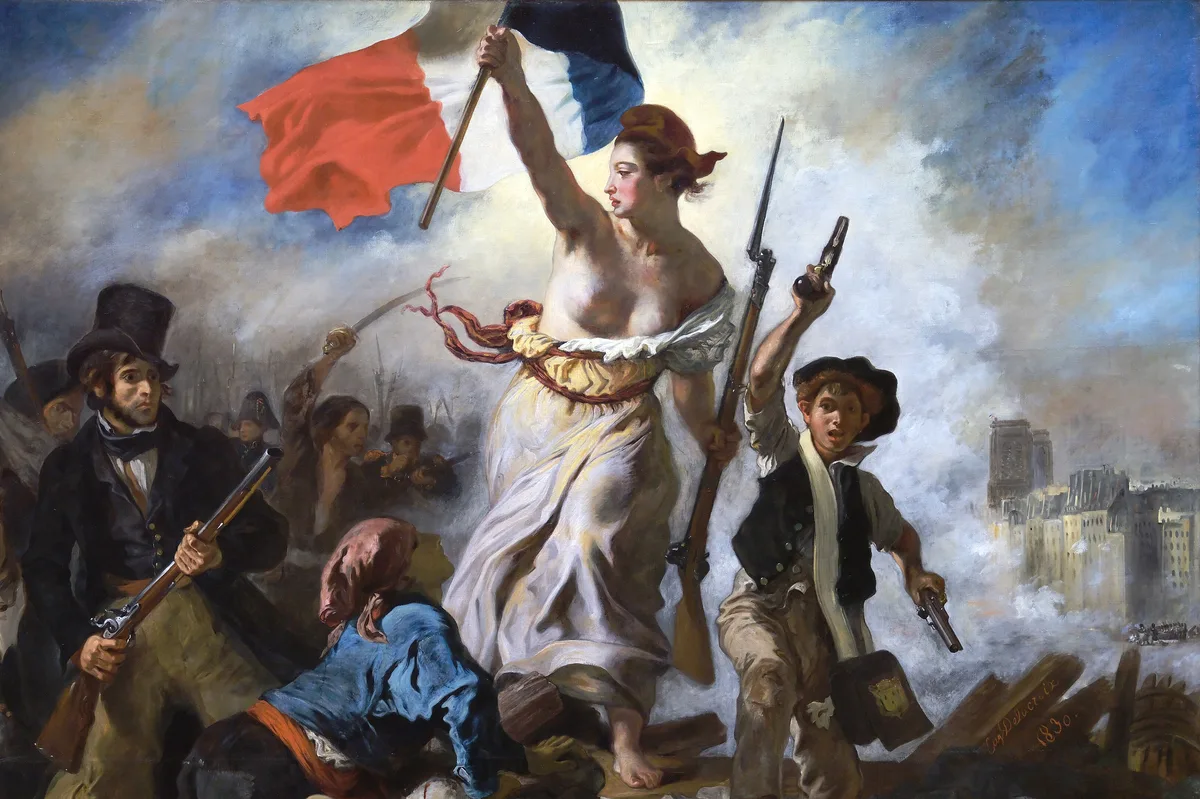 Articolo · 41 min di letturaCosa vedere al Louvre: le 25 opere principali
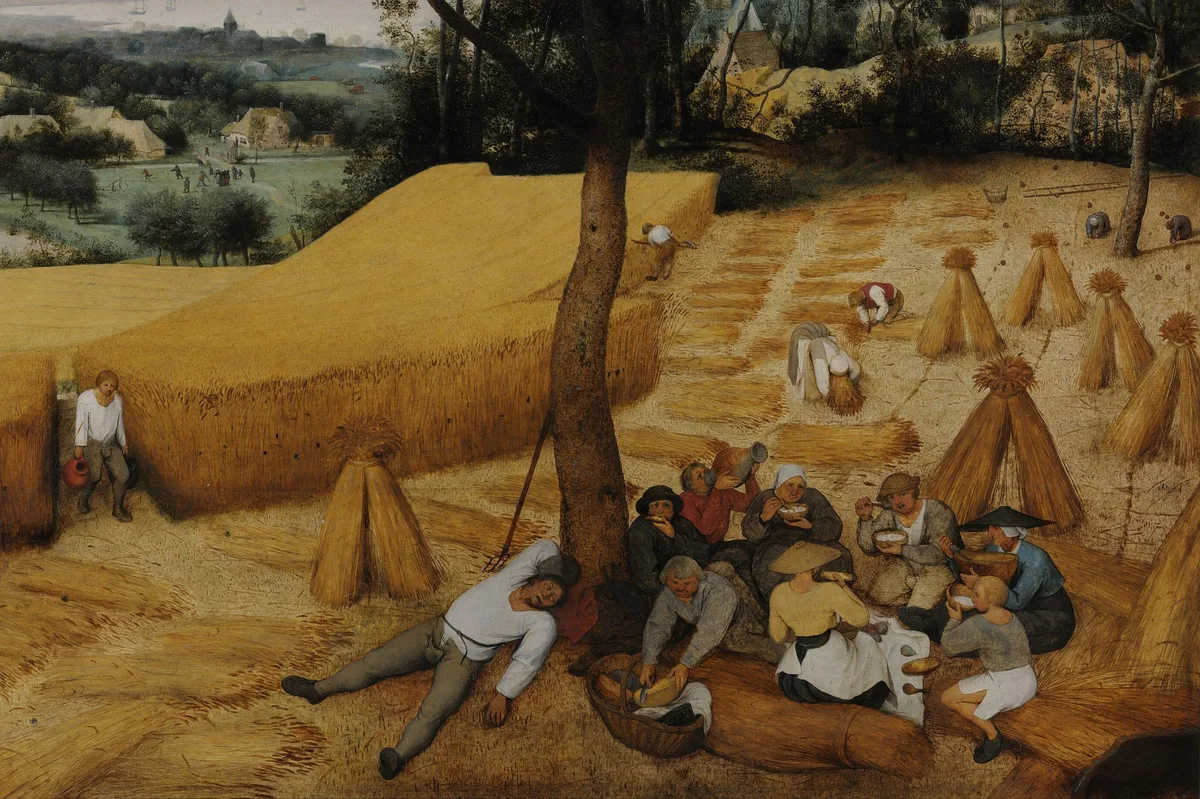 Articolo · 30 min di letturaCosa vedere al Met: 15 opere da non perdere
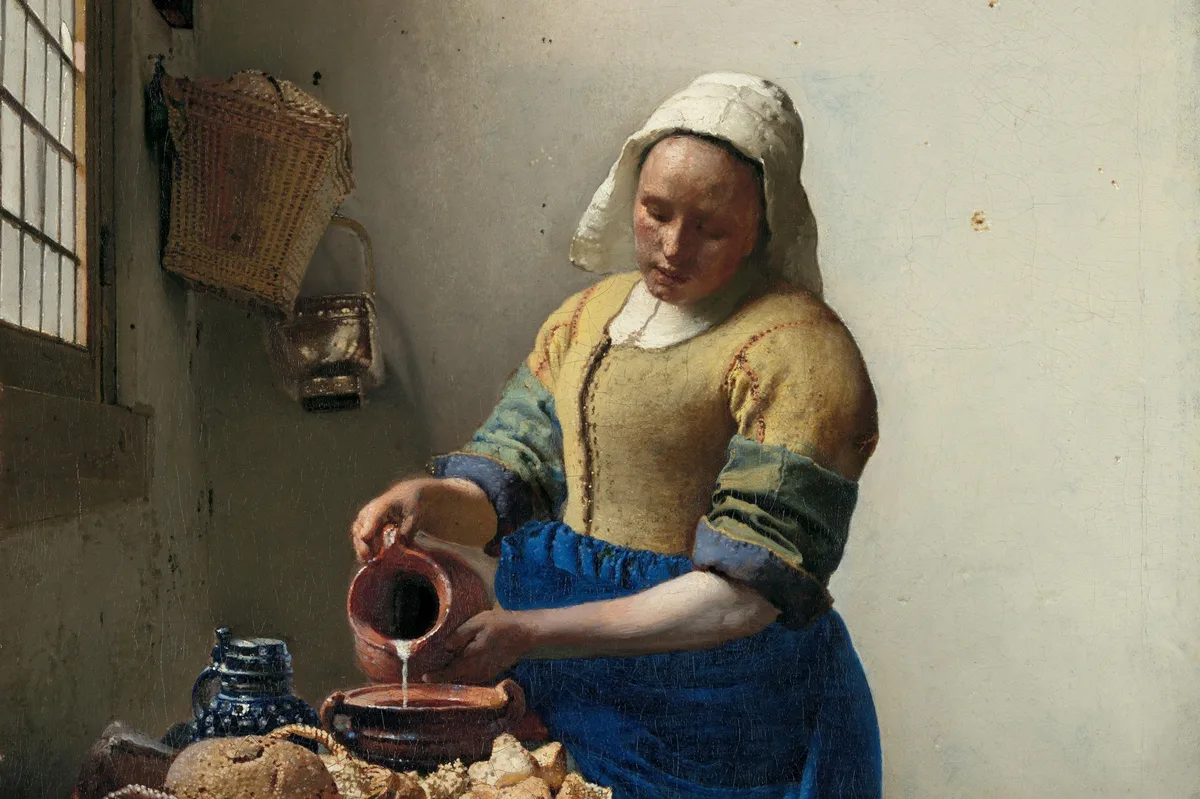 Articolo · 57 min di letturaIl Rijksmuseum di Amsterdam: 25 opere e i loro proprietari
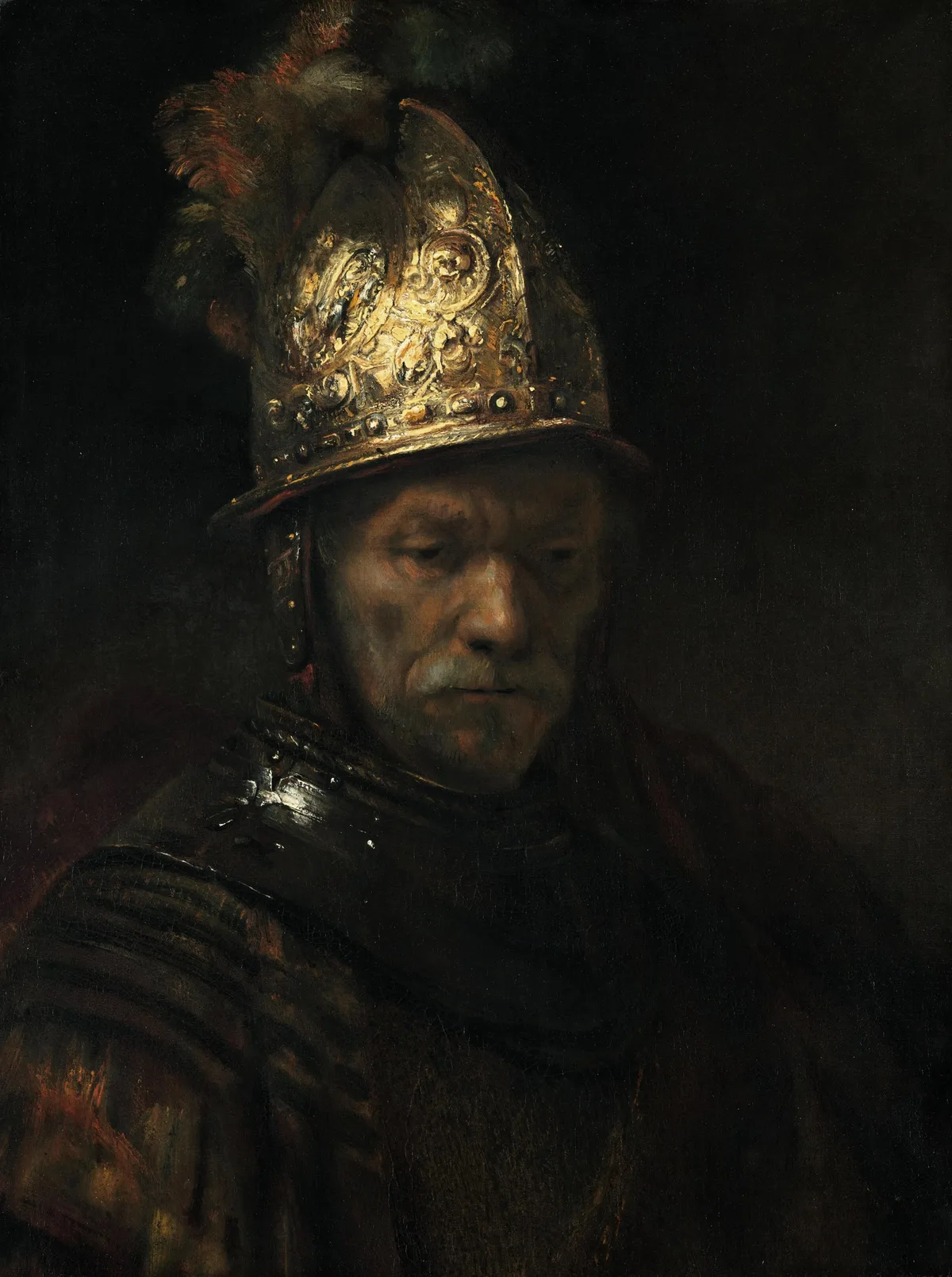 Articolo · 43 min di letturaLa Gemäldegalerie di Berlino: 20 dipinti che Berlino ha comprato, perso e diviso
Opere
36 opere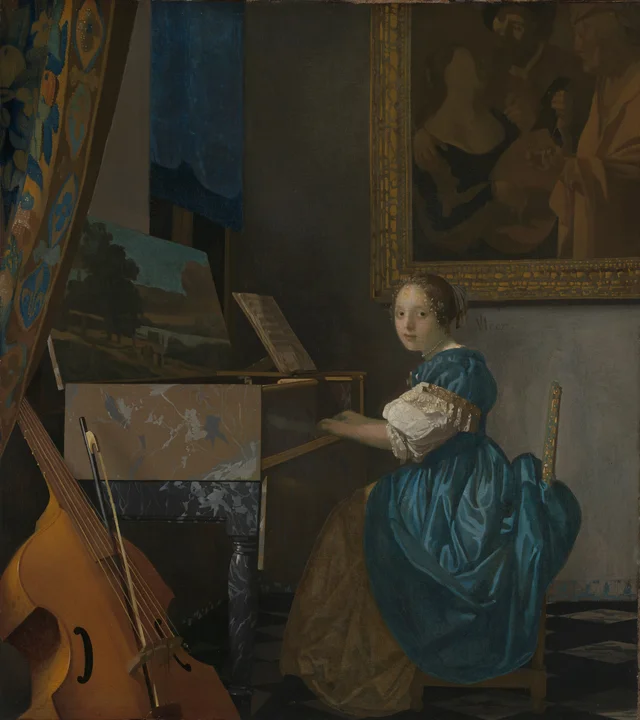 Giovane donna seduta alla spinettaJohannes Vermeer, 1670
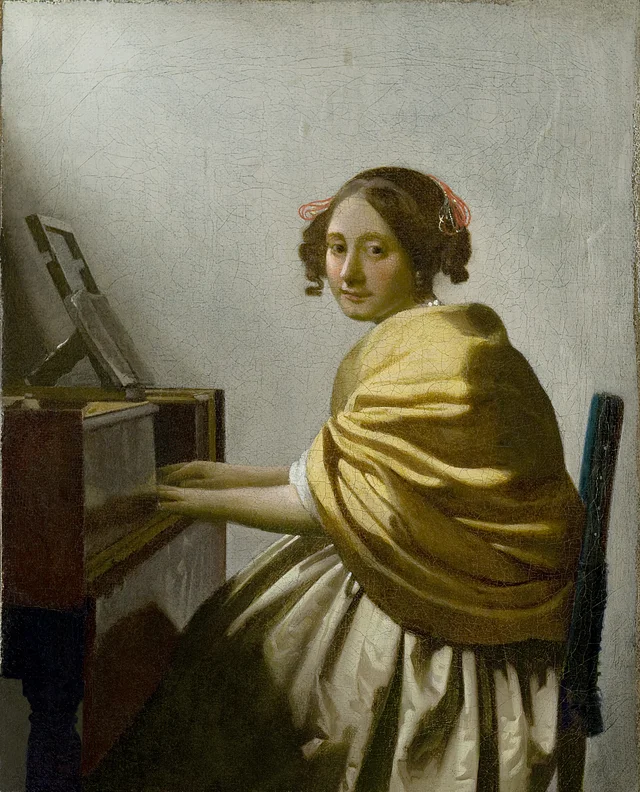 Giovane donna seduta al virginaleJohannes Vermeer, 1670
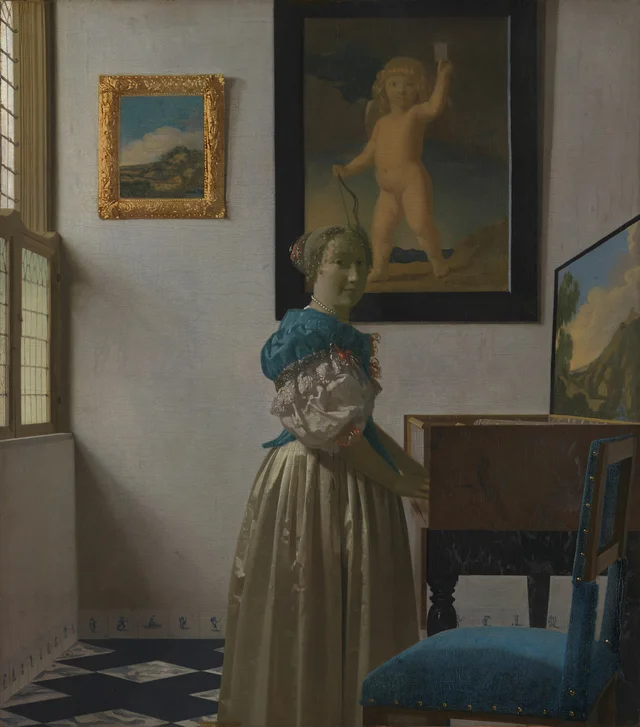 Giovane donna in piedi al virginaleJohannes Vermeer, 1670
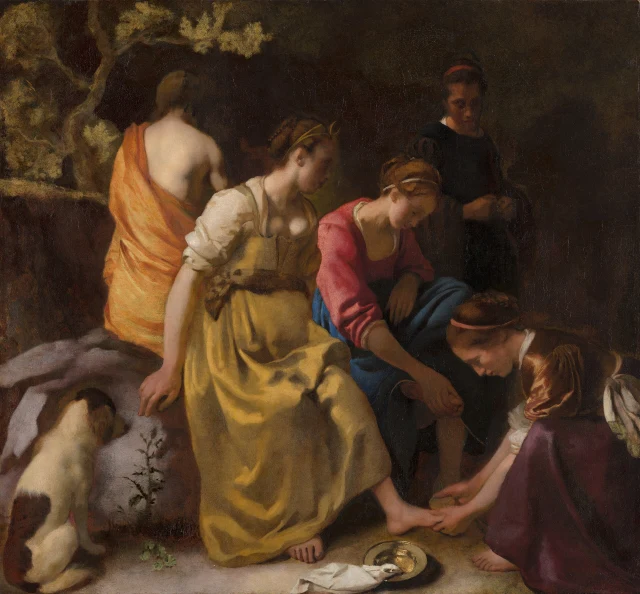 Diana e le sue ninfeJohannes Vermeer, 1653
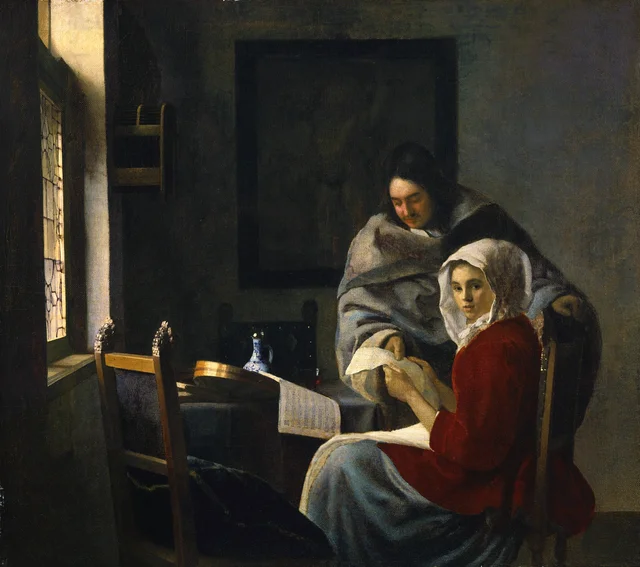 Ragazza interrotta nella musicaJohannes Vermeer, 1660
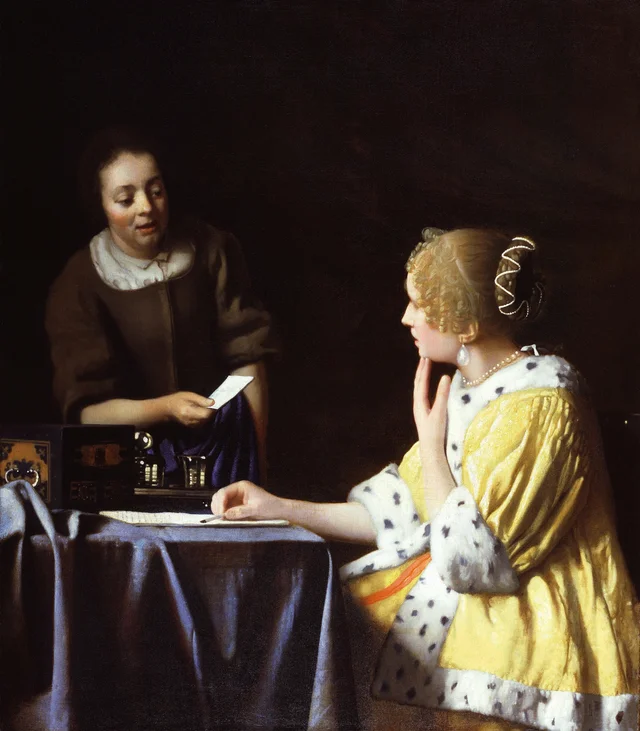 Padrona e servaJohannes Vermeer, 1666
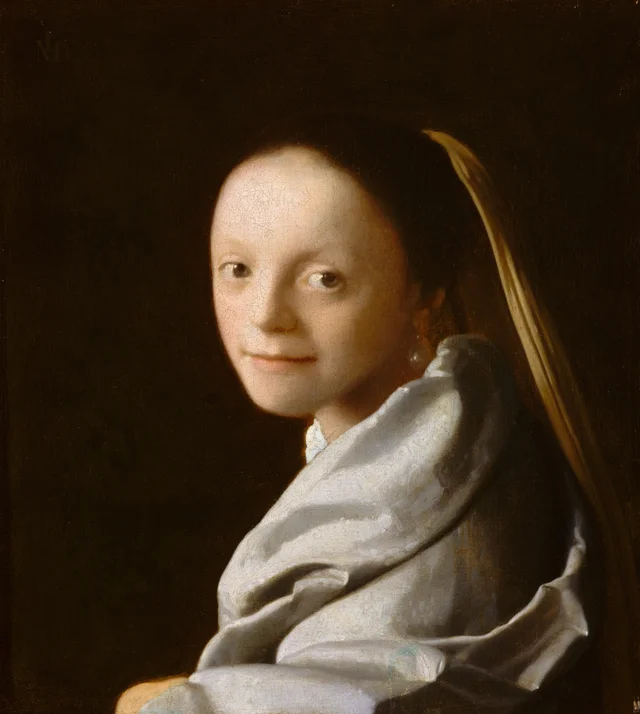 Ritratto di una giovane donnaJohannes Vermeer, 1665
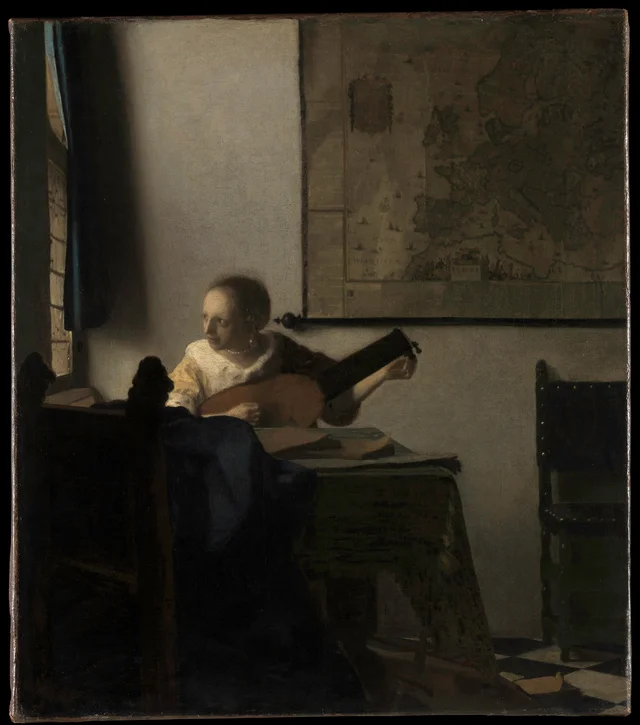 Donna con liutoJohannes Vermeer, 1662
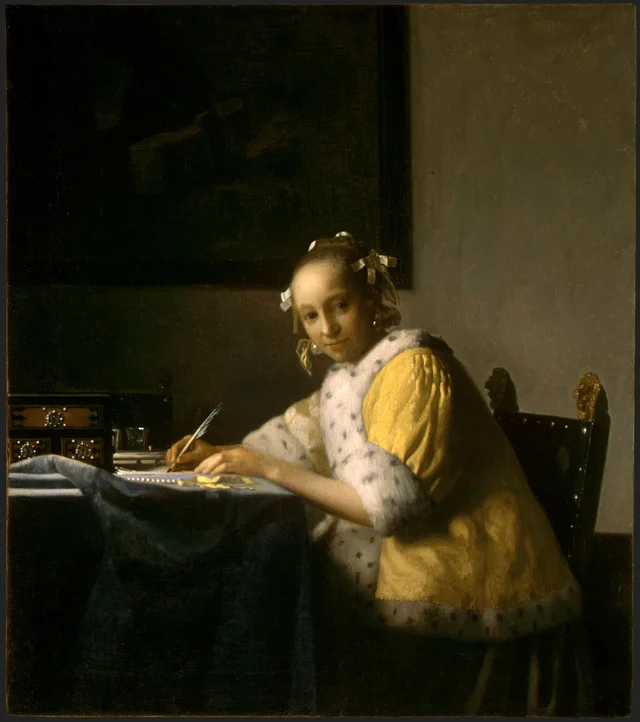 Ragazza che scrive una letteraJohannes Vermeer, 1665
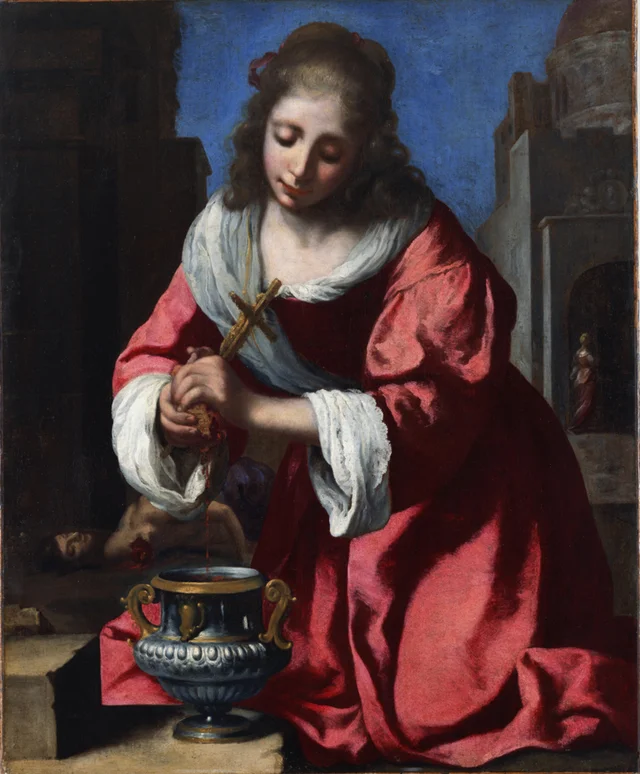 Santa PrassedeJohannes Vermeer, 1655
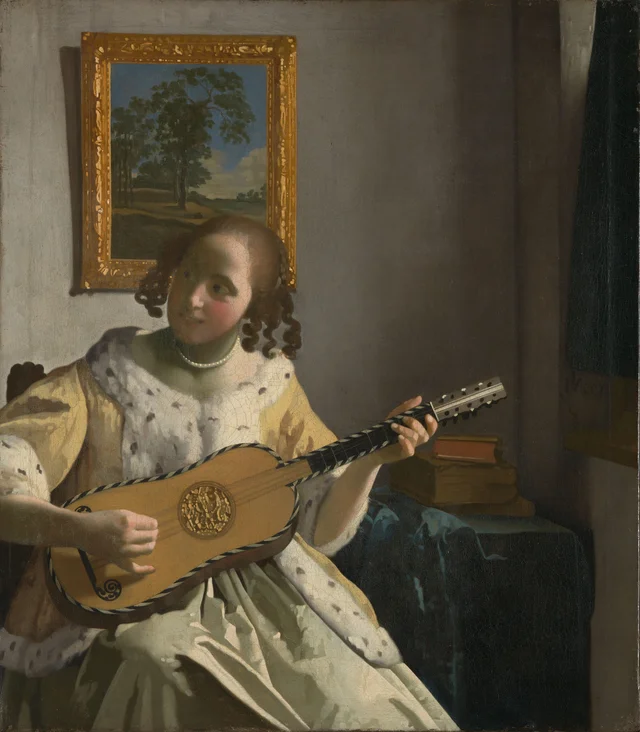 La suonatrice di chitarraJohannes Vermeer, 1672