エリザベート・ヴィジェ・ルブラン
1755–1842 · フランス · ロココ
ストーリー
1778年、父から手ほどきを受けた以外はほぼ独学であったパリの肖像画家、23歳のエリザベート・ヴィジェ=ルブランは、ヴェルサイユに召され、22歳の王妃マリー・アントワネットの肖像を描くことになった。これを機に、彼女は以後十年にわたり王妃をおよそ30回描くことになる。正装の礼服姿、簡素な平織り木綿のドレス姿——これは王妃らしからぬ質素さとして一時宮廷を騒がせた——、そして子供たちに囲まれた姿など、その描き方は多岐にわたった。
王妃とのこの親密さは、革命が始まると一転して危険なものとなった。1789年10月6日、パリの民衆が国王ルイ16世とマリー・アントワネットをヴェルサイユからテュイルリー宮殿へと連れ去ったその同じ日、ヴィジェ=ルブランは幼い娘ジュリーとともに、王妃の画家であると気づかれぬよう、ごく普通の労働者の女性の身なりをして乗合馬車に乗り、逆方向へとパリを去った。
彼女はそれから12年間、フランスに戻ることはなかった。その間、イタリア、オーストリア、ロシアなど各地の宮廷を渡り歩き、言葉すら通じないことも多い貴族たちの肖像を描いて自らと娘の生計をすべて肖像画の注文だけでまかない、ローマやサンクトペテルブルクをはじめとする都市の美術アカデミーの会員にも選ばれた。これは当時の女性画家にとって稀な栄誉であった。彼女がようやくフランスへの帰国を許されたのは1802年のことで、その時までにヨーロッパの半分にまたがる数百点もの肖像画を仕上げていた。
他の記事
作品
60点の作品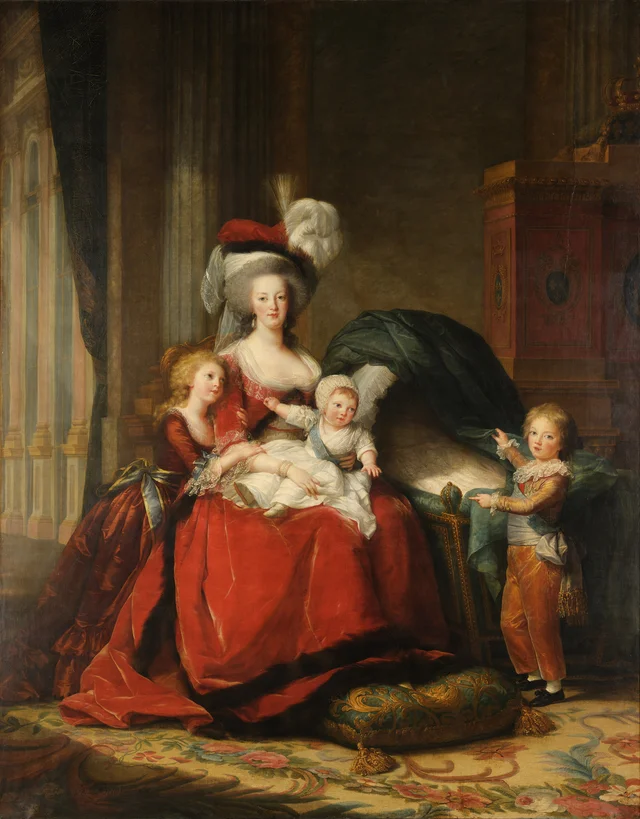 マリー・アントワネットと子供たちエリザベート・ヴィジェ・ルブラン, 1787
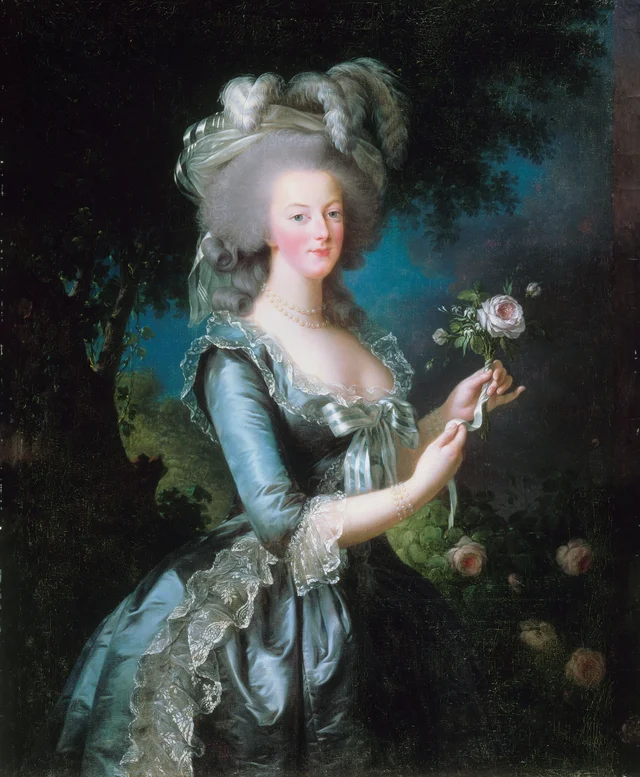 薔薇を持つマリー・アントワネットエリザベート・ヴィジェ・ルブラン, 1783
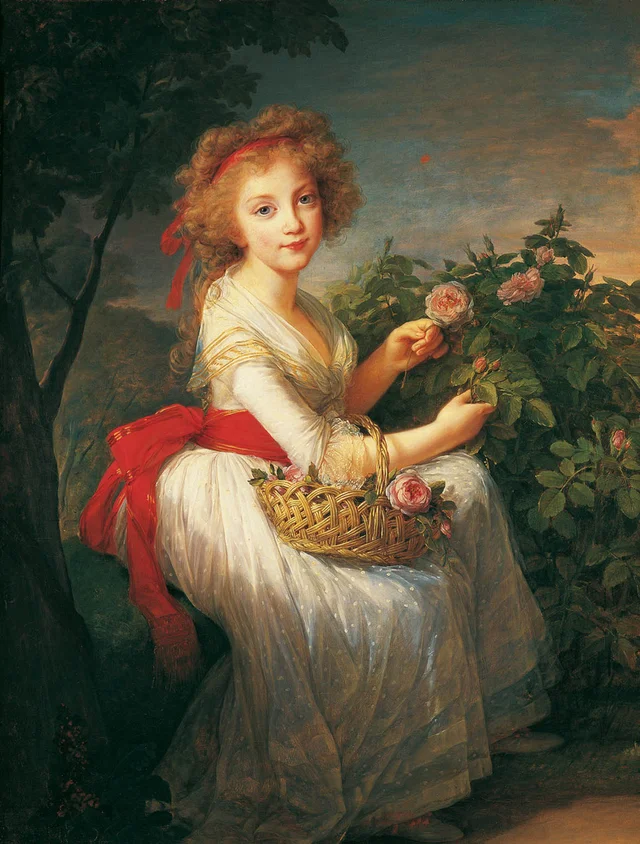 マリア・クリスティーナ王女の肖像エリザベート・ヴィジェ・ルブラン, 1790
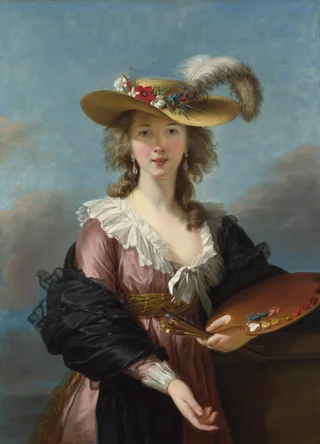
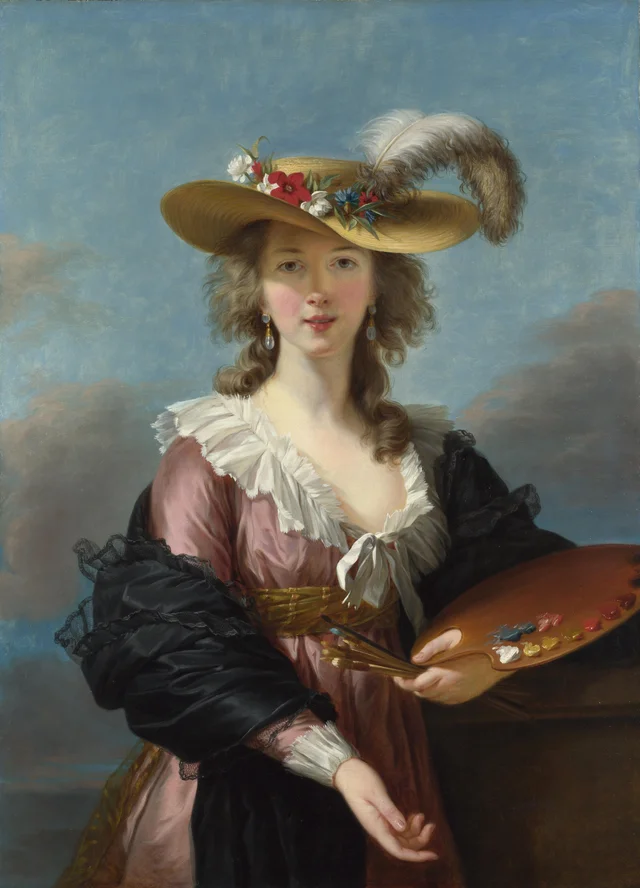 麦わら帽子の自画像エリザベート・ヴィジェ・ルブラン, 1782
 ラ・シャトル伯爵夫人(マリー・シャルロット・ルイーズ・ペレット・アグラエ・ボンタン、1762-1848)エリザベート・ヴィジェ・ルブラン, 1789
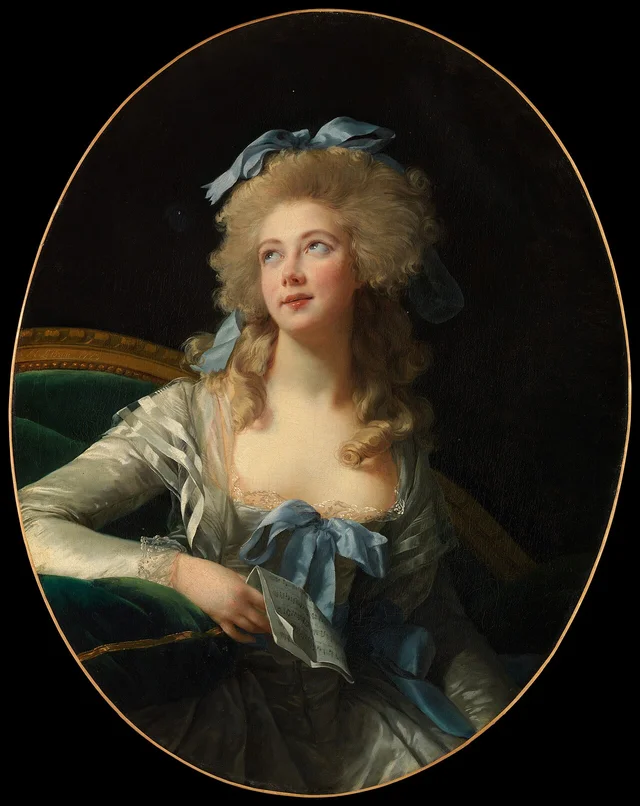 グラン夫人(ノエル・カトリーヌ・ヴェルレ、1761–1835)エリザベート・ヴィジェ・ルブラン, 1783
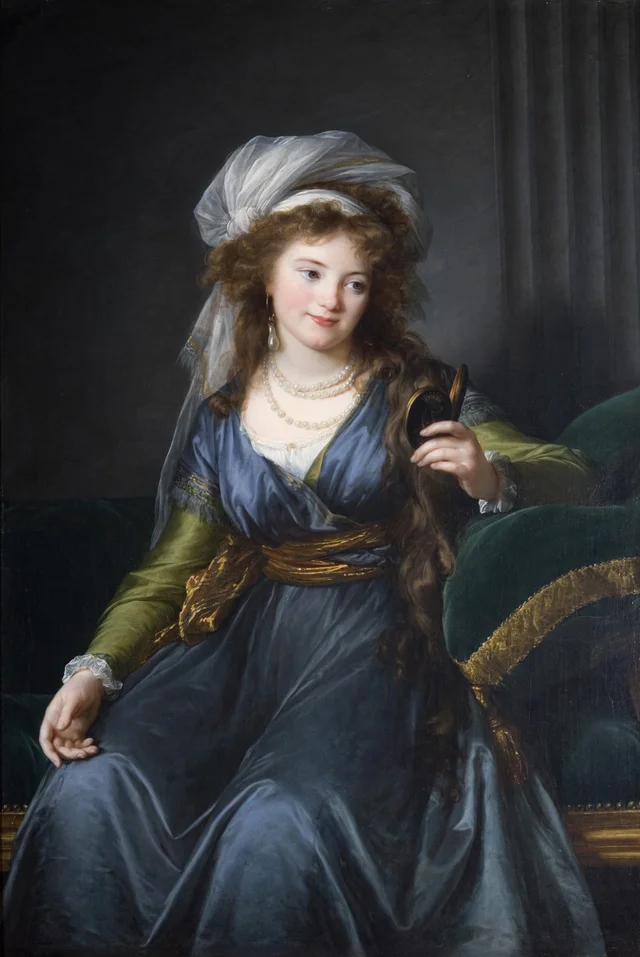 エカテリーナ・スカヴロンスカヤ伯爵夫人の肖像エリザベート・ヴィジェ・ルブラン, 1790
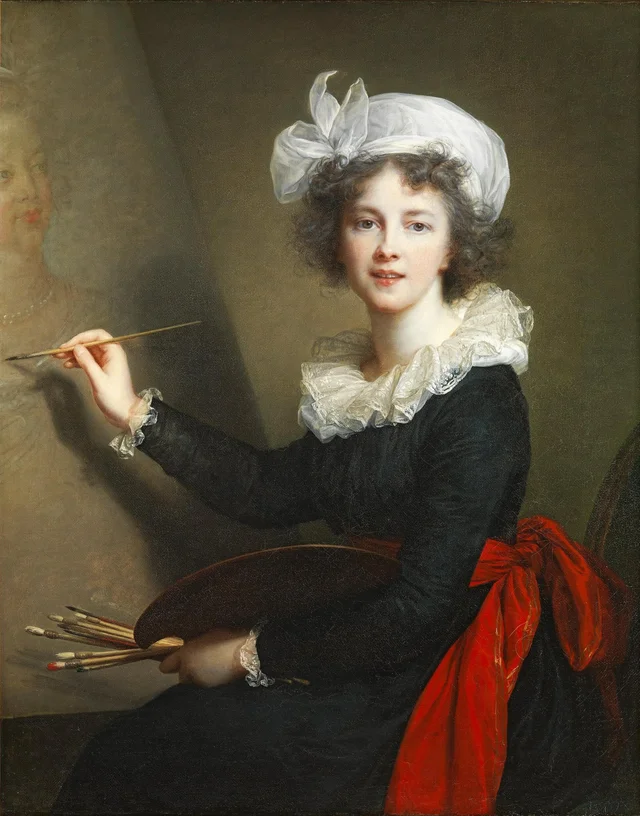 自画像エリザベート・ヴィジェ・ルブラン, 1790
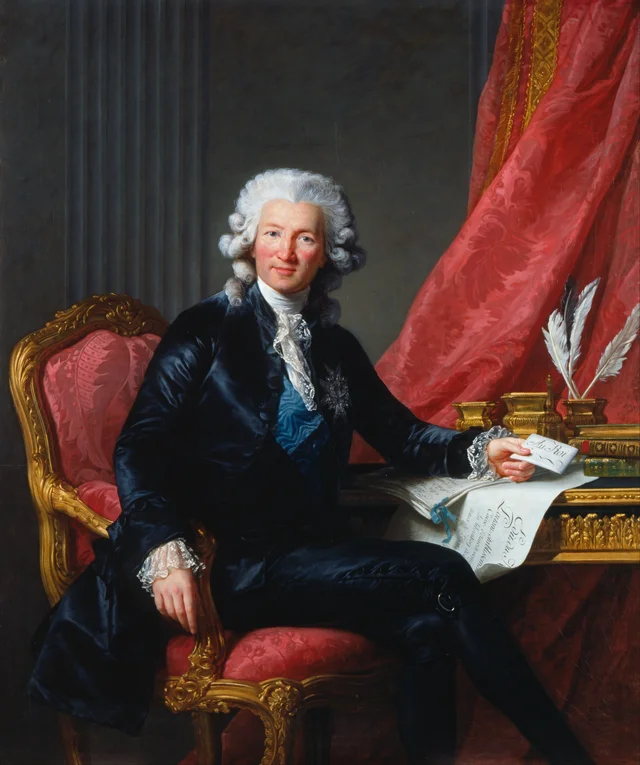 シャルル=アレクサンドル・ド・カロンヌ(1734-1802)エリザベート・ヴィジェ・ルブラン, 1784
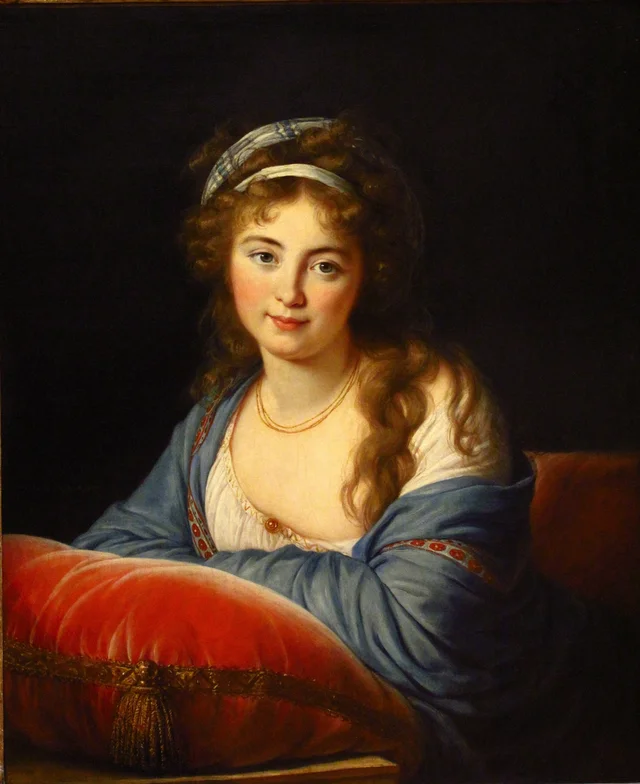 エカテリーナ・ヴァシリエヴナ・スカヴロンスカヤ伯爵夫人エリザベート・ヴィジェ・ルブラン, 1796
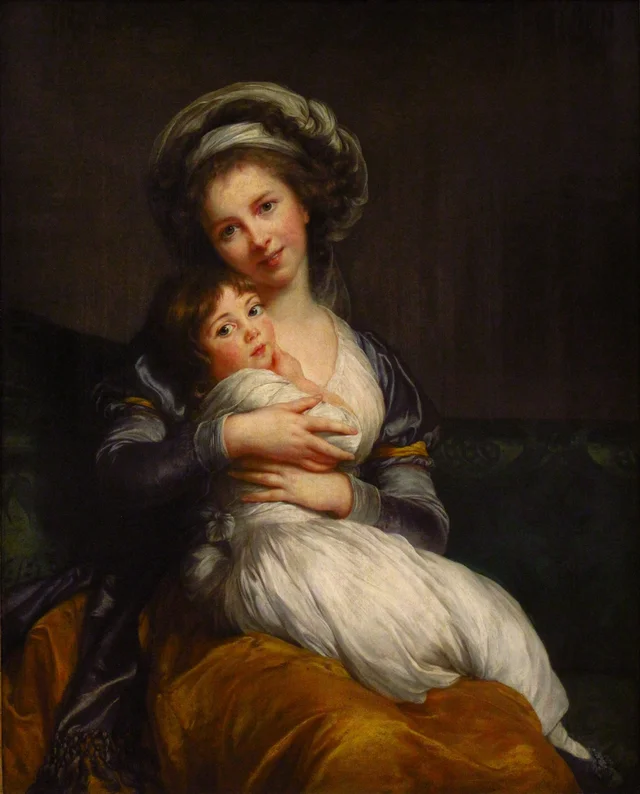 娘ジュリーとの自画像エリザベート・ヴィジェ・ルブラン, 1786
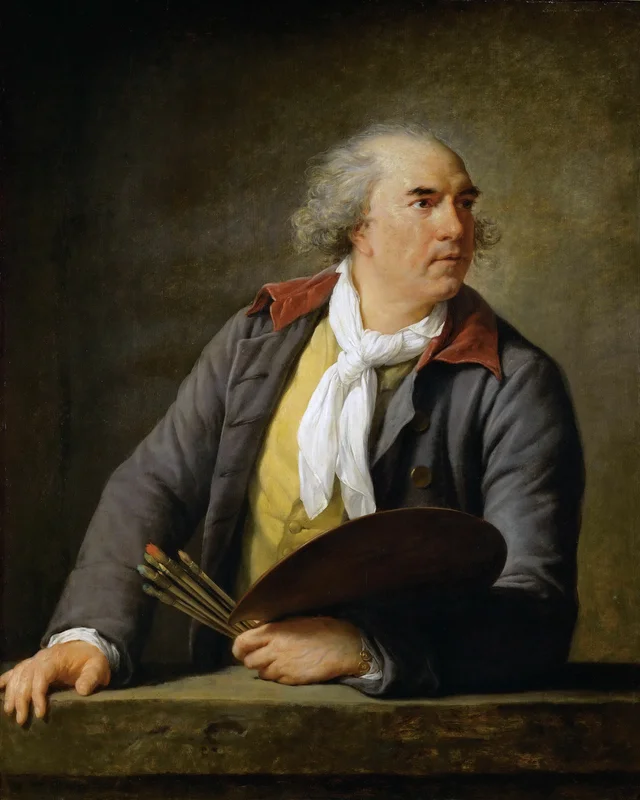 ユベール・ロベールエリザベート・ヴィジェ・ルブラン, 1788
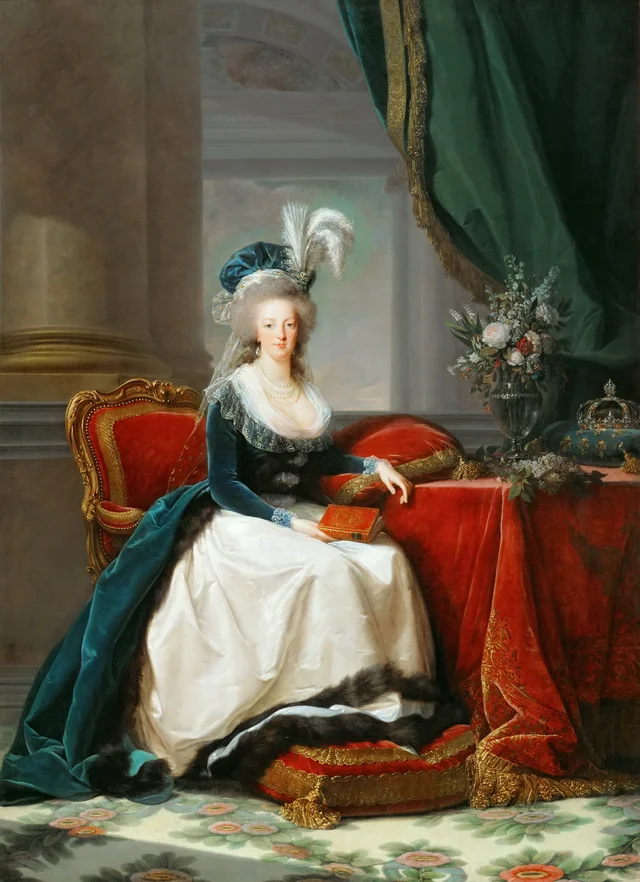 青いコートと白いドレスを着て本を手にした座るマリー・アントワネットエリザベート・ヴィジェ・ルブラン, 1788
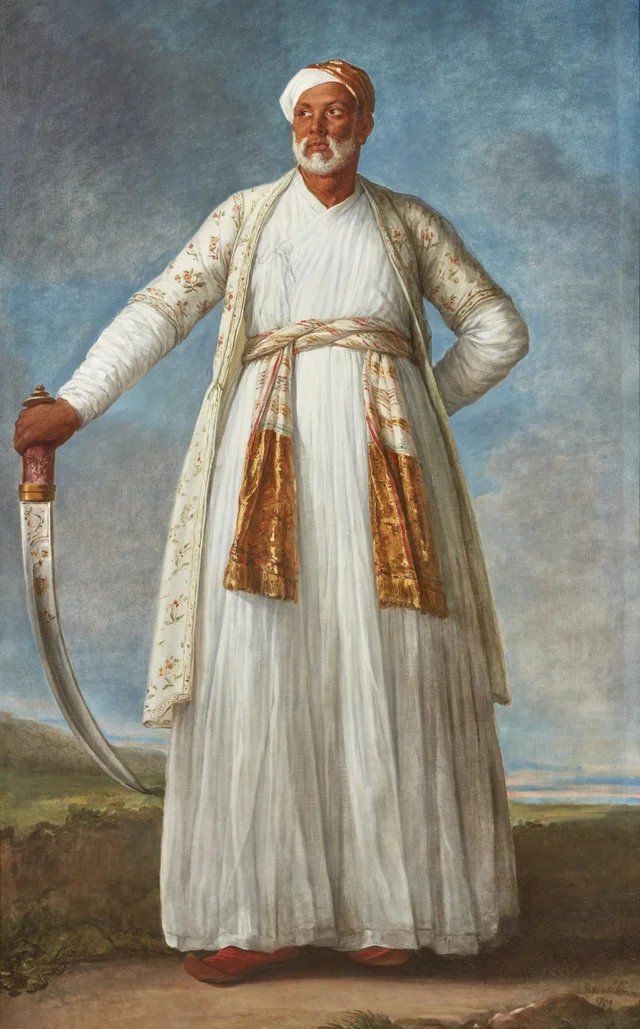 ムハンマド・デルヴィーシュ・ハーンの肖像エリザベート・ヴィジェ・ルブラン, 1788
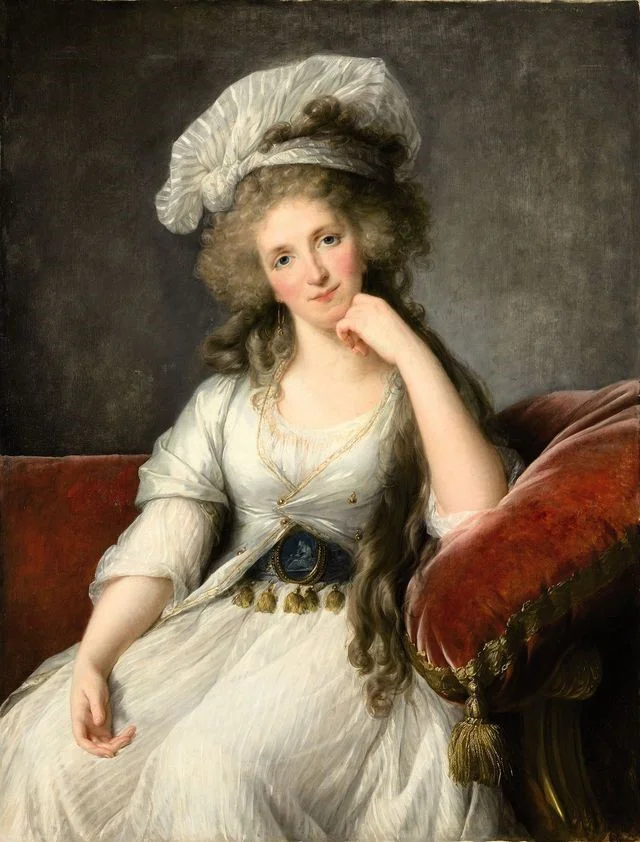 オルレアン公爵夫人の肖像エリザベート・ヴィジェ・ルブラン, 1789
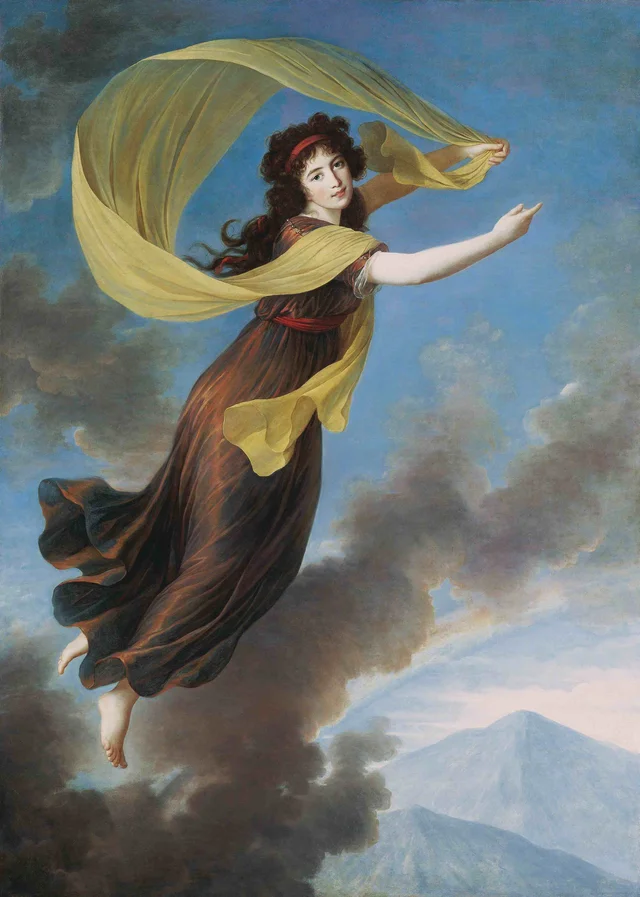 カロリーネ・フォン・リヒテンシュタイン公女(1768-1831、旧姓マンダーシャイト=ブランケンハイム伯爵令嬢)、イリスとしてエリザベート・ヴィジェ・ルブラン, 1793
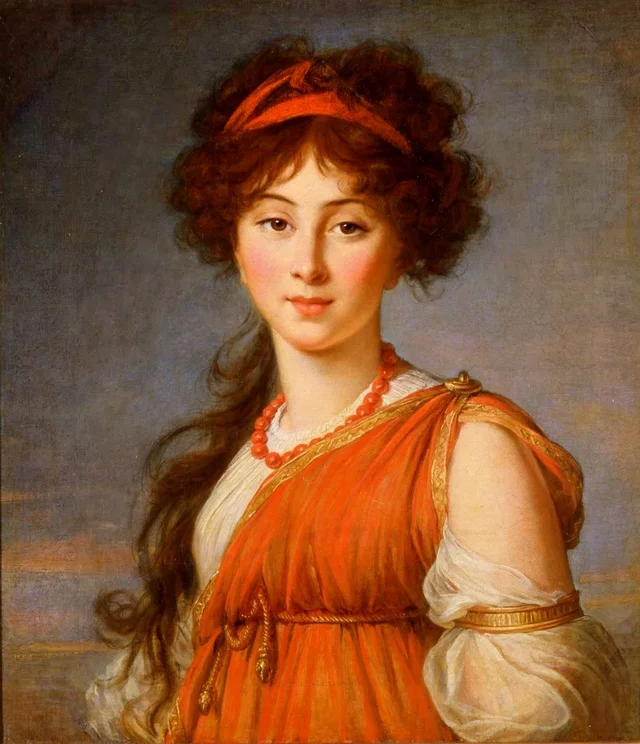 ワルワーラ・イワノヴナ・ラドミルスカヤエリザベート・ヴィジェ・ルブラン, 1800
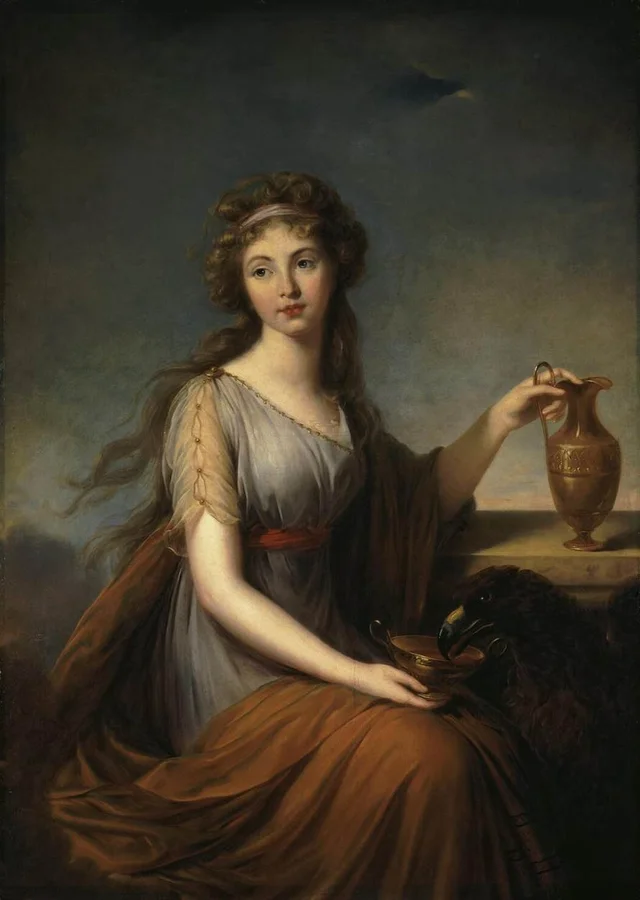 ヘーベー姿のアンナ・ピットの肖像エリザベート・ヴィジェ・ルブラン, 1792
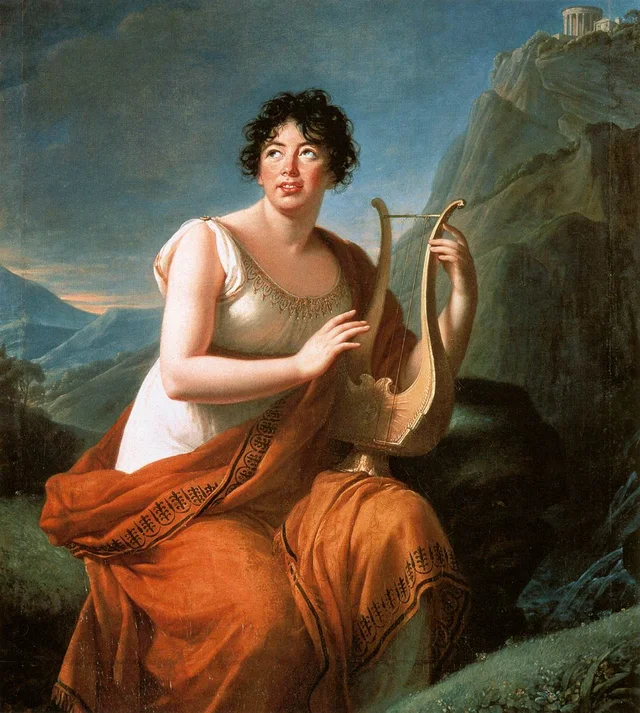 ミゼーノ岬でコリンヌに扮したスタール夫人の肖像エリザベート・ヴィジェ・ルブラン, 1808
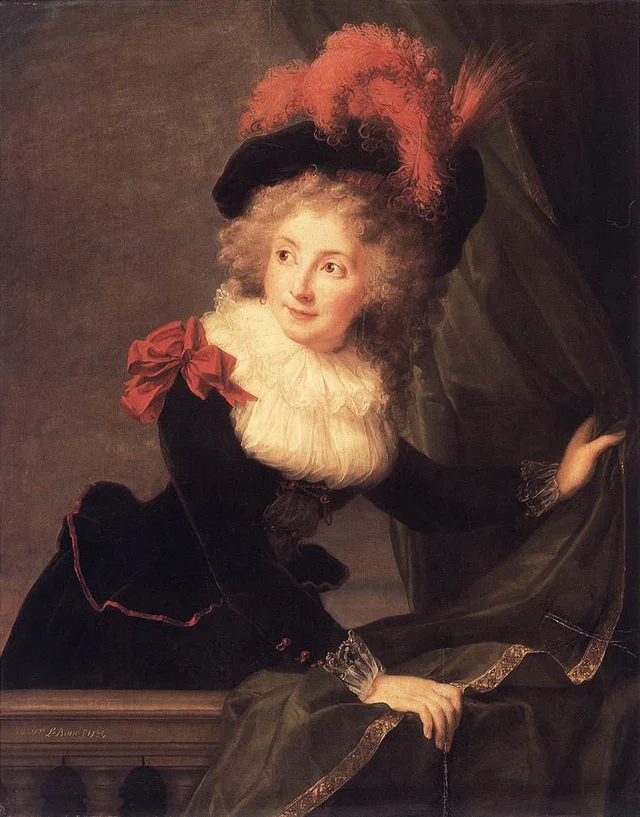 ペレゴー夫人の肖像エリザベート・ヴィジェ・ルブラン, 1789
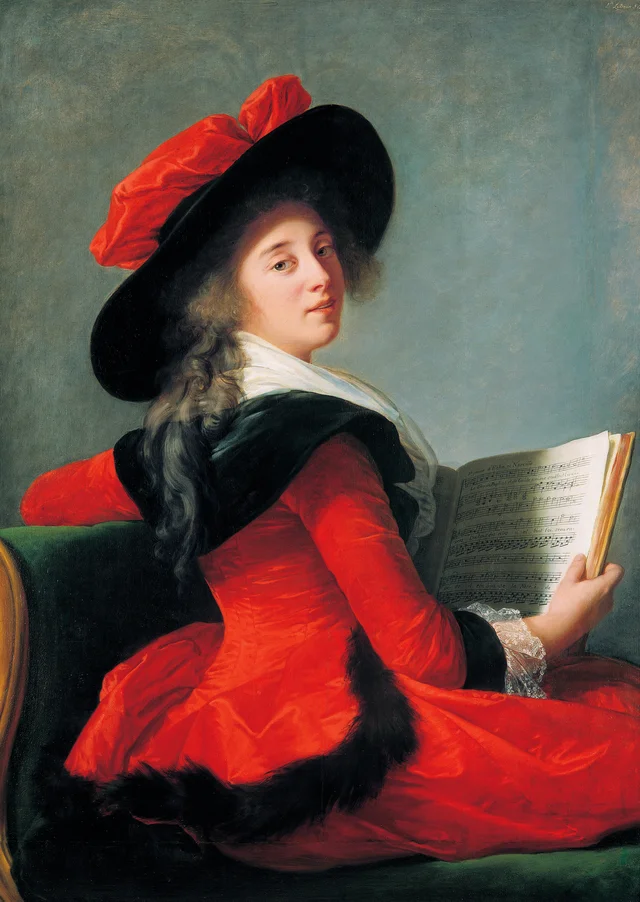 Baronne de Crussolエリザベート・ヴィジェ・ルブラン, 1785
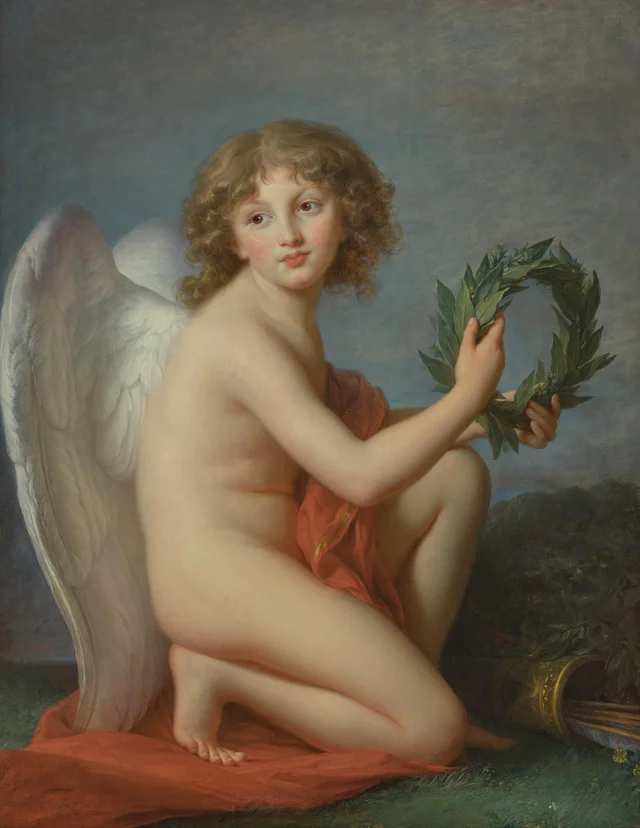 名声の守護神としてのハインリヒ・ルボミルスキエリザベート・ヴィジェ・ルブラン, 1787
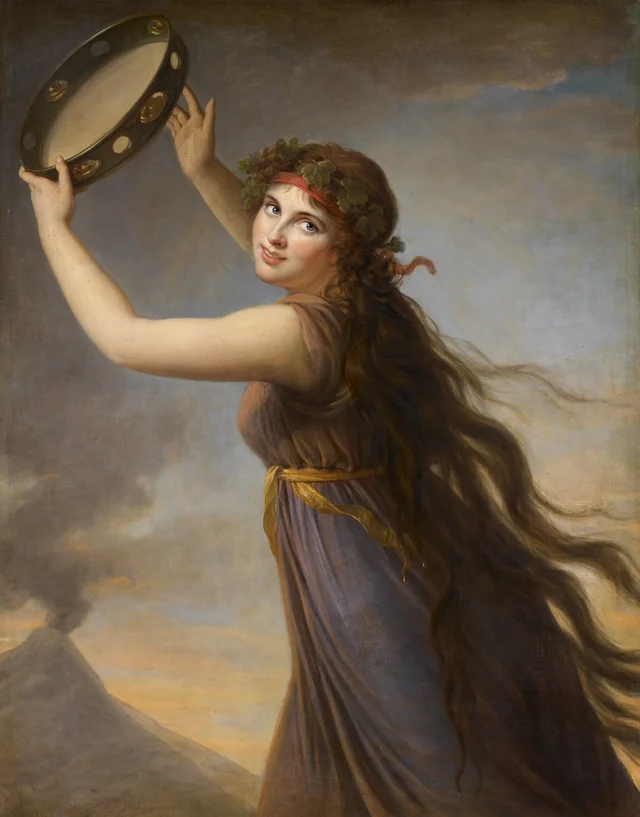 レディ・ハミルトン(1761–1815)、バッカントとしてエリザベート・ヴィジェ・ルブラン, 1790
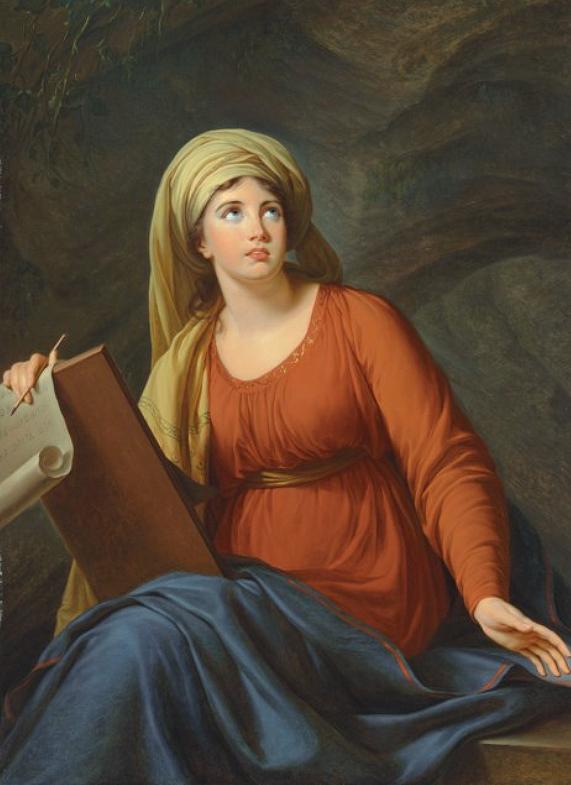 シビュラに扮したハミルトン夫人エリザベート・ヴィジェ・ルブラン, 1791
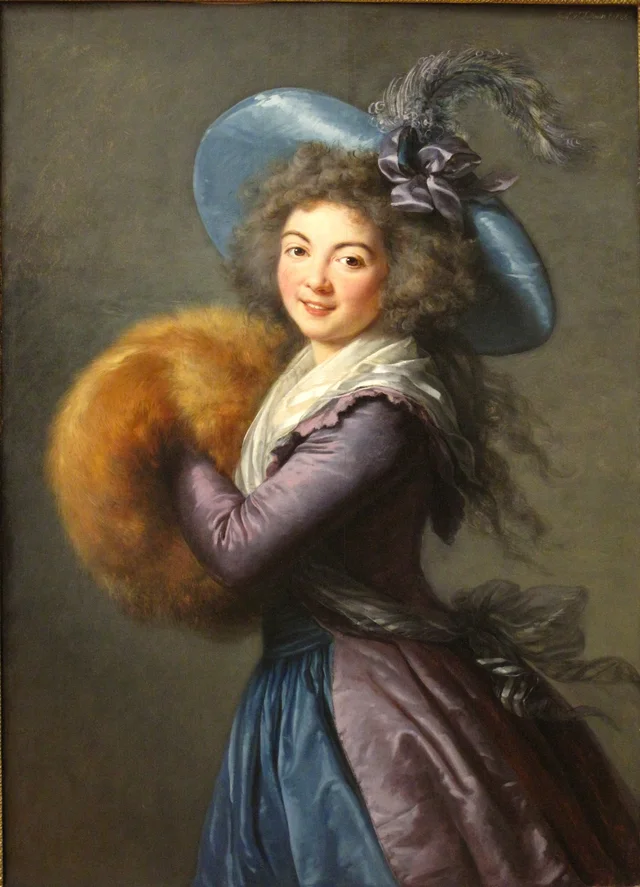 マフを持つモレ=レーモン夫人エリザベート・ヴィジェ・ルブラン, 1786