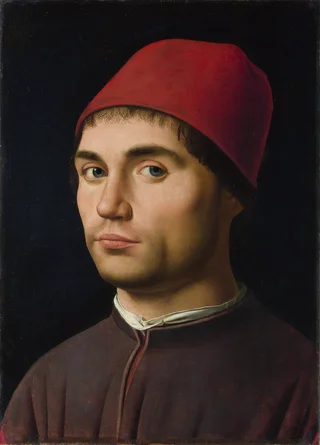
안토넬로 다 메시나
1479 · 시칠리아 왕국 · 초기 르네상스
이야기
안토넬로 다 메시나는 15세기에는 좀처럼 서로 닿지 않던 세계들인 시칠리아와 나폴리, 그리고 마침내 베네치아를 오가며 경력을 보냈고, 그와 함께 대다수 이탈리아 화가가 아직 갖지 못한 회화 기법을 지니고 다녔다. 그는 순수 유화를 익혔는데, 아마도 나폴리에 들어온 네덜란드 그림들을 통해서였을 것이다. 얀 반에이크가 수십 년 앞서 브뤼헤에서 완성한 이 기법은, 얇고 투명한 유화 물감층으로 이탈리아의 어떤 달걀 템페라 화가도 따라올 수 없는 반들거리는 하이라이트와 부드러운 그림자를 쌓아 올리게 해주었다.
1475년 그는 베네치아로 가 1년 반쯤 머물렀다. 그것으로 충분했다. 젊은 화가 조반니 벨리니를 비롯한 베네치아 화가들이 그의 유화 다루는 법과 부드러운 빛의 층으로 얼굴을 빚는 방식을 흡수했고, 이 변화는 다음 세대의 베네치아 회화를 빚어냈다. 어두운 민무늬 배경 앞에 바짝 잡은 사분의 삼 옆얼굴을 담은 이 시기 안토넬로의 초상들은, 평범한 모델에게 이런 조용하고 개별적인 존재감을 부여한 이탈리아 미술 최초의 작품들에 속한다.
그는 시칠리아의 메시나로 돌아가 1479년 초 그곳에서 죽었으니, 그가 실제로 그림을 그린 도시들 바깥에서는 아직도 덜 알려진 이름이다.
다른 아티클
작품
작품 21점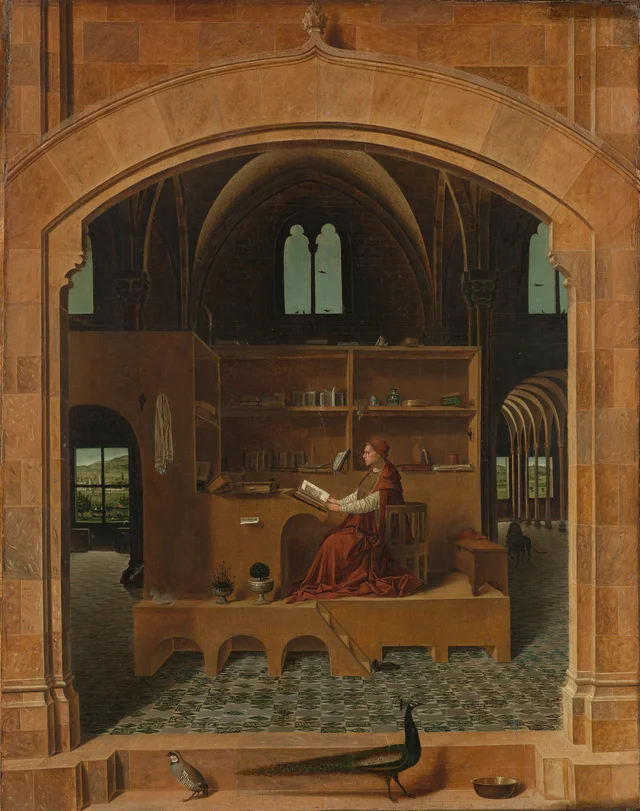 서재의 성 히에로니무스안토넬로 다 메시나, 1474
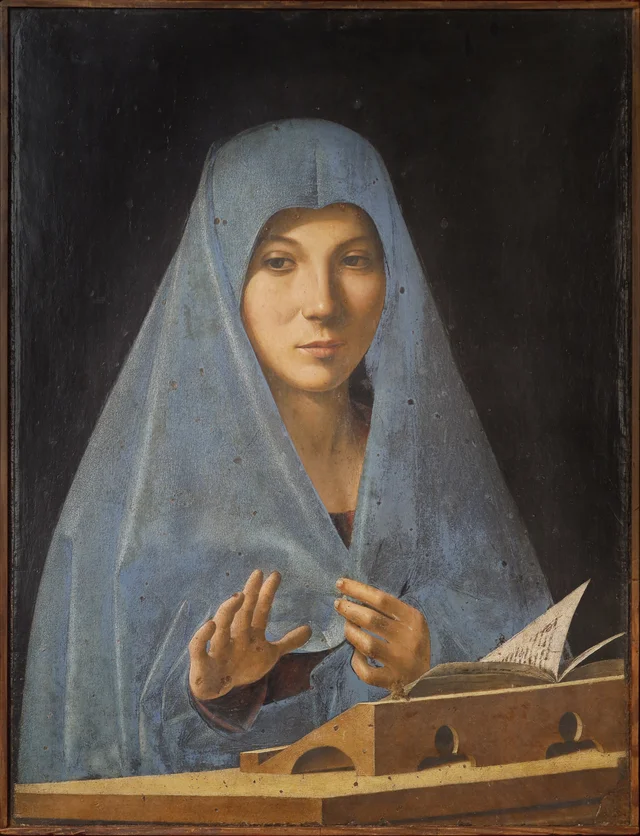 수태고지의 성모안토넬로 다 메시나, 1476
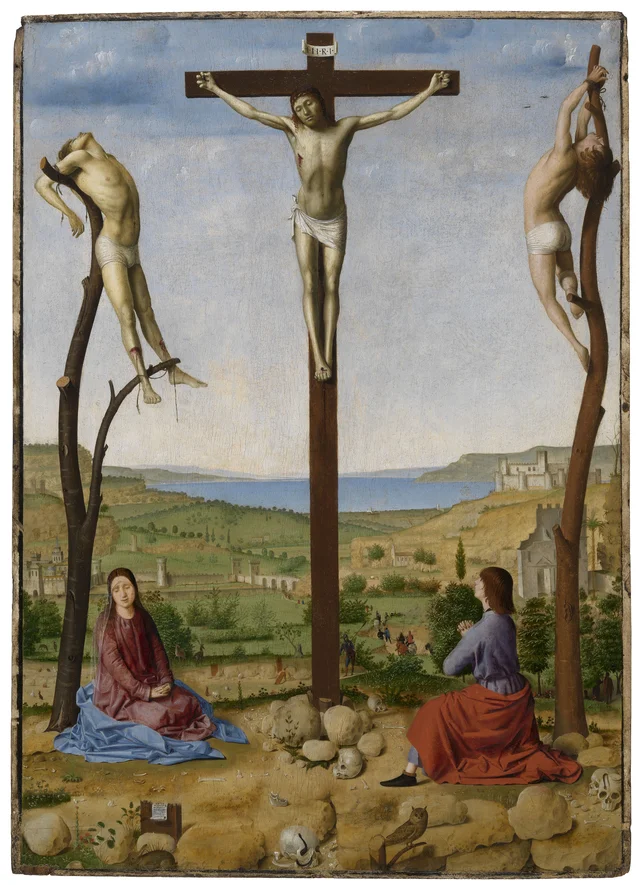 갈보리안토넬로 다 메시나, 1475
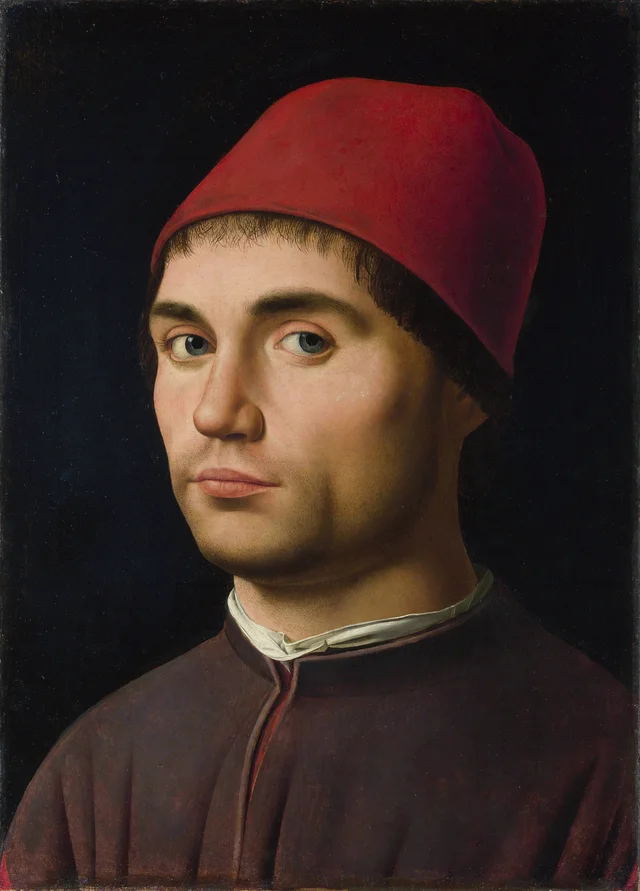 남자의 초상안토넬로 다 메시나, 1475
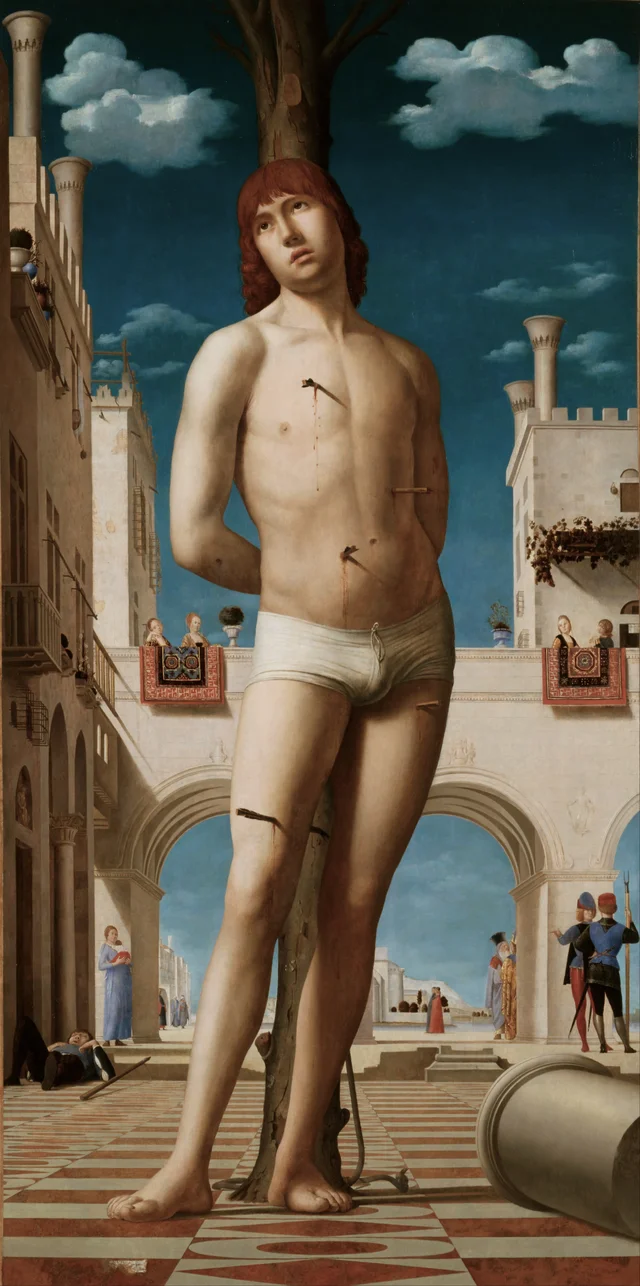 성 세바스티아누스안토넬로 다 메시나, 1478
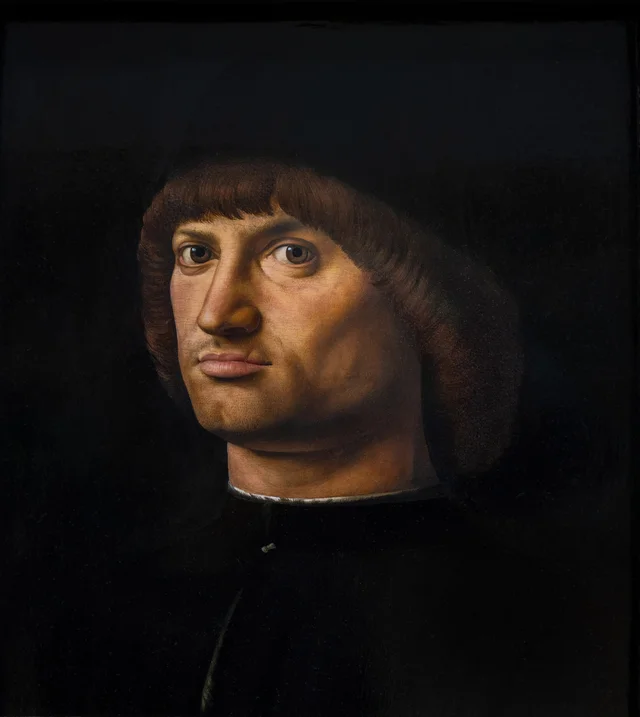 콘도티에레라 불리는 남자의 초상안토넬로 다 메시나, 1475
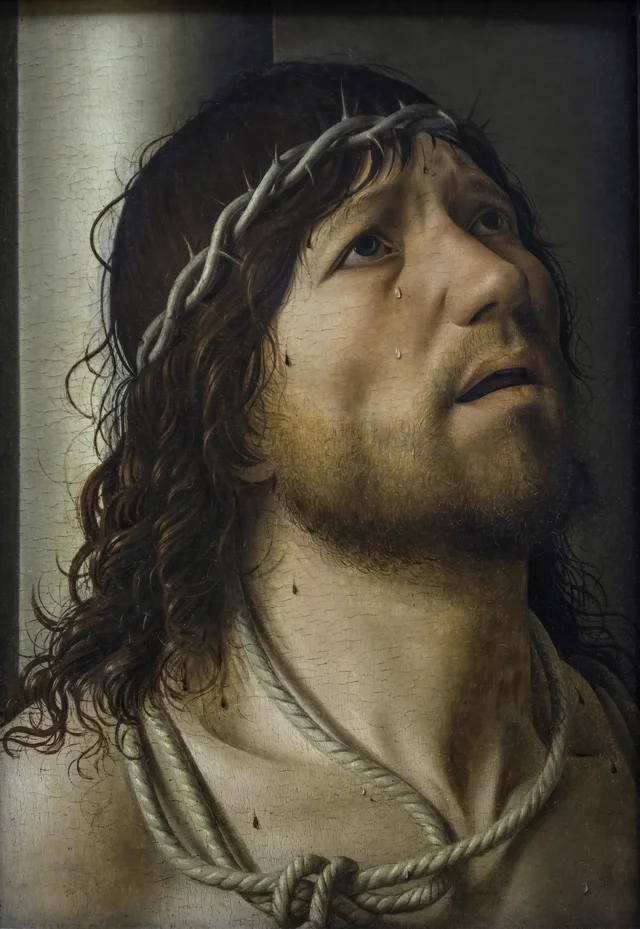 기둥에 묶인 그리스도안토넬로 다 메시나, 1477
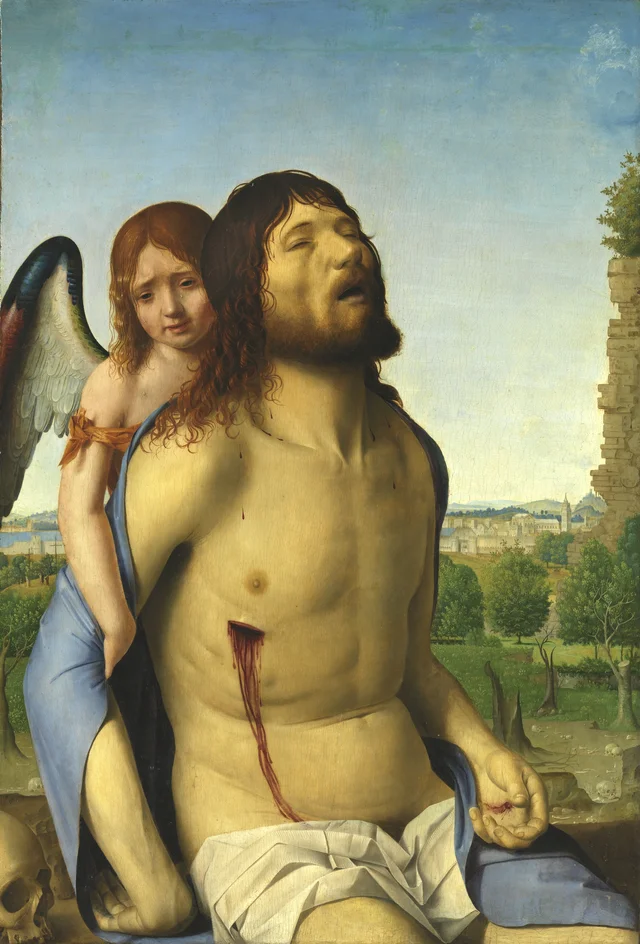 천사가 부축하는 죽은 그리스도안토넬로 다 메시나, 1475
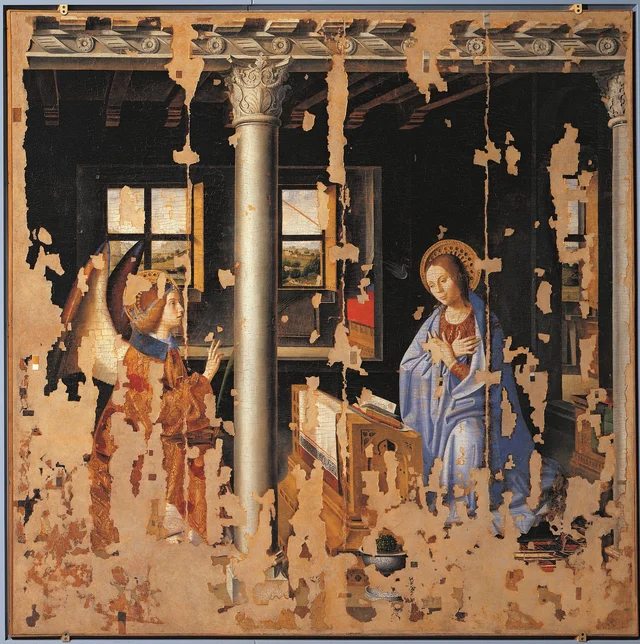 수태고지안토넬로 다 메시나, 1474
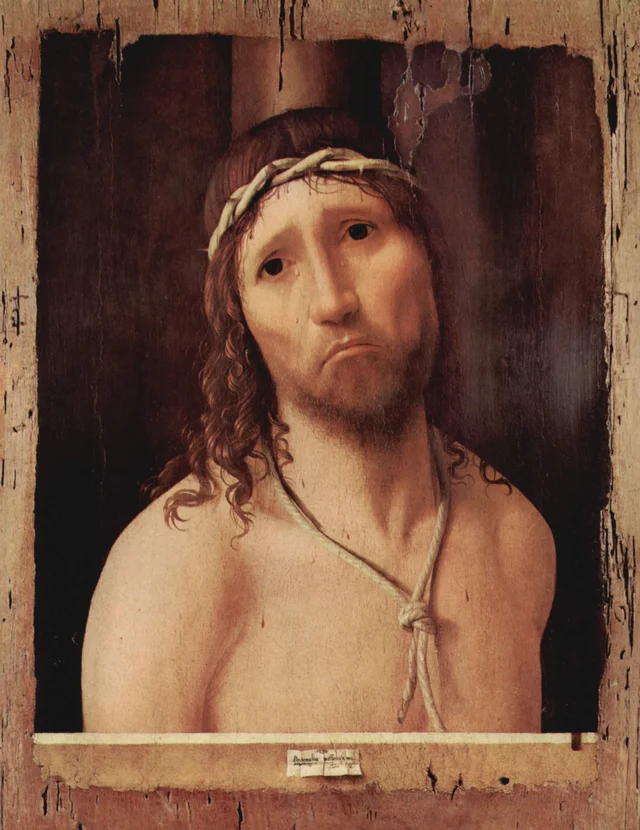 에케 호모안토넬로 다 메시나, 1473
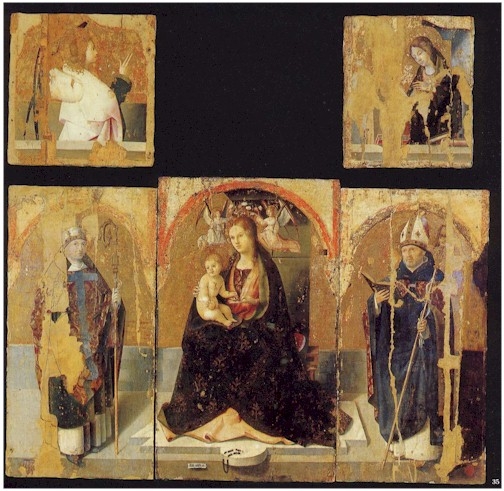 산 그레고리오 다폭 제단화안토넬로 다 메시나, 1473
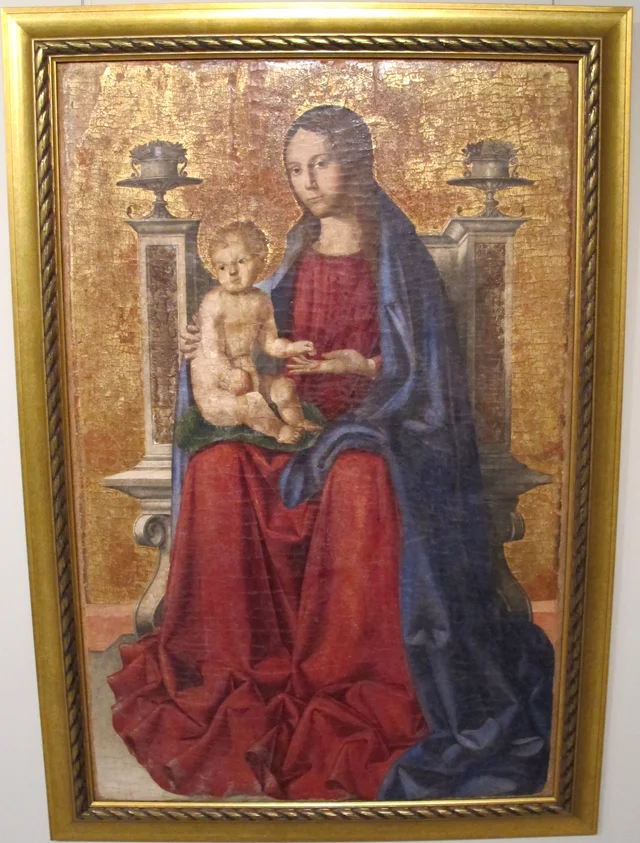 성모자안토넬로 다 메시나
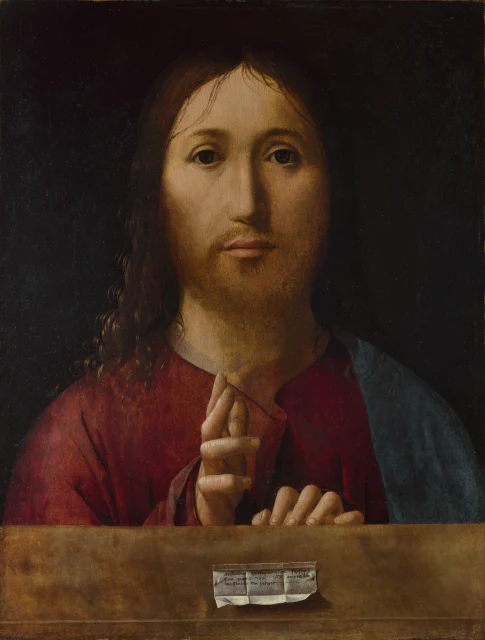 축복하는 그리스도안토넬로 다 메시나, 1465
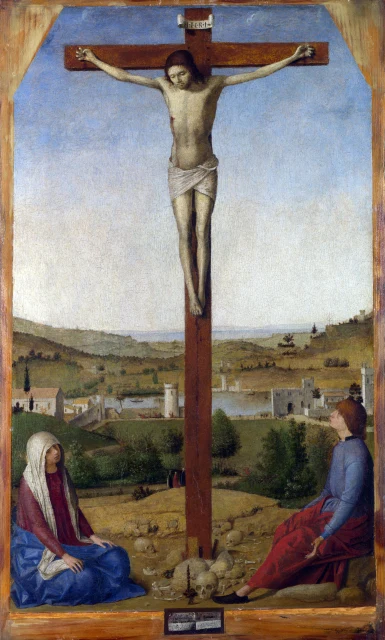 십자가에 못 박힌 그리스도안토넬로 다 메시나, 1475
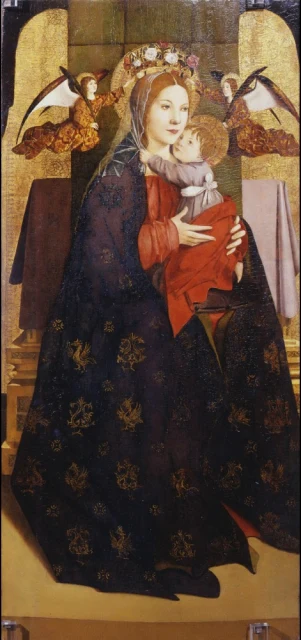 우피치 성모안토넬로 다 메시나, 1470
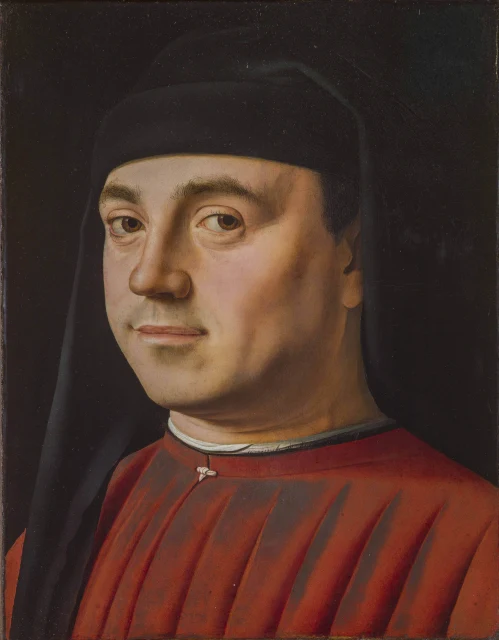 남자의 초상안토넬로 다 메시나, 1476
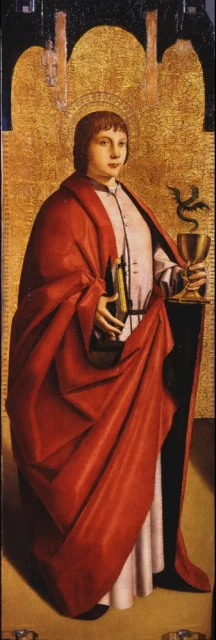 복음사가 성 요한안토넬로 다 메시나, 1470
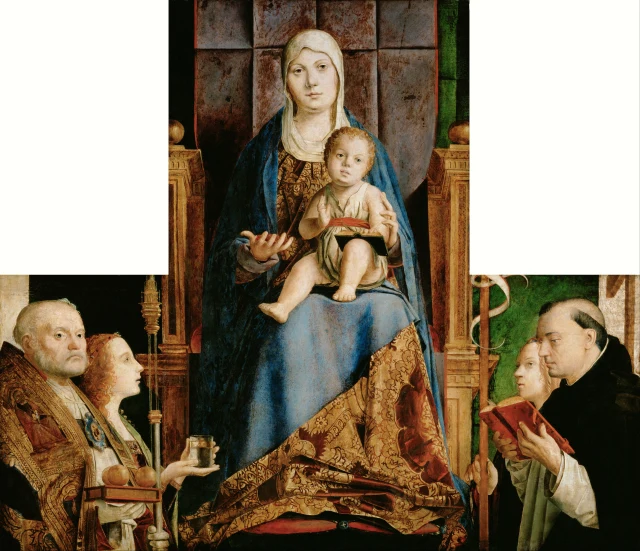 산 카시아노 제단화안토넬로 다 메시나, 1475
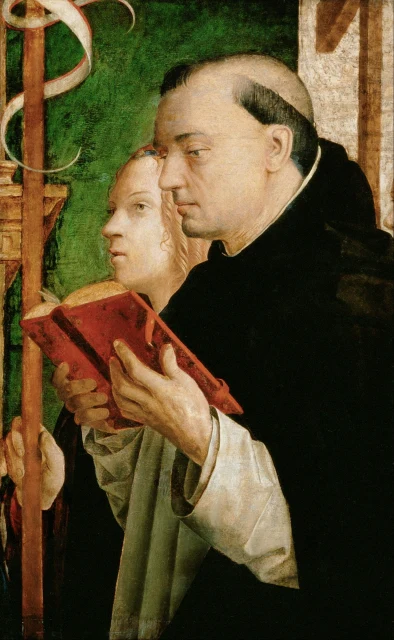 산 카시아노 제단화: 성 도미니코(오른쪽 단편)안토넬로 다 메시나, 1475
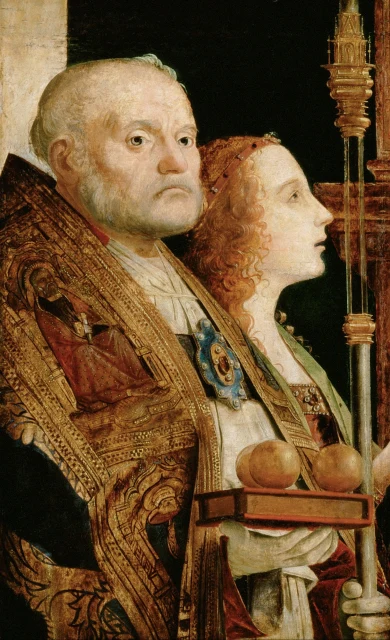 산 카시아노 제단화: 바리의 성 니콜라오(왼쪽 단편)안토넬로 다 메시나, 1475
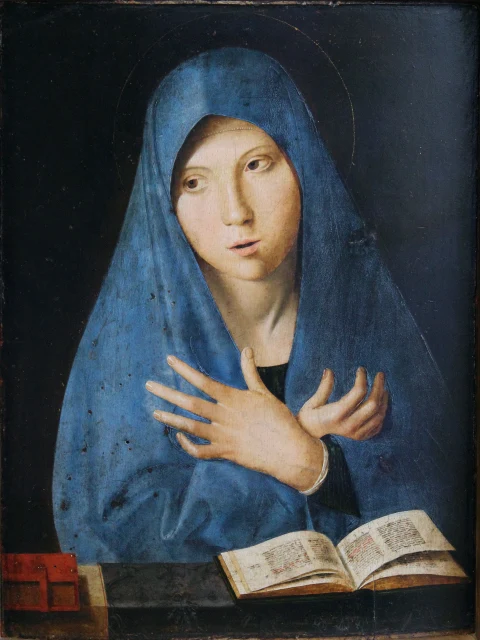 수태고지의 성모안토넬로 다 메시나, 1473