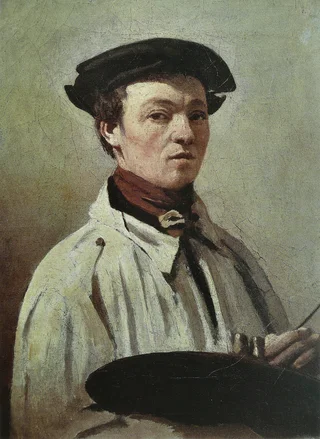
Jean-Baptiste Camille Corot
1796–1875 · França · Realismo francês
A história
Jean-Baptiste Camille Corot chegou tarde à pintura e sem pressão financeira. Seu pai era fabricante de perucas e sua mãe administrava uma chapelaria, ambos prósperos o bastante para, quando ele tinha vinte e cinco anos, lhe dar uma pequena mesada e deixá-lo abandonar uma carreira no comércio de tecidos para pintar — uma liberdade que lhe permitiu trabalhar em seu próprio ritmo pelo resto da vida. Passou anos na Itália fazendo esboços a óleo rápidos ao ar livre, desenvolvendo uma técnica solta e luminosa, anos à frente das paisagens polidas de ateliê ainda esperadas pelo Salão de Paris.
De volta à França, gravitou em torno da Floresta de Fontainebleau a partir de 1829, onde um círculo informal de pintores insatisfeitos com a convenção acadêmica, entre eles Jean-François Millet e Théodore Rousseau, formava o que ficaria conhecido como Escola de Barbizon. Corot tornou-se sua figura mais celebrada, valorizado por cenas de bosque prateadas e atmosféricas que vendiam bem e o deixaram confortavelmente rico mesmo enquanto os jovens radicais do movimento ainda passavam dificuldades.
Foi também incomumente generoso com esse sucesso, ajudando colegas mais pobres em apuros, e orientou pessoalmente os jovens Camille Pissarro e Berthe Morisot, ambos futuros impressionistas que levaram para o movimento — do qual ele nunca chegou a fazer parte oficialmente — seu compromisso de pintar diretamente da natureza. Morreu em Paris em 1875, deixando mais de três mil pinturas, número inflado nas décadas seguintes por falsificações feitas em seu estilo.
Mais artigos
Obras
170 obras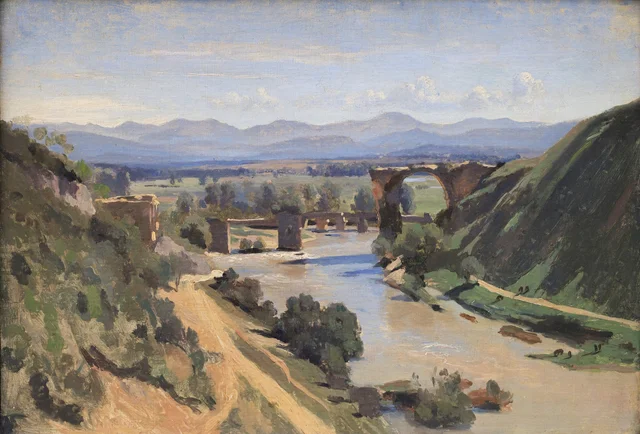 A Ponte de NarniJean-Baptiste Camille Corot, 1826
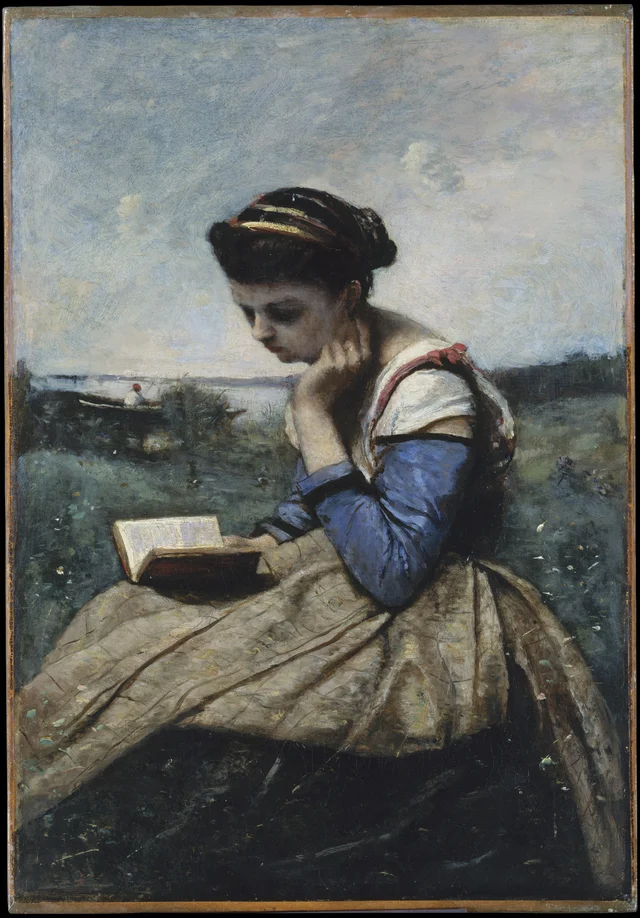 Mulher lendoJean-Baptiste Camille Corot, 1869
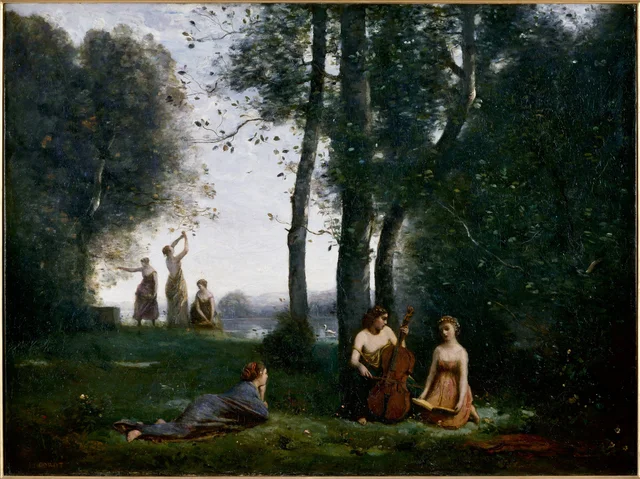 Concerto campestreJean-Baptiste Camille Corot, 1857
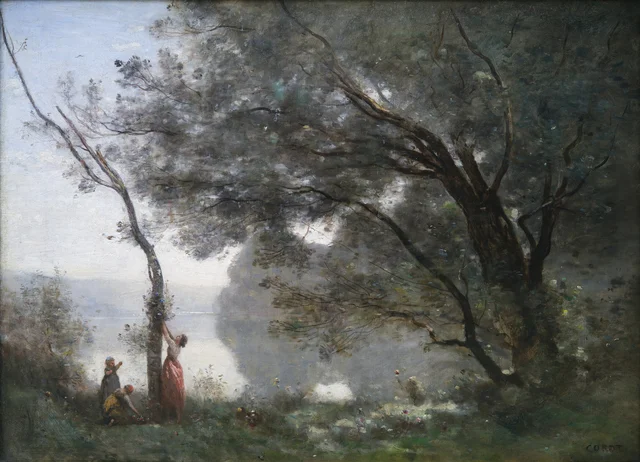 Recordação de MortefontaineJean-Baptiste Camille Corot, 1864
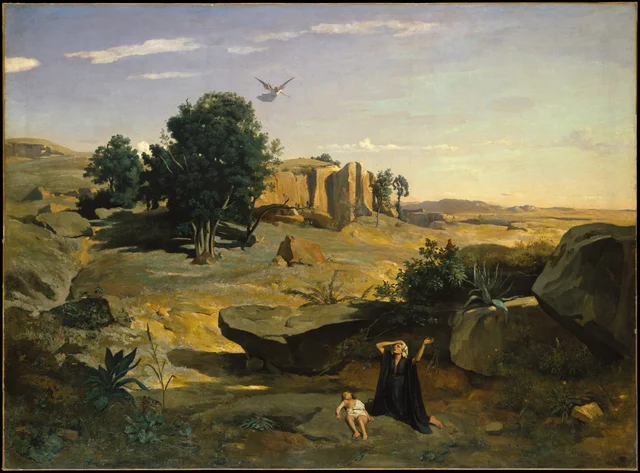 Agar no DesertoJean-Baptiste Camille Corot, 1835
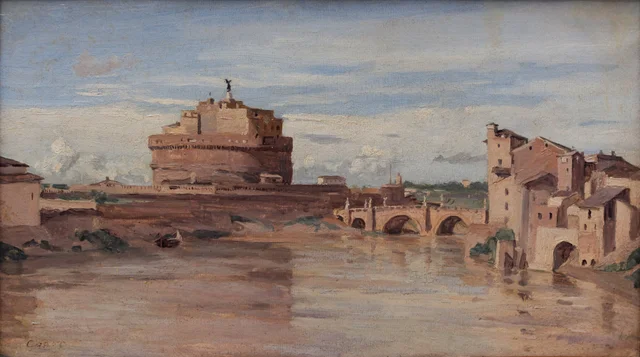 Castel Sant'Angelo e o TibreJean-Baptiste Camille Corot, 1826
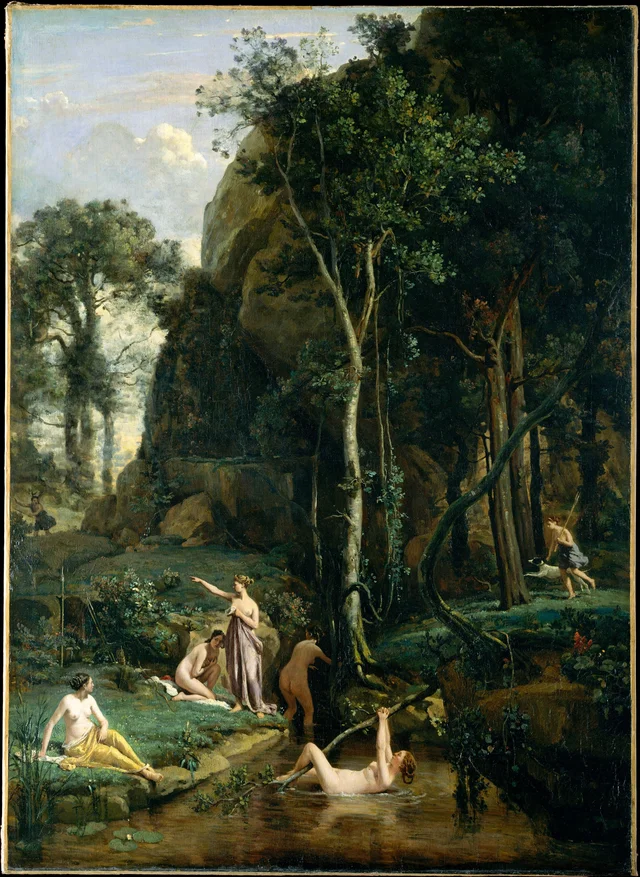 Diana e Acteão (Diana surpreendida no banho)Jean-Baptiste Camille Corot, 1836
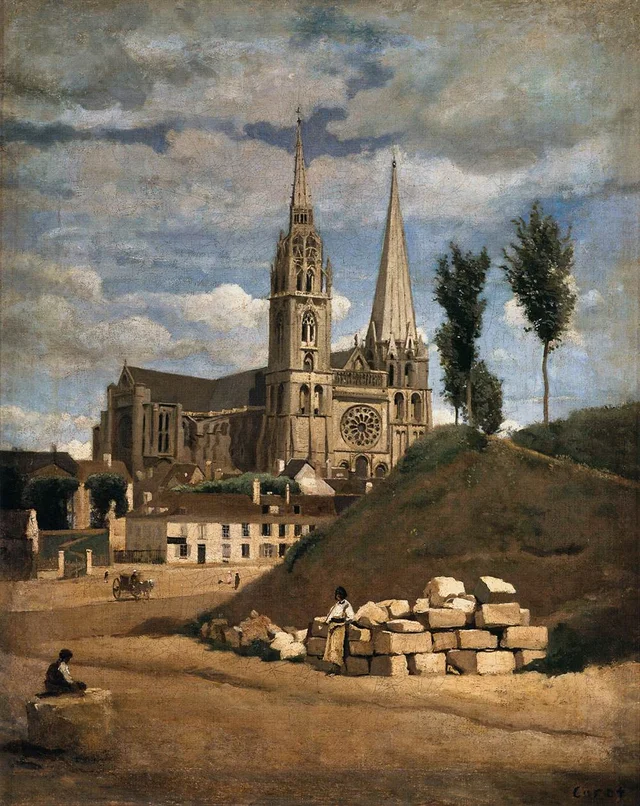 Catedral de ChartresJean-Baptiste Camille Corot, 1830
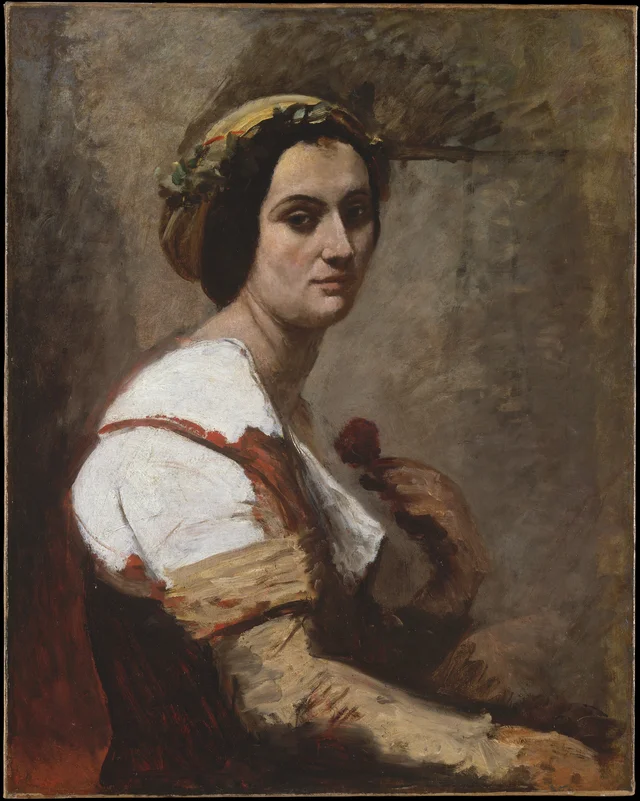 SibilaJean-Baptiste Camille Corot, 1870
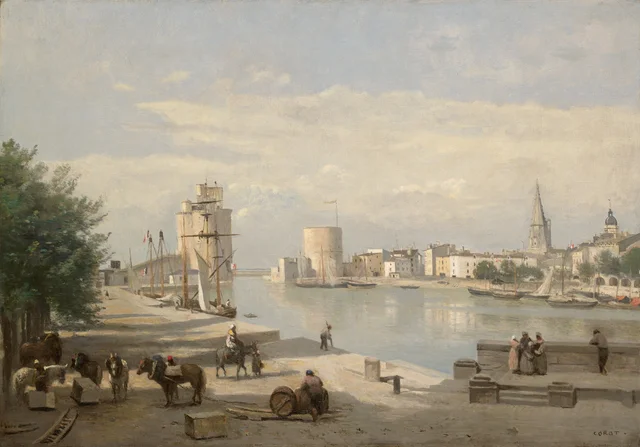 O porto de La RochelleJean-Baptiste Camille Corot, 1851
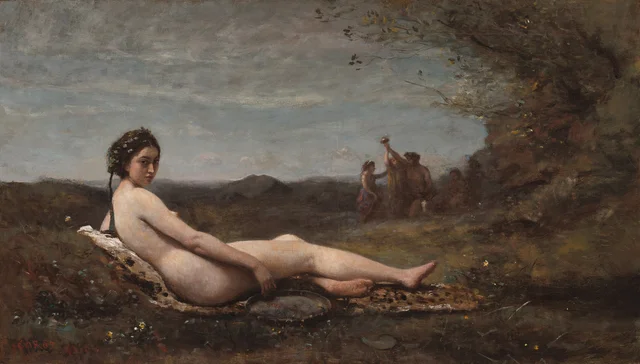 O RepousoJean-Baptiste Camille Corot, 1860
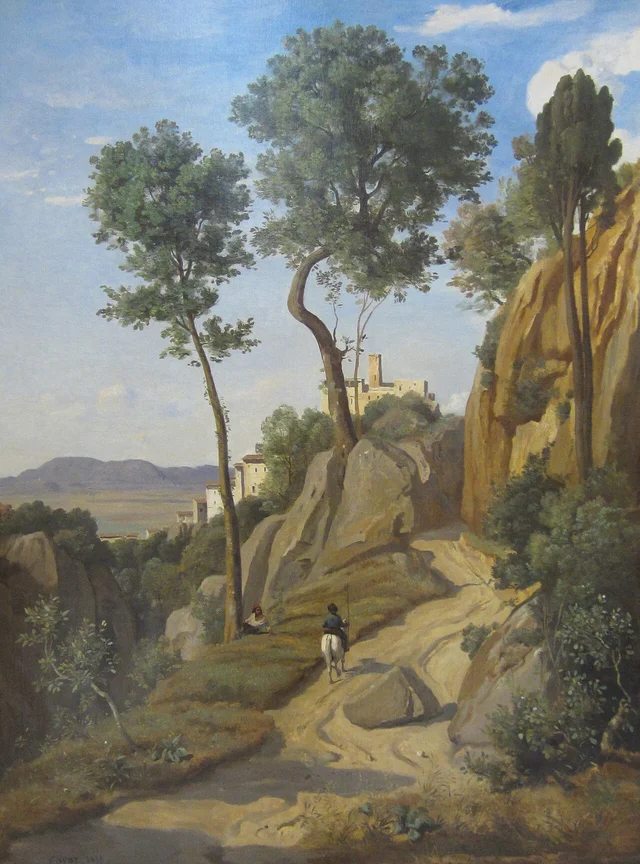 Vista de VolterraJean-Baptiste Camille Corot, 1838
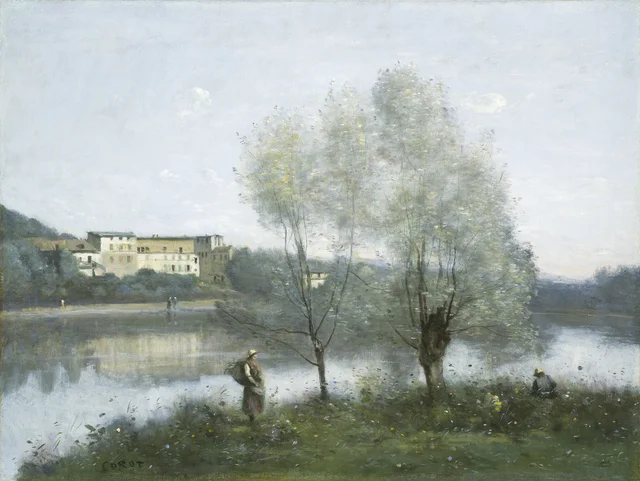 Ville-d'AvrayJean-Baptiste Camille Corot, 1865
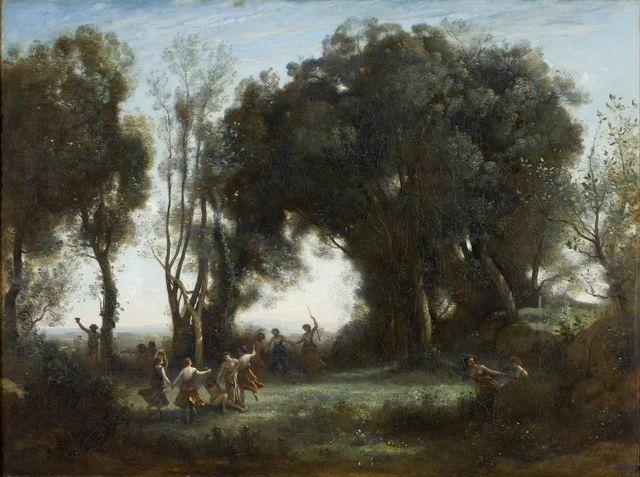 Uma Manhã. A Dança das NinfasJean-Baptiste Camille Corot, 1850
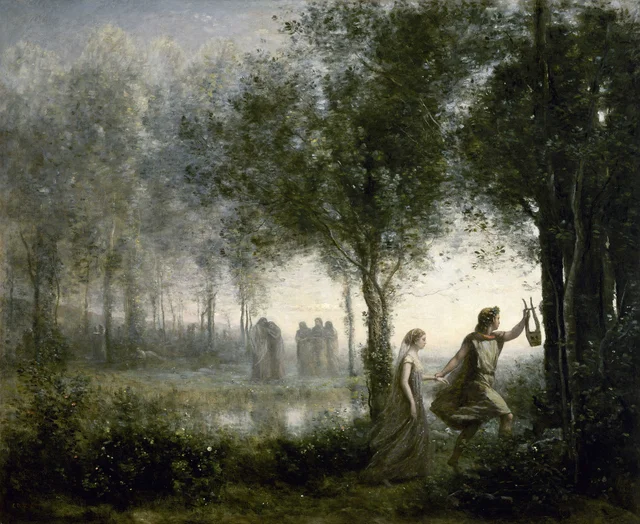 Orfeu conduzindo Eurídice do submundoJean-Baptiste Camille Corot, 1861
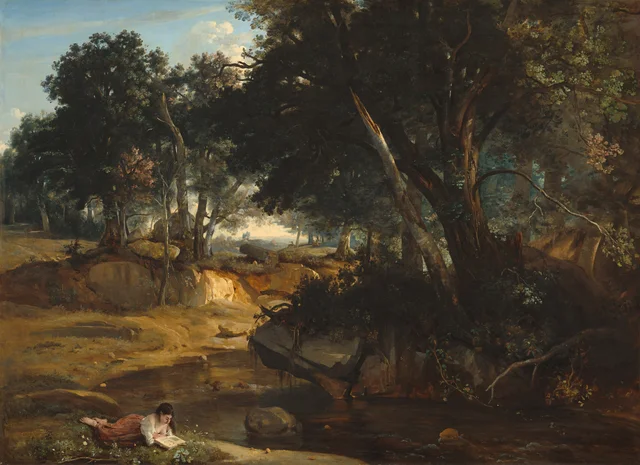 Floresta de FontainebleauJean-Baptiste Camille Corot, 1834
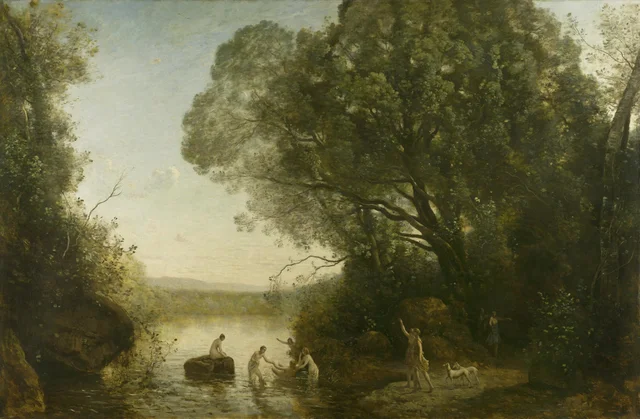 O Banho de DianaJean-Baptiste Camille Corot, 1855
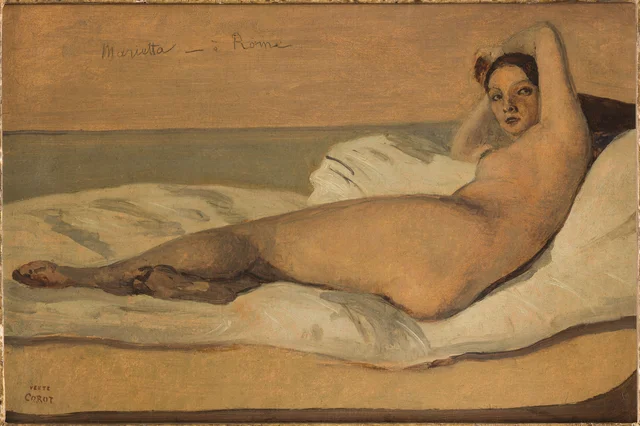 MariettaJean-Baptiste Camille Corot, 1843
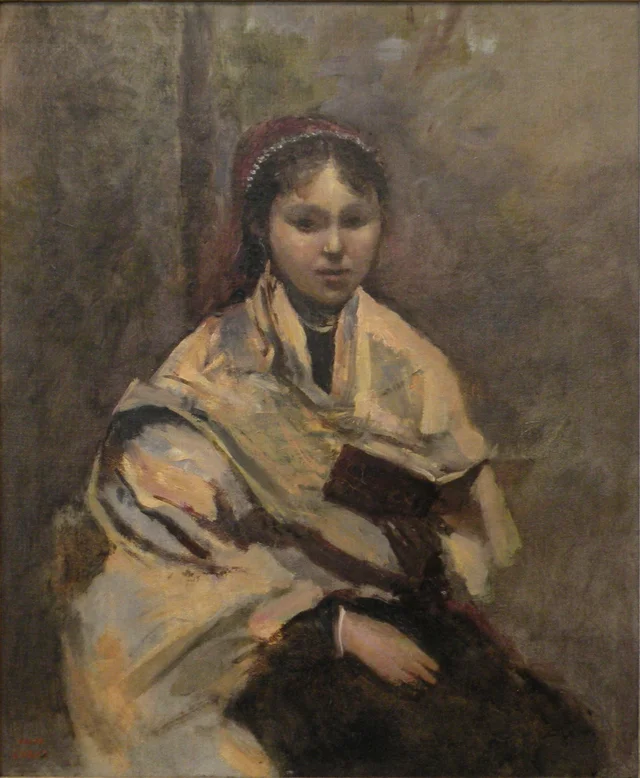 Jovem Sentada com um Livro na MãoJean-Baptiste Camille Corot, 1865
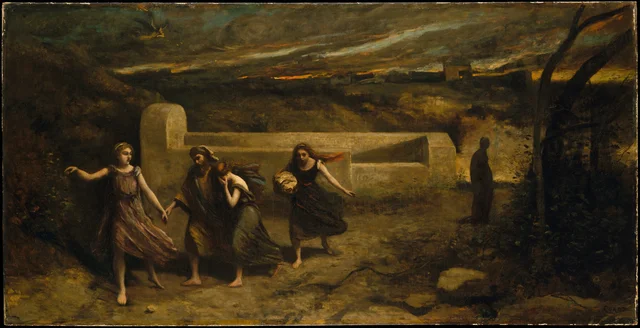 O Incêndio de SodomaJean-Baptiste Camille Corot, 1857
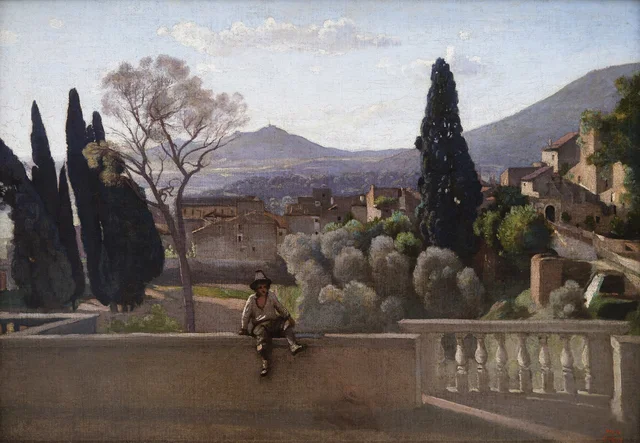 Os jardins da Villa d'Este em TivoliJean-Baptiste Camille Corot, 1843
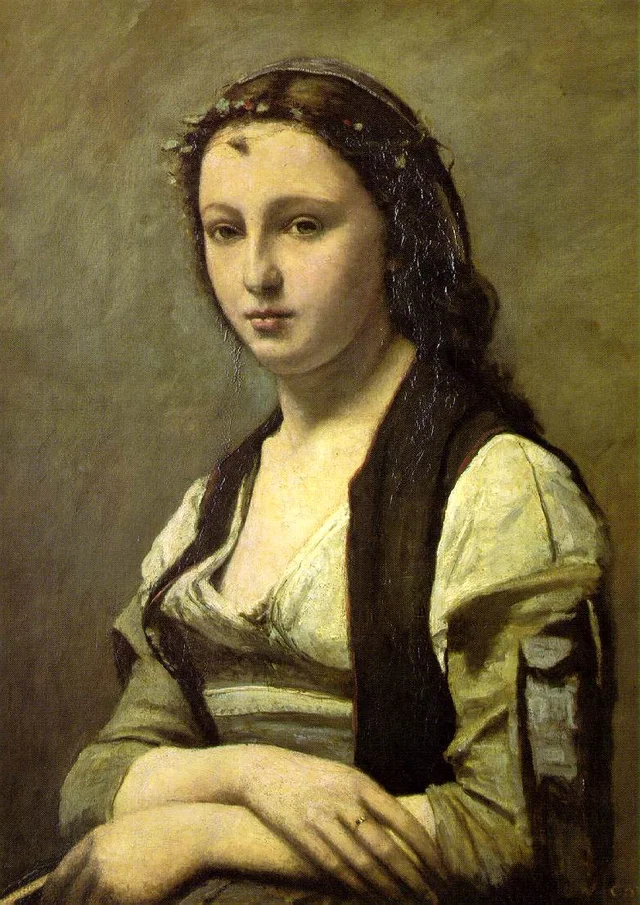 A mulher com a pérolaJean-Baptiste Camille Corot, 1868
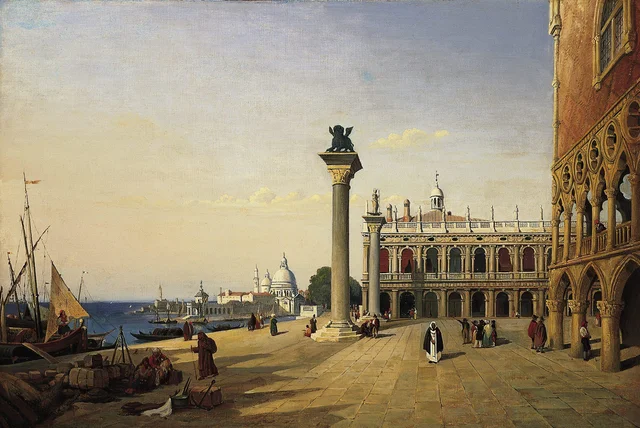 Veneza, a PiazzettaJean-Baptiste Camille Corot, 1840
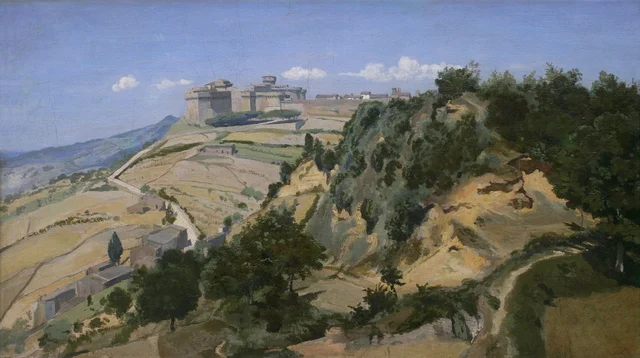 Vista de VolterraJean-Baptiste Camille Corot, 1834
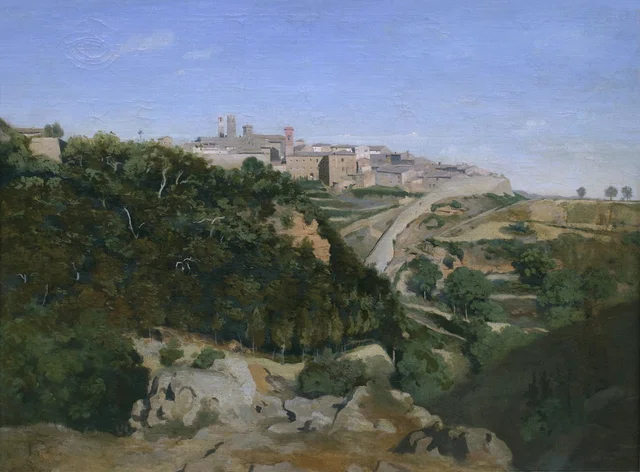 Vista de VolterraJean-Baptiste Camille Corot, 1834