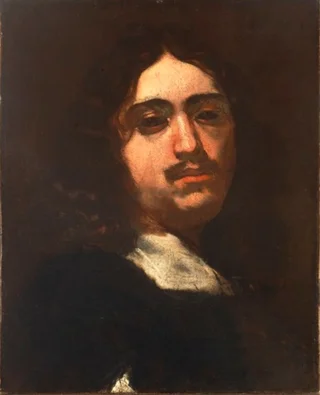
Jusepe de Ribera
1591–1652 · Coroa de Aragão · Barroco
A história
Em 1616, um jovem pintor espanhol deixou Roma rumo a Nápoles, um passo à frente de credores que não conseguia pagar. Nápoles era então uma possessão espanhola, governada por um vice-rei enviado de Madri, de modo que um espanhol ali podia trabalhar ao mesmo tempo para a elite napolitana local e para nobres espanhóis de passagem. Ribera fixou-se de vez. Naquele mesmo ano casou-se com Caterina Azzolino, filha de um pintor napolitano, um enlace que abriu portas de que um recém-chegado precisava.
Ele pintava na dramática maneira do claro-escuro criada pelo pintor italiano Caravaggio, que trabalhara em Nápoles alguns anos antes e ali morrera em 1610. Ribera levou o naturalismo mais longe, pintando santos martirizados, filósofos idosos e o sátiro esfolado Mársias com uma crueza que lhe rendeu o apelido de Lo Spagnoletto, o espanholzinho. Vice-reis espanhóis compravam suas telas e as enviavam para a Espanha, e foi assim que um pintor que nunca voltou para lá ainda assim se tornou um de seus artistas mais famosos, hoje colocado ao lado de outros mestres do Barroco espanhol como Diego Velázquez e Francisco de Zurbarán.
No início da década de 1630, sua iluminação havia se suavizado, do contraste rígido para algo mais difuso. Uma pintura de 1642 de um menino mendigo com um pé torto, hoje no museu do Louvre, em Paris, mostra o menino sorrindo e segurando um papel com um pedido, em latim, de esmola pelo amor de Deus.
Obras
115 obras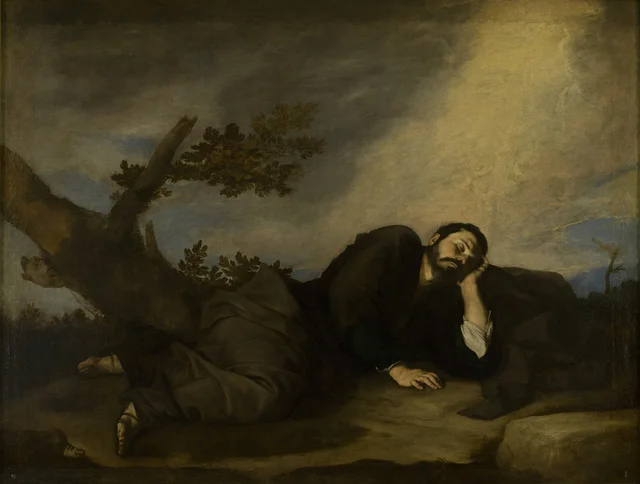 O Sonho de JacóJusepe de Ribera, 1639
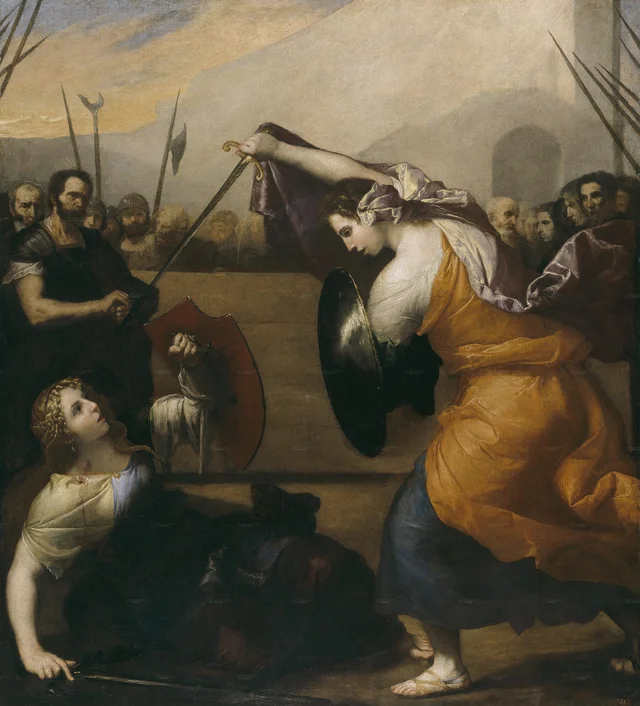 Mulheres GladiadorasJusepe de Ribera, 1636
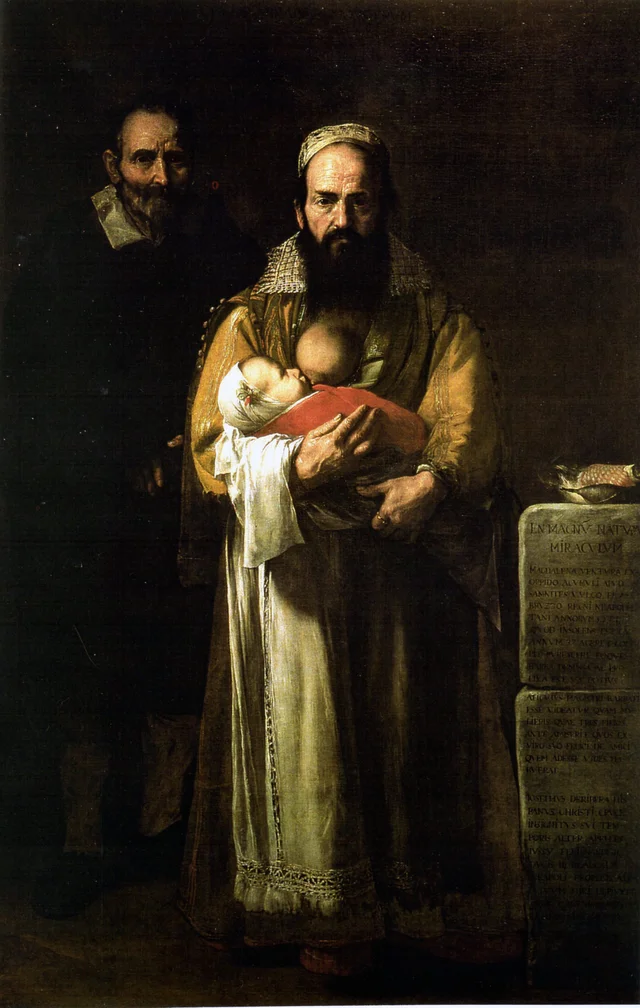 Magdalena Ventura com o Marido e o FilhoJusepe de Ribera, 1631
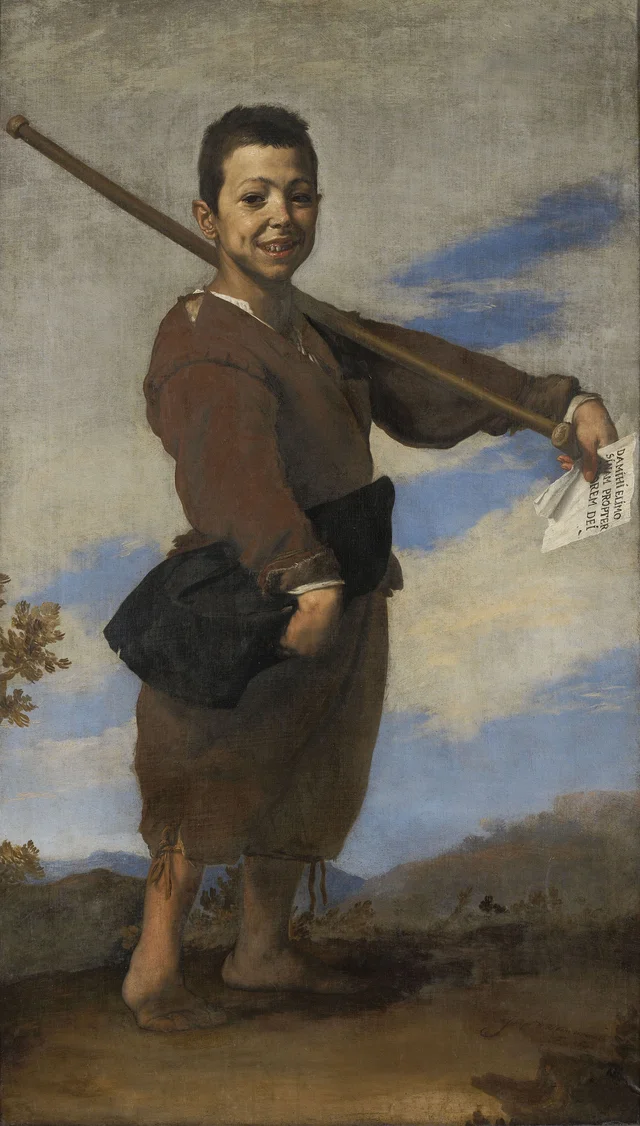 O Pé TortoJusepe de Ribera, 1642
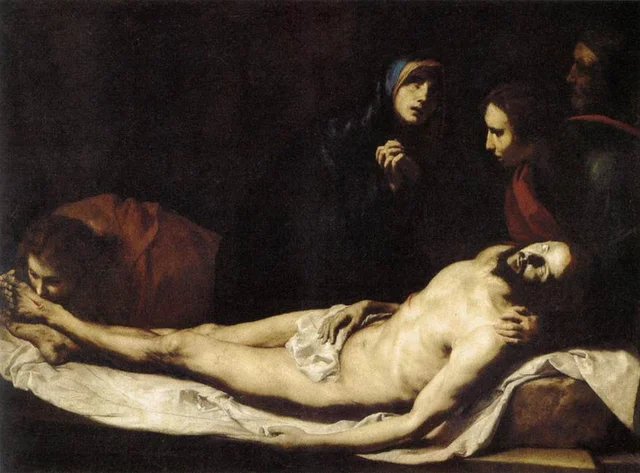 PietàJusepe de Ribera, 1633
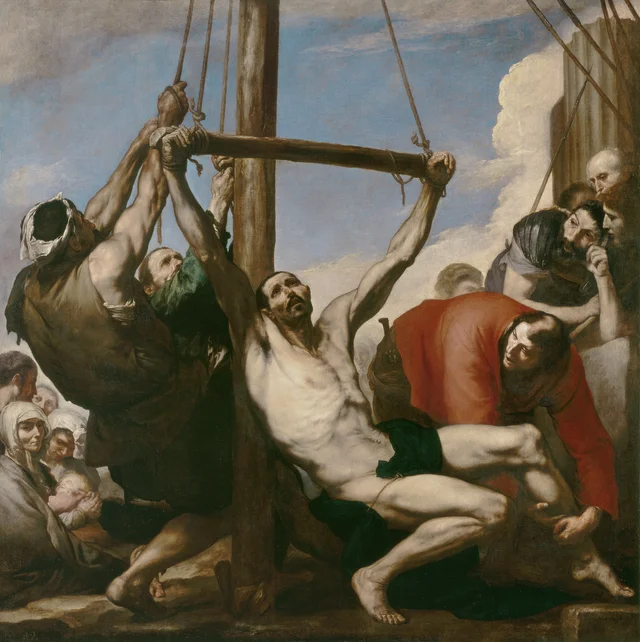 O Martírio de São FilipeJusepe de Ribera, 1639
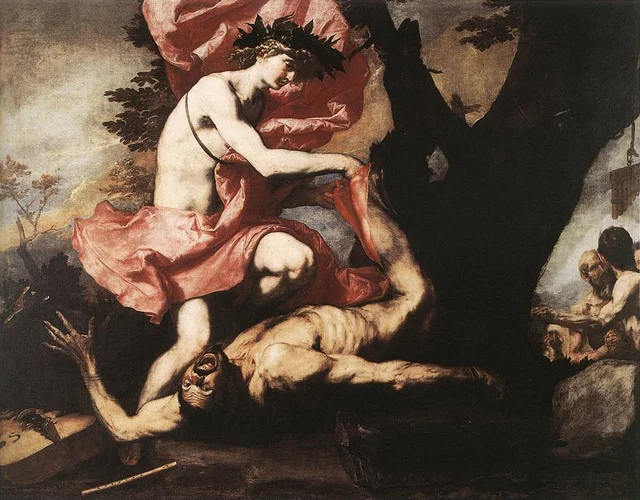 Apolo Esfolando MársiasJusepe de Ribera, 1637
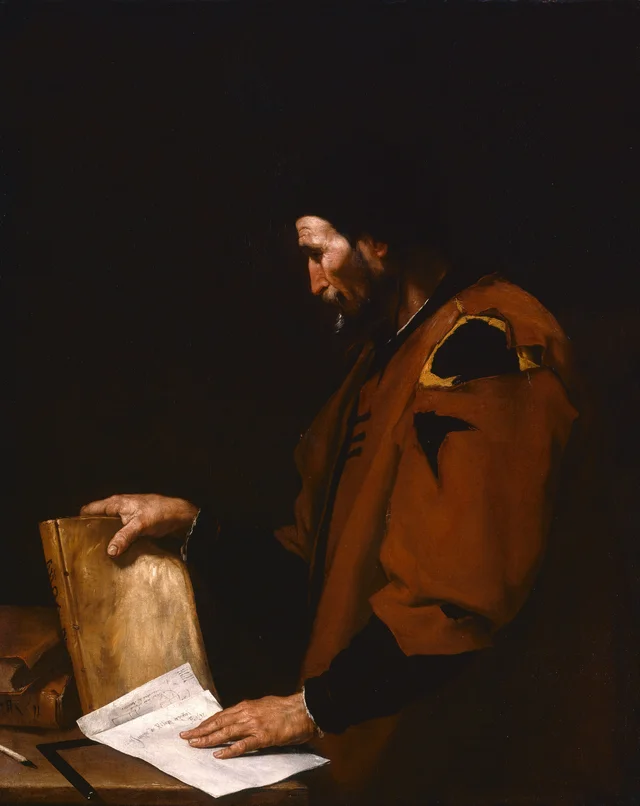 AristótelesJusepe de Ribera, 1637
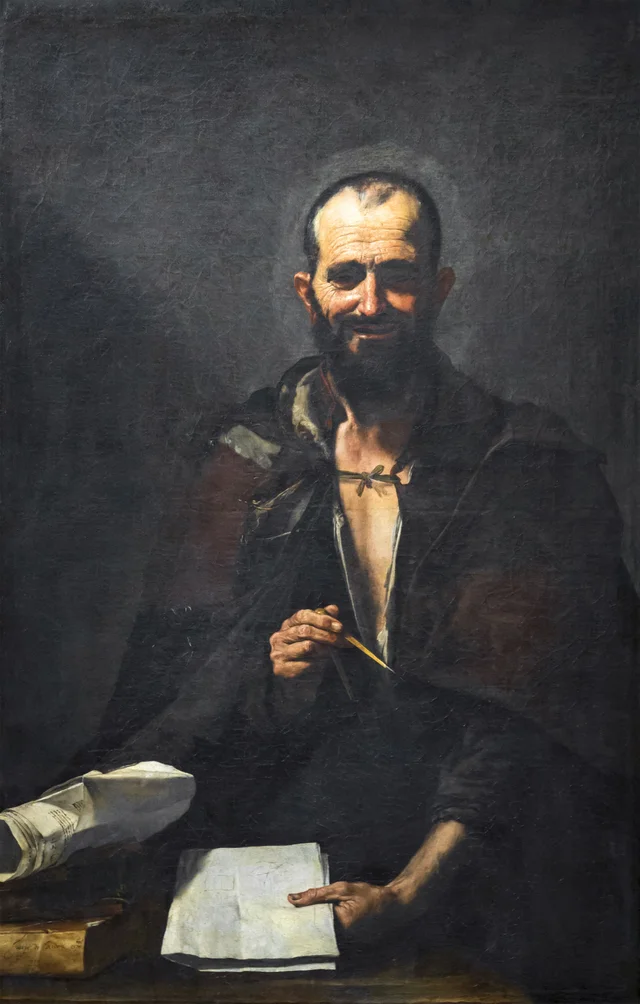 DemócritoJusepe de Ribera, 1630
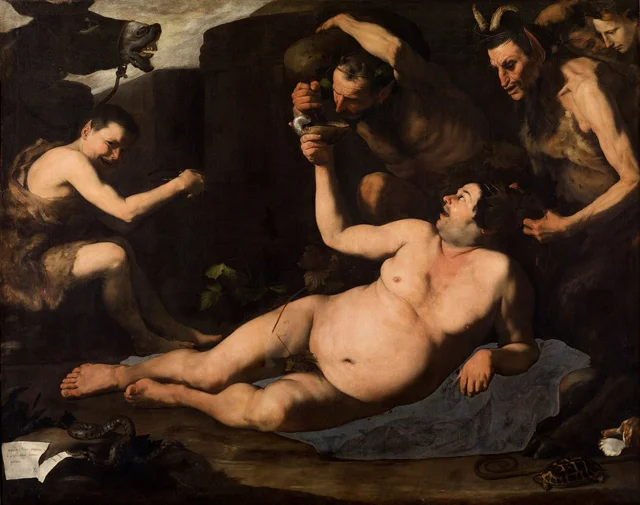 Sileno ébrioJusepe de Ribera, 1626
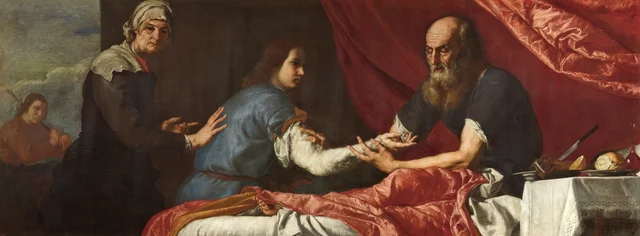 Isaque e JacóJusepe de Ribera, 1637
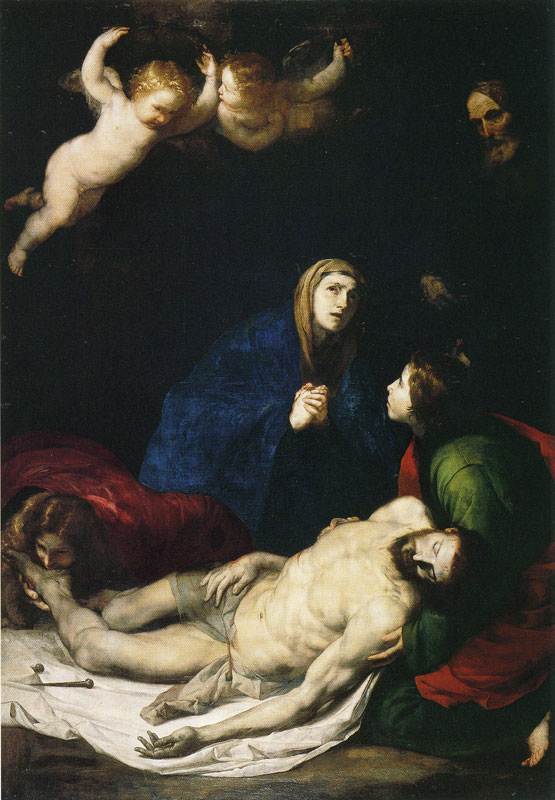 Lamentação sobre o Cristo mortoJusepe de Ribera, 1637
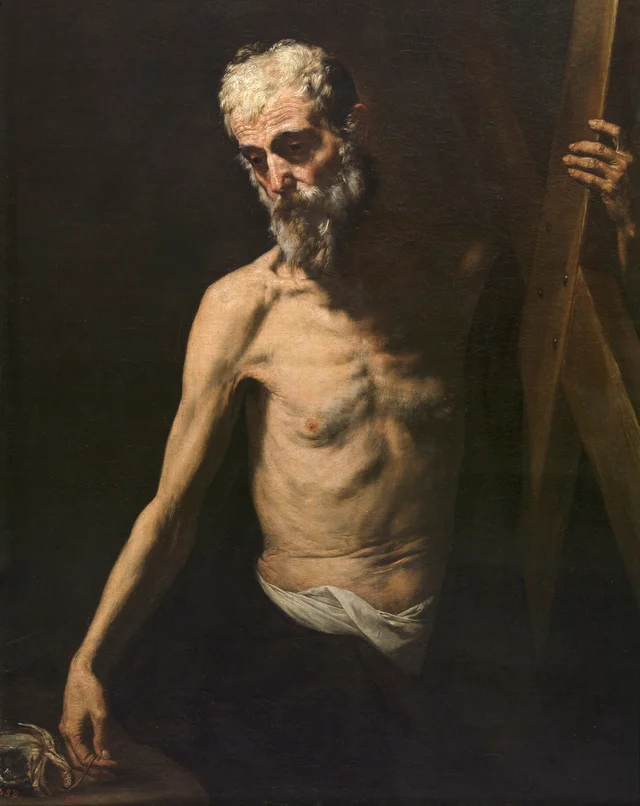 Santo AndréJusepe de Ribera, 1631
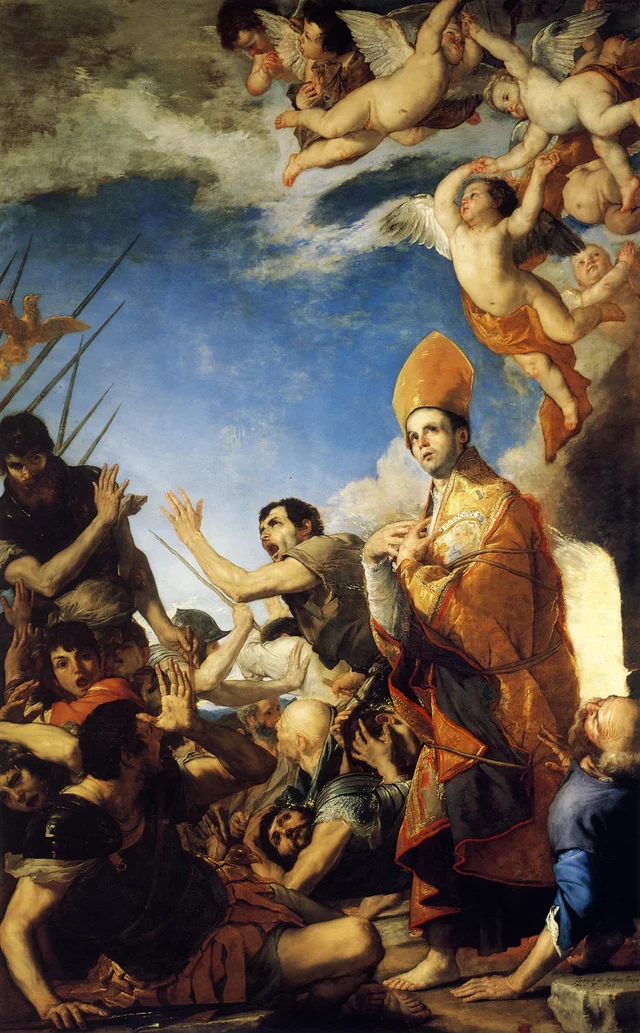 São Januário Saindo da FornalhaJusepe de Ribera, 1646
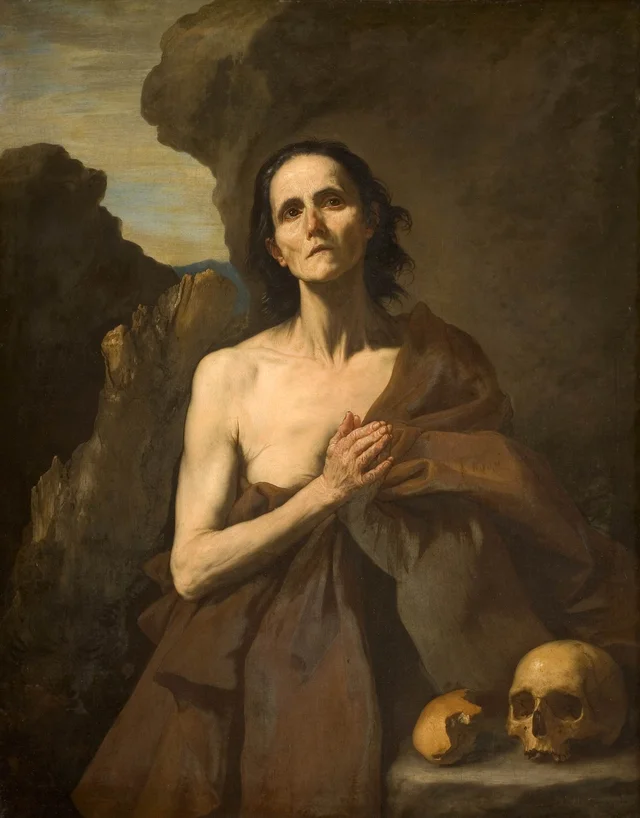 Santa Maria EgipcíacaJusepe de Ribera, 1641
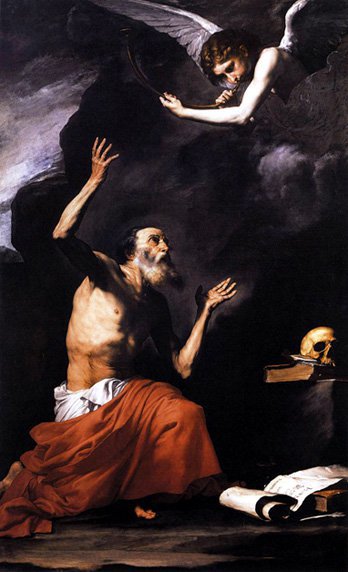 São Jerônimo e o anjo do JuízoJusepe de Ribera, 1626
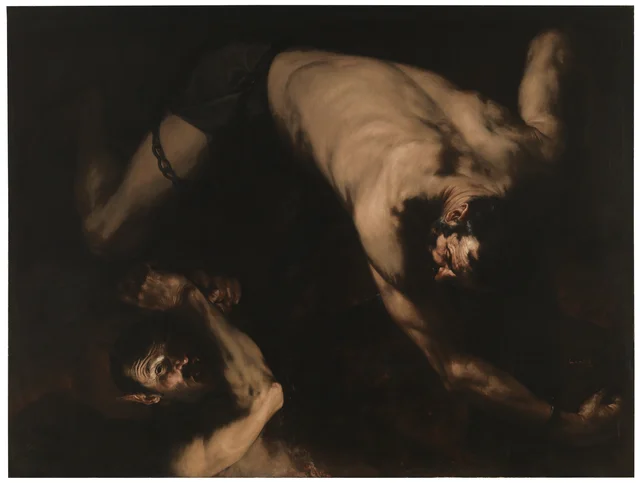 ÍxionJusepe de Ribera, 1632
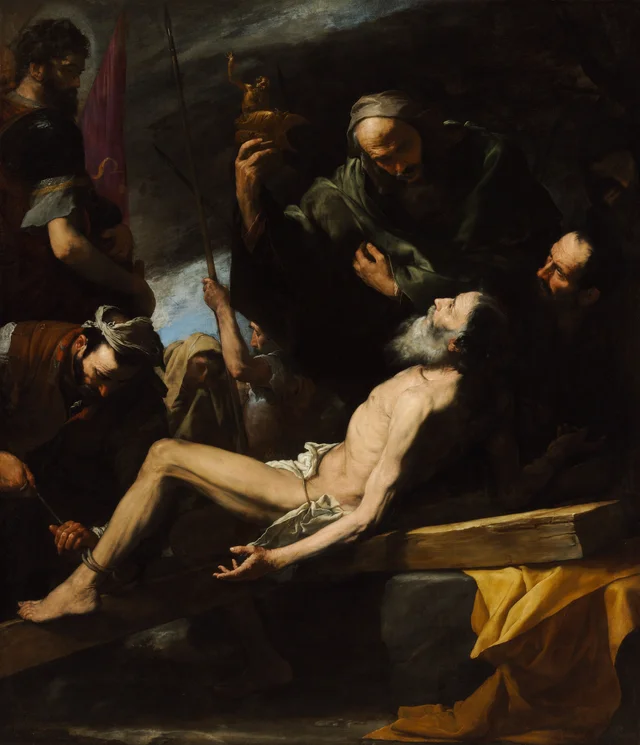 O martírio de santo AndréJusepe de Ribera, 1628
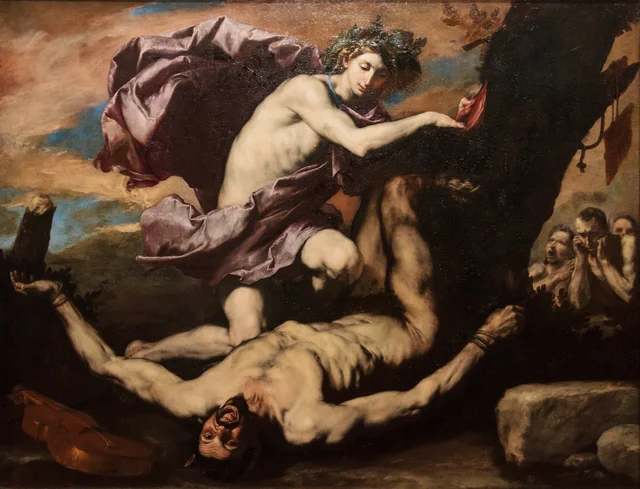 Apolo esfolando MársiasJusepe de Ribera, 1637
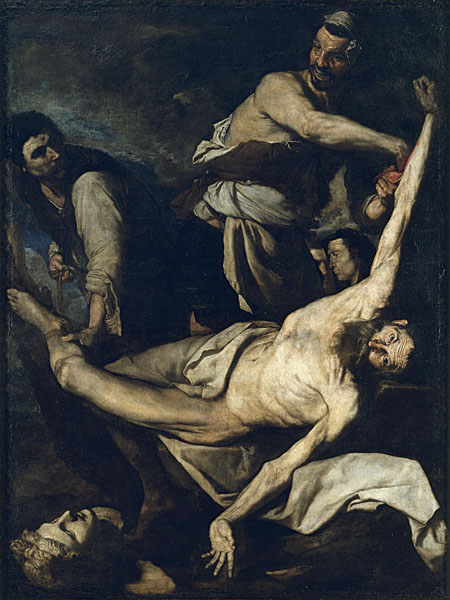 Martírio de são BartolomeuJusepe de Ribera, 1644
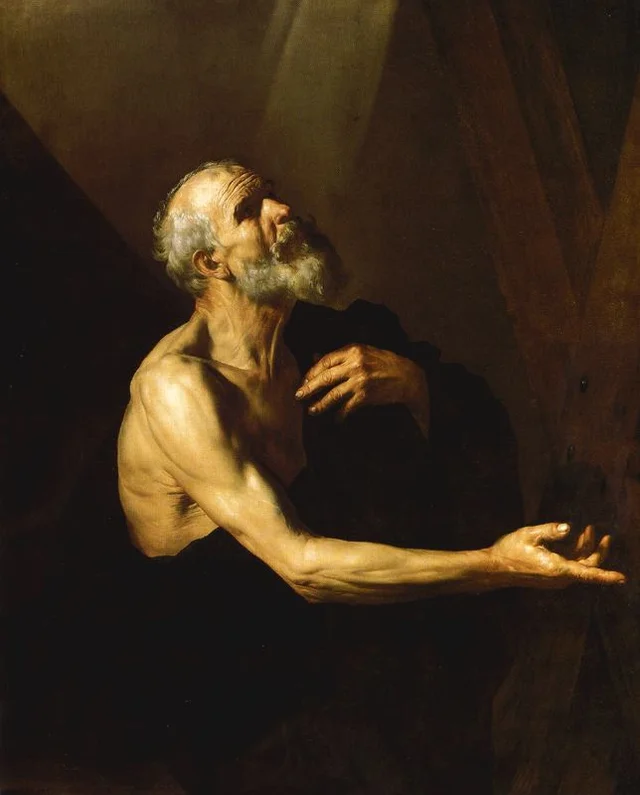 Santo AndréJusepe de Ribera, 1616
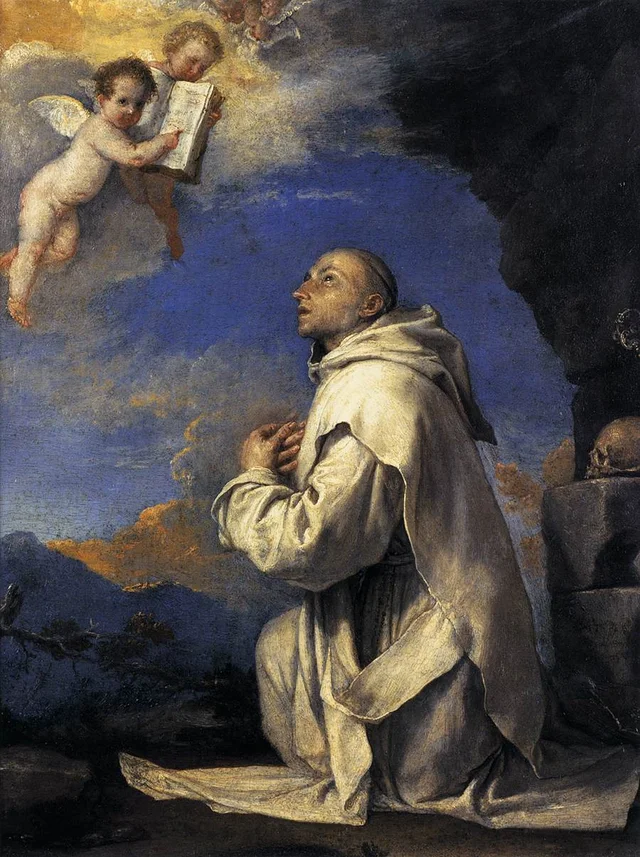 São Bruno recebendo a RegraJusepe de Ribera, 1643
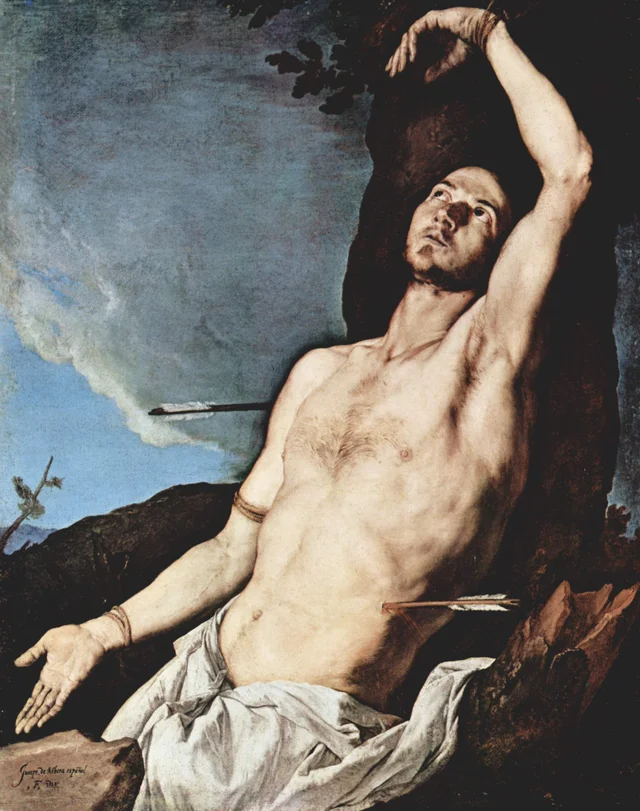 São SebastiãoJusepe de Ribera, 1651
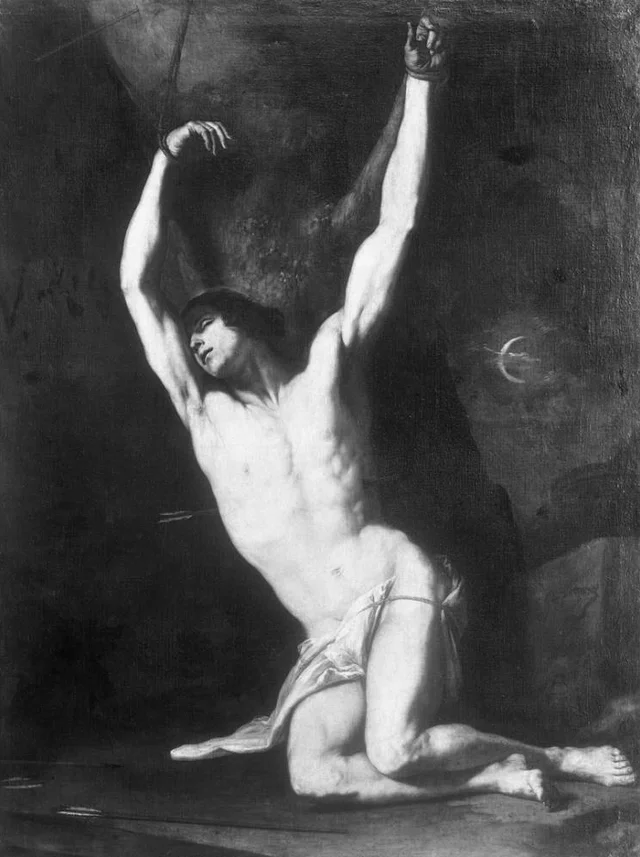 São SebastiãoJusepe de Ribera, 1636
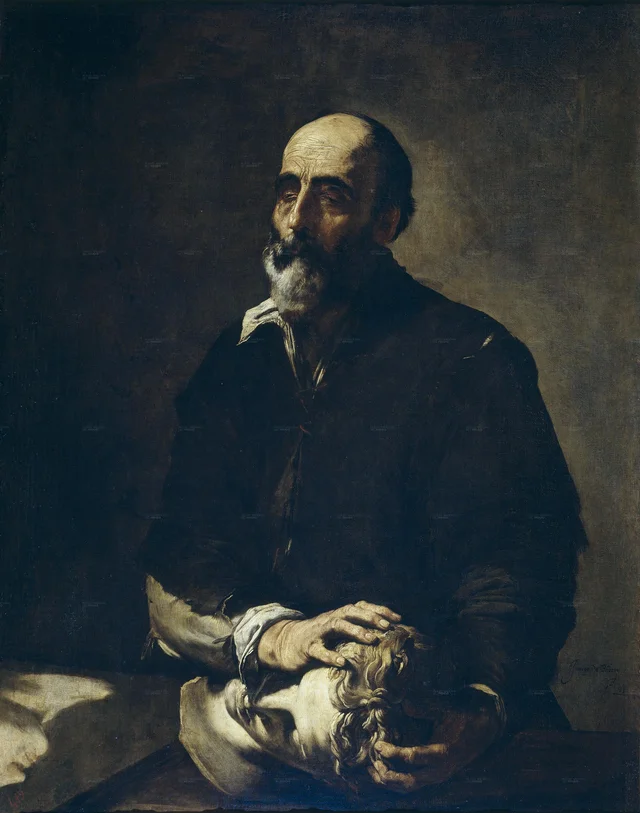 O escultor cegoJusepe de Ribera, 1632