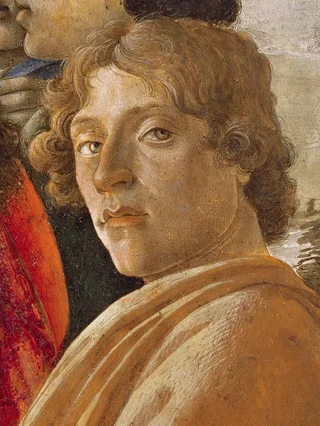
Sandro Botticelli
1445–1510 · República de Florença · Primeira Renascença
A história
Por algumas décadas do final do século 15, Florença foi governada, sem que o cargo existisse oficialmente, pelos Médici, uma família de banqueiros que gostava de vestir seu poder de poesia e filosofia. Sandro Botticelli foi o pintor dessa fase. Nasceu na cidade por volta de 1445, formou-se nas oficinas florentinas e, por volta dos quarenta anos, já produzia as imagens às quais ainda recorremos para imaginar o Renascimento em seu momento mais confiante — Vênus chegando sobre uma concha, a Primavera caminhando por um pomar de laranjeiras, ambas pintadas para primos dos Médici e penduradas em suas vilas.
Esses quadros eram incomuns até mesmo para a época. Grandes cenas mitológicas de deuses pagãos quase nus, feitas para uma casa privada e não para uma igreja, apoiavam-se no conhecimento grego que o círculo dos Médici se ocupava em reviver. O filósofo Marsilio Ficino, sob o patrocínio dos Médici, defendia que a beleza pagã e a fé cristã podiam se conciliar, e a Vênus de Botticelli é o que a pintura chega mais perto de traduzir essa ideia.
Depois, tudo desmoronou. Lorenzo de Médici morreu em 1492, a família foi expulsa dois anos depois, e um frade dominicano chamado Savonarola tomou a cidade com sermões sobre o pecado e o fim dos tempos. Em 1497, seus seguidores ergueram a Fogueira das Vaidades na praça principal e queimaram espelhos, roupas finas, livros e quadros julgados imorais. As mitologias de Botticelli sobreviveram, provavelmente por estarem a salvo nos aposentos privados dos Médici. O próprio pintor parece ter se abalado com as pregações, e sua obra tardia se torna religiosa e severa, sem o antigo brilho leve. Morreu em 1510, fora de moda, e permaneceu praticamente esquecido até o século 19 trazer a Vênus de volta à luz.
Mais artigos
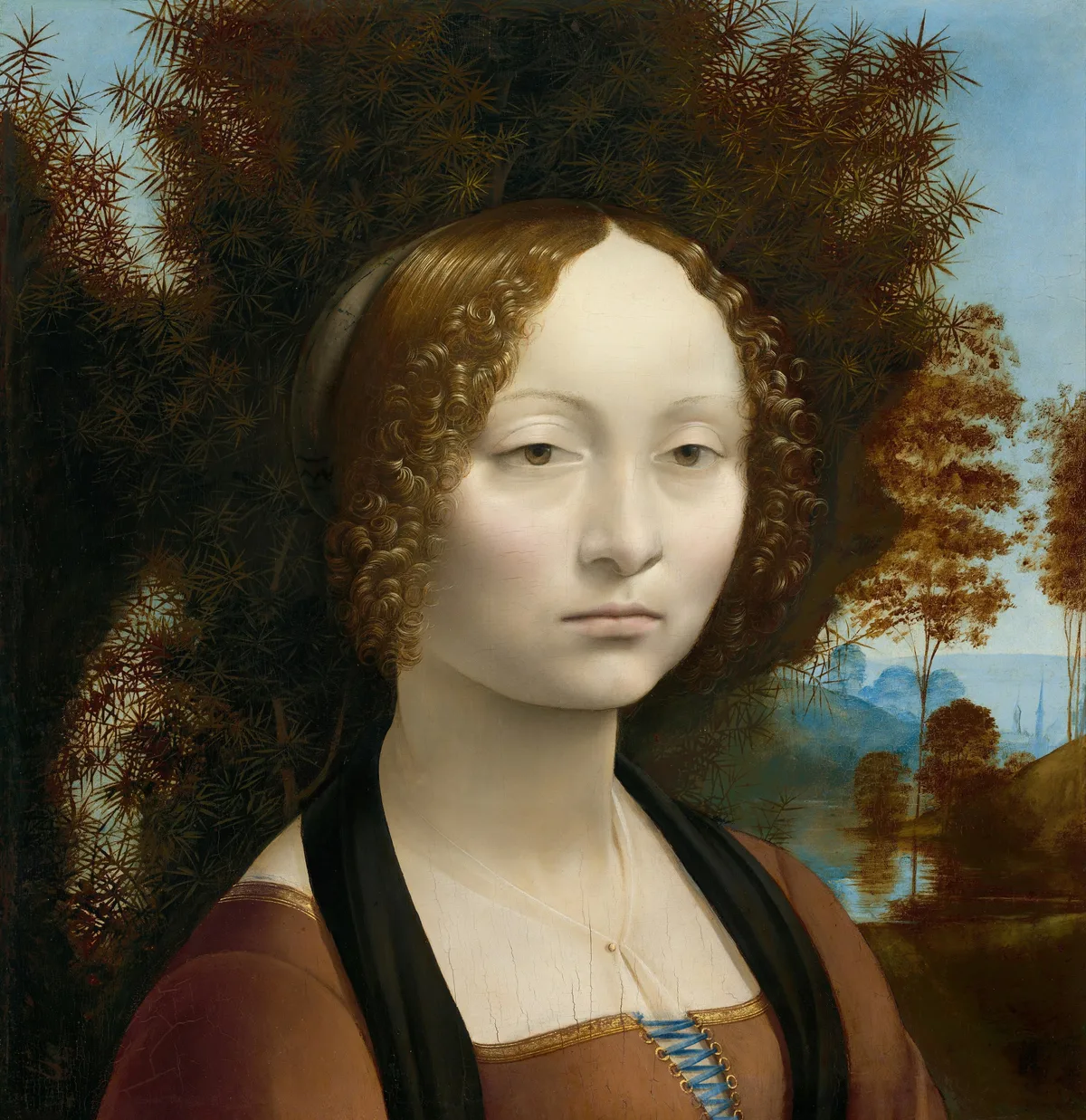 Artigo · 38 min de leituraGaleria Nacional de Arte de Washington: 20 quadros que vieram de mãos particulares
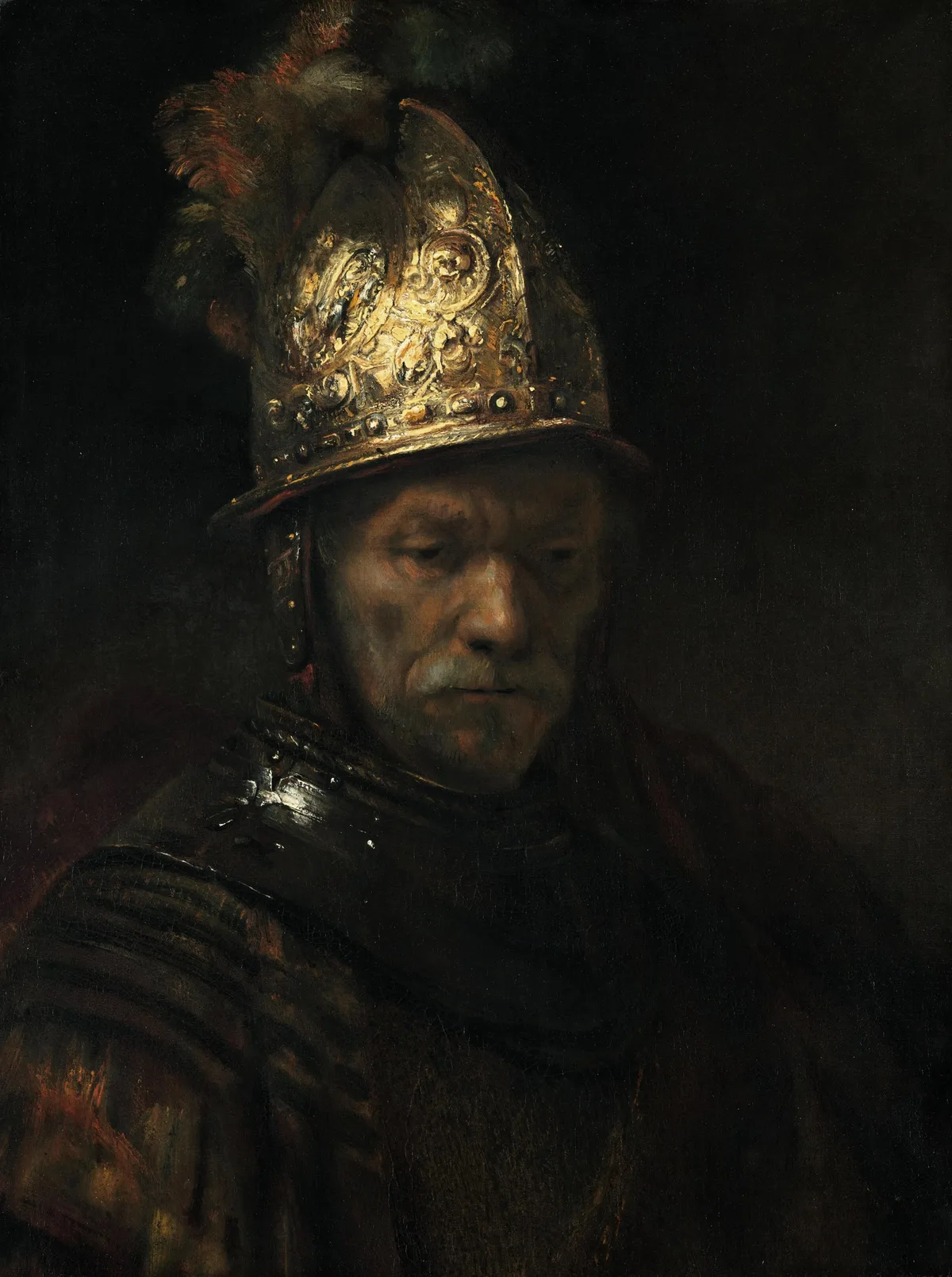 Artigo · 43 min de leituraGemäldegalerie de Berlim: 20 pinturas que Berlim comprou, perdeu e dividiu
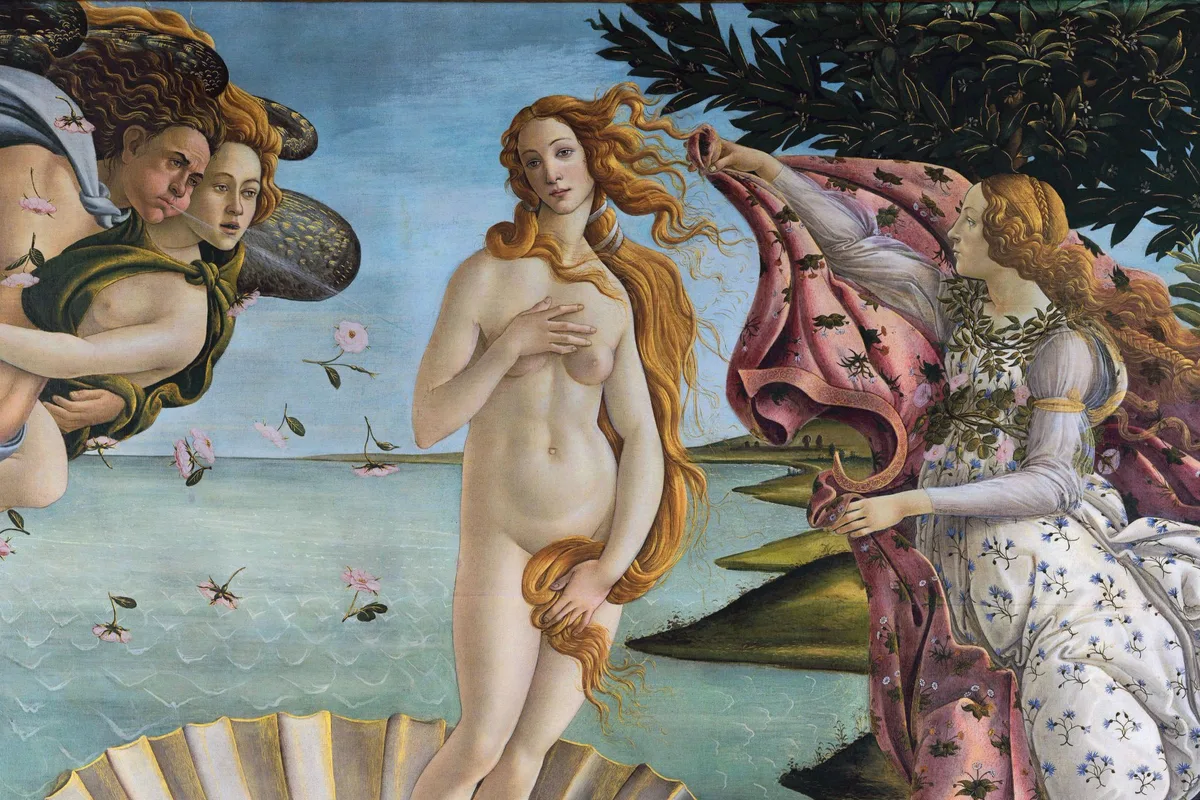 Artigo · 42 min de leituraGaleria Uffizi: o museu que sobreviveu aos Médici
 Artigo · 42 min de leituraAlte Pinakothek: 20 pinturas e como chegaram a Munique
 Artigo · 39 min de leituraComo se formou a National Gallery: de Angerstein a Artemisia
Obras
119 obras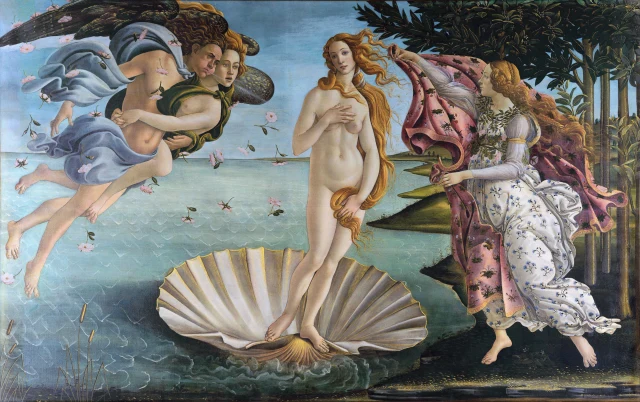 O Nascimento de VênusSandro Botticelli, 1480
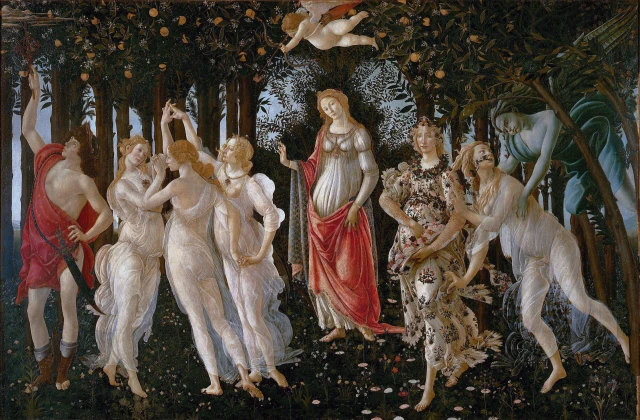 PrimaveraSandro Botticelli, 1480
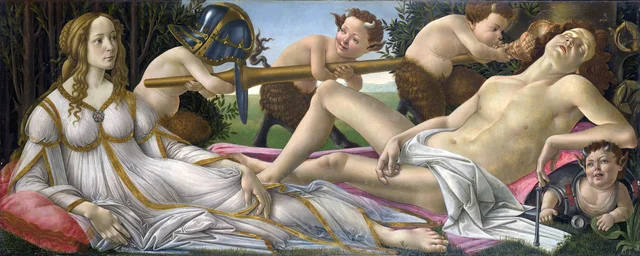 Vênus e MarteSandro Botticelli, 1485
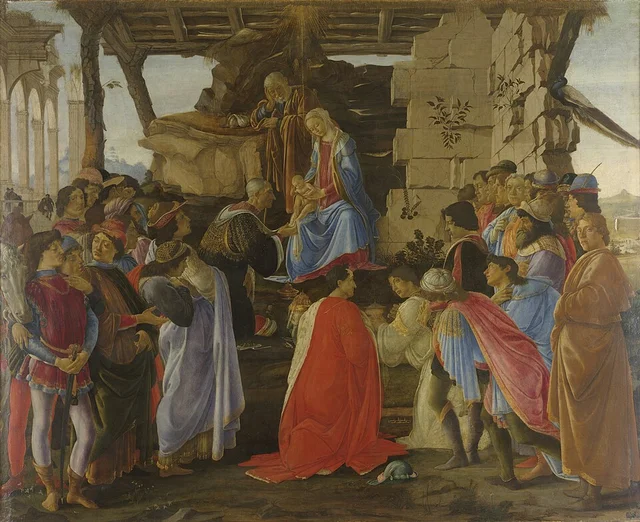 Adoração dos MagosSandro Botticelli, 1475
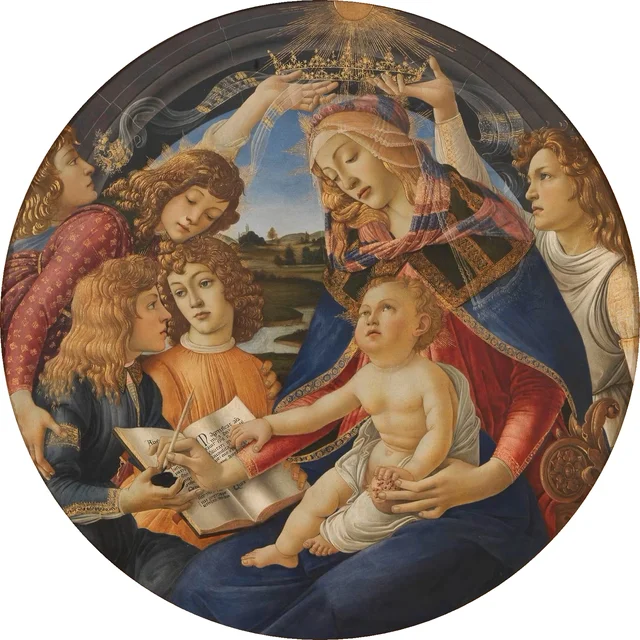 Madona do MagnificatSandro Botticelli, 1481
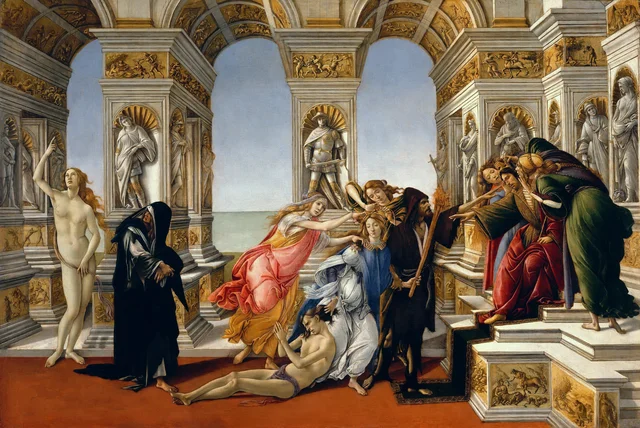 A Calúnia de ApelesSandro Botticelli, 1497
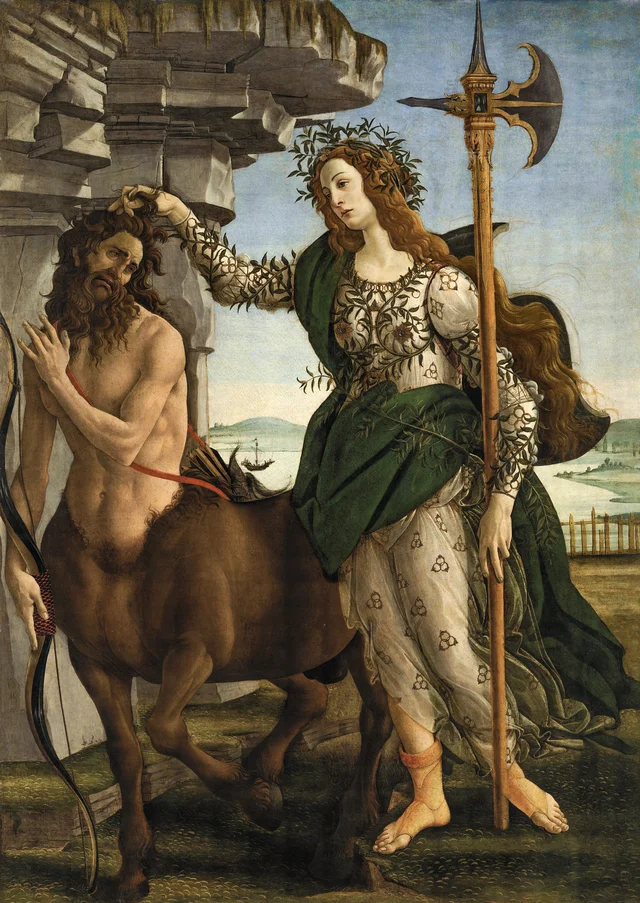 Palas e o CentauroSandro Botticelli, 1482
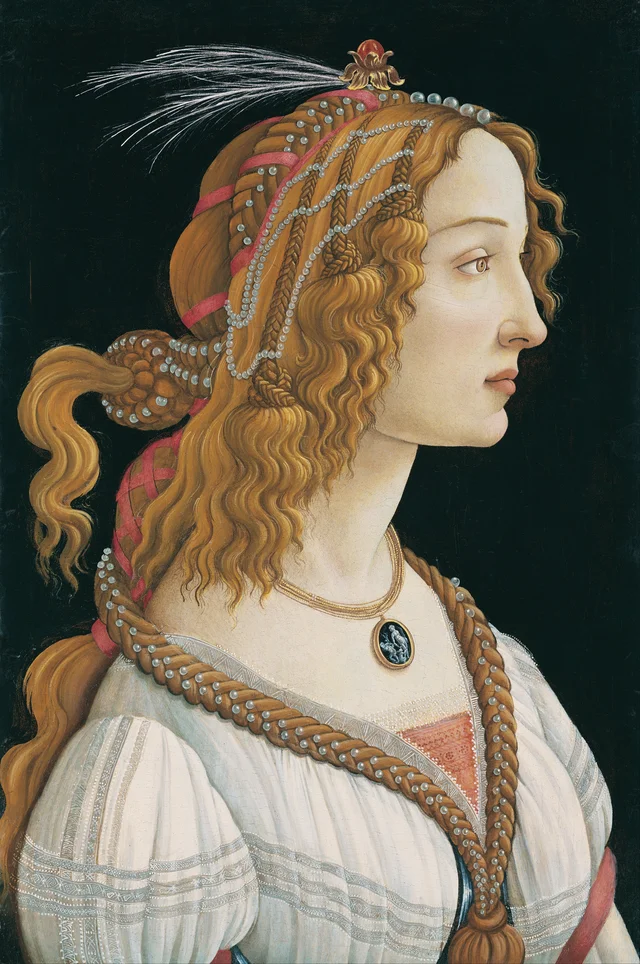 Retrato idealizado de uma dama (Retrato de Simonetta Vespucci como ninfa)Sandro Botticelli, 1480
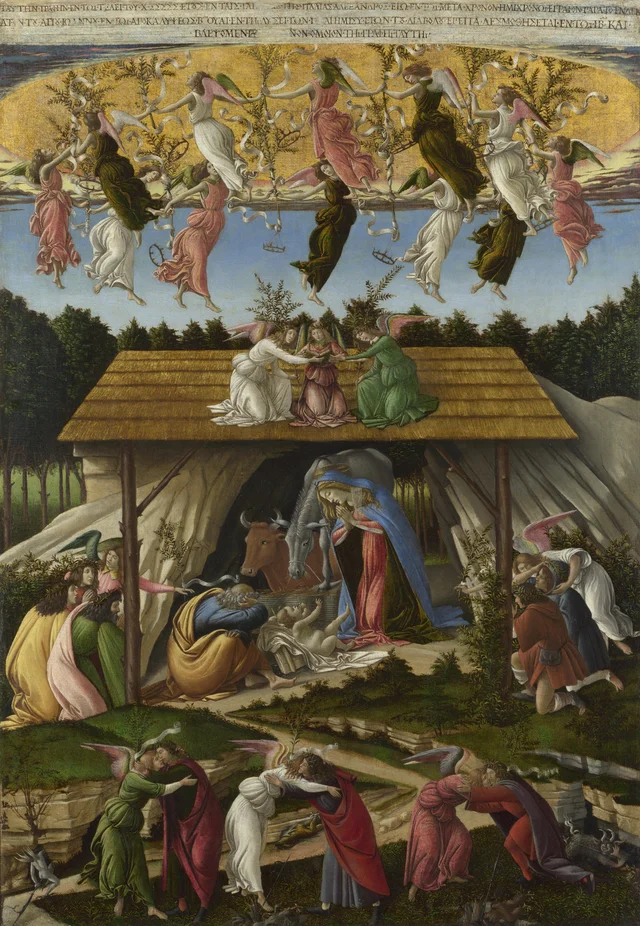 A Natividade MísticaSandro Botticelli, 1500
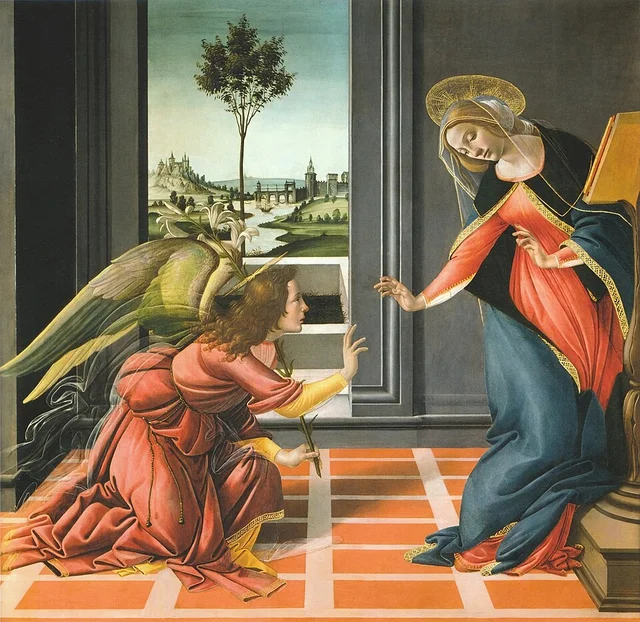 Anunciação de CestelloSandro Botticelli, 1489
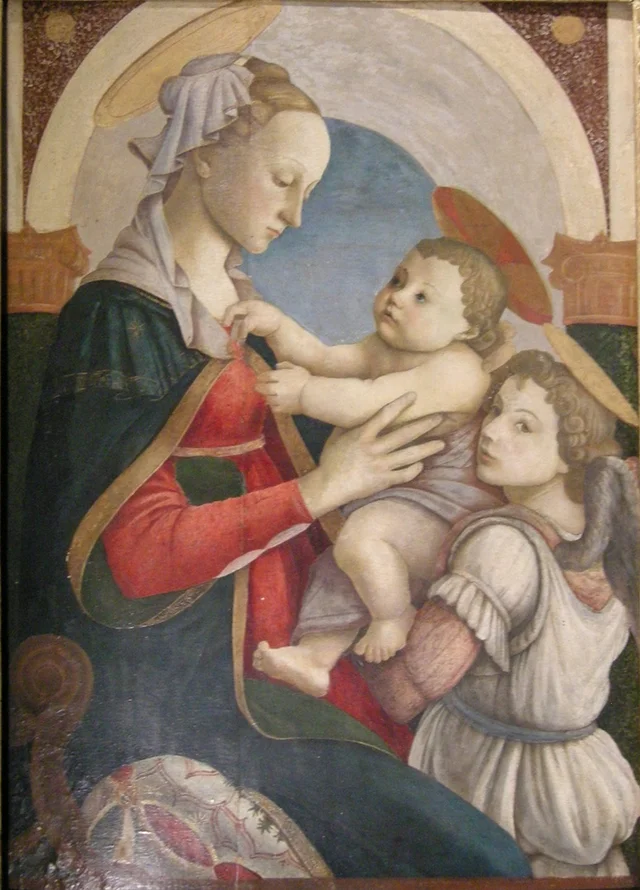 Madona com o Menino e um AnjoSandro Botticelli, 1465
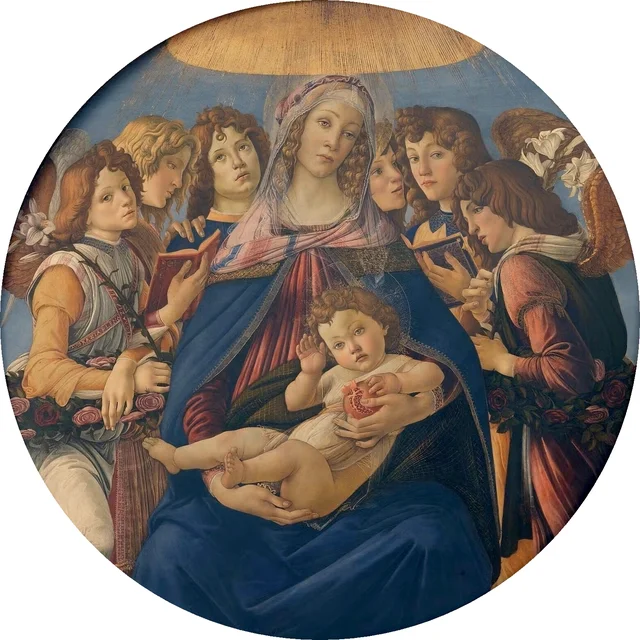 Madona da RomãSandro Botticelli, 1487
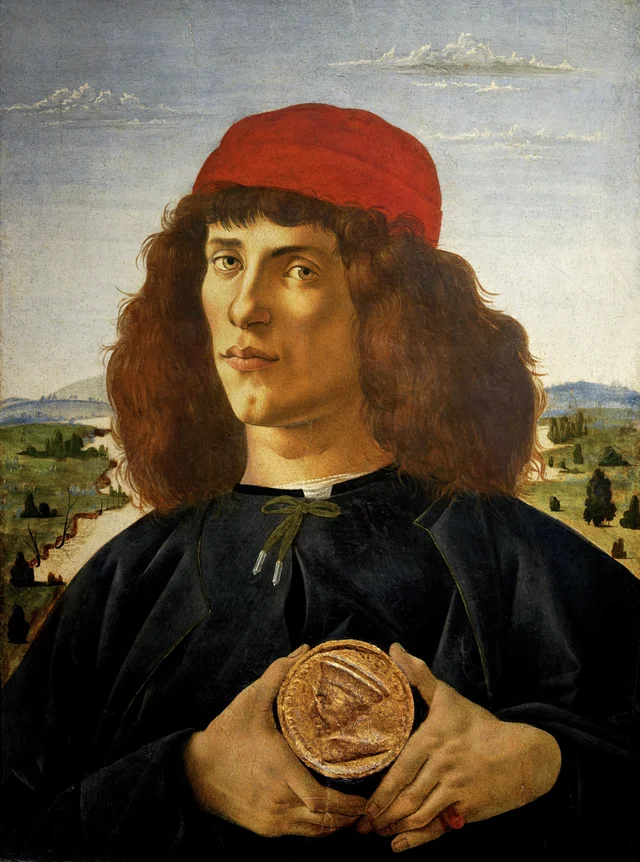 Retrato de Homem com uma Medalha de Cosme, o VelhoSandro Botticelli, 1474
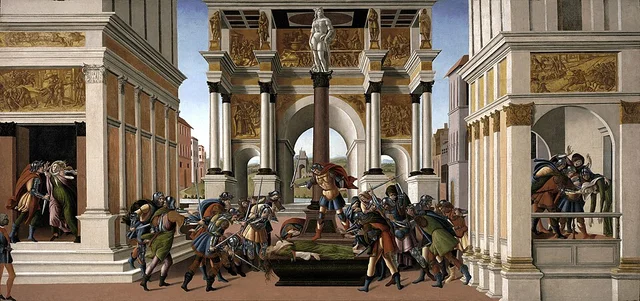 A História de LucréciaSandro Botticelli, 1500
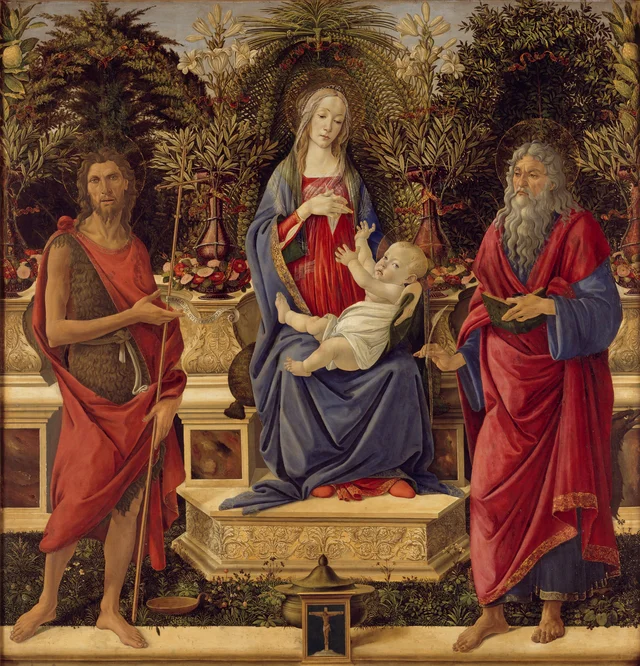 Madona BardiSandro Botticelli, 1485
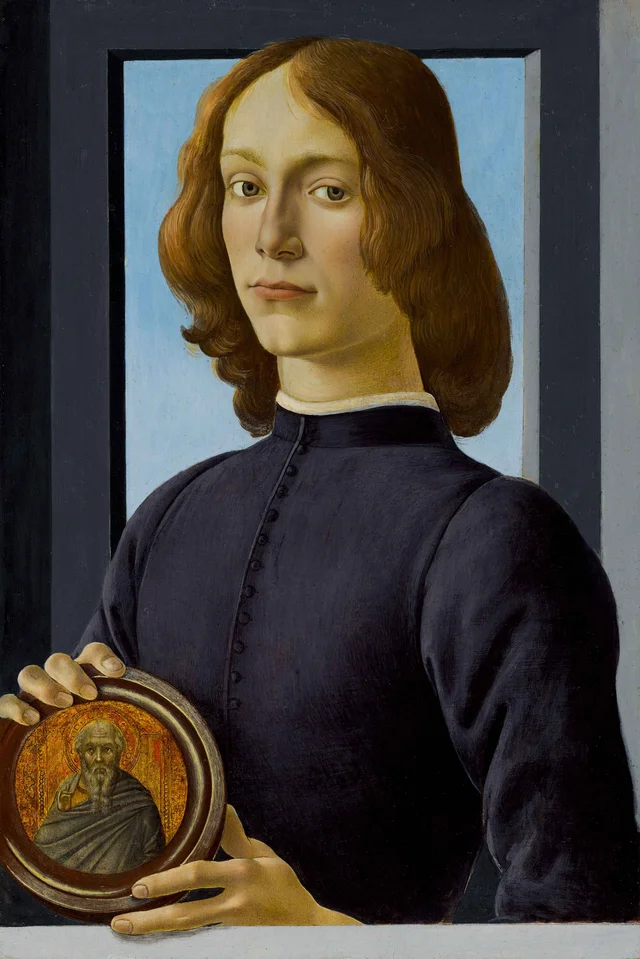 Jovem segurando um medalhãoSandro Botticelli, 1480
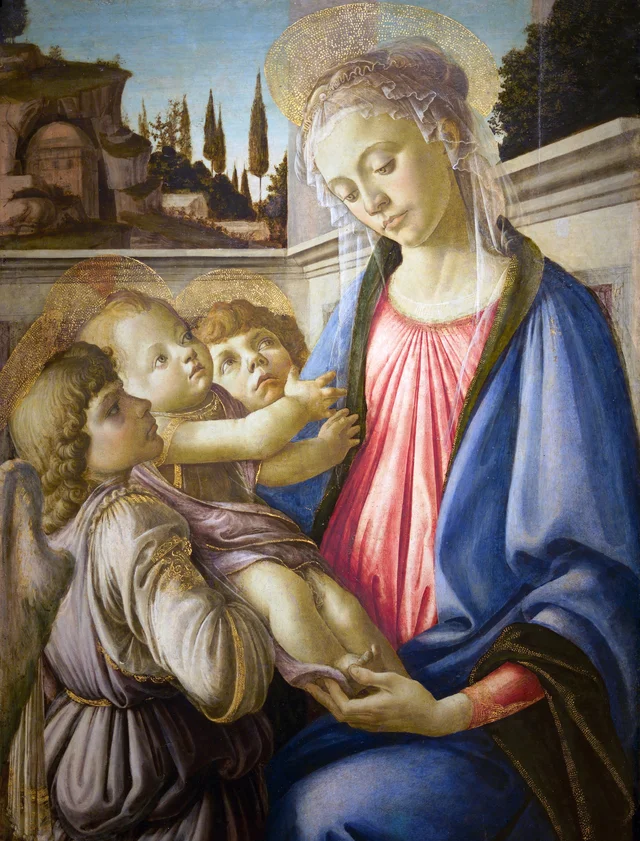 Virgem com o Menino e Dois AnjosSandro Botticelli, 1460
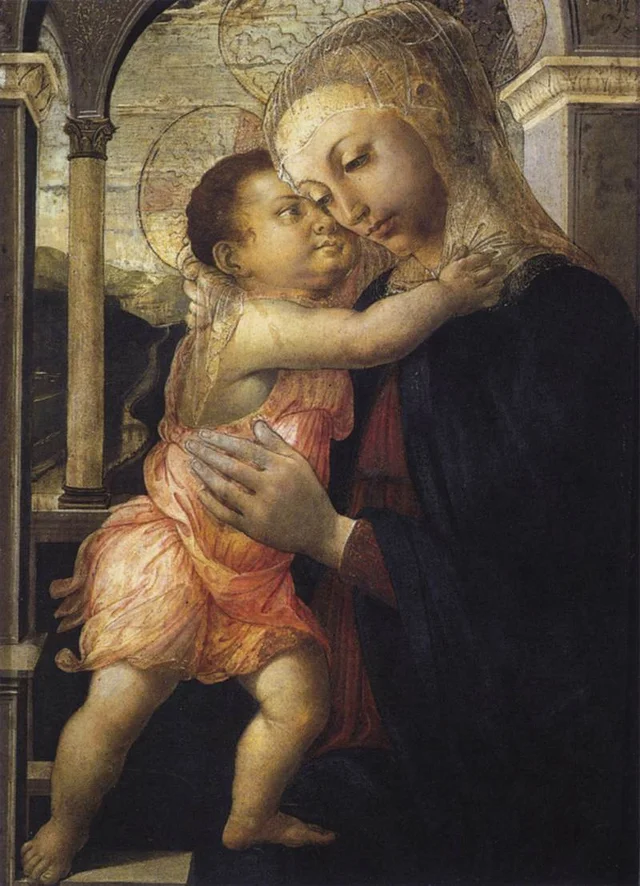 Madona della LoggiaSandro Botticelli, 1467
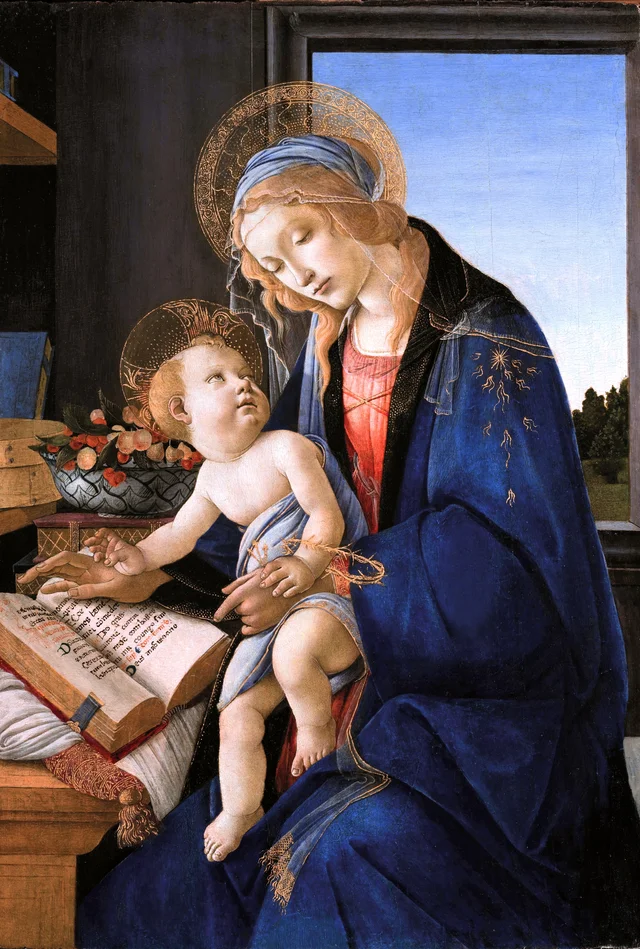 Madona do LivroSandro Botticelli, 1480
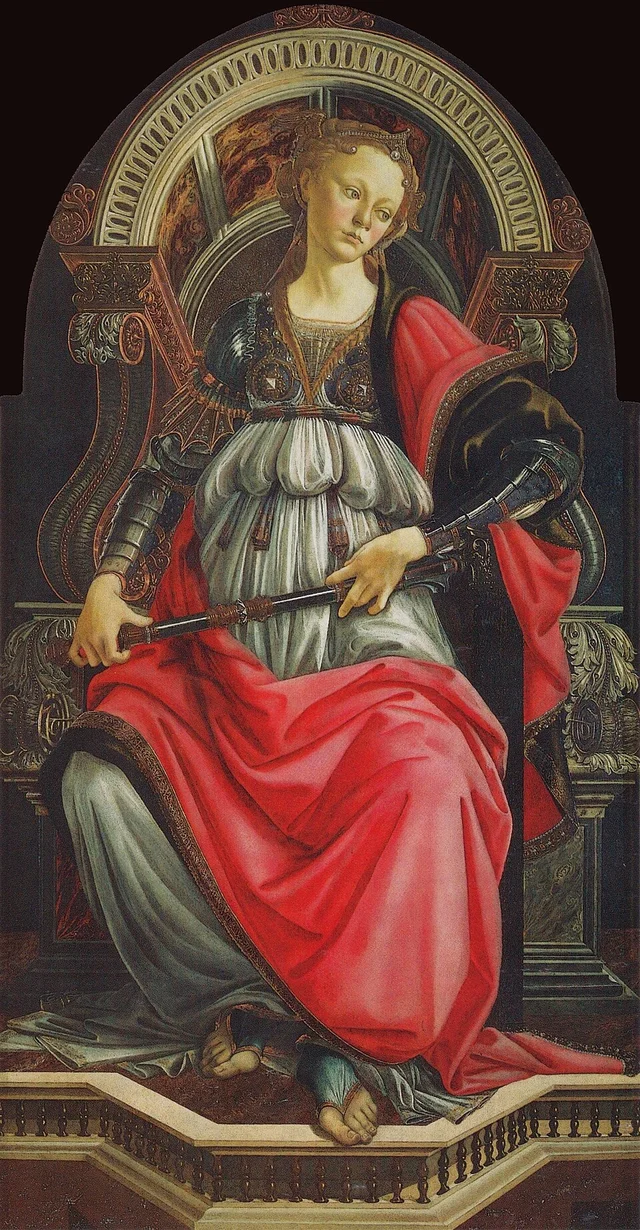 A FortalezaSandro Botticelli, 1475
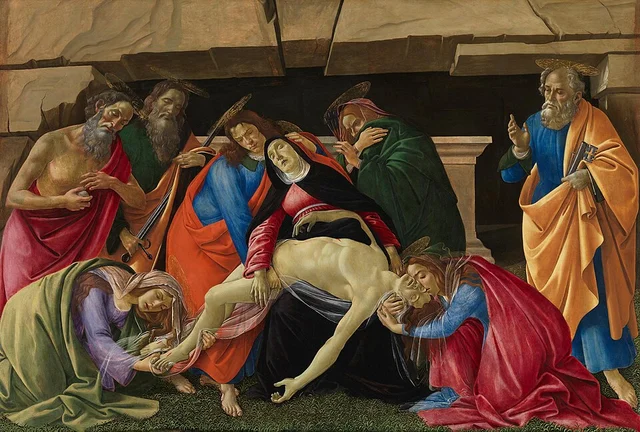 Lamentação sobre o Cristo MortoSandro Botticelli, 1490
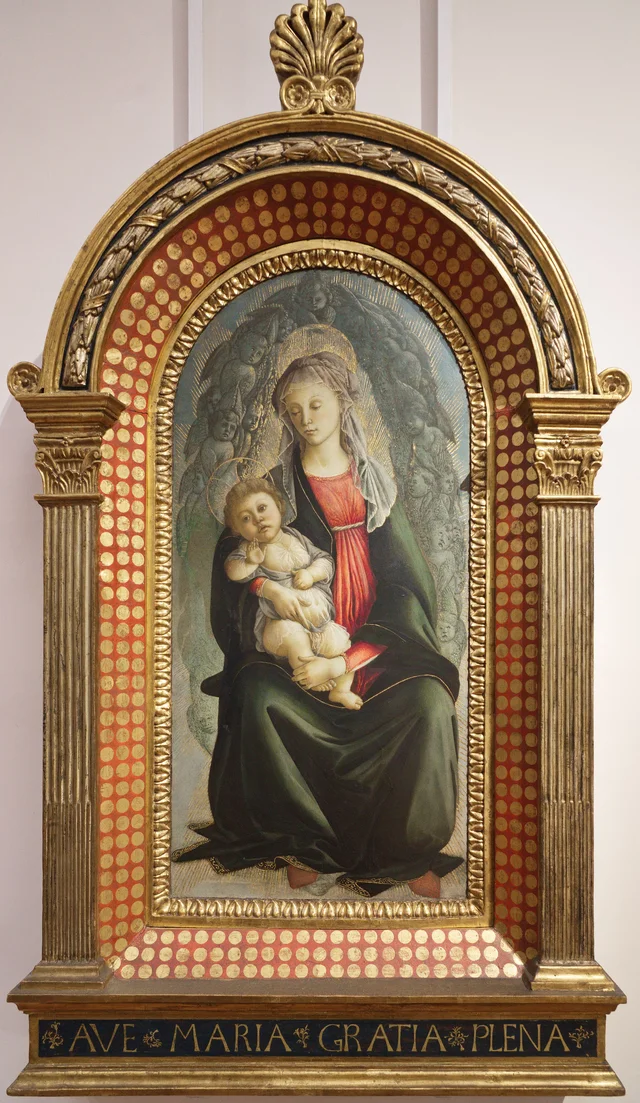 Madona em Glória com SerafinsSandro Botticelli, 1469
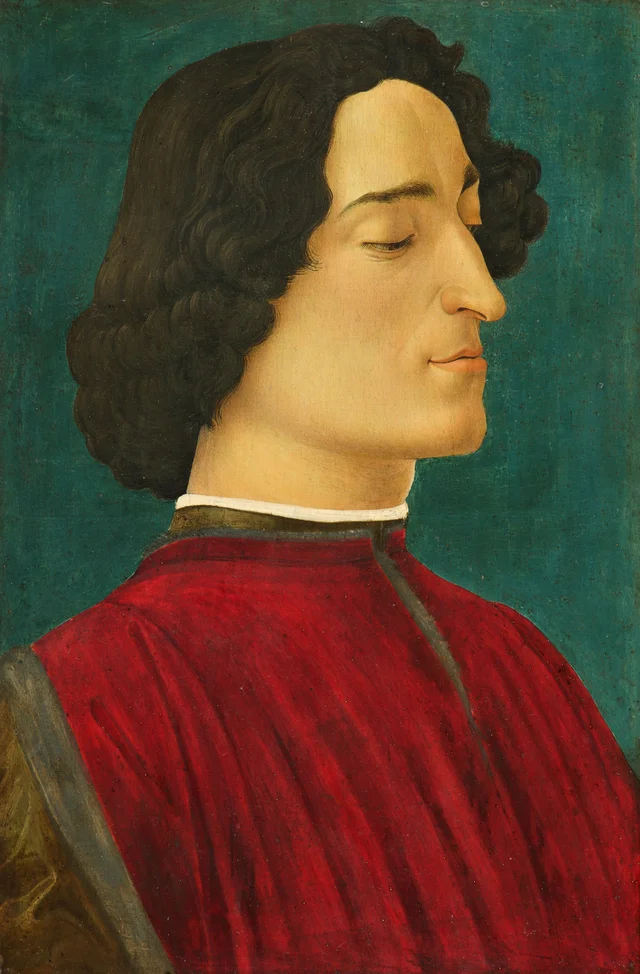 Retrato de Giuliano de' MediciSandro Botticelli, 1478
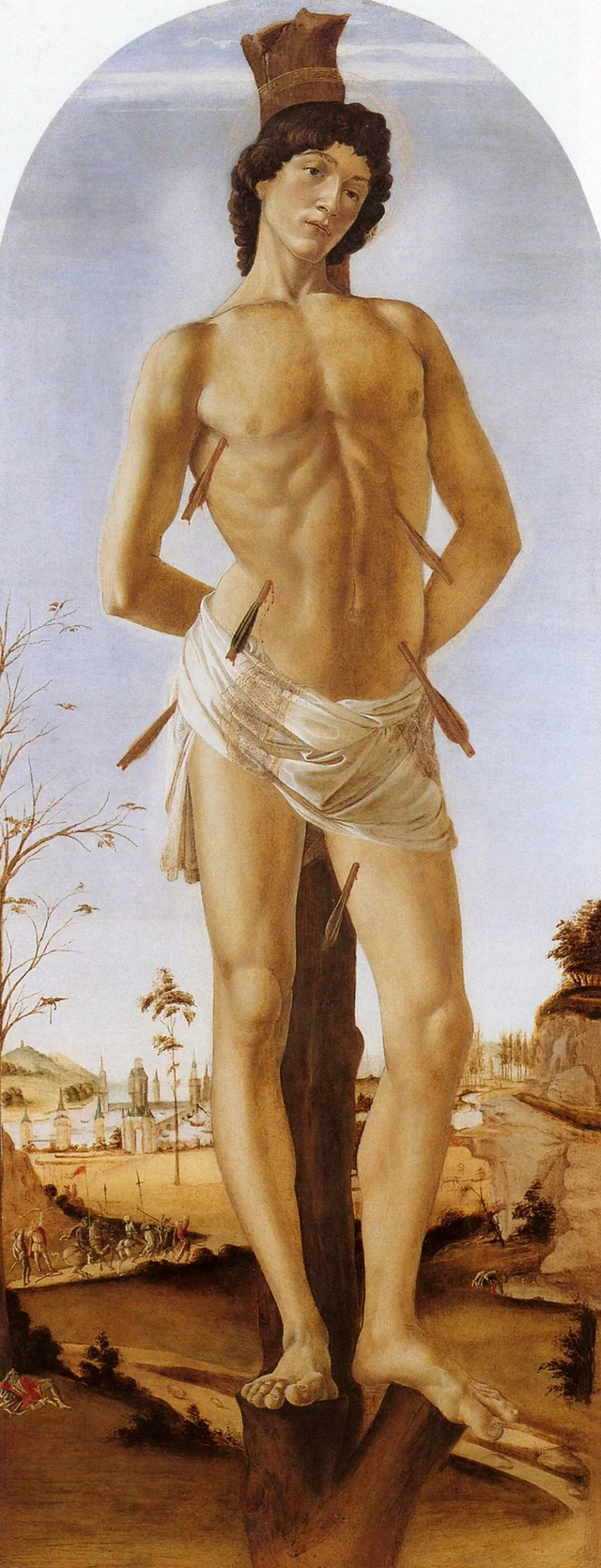 São SebastiãoSandro Botticelli, 1474
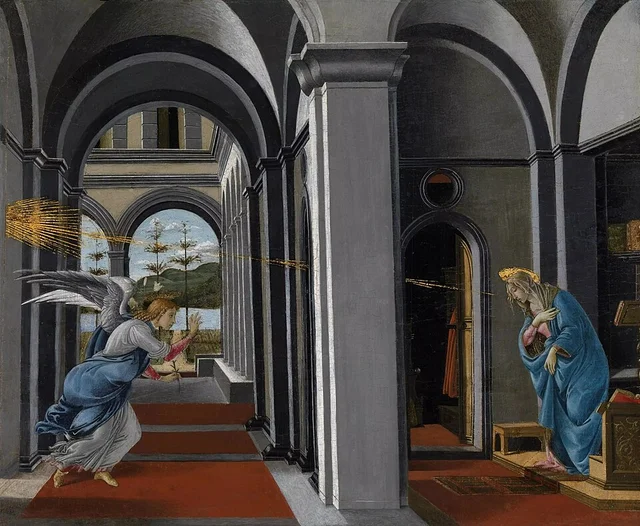 A AnunciaçãoSandro Botticelli, 1490