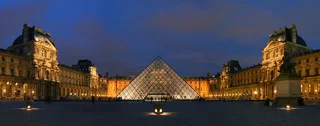
A história
O Louvre começou como uma fortaleza. Filipe II a ergueu na margem direita do Sena por volta de 1190 para guardar a Paris medieval, e ao longo dos séculos seguintes os reis franceses a reconstruíram como um palácio real, até que Luís XIV mudou sua corte para Versalhes em 1682 e deixou os salões inacabados para a coleção real e os artistas ali alojados.
A Revolução o transformou em museu público. Em 10 de agosto de 1793 o Muséum central des arts abriu suas portas, mostrando a arte confiscada da coroa e da igreja a qualquer cidadão que quisesse entrar. Napoleão o encheu com os espólios de suas campanhas e por um tempo o rebatizou com o próprio nome. Muito foi devolvido depois de Waterloo, mas a ideia se manteve, a de uma coleção nacional organizada para o estudo e gratuita ao público.
Hoje o Louvre guarda mais de 35.000 obras, da Vênus de Milo à Balsa da Medusa de Géricault. A multidão, porém, se aperta em direção a um pequeno retrato. Em agosto de 1911 ele sumiu: Vincenzo Peruggia, um faz-tudo italiano que trabalhara no museu, tirou a Mona Lisa de Leonardo da parede e a levou embora sob o casaco. Por dois anos a moldura ficou vazia enquanto os visitantes vinham olhar o vão, e a pintura só voltou em 1913, depois que Peruggia tentou vendê-la a um negociante em Florença. A pirâmide de vidro de I. M. Pei, instalada no pátio em 1989, marca hoje a entrada.
Mais artigos
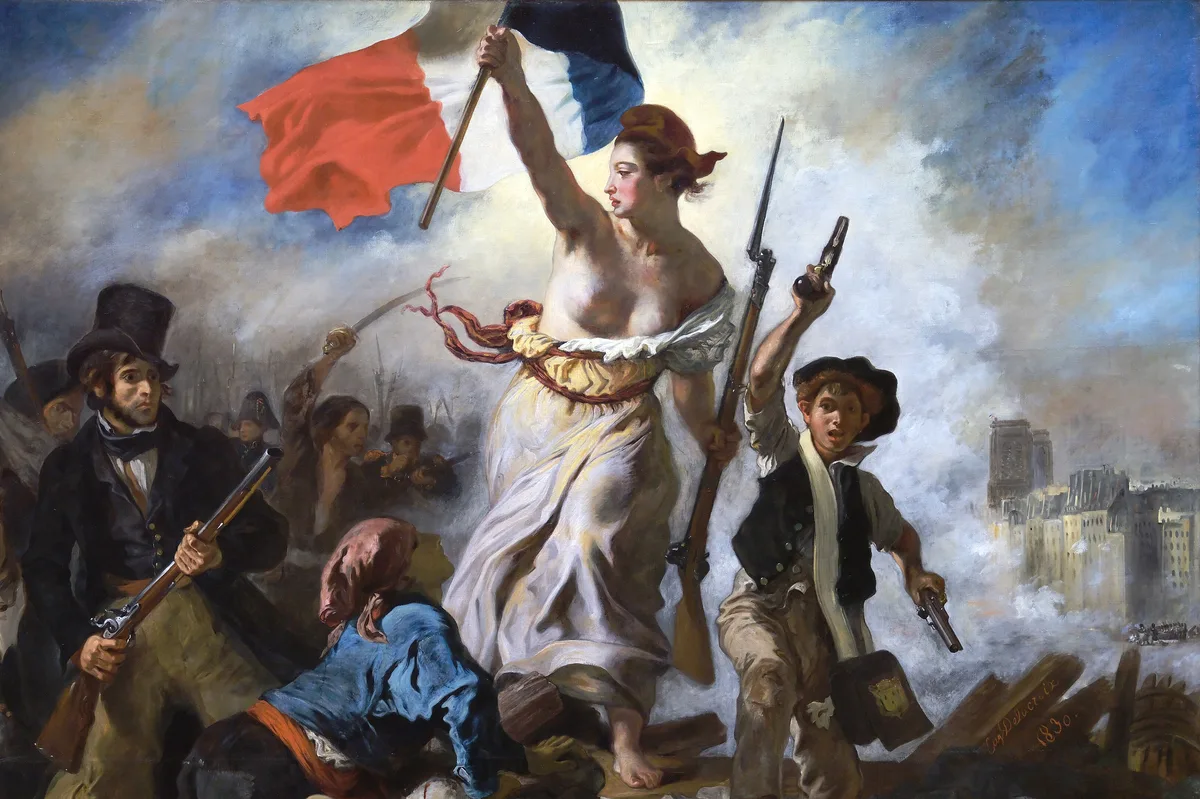
Acervo
1.174 obras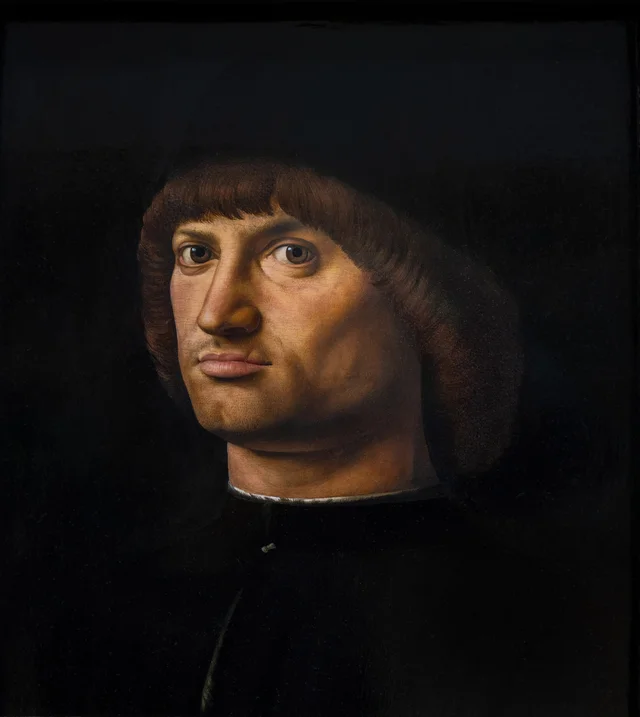 Retrato de homem, chamado o CondottiereAntonello da Messina, 1475
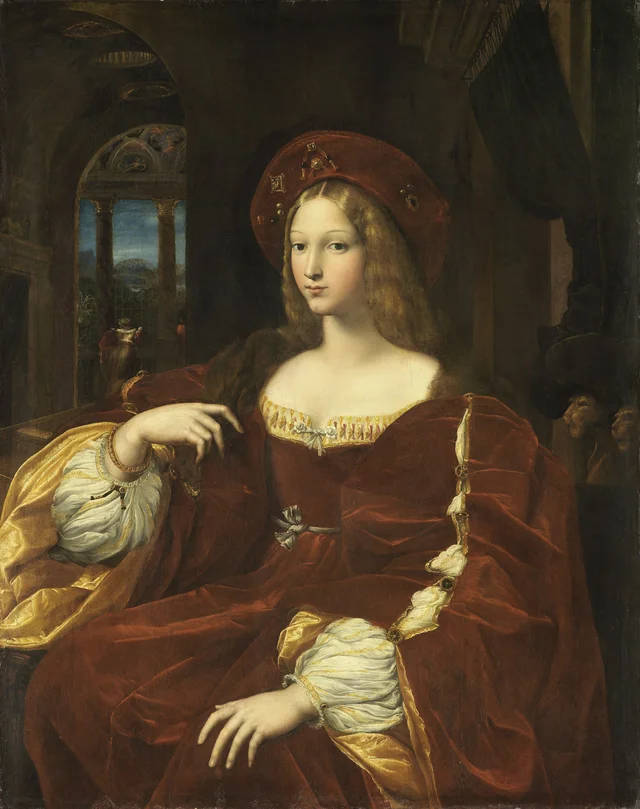 Retrato de Dona Isabel de Requesens y Enríquez de Cardona-AnglesolaRafael, 1518
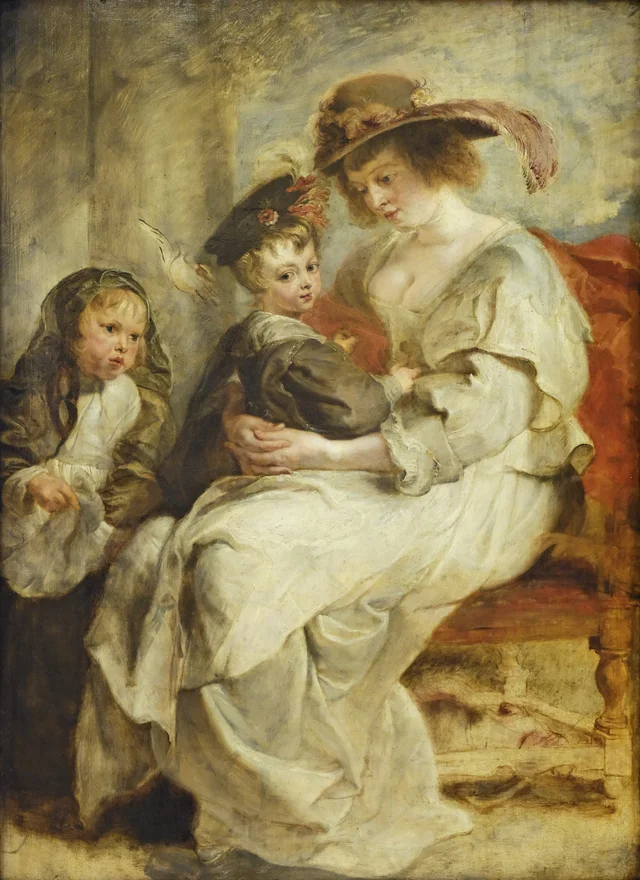 Retrato de Helena Fourment com dois de seus filhosPedro Paulo Rubens, 1636
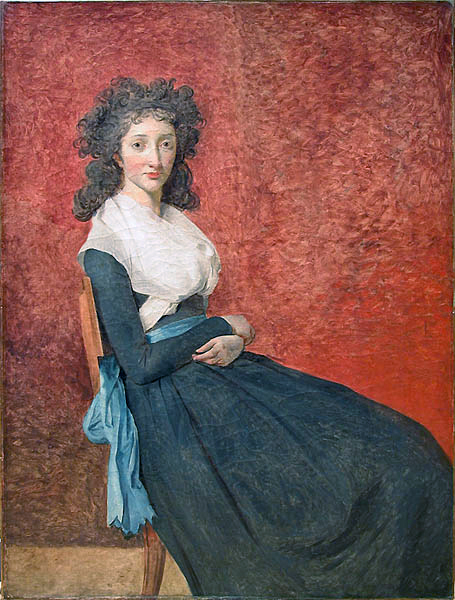 Retrato de Madame Marie-Louise TrudaineJacques-Louis David, 1794
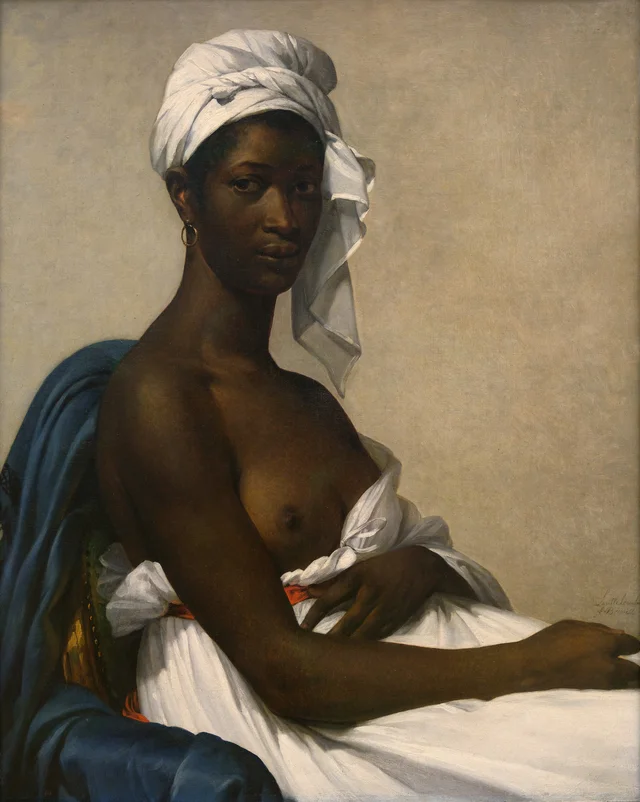 Retrato de MadeleineMarie-Guillemine Benoist, 1800
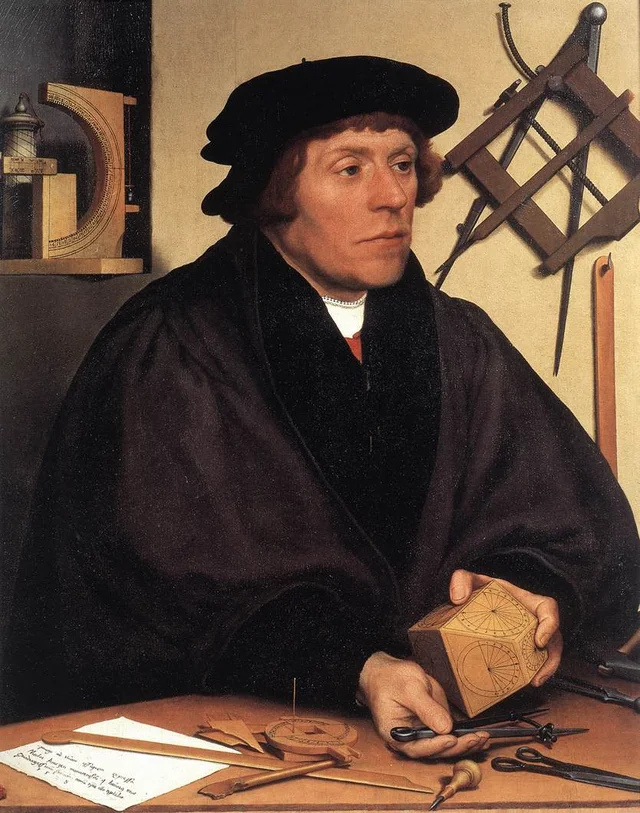 Retrato de Nikolaus KratzerHans Holbein, o Jovem, 1528
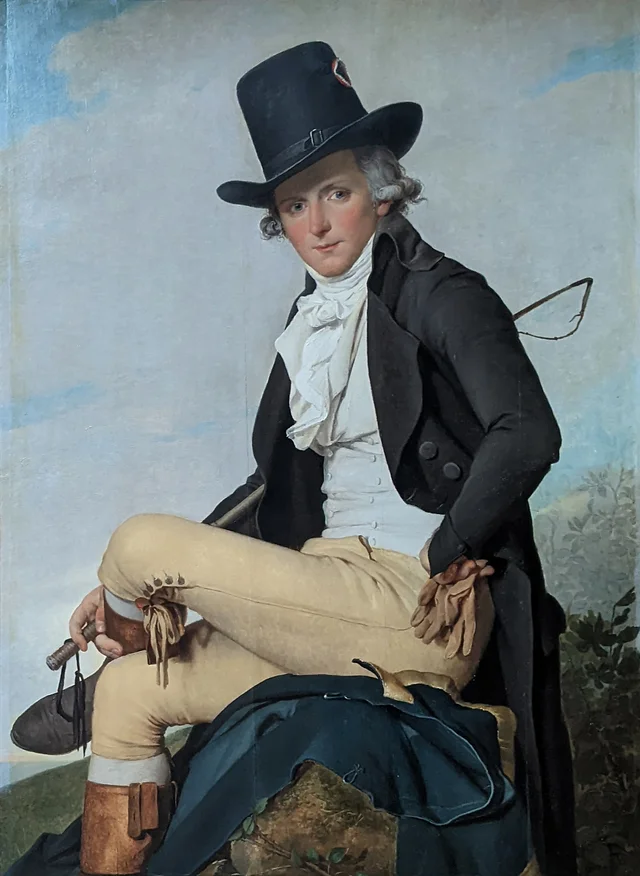 Retrato de Pierre SériziatJacques-Louis David, 1795
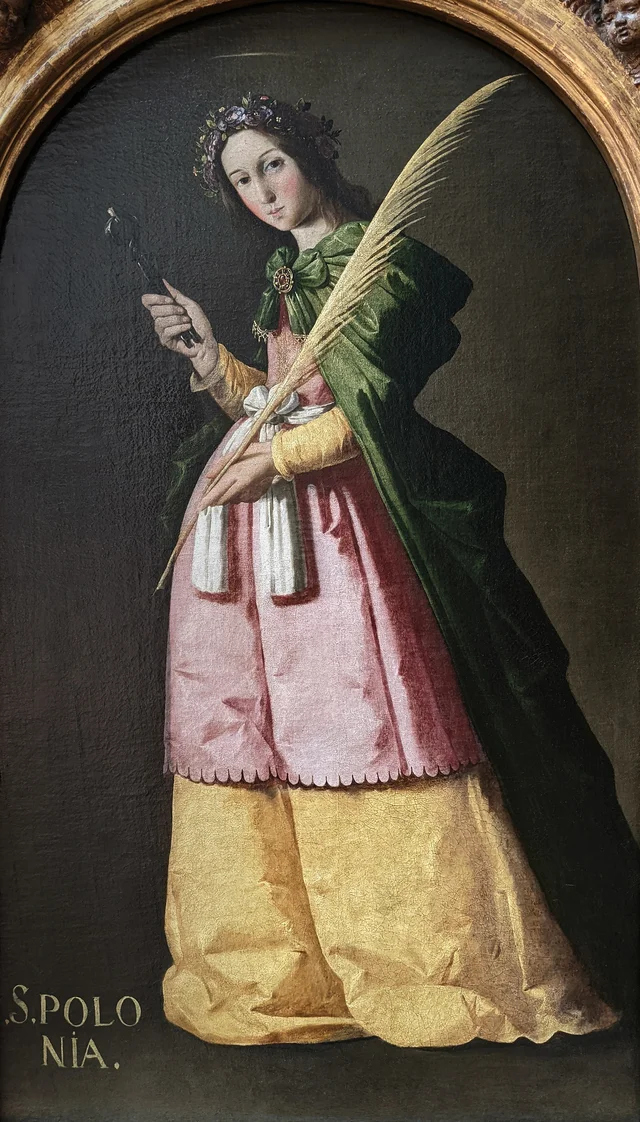 Santa ApolôniaFrancisco de Zurbarán, 1637
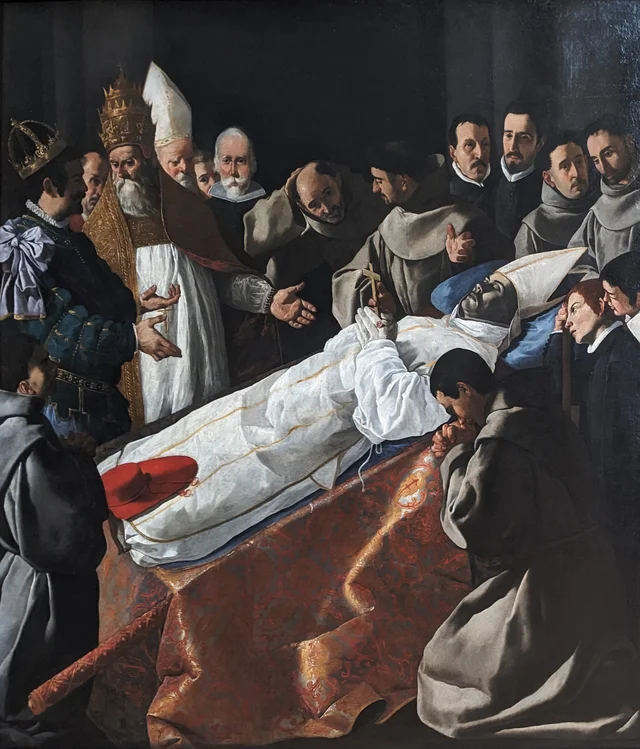 O corpo de São Boaventura em câmara ardenteFrancisco de Zurbarán, 1629
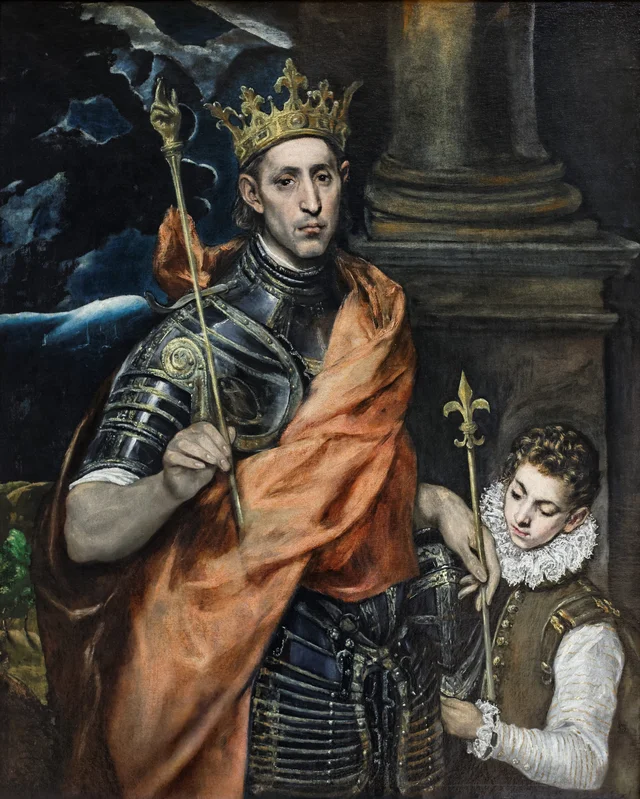 São Luís, rei da FrançaEl Greco, 1592
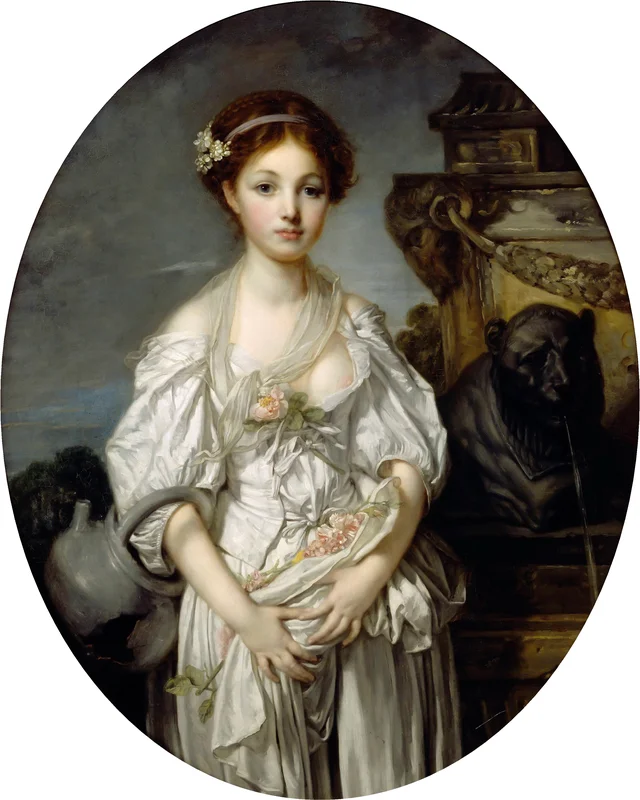 O cântaro quebradoJean-Baptiste Greuze, 1771
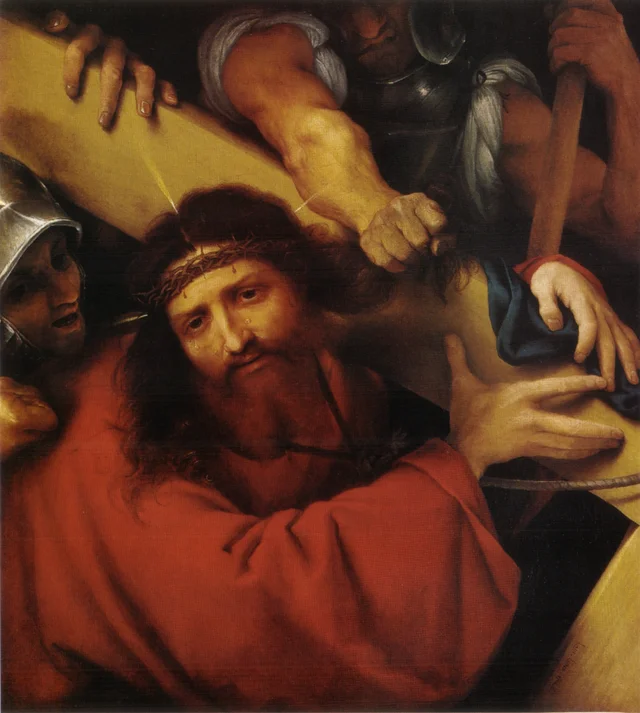 O Caminho do CalvárioLorenzo Lotto, 1526
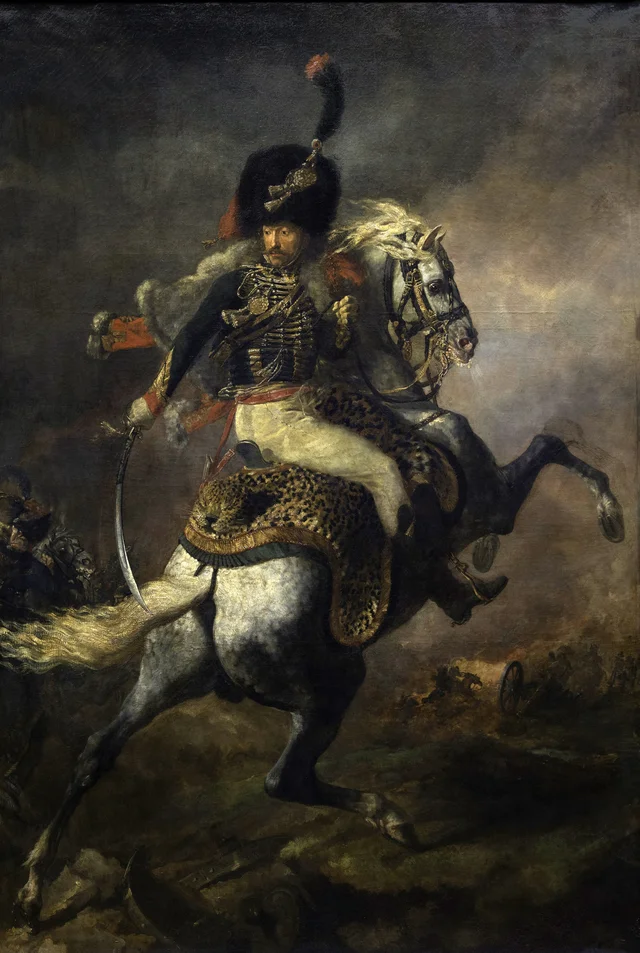 Oficial de caçadores a cavalo em cargaThéodore Géricault, 1812
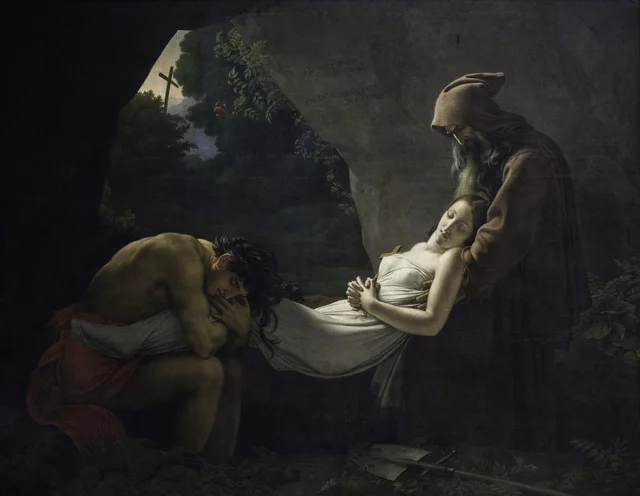 O sepultamento de AtalaAnne-Louis Girodet, 1808
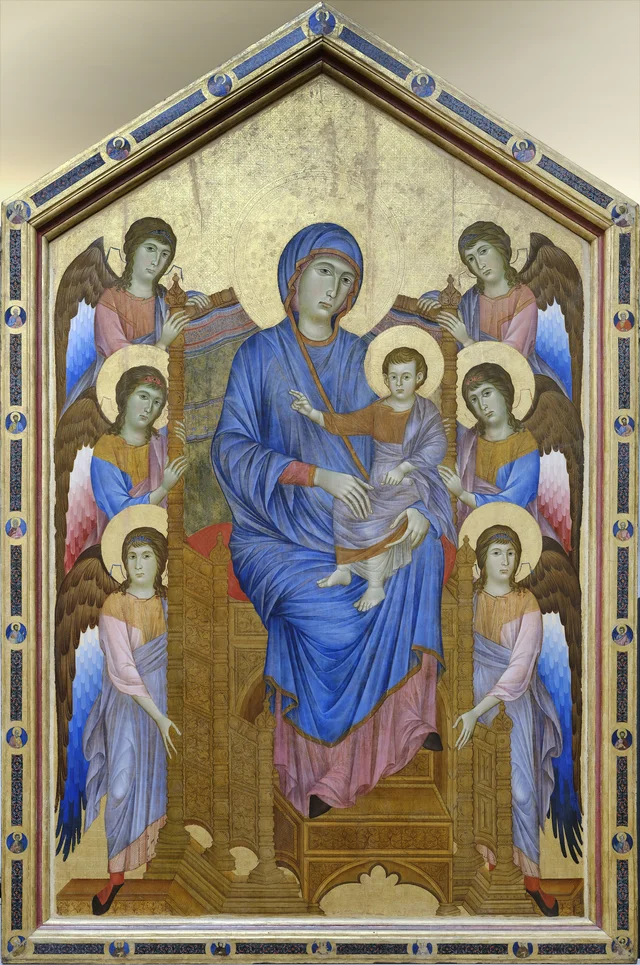 A Virgem e o Menino em majestade cercados de anjosCimabue, 1300
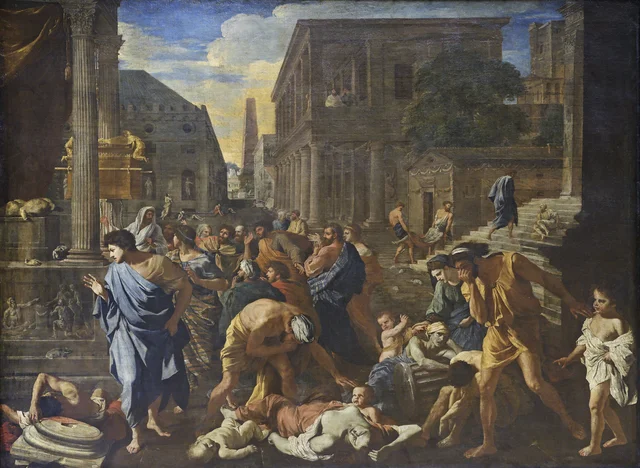 A peste de AsdodeNicolas Poussin, 1630
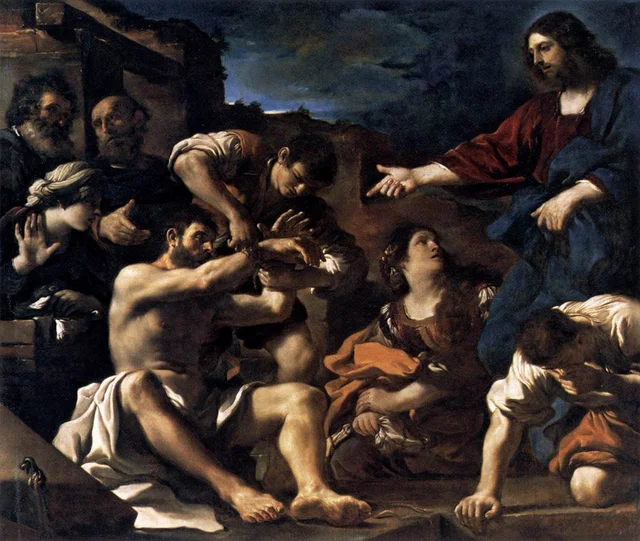 A ressurreição de LázaroGuercino, 1619
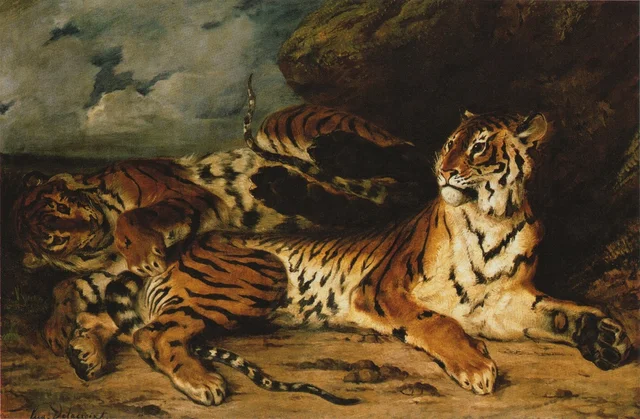 Tigre Jovem Brincando com a MãeEugène Delacroix, 1830
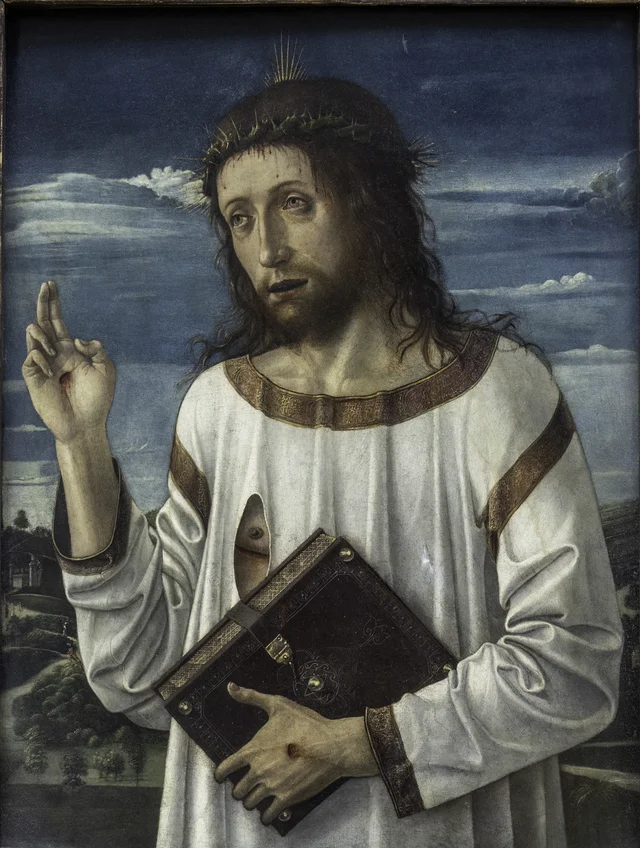 Cristo abençoandoGiovanni Bellini, 1464
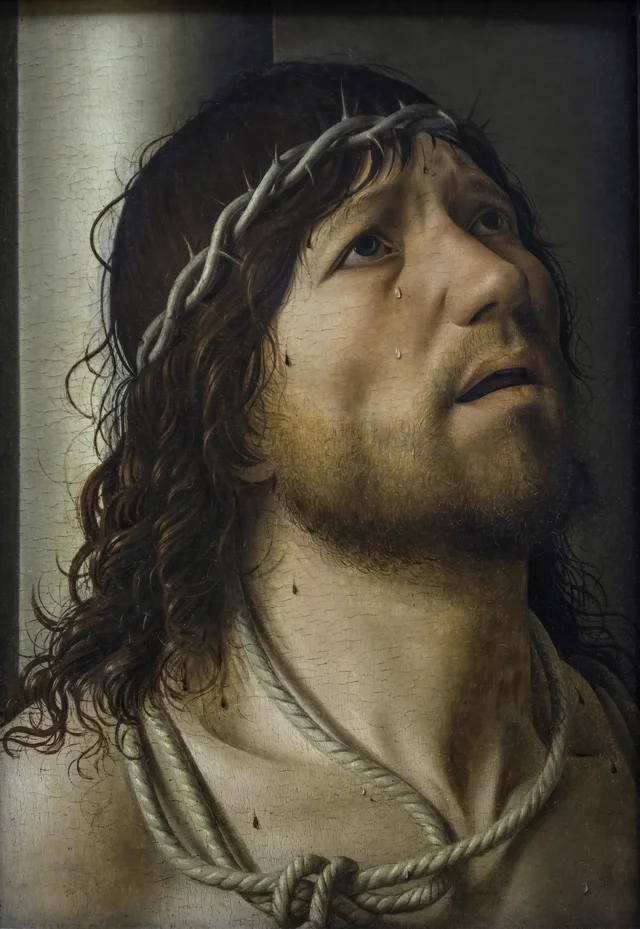 Cristo na colunaAntonello da Messina, 1477
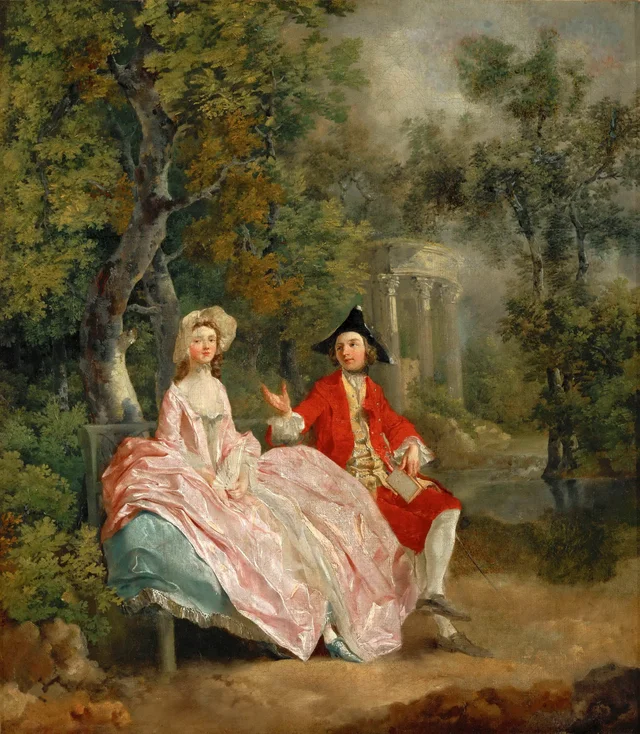 Conversa em um parqueThomas Gainsborough, 1746
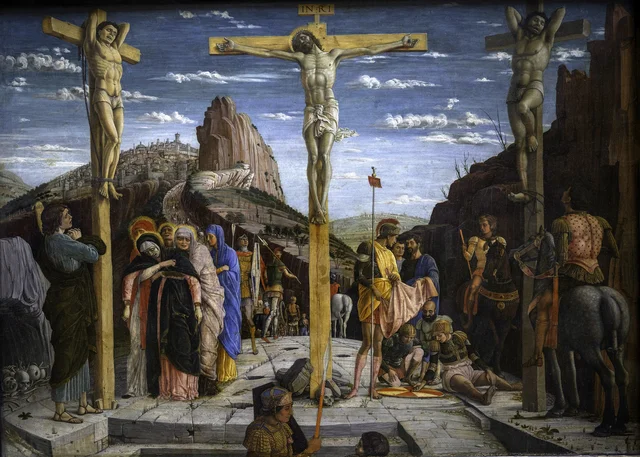 A CrucificaçãoAndrea Mantegna, 1457
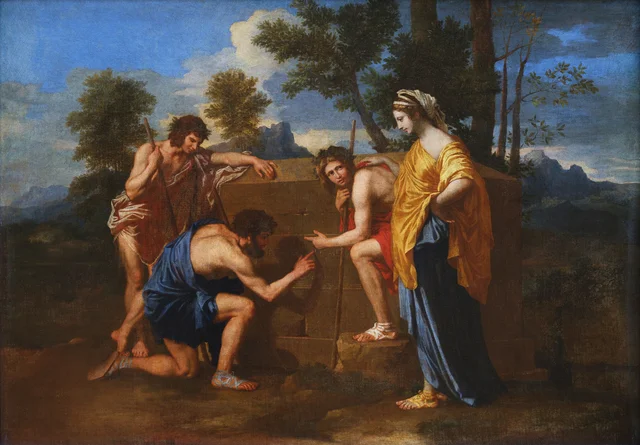 Et in Arcadia egoNicolas Poussin, 1638
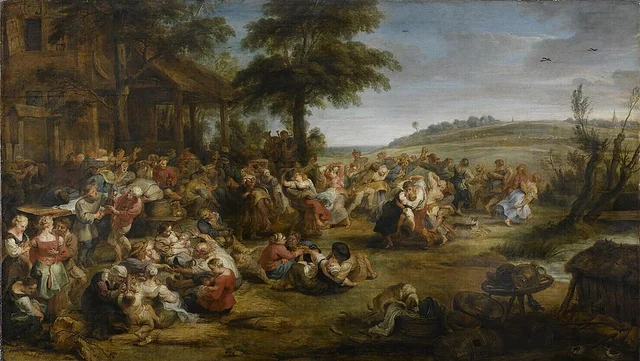 Camponeses em festa e dançaPedro Paulo Rubens, 1635
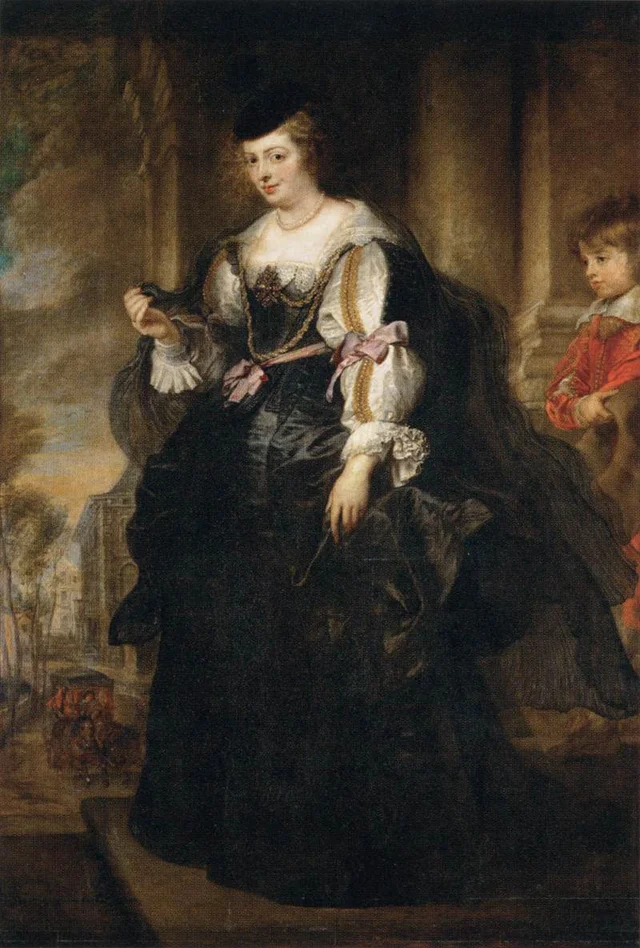 Helena Fourment com uma CarruagemPedro Paulo Rubens, 1639