A história
O Louvre começou como uma fortaleza. Filipe II a ergueu na margem direita do Sena por volta de 1190 para guardar a Paris medieval, e ao longo dos séculos seguintes os reis franceses a reconstruíram como um palácio real, até que Luís XIV mudou sua corte para Versalhes em 1682 e deixou os salões inacabados para a coleção real e os artistas ali alojados.
A Revolução o transformou em museu público. Em 10 de agosto de 1793 o Muséum central des arts abriu suas portas, mostrando a arte confiscada da coroa e da igreja a qualquer cidadão que quisesse entrar. Napoleão o encheu com os espólios de suas campanhas e por um tempo o rebatizou com o próprio nome. Muito foi devolvido depois de Waterloo, mas a ideia se manteve, a de uma coleção nacional organizada para o estudo e gratuita ao público.
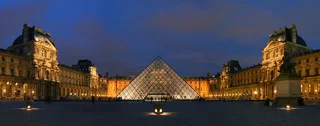
Hoje o Louvre guarda mais de 35.000 obras, da Vênus de Milo à Balsa da Medusa de Géricault. A multidão, porém, se aperta em direção a um pequeno retrato. Em agosto de 1911 ele sumiu: Vincenzo Peruggia, um faz-tudo italiano que trabalhara no museu, tirou a Mona Lisa de Leonardo da parede e a levou embora sob o casaco. Por dois anos a moldura ficou vazia enquanto os visitantes vinham olhar o vão, e a pintura só voltou em 1913, depois que Peruggia tentou vendê-la a um negociante em Florença. A pirâmide de vidro de I. M. Pei, instalada no pátio em 1989, marca hoje a entrada.
Mais artigos
Acervo
1.174 obras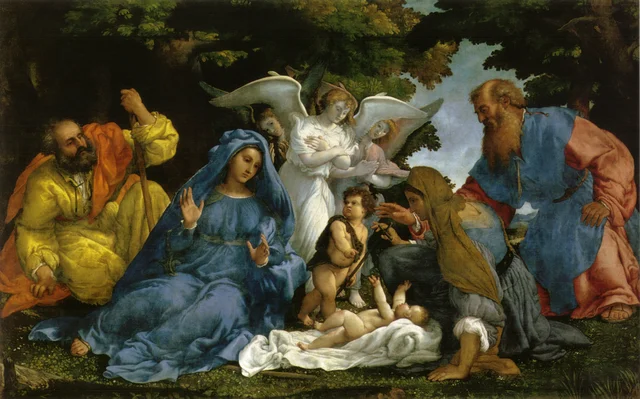 Sagrada Família com são João BatistaLorenzo Lotto, 1536
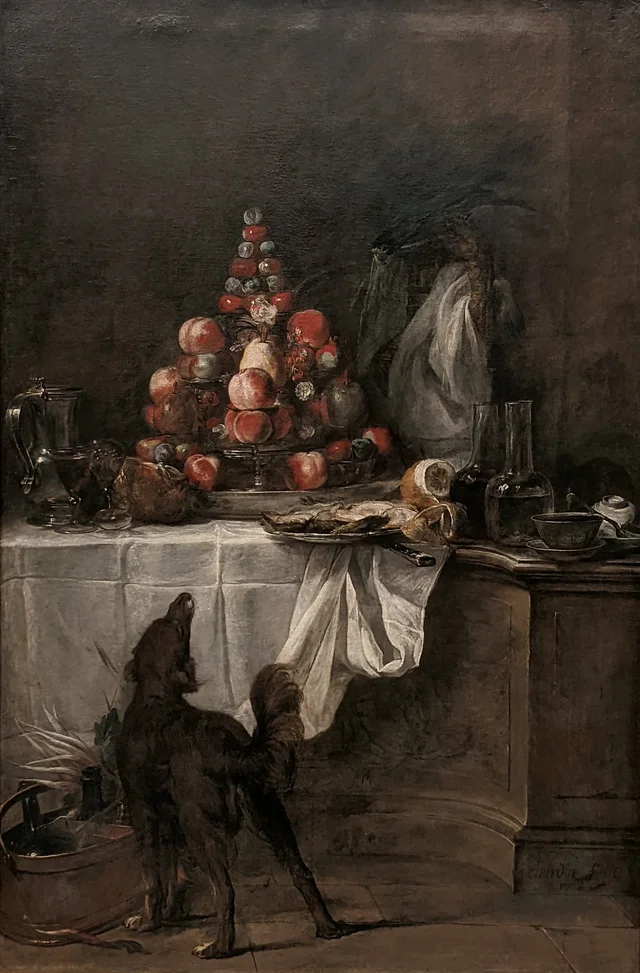 O aparadorJean-Baptiste-Siméon Chardin, 1728
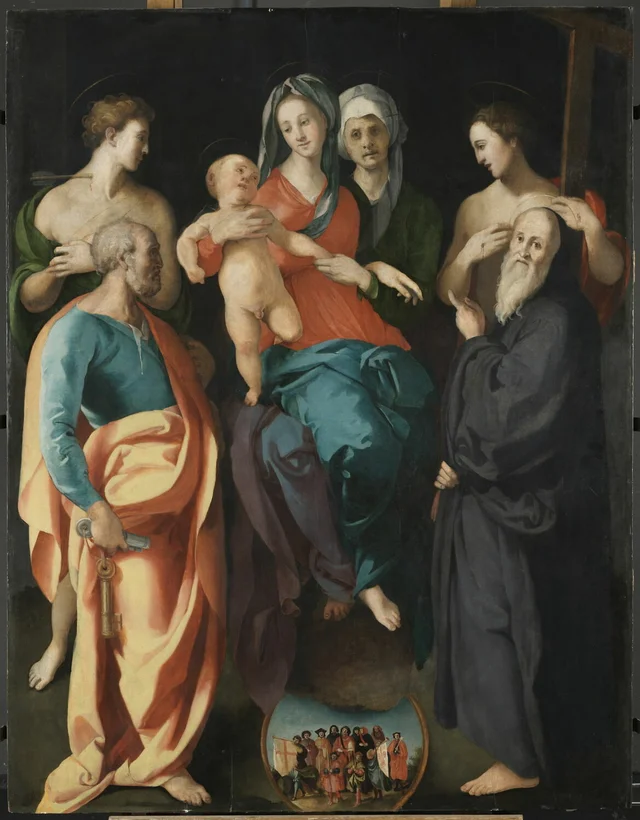 Madona com o Menino, Santa Ana e Quatro SantosPontormo, 1528
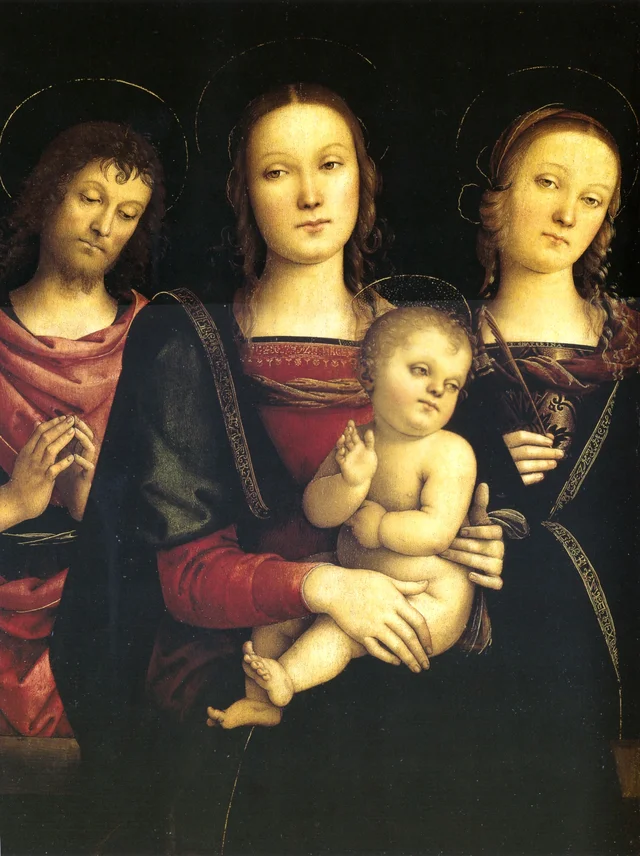 A Virgem e o Menino com são João Batista e santa Catarina de AlexandriaPietro Perugino, 1495
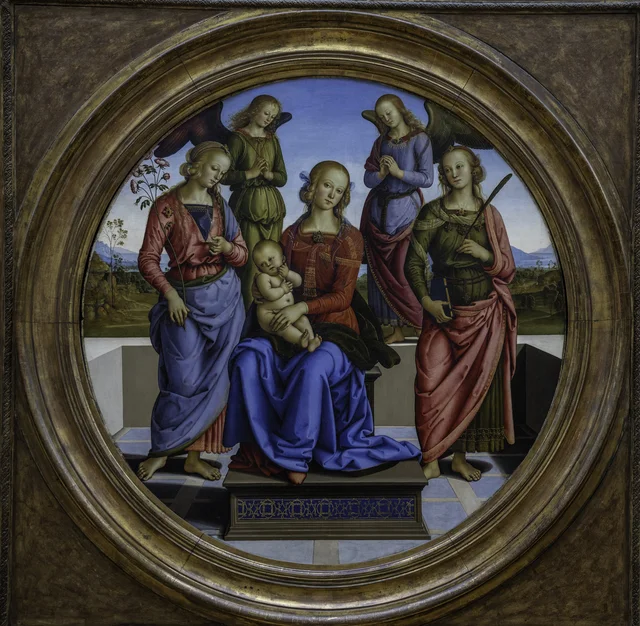 Virgem com o Menino entre dois anjos, santa Rosa e santa CatarinaPietro Perugino, 1490
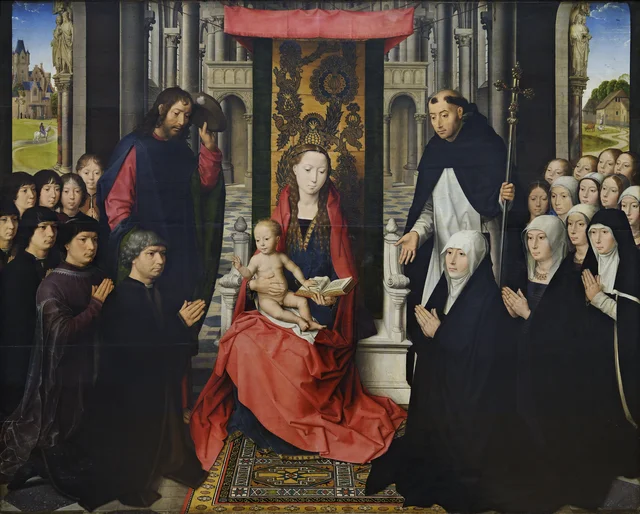 A Virgem de Jacob FloreinsHans Memling, 1485
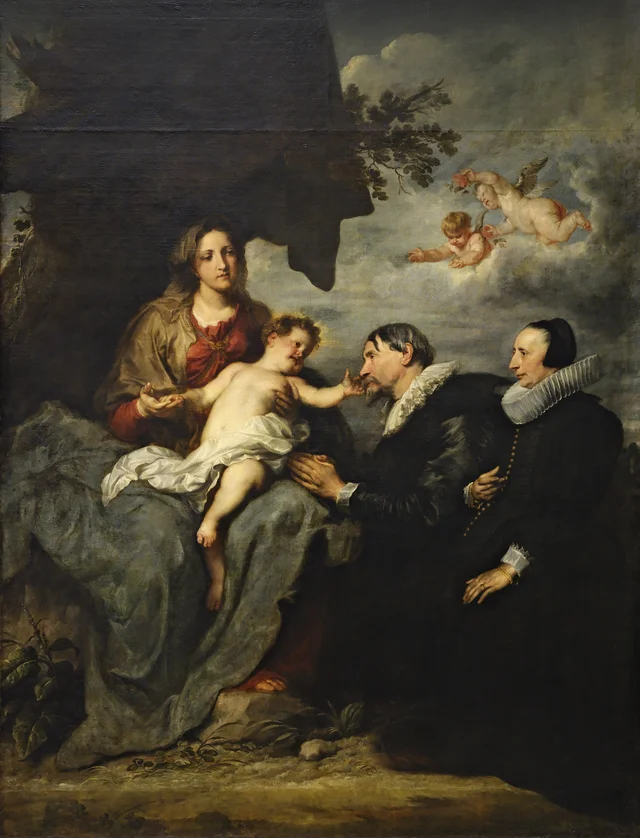 Virgem com Dois DoadoresAnton van Dyck, 1630
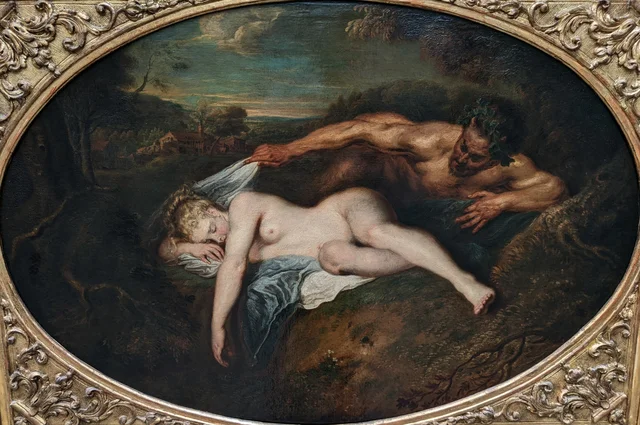 Ninfa e sátiroJean-Antoine Watteau, 1716
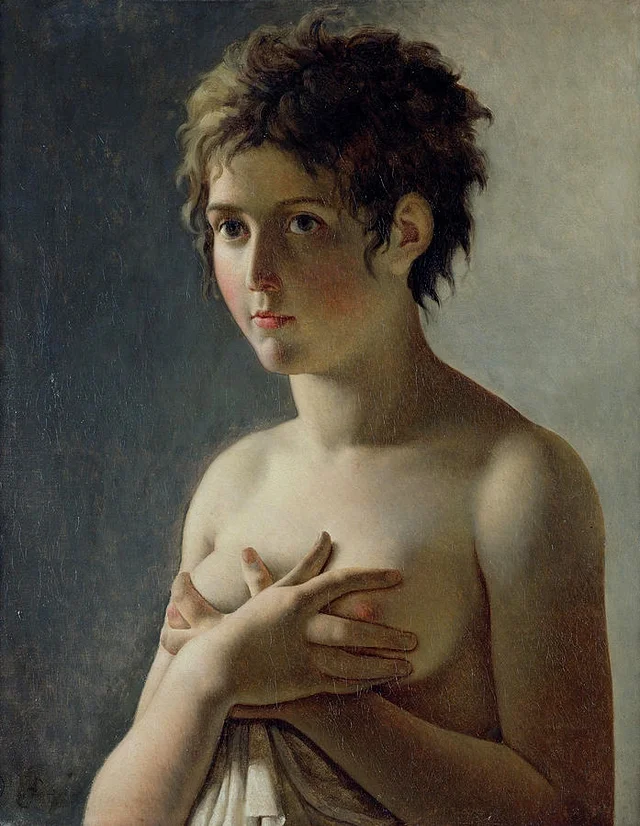 Retrato de uma JovemPierre-Narcisse Guérin, 1795
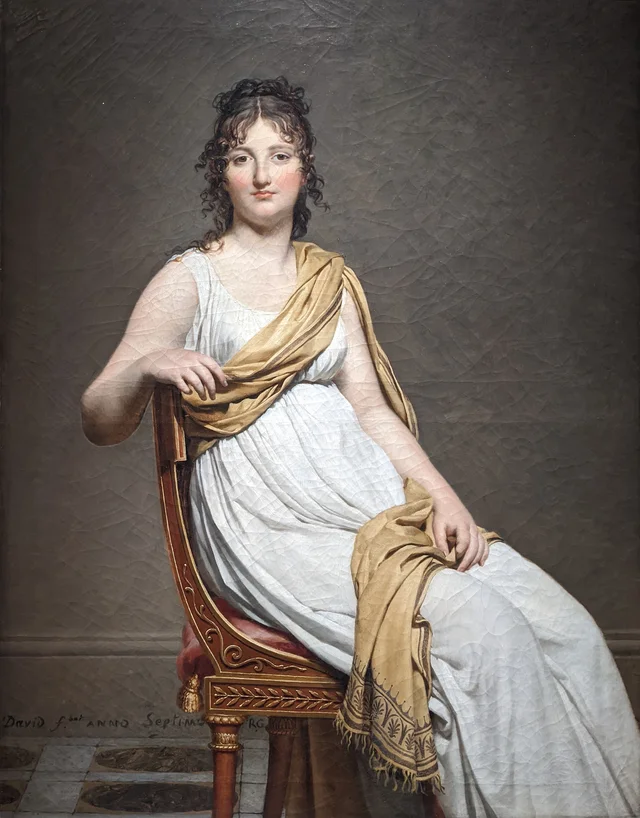 Retrato de Madame de VerninacJacques-Louis David, 1799
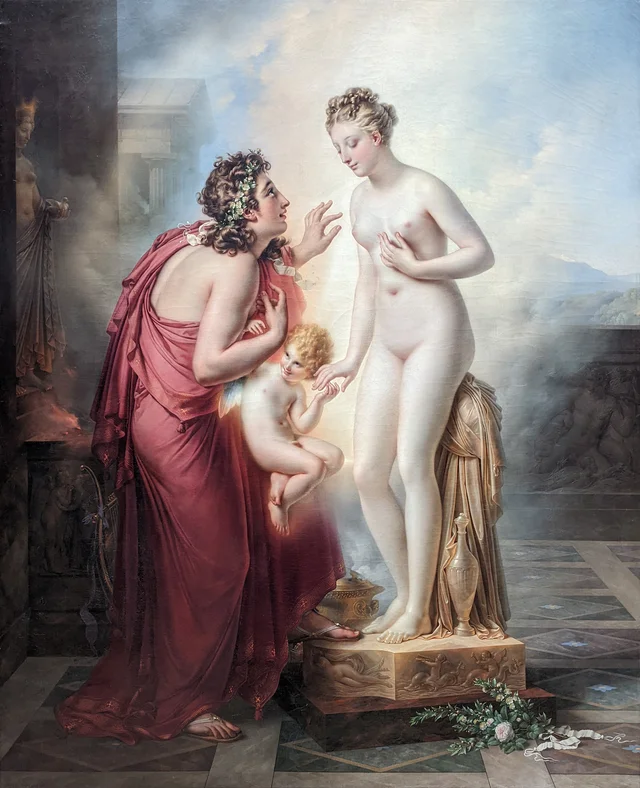 Pigmalião e GalateiaAnne-Louis Girodet, 1819
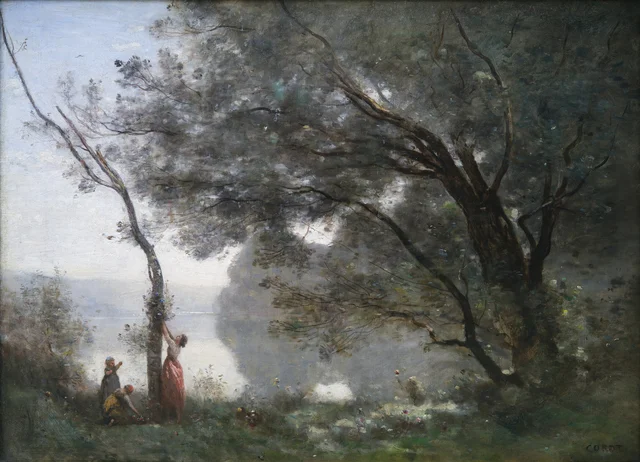 Recordação de MortefontaineJean-Baptiste Camille Corot, 1864
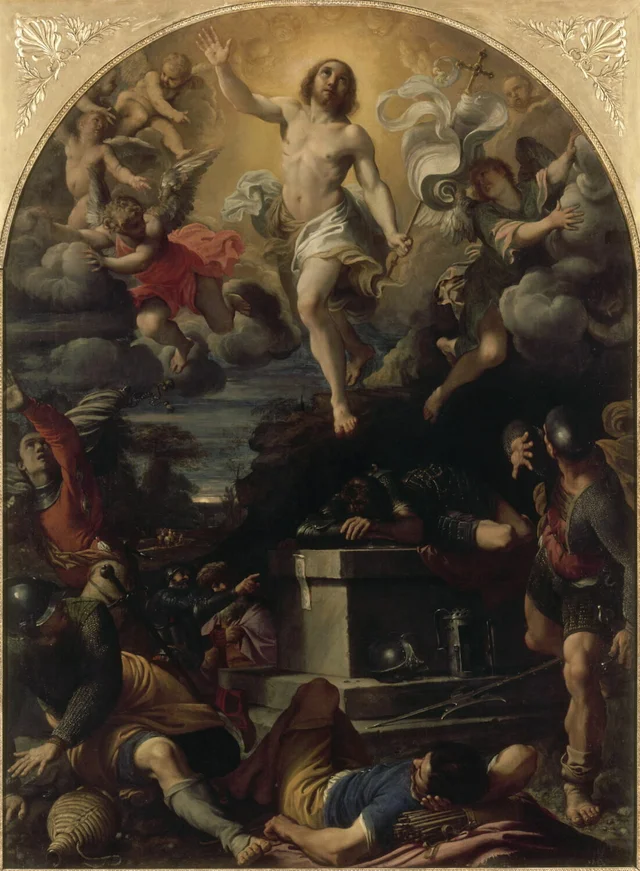 Ressurreição de CristoAnnibale Carracci, 1593
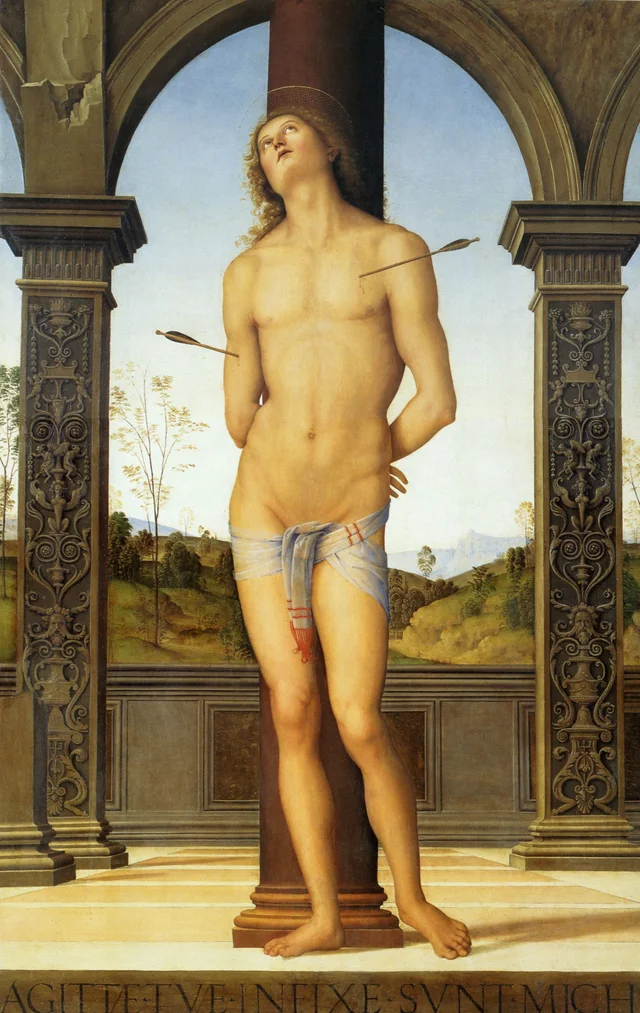 São SebastiãoPietro Perugino, 1490
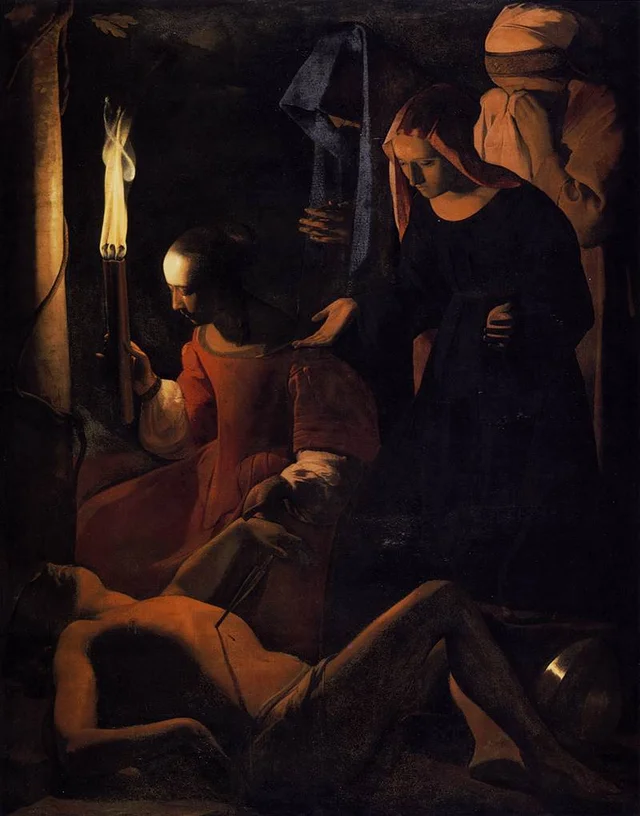 São Sebastião Cuidado por Santa IreneGeorges de La Tour, 1649
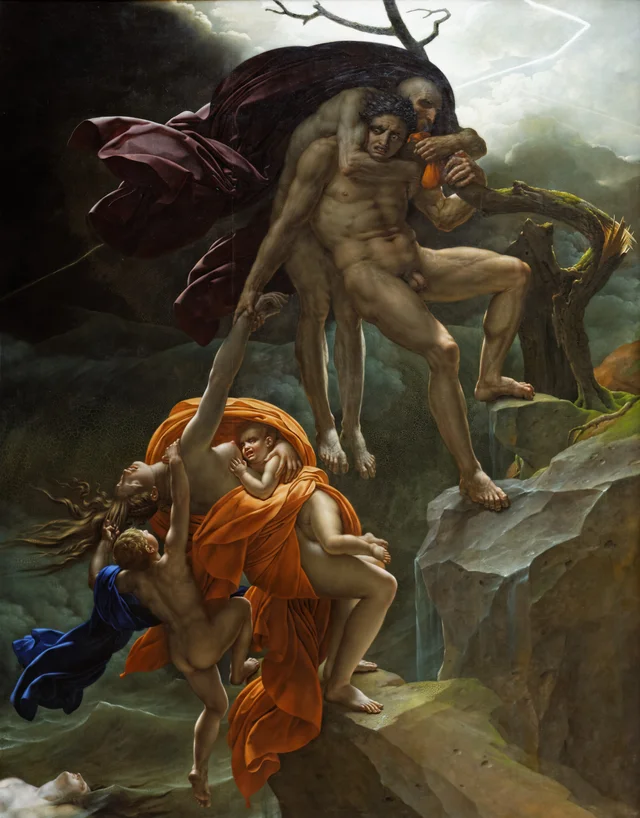 Cena do DilúvioAnne-Louis Girodet, 1806
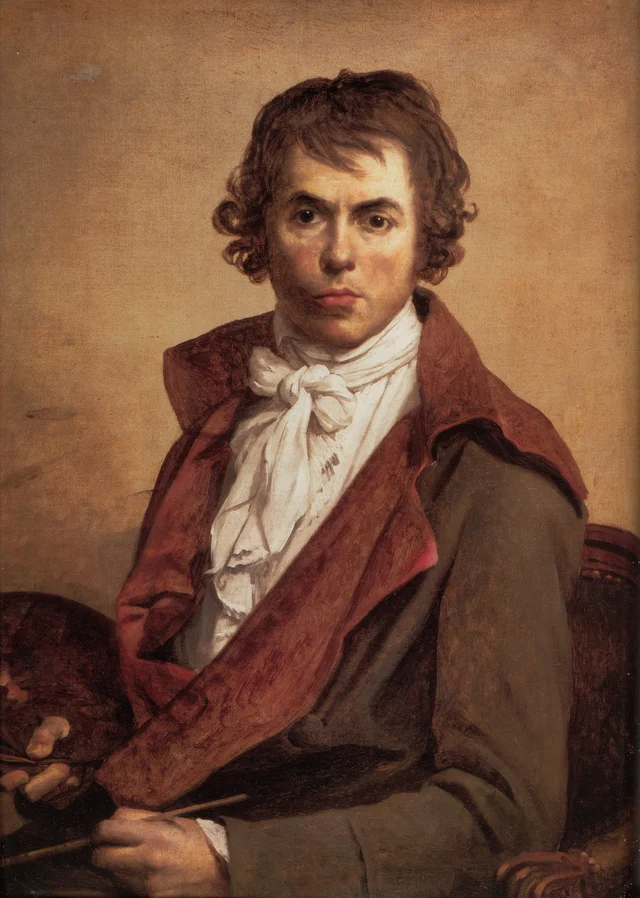 AutorretratoJacques-Louis David, 1794
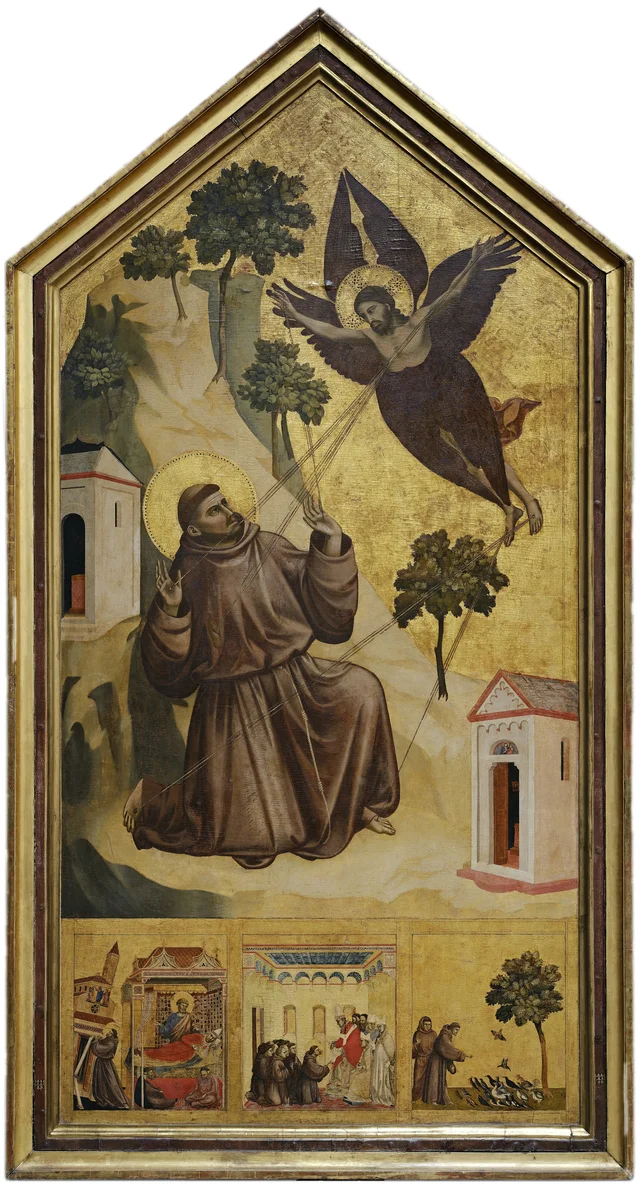 São Francisco de Assis recebendo os estigmasGiotto, 1297
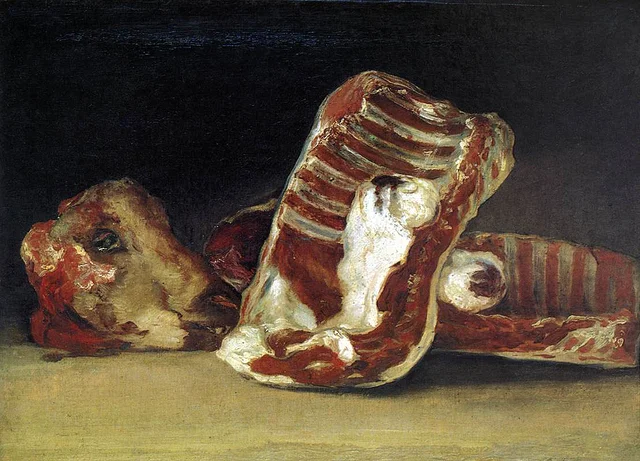 Natureza-morta: balcão de açougueFrancisco Goya, 1808
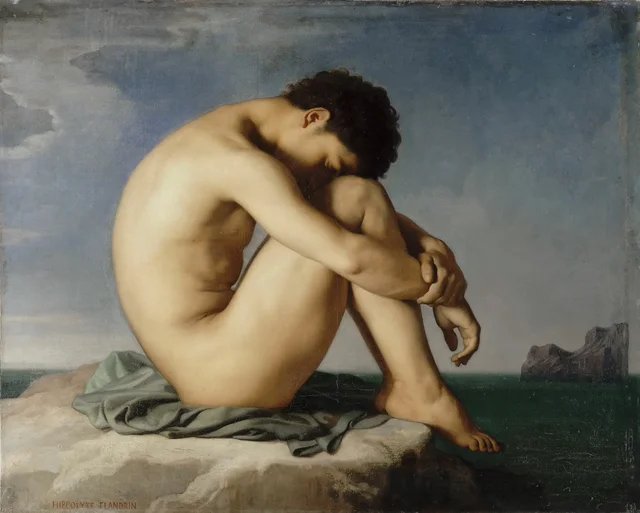 Estudo (Jovem nu sentado à beira-mar)Hippolyte Flandrin, 1837
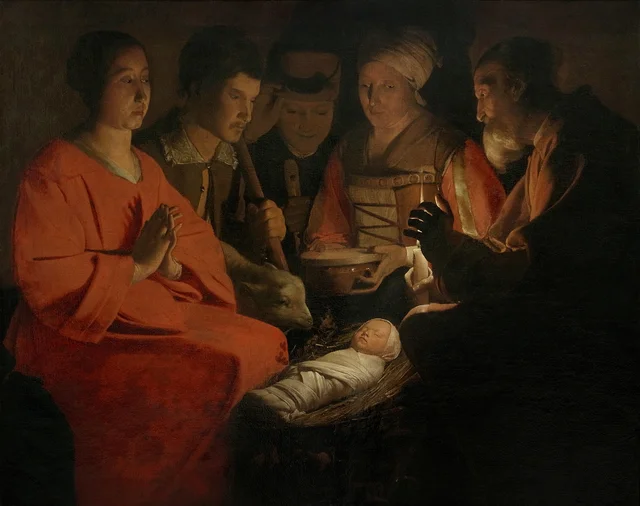 A Adoração dos PastoresGeorges de La Tour, 1645
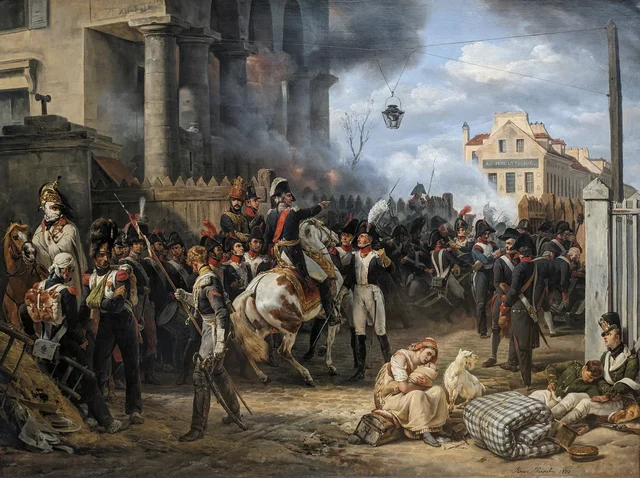 A barreira de ClichyHorace Vernet, 1820
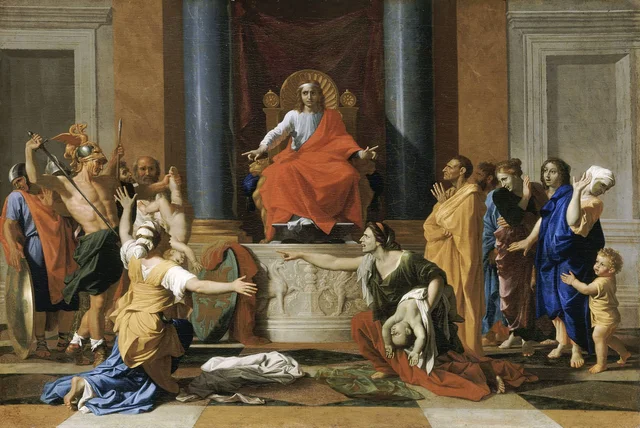 O julgamento de SalomãoNicolas Poussin, 1649
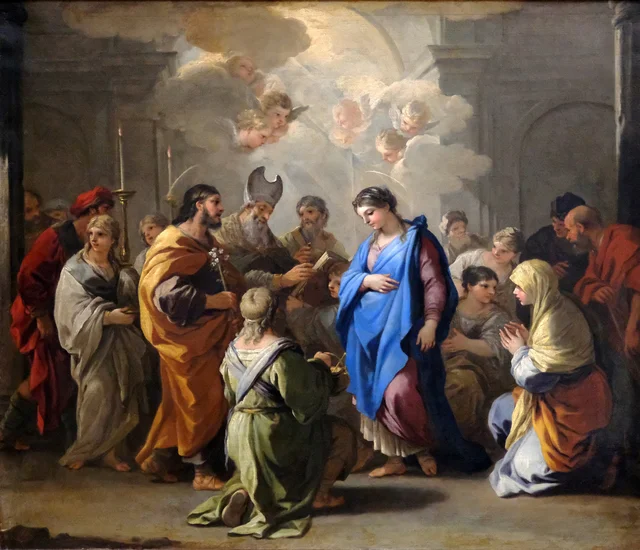 O casamento da VirgemLuca Giordano, 1688
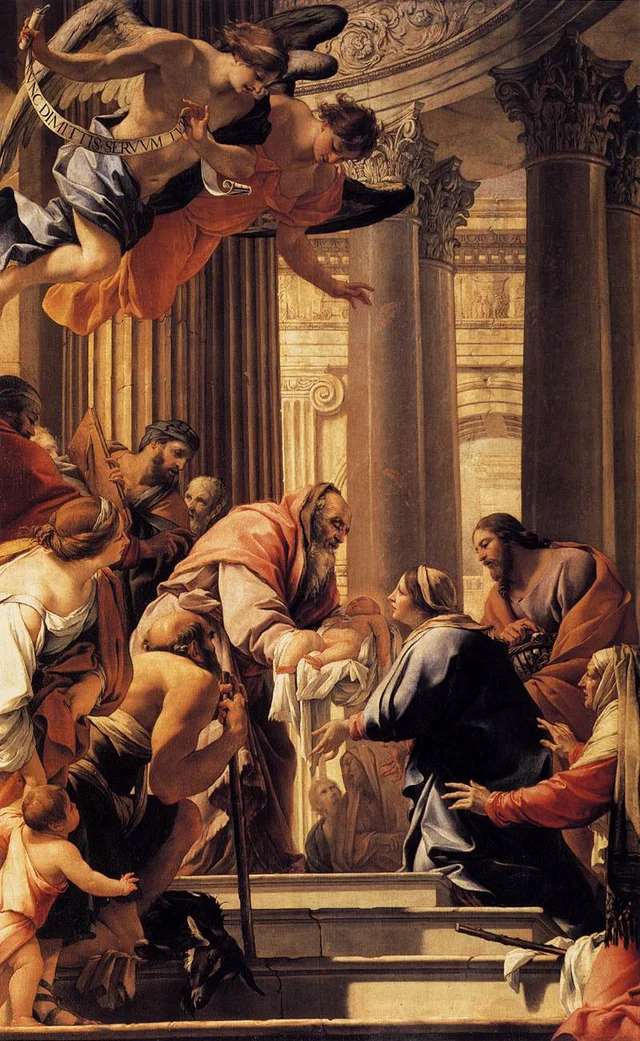 A Apresentação no TemploSimon Vouet, 1640