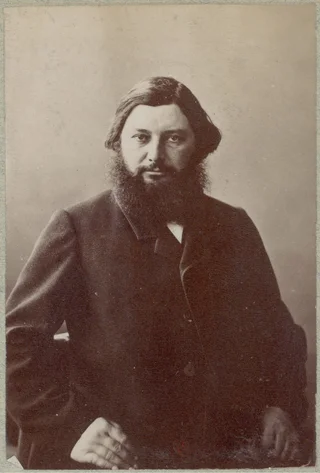
Гюстав Курбе
1819–1877 · Франция · французский реализм
История
В 1849 году Гюстав Курбе написал похороны собственного двоюродного деда в родном Орнане, небольшом городке на востоке Франции, заполнив холст более чем сорока горожанами в натуральную величину, переданными с той же весомостью и серьёзностью, какую академическая живопись прежде отводила королям и святым. Когда «Похороны в Орнане» показали на Парижском салоне 1850 года, критики возмутились тем, что обычные могильщики и плакальщики написаны в масштабе исторической живописи, и оскорбительный ярлык, который они использовали, — реализм, — стал названием движения, которое Курбе возглавлял следующие два десятилетия.
В марте 1871 года, в хаосе после поражения Франции от Пруссии, Курбе был избран в Коммуну — недолговечное революционное правительство, ненадолго взявшее власть в Париже, — и возглавил её комиссию по делам искусств. За два месяца правления Коммуны бронзовую колонну на площади Вандом, отлитую из захваченных вражеских пушек в честь побед Наполеона, снесли как памятник войне.
Когда в мае того же года Коммуна пала, Курбе арестовали, полгода продержали в тюрьме, а позже возложили на него личную ответственность за расходы на восстановление колонны — штраф настолько огромный, что на его выплату ушли бы десятилетия его доходов. В 1873 году, чтобы избежать конфискации своих картин, он перебрался в Швейцарию и больше никогда не вернулся во Францию, умерев в изгнании в Ла-Тур-де-Пельс в 1877 году.
Другие статьи
Работы
265 работ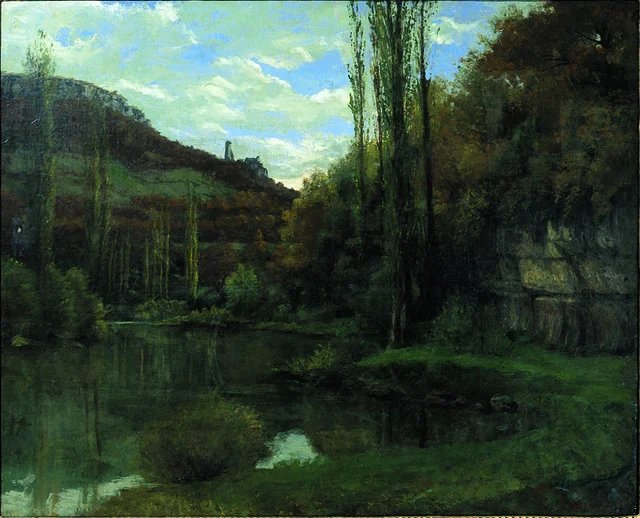 «Зеркало» на реке Лу у Сей-ан-Варе, близ ОрнанаГюстав Курбе, 1864
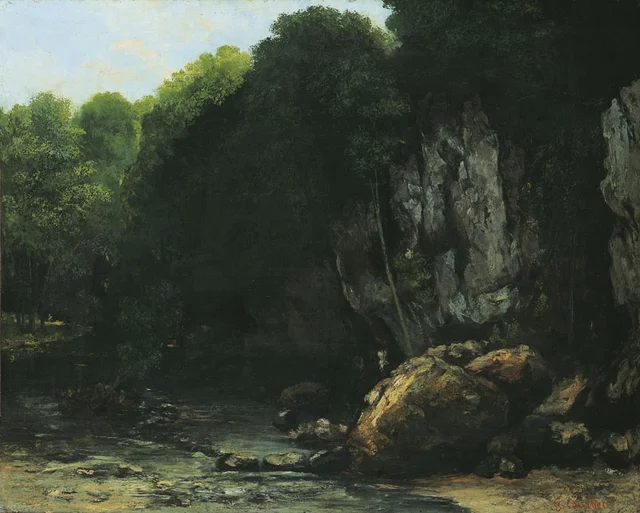 Ручей Пюи-НуарГюстав Курбе, 1865
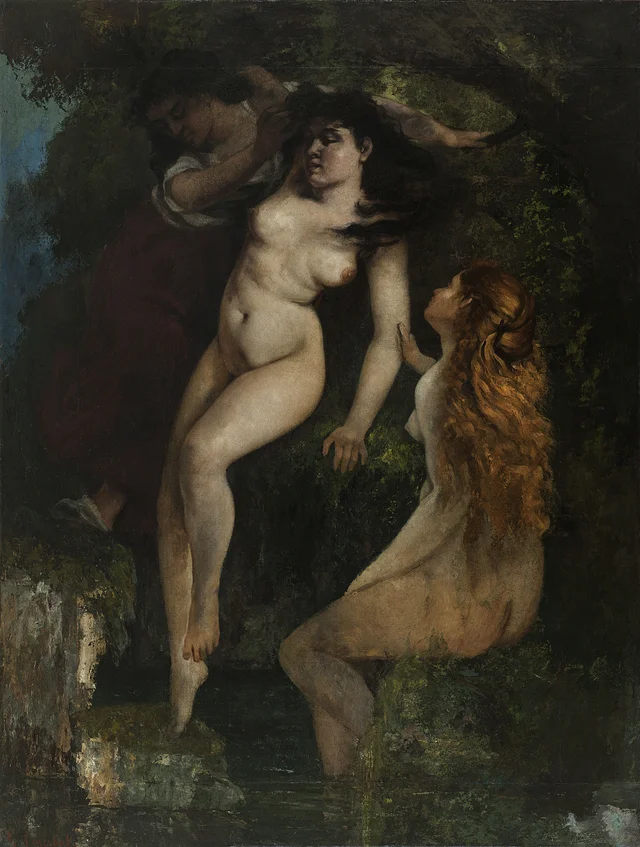 Три купальщицыГюстав Курбе, 1867
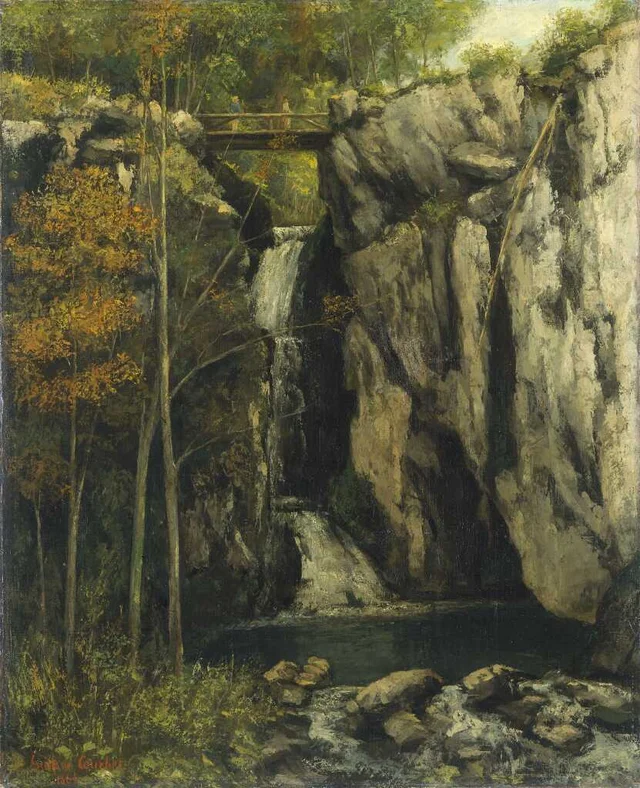 ВодопадыГюстав Курбе, 1864
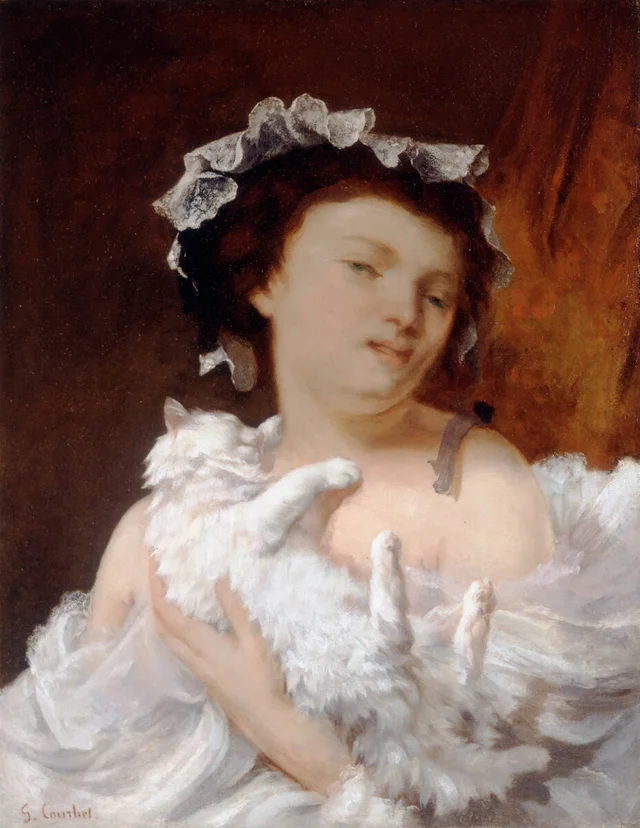 Женщина с кошкойГюстав Курбе, 1864
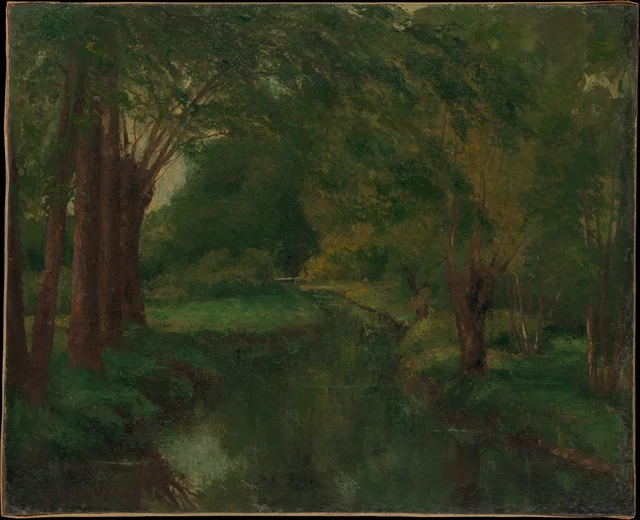 Ручей на поляне (возможно, «Ручей, долина Фонкуверт; этюд»)Гюстав Курбе, 1862
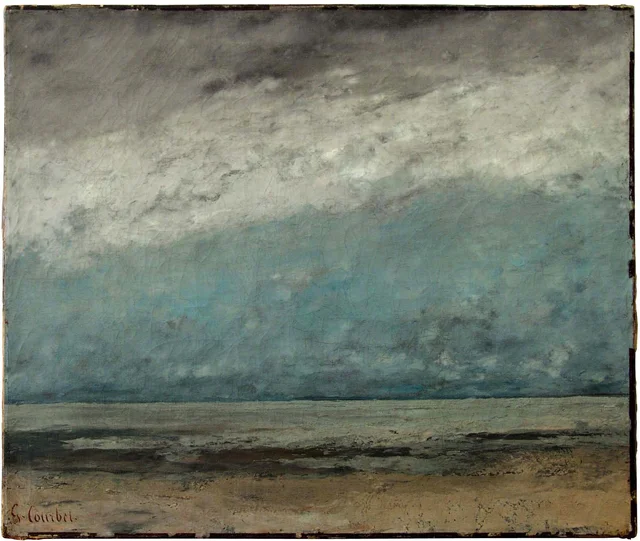 Пляж близ ТрувиляГюстав Курбе, 1865
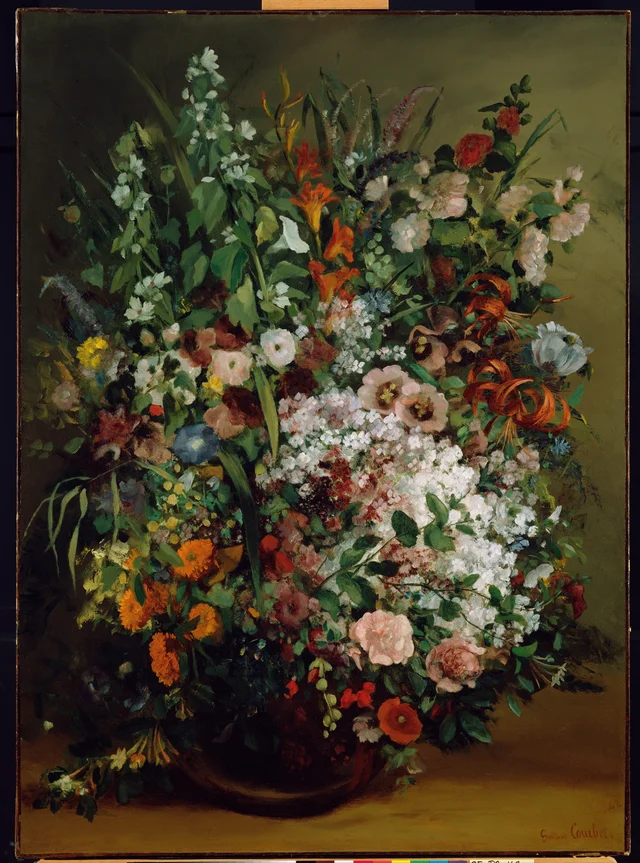 Букет цветов в вазеГюстав Курбе, 1862
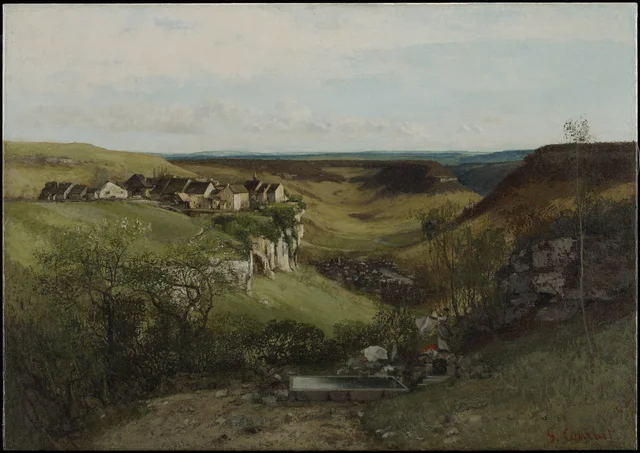 Замок в ОрнанеГюстав Курбе, 1855
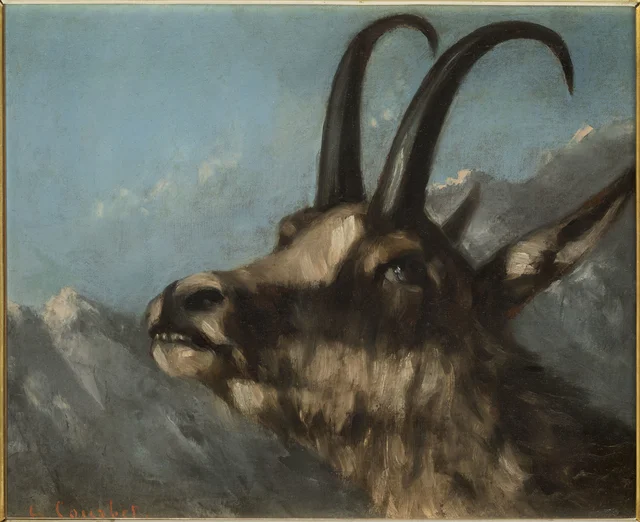 Голова козыГюстав Курбе, 1875
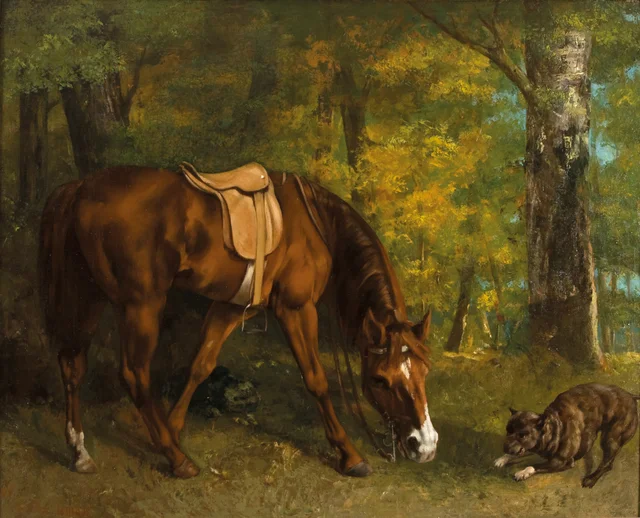 Лошадь в лесуГюстав Курбе, 1863
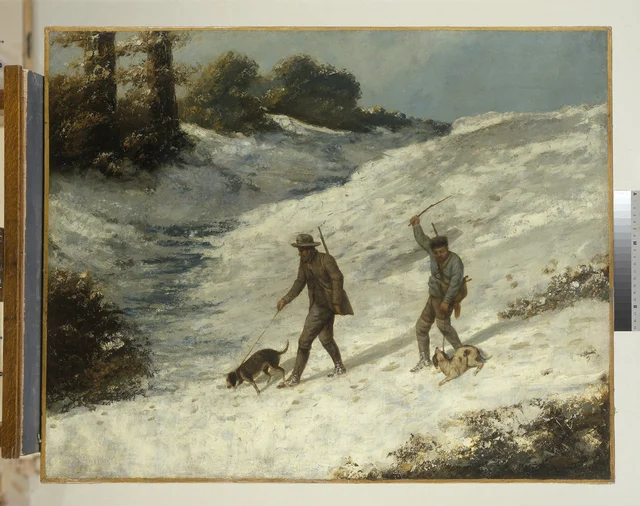 Охотники на снегуГюстав Курбе, 1864
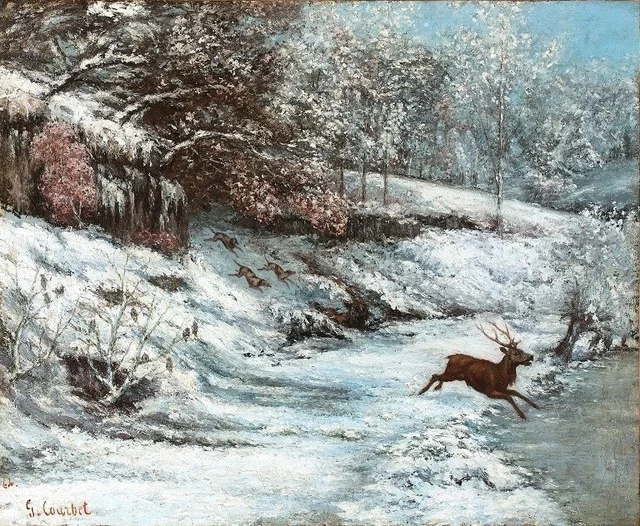 Сцена охоты в снегуГюстав Курбе, 1864
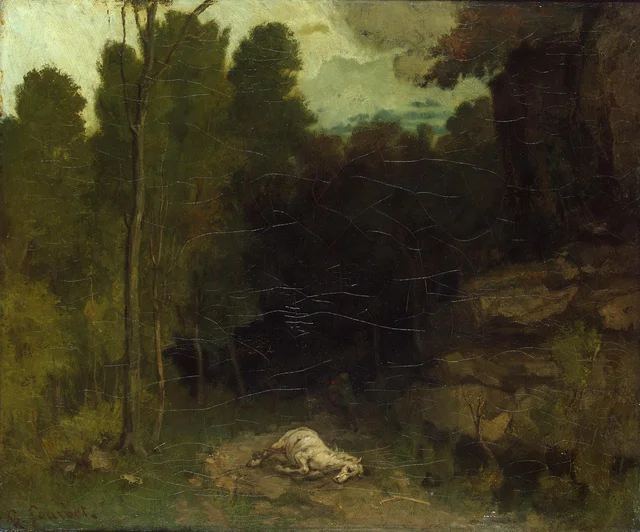 Пейзаж с мёртвой лошадьюГюстав Курбе, 1858
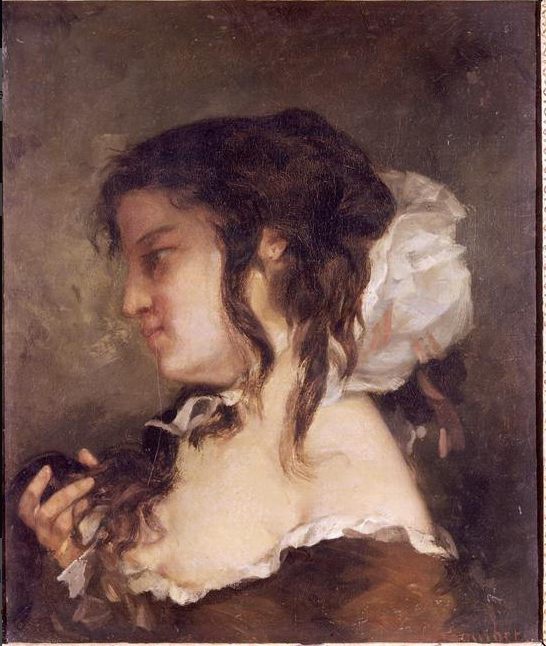 РаздумьеГюстав Курбе, 1864
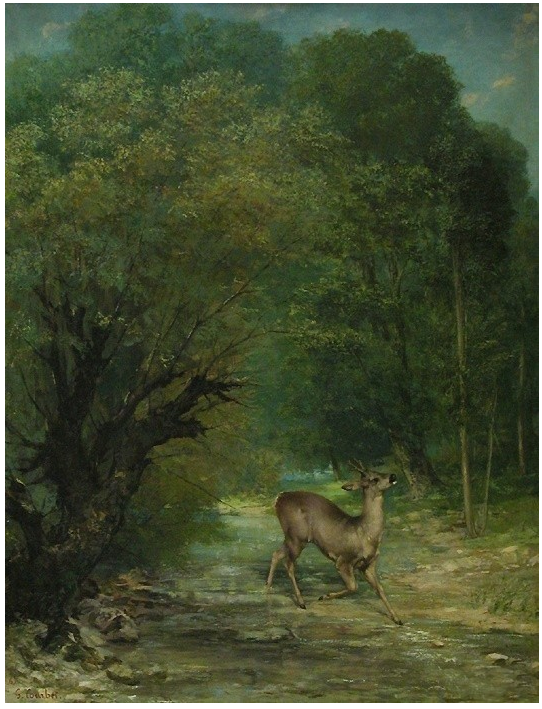 Затравленная косуля, настороже, веснаГюстав Курбе, 1867
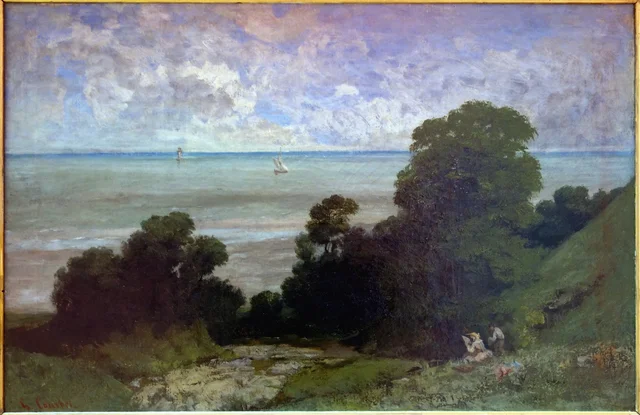 Устье СеныГюстав Курбе, 1841
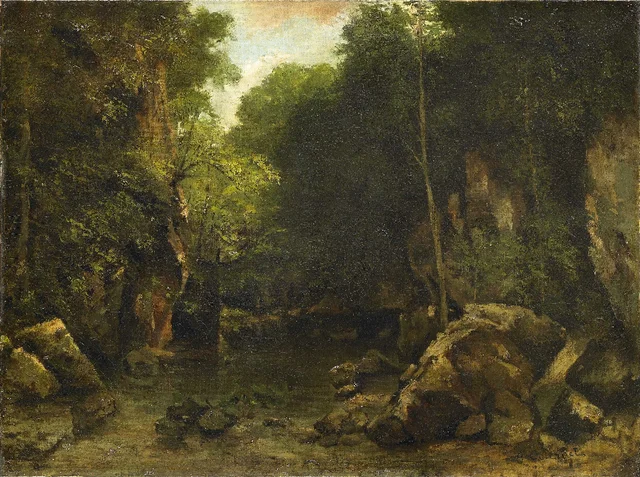 Ле-Пюи-НуарГюстав Курбе, 1865
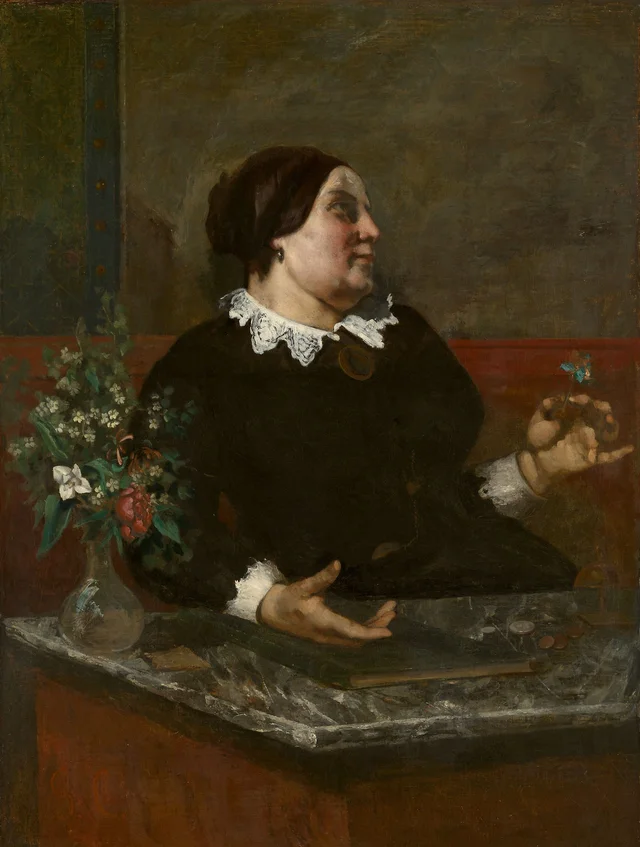 Мамаша ГрегуарГюстав Курбе, 1855
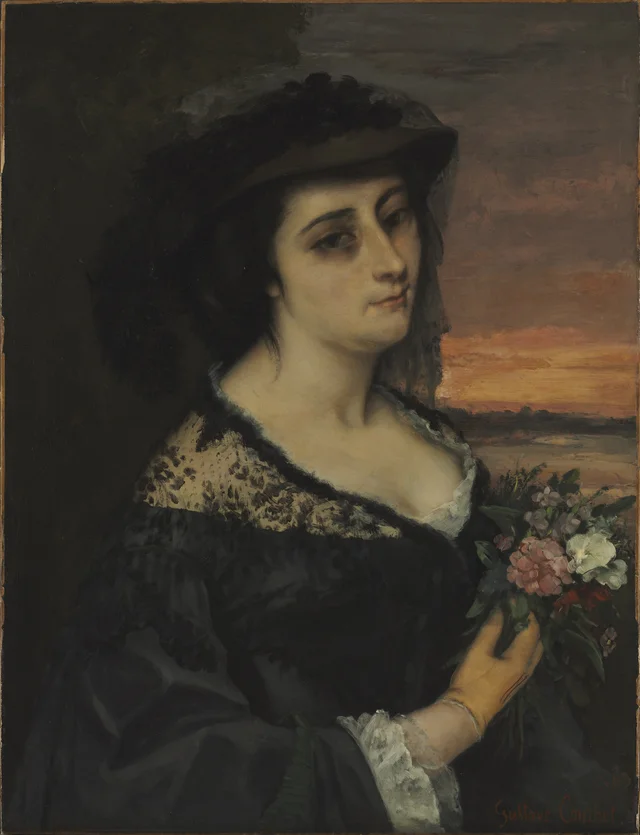 Мадам Л... (Лор Борро)Гюстав Курбе, 1863
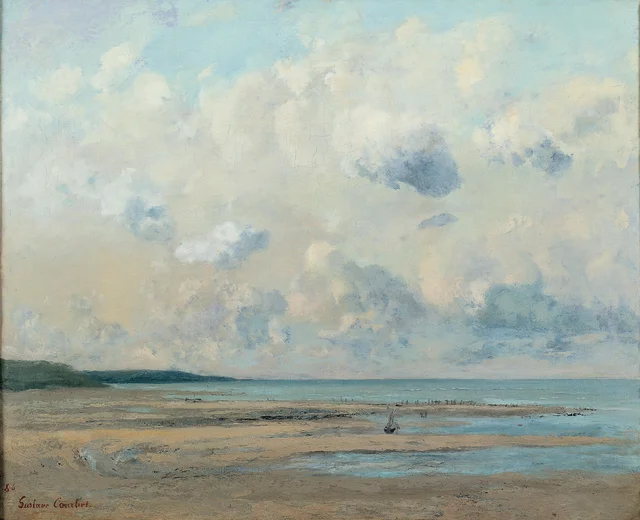 Побережье НормандииГюстав Курбе, 1866
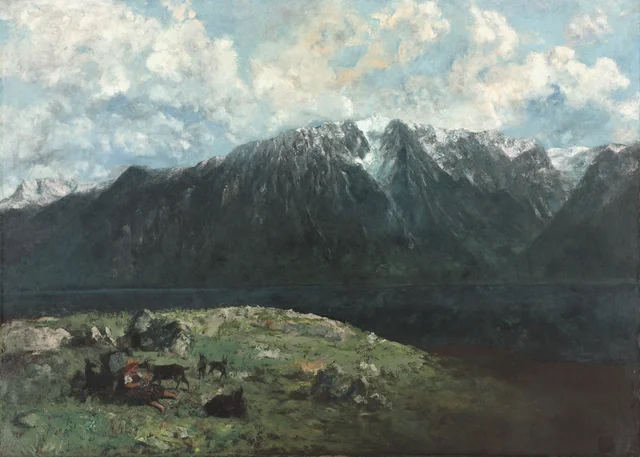 Панорамный вид на Альпы, Дан-дю-МидиГюстав Курбе, 1877
 Снежный пейзаж в Юра с косулейГюстав Курбе, 1866
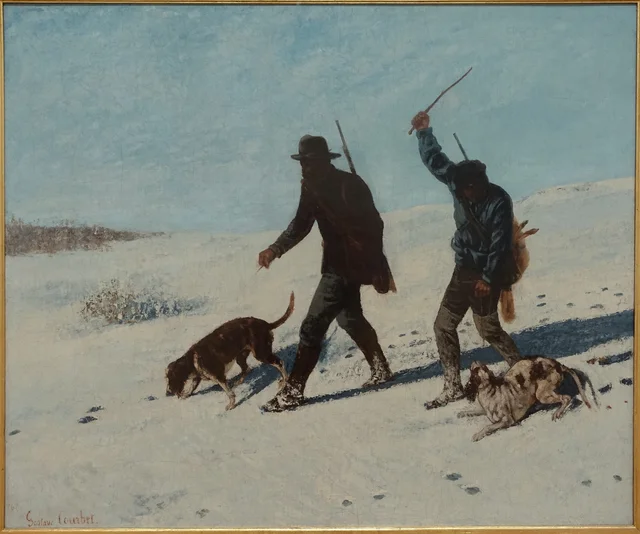 Браконьеры в снегуГюстав Курбе, 1867
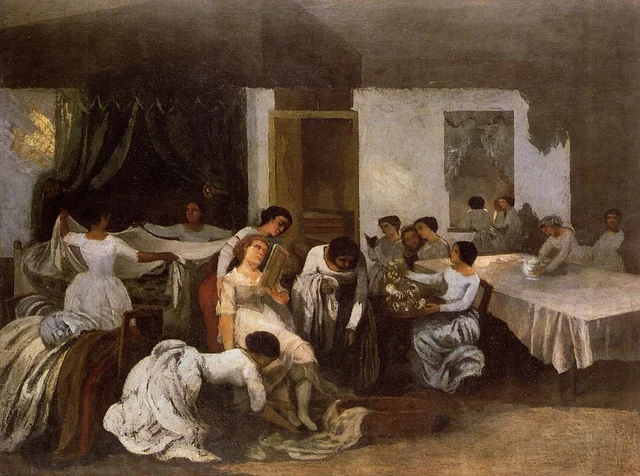 Приготовление умершей девушкиГюстав Курбе, 1853