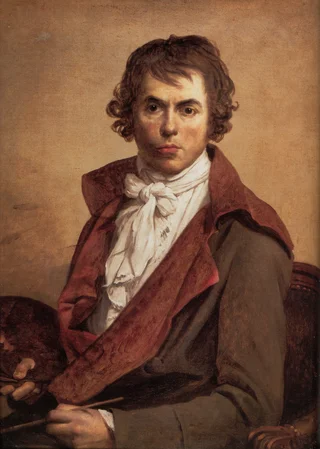
Jacques-Louis David
1748–1825 · Frankreich · Klassizismus
Die Geschichte
David war der große Maler der Französischen Revolution – und zugleich ein aktiver Teil von ihr. In den Nationalkonvent gewählt, die Versammlung der neuen Republik, saß er bei den radikalen Montagnards, gehörte einem Ausschuss an, der Menschen zur Guillotine schickte, und stimmte für die Hinrichtung König Ludwigs XVI.
Im Juli 1793 wurde der Journalist Jean-Paul Marat, ein Freund und politischer Weggefährte, in seiner Badewanne von Charlotte Corday erstochen, einer jungen Frau aus dem gegnerischen Lager. David malte ihn noch innerhalb weniger Monate: tot, über die Wanne gesunken, in einem schmucklosen, dunklen Raum, fast nur die Mordwaffe und ein blutbeflecktes Blatt Papier im Bild. Er räumte Säulen und Allegorien beiseite, wie sie die Historienmalerei sonst trug, und gab der Revolution einen Märtyrer, posiert wie ein toter Christus.
Als die Terrorherrschaft zusammenbrach, wurde David inhaftiert, stieg dann aber wieder auf – als offizieller Maler Napoleons, der die Krönung des Kaisers auf einer riesigen Leinwand inszenierte. Nach Napoleons endgültiger Niederlage 1815 ging David ins Exil nach Brüssel und kehrte nie nach Frankreich zurück; dort starb er 1825.
Weitere Artikel
Werke
82 Werke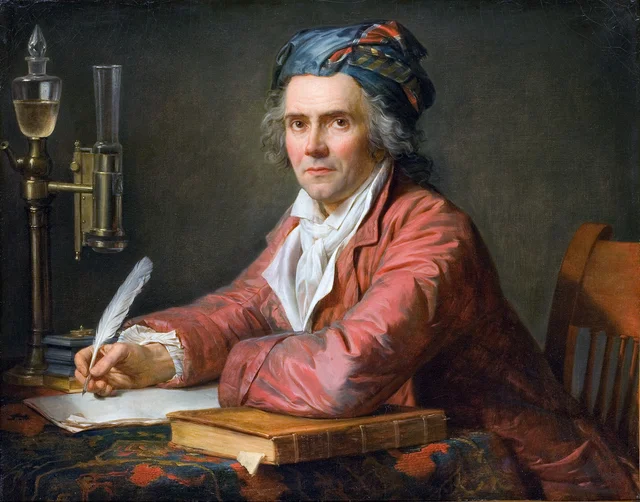 Bildnis des Alphonse LeroyJacques-Louis David, 1783
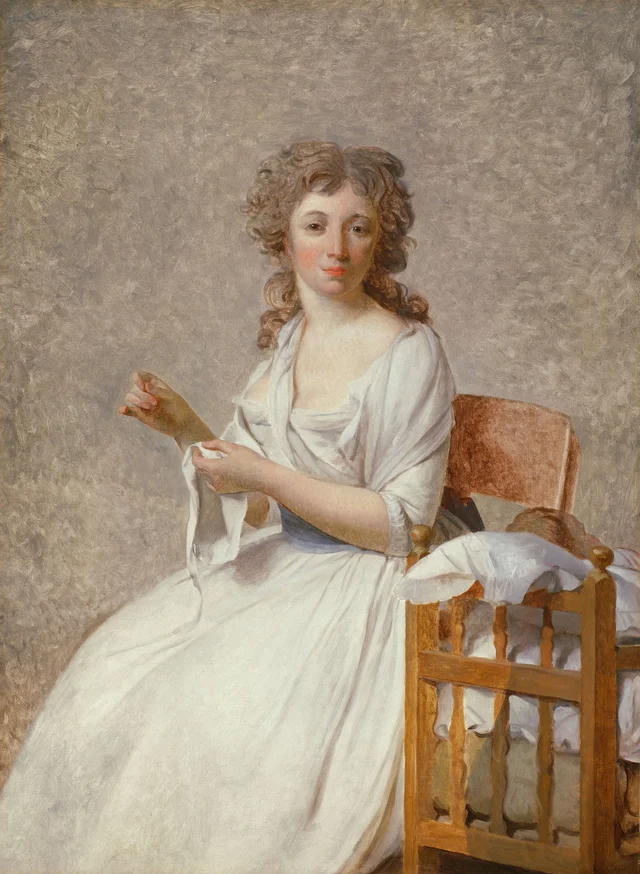 Porträt der Madame Adélaïde PastoretJacques-Louis David, 1791
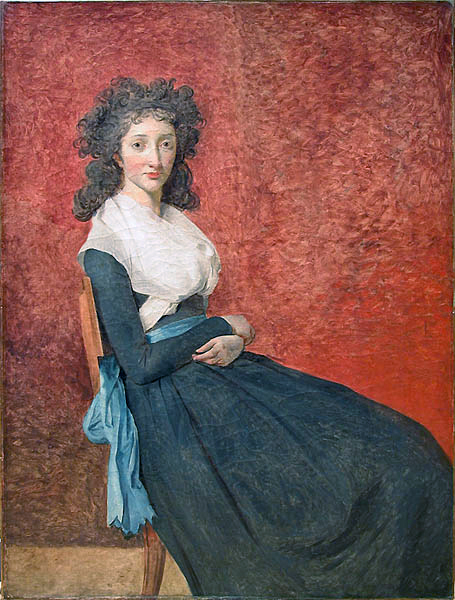 Bildnis der Madame Marie-Louise TrudaineJacques-Louis David, 1794
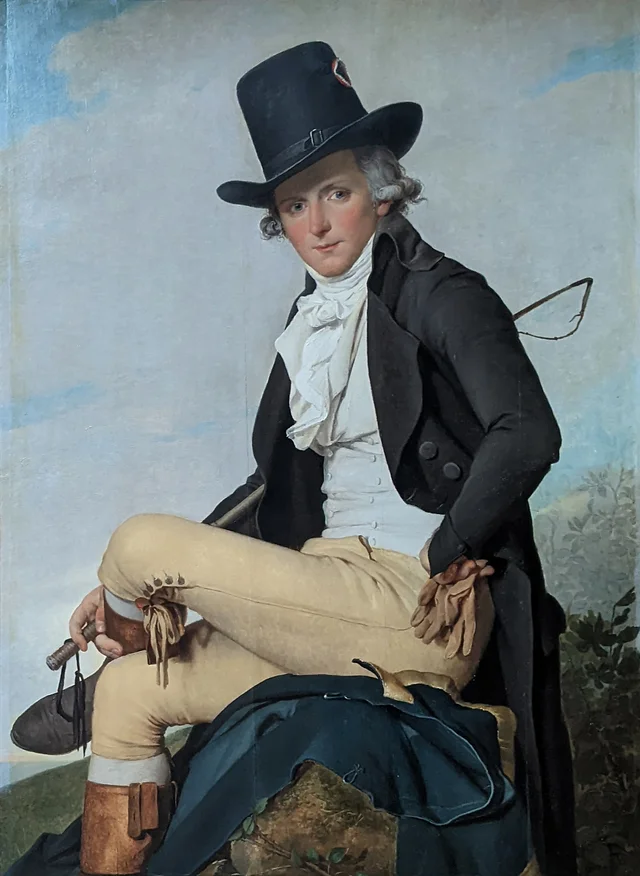 Bildnis des Pierre SériziatJacques-Louis David, 1795
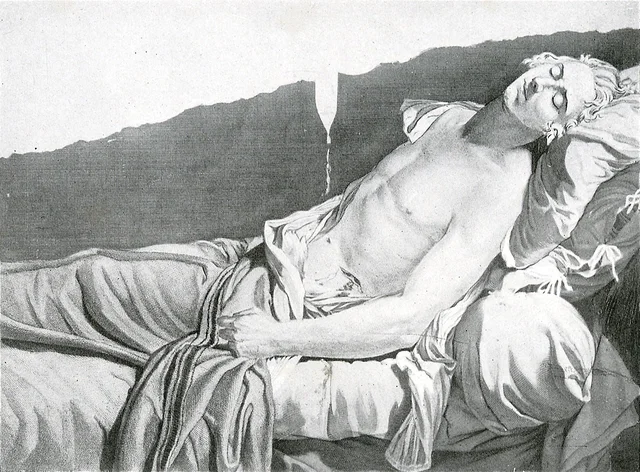 Die letzten Augenblicke von Michel LepeletierJacques-Louis David, 1793
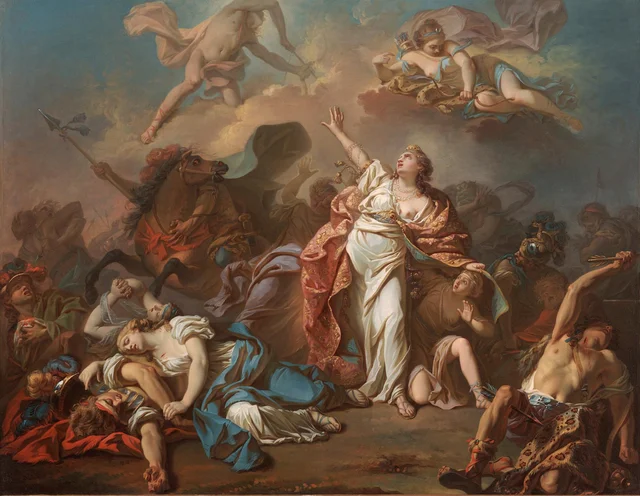 Apollo und Diana töten die Kinder der NiobeJacques-Louis David, 1772
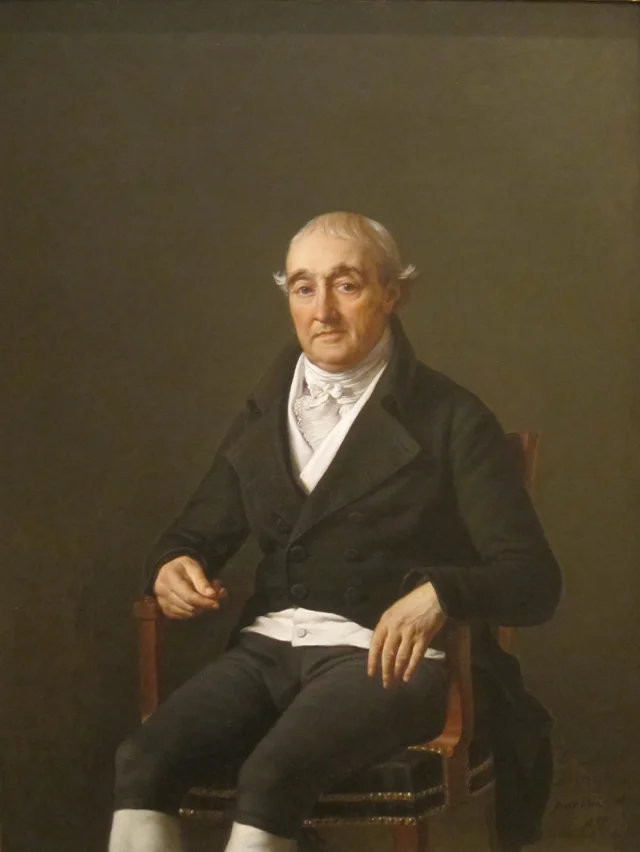 Bildnis von Cooper PenroseJacques-Louis David, 1802
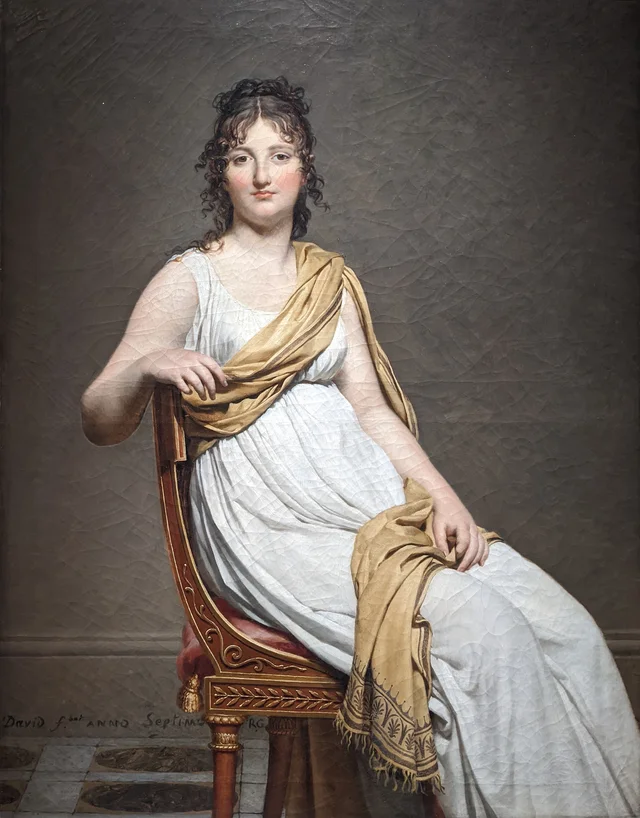 Bildnis der Madame de VerninacJacques-Louis David, 1799
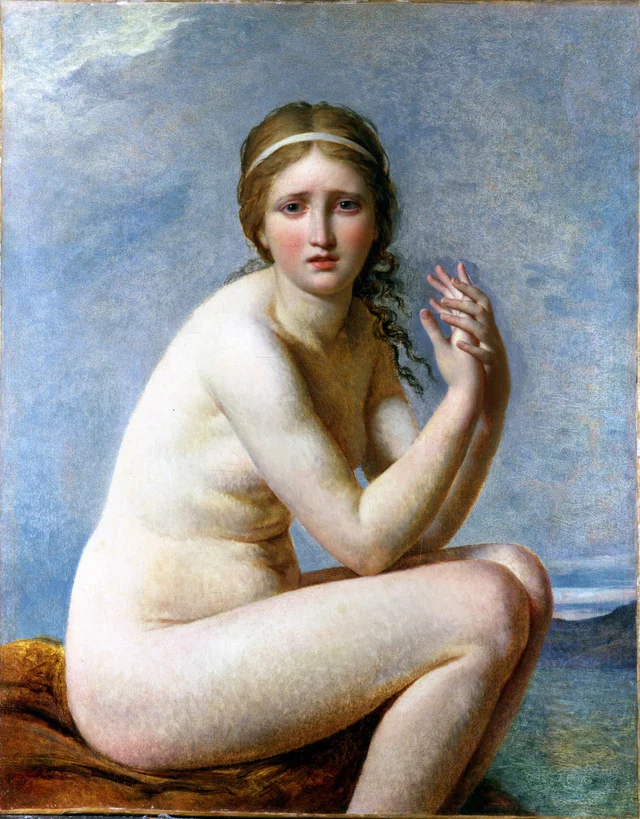 Die verlassene PsycheJacques-Louis David, 1795
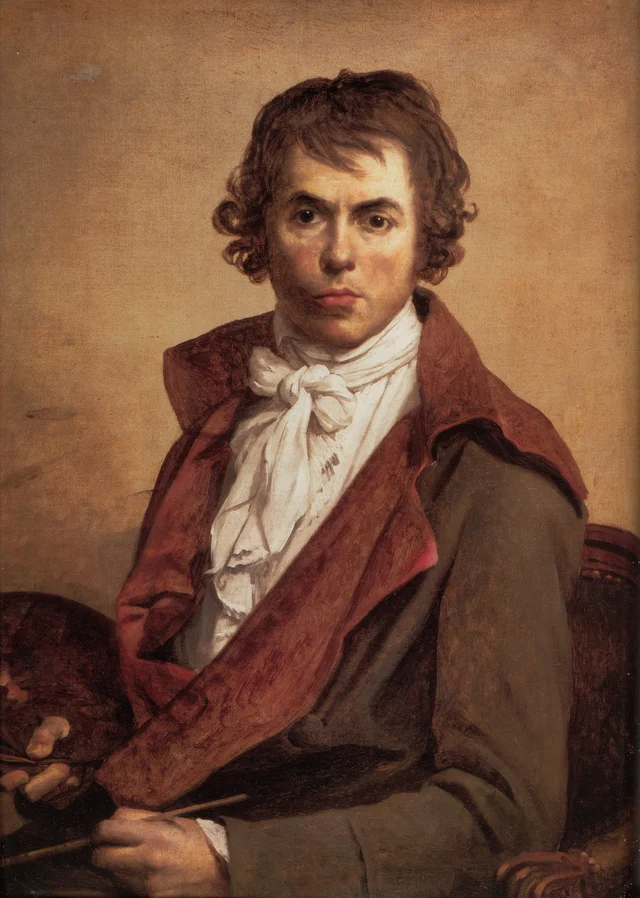 SelbstbildnisJacques-Louis David, 1794
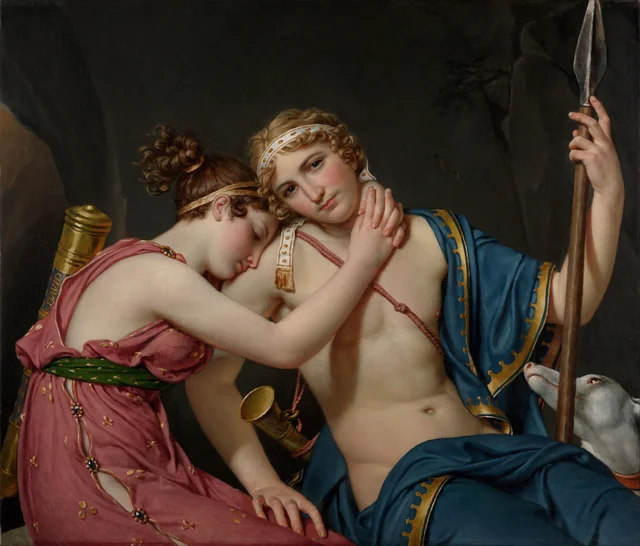 Der Abschied von Telemach und EucharisJacques-Louis David, 1818
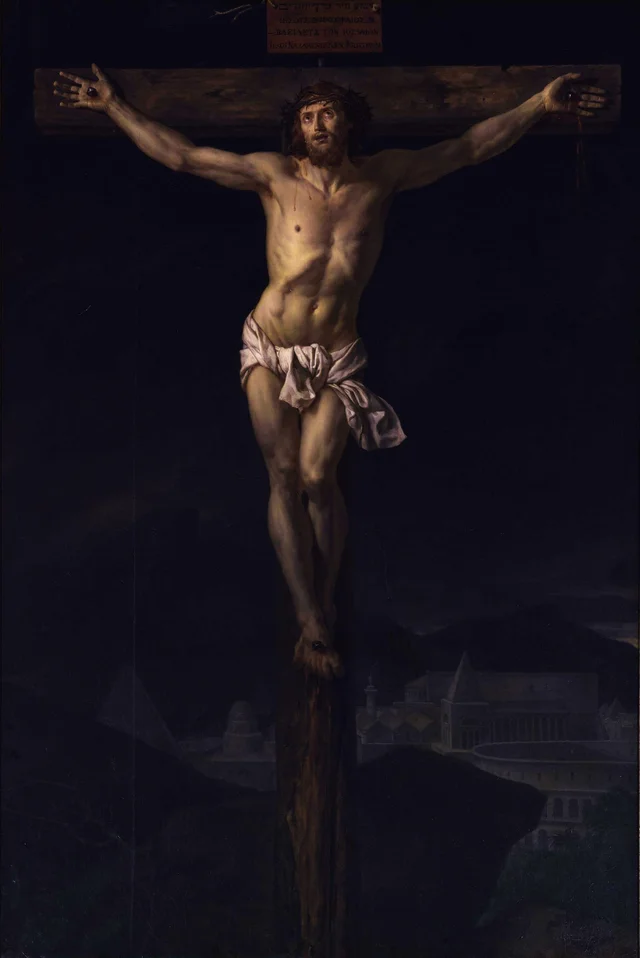 Christus am KreuzJacques-Louis David, 1782
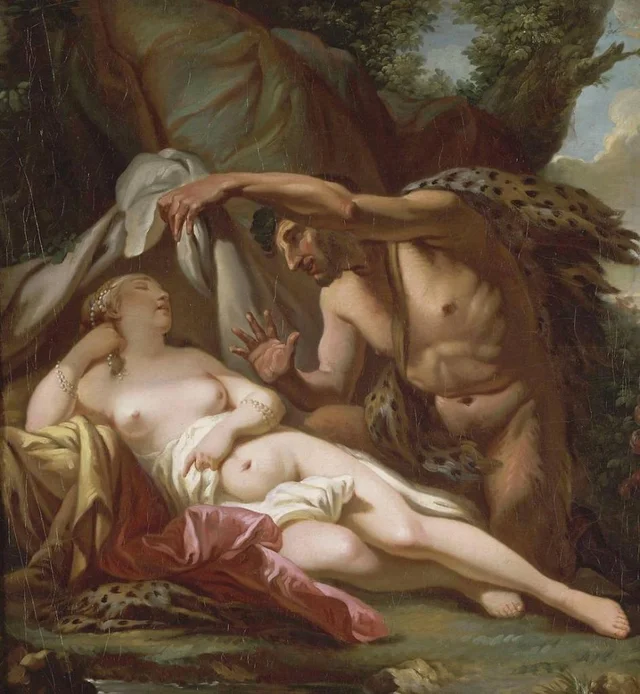 Jupiter und AntiopeJacques-Louis David, 1771
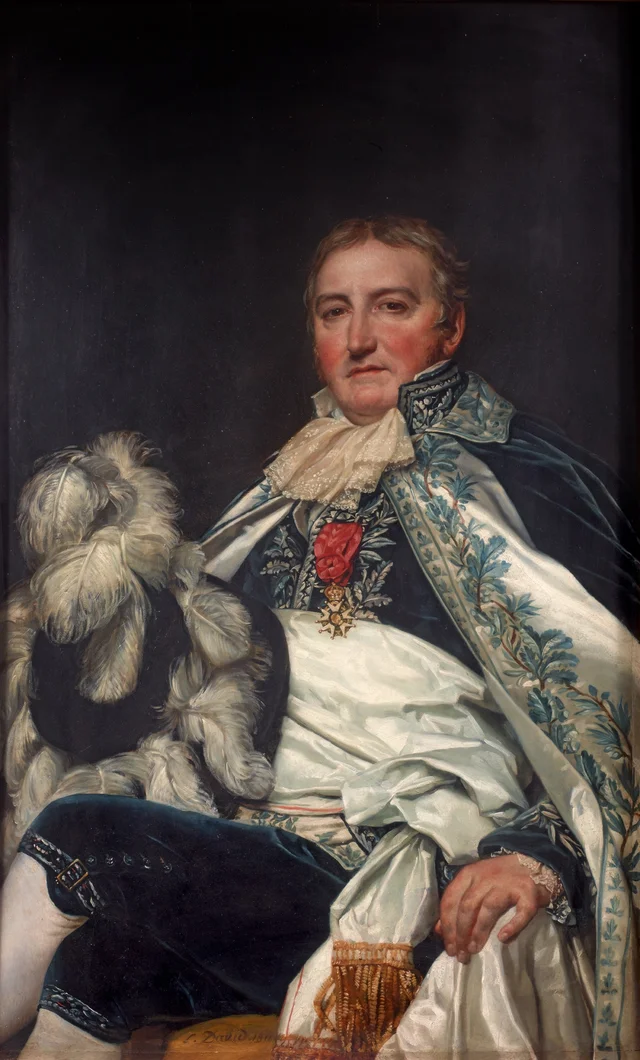 Bildnis des Grafen Antoine Français de NantesJacques-Louis David, 1811
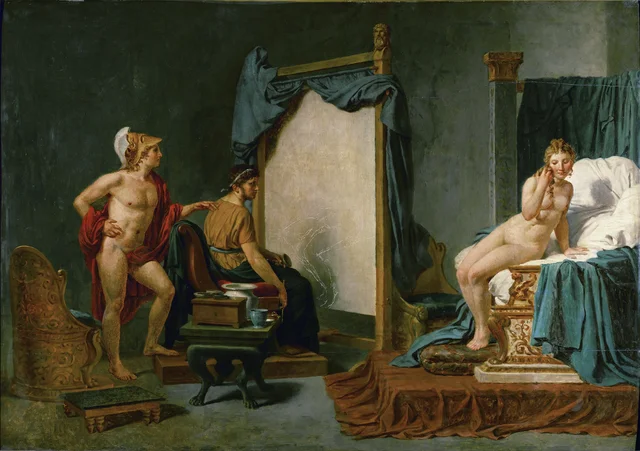 Apelles malt Campaspe in Gegenwart Alexanders des GroßenJacques-Louis David, 1814
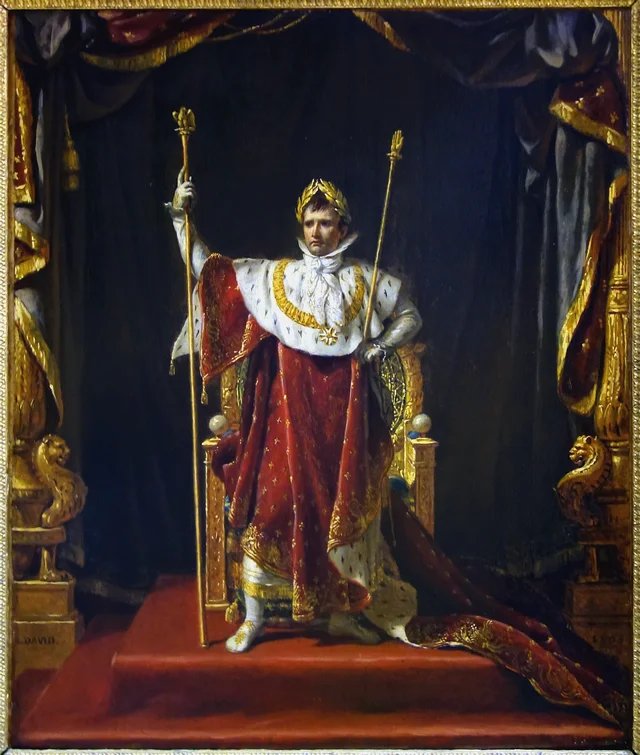 Napoleon im KrönungsornatJacques-Louis David, 1805
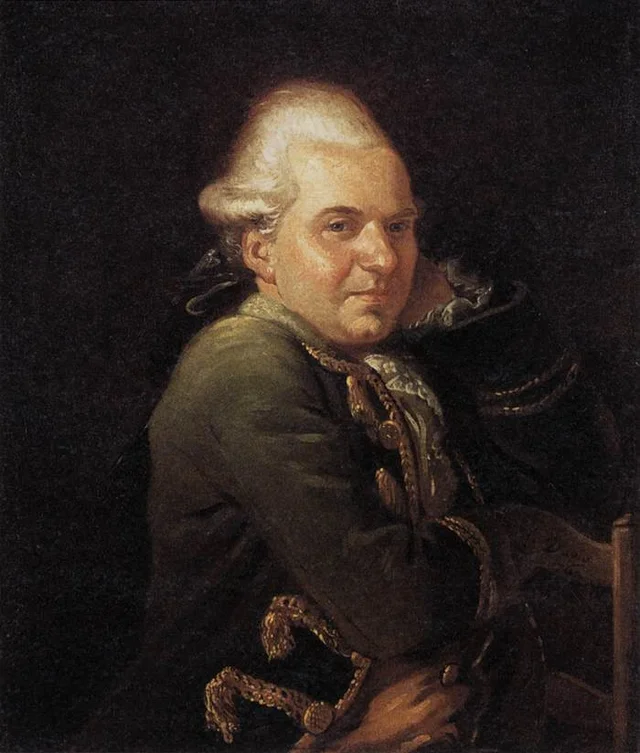 Porträt von François BuronJacques-Louis David, 1769
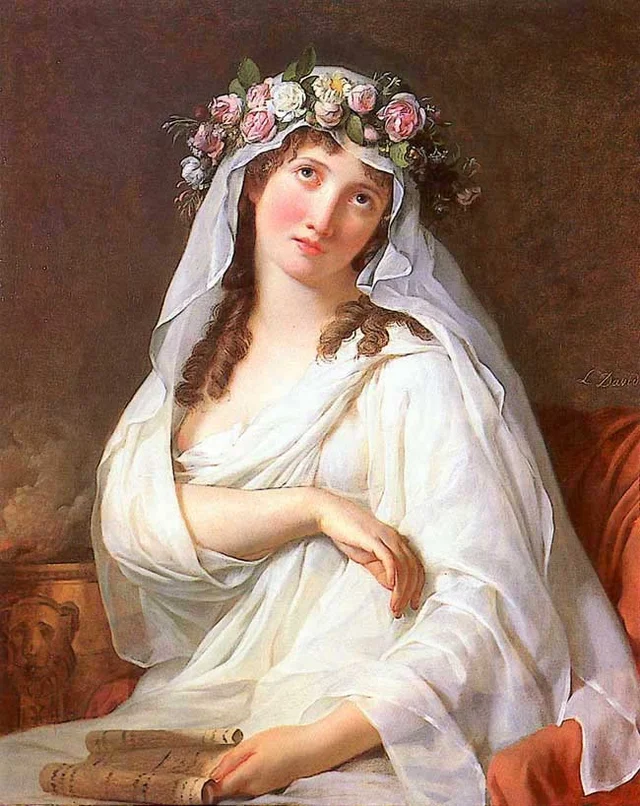 Die VestalinJacques-Louis David, 1783
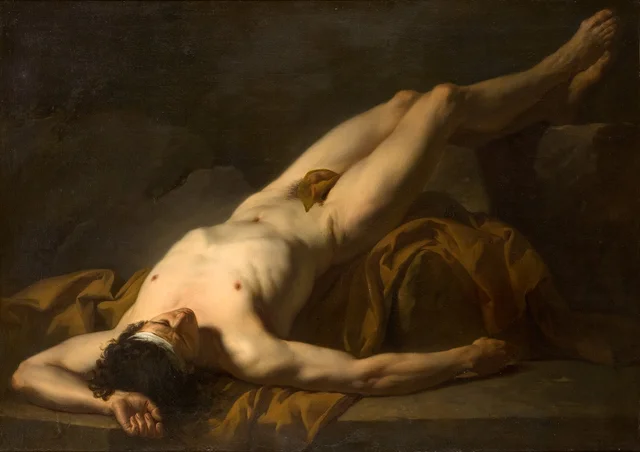 Männerakt-Studie, genannt HektorJacques-Louis David, 1778
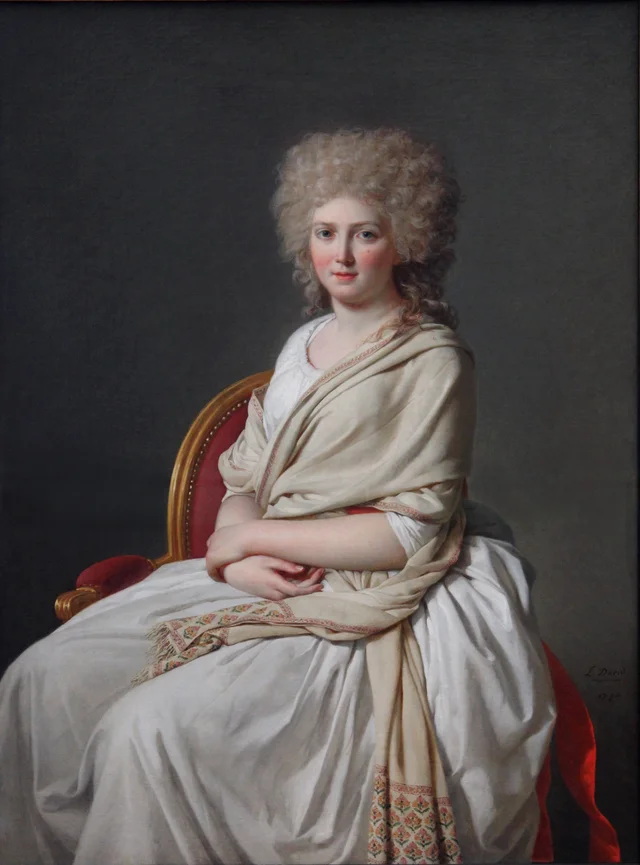 Anne-Marie-Louise Thélusson, Gräfin von SorcyJacques-Louis David, 1790
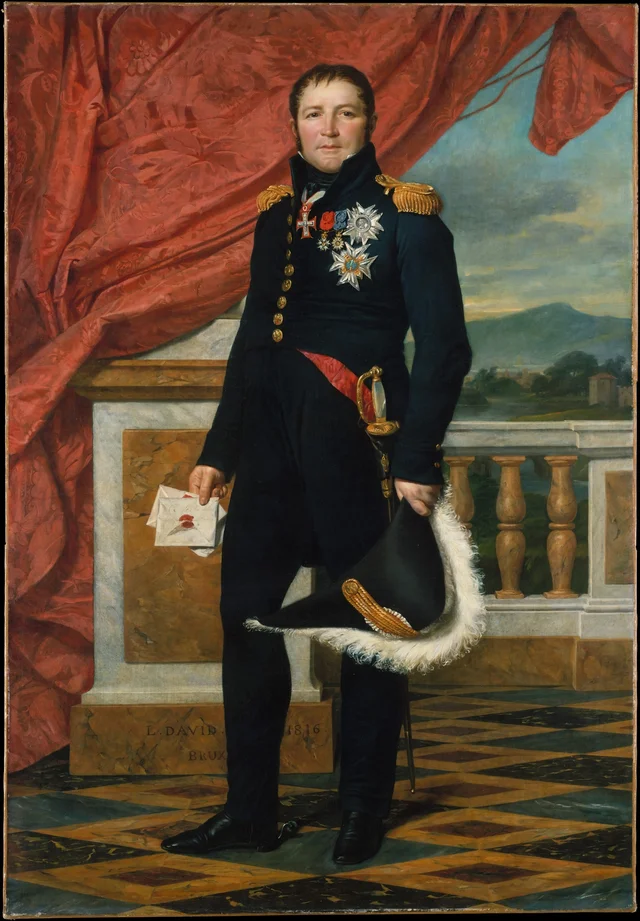 General Étienne-Maurice Gérard (1773-1852), Marschall von FrankreichJacques-Louis David, 1816
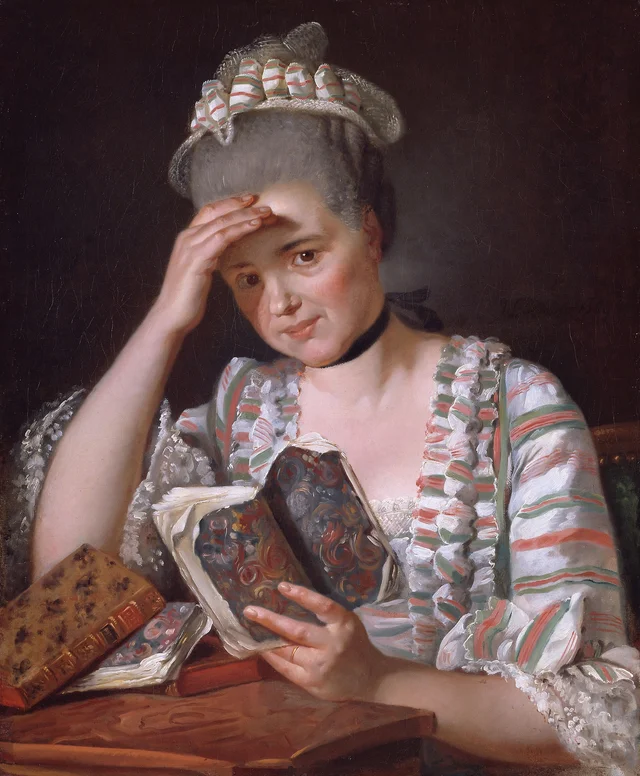 Madame François BuronJacques-Louis David, 1769
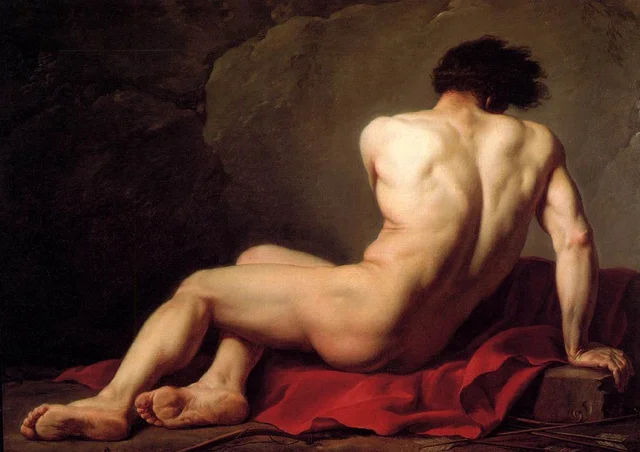 PatroklosJacques-Louis David, 1780
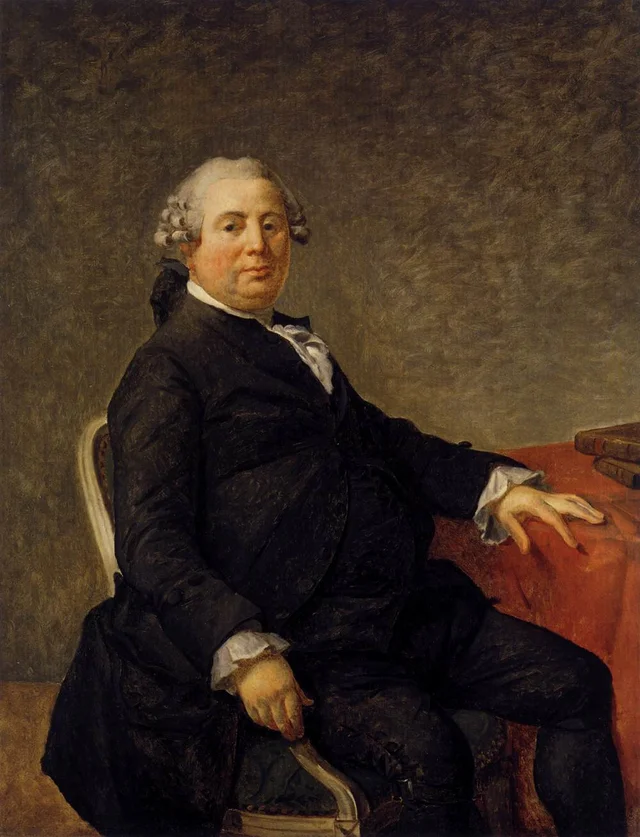 Philippe-Laurent de JoubertJacques-Louis David, 1790
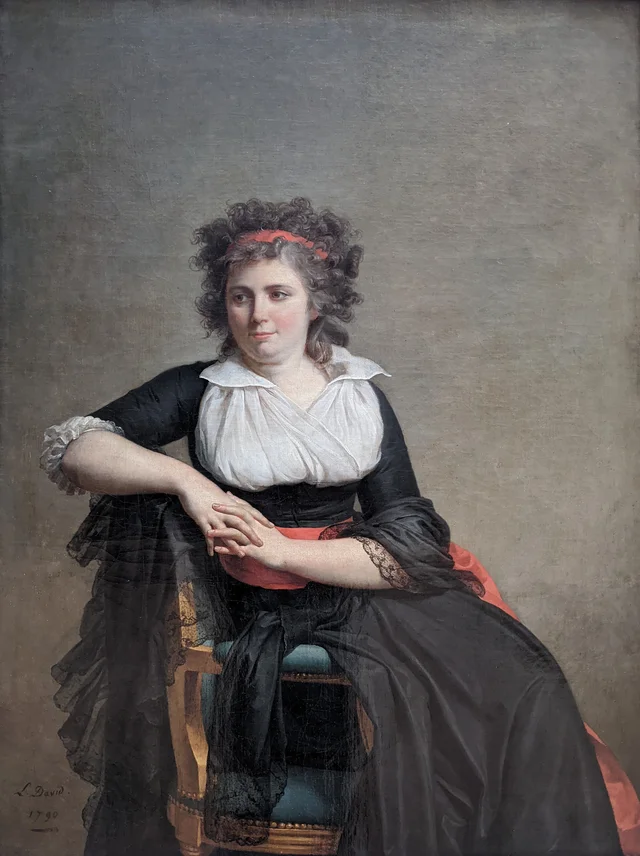 Porträt der Marquise d'OrvilliersJacques-Louis David, 1790