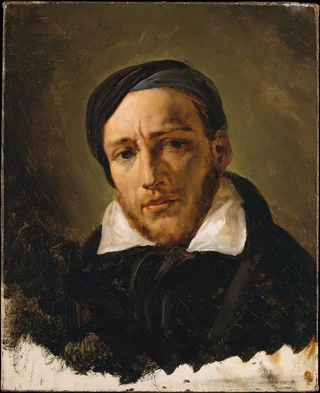
Théodore Géricault
1791–1824 · Frankreich · Romantik
Die Geschichte
Im Juli 1816 lief die französische Marinefregatte Méduse vor der Küste des heutigen Mauretanien auf Grund. Ihr Kapitän, ein royalistischer Günstling mit kaum Seeerfahrung, hatte den Posten eher durch politische Beziehungen als durch Können erhalten. Als das Schiff auseinanderbrach, nahmen die Offiziere die Rettungsboote und setzten 147 Passagiere und Besatzungsmitglieder auf einem eilig gezimmerten Floß aus, das gekappt und sich selbst überlassen wurde. Dreizehn Tage später waren nur noch etwa 15 Menschen am Leben, und der Skandal, der sich direkt gegen die wiedereingesetzte französische Monarchie richtete, die den Kapitän ernannt hatte, war das Gesprächsthema von Paris.
Théodore Géricault, damals 27, verbrachte Monate mit der Vorbereitung einer riesigen Leinwand zu diesem Thema. Er befragte zwei der Überlebenden, ließ von einem Zimmermann ein maßstabsgetreues Modell des Floßes in seinem Atelier bauen und mietete Zimmer in der Nähe eines Pariser Krankenhauses, um die Hauttöne von Leichen und amputierten Gliedmaßen für die sterbenden Figuren im Vordergrund zu studieren. Das fertige Gemälde, mehr als 7 Meter breit, wurde im Salon von 1819 unter dem bewusst neutralen Titel Eine Schiffbruchszene gezeigt, obwohl jeder in Paris längst wusste, welchen Schiffbruch es zeigte.
Géricault blieb nicht lange, um den Ruhm zu genießen, den es ihm einbrachte. Als leidenschaftlicher und leichtsinniger Reiter erholte er sich nie vollständig von einer Reihe von Reitunfällen, und 1824, im selben Jahr, in dem Constable in Paris teils dank Géricaults eigenem Lob eine Goldmedaille gewann, starb Géricault im Alter von 32 Jahren an einem infizierten Rückenmarksabszess.
Weitere Artikel
Werke
45 Werke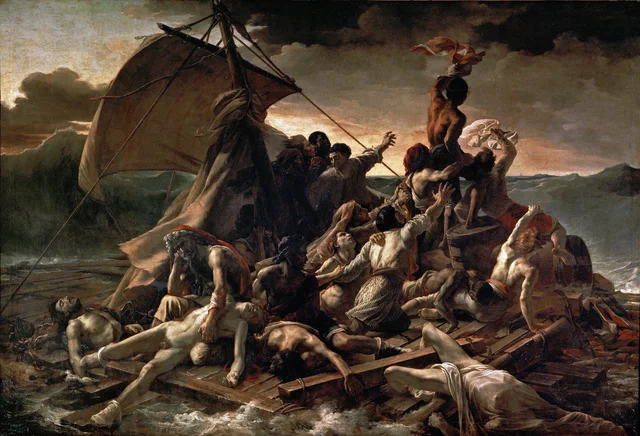 Das Floß der MedusaThéodore Géricault, 1819
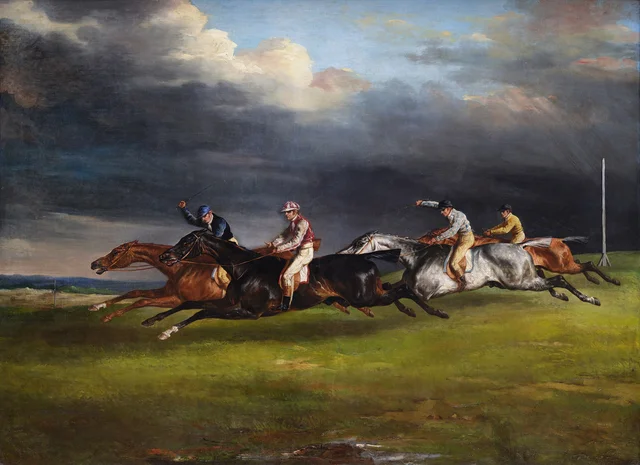 Das Derby von Epsom 1821Théodore Géricault, 1821
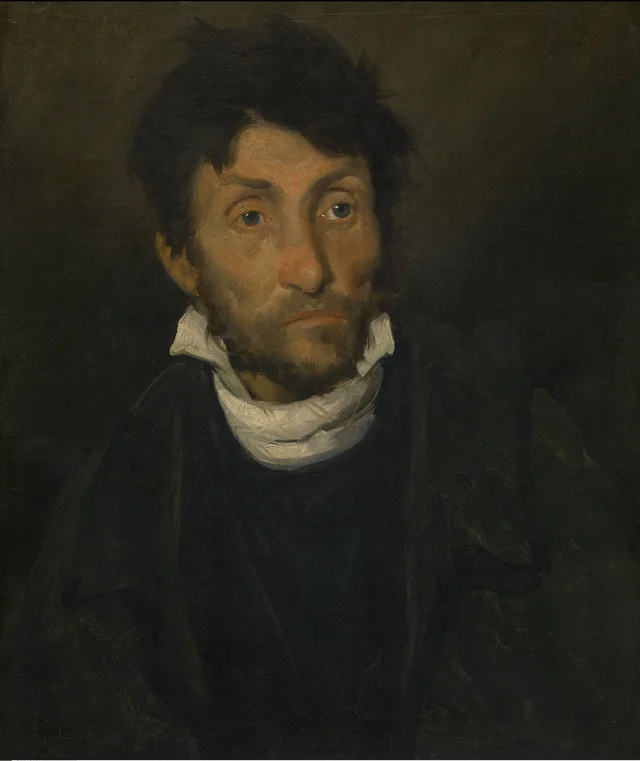 Bildnis einer KleptomaninThéodore Géricault, 1820
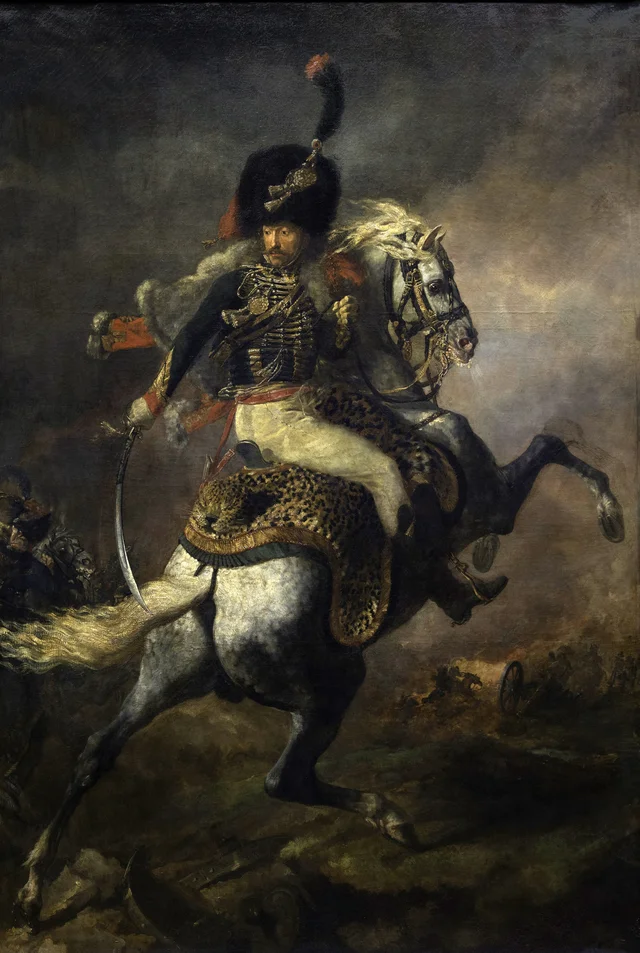 Angreifender Jäger zu PferdeThéodore Géricault, 1812
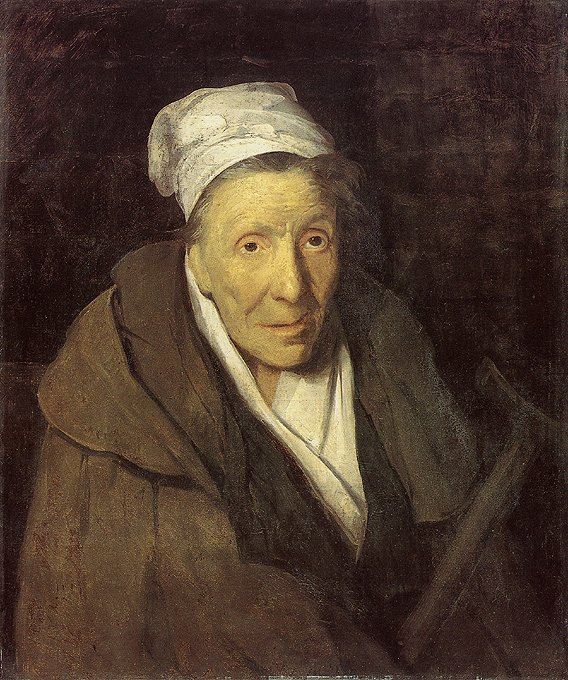 Die SpielsüchtigeThéodore Géricault, 1820
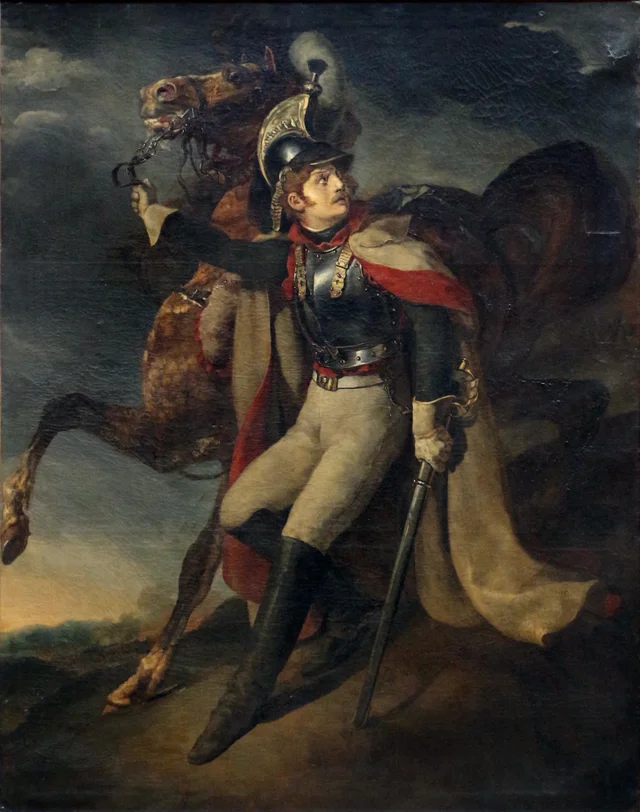 Der verwundete KürassierThéodore Géricault, 1814
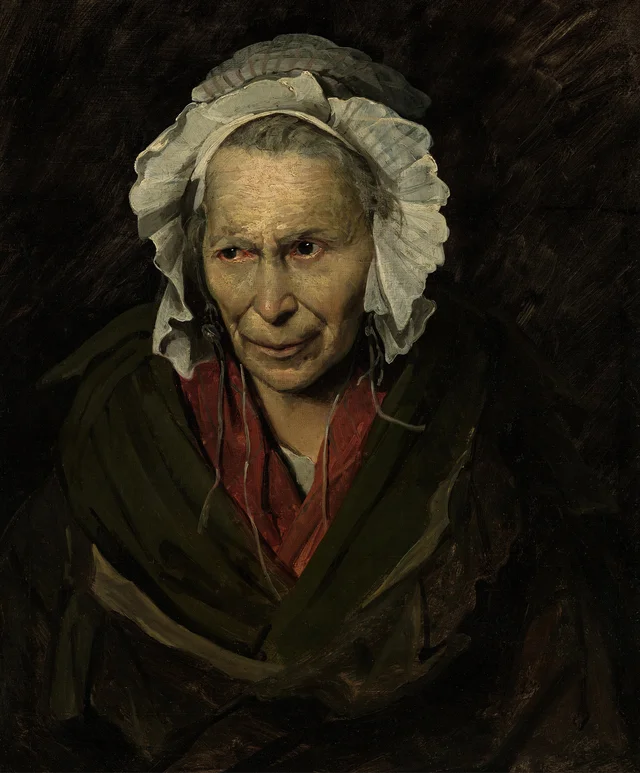 Die WahnsinnigeThéodore Géricault, 1819
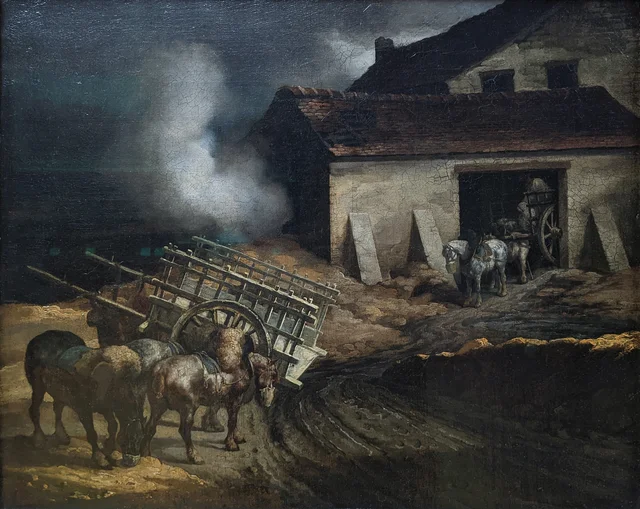 Der GipsofenThéodore Géricault, 1821
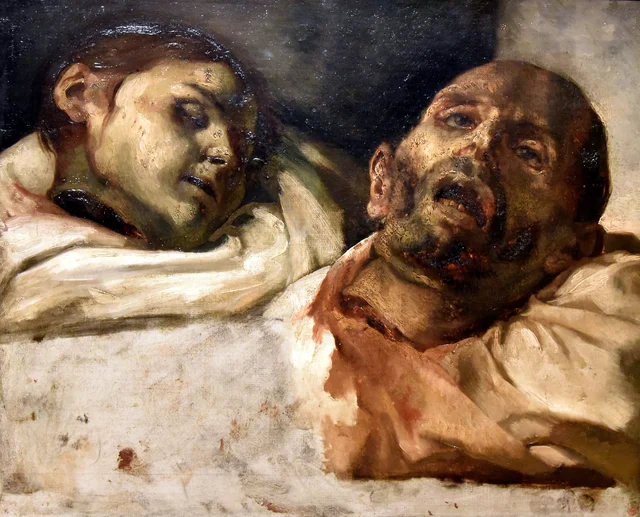 Die abgeschlagenen KöpfeThéodore Géricault, 1818
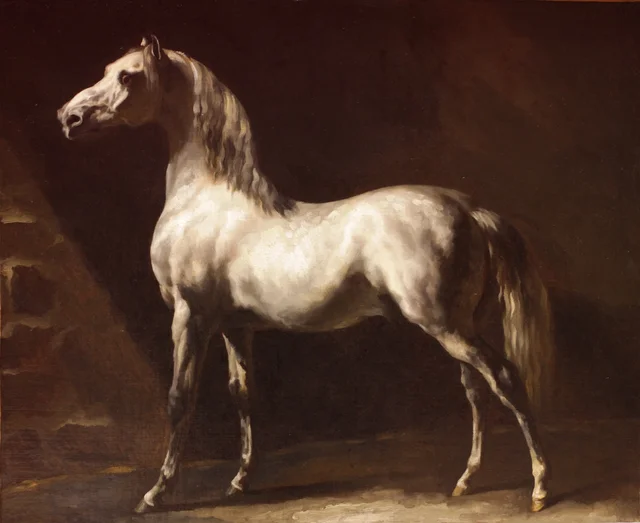 Graues PferdThéodore Géricault, 1812
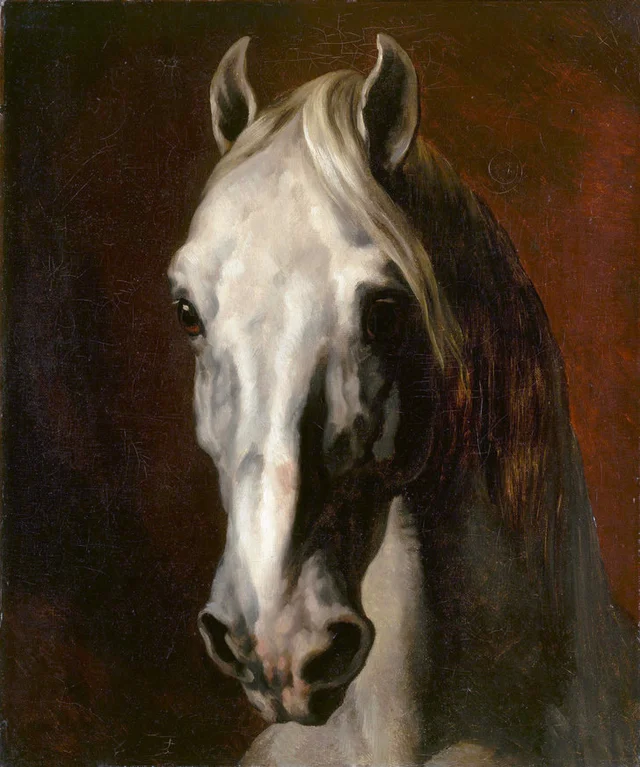 Kopf eines weißen PferdesThéodore Géricault, 1811
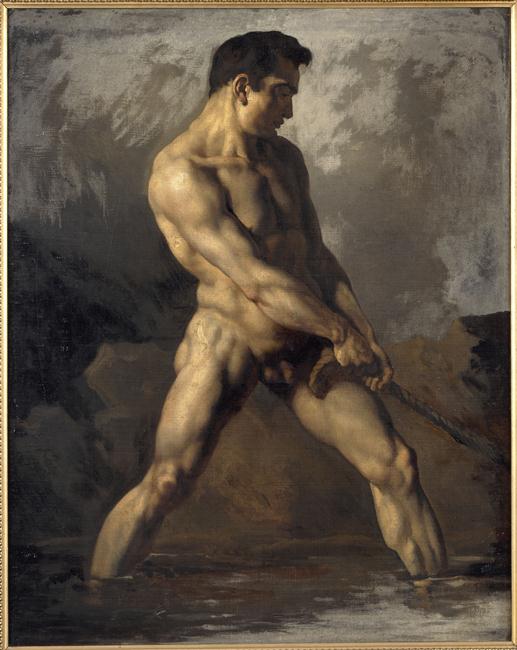 Akademiestudie eines Mannes, der an einem Seil ziehtThéodore Géricault, 1812
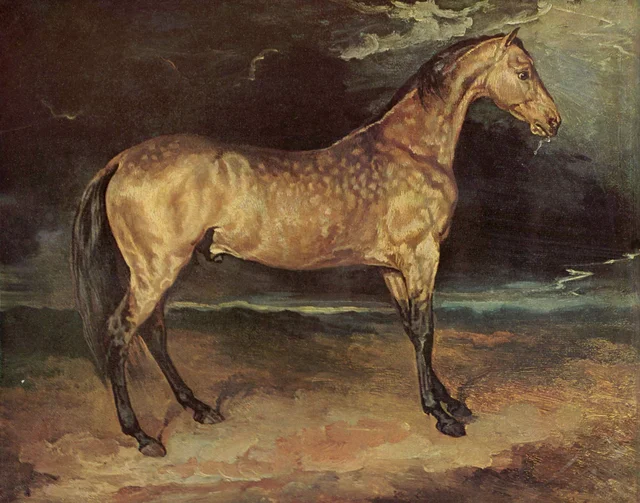 Ein von einem Blitz erschrecktes PferdThéodore Géricault, 1814
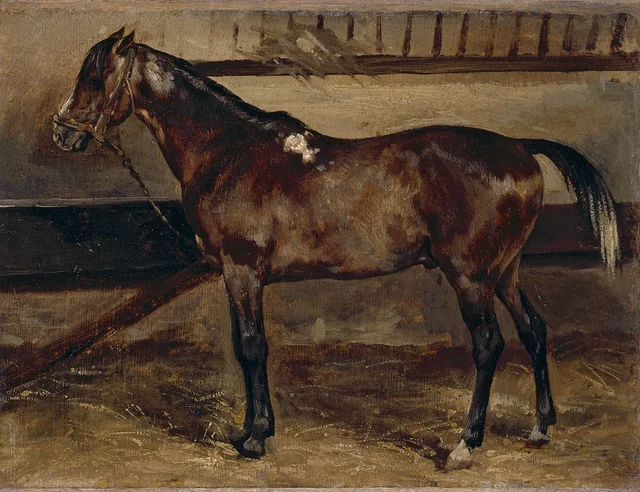 Braunes Pferd im StallThéodore Géricault, 1818
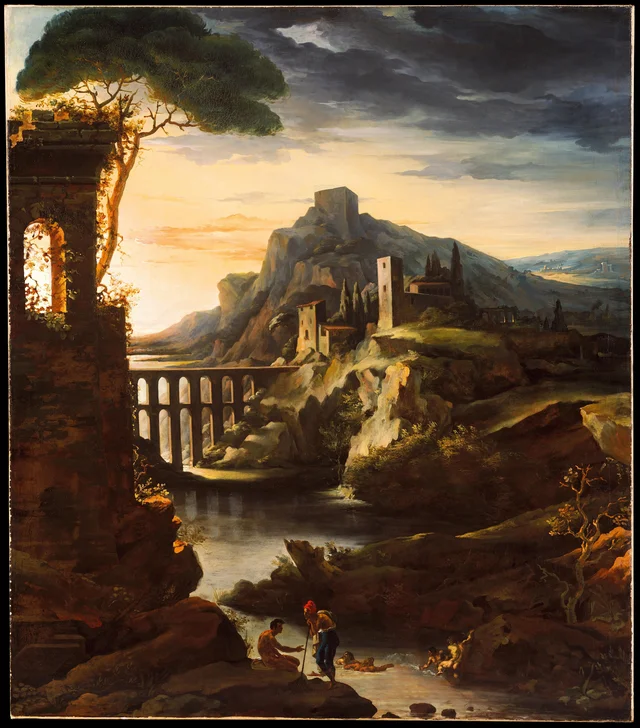 Abend: Landschaft mit AquäduktThéodore Géricault, 1818
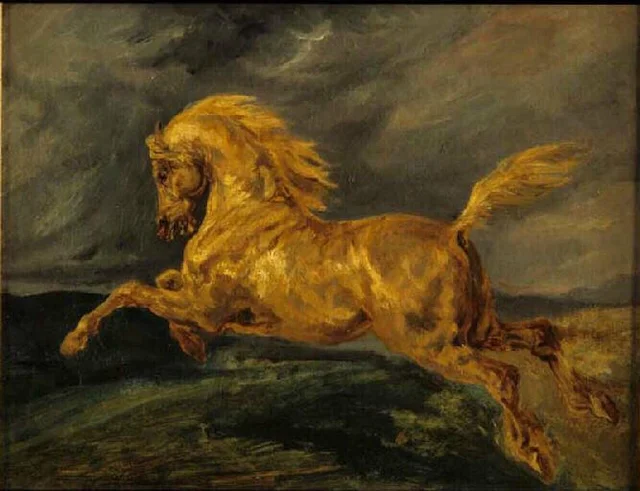 Galoppierendes PferdThéodore Géricault, 1810
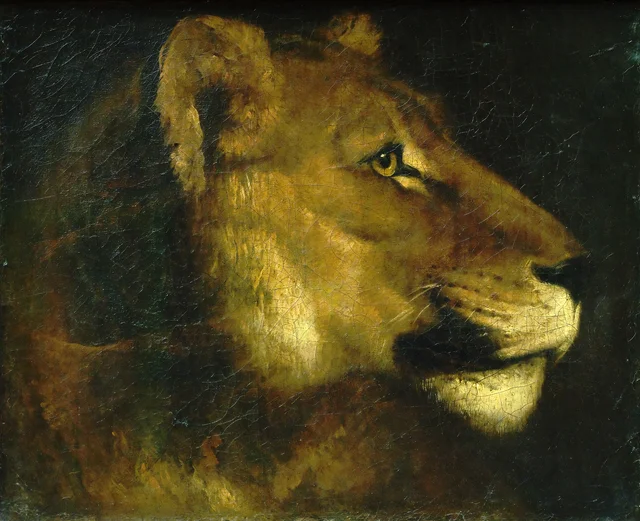 LöwenkopfThéodore Géricault, 1819
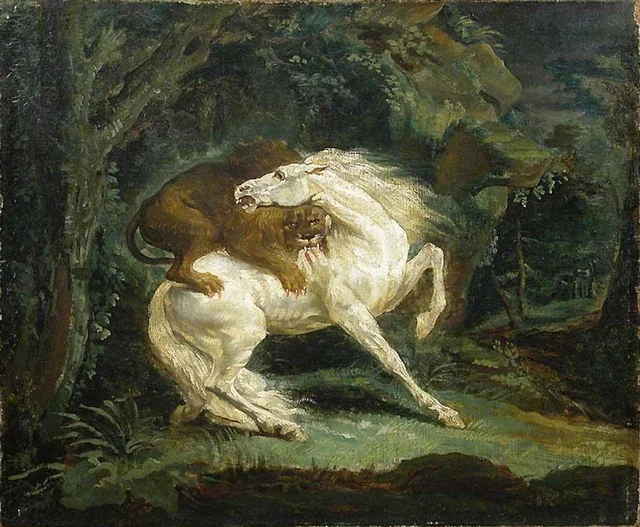 Von einem Löwen angegriffenes PferdThéodore Géricault, 1820
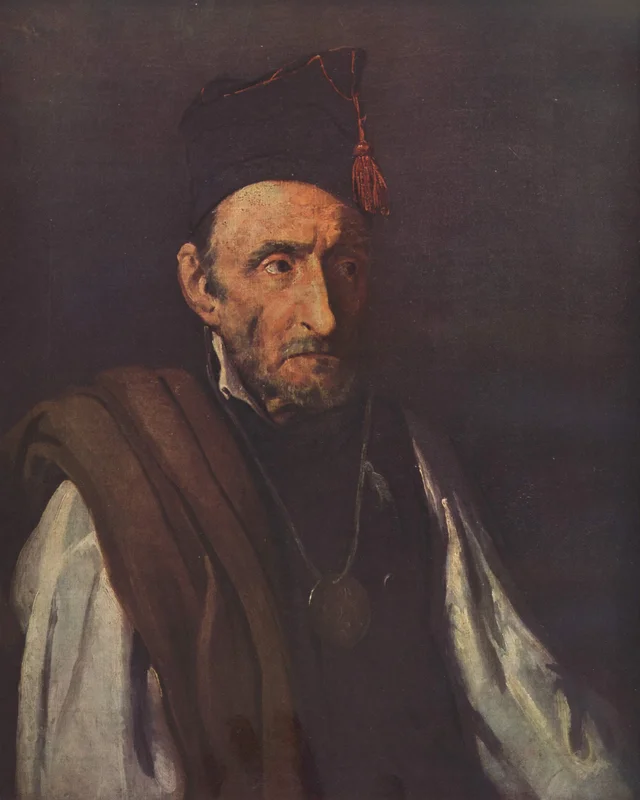 Geisteskranker mit militärischem GrößenwahnThéodore Géricault, 1822
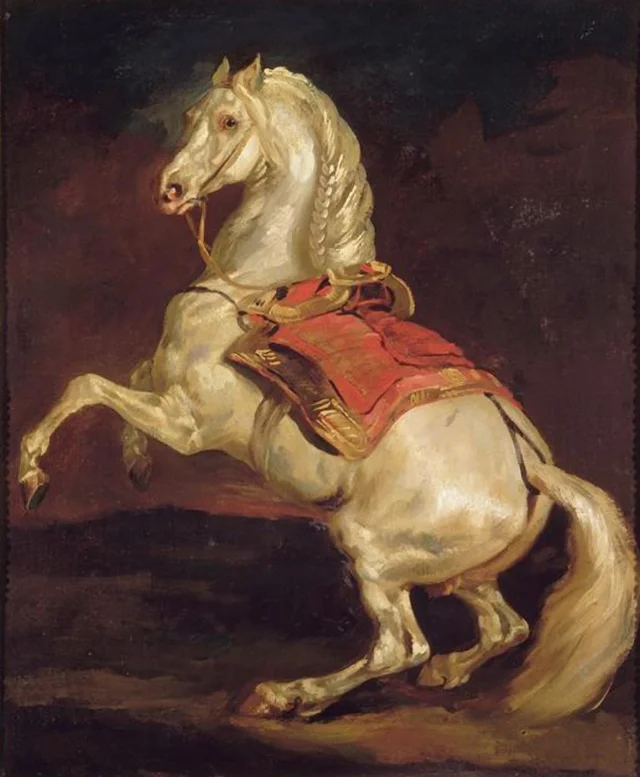 Sich aufbäumendes Pferd mit roter SattelschabrackeThéodore Géricault, 1812
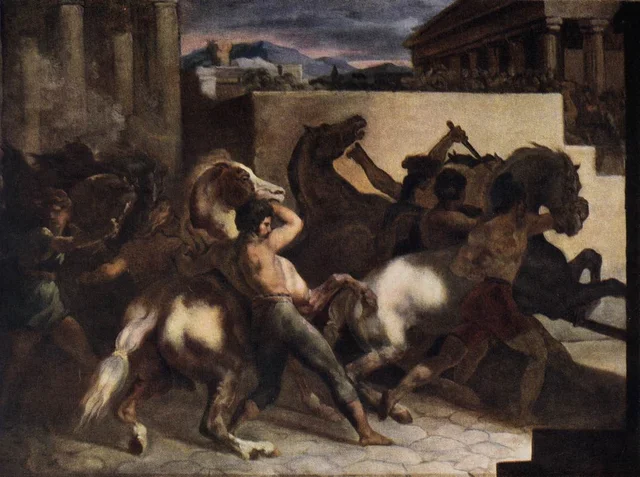 Wettrennen freier PferdeThéodore Géricault, 1817
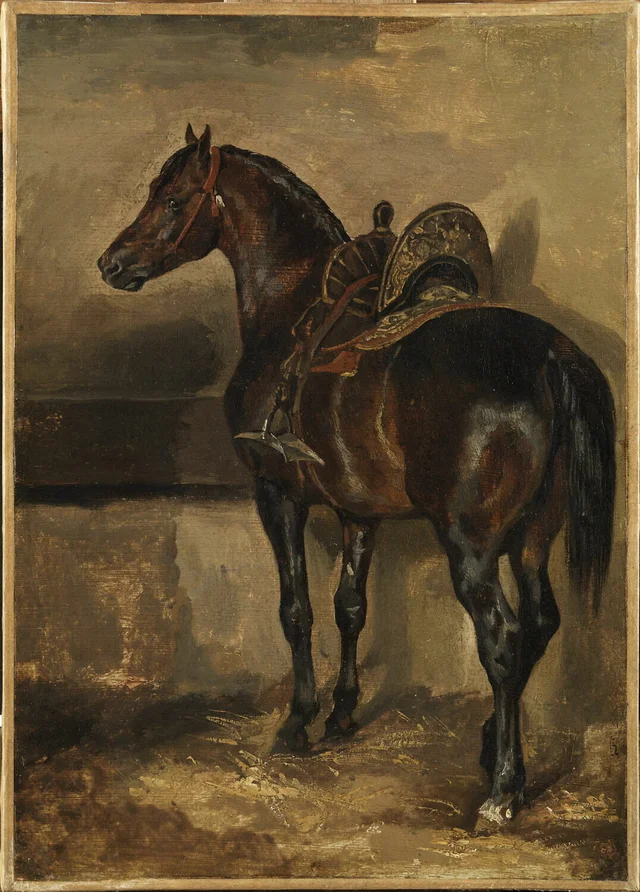 Türkisches Pferd im StallThéodore Géricault, 1811
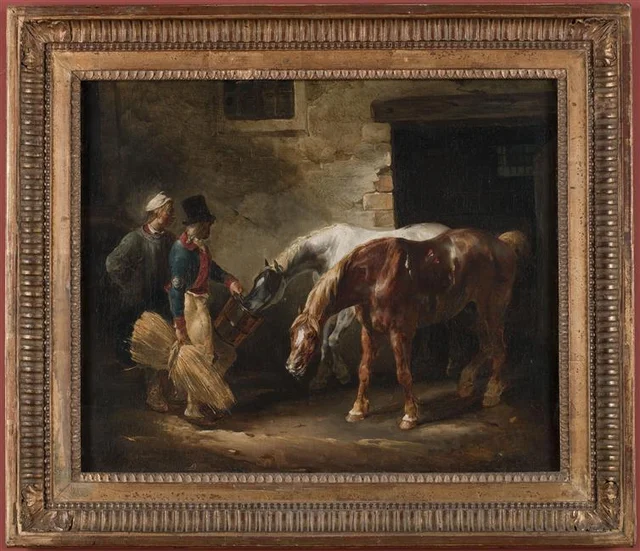 Zwei Postpferde vor einem StallThéodore Géricault, 1821
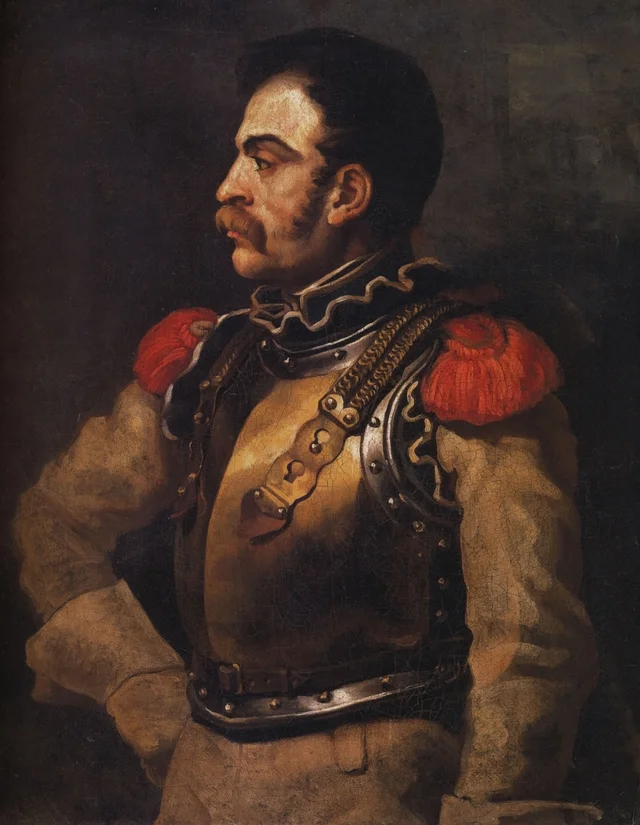 Ein Karabinier, halbfigürlich dargestelltThéodore Géricault, 1814
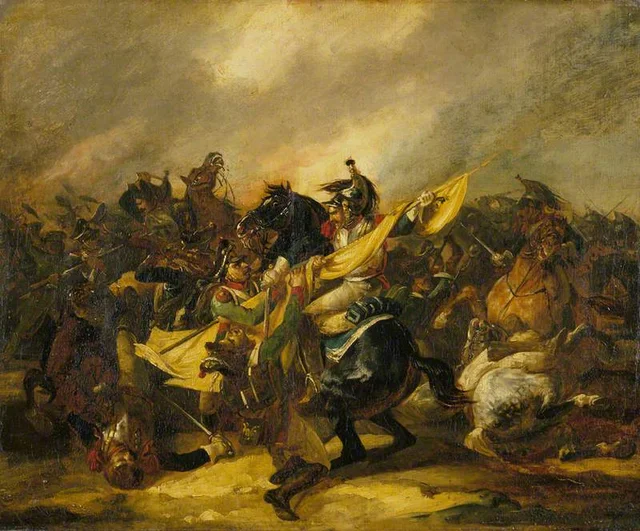 Ein Angriff der KürassiereThéodore Géricault, 1823