Die Geschichte
Piet Mondrian starb 1944 in New York mit einem unvollendeten Gemälde auf der Staffelei: Victory Boogie Woogie, einer rautenförmigen Leinwand, die vor kleinen Blöcken in Rot, Gelb und Blau springt, sein Versuch, den Rhythmus des Manhattan-Jazz einzufangen. Es hängt in Den Haag, im Museum, das mehr von seinem Werk besitzt als jedes andere, rund 300 Stücke, die seinen Weg von gewöhnlichen niederländischen Landschaften bis zum Raster gerader Linien und Grundfarben nachzeichnen, das seinen Namen begründete.
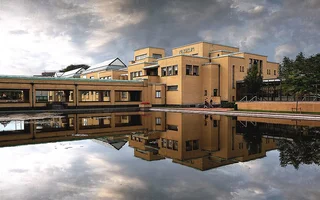
Das Gebäude passt zu ihm. Es war der letzte Entwurf von Hendrik Berlage, dem oft als Vater der modernen niederländischen Architektur bezeichneten Baumeister, der 1934 vor seiner Fertigstellung starb. Es eröffnete 1935, eine ruhige Komposition aus gelbem Backstein und langen, niedrigen Sälen, unter den ersten Museen, die darauf angelegt waren, die Besucher sanft von Raum zu Raum zu führen.
Um die Mondrians herum bleibt die Sammlung derselben Welt des frühen 20. Jahrhunderts treu, mit De-Stijl-Möbeln, Art-déco-Objekten und einem großen Bestand moderner Mode, sodass die flache Geometrie an den Wänden ihre Stühle und ihre Kleider in der Nähe hat.
Sammlung
49 Werke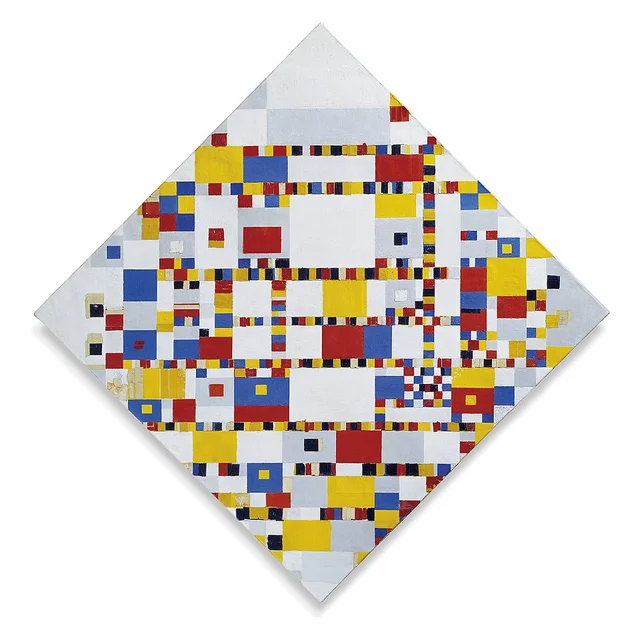 Victory Boogie WoogiePiet Mondrian, 1942
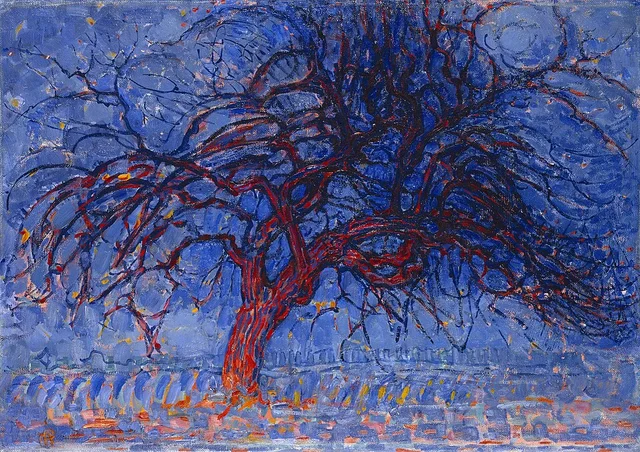 Der rote BaumPiet Mondrian, 1909
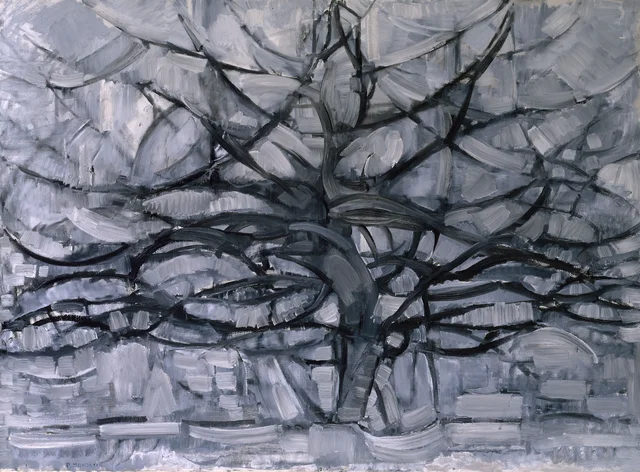 Der graue BaumPiet Mondrian, 1911
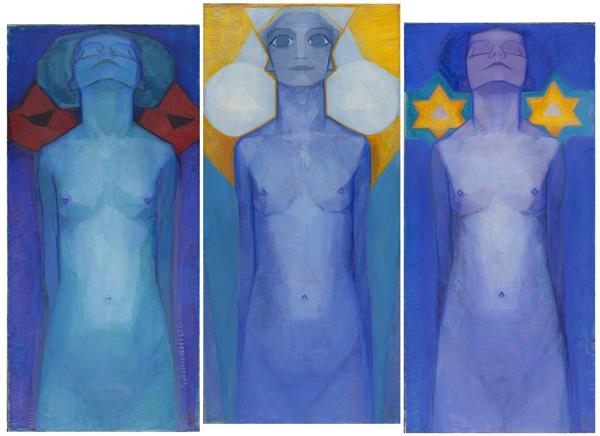 EvolutionPiet Mondrian, 1911
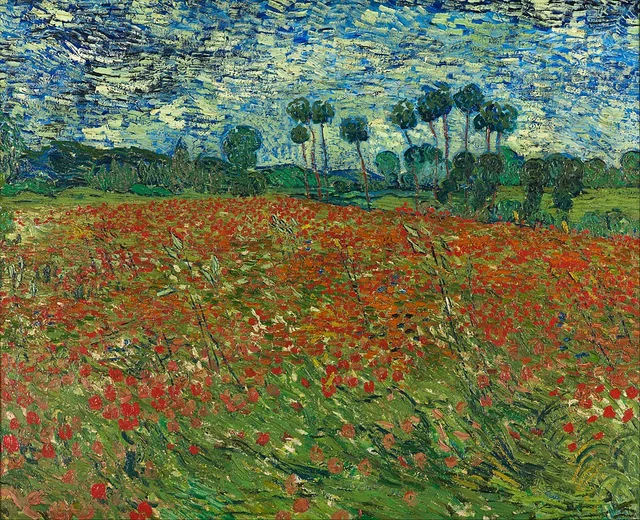 MohnfeldVincent van Gogh, 1890
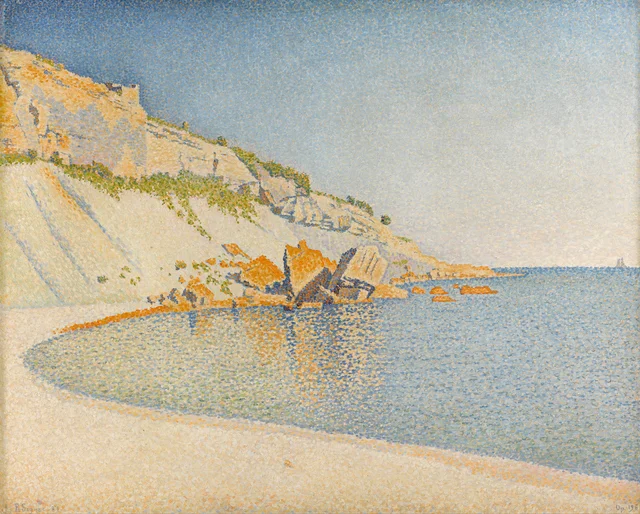 Cassis, Cap Lombard, Opus 196Paul Signac, 1889
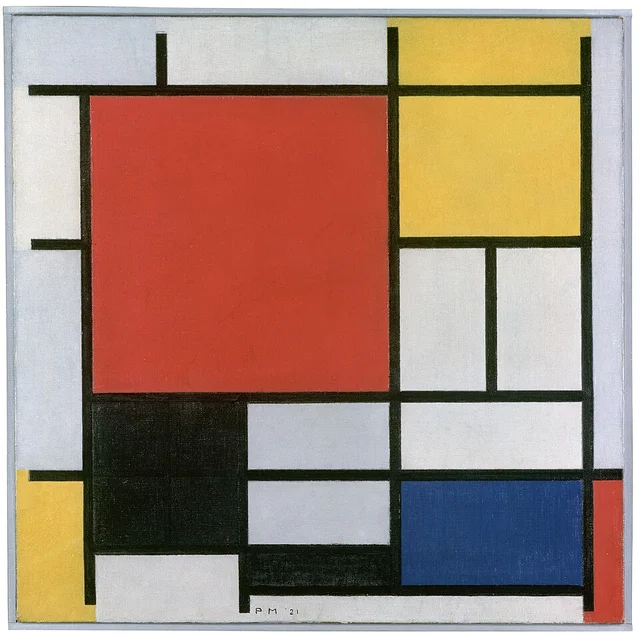 Komposition mit großer roter Fläche, Gelb, Schwarz, Grau und BlauPiet Mondrian, 1921
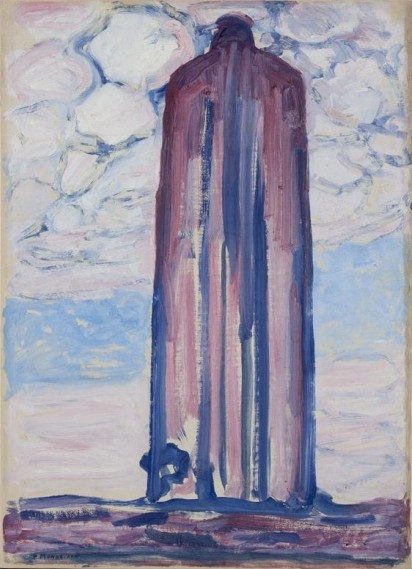 Leuchtturm in WestkapellePiet Mondrian, 1908
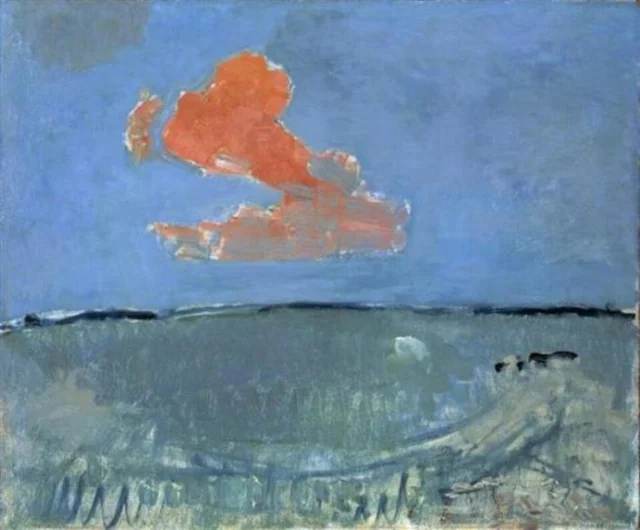 Die rote WolkePiet Mondrian, 1907
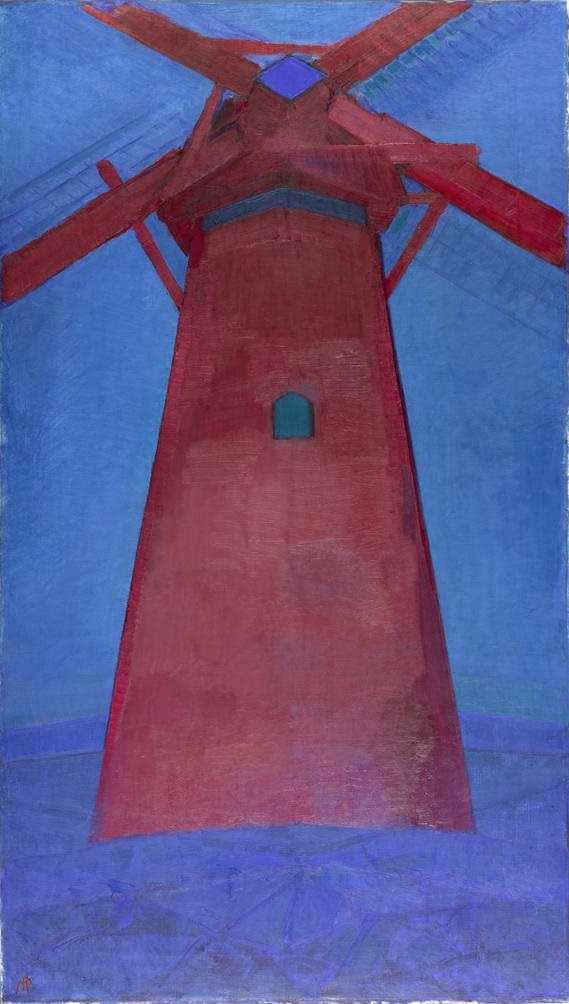 Die rote MühlePiet Mondrian, 1910
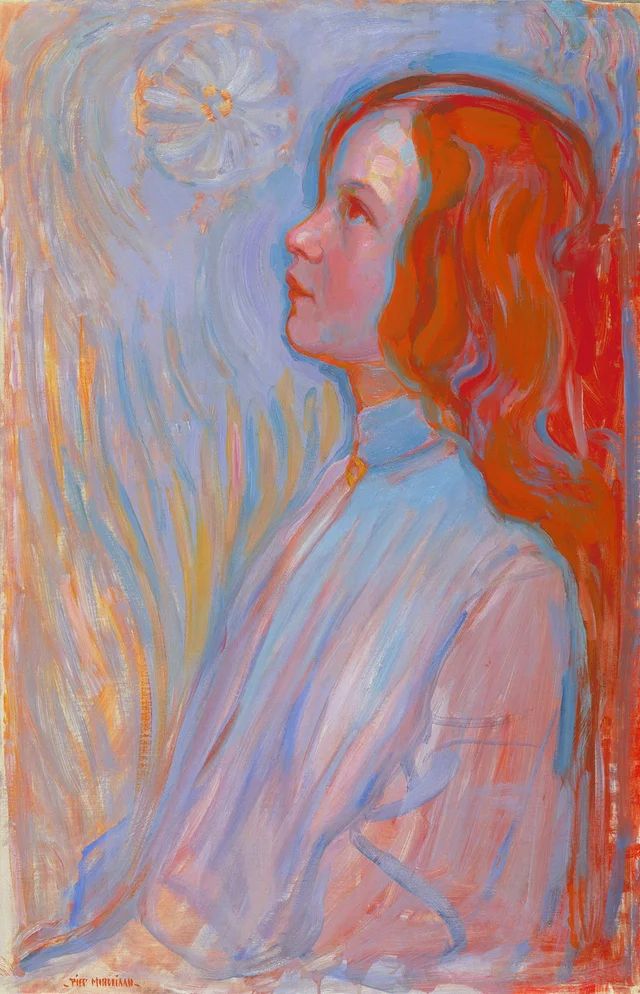 AndachtPiet Mondrian, 1908
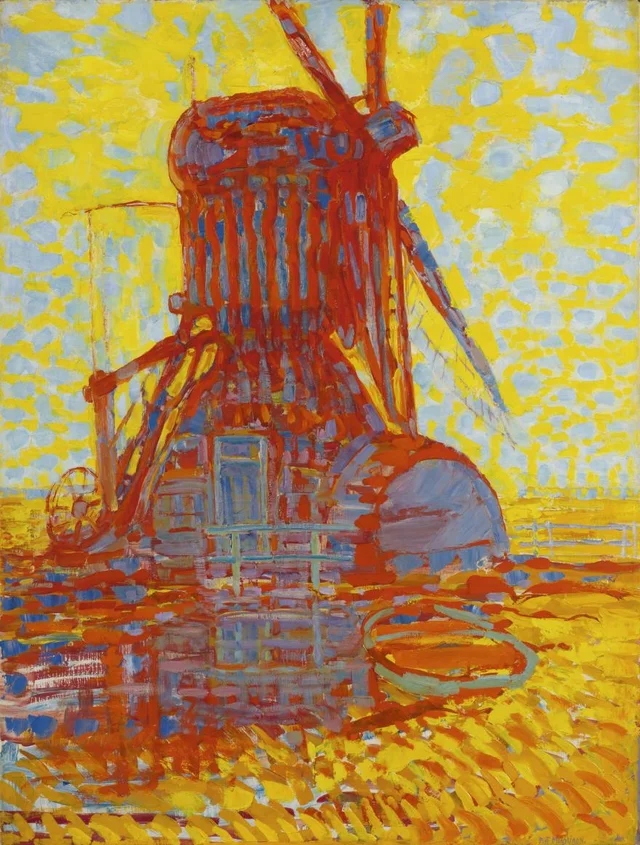 Mühle im SonnenlichtPiet Mondrian, 1908
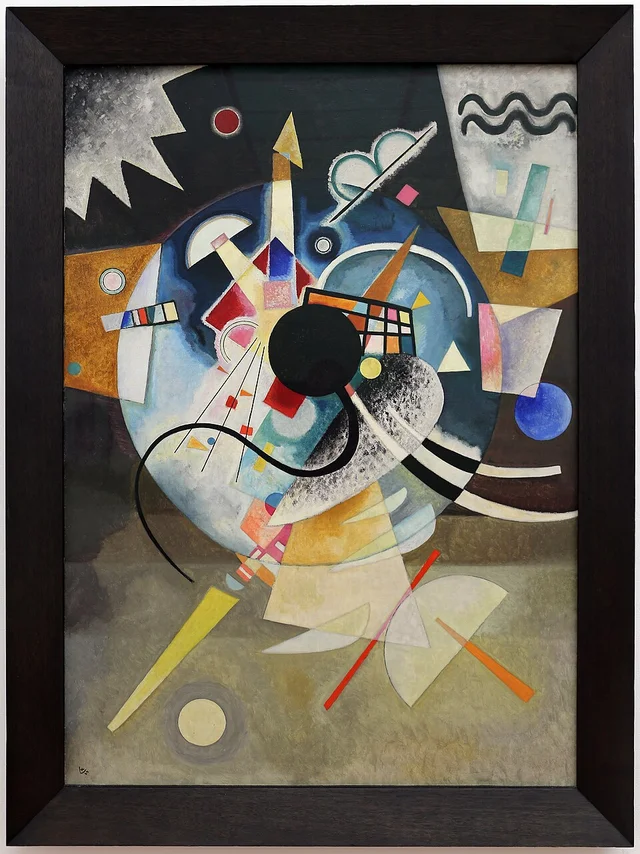 Ein ZentrumWassily Kandinsky, 1922
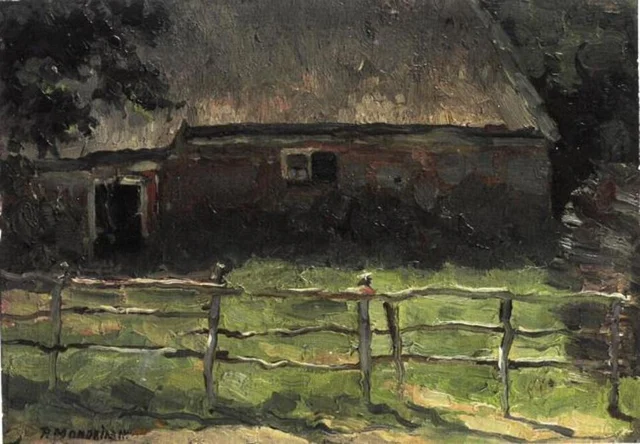 Bauernhof hinter einem ZaunPiet Mondrian, 1904
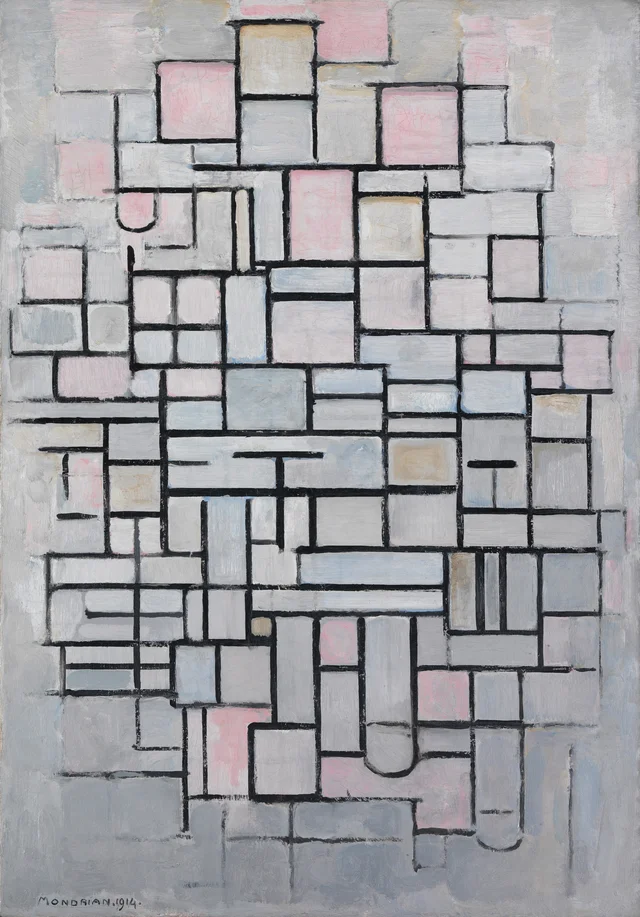 Komposition Nr. IV / Komposition 6Piet Mondrian, 1914
 Bauernhof mit HeuhaufenPiet Mondrian, 1898
 Blühender Garten mit WegVincent van Gogh, 1888
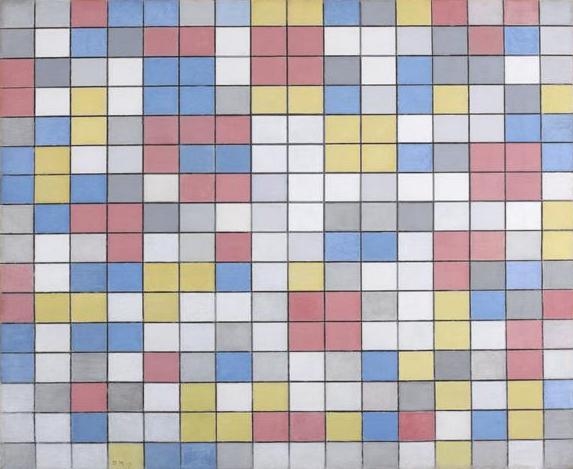 Komposition mit Gitter 9: Schachbrettkomposition mit hellen FarbenPiet Mondrian, 1919
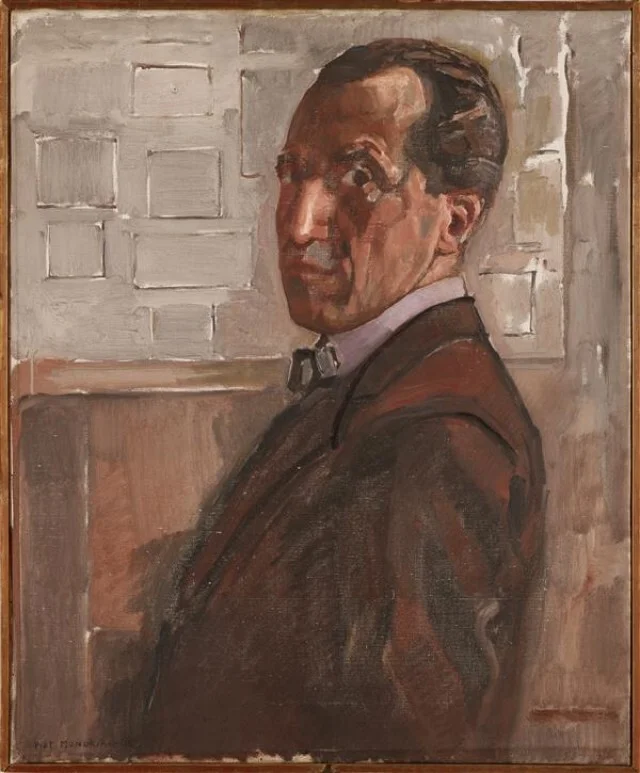 SelbstbildnisPiet Mondrian, 1918
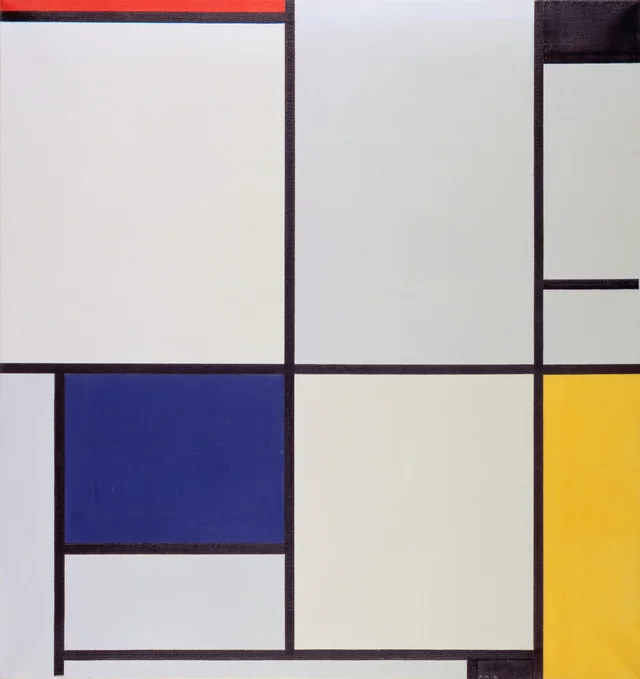 Tableau IPiet Mondrian, 1921
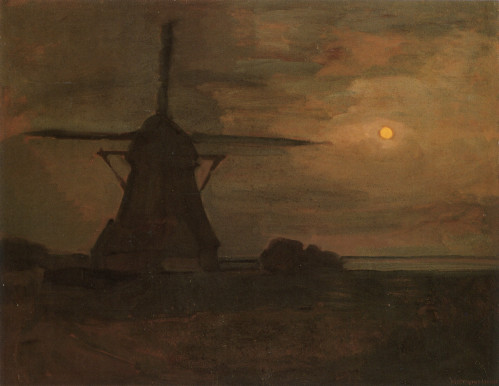 Mühle im MondlichtPiet Mondrian, 1907
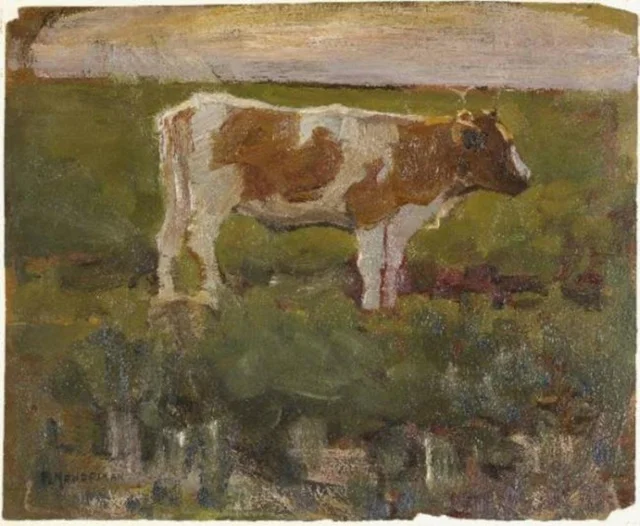 Braun-weiße FärsePiet Mondrian, 1904
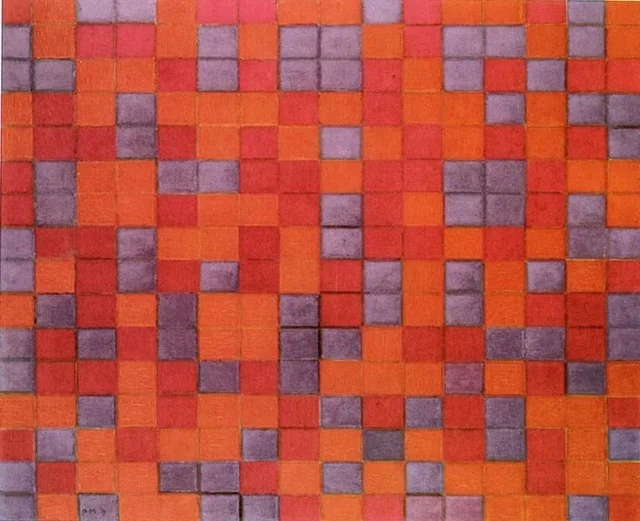 Komposition: Schachbrett, dunkle FarbenPiet Mondrian, 1919
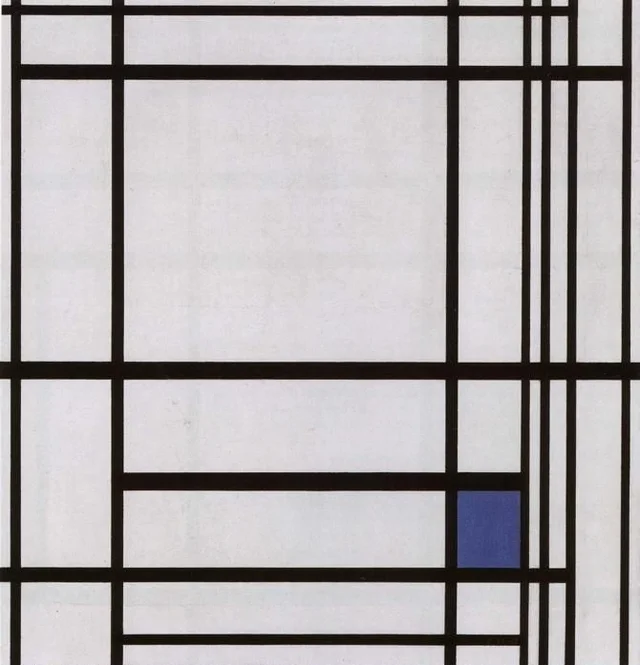 Komposition aus Linien und Farbe: IIIPiet Mondrian, 1937
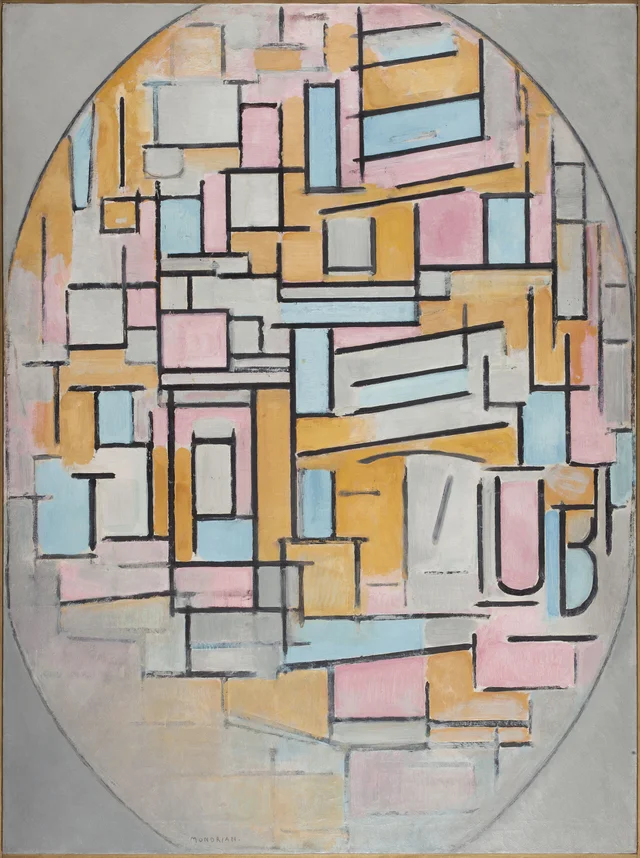 Komposition mit Oval in Farbflächen IIPiet Mondrian, 1914