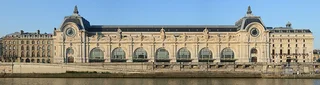
Die Geschichte
Das Musée d’Orsay war zuerst ein Bahnhof. Es öffnete im Mai 1900 an der Seine, in aller Eile fertiggestellt für die Weltausstellung, die Paris in jenem Sommer füllte. Der Architekt Victor Laloux verbarg die eiserne Bahnhalle hinter einer Werksteinfront und setzte über die Bahnsteige ein Hotel, und der Bau lief als weltweit erster elektrifizierter Stadtbahnhof, die Züge glitten ohne Rauch und Dampf unter dem Glasdach ein und aus.
Die Eleganz war auch sein Verhängnis. Die Bahnsteige waren zu kurz für die längeren Züge, die in Dienst kamen, und bis 1939 hatten die Hauptlinien den Bahnhof für andere Stationen verlassen. Jahrzehntelang stand die Gare d’Orsay halb leer und vom Abriss bedroht, und Orson Welles drehte große Teile seines Kafka-Films Der Prozess von 1962 in ihren verlassenen Hallen. 1978 stellte der französische Staat das Gebäude unter Schutz und beschloss, ein Museum daraus zu machen.
Es wurde 1986 wiedereröffnet, der französischen Kunst zwischen 1848 und 1914 gewidmet, jener Spanne, die den Impressionismus umfasst. Unter dem großen Glasgewölbe finden sich heute Manets Olympia, Van Goghs Selbstbildnisse, Degas’ Tänzerinnen und Monets Kathedralen, eine der bedeutendsten Sammlungen impressionistischer und postimpressionistischer Kunst weltweit. Hoch an der Stirnwand blickt noch die originale Bahnhofsuhr in die Halle und zeigt den Besuchern die Zeit.
Weitere Artikel
Sammlung
617 Werke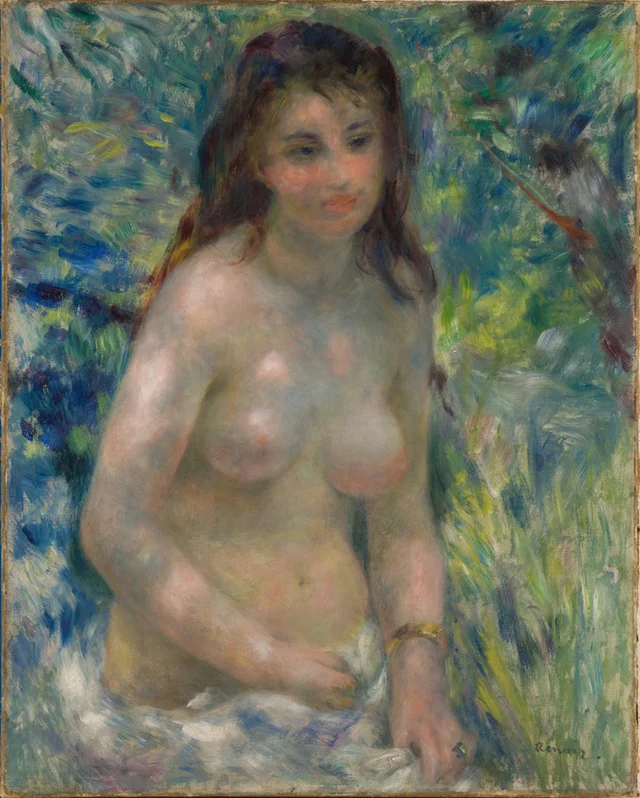 Torso, SonnenlichteffektPierre-Auguste Renoir, 1875
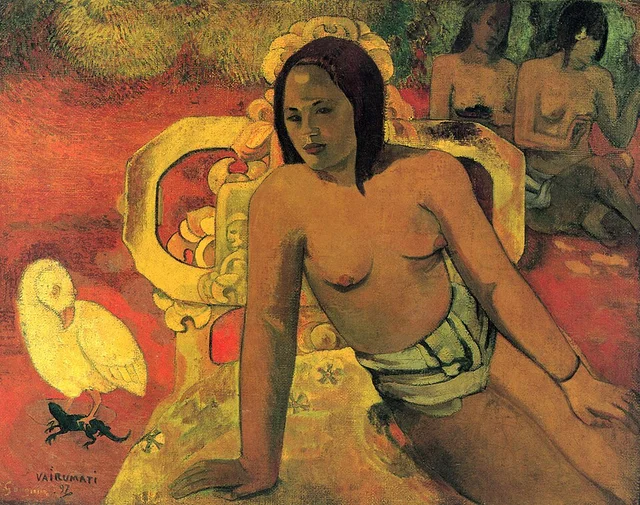 VairumatiPaul Gauguin, 1897
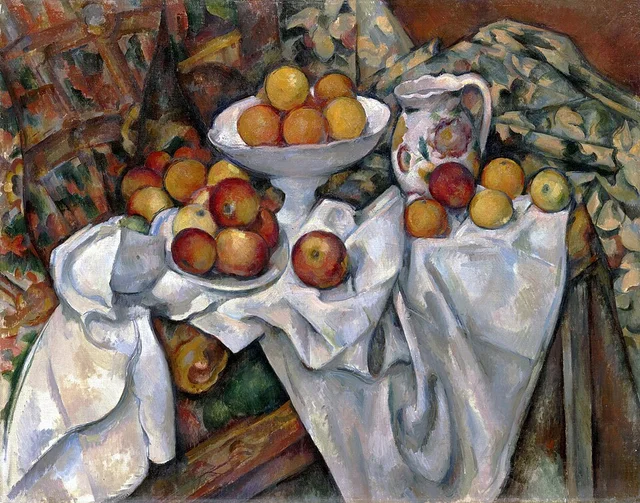 Äpfel und OrangenPaul Cézanne, 1899
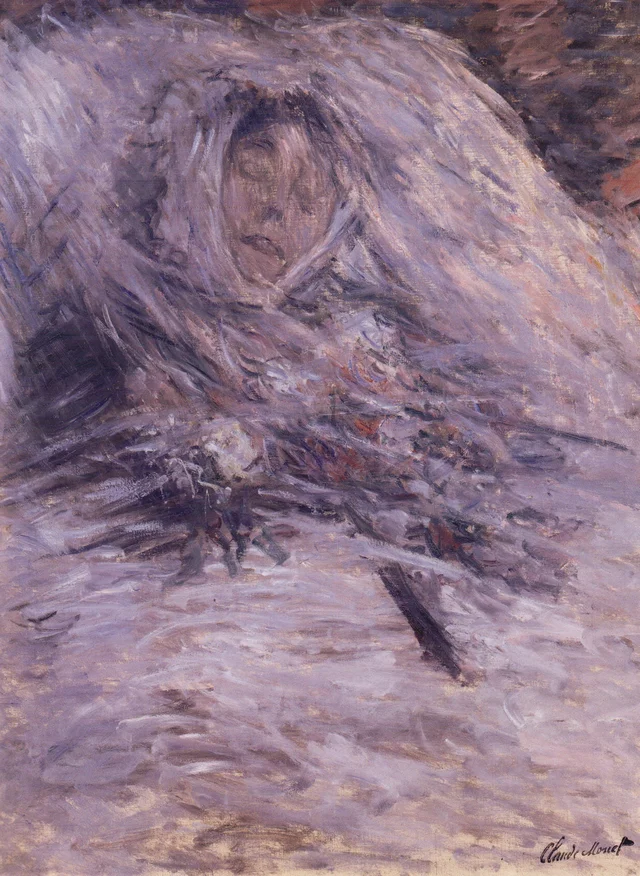 Camille Monet auf dem TotenbettClaude Monet, 1879
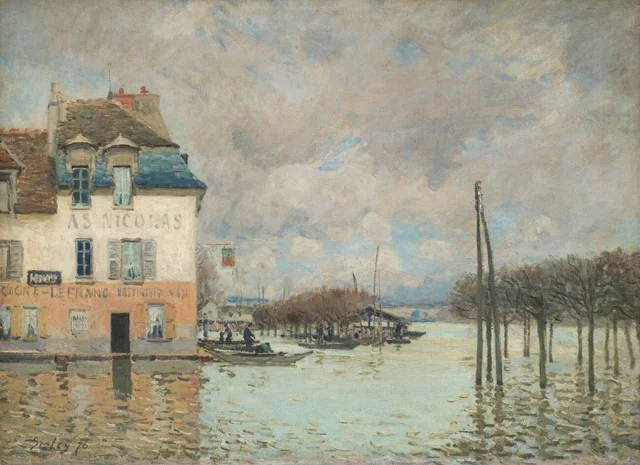 Die Überschwemmung von Port-MarlyAlfred Sisley, 1876
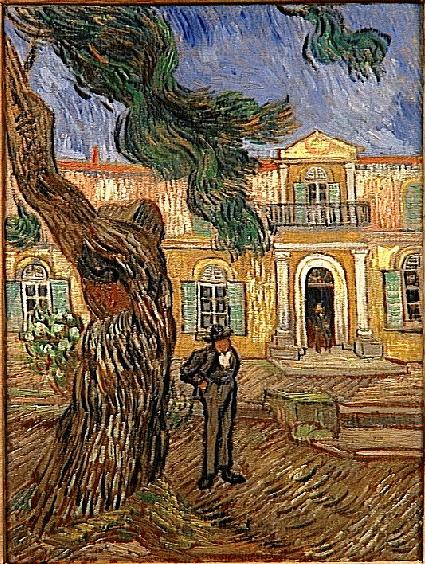 Das Hospital Saint-Paul in Saint-Rémy-de-ProvenceVincent van Gogh, 1889
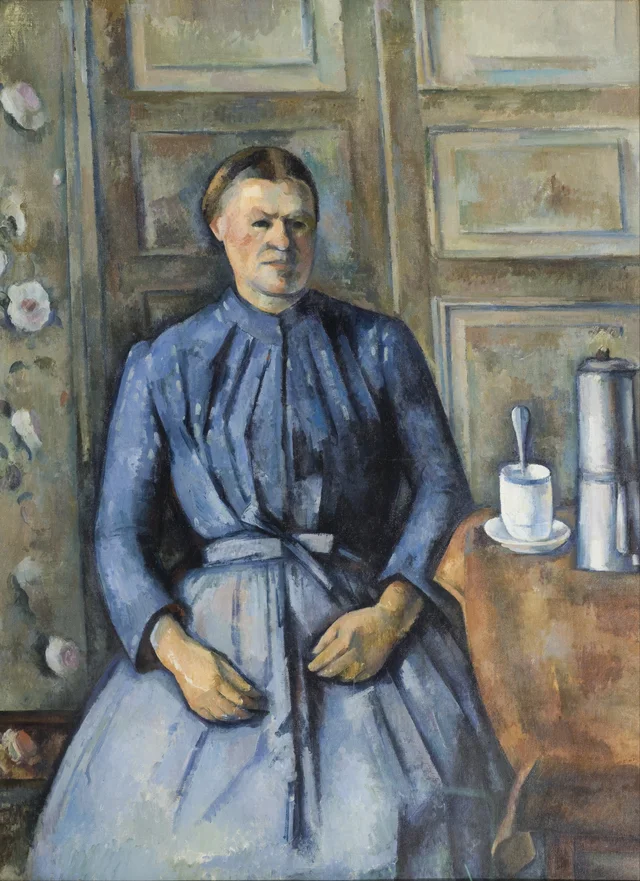 Frau mit KaffeekannePaul Cézanne, 1895
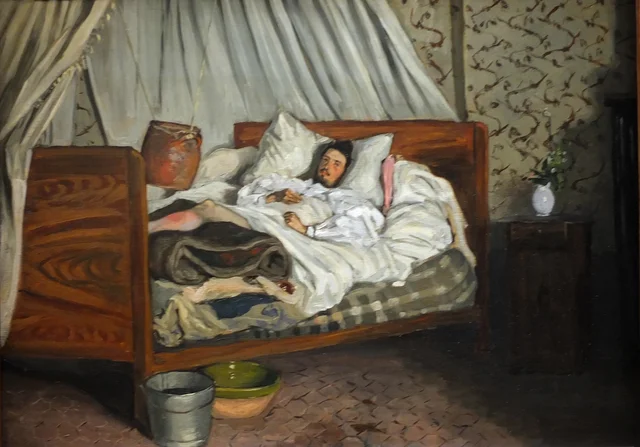 Das improvisierte FeldlazarettFrédéric Bazille, 1865
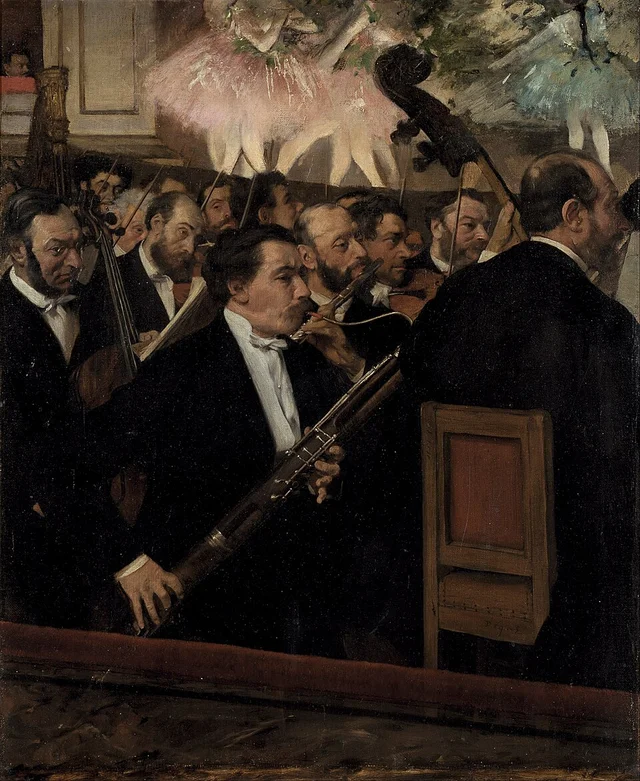 Das Orchester der OperEdgar Degas, 1868
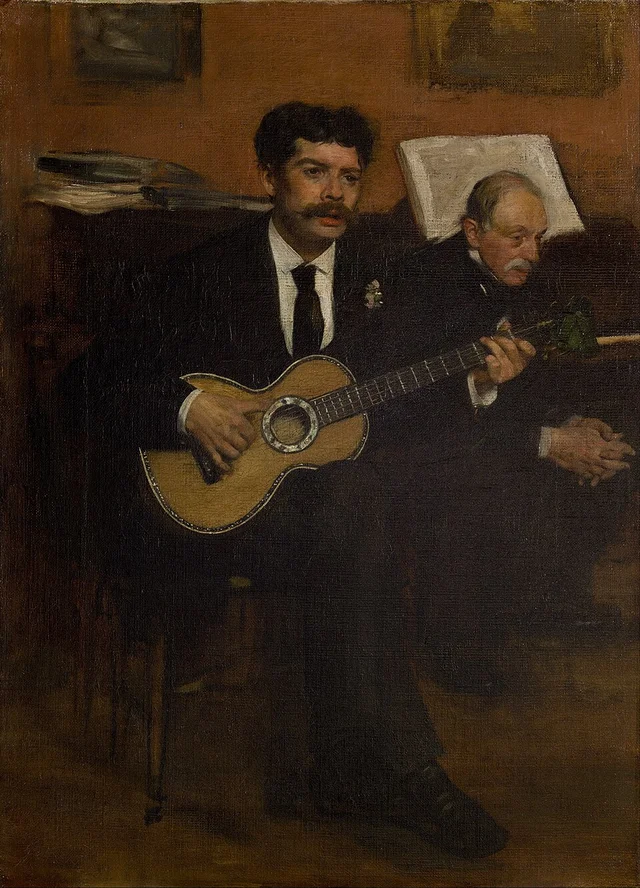 Lorenzo Pagans und Auguste de GasEdgar Degas, 1871
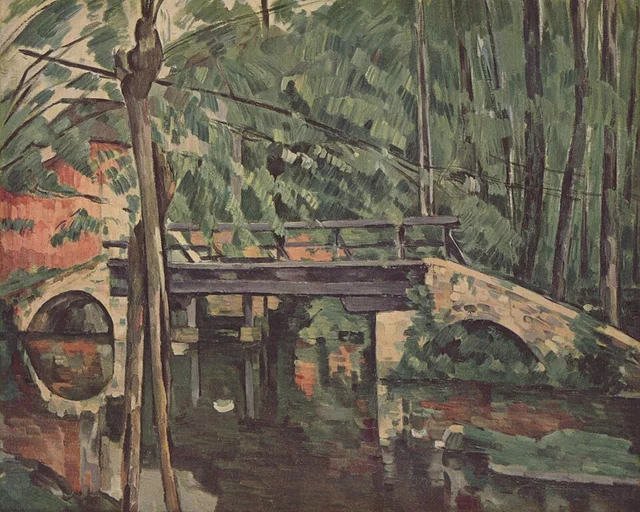 Die Brücke von MaincyPaul Cézanne, 1879
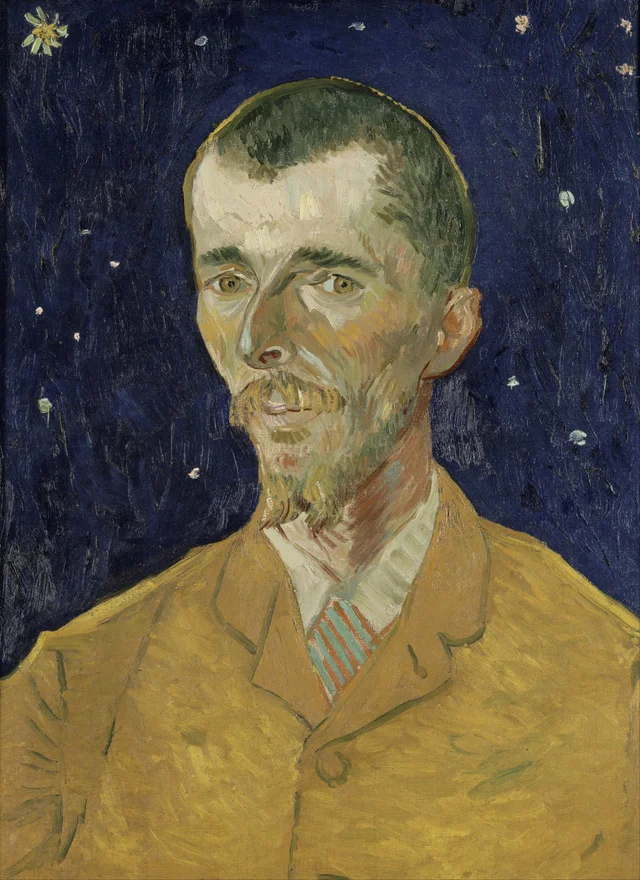 Bildnis des Eugène BochVincent van Gogh, 1888
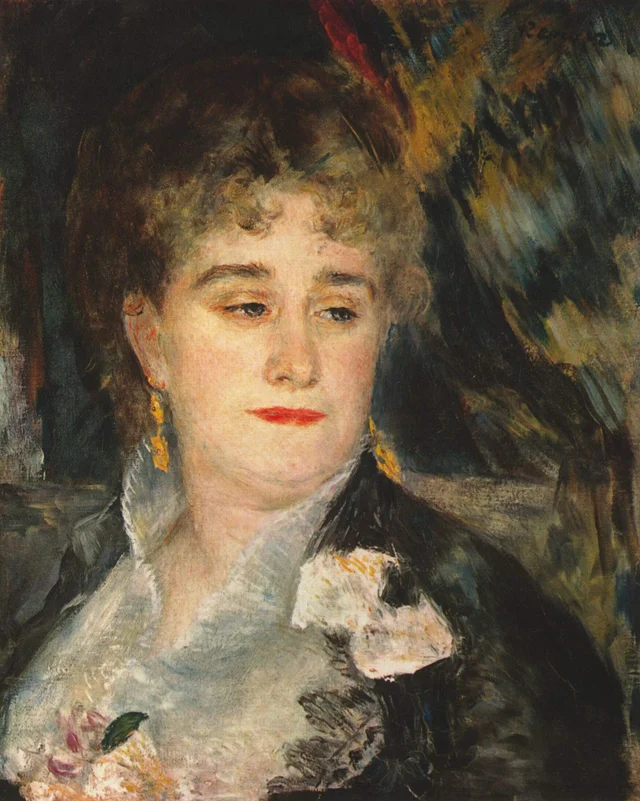 Bildnis der Madame CharpentierPierre-Auguste Renoir, 1876
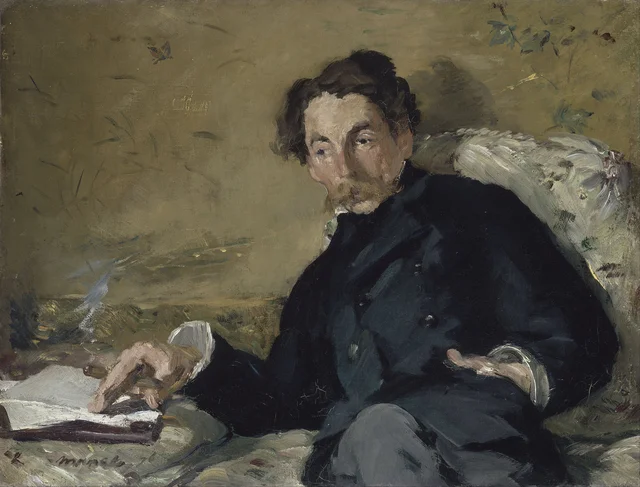 Bildnis Stéphane MallarmésÉdouard Manet, 1876
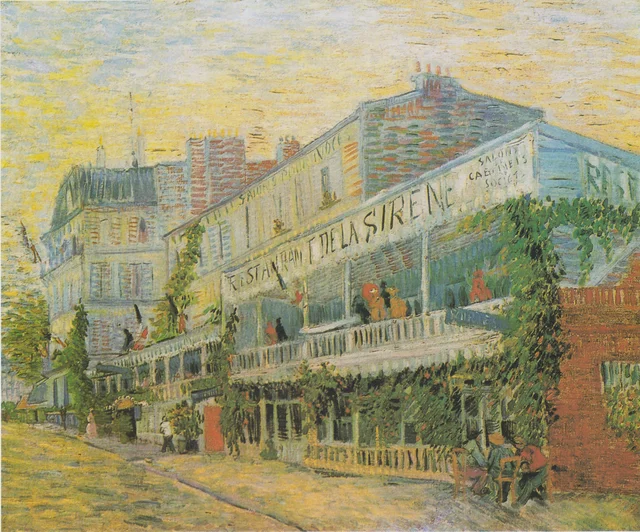 Restaurant de la Sirène in AsnièresVincent van Gogh, 1887
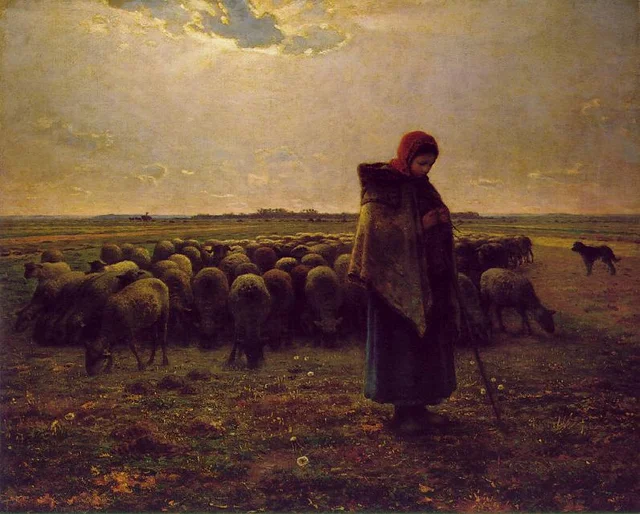 Schäferin mit ihrer HerdeJean-François Millet, 1863
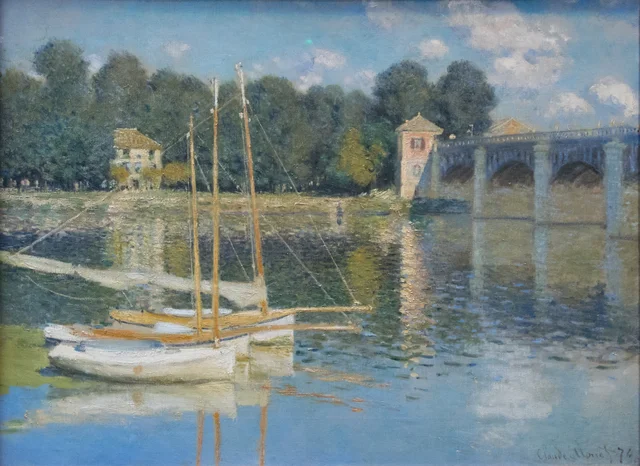 Die Eisenbahnbrücke von ArgenteuilClaude Monet, 1874
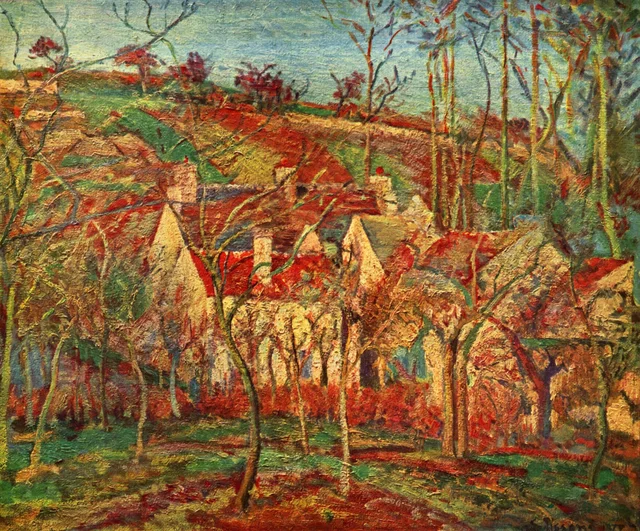 Die roten Dächer, Côte Saint-Denis bei Pontoise, WintereffektCamille Pissarro, 1877
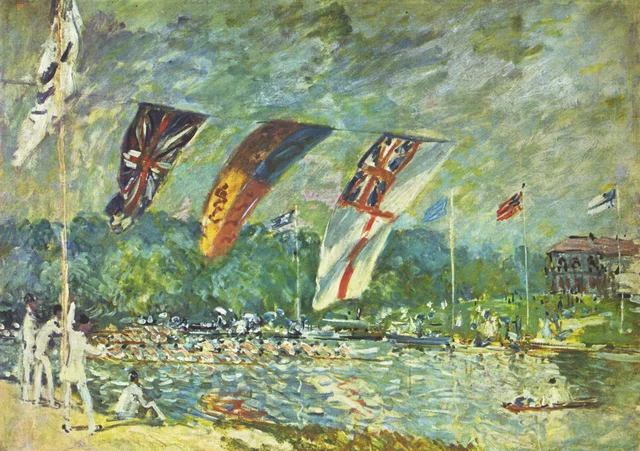 Die Regatta bei MoleseyAlfred Sisley, 1874
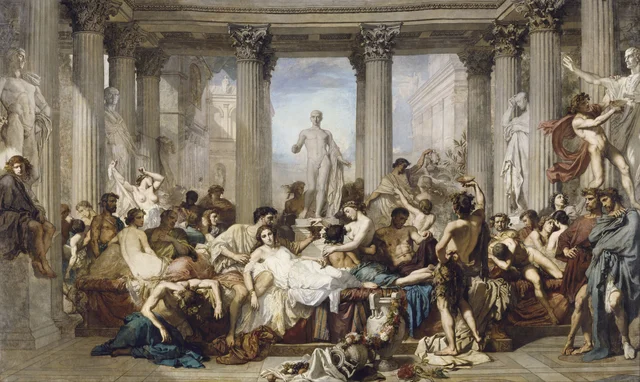 Die Römer der VerfallszeitThomas Couture, 1847
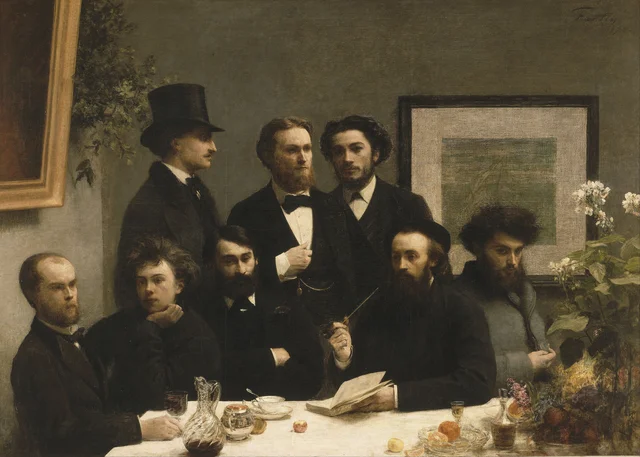 Eine TischeckeHenri Fantin-Latour, 1872
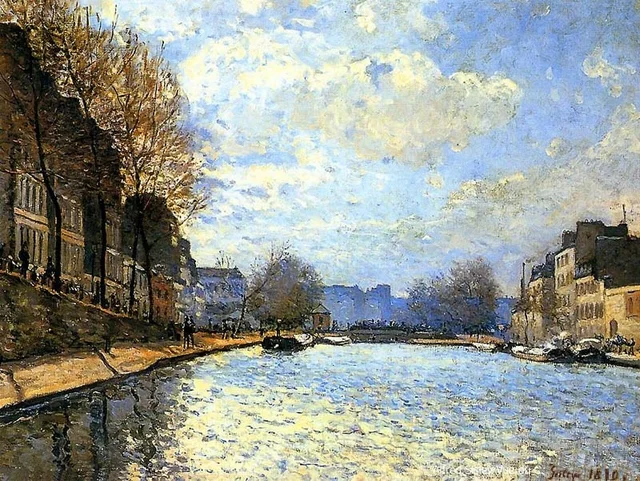 Blick auf den Canal Saint-MartinAlfred Sisley, 1870
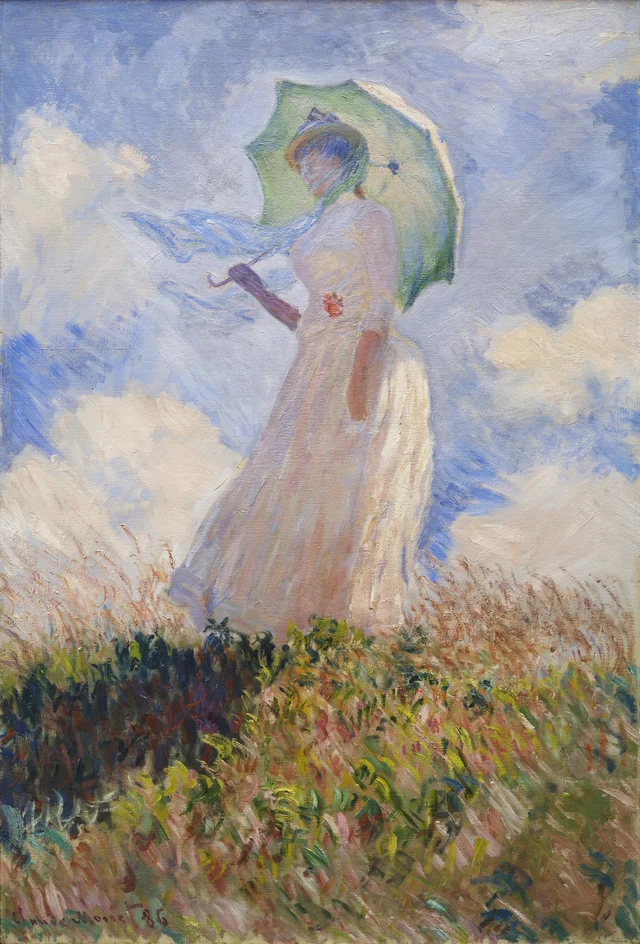 Frau mit Sonnenschirm, nach links gewandtClaude Monet, 1886
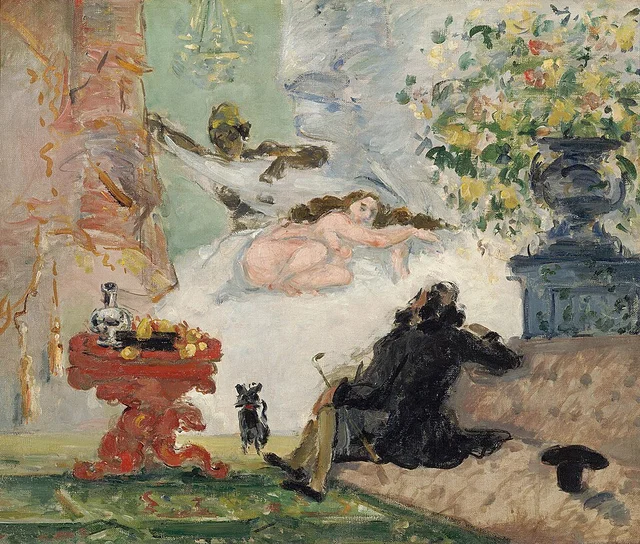 Eine moderne OlympiaPaul Cézanne, 1873
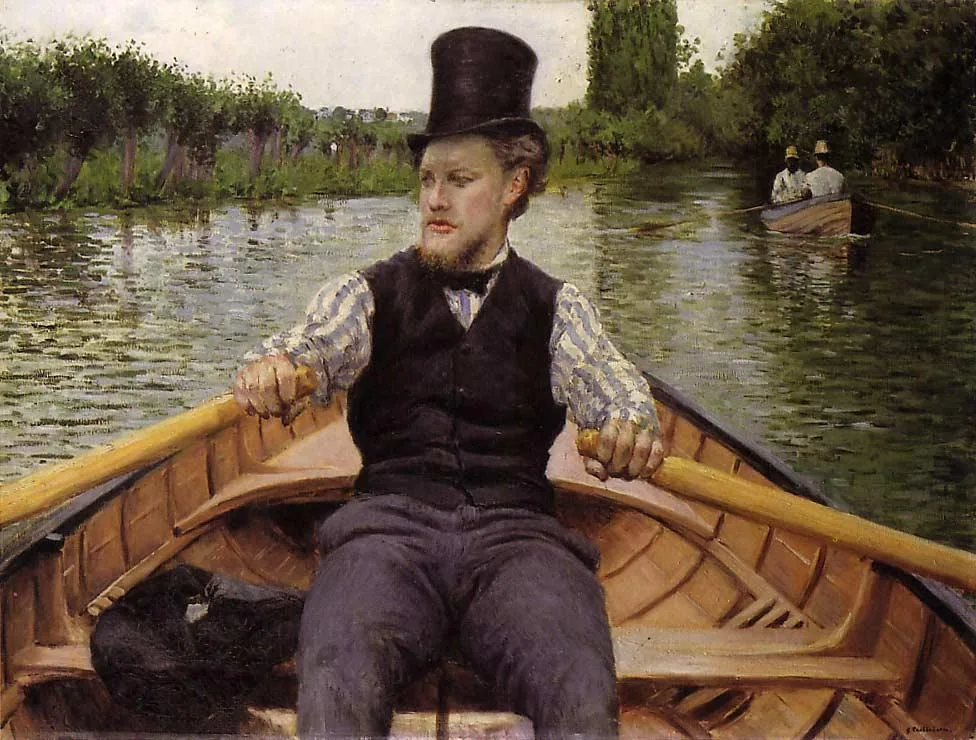
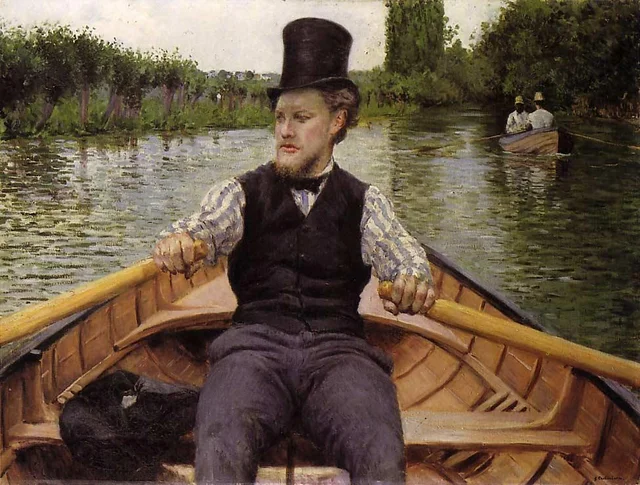 BootspartieGustave Caillebotte, 1878