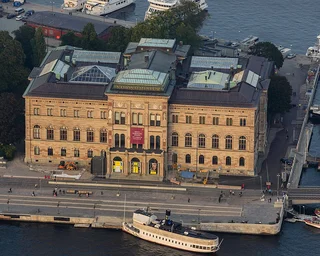
Die Geschichte
Steigt man die Haupttreppe hinauf, stehen sich zwei gewaltige Wandbilder über die Halle gegenüber. An der einen Wand zeigt der schwedische Maler Carl Larsson König Gustav Wasa, der 1523 in Stockholm einreitet, bei der Gründung eines unabhängigen Schweden. An der Wand gegenüber hängt Midvinterblot, Larssons dunkle Szene eines sagenhaften nordischen Königs, der geopfert wird, um eine Hungersnot zu beenden. Er vollendete es 1915, das Museum wies es als zu düster zurück, und über 80 Jahre hing es anderswo. Erst 1997 kaufte es das Nationalmuseum und setzte es dorthin, wohin Larsson es immer bestimmt hatte.
Der Bau wurde für die Kunst der Nation vom deutschen Architekten Friedrich August Stüler errichtet und 1866 eröffnet, ein Palast im Renaissancestil am Wasser von Blasieholmen, gegenüber der königlichen Residenz jenseits des Wassers. Nach Jahren der Restaurierung eröffnete er 2018 mit wiederhergestellten Originalfarben und zurückgeholtem Tageslicht wieder.
Drinnen entfaltet sich der Bogen der schwedischen Kunst, von Larssons sonnigen Familieninterieurs bis zu Anders Zorns Bildnissen und Badenden im Freien, gehängt neben älteren europäischen Meistern, Rembrandt eingeschlossen. Das Nationalmuseum bewahrt zudem eine der großen Designsammlungen Schwedens, von Silber und gustavianischen Möbeln des 18. Jahrhunderts bis zu modernem Glas und Keramik.
Sammlung
66 Werke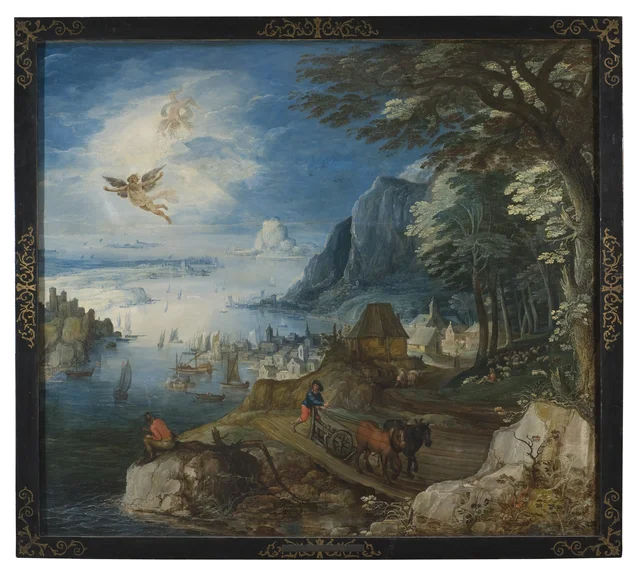 Landschaft mit dem Sturz des IkarusJoos de Momper der Jüngere, 1607
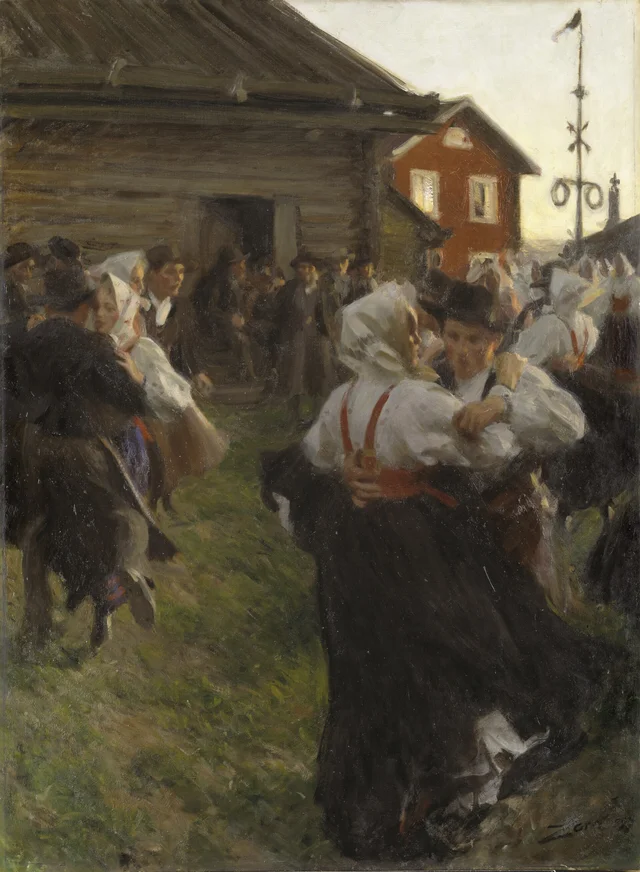 MittsommertanzAnders Zorn, 1897
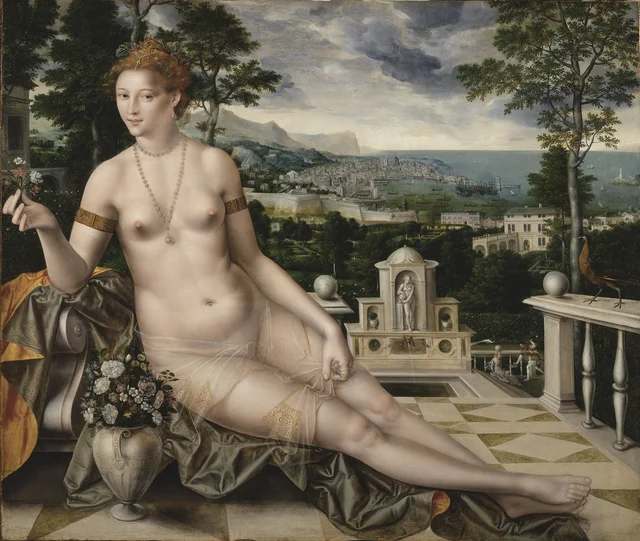 Venus KythereiaJan Matsys, 1561
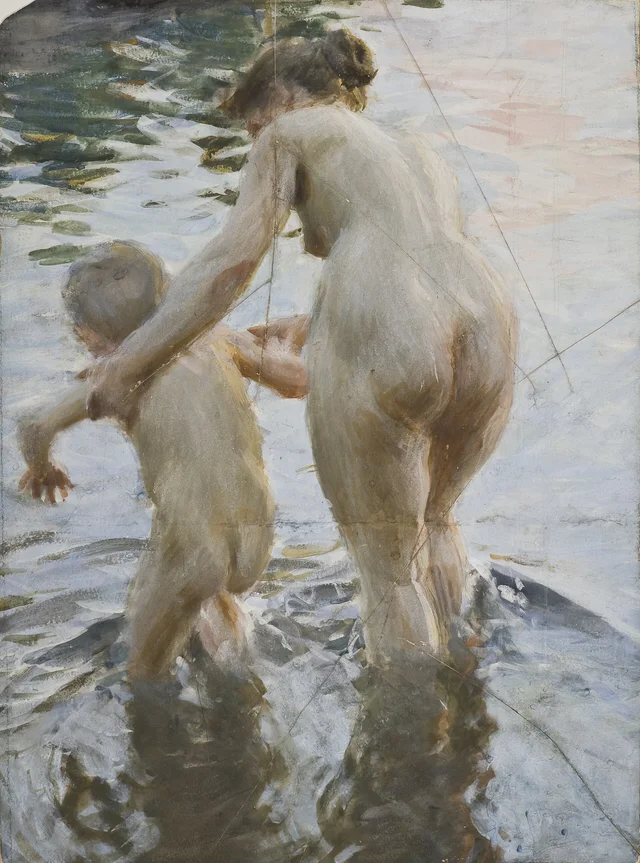 Eine PremiereAnders Zorn, 1888
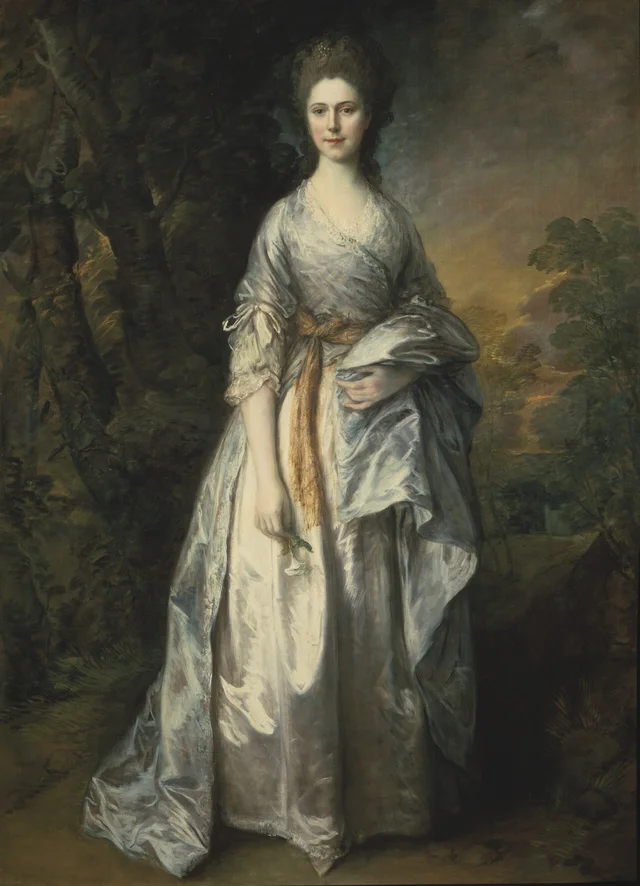 Maria, Lady Eardley (1743-1794)Thomas Gainsborough, 1766
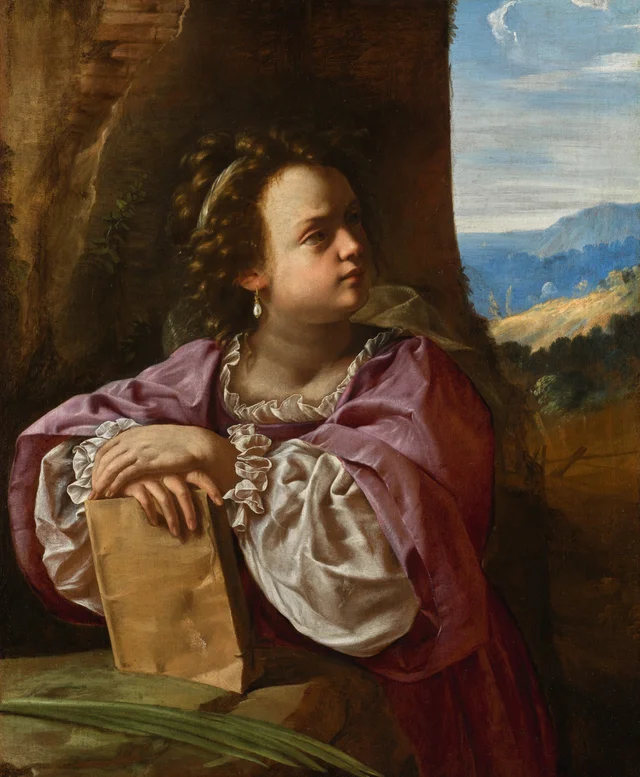 Die heilige Katharina von AlexandrienArtemisia Gentileschi, 1640
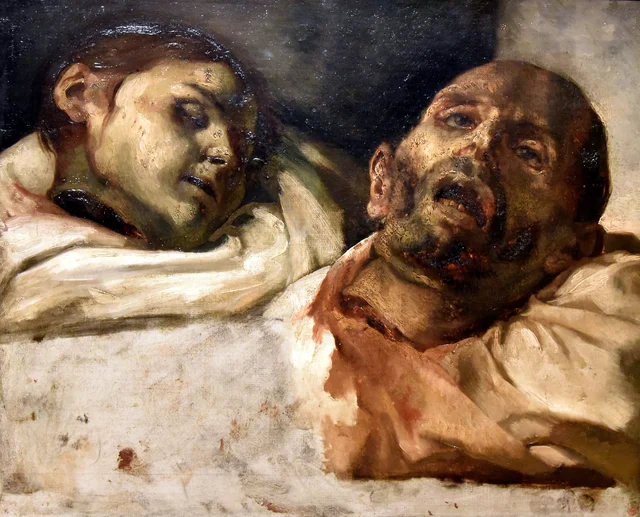 Die abgeschlagenen KöpfeThéodore Géricault, 1818
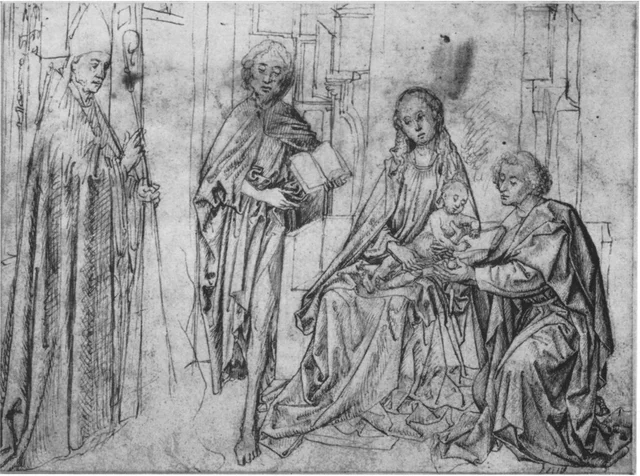 Maria mit Kind und HeiligenMeister der Draperiestudien
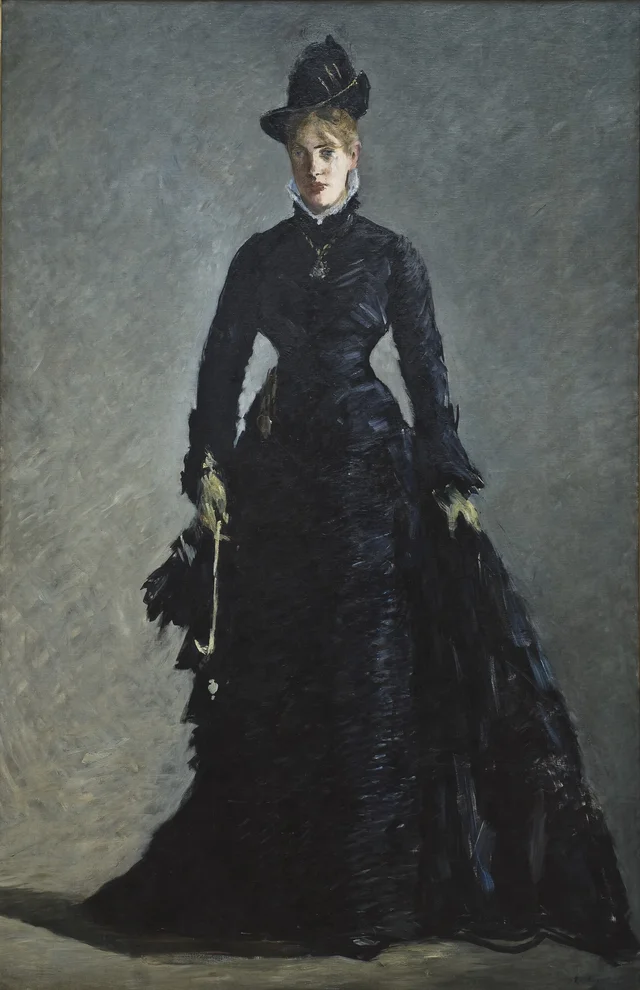 Die PariserinÉdouard Manet, 1876
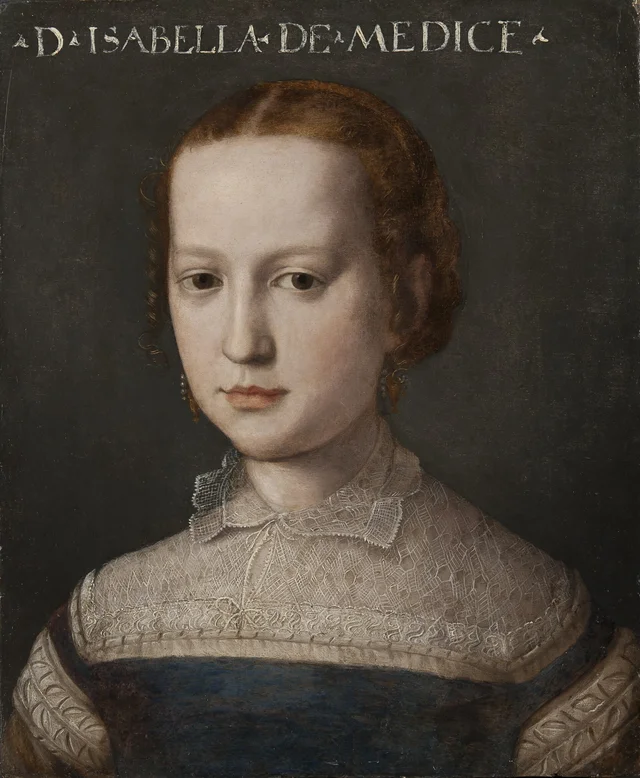 Isabella de' Medici (1542-1576)Bronzino, 1552
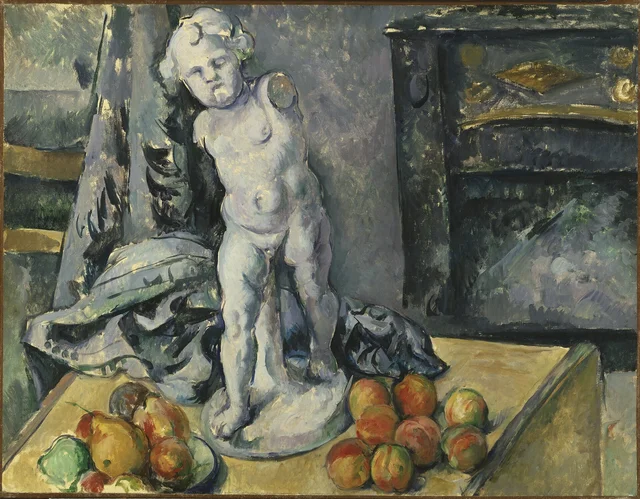 Stillleben mit StatuettePaul Cézanne, 1894
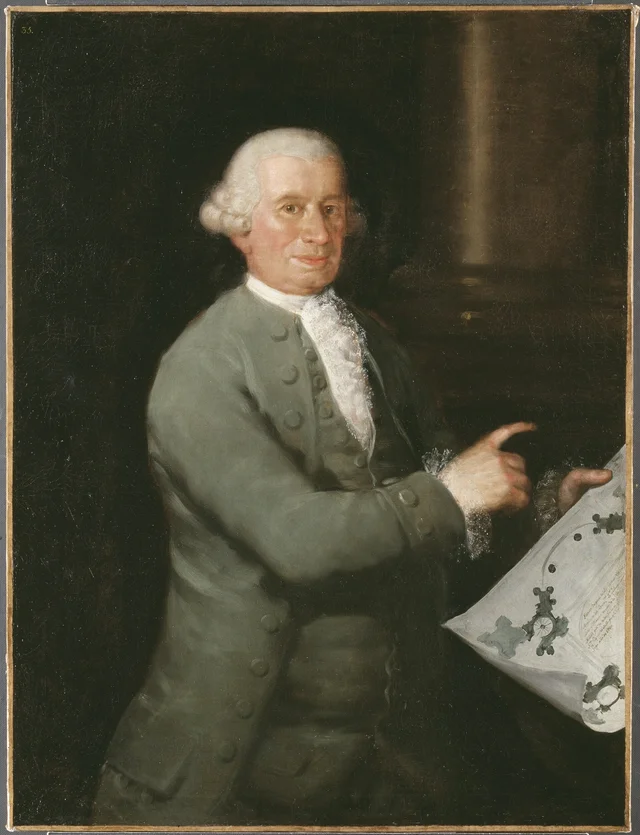 Der Architekt Ventura RodríguezFrancisco Goya, 1784
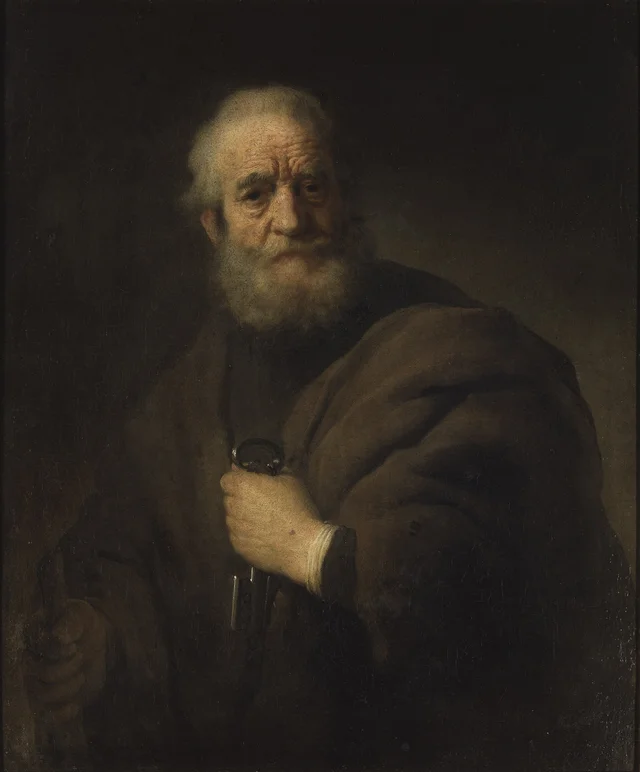 Der Apostel PetrusRembrandt, 1629
 Bacchus-ApollNicolas Poussin, 1626
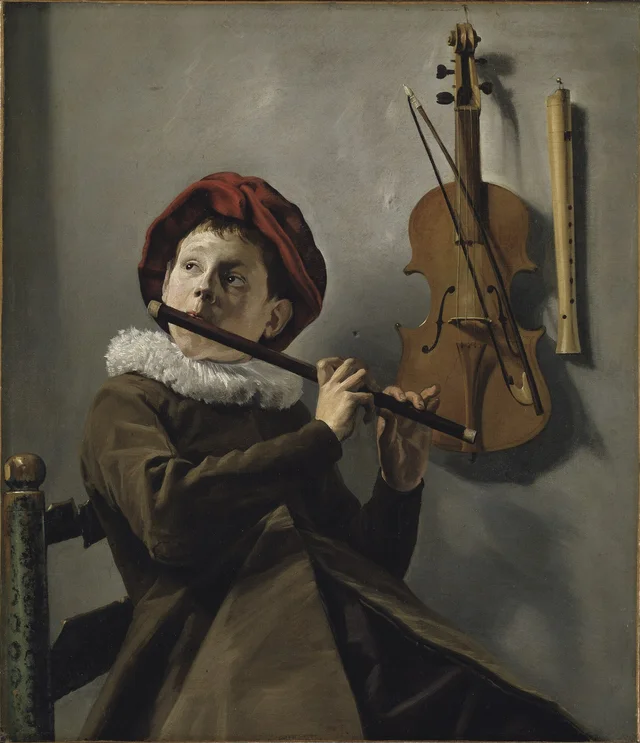 Junge, der Flöte spieltJudith Leyster, 1635
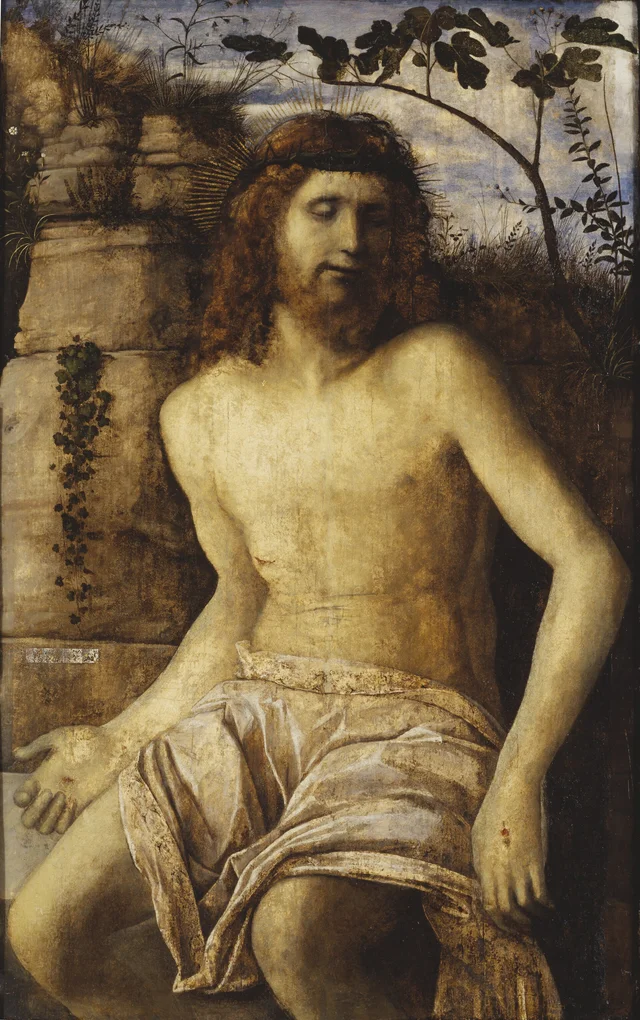 Die Dornenkrönung ChristiGiovanni Bellini, 1507
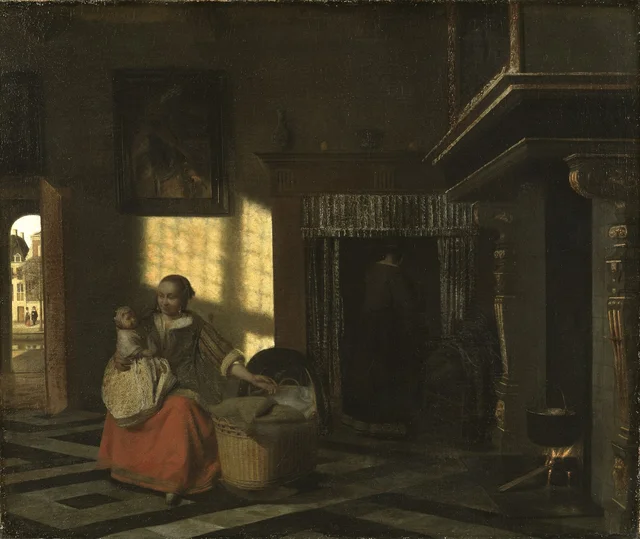 Interieur mit einer Mutter an der WiegePieter de Hooch, 1665
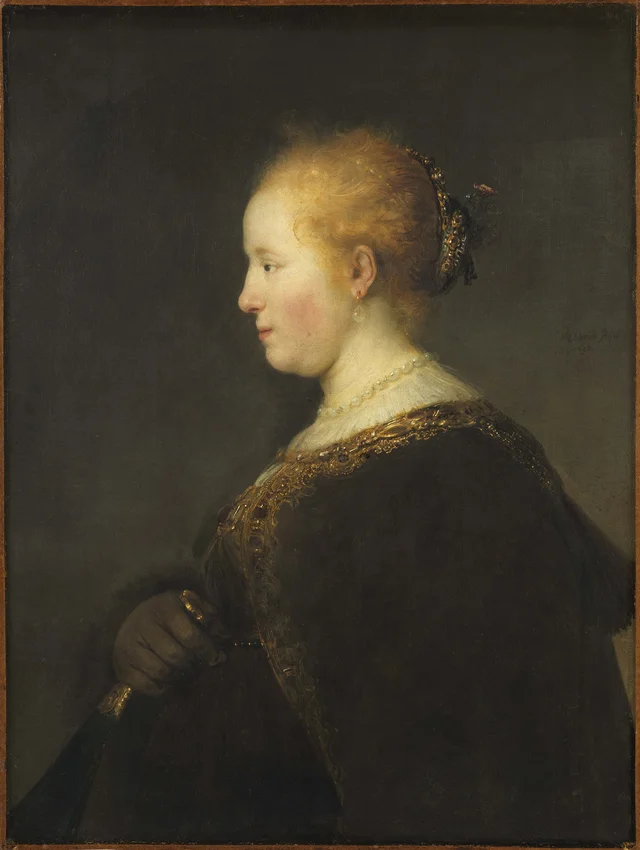 Bildnis einer jungen Frau im ProfilRembrandt, 1632
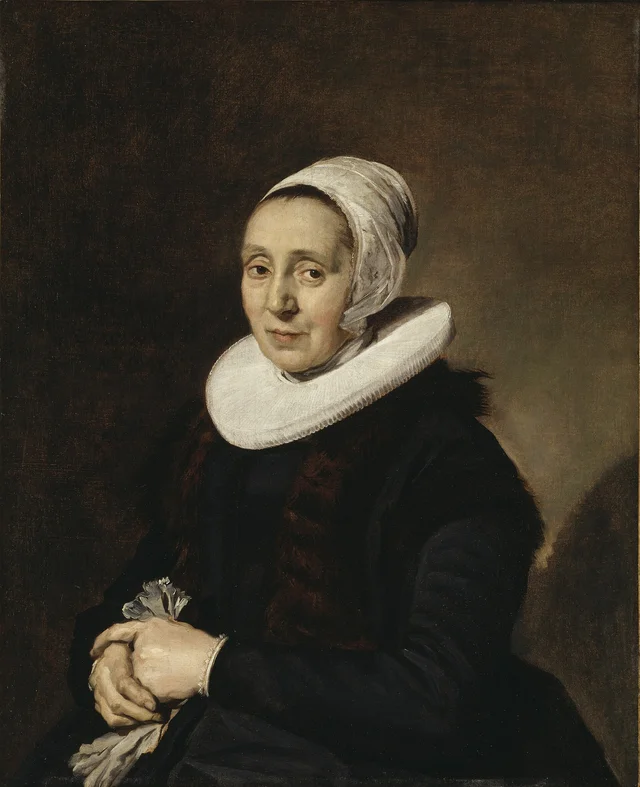 Porträt der Maria Bastiaens van HoutFrans Hals, 1643
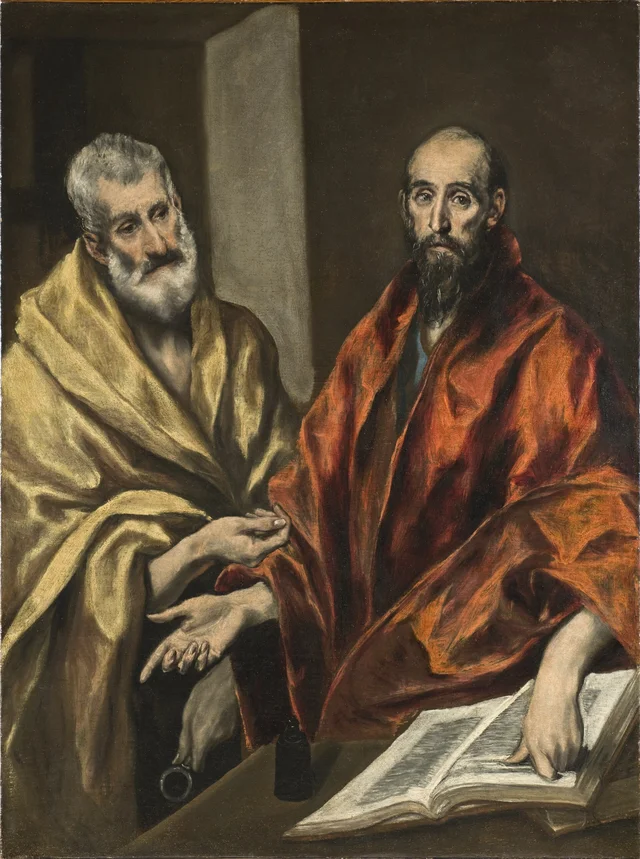 Der heilige Petrus und der heilige PaulusEl Greco, 1605
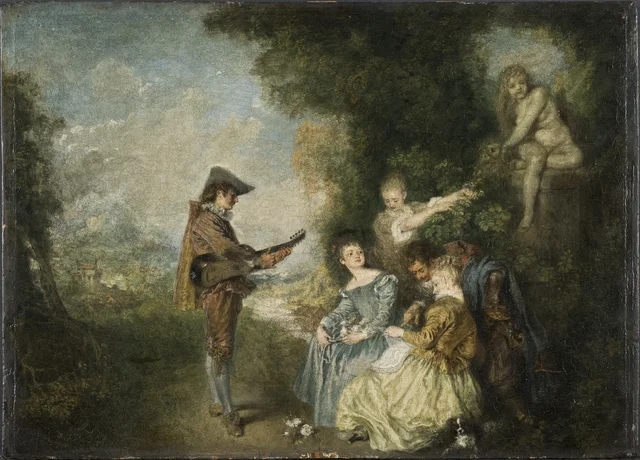 Die LiebeslektionJean-Antoine Watteau, 1716
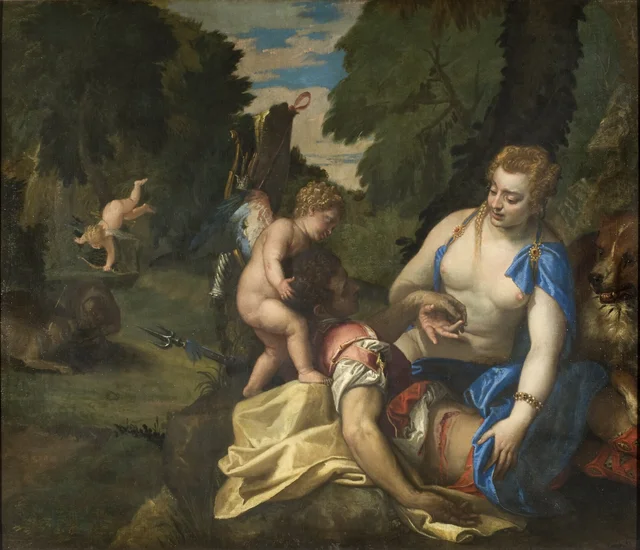 Venus beweint AdonisPaolo Veronese
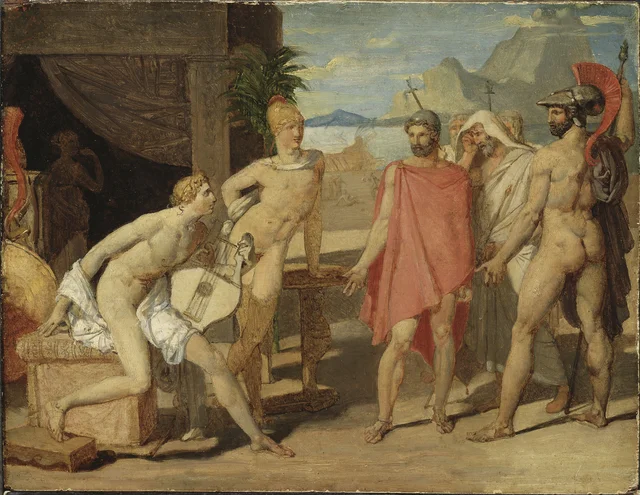 Achilles empfängt in seinem Zelt die Gesandten AgamemnonsJean-Auguste-Dominique Ingres, 1801
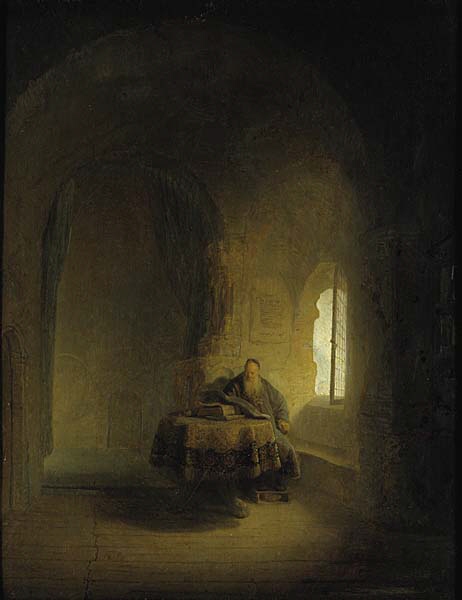 Ein alter Gelehrter am Fenster in einem GewölberaumRembrandt, 1631
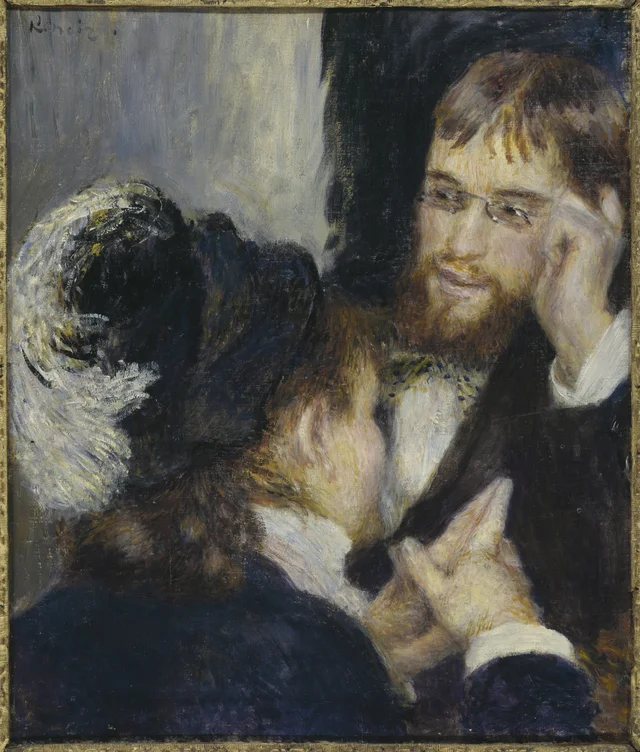 UnterhaltungPierre-Auguste Renoir, 1878