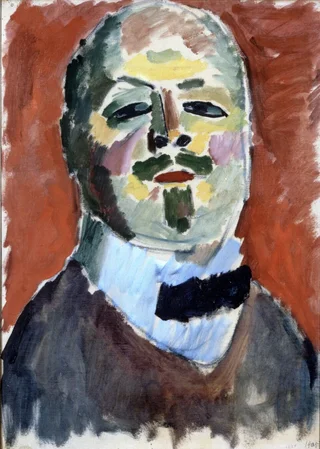
Alexej von Jawlensky
1864–1941 · Russian Empire · Expressionism
The story
Alexej von Jawlensky came to painting from the Russian army. Born in 1864, he was a serving officer when he decided to become an artist, and in 1896 he moved to Munich with the painter Marianne von Werefkin, his companion and champion for years, to study at the private painting school of Anton Ažbe, where he soon met a fellow student, Wassily Kandinsky.
In Munich he burned toward pure colour, and by the 1900s he was painting faces and figures in flat, blazing reds, greens and blues close to the German Expressionists. He showed with the Blaue Reiter, the Blue Rider circle around Kandinsky that helped launch abstract art. The First World War drove him to neutral Switzerland, and there his art turned inward. He began painting heads, over and over, reduced to a few lines for eyes, nose and mouth, half portrait and half Russian icon.
By 1929 arthritis was crippling his hands. Rather than stop, he strapped the brush to his fingers and kept going, painting hundreds of small, dark, almost abstract heads he called Meditations, until his body forced him to quit in 1937. He died a few years later, his work by then banned as degenerate by the Nazis.
Works
33 works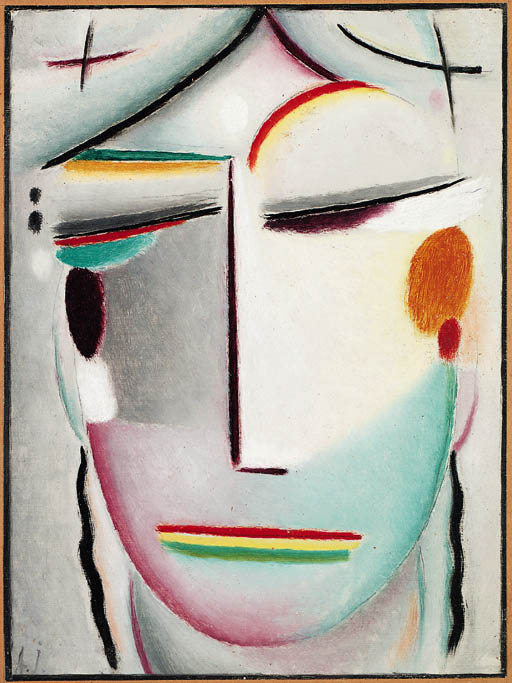 Abstract HeadAlexej von Jawlensky, 1921
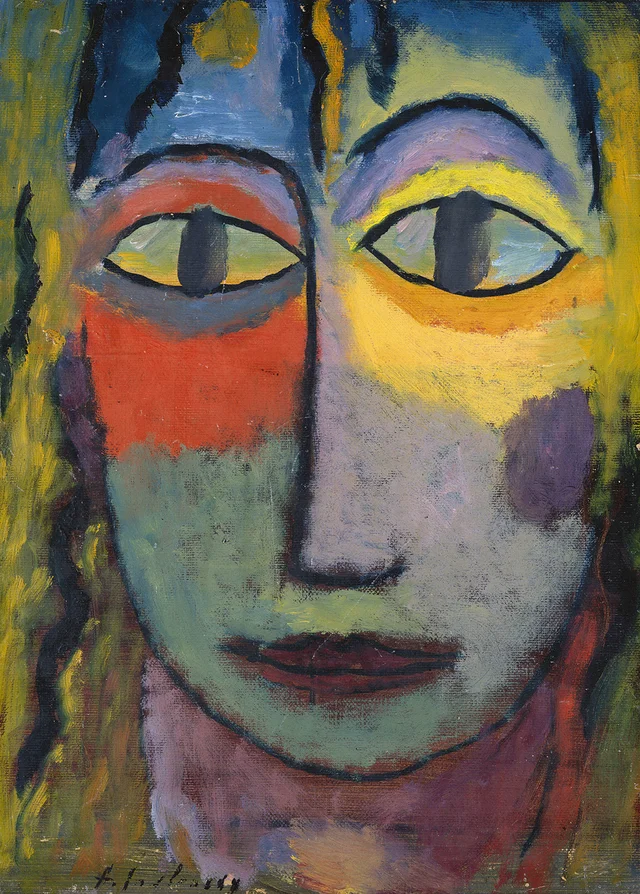 MedusaAlexej von Jawlensky, 1923
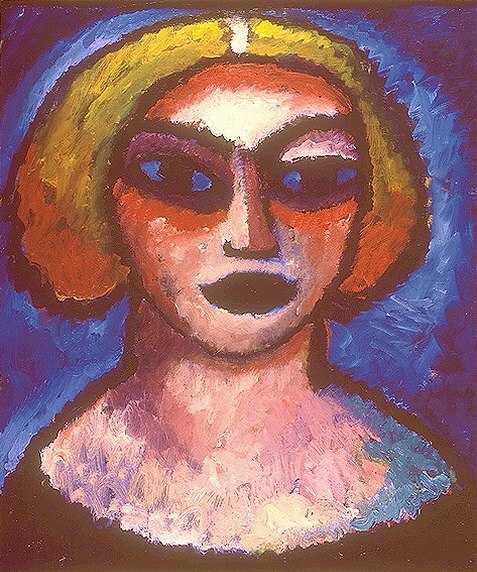 Head of a WomanAlexej von Jawlensky, 1912
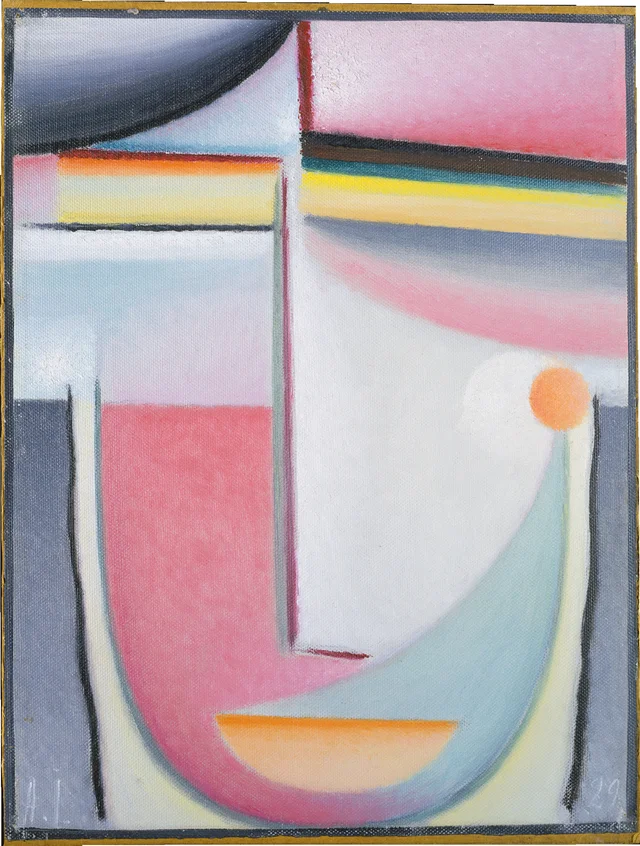 Abstract Head: Symphony in PinkAlexej von Jawlensky, 1929
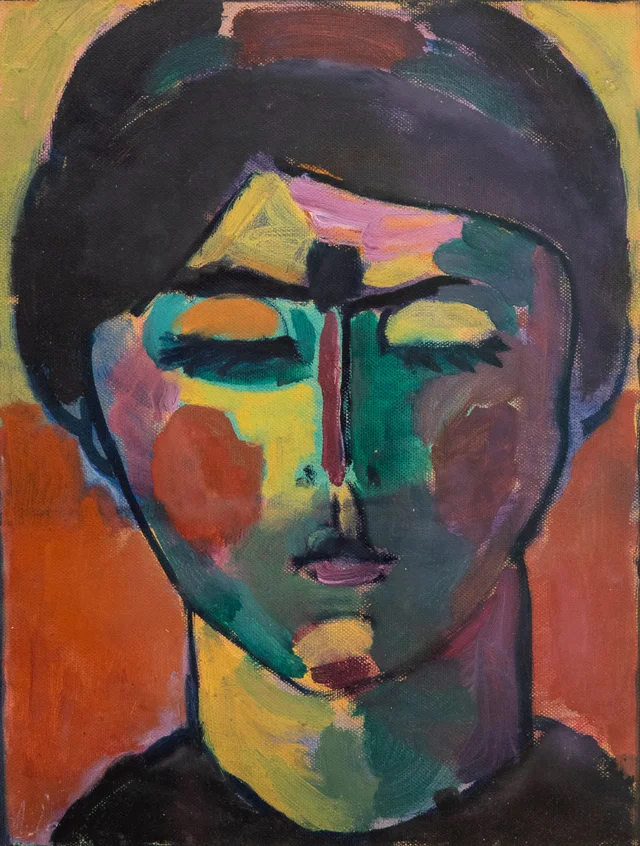 Head of a WomanAlexej von Jawlensky, 1917
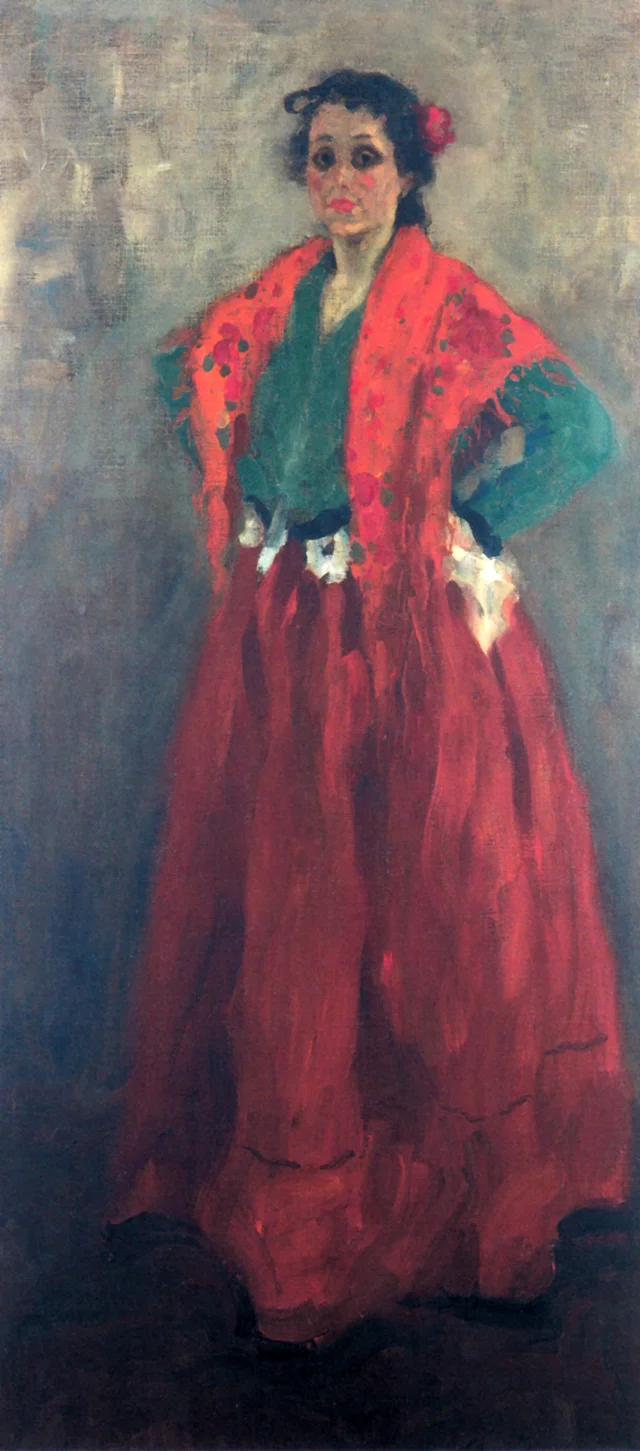 Helene in Spanish CostumeAlexej von Jawlensky, 1901
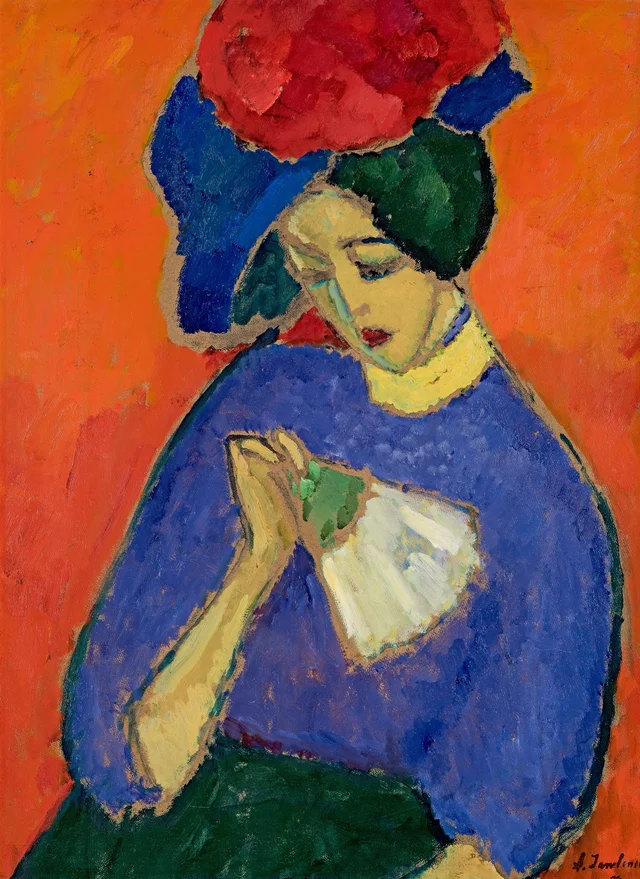 Lady with fanAlexej von Jawlensky, 1909
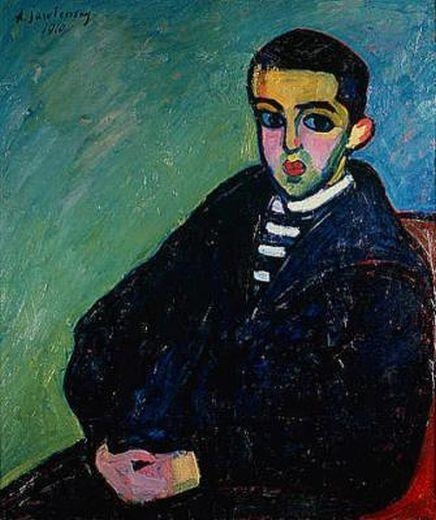 NikitaAlexej von Jawlensky, 1910
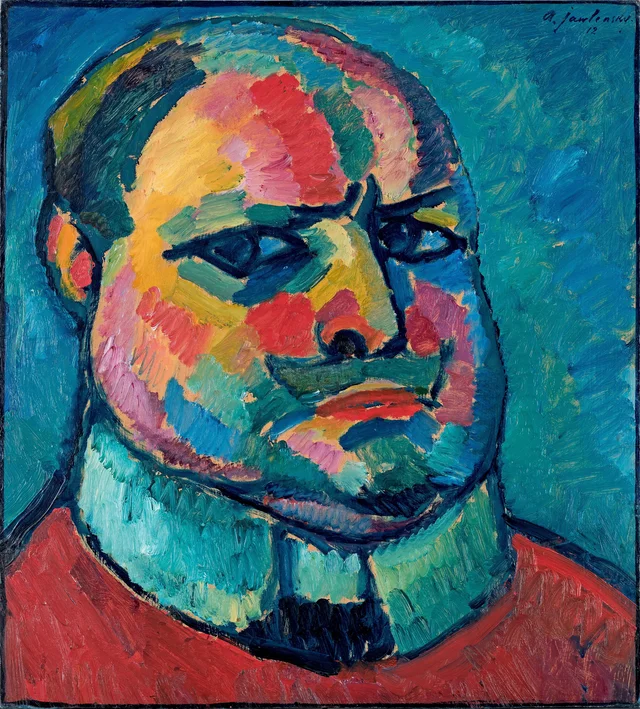 Self-portraitAlexej von Jawlensky, 1912
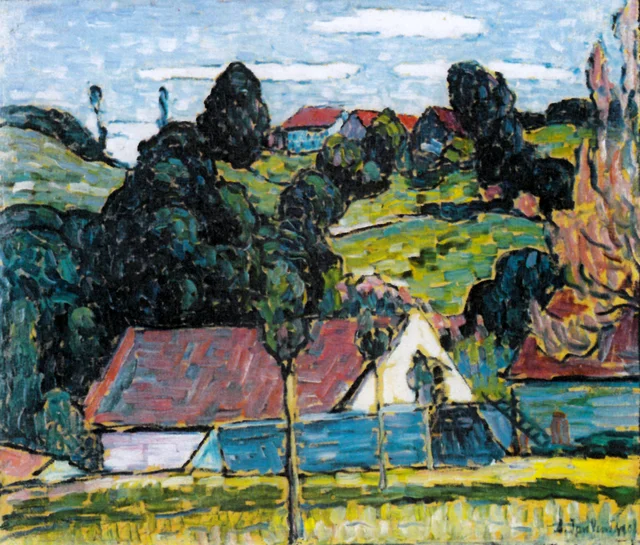 Sommertag, 1907Alexej von Jawlensky, 1907
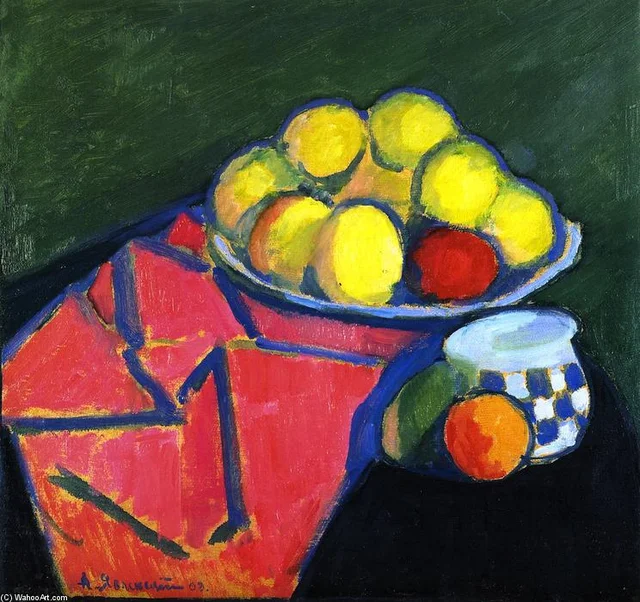 Still life with applesAlexej von Jawlensky, 1908
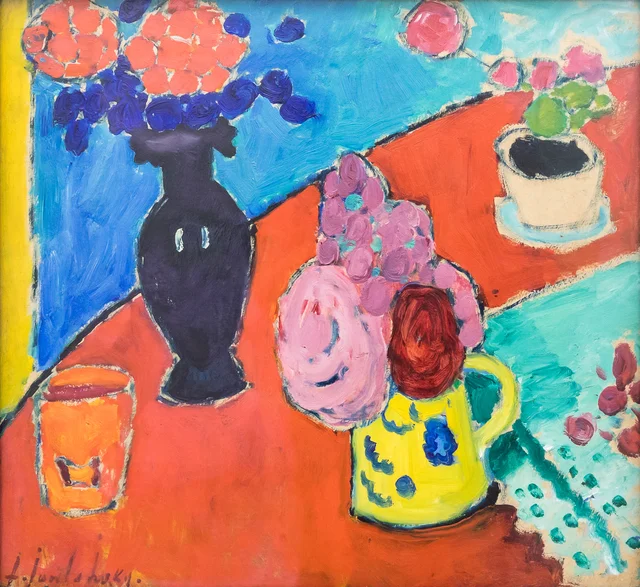 Still Life with Vase and JugAlexej von Jawlensky, 1909
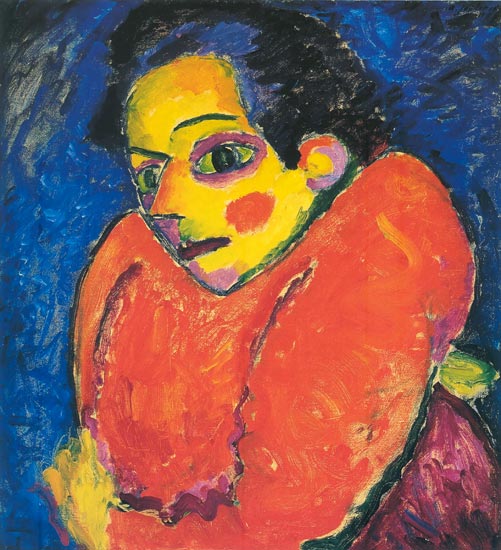 The Humpback IAlexej von Jawlensky, 1911
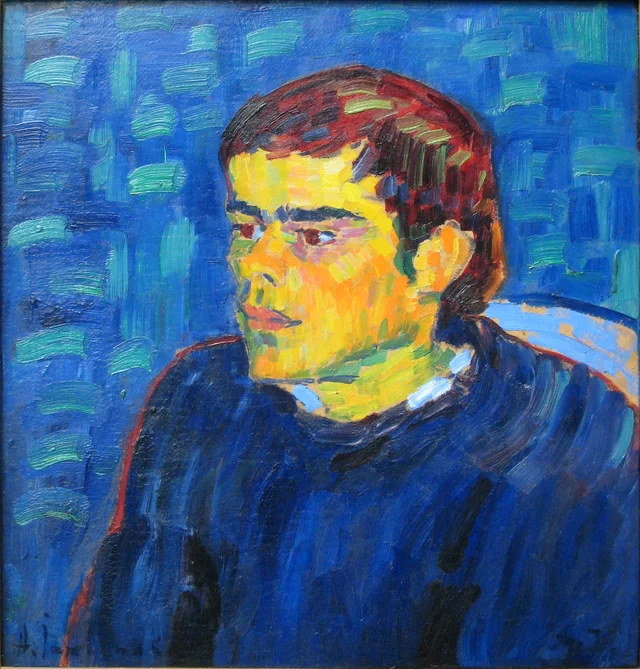 The HunchbackAlexej von Jawlensky, 1906
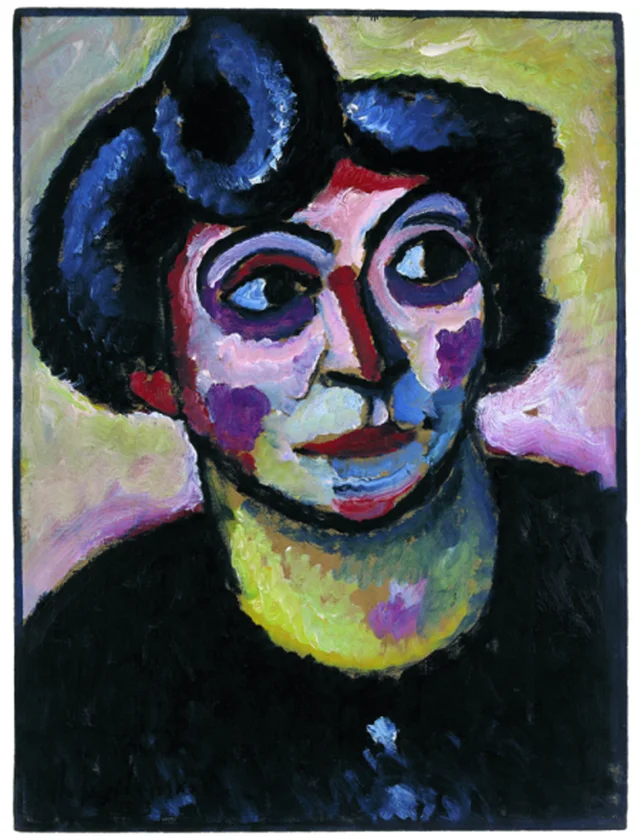 Woman with a Curl on Her ForeheadAlexej von Jawlensky, 1913
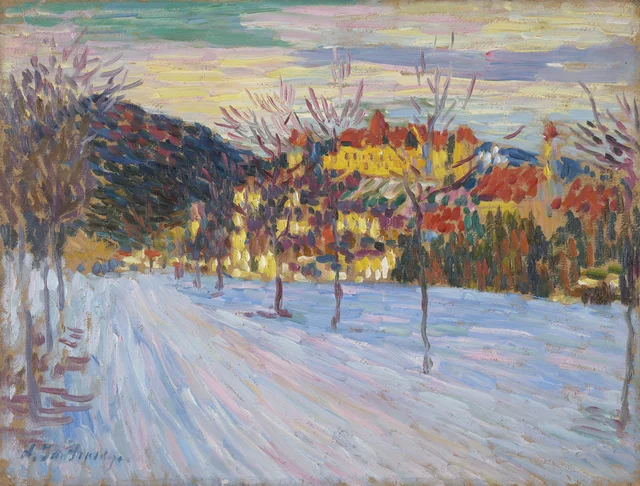 FüssenAlexej von Jawlensky, 1905
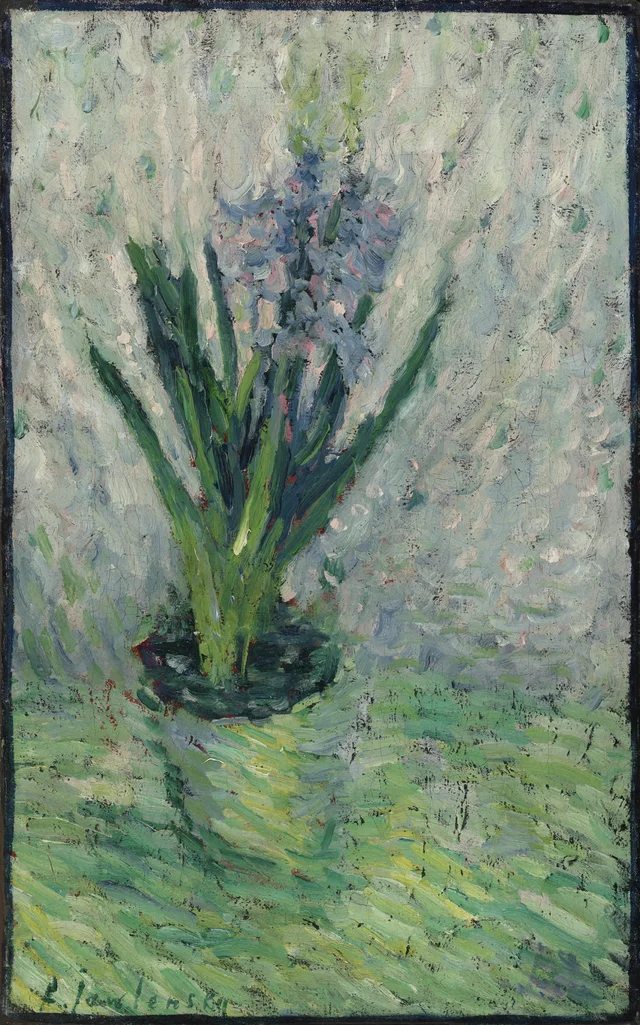 HyacinthAlexej von Jawlensky, 1902
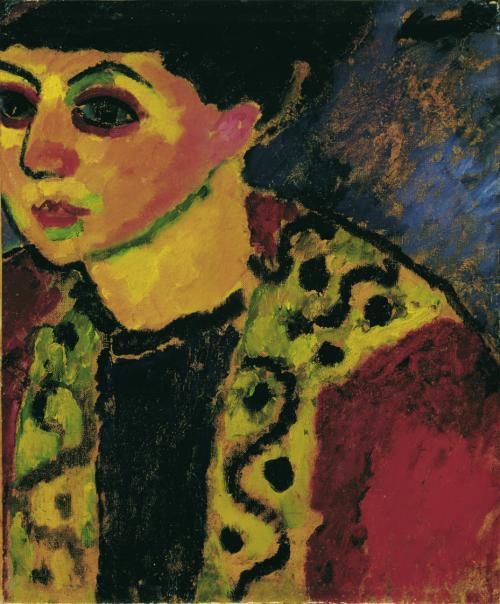 Lady in front of a blue backgroundAlexej von Jawlensky, 1908
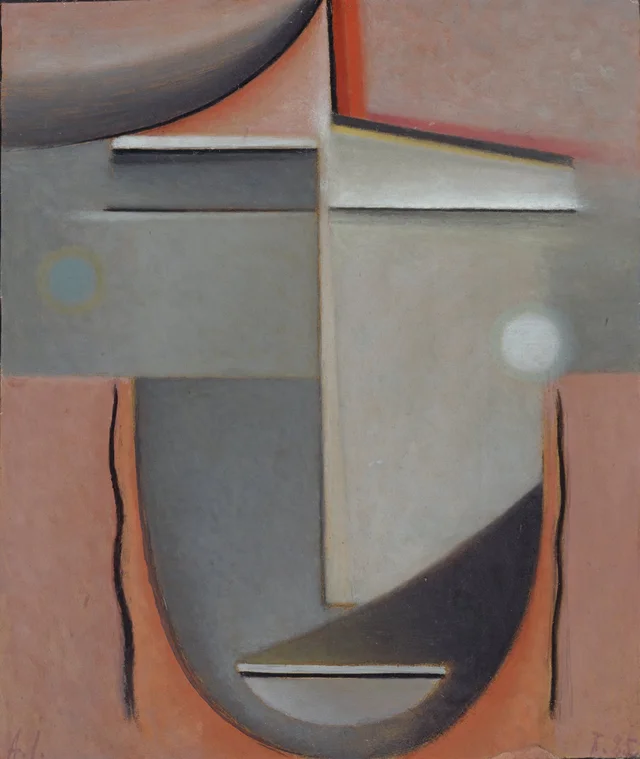 LoveAlexej von Jawlensky, 1925
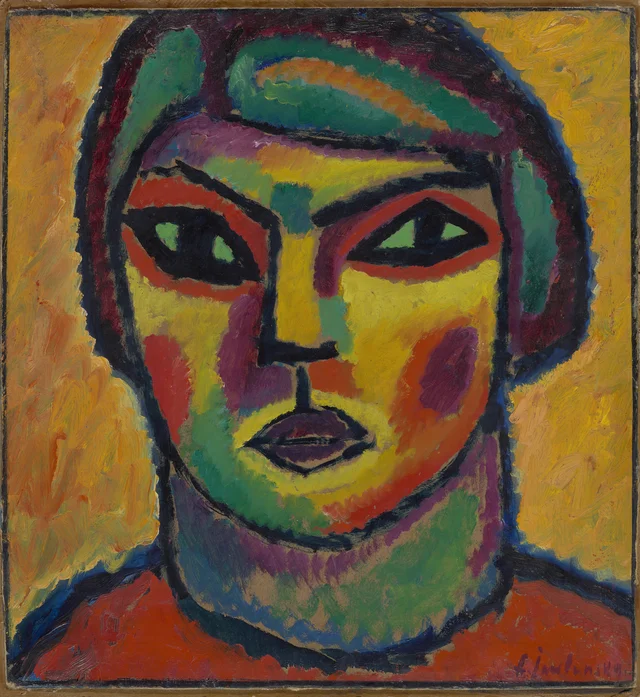 MaturityAlexej von Jawlensky, 1912
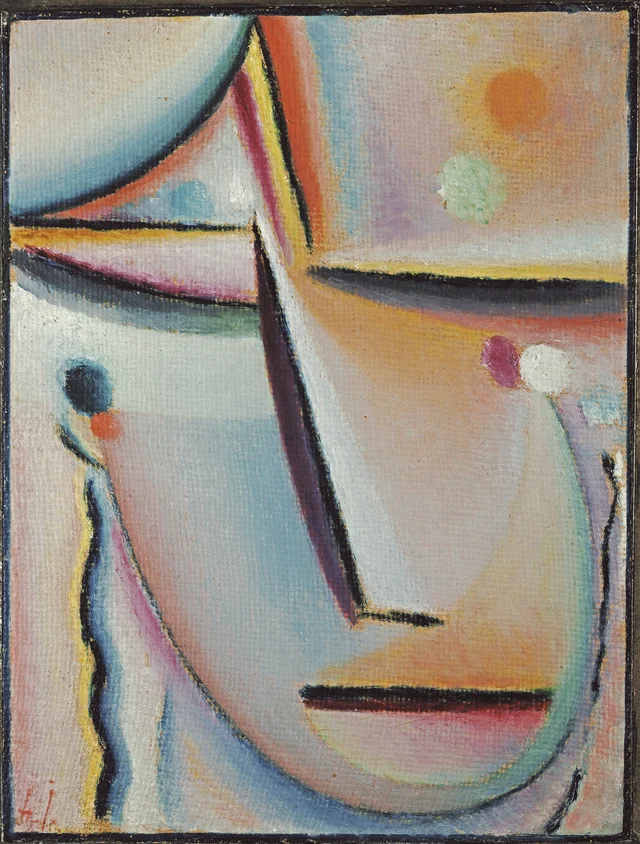 Meditation, the prayerAlexej von Jawlensky, 1922
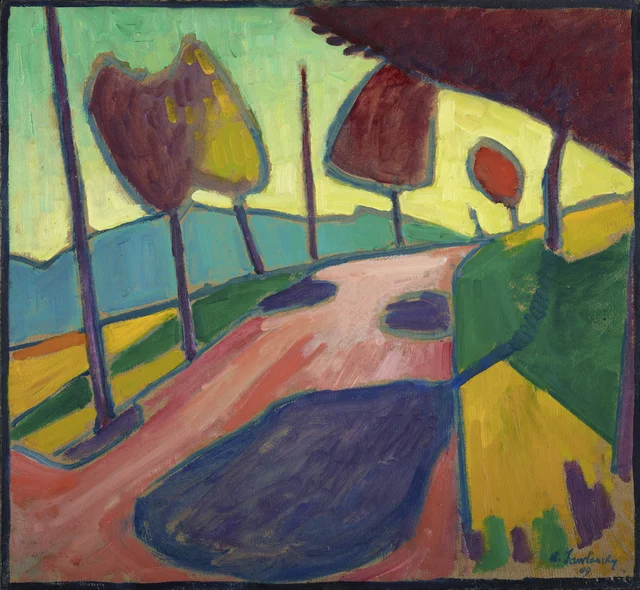 Murnau LandscapeAlexej von Jawlensky, 1909
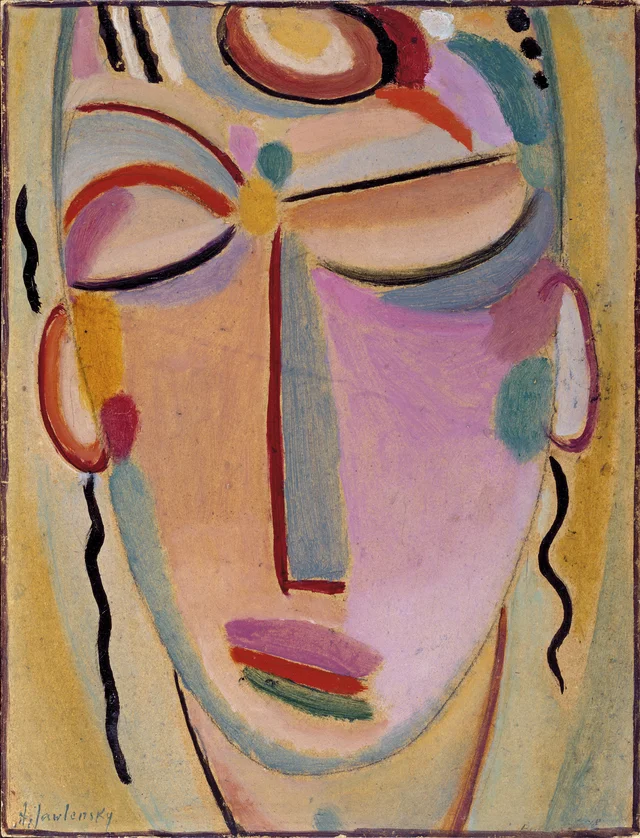 Mystical Head: MeditationAlexej von Jawlensky, 1918
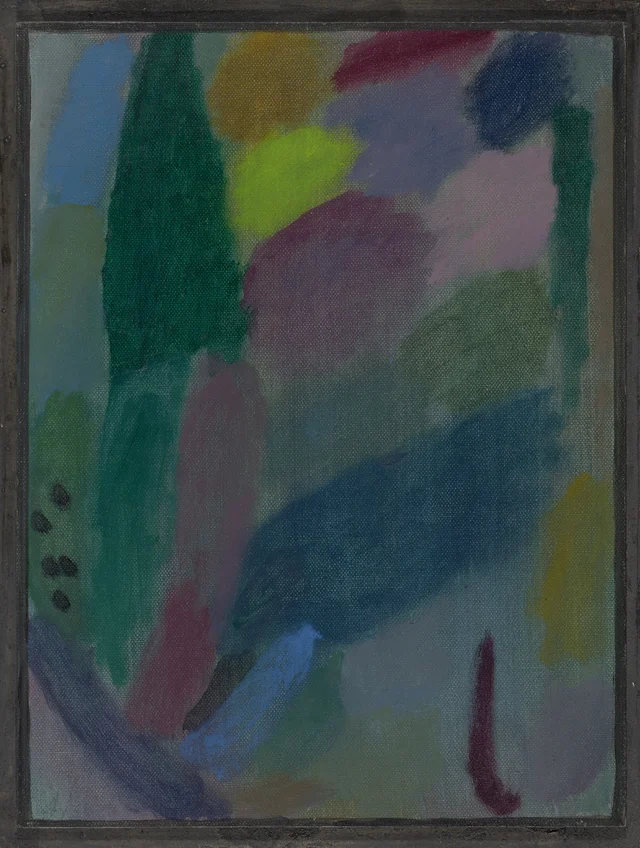 Night in Saint-PrexAlexej von Jawlensky, 1916
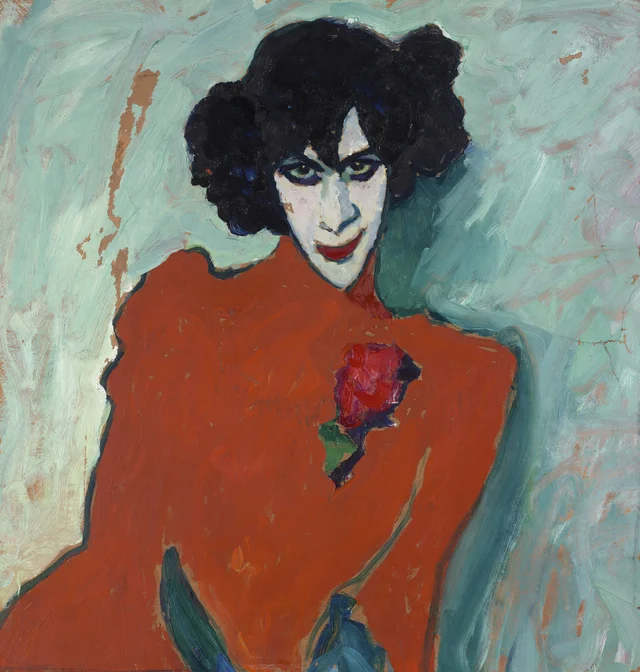 Portrait of Alexander SakharoffAlexej von Jawlensky, 1909