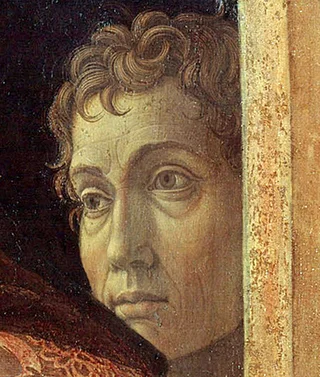
Andrea Mantegna
1431–1506 · Republic of Venice · Italian Renaissance
The story
In 1460 Andrea Mantegna became court painter to the Gonzaga family, rulers of Mantua, a position he held for the rest of his life, an unusual arrangement in an age when most Italian painters moved between commissions and cities. Between 1465 and 1474 he decorated a single room in the ducal palace, the Camera degli Sposi, with frescoes of the Gonzaga family, their courtiers, horses and dogs, wrapped inside painted architecture that seems to open the walls onto real loggias and sky.
The ceiling was the boldest part, an oval opening painted straight overhead and ringed with figures and putti leaning over a painted balustrade as if looking down at the room's real occupants, one of the first times a painter had tried that kind of steep foreshortening on such a scale.
He pushed the same trick further decades later in the Lamentation over the Dead Christ, a small panel showing Christ's body from the feet up, foreshortened so sharply that the torso and head shrink into the distance while the wounded feet fill the foreground. Mantegna had married into Venice's leading painting family in 1453, to Nicolosia Bellini, sister of the painter Giovanni Bellini, tying Mantua's court painter directly to the workshop shaping Venice's next generation of art.
More articles
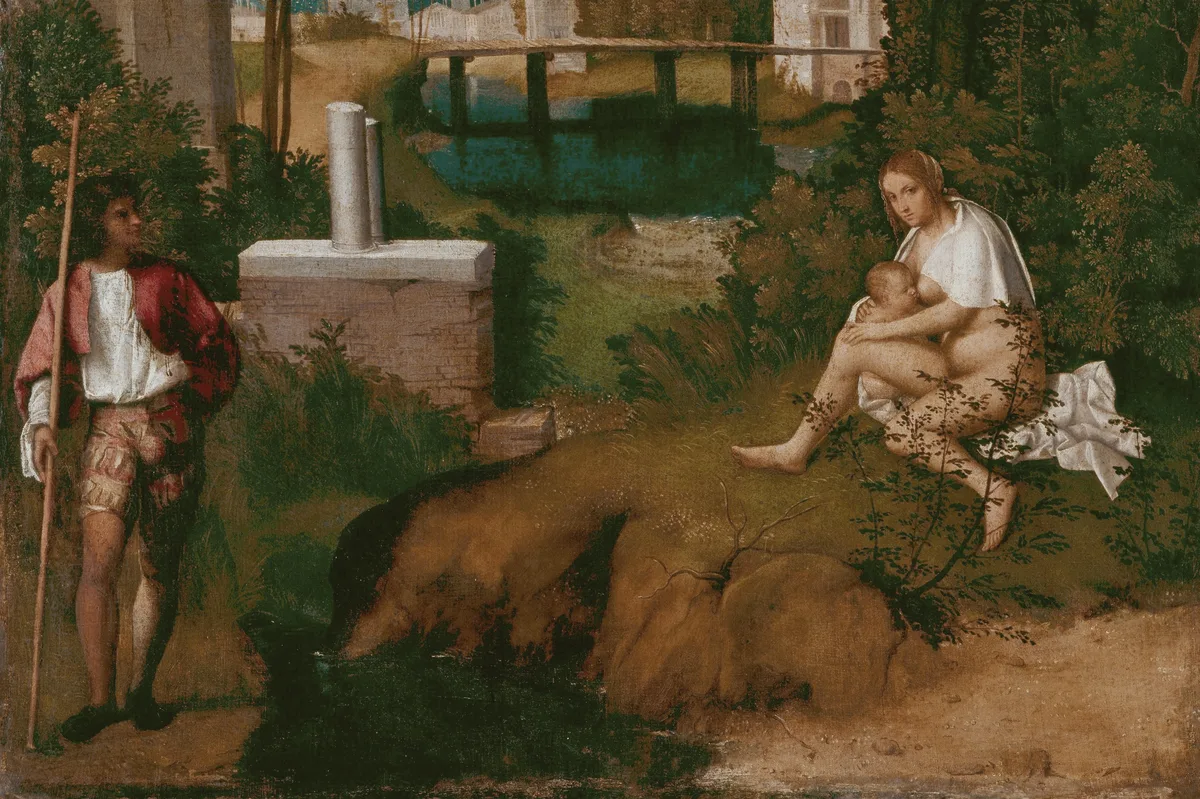 Article · 37 min readGallerie dell'Accademia, Venice: twenty works and how each one got here
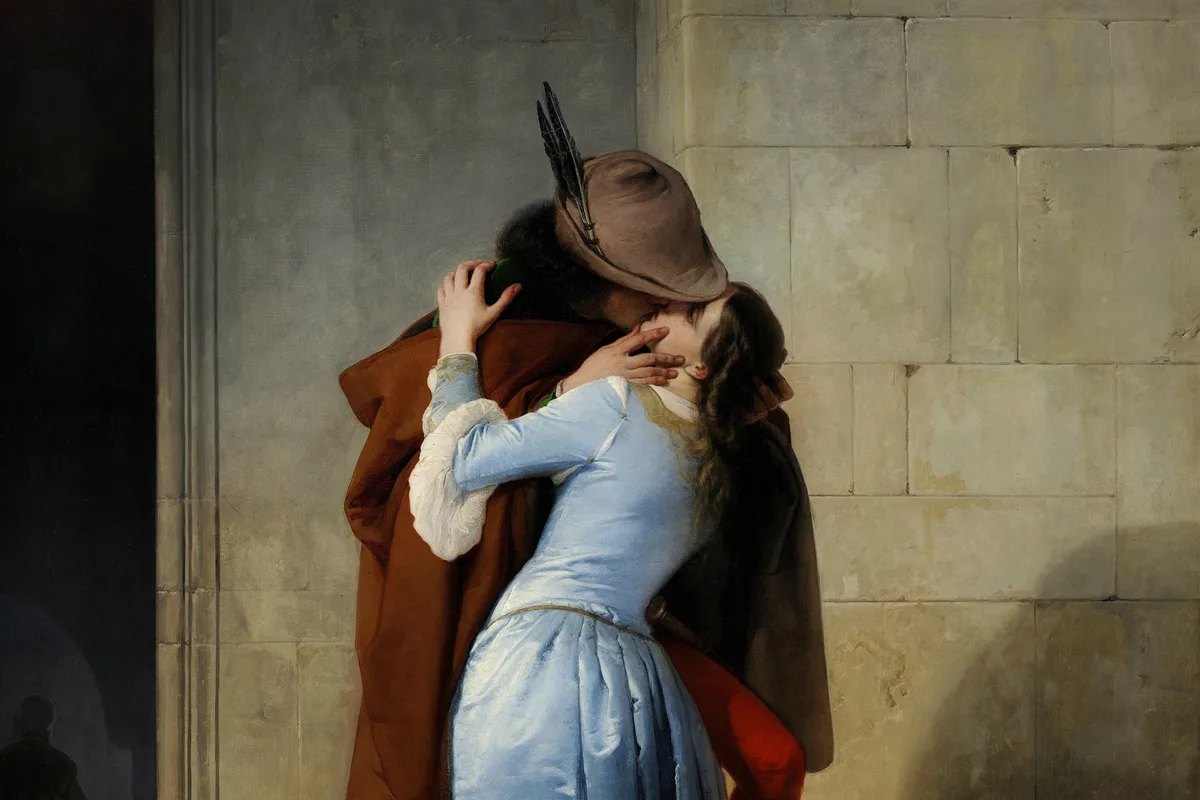 Article · 37 min readPinacoteca di Brera: From Napoleon's Requisitions to the Grande Brera
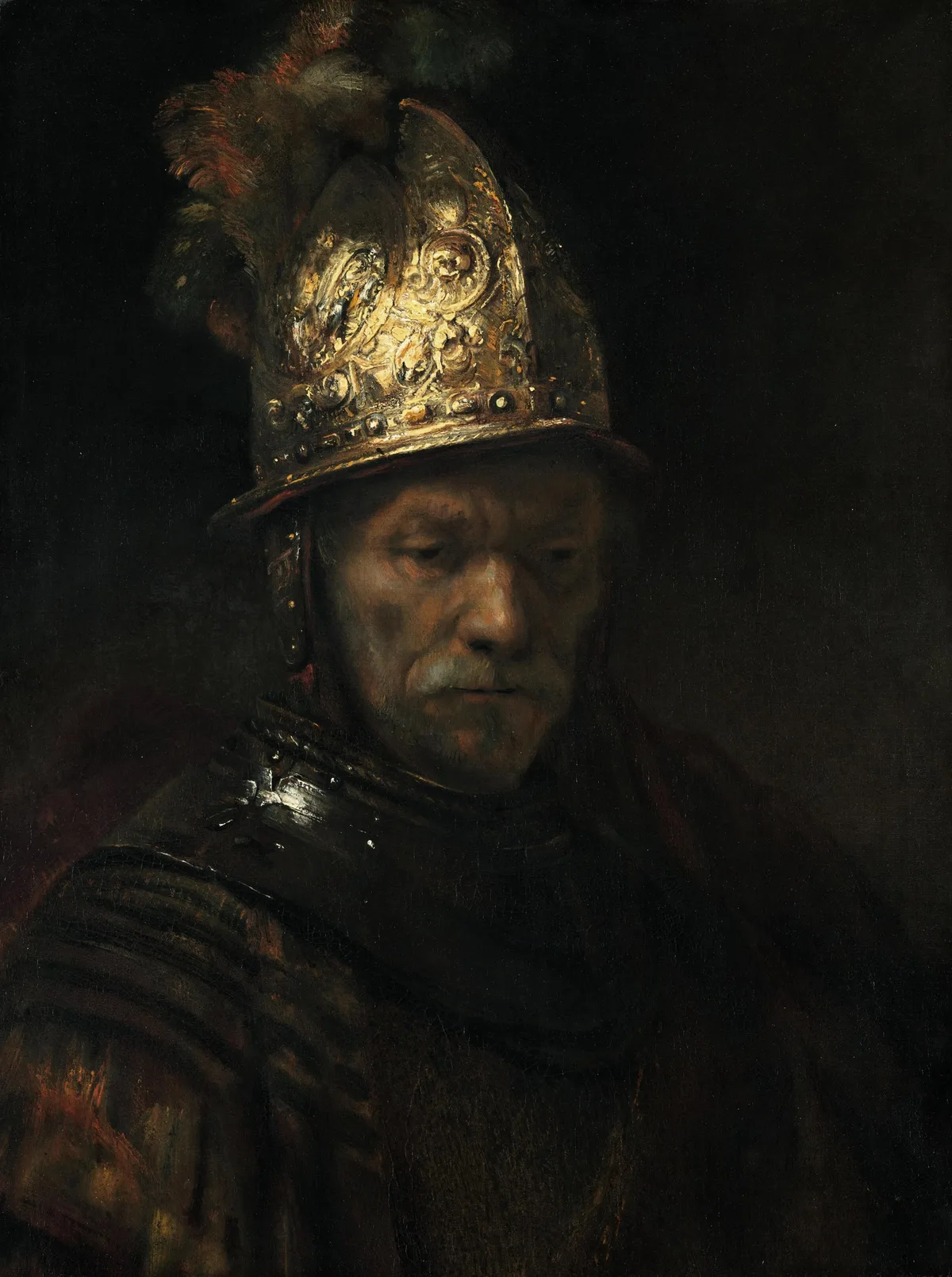 Article · 44 min readThe Gemäldegalerie in Berlin: 20 paintings that Berlin bought, lost and divided
 Article · 45 min readCapodimonte: how 20 works came to the hill above Naples
Works
76 works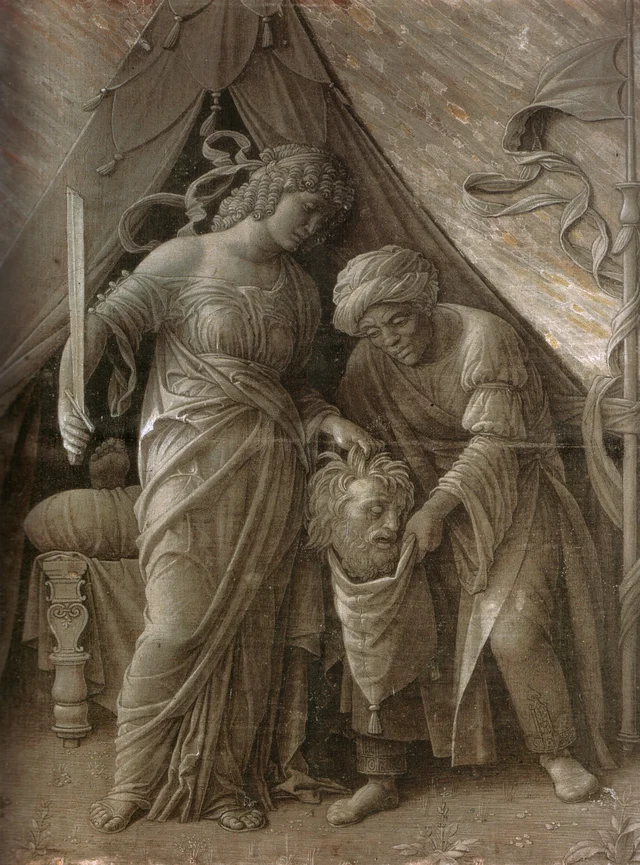 Judith with the Head of HolofernesAndrea Mantegna, 1497
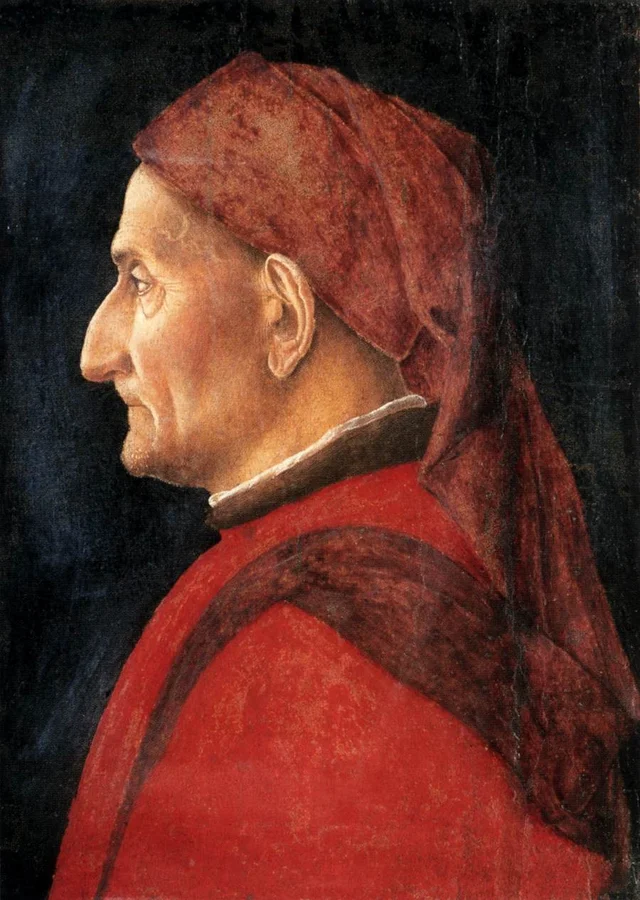 Profile of a Man (Mantegna)Andrea Mantegna, 1460
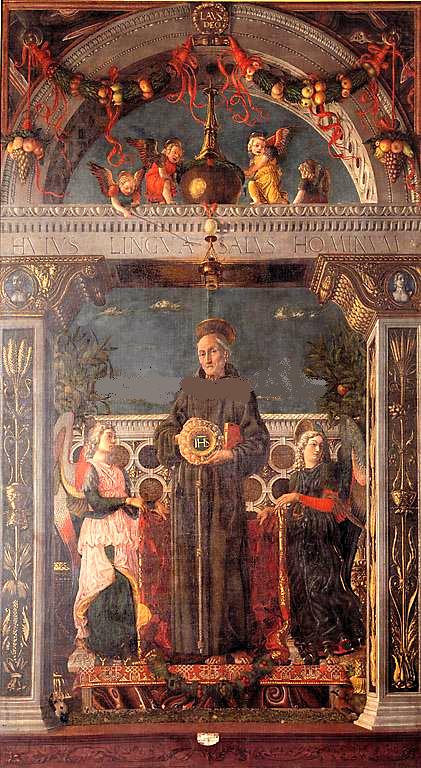 Saint Bernardino of Siena Between Two AngelsAndrea Mantegna, 1469
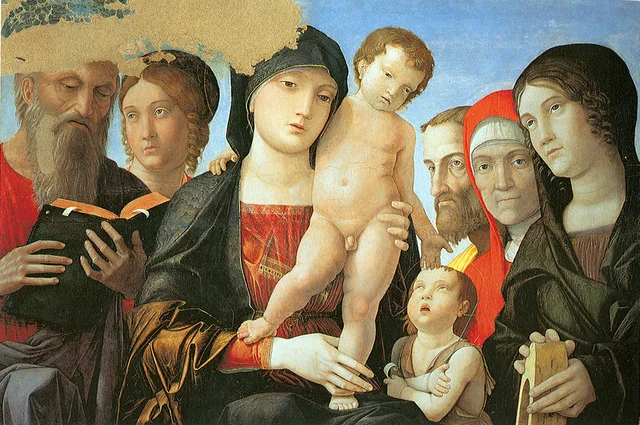 Virgin and Child with SaintsAndrea Mantegna, 1500
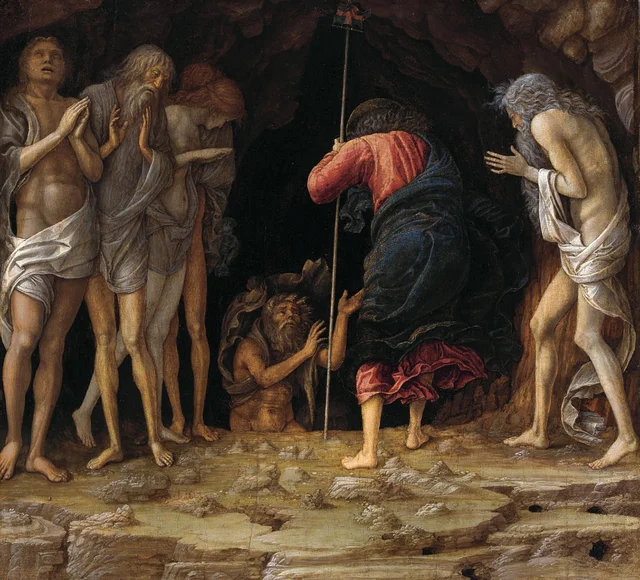 Descent into the limboAndrea Mantegna, 1470
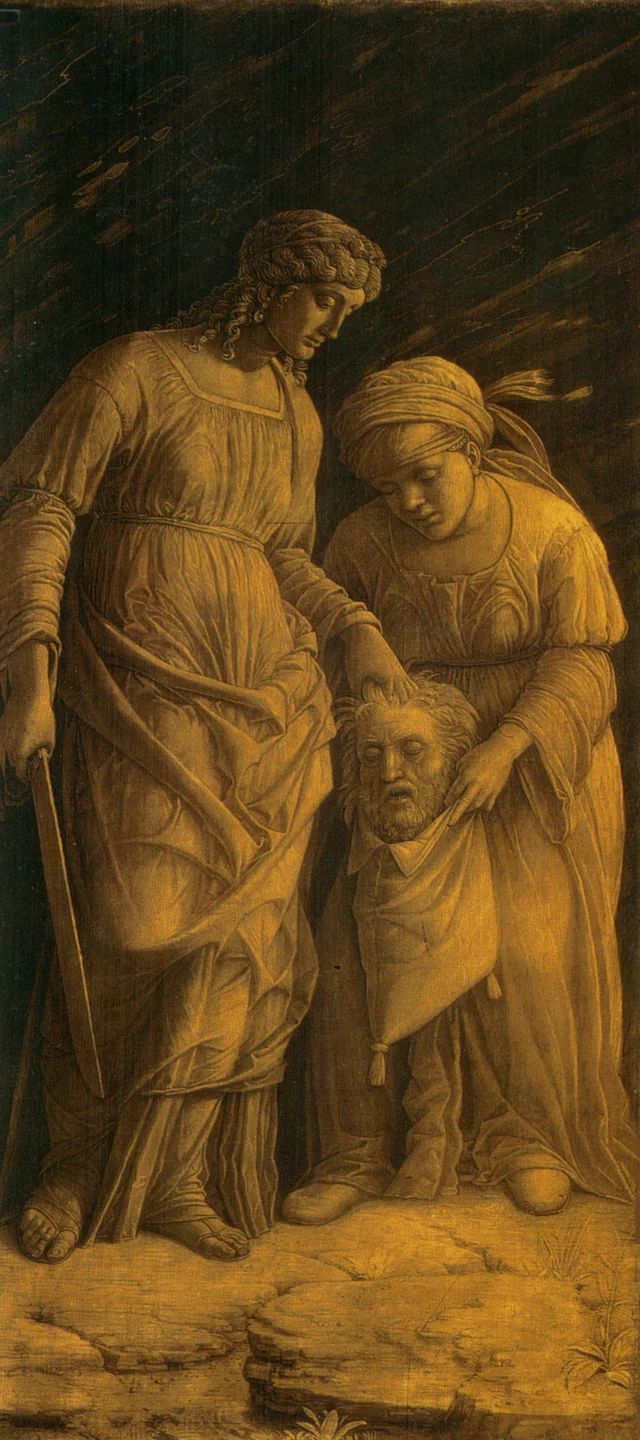 JudithAndrea Mantegna, 1495
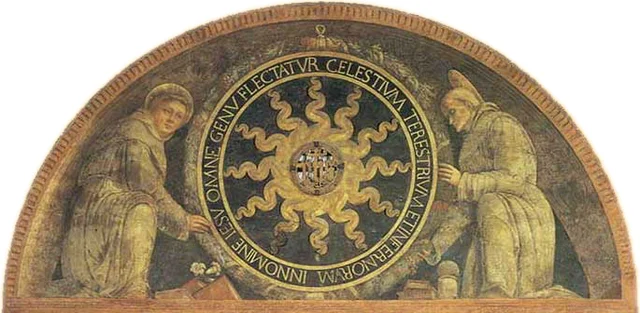 Monogram of Christ between two saintsAndrea Mantegna, 1452
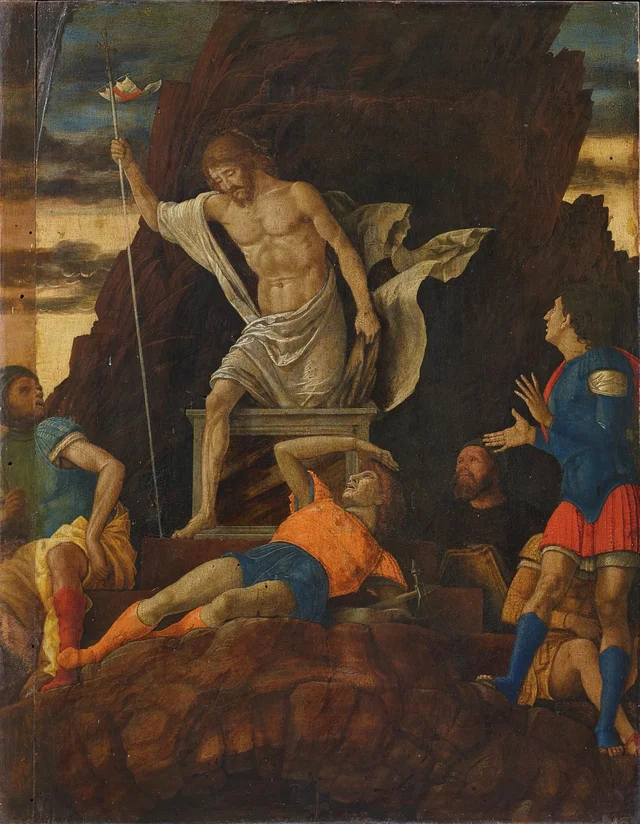 The Resurrection of ChristAndrea Mantegna, 1492
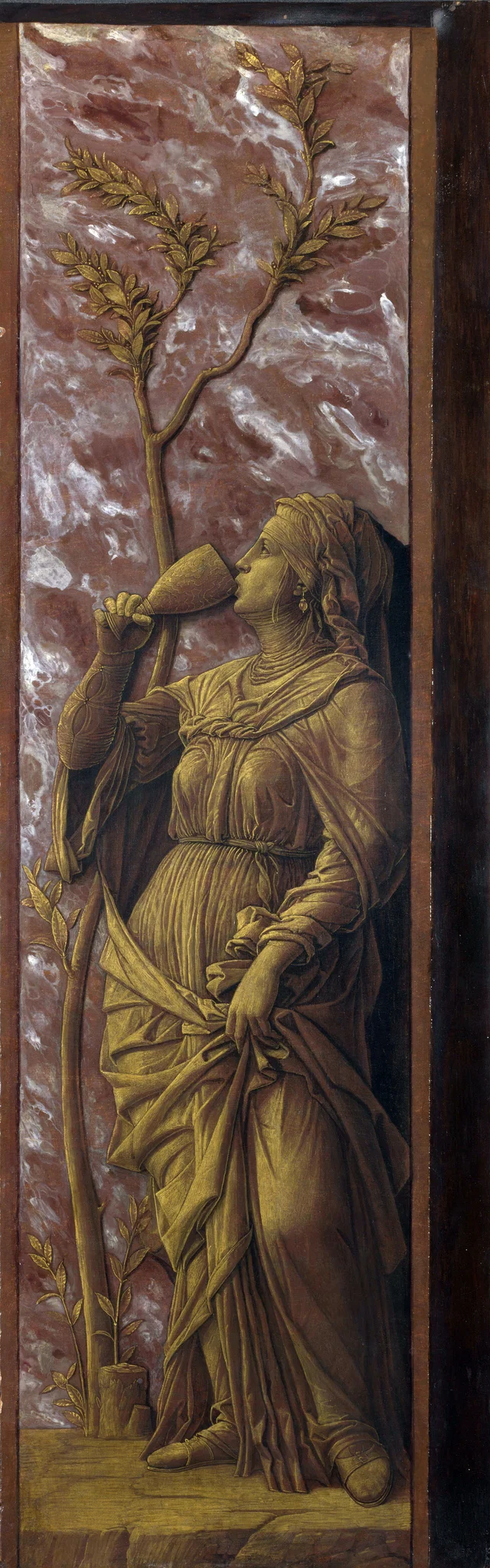 A Woman DrinkingAndrea Mantegna, 1495
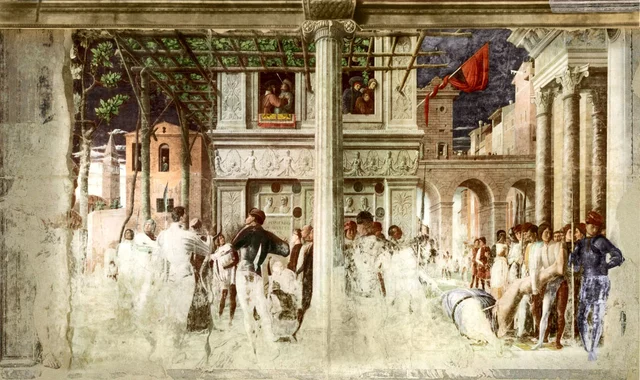 Martyrdom and transport of the decapitated body of St. ChristopherAndrea Mantegna, 1454
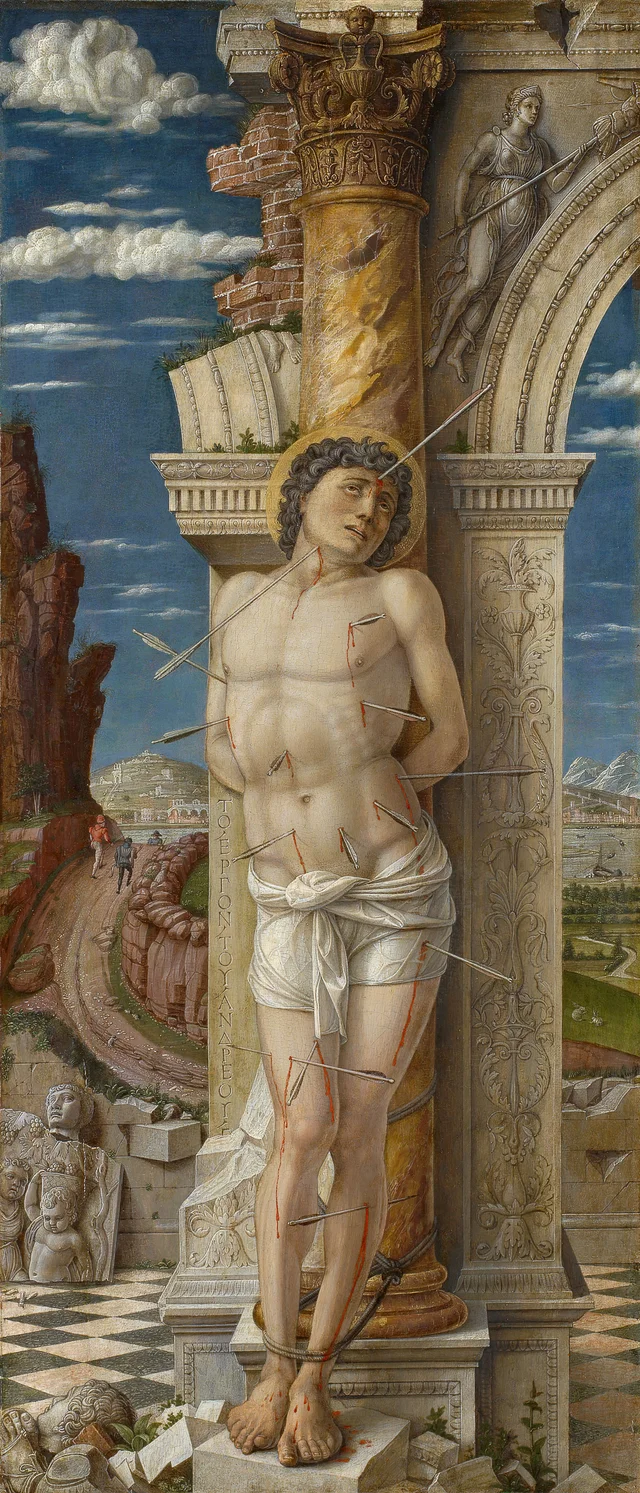 Saint SebastianAndrea Mantegna, 1458
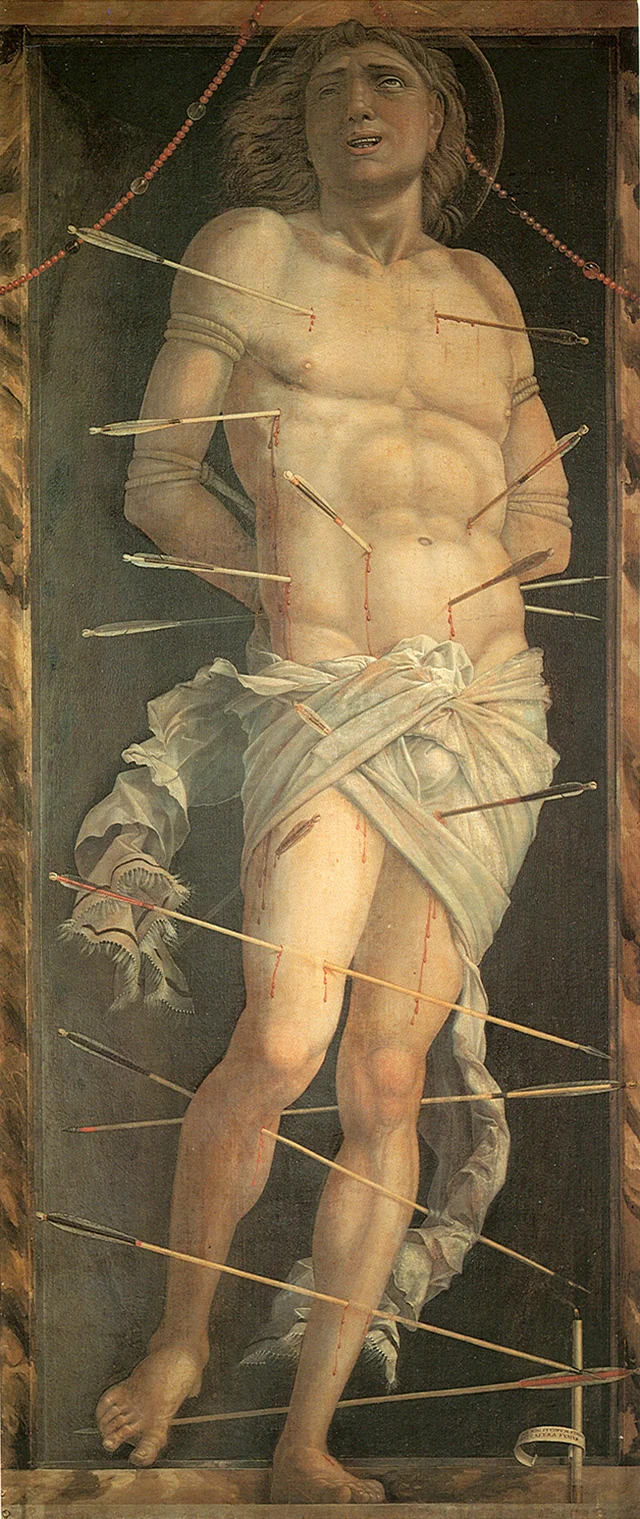 St. SebastianAndrea Mantegna, 1506
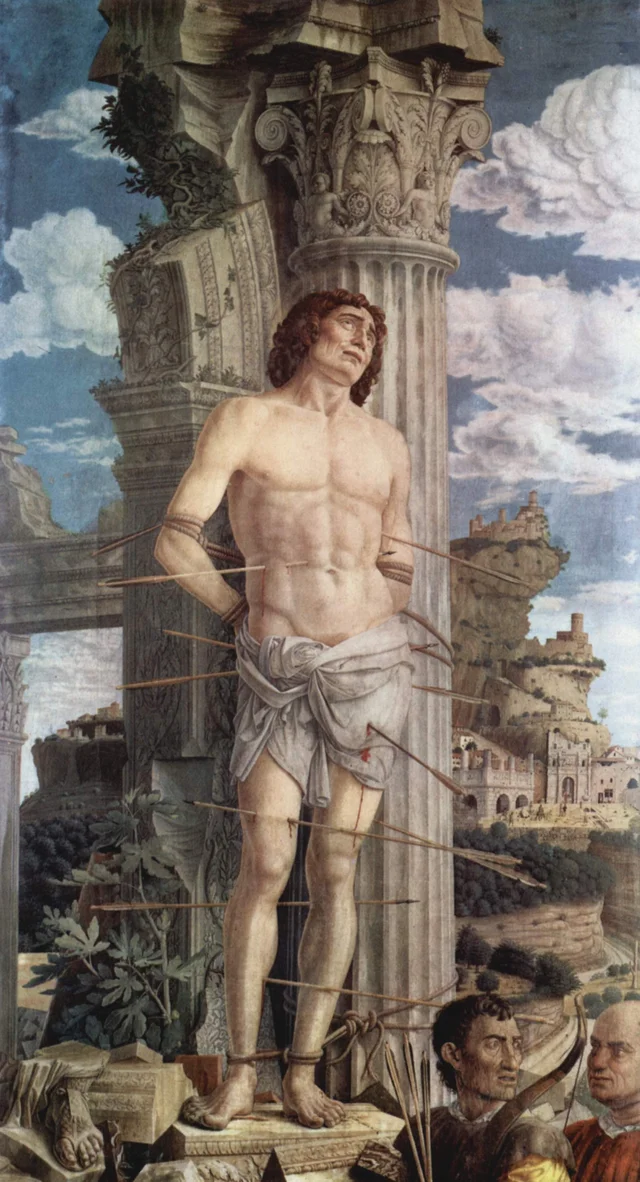 St. SebastianAndrea Mantegna, 1480
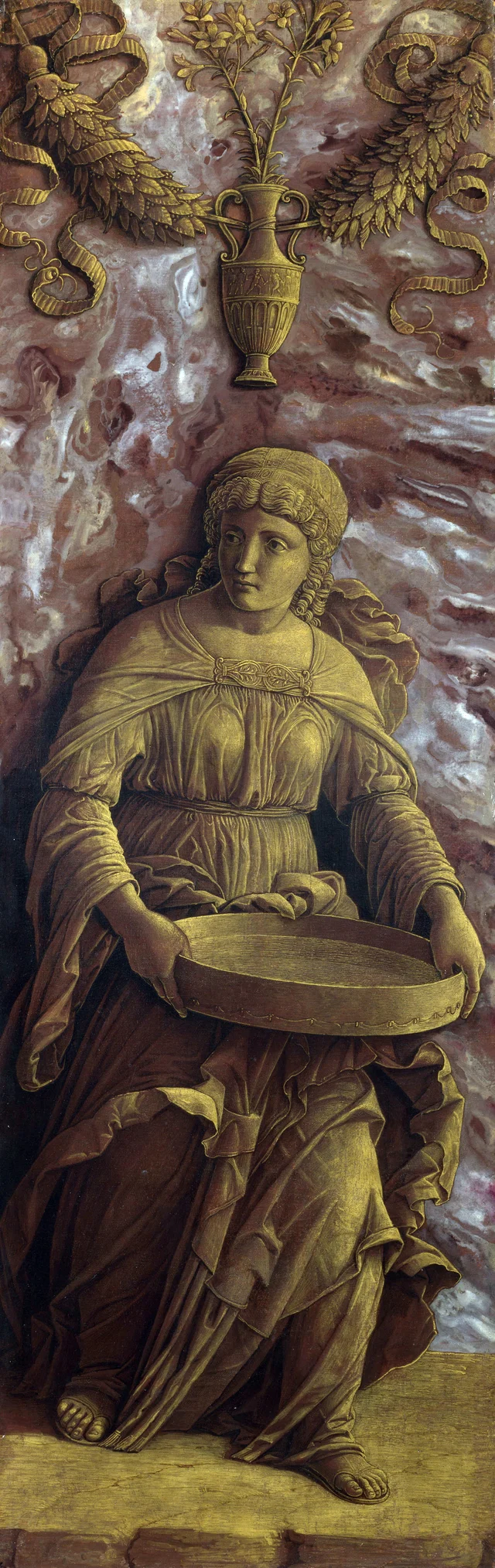 The Vestal Virgin Tuccia with a sieveAndrea Mantegna, 1495
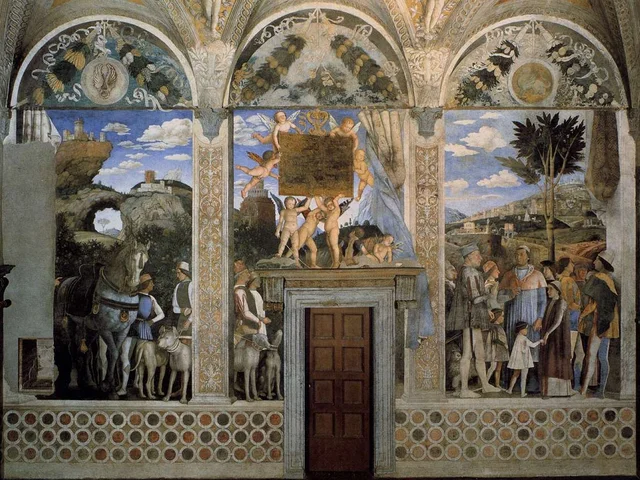 Camera picta - The MeetingAndrea Mantegna, 1474
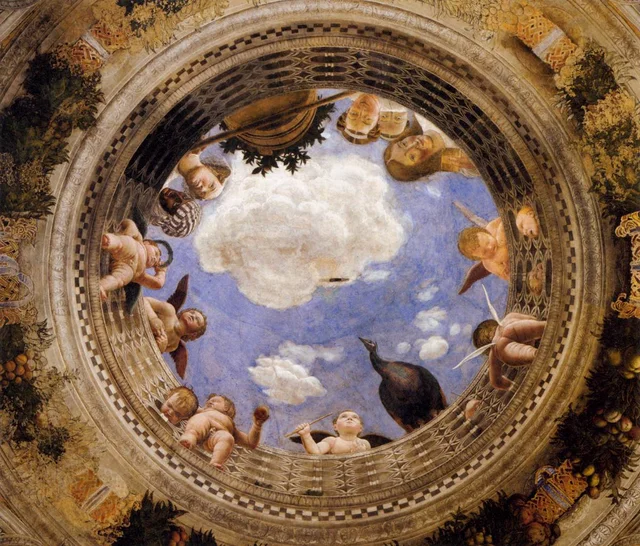 Ceiling OculusAndrea Mantegna, 1469
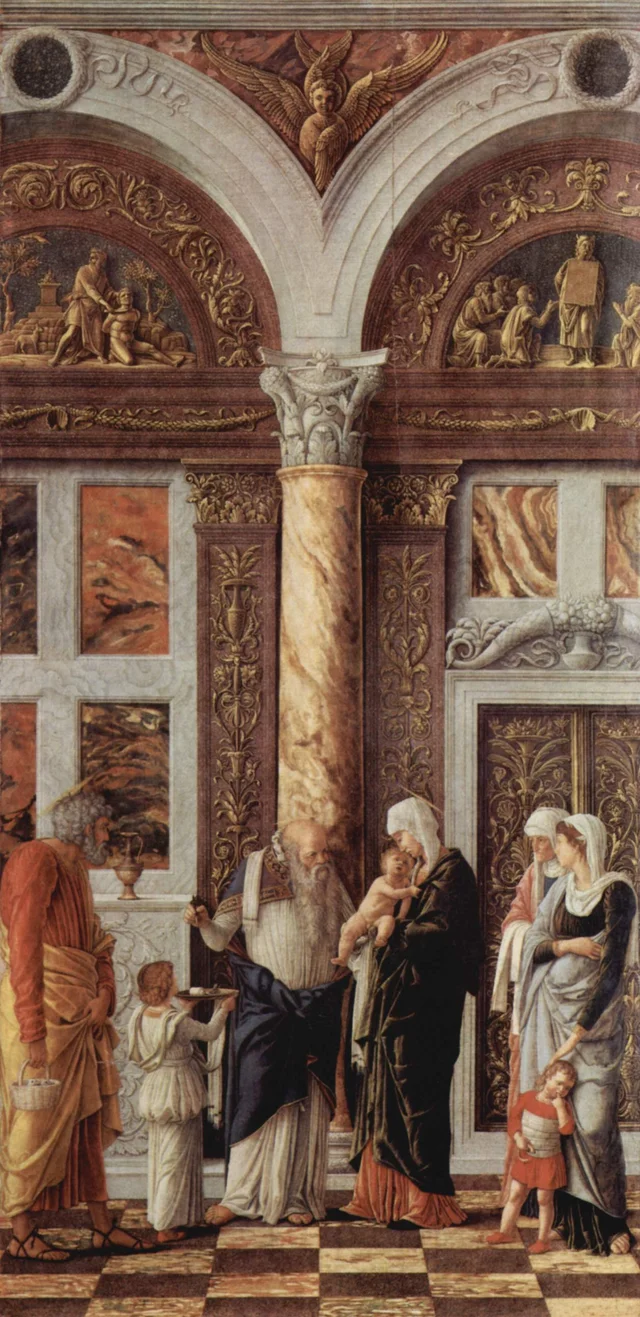 Circumcision of JesusAndrea Mantegna, 1461
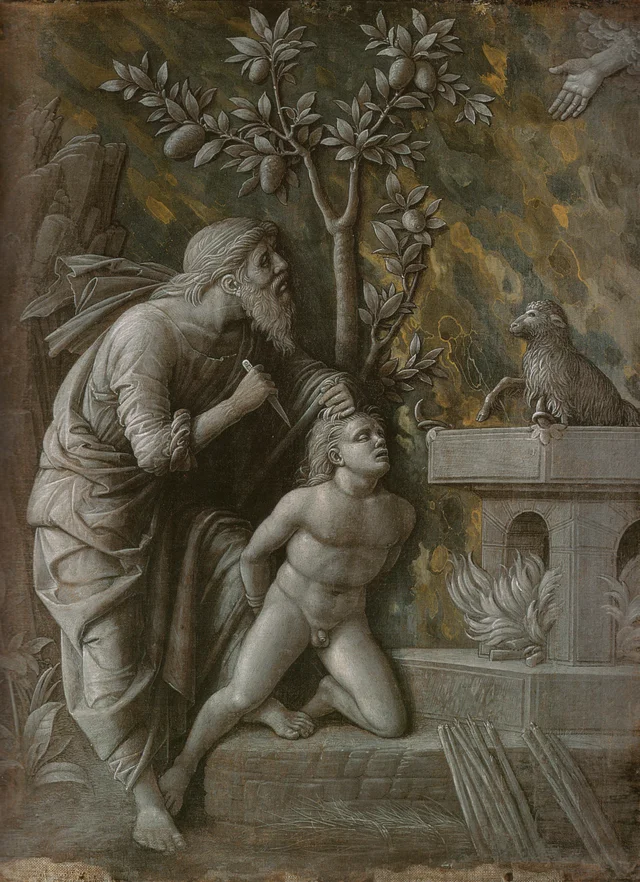 Sacrifice of IsaacAndrea Mantegna, 1492
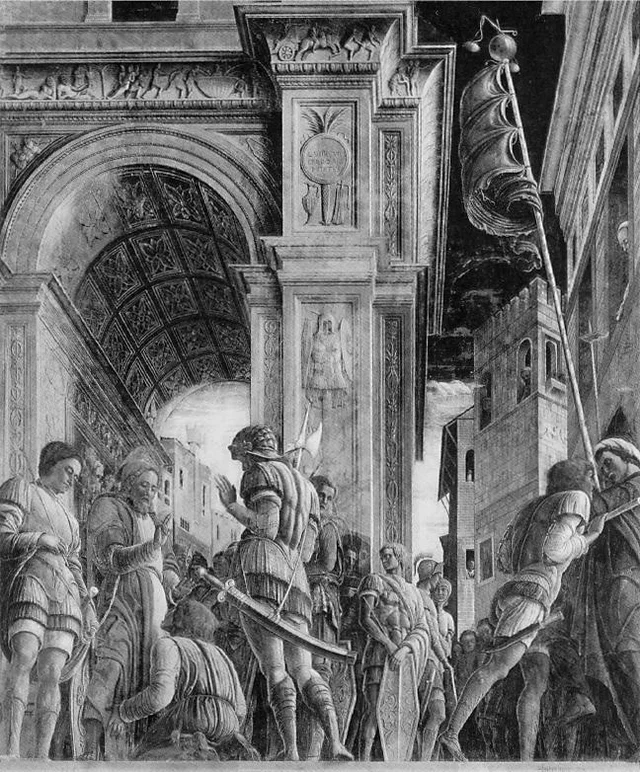 Saint James Led to His ExecutionAndrea Mantegna, 1455
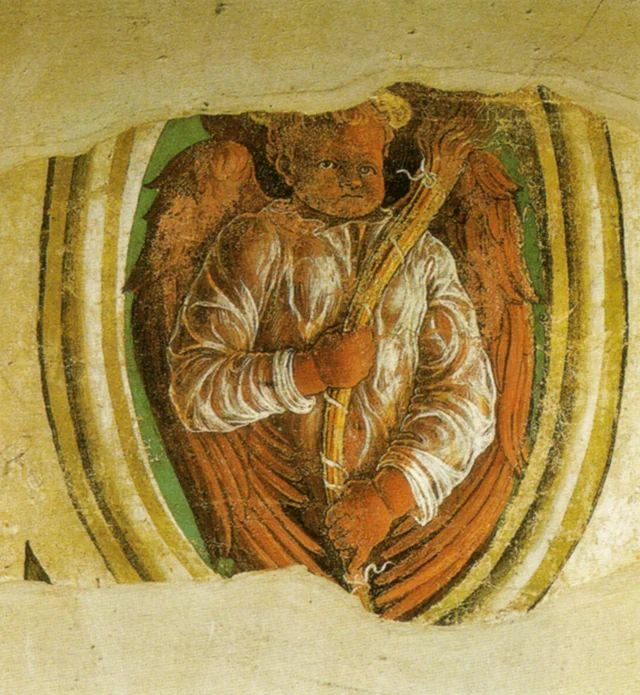 SerafinoAndrea Mantegna
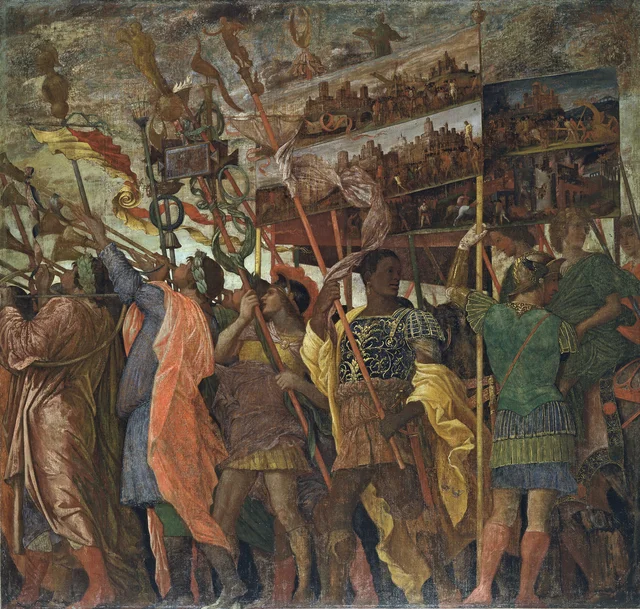 The Triumphs of Caesar: 1. The Picture-BearersAndrea Mantegna, 1488
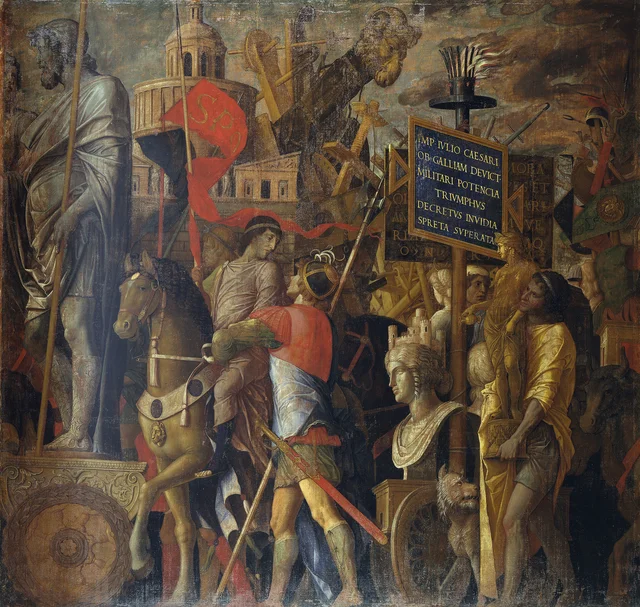 The Triumphs of Caesar: 2. The Bearers of Standards and Siege EquipmentAndrea Mantegna, 1488
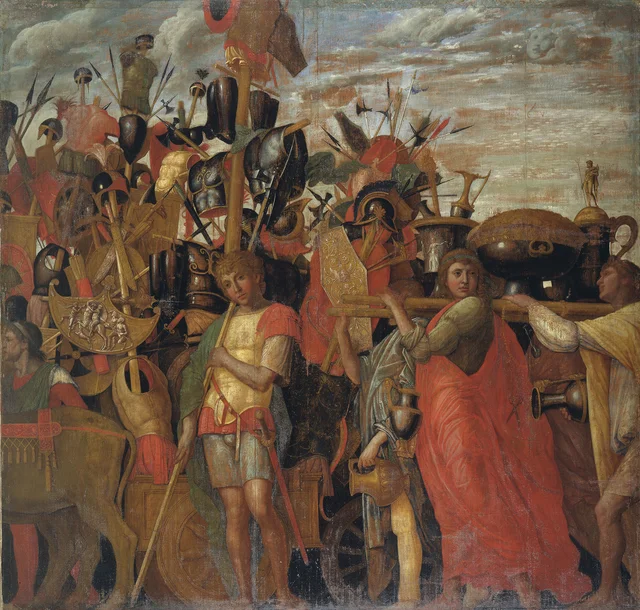 The Triumphs of Caesar: 3. The Bearers of Trophies and BullionAndrea Mantegna, 1488
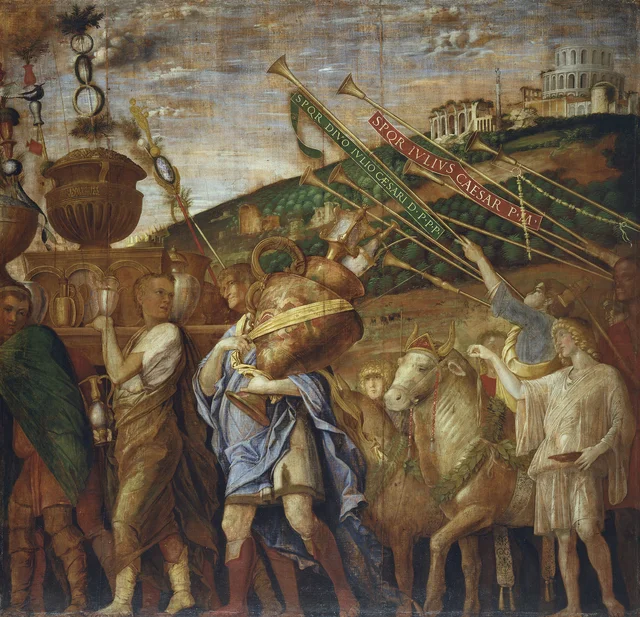 The Triumphs of Caesar: 4. The Vase-BearersAndrea Mantegna, 1488
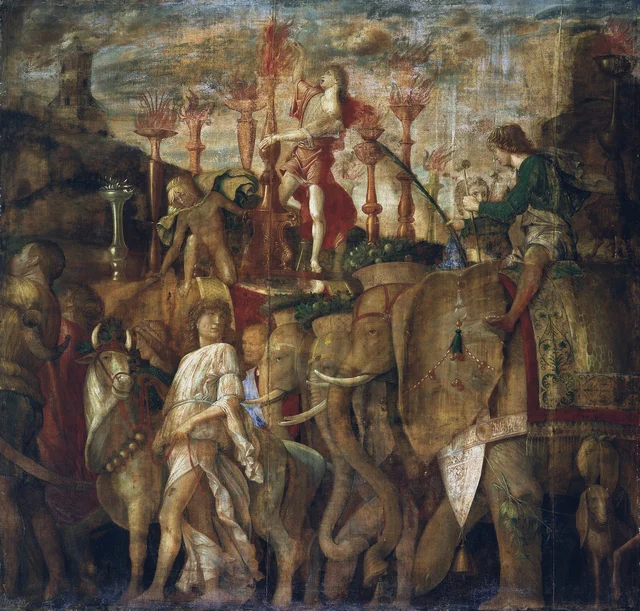 The Triumphs of Caesar: 5. The ElephantsAndrea Mantegna, 1488