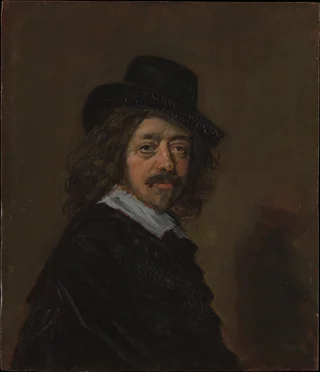
Frans Hals
1582–1666 · Dutch Republic · Baroque
The story
Around 1585 a Protestant family fled Antwerp for Haarlem, in the young Dutch Republic, one of thousands of refugees pushed north by the war with Spain. Among the children was Frans Hals, who spent the rest of his working life painting the merchants, brewers and militia officers of that same booming town.
His breakthrough came in 1616, when Haarlem's Saint George civic guard commissioned him to paint its officers together, a group-portrait tradition Dutch cities used to honor the citizen-soldiers who had helped win their independence. Hals turned the usual stiff lineup into something that looked caught mid-toast, faces flushed, hands loose on sword hilts, built from quick, visible strokes instead of the smooth finish most portraitists favored. The style made him Haarlem's most sought-after painter for two decades, and centuries later painters including Edouard Manet studied that same loose brushwork as a model for catching a live moment on canvas.
Fashion moved on before he did. By the 1650s commissions had dried up, and in 1652 court records show him auctioning his furniture to cover a debt. He spent his final years on a small pension the Haarlem town council granted him in 1664, two years before his death, still painting occasional group portraits for the same kind of civic bodies that had first made his name.
More articles
 Article · 45 min readThe Mauritshuis in The Hague: 20 paintings and how they came here
 Article · 57 min readThe Rijksmuseum in Amsterdam: 25 works and their owners
 Article · 44 min readThe Gemäldegalerie in Berlin: 20 paintings that Berlin bought, lost and divided
 Article · 42 min readThe Alte Pinakothek: 20 paintings and how they came to Munich
Works
110 works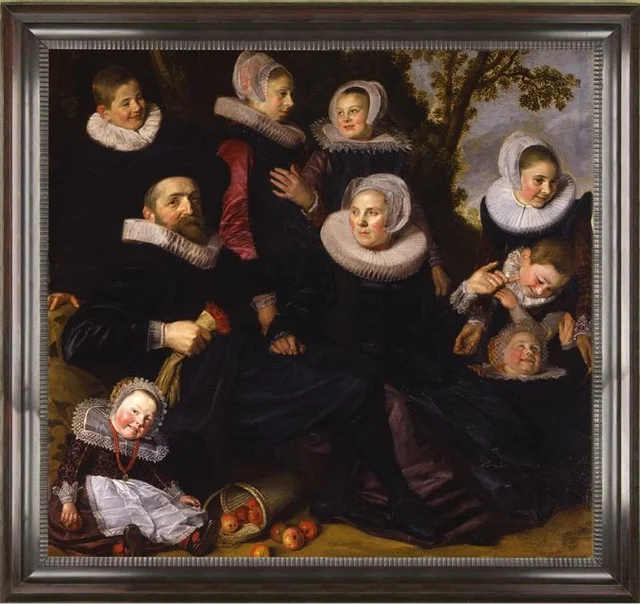 Van Campen Family Portrait in a Landscape (left half)Frans Hals, 1620
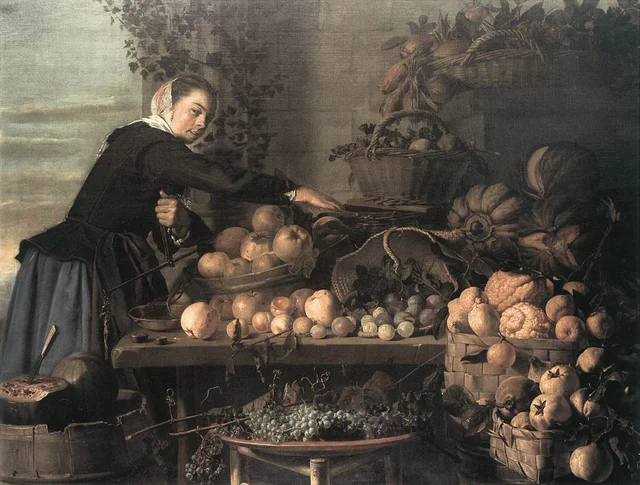 Young Woman with a Display of Fruit and VegetablesFrans Hals, 1630
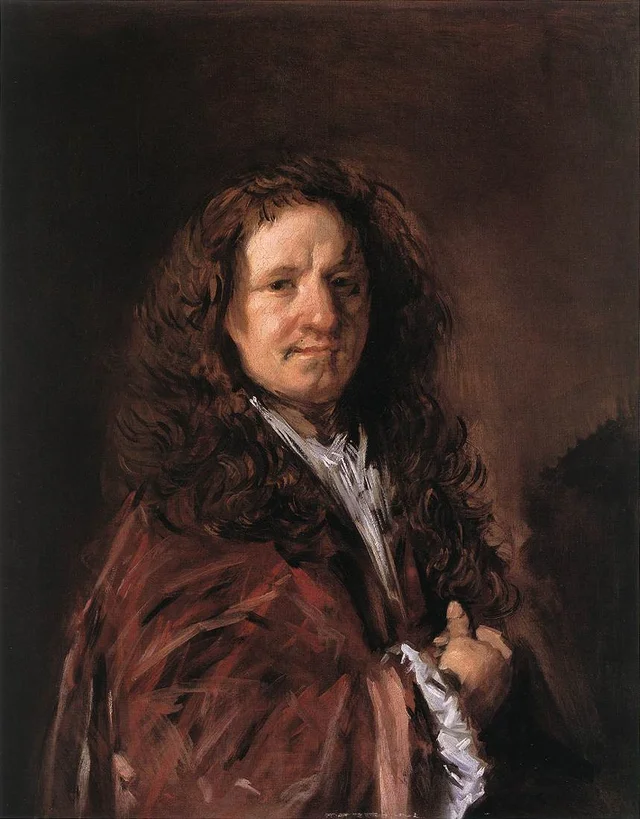 Portrait of a manFrans Hals, 1665
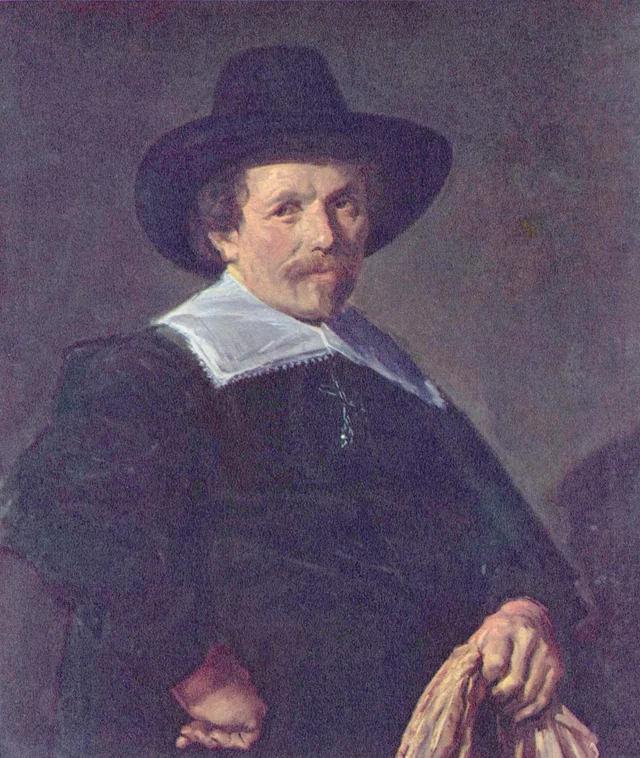 Portrait of a manFrans Hals, 1645
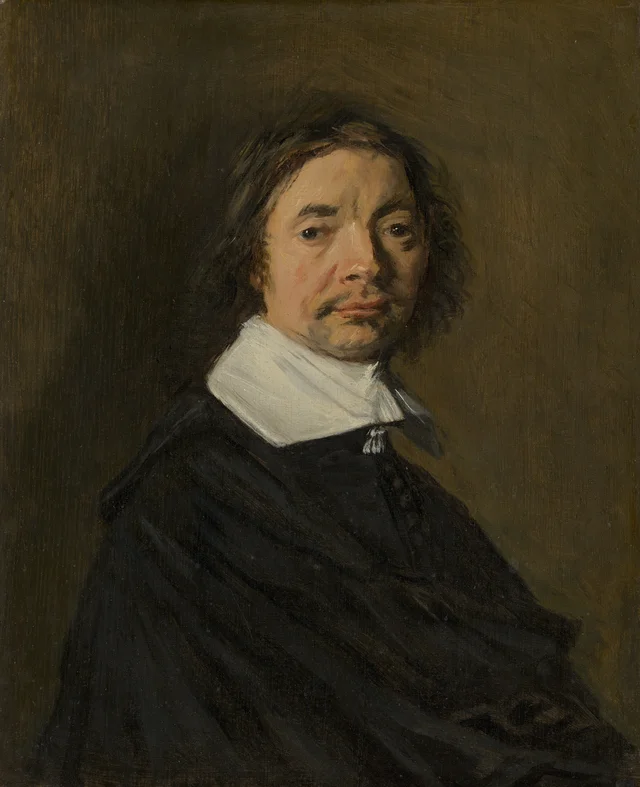 Portrait of a manFrans Hals, 1660
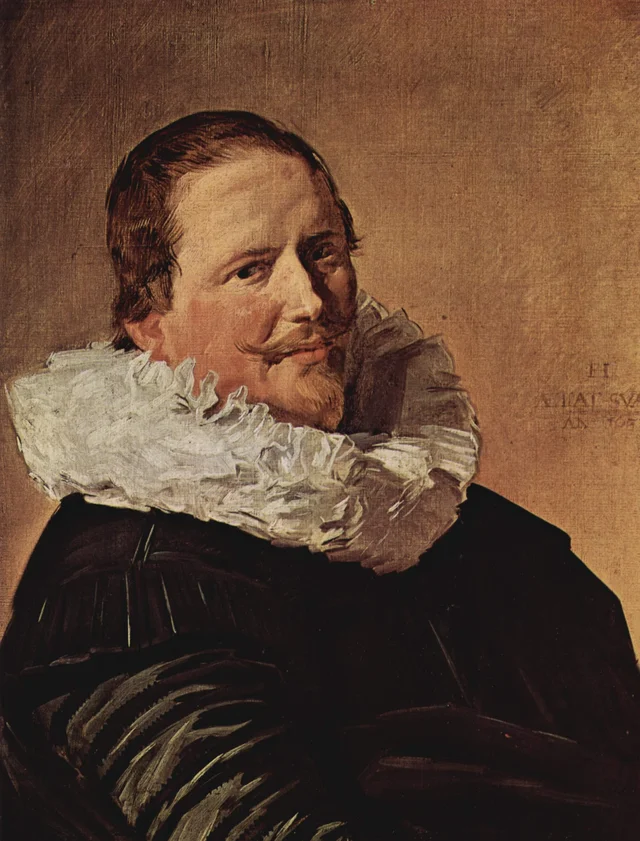 Portrait of a Man in his ThirtiesFrans Hals, 1633
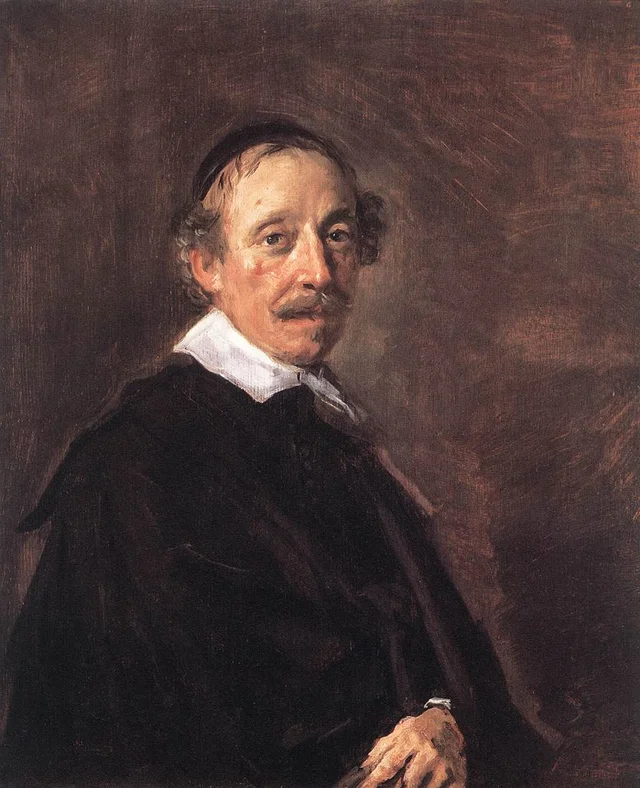 Portrait of a PreacherFrans Hals, 1660
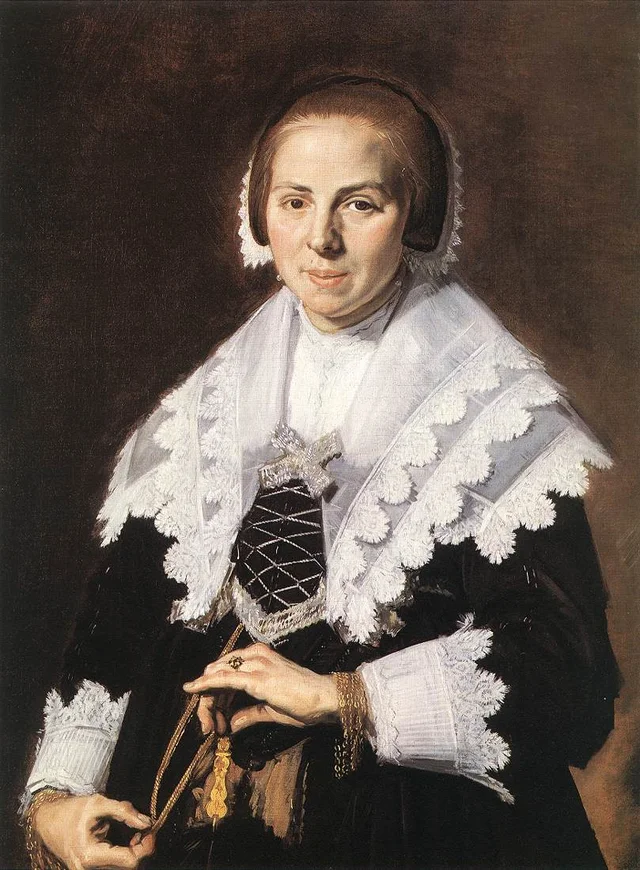 Portrait of a Woman Holding a FanFrans Hals, 1640
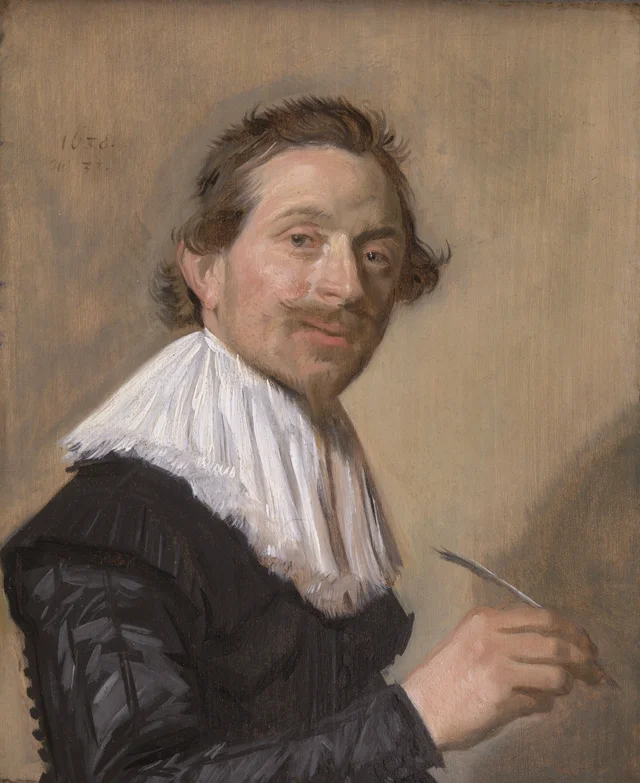 Portrait of Jean de la ChambreFrans Hals, 1638
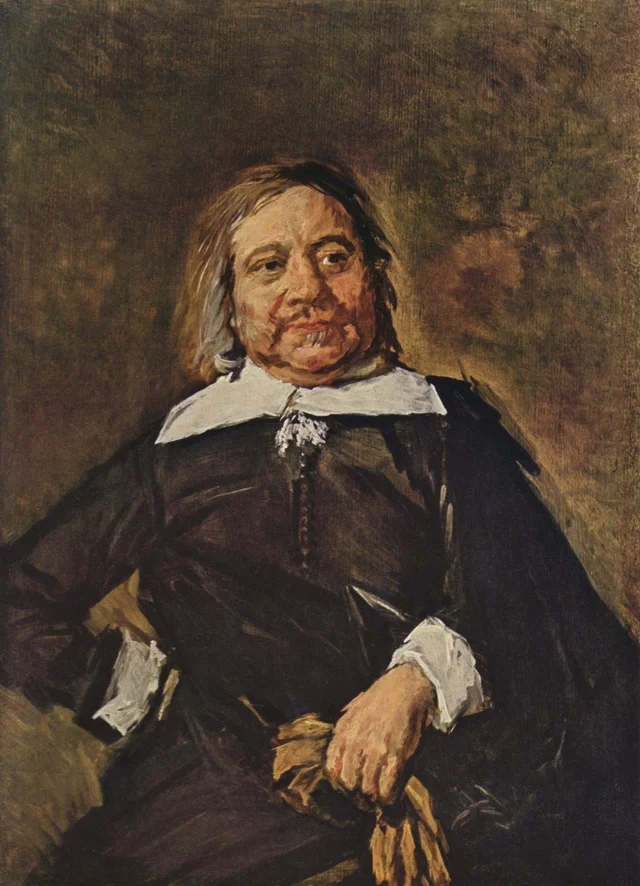 Portrait of Willem CroesFrans Hals, 1661