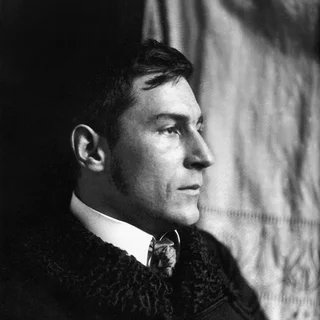
Franz Marc
1880–1916 · Kingdom of Bavaria · Expressionism
The story
Franz Marc found his subject almost by accident. Trained in Munich and drawn early to Eastern religious philosophy, he settled by 1910 on animals as his central theme, painting horses, deer, and foxes in saturated blues, reds, and yellows not to depict them naturalistically but as symbols of a spiritual world he thought untouched by human corruption. His 1911 painting Blue Horse I is typical, an ultramarine animal glowing against rolling hills, color used as feeling rather than description.
That year he met the Russian painter Wassily Kandinsky, and together they broke from the Munich group Neue Künstlervereinigung to found Der Blaue Reiter, the Blue Rider, publishing an almanac in 1912 that became one of the founding documents of German Expressionism. Marc and Kandinsky shared a belief that abstraction could reveal a spiritual essence hidden behind ordinary appearances, and Marc's animal paintings grew steadily more fractured and prismatic as he pushed toward it.
He was drafted into the German army when the First World War began and was killed by a shell splinter near Verdun on 4 March 1916, at thirty-six. Germany's military command had drawn up a list of notable artists to be pulled from combat duty as culturally valuable; Marc was on it, but the reassignment order never reached him in time.
More articles
Works
104 works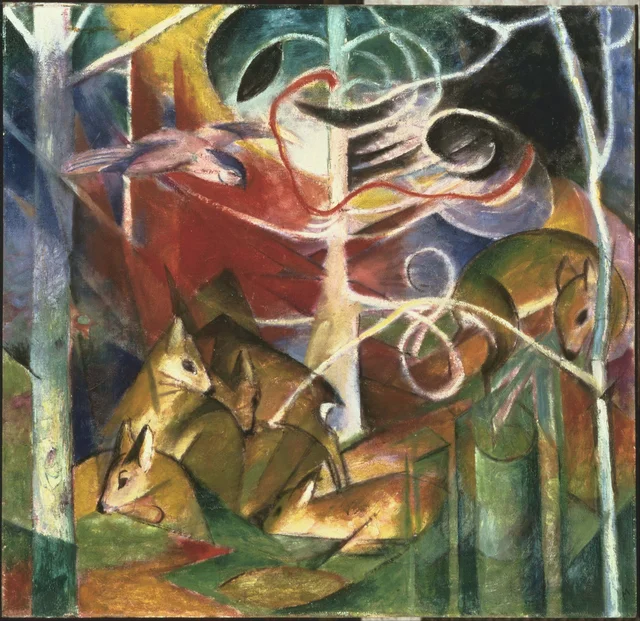 Deer in the Forest IFranz Marc, 1913
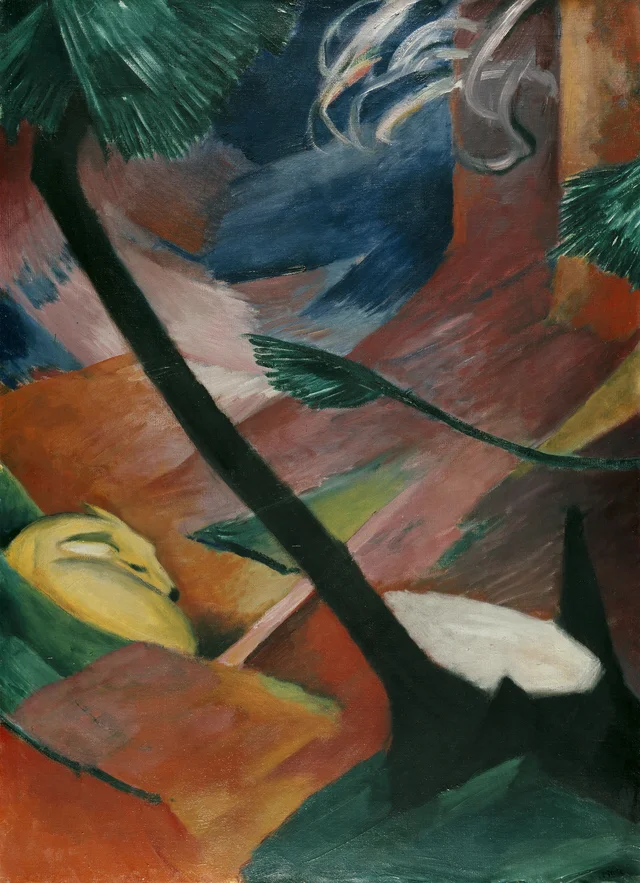 Deer in the woods IIFranz Marc, 1912
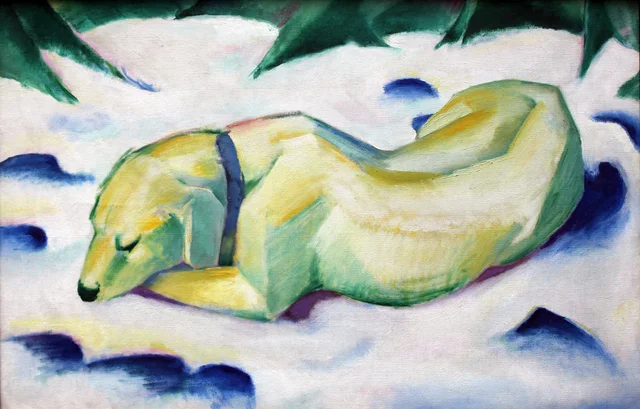 Dog Lying in the SnowFranz Marc, 1911
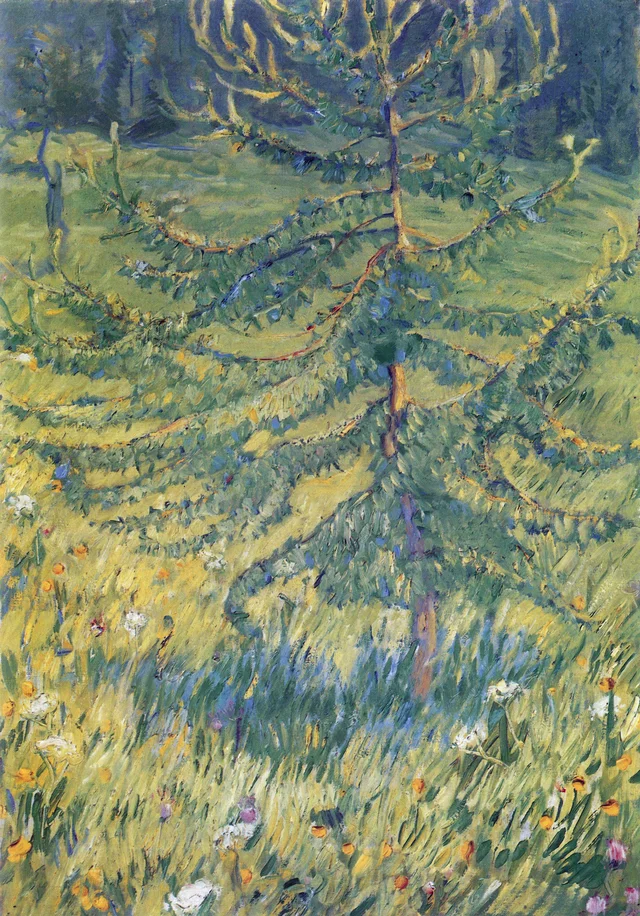 Little larch treeFranz Marc, 1908
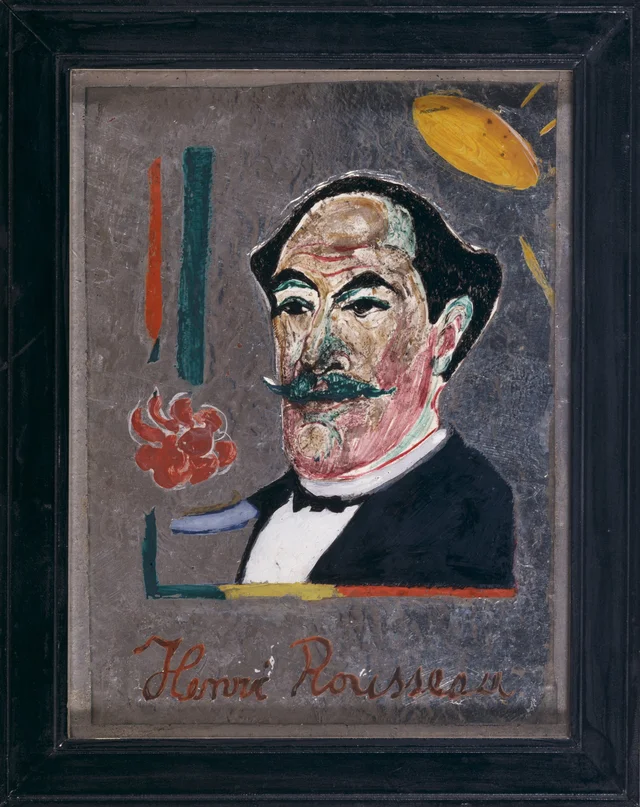 Portrait of Henri RousseauFranz Marc, 1911
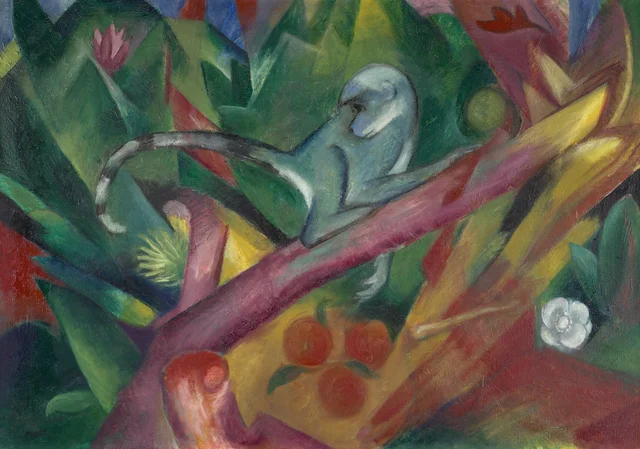 The Little MonkeyFranz Marc, 1912
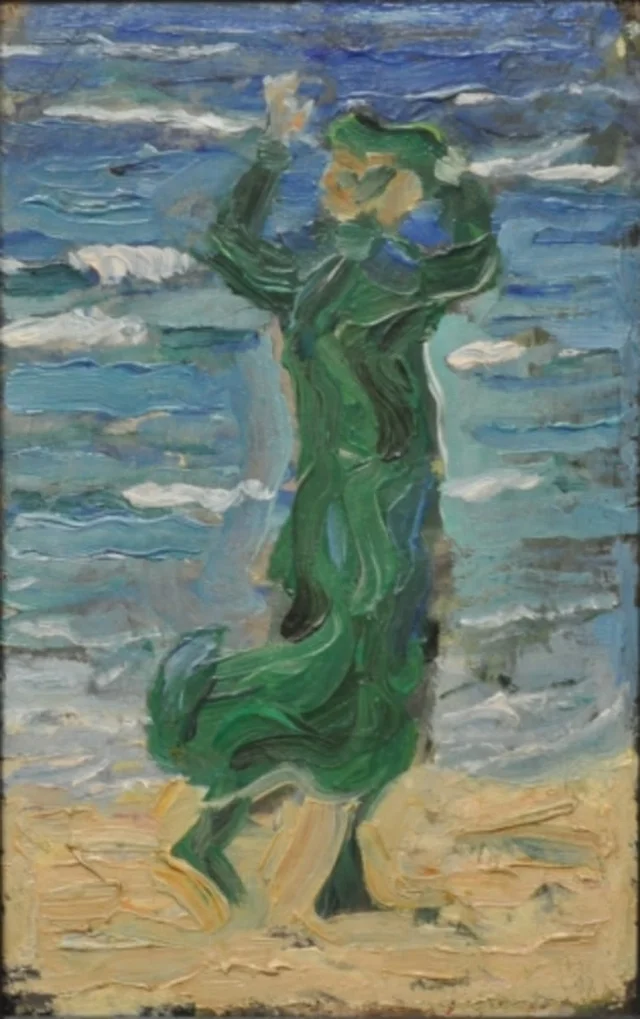 Woman in the Wind by the SeaFranz Marc, 1907
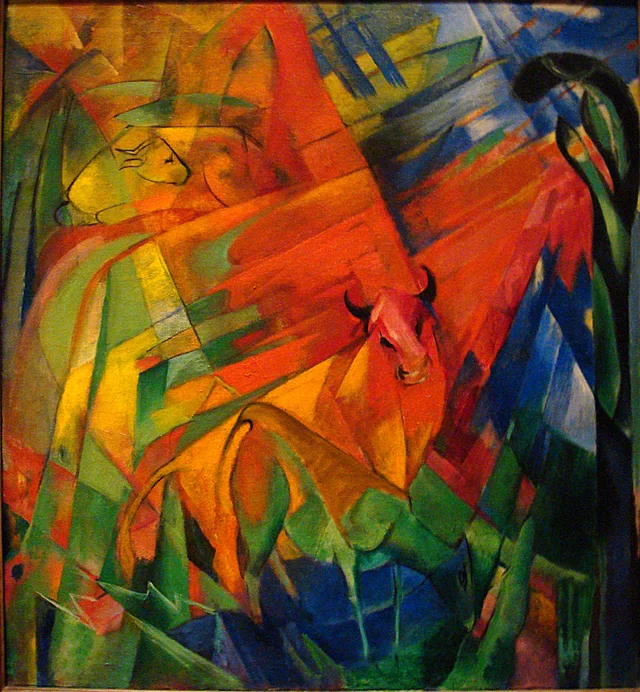 Animals in a LandscapeFranz Marc, 1914
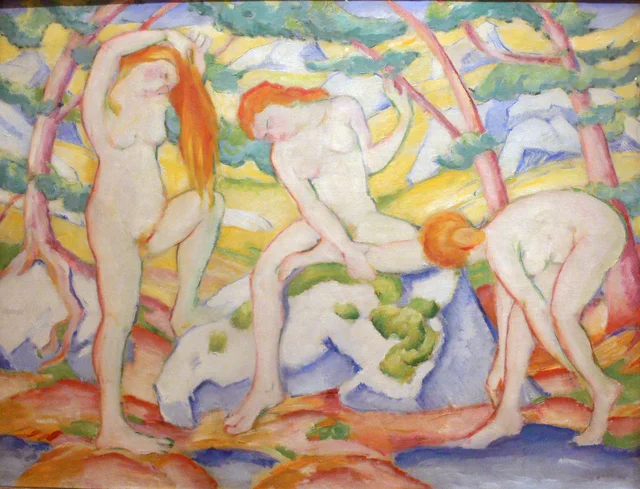 Bathing GirlsFranz Marc, 1910
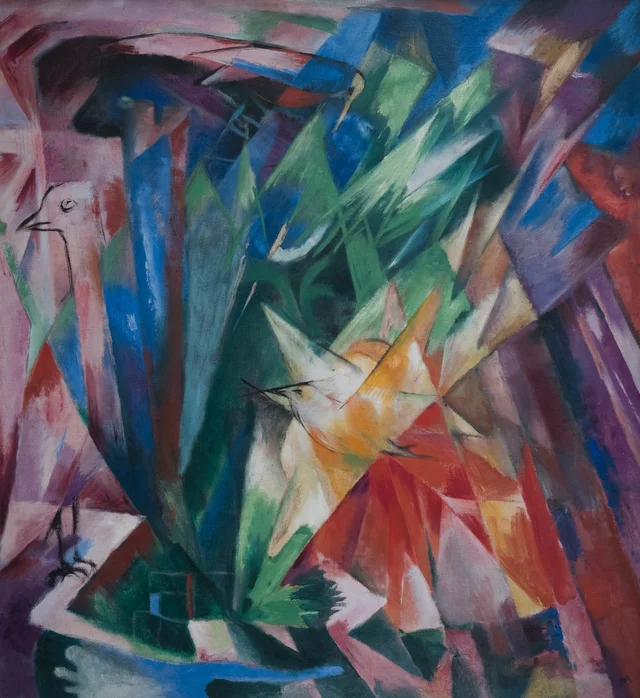 BirdsFranz Marc, 1914
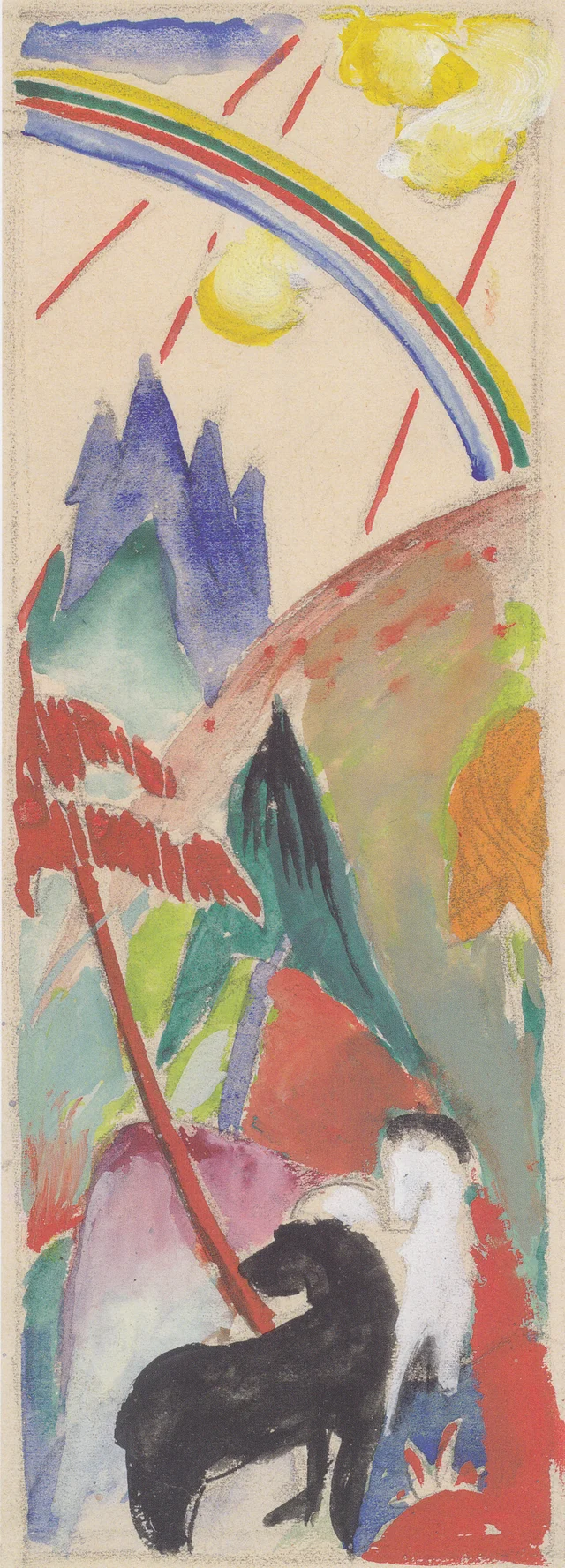 Black and white horse in mountain landscape with rainbowFranz Marc, 1911
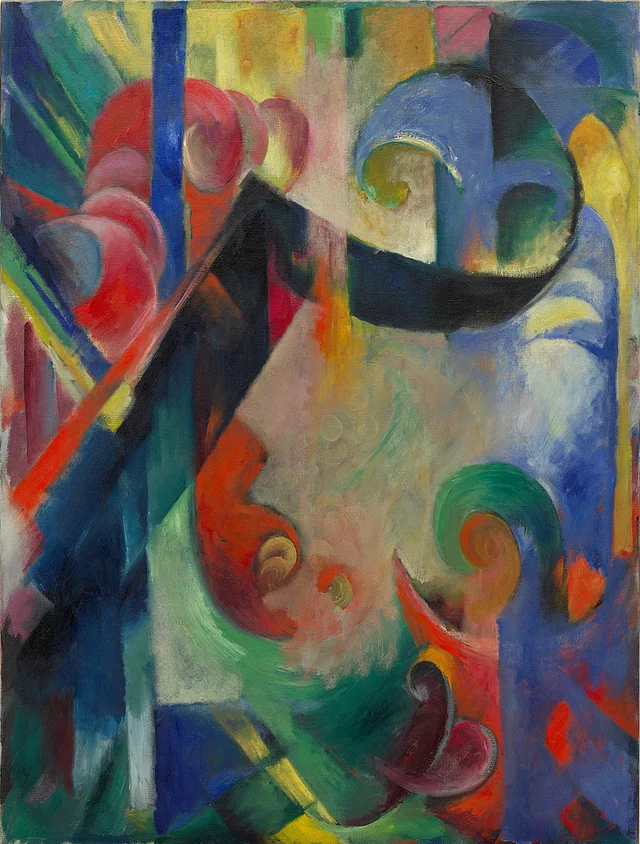 Broken FormsFranz Marc, 1914
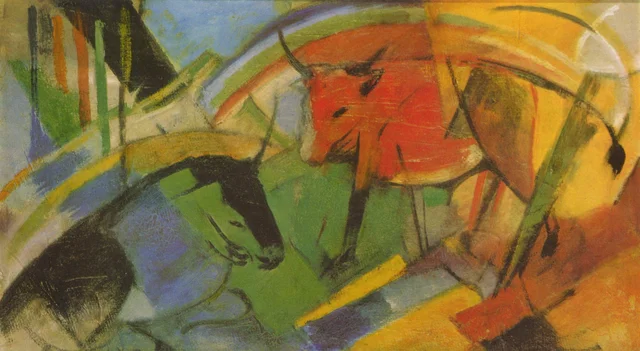 CattleFranz Marc, 1913
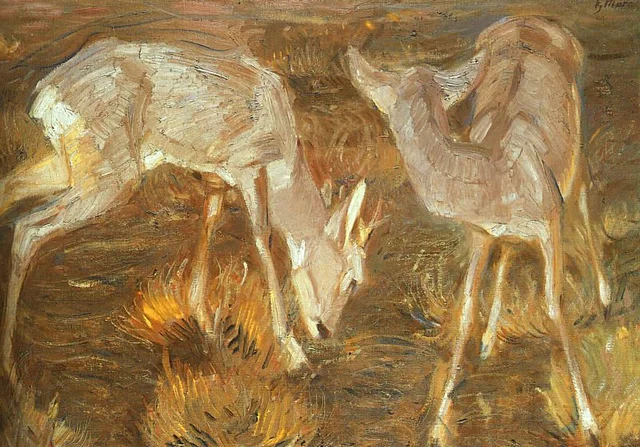 Deer at duskFranz Marc, 1909
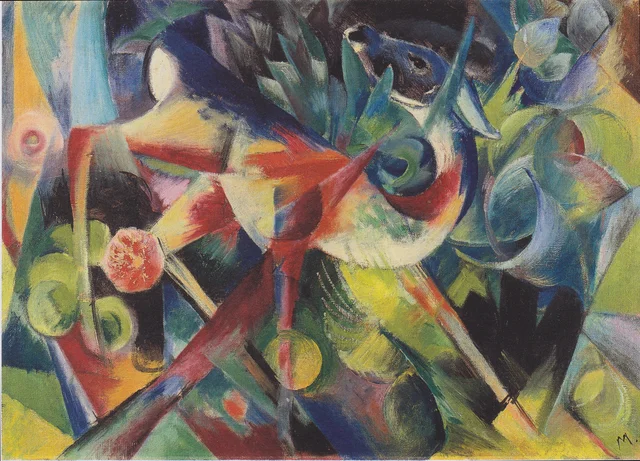 Deer in flower gardenFranz Marc, 1913
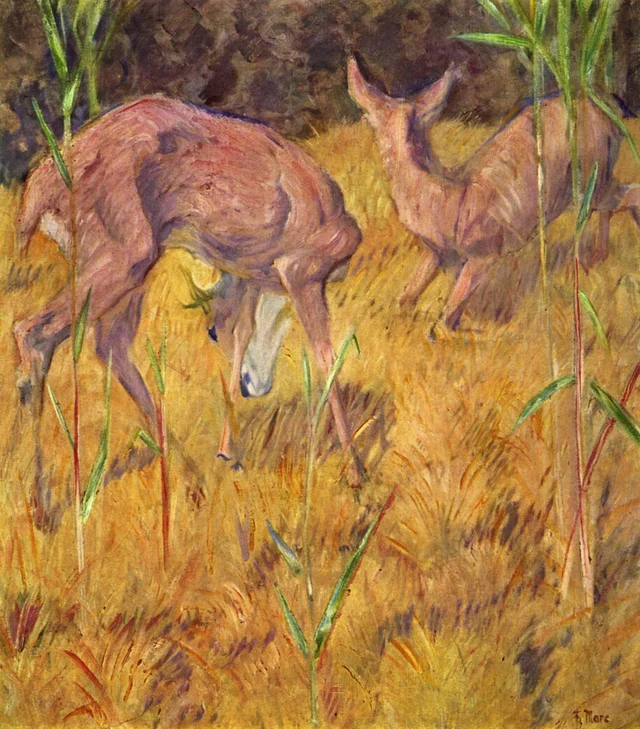 Deer in the reedsFranz Marc, 1909
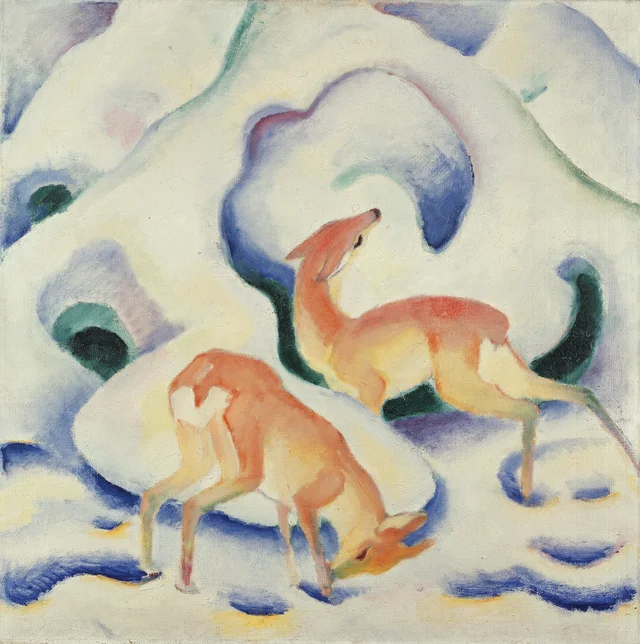 Deer in the Snow IIFranz Marc, 1911
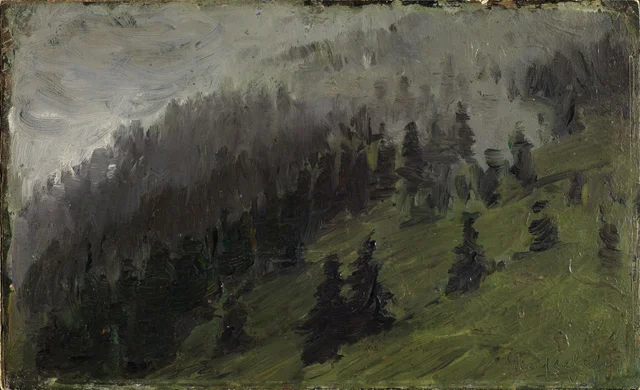 Fog between firsFranz Marc, 1905
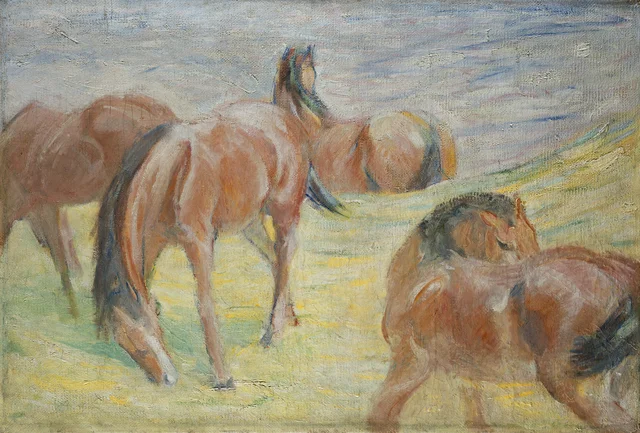 Grazing Horses IFranz Marc, 1910
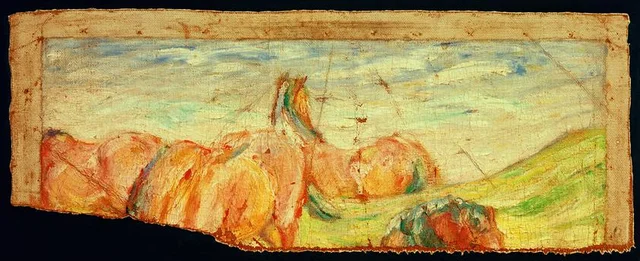 Grazing Horses IIFranz Marc, 1910
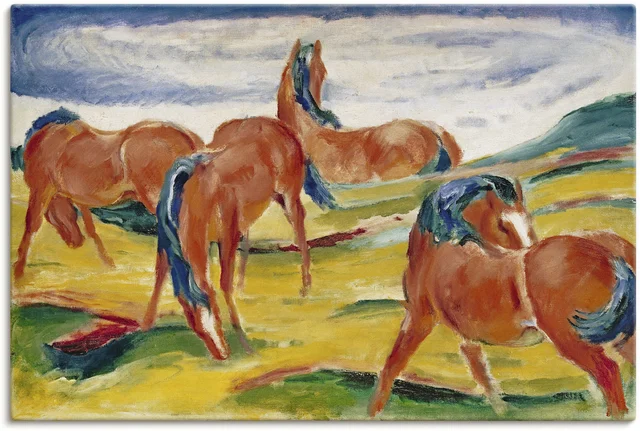 Grazing Horses IIIFranz Marc, 1910
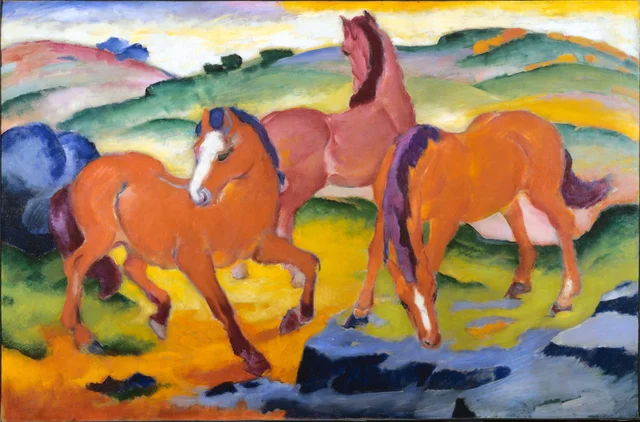 Grazing Horses IVFranz Marc, 1911
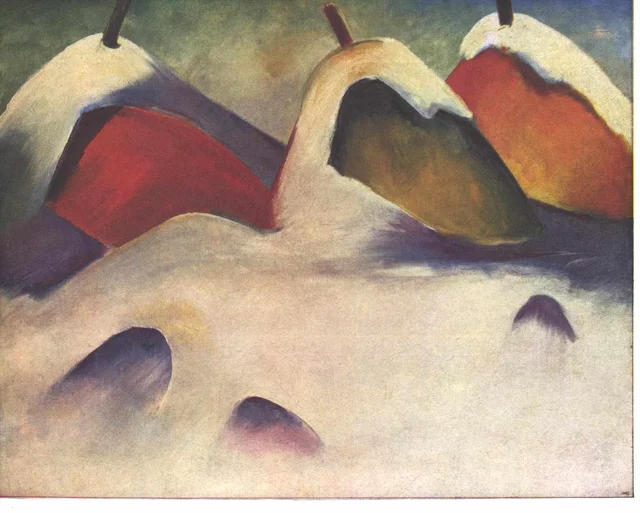 Hay stacks in the snowFranz Marc, 1911
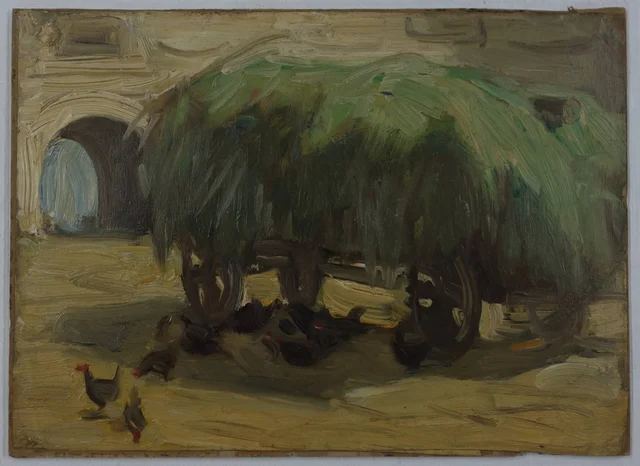 Hay wagonFranz Marc, 1905
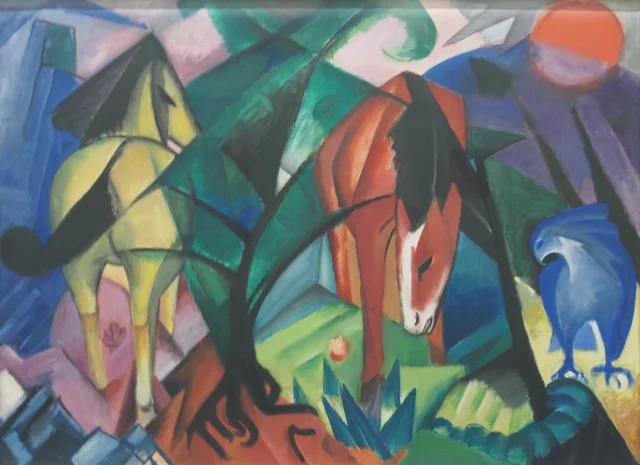 Horses and EagleFranz Marc, 1912