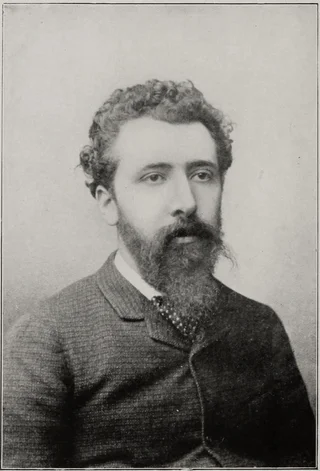
Georges Seurat
1859–1891 · France · Pointillism
The story
Georges Seurat approached painting like a scientist. Trained at the École des Beaux-Arts in Paris and influenced by contemporary theories of color and optics, he developed a technique of applying thousands of small, distinct dots of pure pigment that the eye, not the brush, would blend at a distance, a method he called Divisionism and that critics nicknamed Pointillism. His 1884-86 canvas A Sunday on La Grande Jatte, a nearly seven-by-ten-foot scene of Parisians relaxing on an island in the Seine, took two years of preparatory sketching and remains the technique's defining showpiece.
He worked this way for barely a decade and kept much of his private life hidden even from close friends. Only in the last two days before his death did he introduce his parents to his common-law wife, the artist's model Madeleine Knobloch, and their young son, Pierre-Georges.
Seurat fell suddenly ill and died in Paris on 29 March 1891, at thirty-one; doctors could not agree whether the cause was meningitis, diphtheria, or infectious angina. His infant son died of the same illness two weeks later and was buried beside him in Père-Lachaise cemetery.
More articles
Works
116 works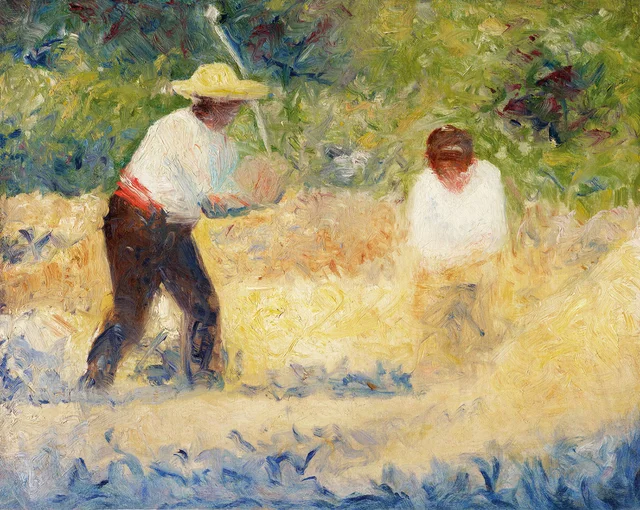 The pile of stonesGeorges Seurat, 1884
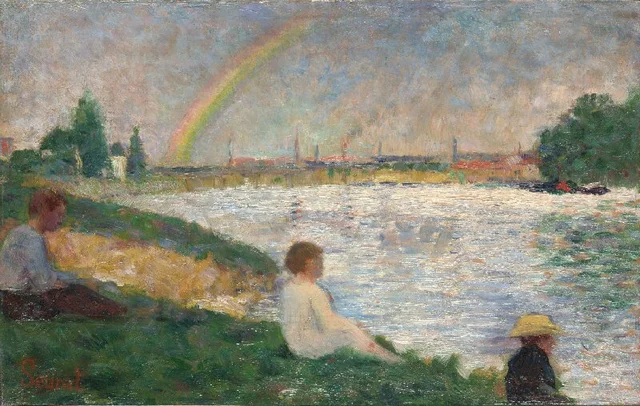 The Rainbow: Study for 'Bathers at Asnières'Georges Seurat, 1883
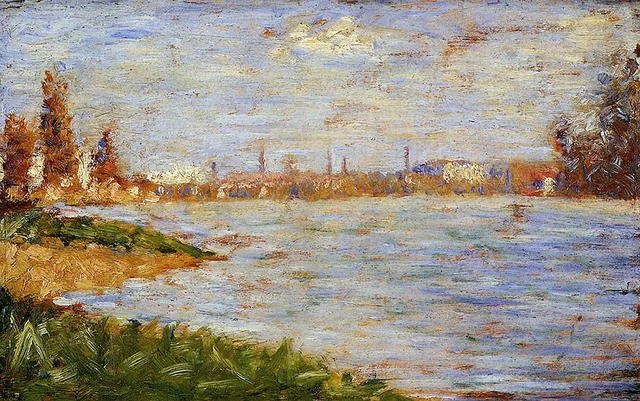 The RiverbanksGeorges Seurat, 1882
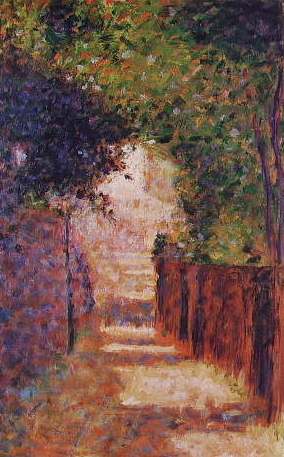 The Rue St. Vincent, Paris, in SpringGeorges Seurat, 1884
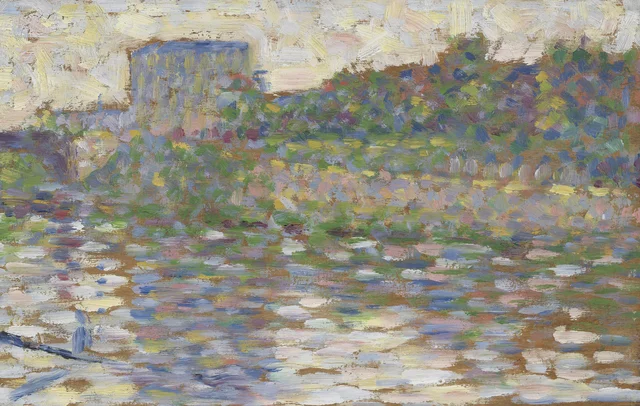 The Seine at CourbevoieGeorges Seurat, 1883
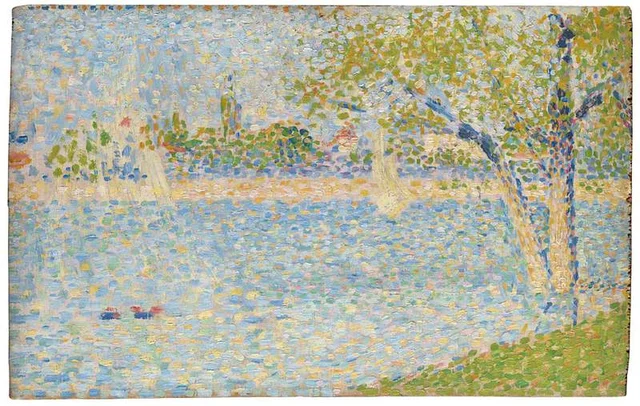 The Seine seen from La Grande JatteGeorges Seurat, 1888
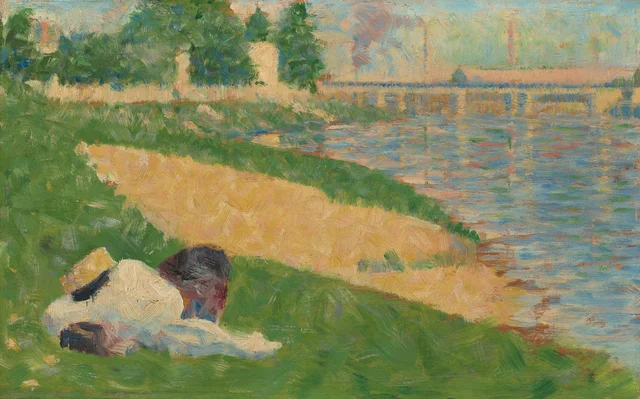 The Seine with Clothing on the BankGeorges Seurat, 1883
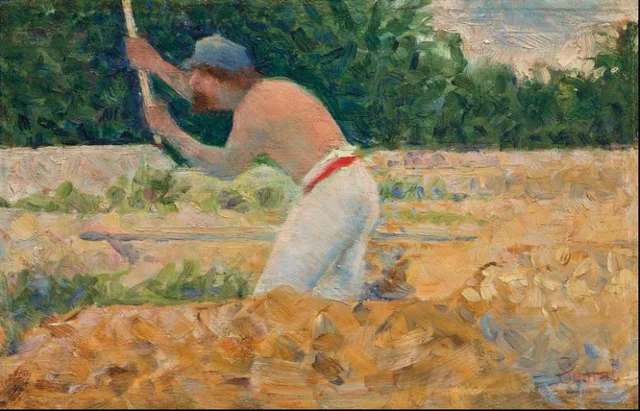 The Stone Breaker IIIGeorges Seurat, 1882
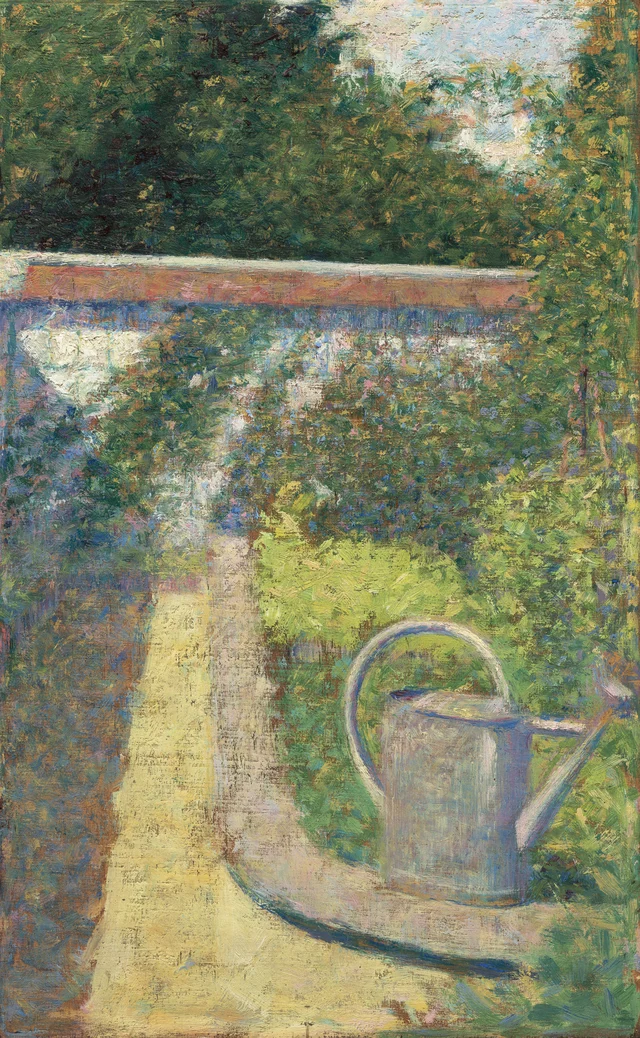 The Watering Can - Garden at Le RaincyGeorges Seurat, 1883
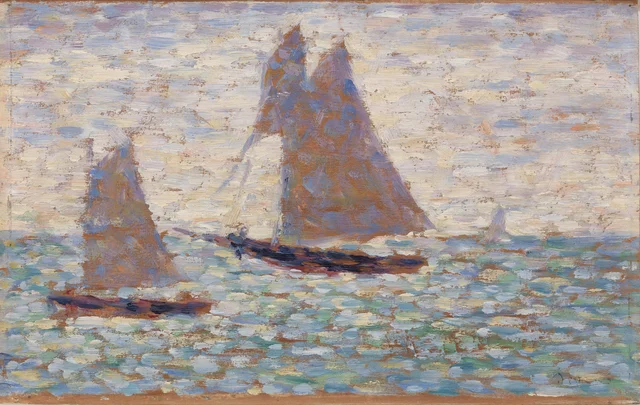 Two Sailboats at GrandcampGeorges Seurat, 1885
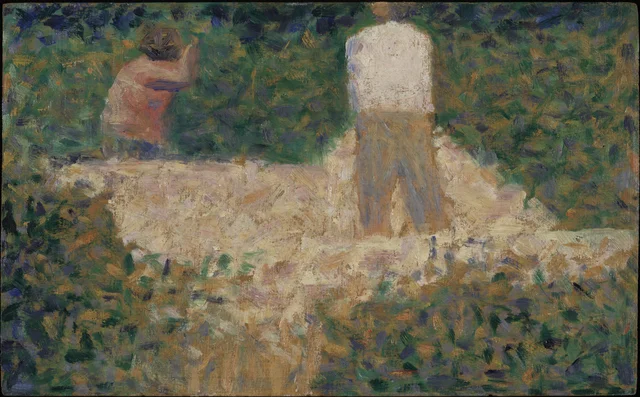 Two StonebreakersGeorges Seurat, 1881
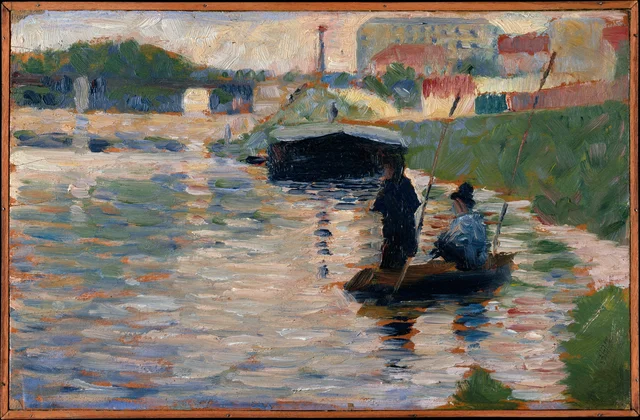 View of the SeineGeorges Seurat, 1882
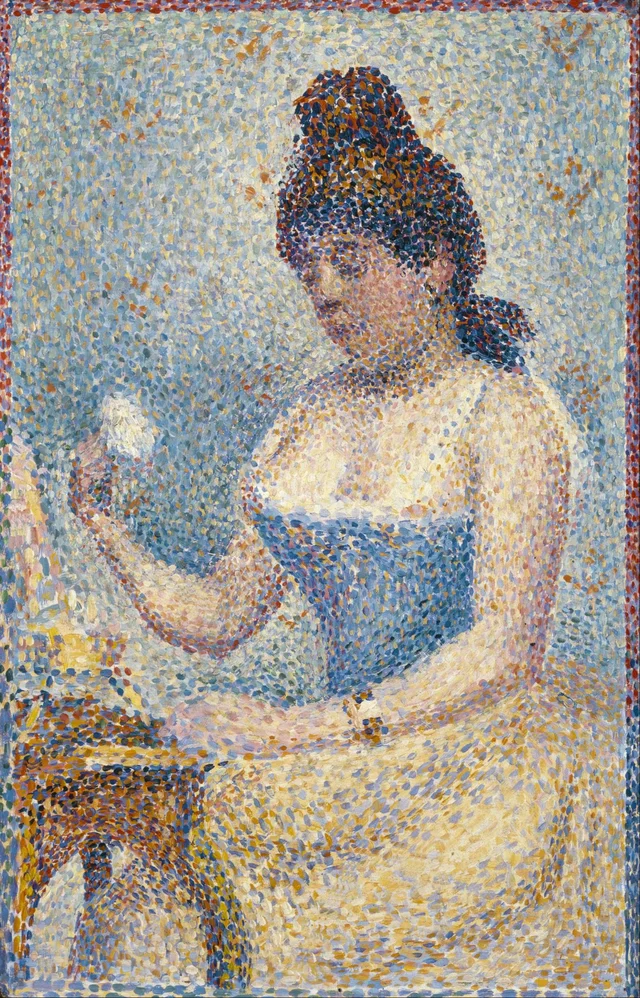 Young Woman Powdering Herself (Study)Georges Seurat, 1889
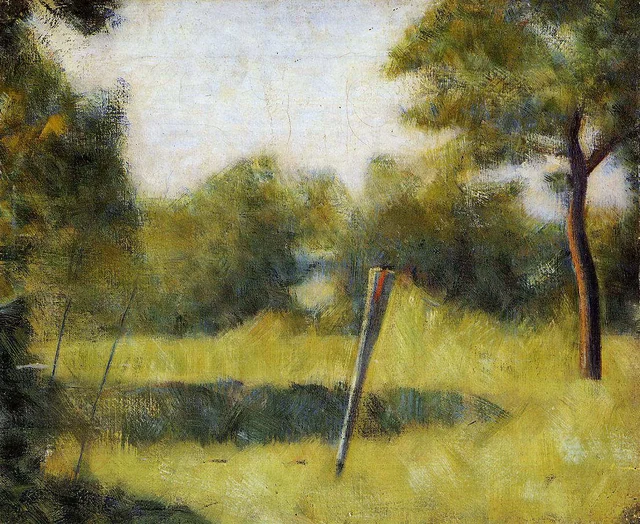 Paysage au piquetGeorges Seurat, 1882
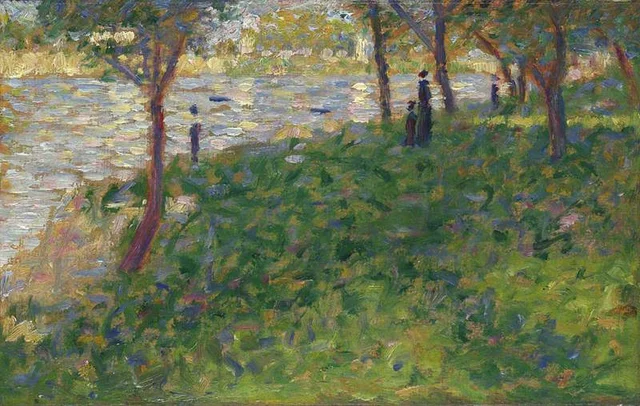 Study for 'La Grande Jatte'Georges Seurat, 1884
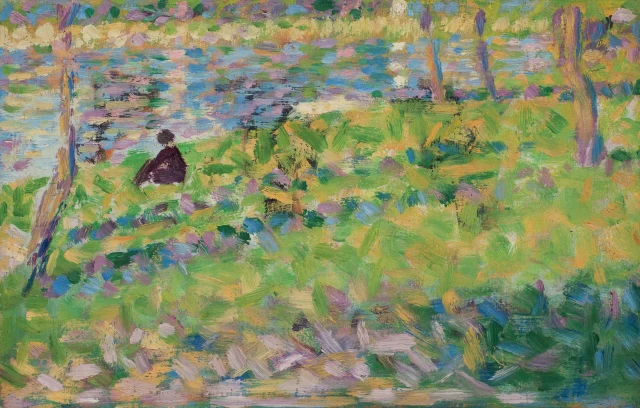 Landscape, Seated Man, Study for La Grande JatteGeorges Seurat, 1884