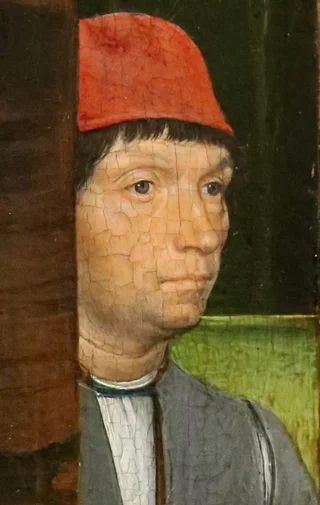
Hans Memling
1494 · Habsburg Netherlands · Early Netherlandish painting
The story
Hans Memling was born in Germany but made his career in Bruges, the richest trading city in northern Europe in the late 15th century, where Italian bankers and foreign merchants wanted their piety painted with Flemish precision. He became the town's leading painter and a wealthy man, taxed among its richest citizens.
His art is calm almost to the point of stillness. Where his predecessors could be tense or strange, Memling gave his Madonnas and donors smooth, untroubled faces in tidy, sunlit settings, which is much of why patrons loved him. One of his most inventive works is the Shrine of Saint Ursula, finished around 1489, a small gilded reliquary shaped like a Gothic church, its sides painted with the legend of Ursula and her companions killed by the Huns at Cologne, told in scenes that read almost like a strip of pictures.
That shrine, along with several other Memlings, still sits in the building it was made for, the old Saint John's Hospital in Bruges, where nuns and brothers nursed the sick. He also helped spread the fashion for portraits set against real landscapes rather than blank gold, an idea that travelled south and caught the eye of painters in Italy.
More articles
Works
82 works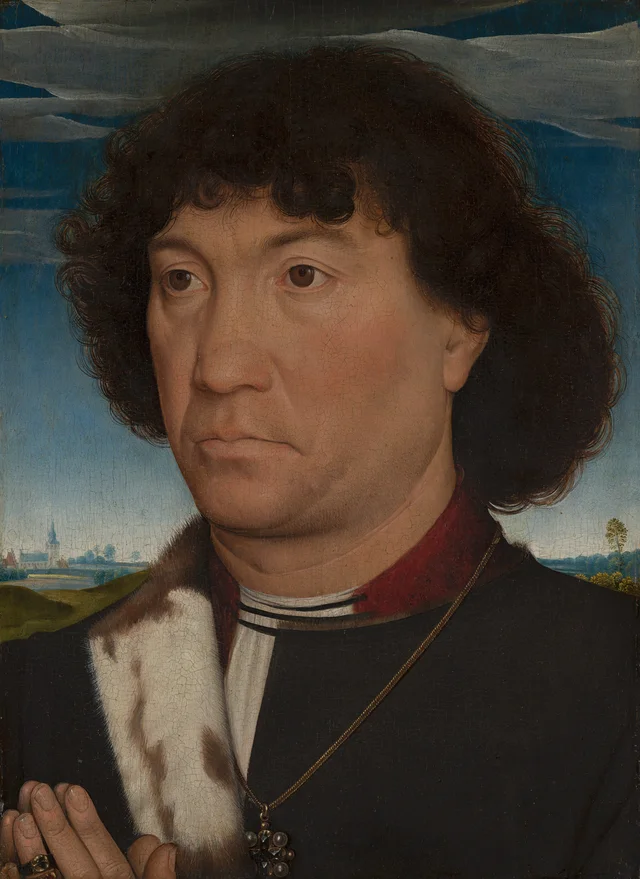 Portrait of a man of the family LespinetteHans Memling, 1487
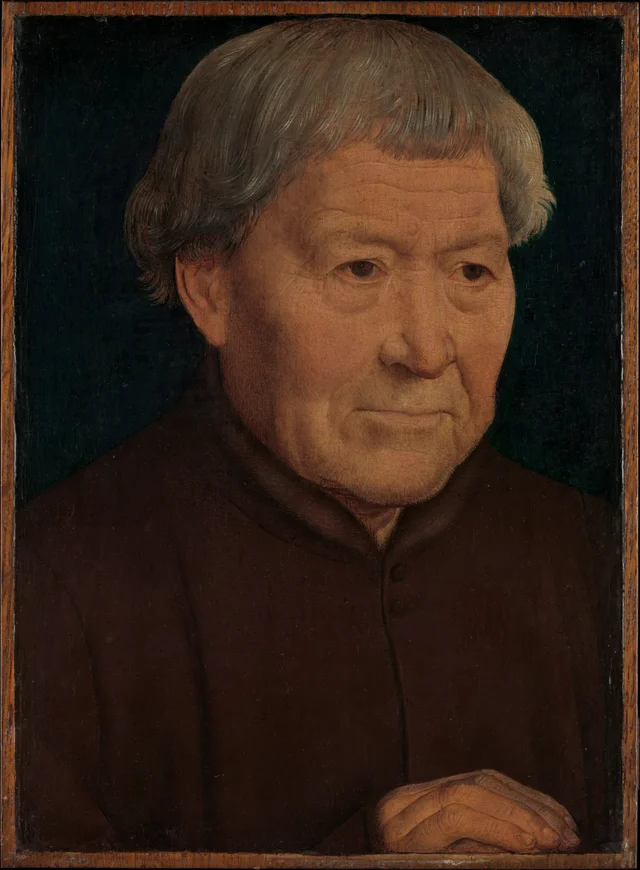 Portrait of an old manHans Memling, 1475
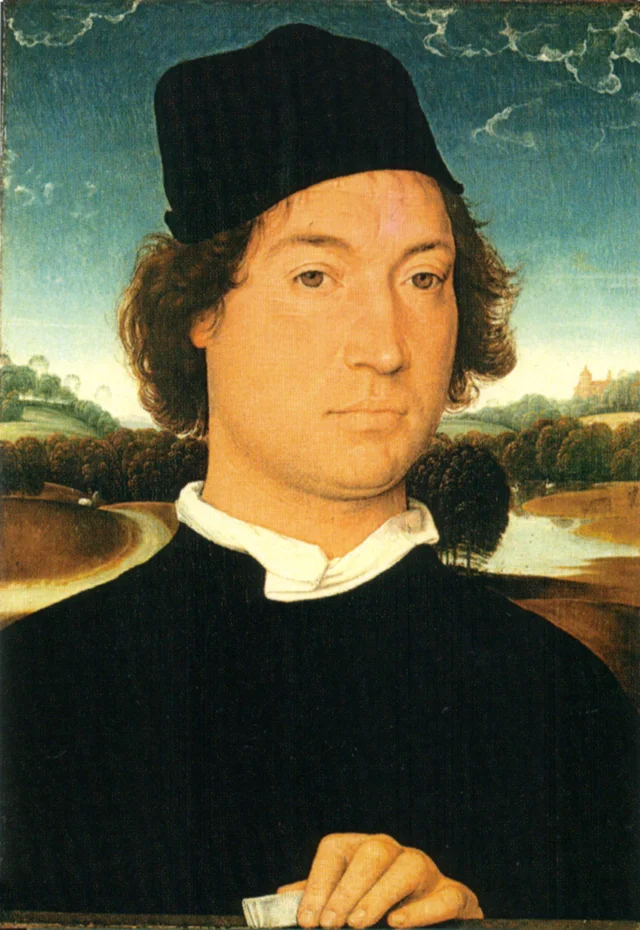 Portrait of an unknown man with a letterHans Memling, 1480
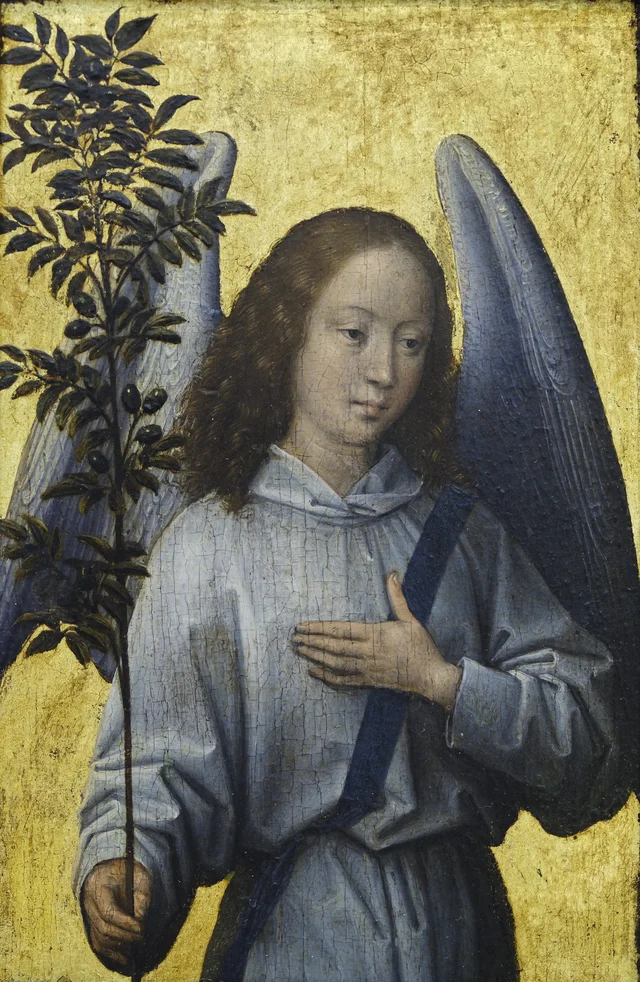 Angel with an Olive BranchHans Memling, 1477
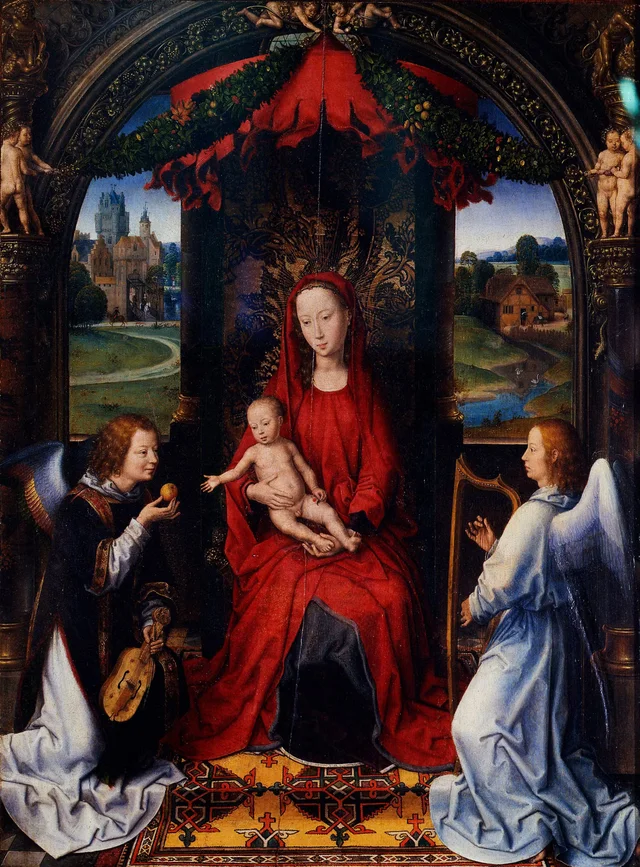 Madonna enthroned with child and two musical angelsHans Memling, 1480
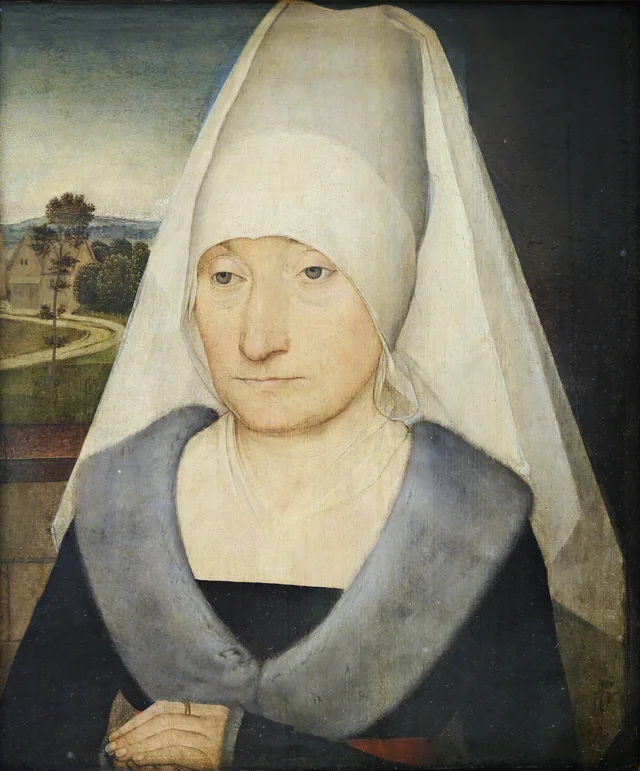 Portrait of an Elderly LadyHans Memling, 1470
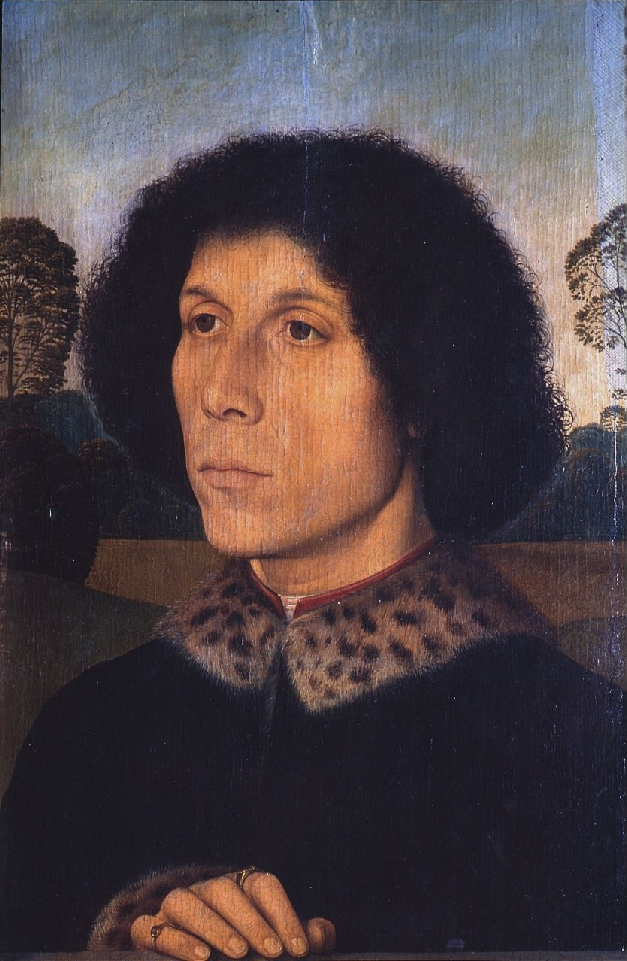 Portrait of an unknown Man in landscapeHans Memling, 1480
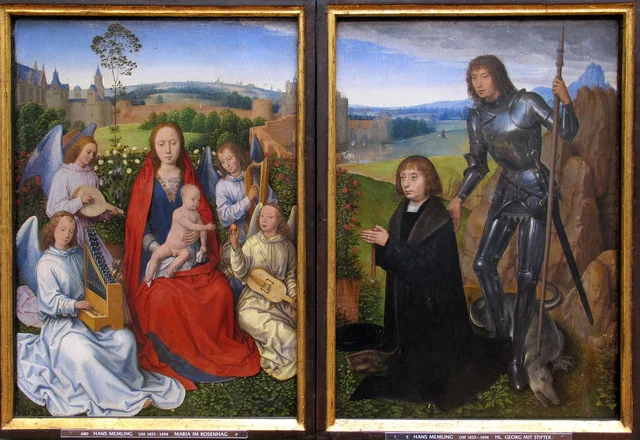 Diptych of MunichHans Memling, 1480
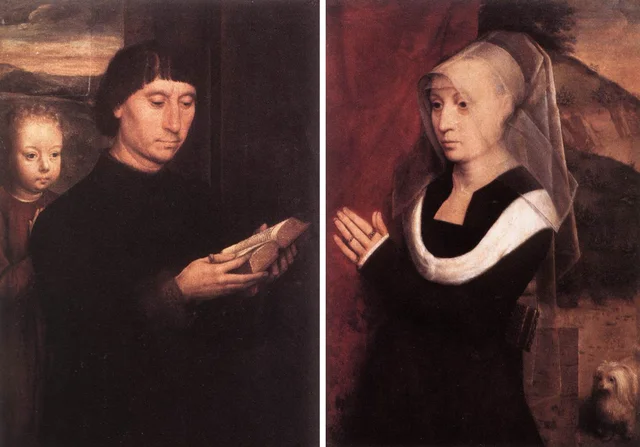 Diptych with two donorsHans Memling, 1470
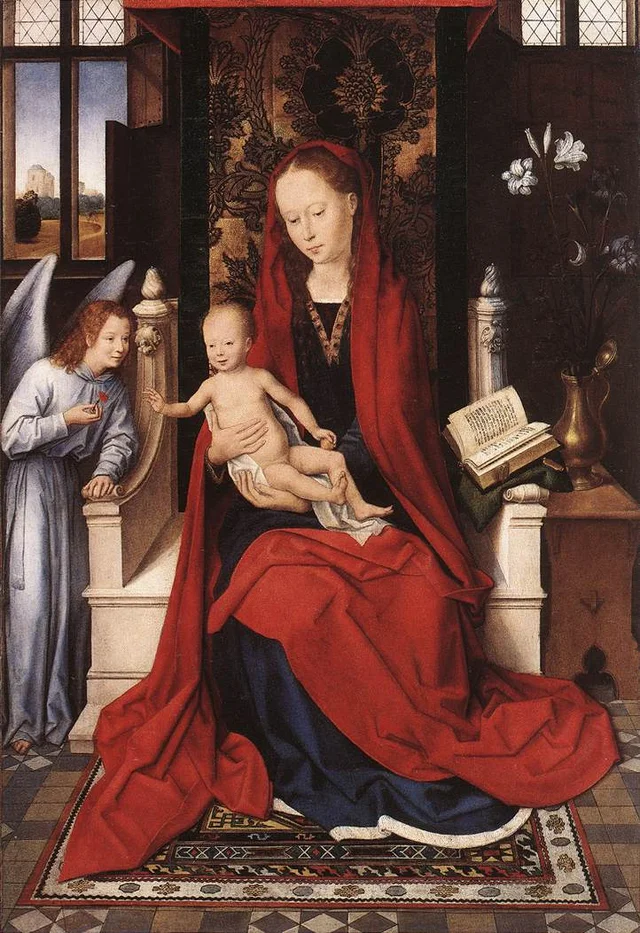 Enthroned Madonna and Child with AngelHans Memling, 1485
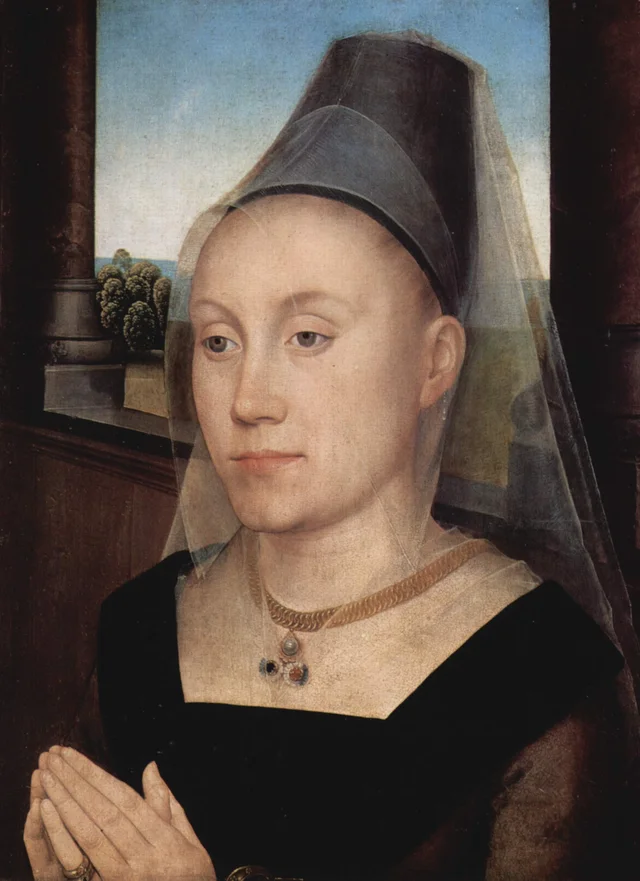 Portrait of Barbara van VlaendenberghHans Memling, 1480
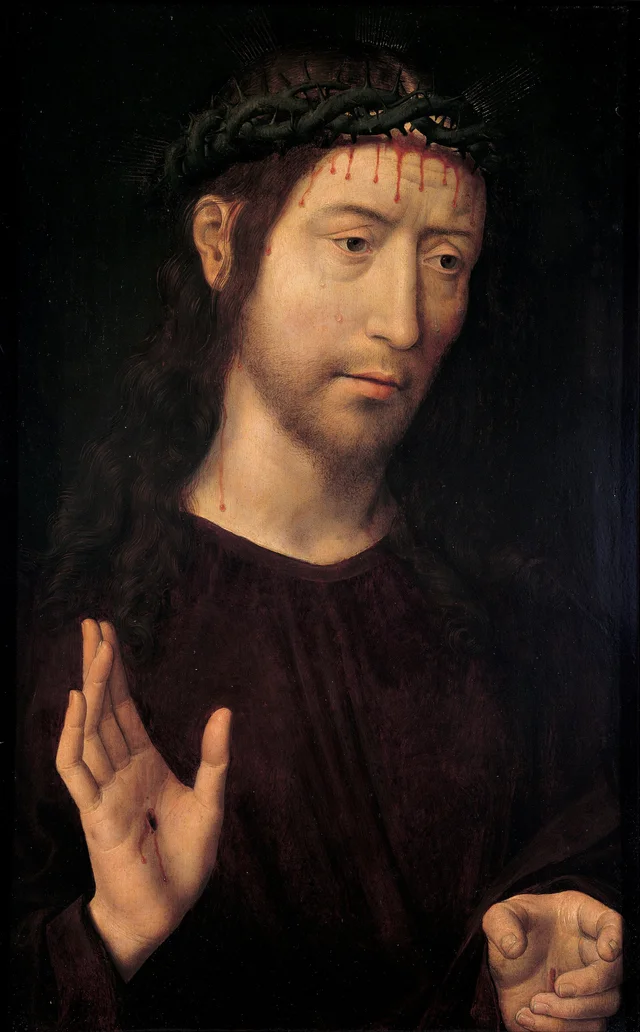 The Man of Sorrows BlessingHans Memling, 1470
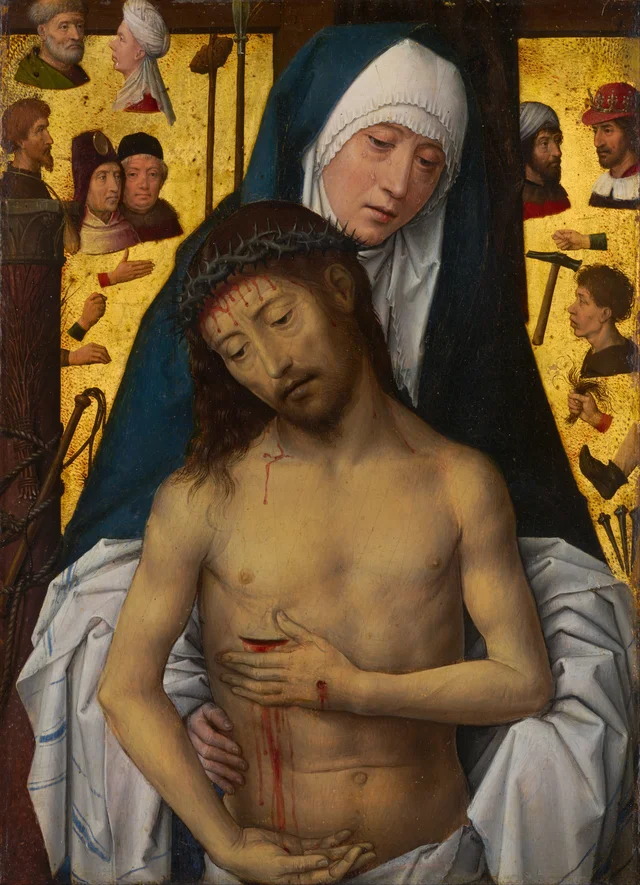 The Man of Sorrows in the arms of the VirginHans Memling, 1477
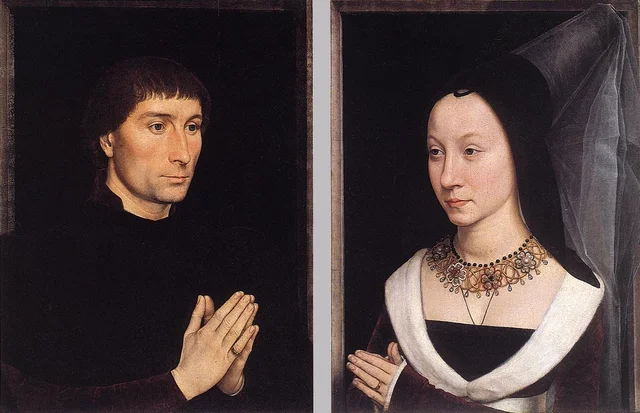 Tommaso di Folco Portinari (1428–1501); Maria Portinari (Maria Maddalena Baroncelli, born 1456)Hans Memling, 1470
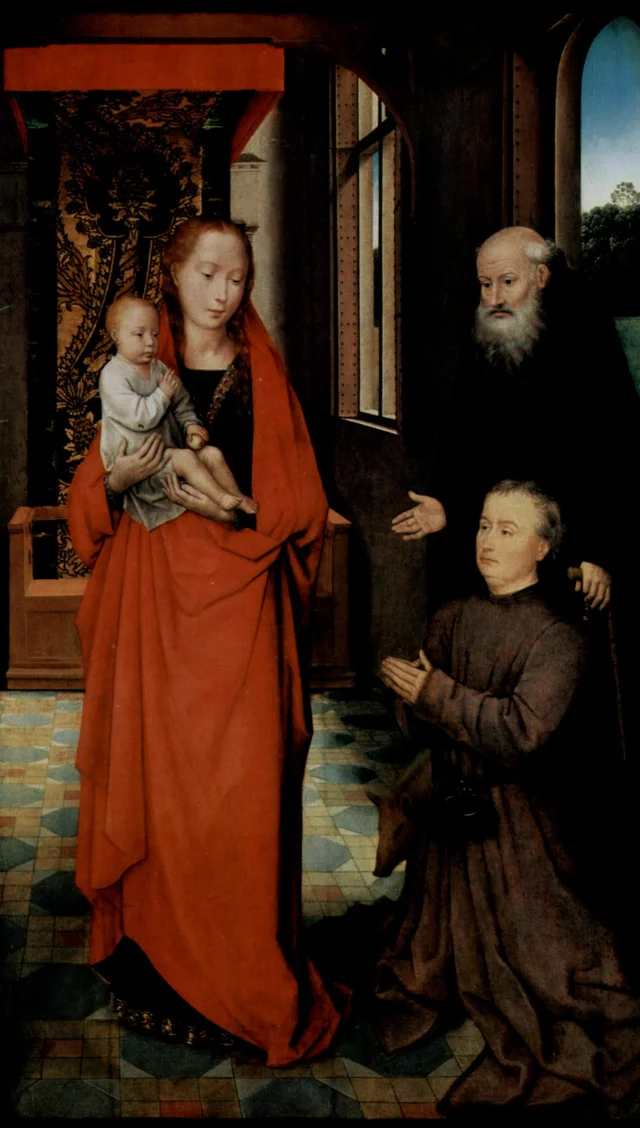 Virgin and Child with St Anthony the Abbot and a DonorHans Memling, 1472
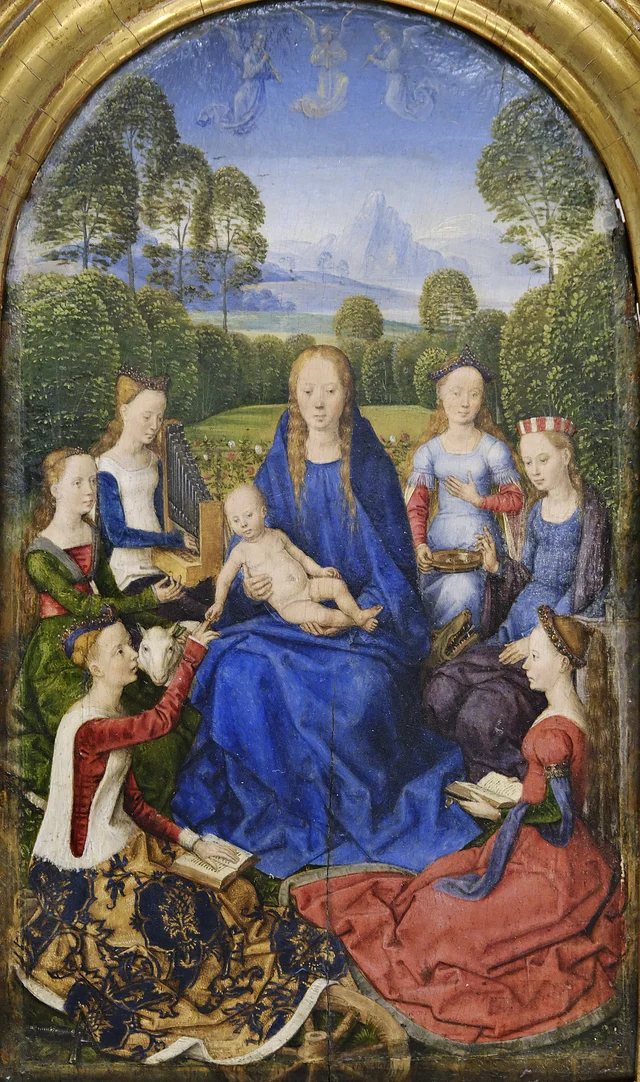 Madonna and Child with SaintsHans Memling, 1490
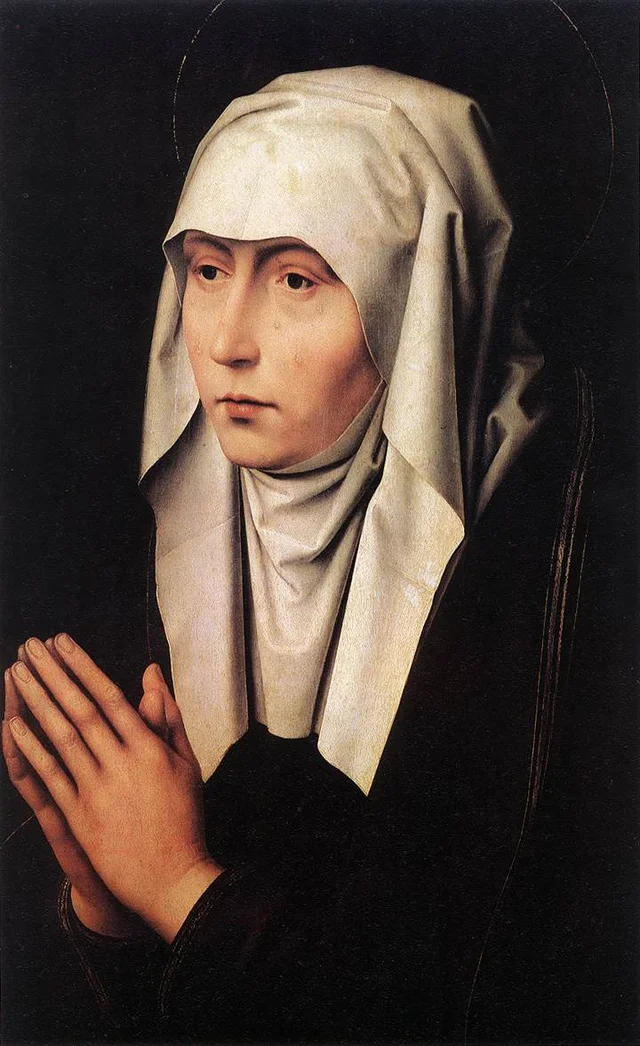 Mater DolorosaHans Memling, 1480
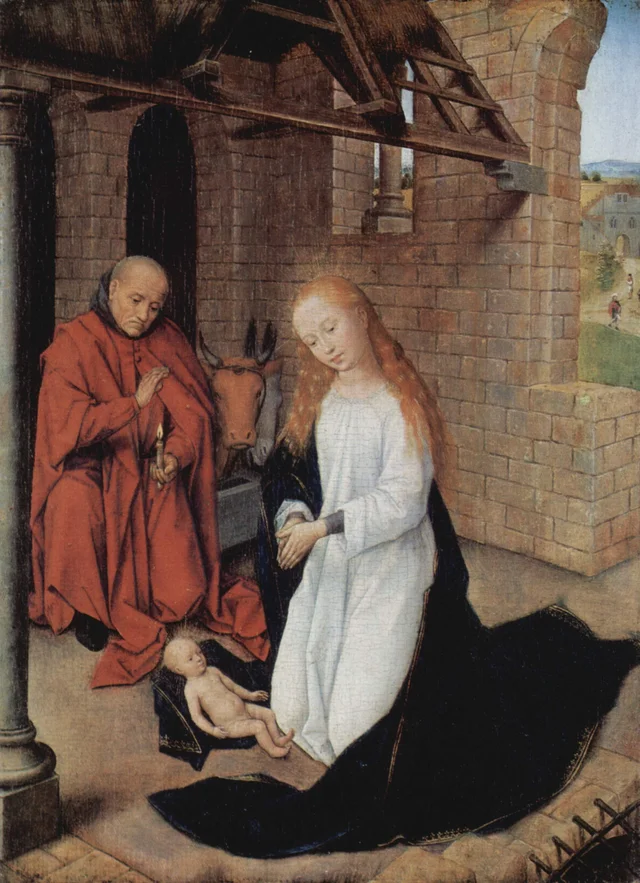 NativityHans Memling, 1470
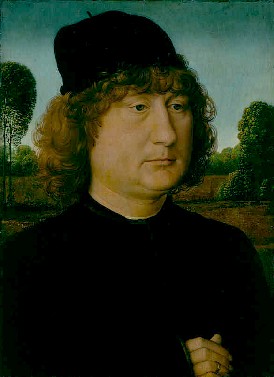 Portrait of a ManHans Memling, 1472
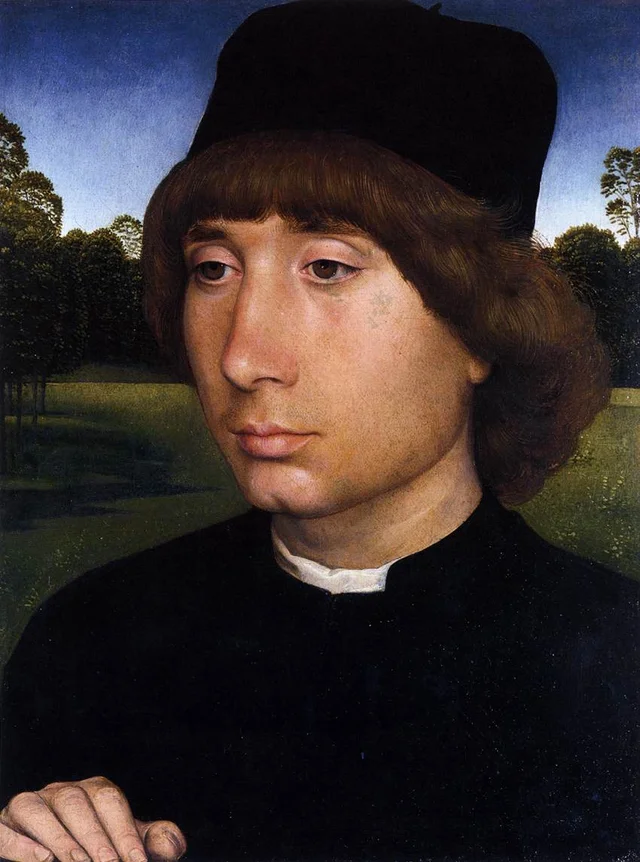 Portrait of a Young ManHans Memling, 1480
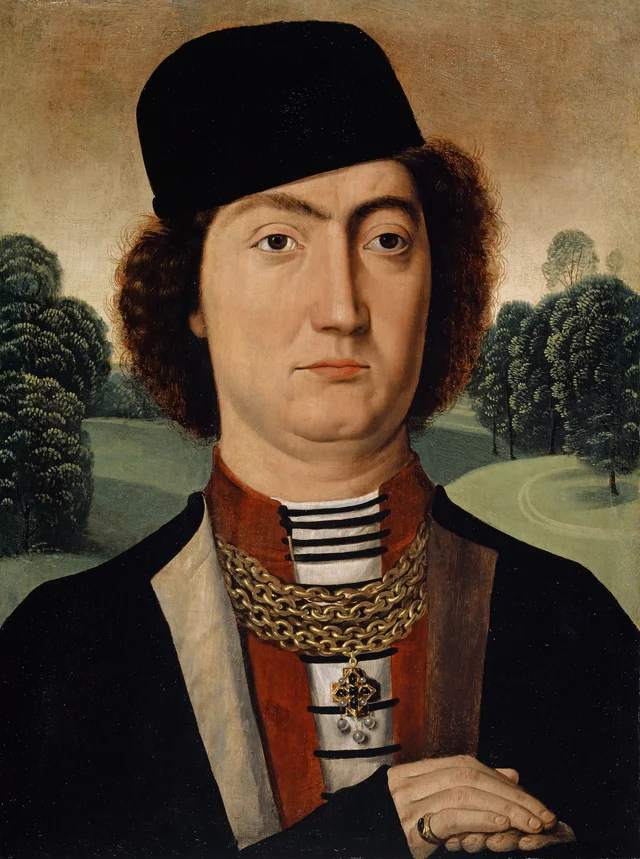 Portrait of Jacob of SavoyHans Memling, 1470
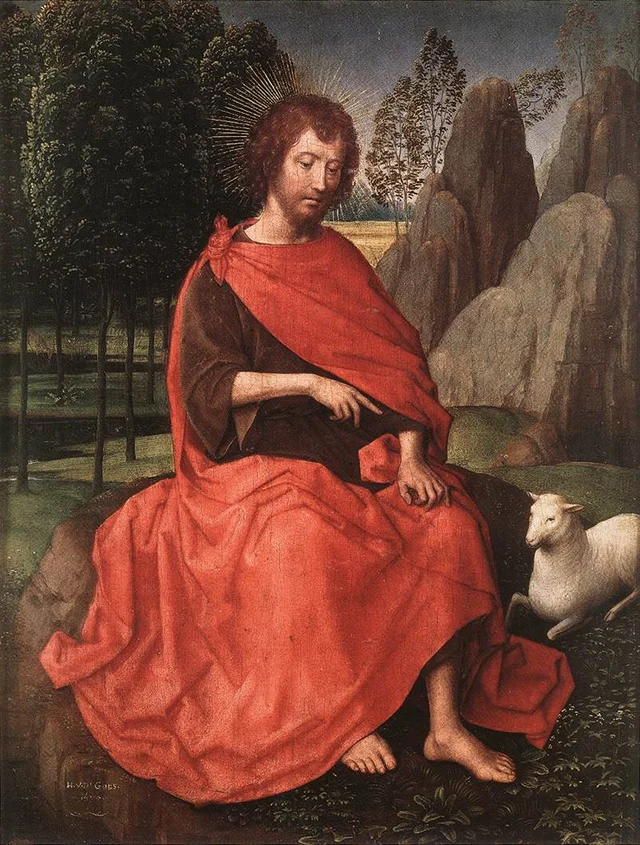 Saint John the Baptist (recto); a Skull (verso)Hans Memling, 1470
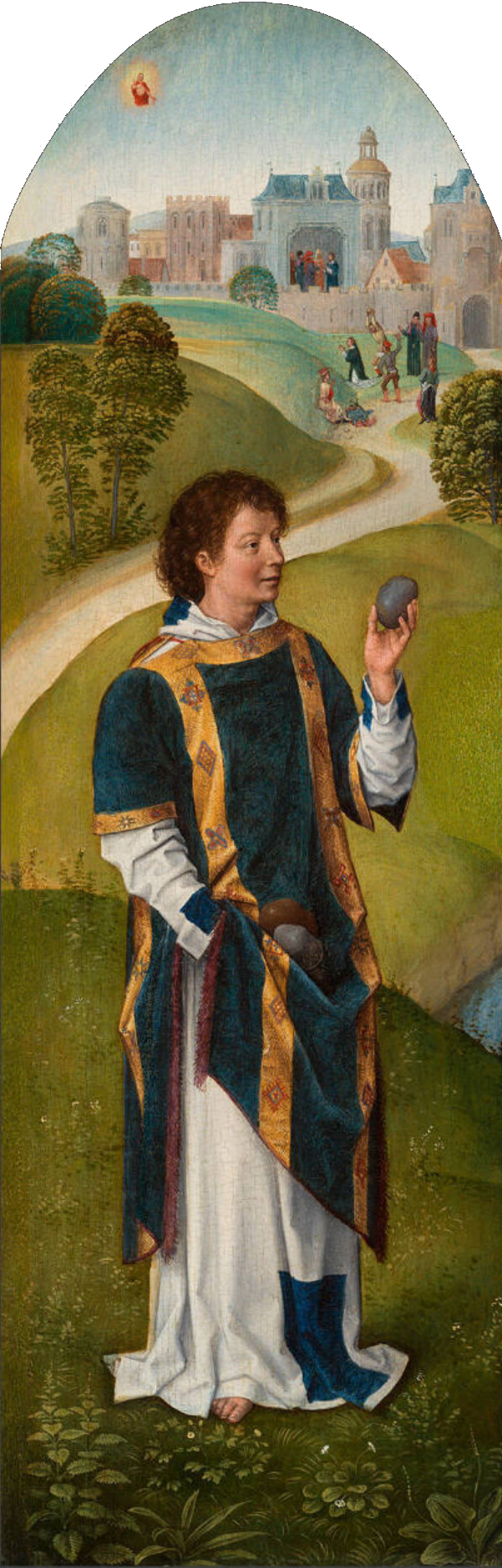 Saint StephenHans Memling, 1479
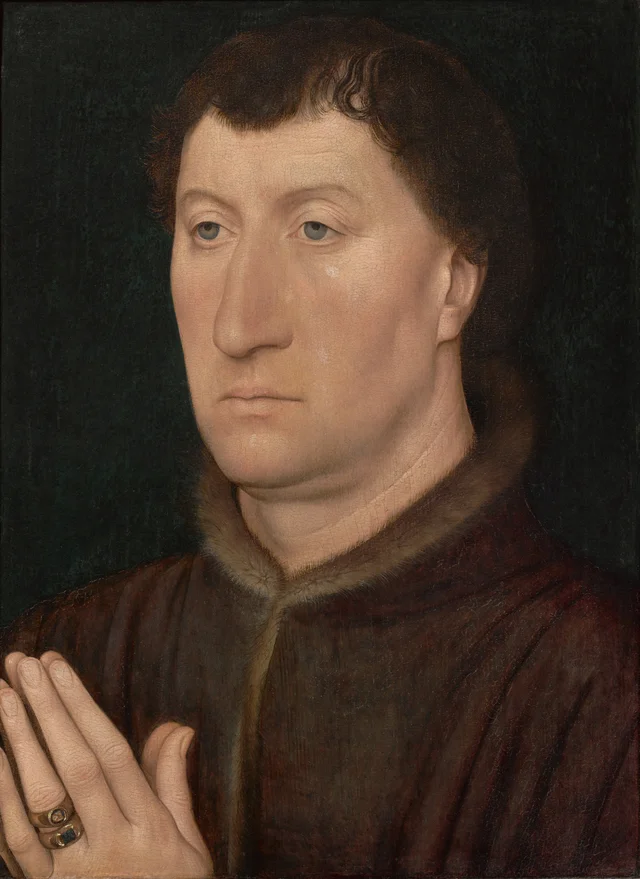 The Canon Gilles JoyeHans Memling, 1472
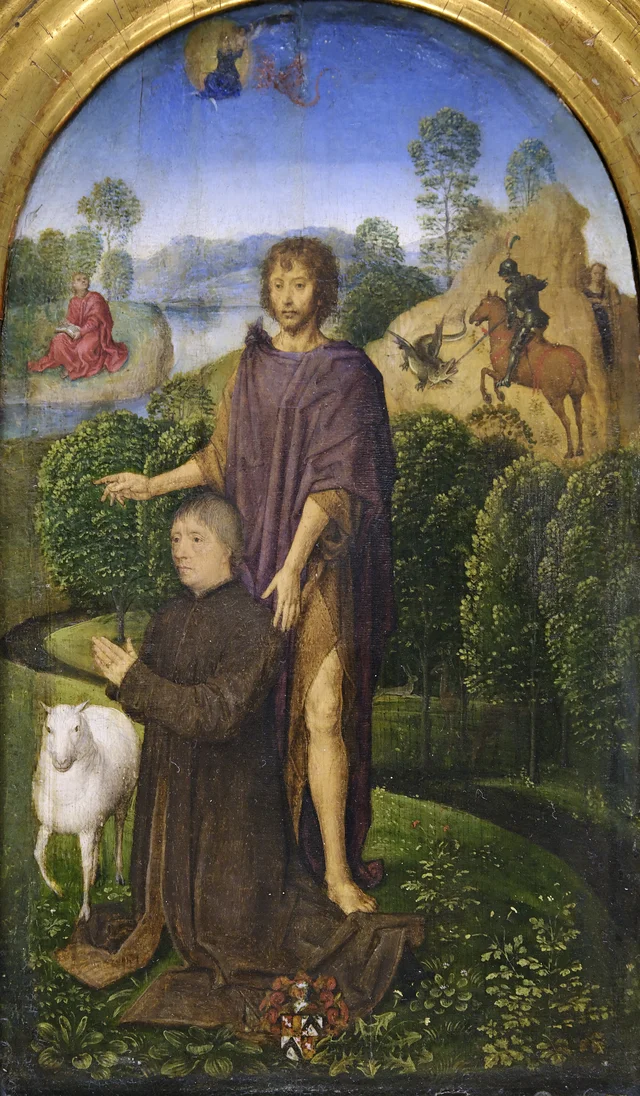 The Donor with St John the BaptistHans Memling, 1490