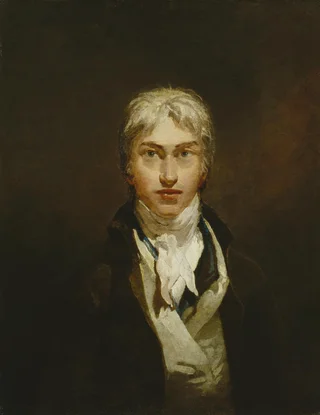
J. M. W. Turner
1775–1851 · Kingdom of Great Britain · Romanticism
The story
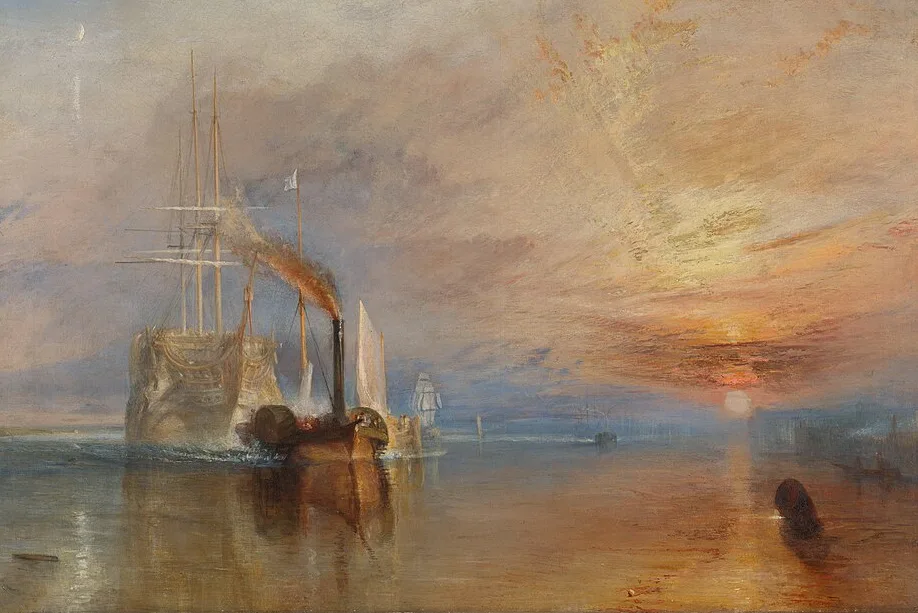
In 1838 an old warship was towed up the Thames to be broken up for scrap. She was the Temeraire, which had fought at the Battle of Trafalgar in 1805, and now a small, sooty paddle-tug dragged her hulk toward the wrecking yard. Turner painted the moment with the pale ghost of the sailing ship glowing against a burning sunset while the black tug chuffs ahead of her, and the picture became a quiet farewell to the age of sail as steam took its place. He refused to sell it for the rest of his life.
Turner was a barber's son from Covent Garden who entered the Royal Academy schools at 14 and then spent 60 years chasing one thing above all, the behaviour of light in air. He travelled constantly with a sketchbook, watching storms, fires, and the new haze of industry, and pushed his late canvases until solid form nearly dissolved into glare and vapour.
He kept painting the changing world in front of him. In Rain, Steam and Speed of 1844 he sent a Great Western Railway train hurtling across a bridge through a downpour, among the first great pictures of the machine age. When he died in 1851 he left almost 300 finished paintings and tens of thousands of sketches and watercolours to the British nation, on the condition that they be kept together.
More articles
Works
173 works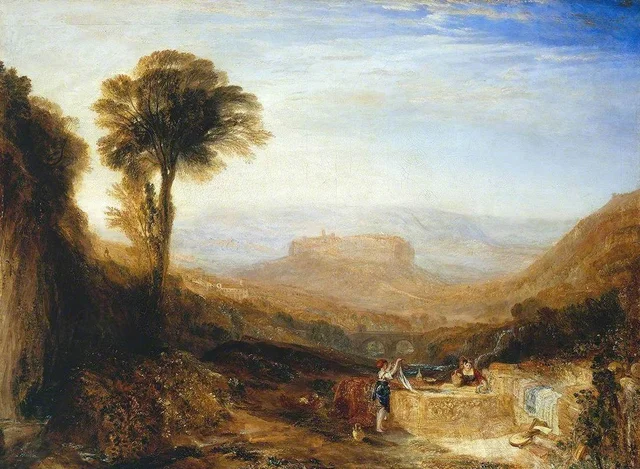 View of Orvieto, Painted in RomeJ. M. W. Turner, 1828
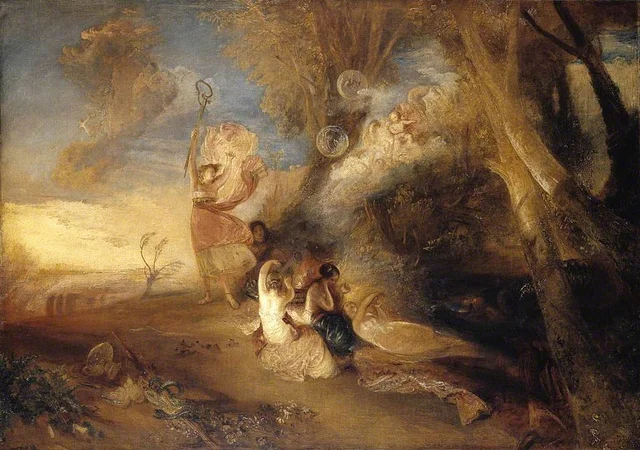 Vision of MedeaJ. M. W. Turner, 1828
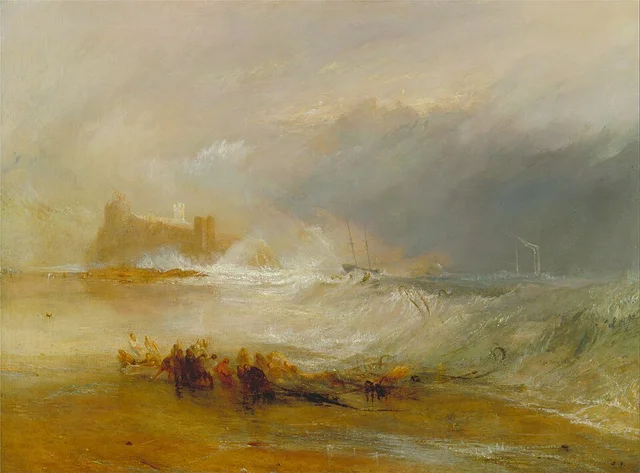 Wreckers -- Coast of Northumberland, with a Steam-Boat Assisting a Ship off ShoreJ. M. W. Turner, 1833
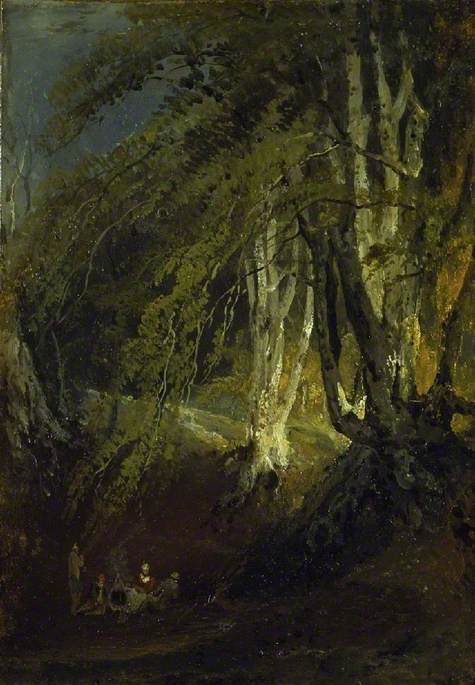 A Beech Wood with Gypsies round a CampfireJ. M. W. Turner, 1800
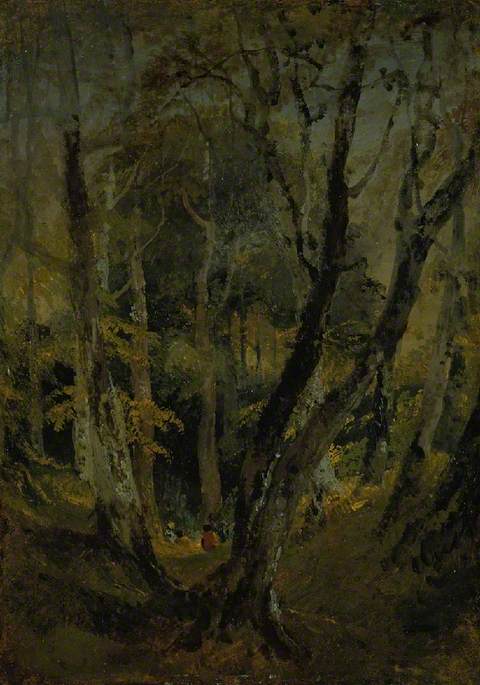 A Beech Wood with Gypsies seated in the DistanceJ. M. W. Turner, 1800
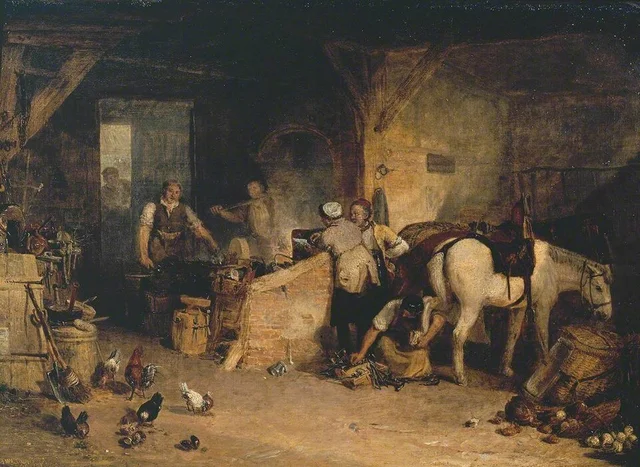 A Country Blacksmith Disputing upon the Price of Iron, and the Price Charged to the Butcher for Shoeing his PoneyJ. M. W. Turner, 1807
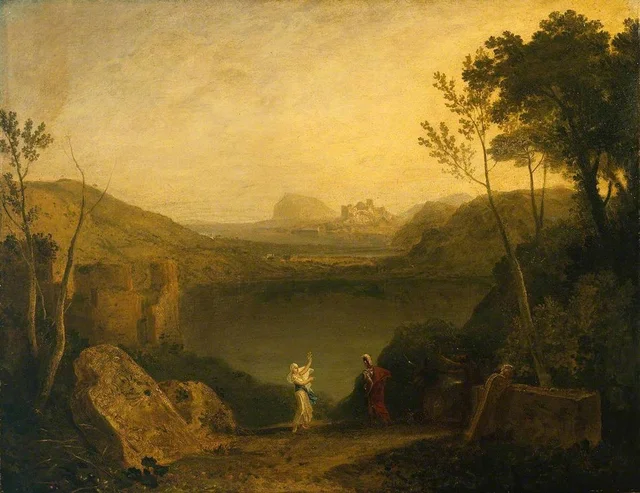 Aeneas and the Sibyl, Lake AvernusJ. M. W. Turner, 1798
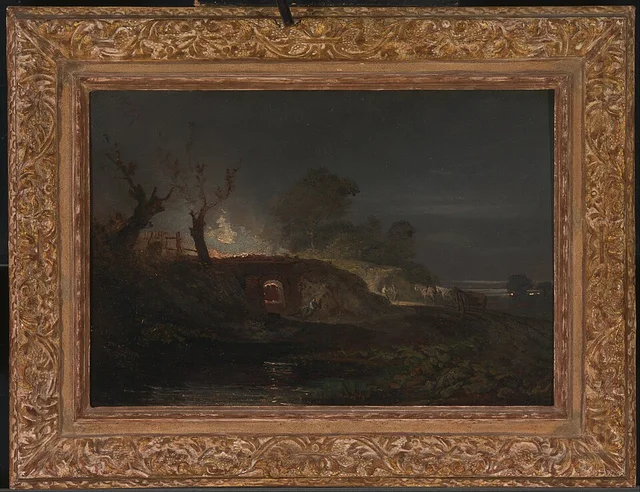 A Limekiln, Possibly at Briton Ferry in South WalesJ. M. W. Turner, 1797
 Antwerp: Van Goyen Looking Out for a SubjectJ. M. W. Turner, 1833
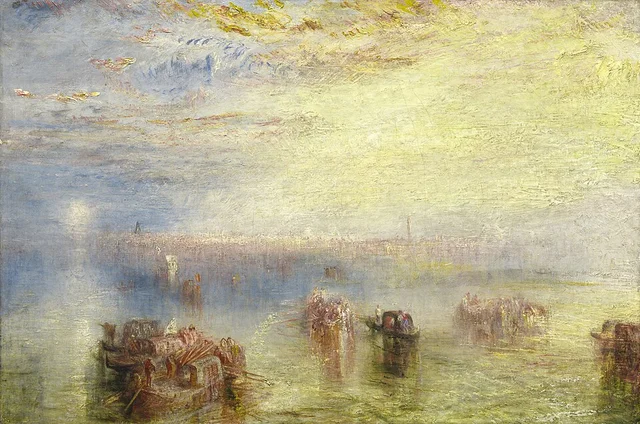 Approach to VeniceJ. M. W. Turner, 1844
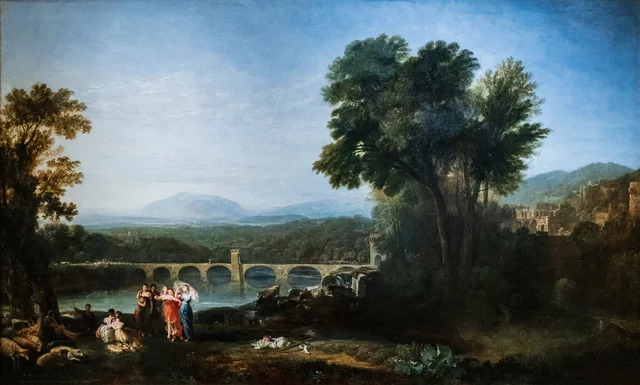 Apullia in Search of AppullusJ. M. W. Turner, 1814
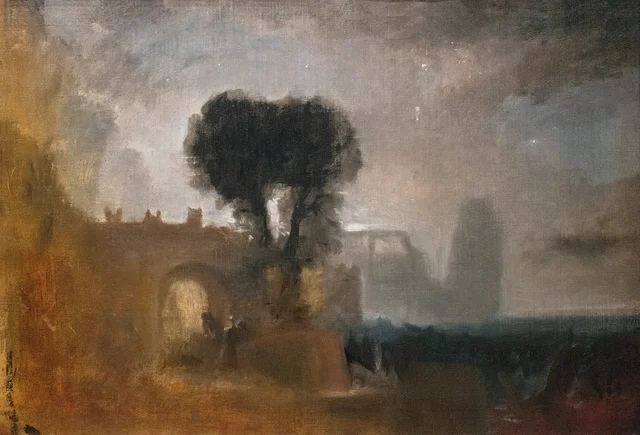 Archway with Trees by the Sea; Sketch for ‘The Parting of Hero and Leander’J. M. W. Turner, 1827
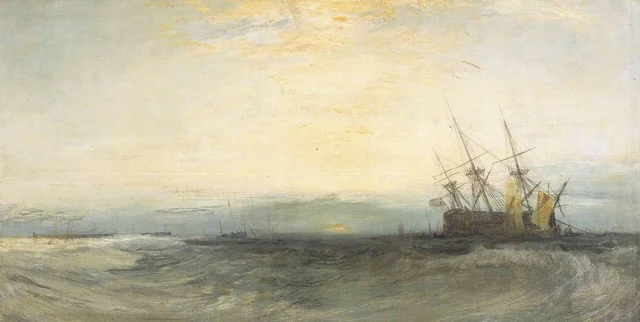 A Ship Aground, Yarmouth; Sample StudyJ. M. W. Turner, 1827
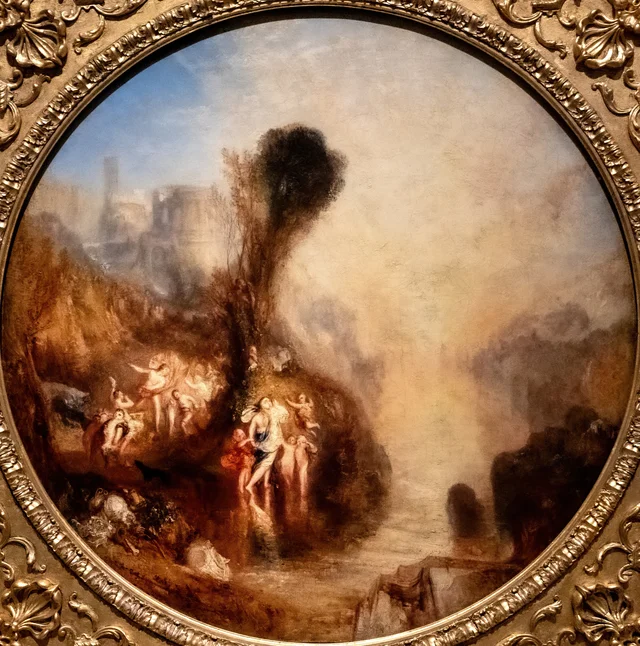 Bacchus and AriadneJ. M. W. Turner, 1840
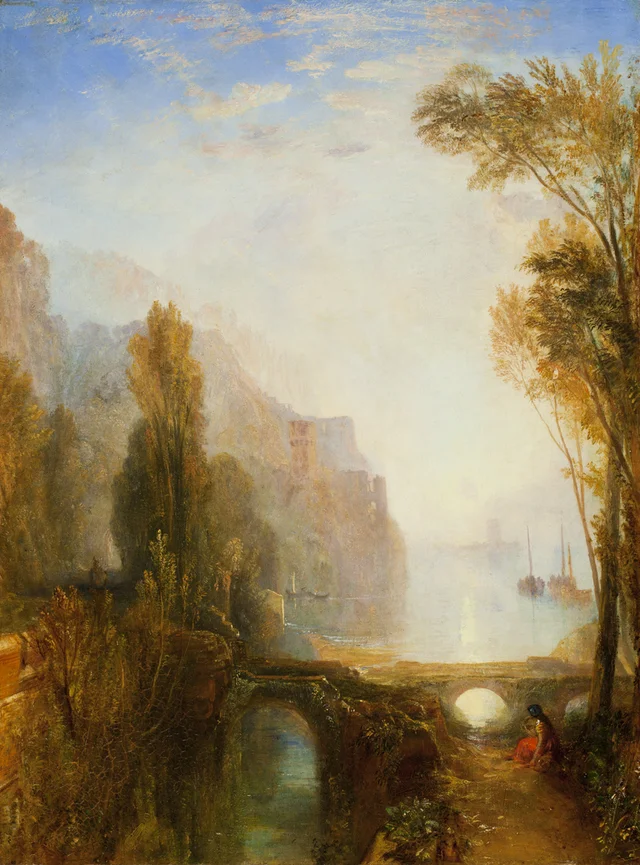 Banks of the LoireJ. M. W. Turner, 1829
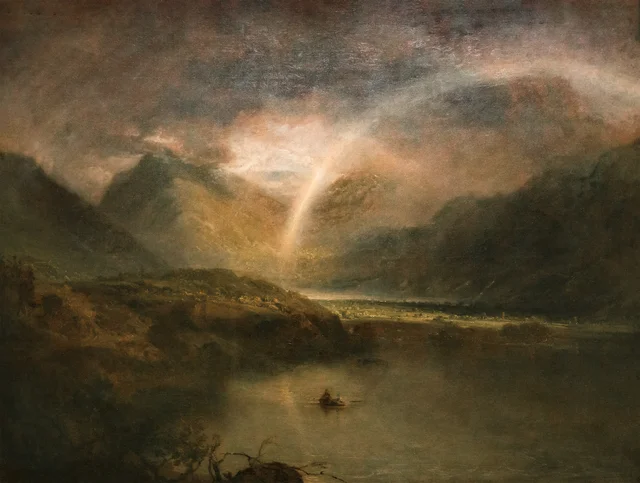 Buttermere Lake, with Part of Cromackwater, Cumberland, a ShowerJ. M. W. Turner, 1797
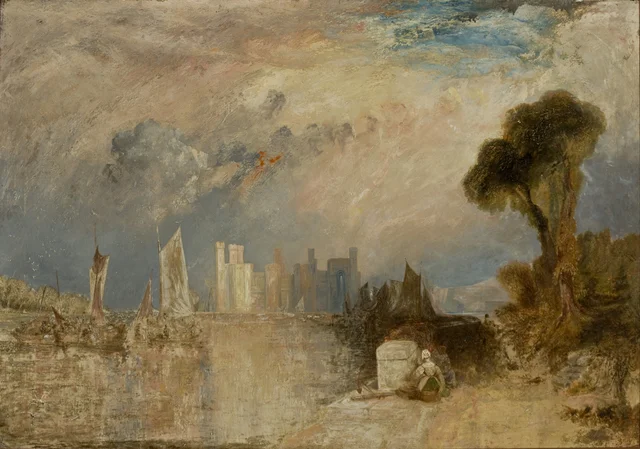 Caernarfon CastleJ. M. W. Turner, 1830
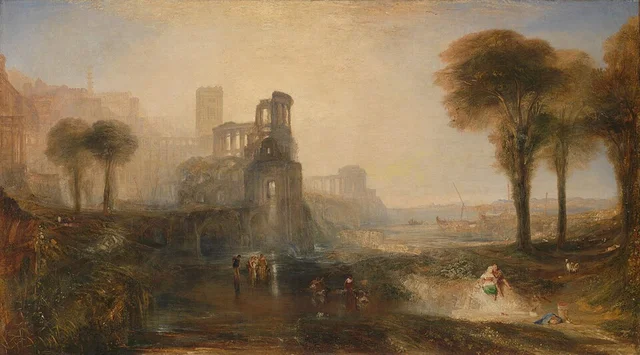 Caligula's Palace and BridgeJ. M. W. Turner, 1831
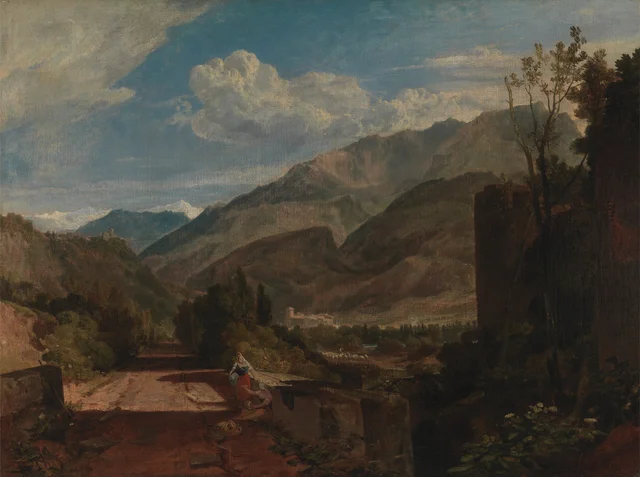 Chateau de St. Michael, Bonneville, SavoyJ. M. W. Turner, 1802
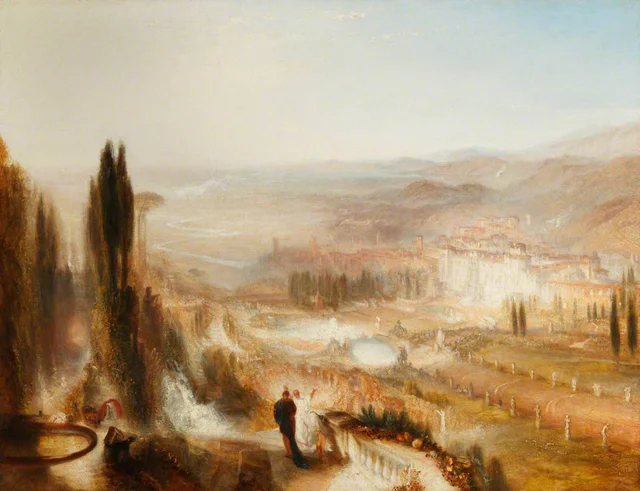 Cicero at His Villa at TusculumJ. M. W. Turner, 1839
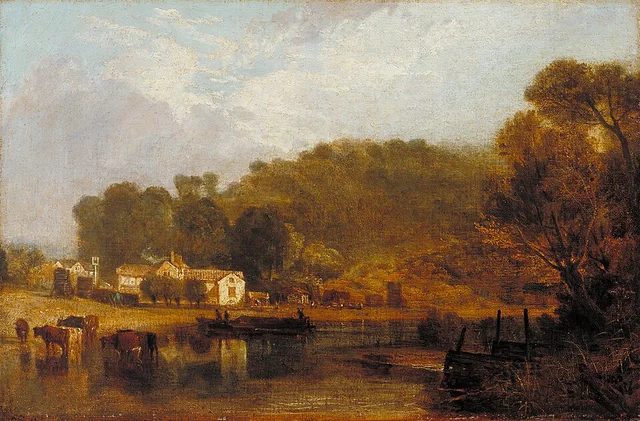 Cliveden on ThamesJ. M. W. Turner, 1807
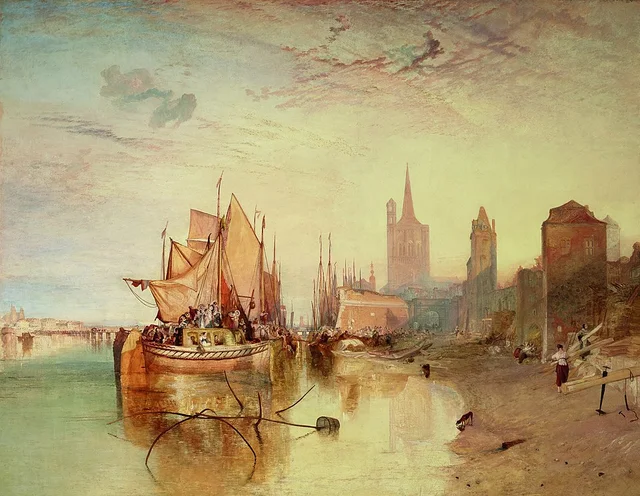 Cologne: The Arrival of a Packet-Boat: EveningJ. M. W. Turner, 1826
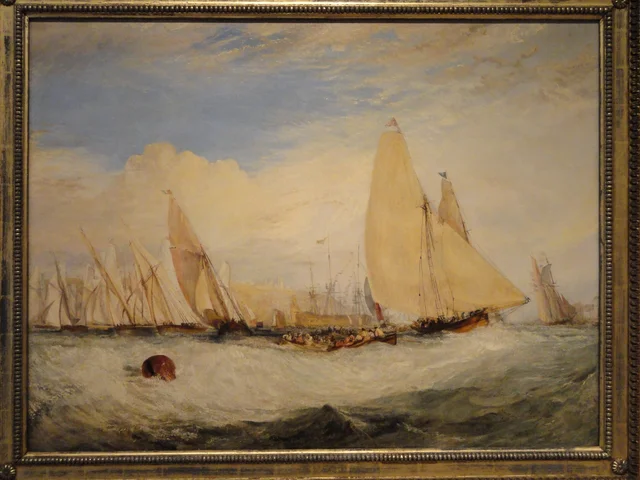 East Cowes Castle, the Seat of J. Nash, Esq., the Regatta Beating to WindwardJ. M. W. Turner, 1828
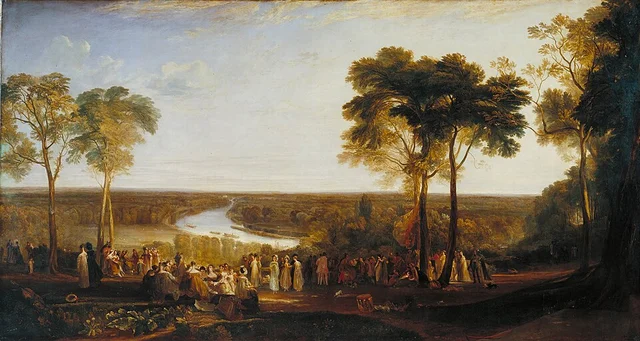 England: Richmond Hill, on the Prince Regent's BirthdayJ. M. W. Turner, 1819
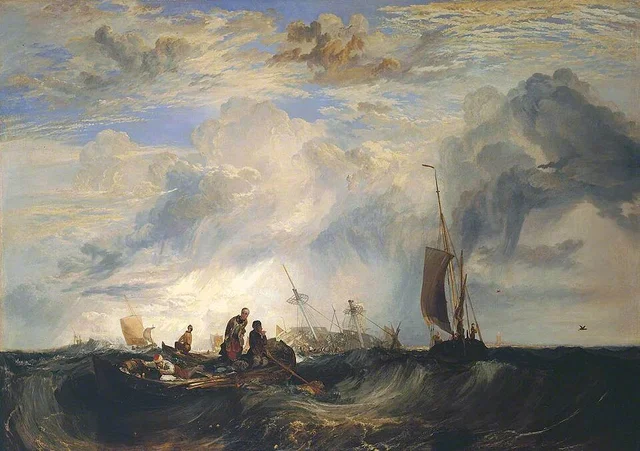 Entrance of the Meuse: Orange-Merchant on the Bar, Going to Pieces; Brill Church bearing S. E. by S., Masensluys E. by S.J. M. W. Turner, 1819