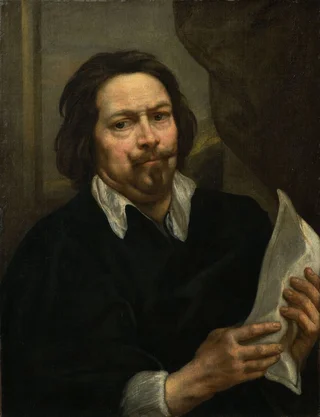
Jacob Jordaens
1593–1678 · Spanish Netherlands · Flemish Baroque painting
The story
When Rubens died in 1640 and Van Dyck a year later, Jacob Jordaens became the leading painter of Antwerp almost by default, and he filled the role with noise, food and laughter. Where Rubens had grandeur and Van Dyck elegance, Jordaens brought a rowdy, earthy warmth, crowding his canvases with fat, red-faced revellers close enough to touch.
His favourite subjects were Flemish proverbs turned into feasts. In The King Drinks he shows the old Twelfth Night custom where whoever finds the bean in the cake is crowned king for the night, and the whole table roars and drinks as the paper king raises his glass. In another he paints an old couple singing while children pipe along, illustrating the saying that the young imitate the old.
Unlike most ambitious Flemish painters he never went to Italy, staying his whole life in Antwerp and learning from Rubens close at hand. Late in life he converted to Protestantism in a Catholic city, which brought him trouble, and he kept painting into his eighties. He died in 1678 of an illness that also killed his daughter, the two buried together.
Works
39 works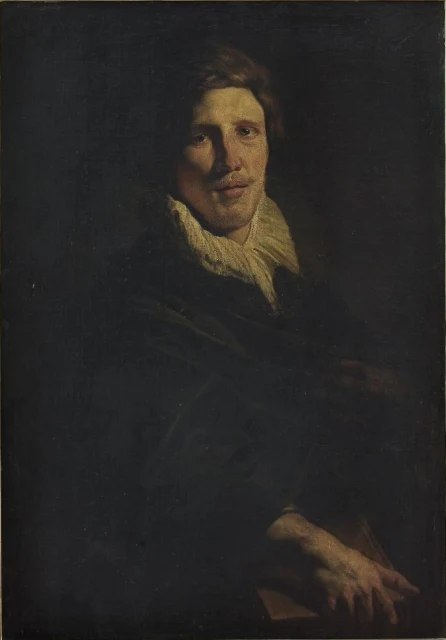 Portrait of a young gentleman, formerly believed to be a self-portraitJacob Jordaens, 1615
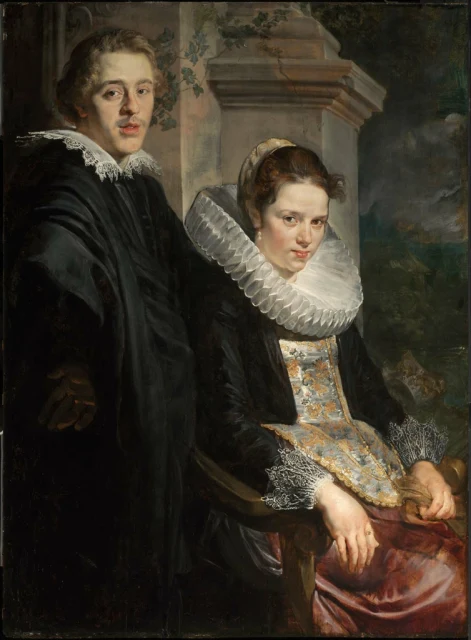 Portrait of a Young Married CoupleJacob Jordaens, 1622
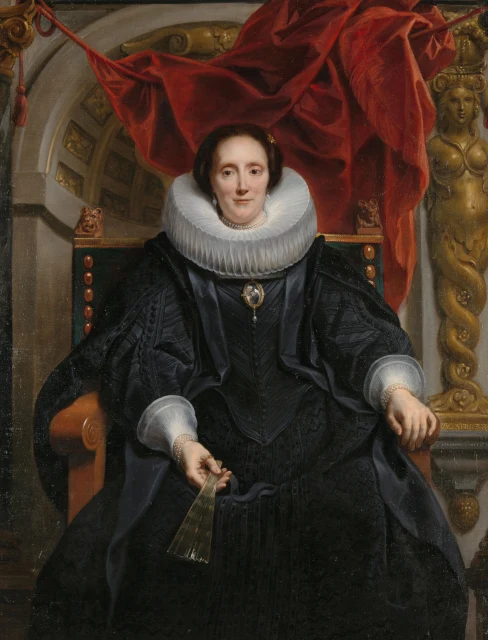 Portrait of Catharina BehaghelJacob Jordaens, 1635
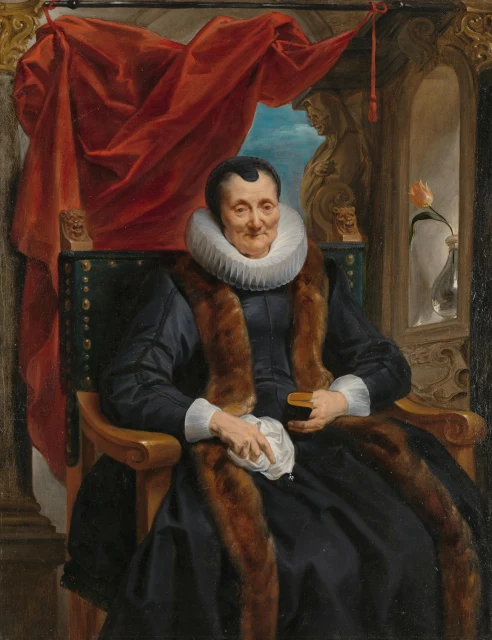 Portrait of Magdalena de CuyperJacob Jordaens, 1635
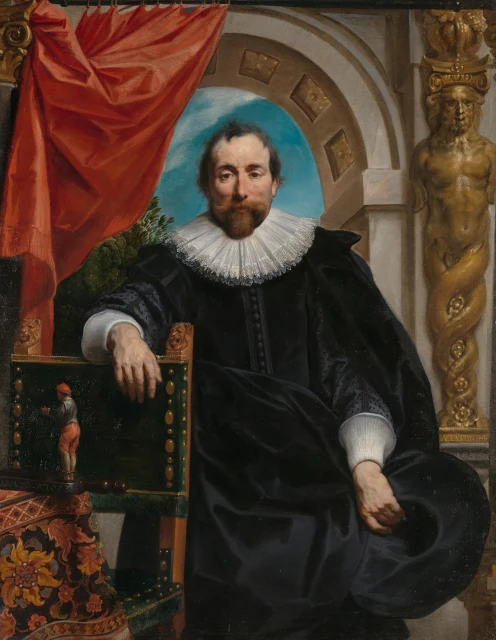 Portrait of Rogier Le WiterJacob Jordaens, 1635
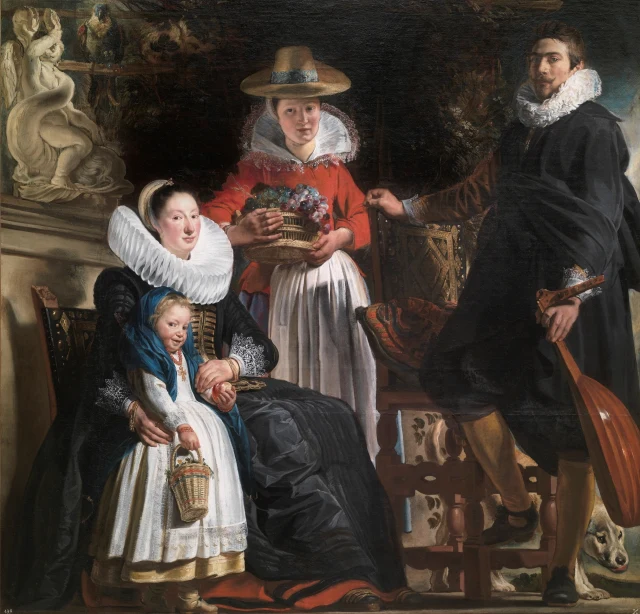 Portrait of the artist with his familyJacob Jordaens
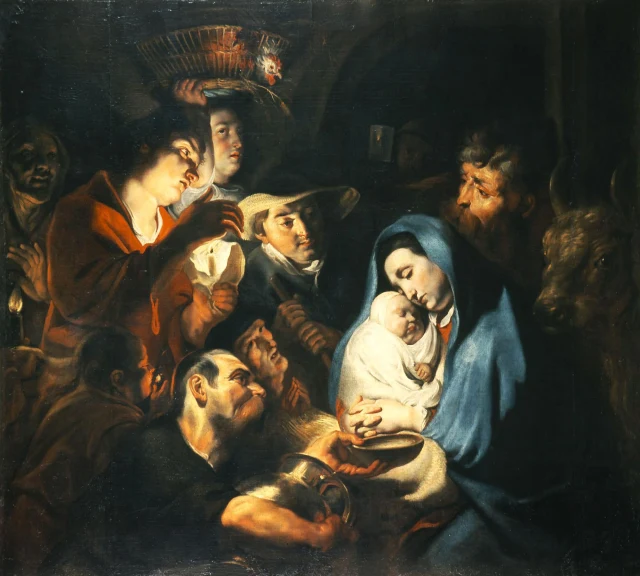 The Adoration of the ShepherdsJacob Jordaens, 1615
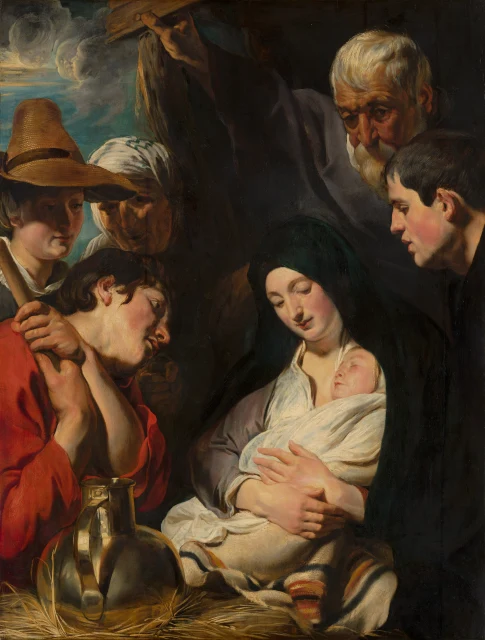 The Adoration of the ShepherdsJacob Jordaens, 1617
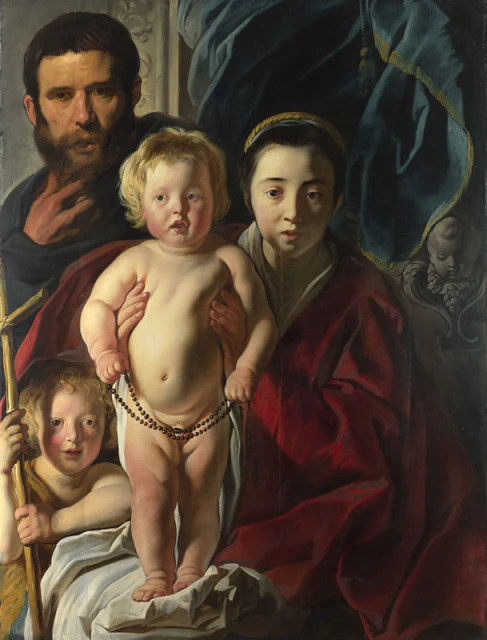 The Holy Family and Saint John the BaptistJacob Jordaens, 1622
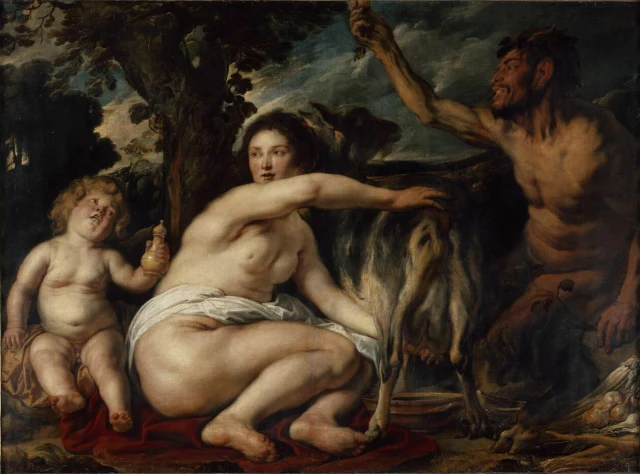 The Infant Jupiter Fed by the Goat AmaltheaJacob Jordaens, 1632
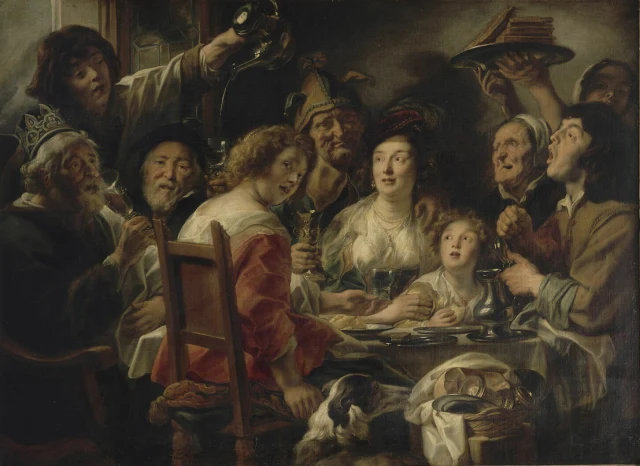 The King DrinksJacob Jordaens, 1639
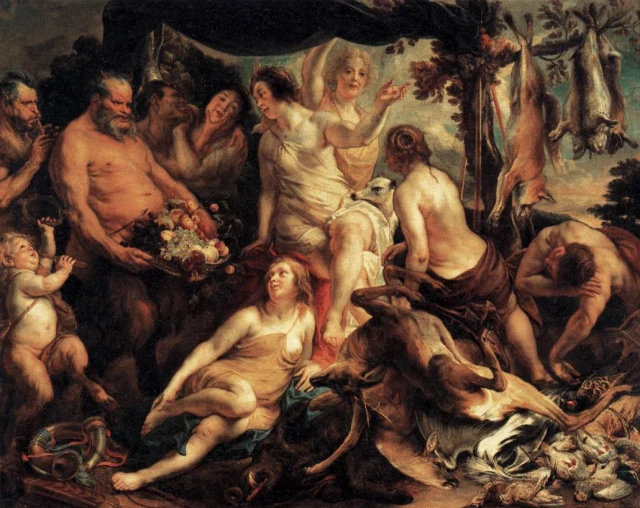 The Rest of DianaJacob Jordaens, 1645
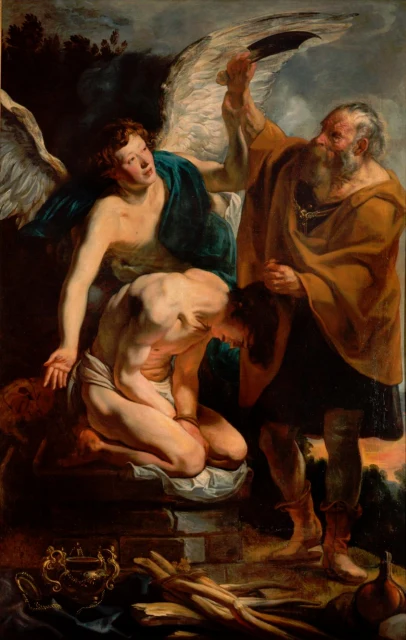 The Sacrifice of IsaacJacob Jordaens, 1625
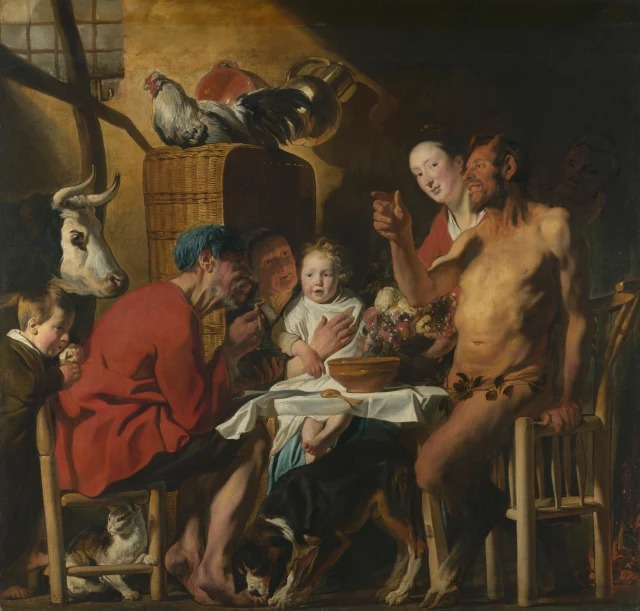 The Satyr and the PeasantJacob Jordaens, 1620