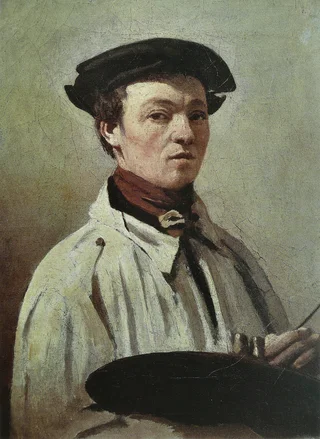
Jean-Baptiste Camille Corot
1796–1875 · France · French Realism
The story
Jean-Baptiste Camille Corot came to painting late and without financial pressure. His father was a wigmaker and his mother ran a milliner's shop, both prosperous enough that at twenty-five they gave him a small allowance and let him abandon a career in the cloth trade to paint, a freedom that let him work at his own pace for the rest of his life. He spent years in Italy making rapid oil sketches outdoors, developing a loose, light-filled technique years ahead of the polished studio landscapes still expected by the Paris Salon.
Back in France he gravitated to the Forest of Fontainebleau after 1829, where a loose circle of painters dissatisfied with academic convention, among them Jean-François Millet and Théodore Rousseau, was forming what became known as the Barbizon School. Corot became its most celebrated figure, prized for silvery, atmospheric woodland scenes that sold well and made him comfortably rich even as younger radicals struggled.
He was also unusually generous with that success, helping poorer colleagues in trouble, and he personally tutored the young Camille Pissarro and Berthe Morisot, both future Impressionists who carried his commitment to painting directly from nature into the movement he never officially joined. He died in Paris in 1875, leaving behind more than three thousand paintings, a number swollen over the following decades by forgeries made in his style.
More articles
Works
170 works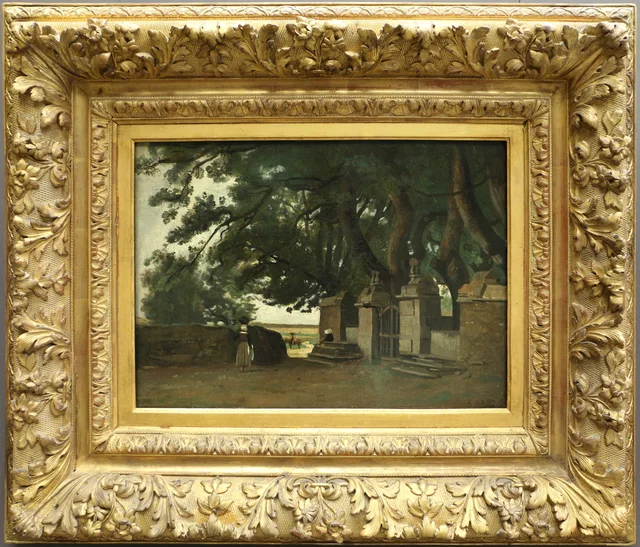 Breton landscape. A gate shaded by tall treesJean-Baptiste Camille Corot, 1845
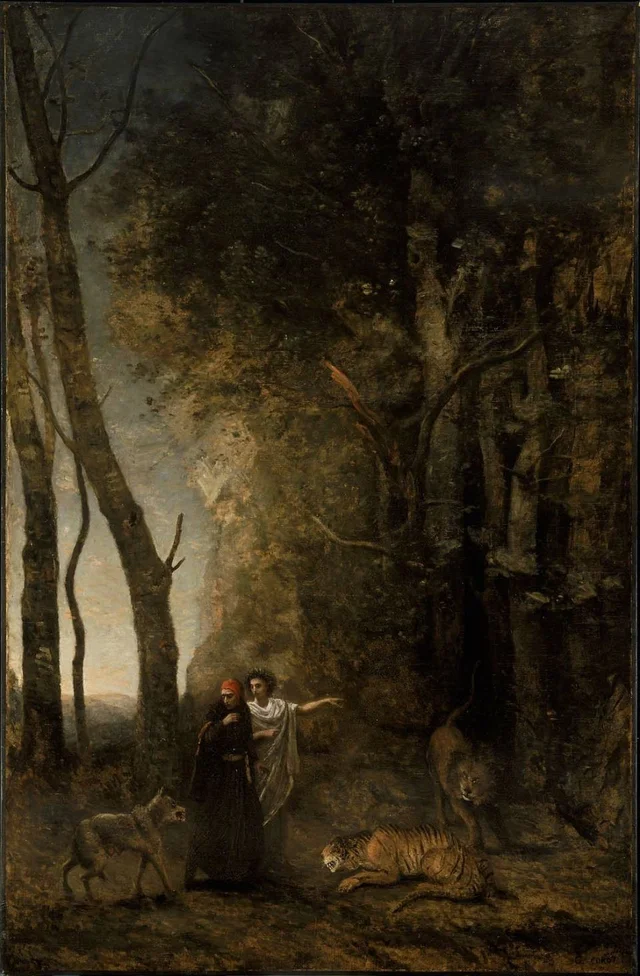 Dante and VirgilJean-Baptiste Camille Corot, 1859
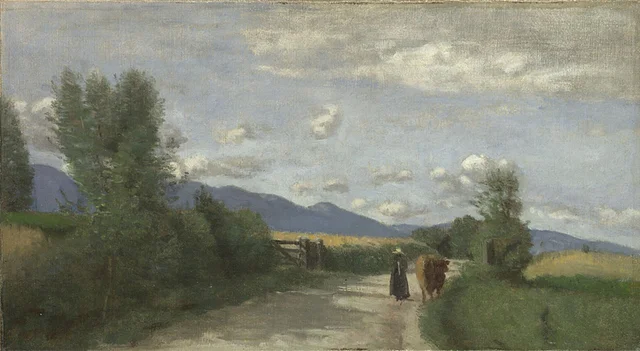 Dardagny, MorningJean-Baptiste Camille Corot, 1853
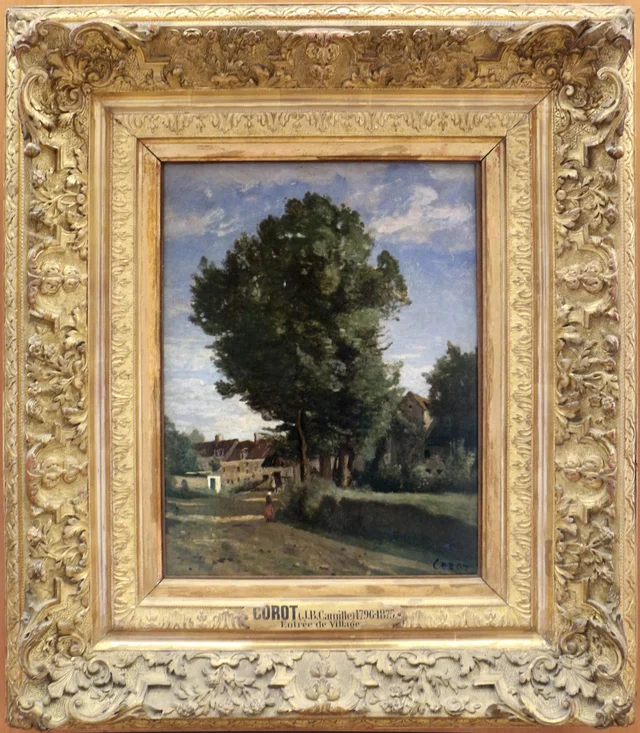 Entry of the VillageJean-Baptiste Camille Corot, 1860
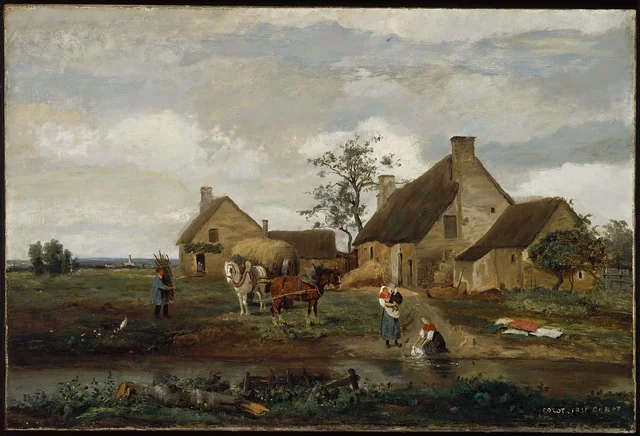 Farm at Recouvrières, NièvreJean-Baptiste Camille Corot, 1831
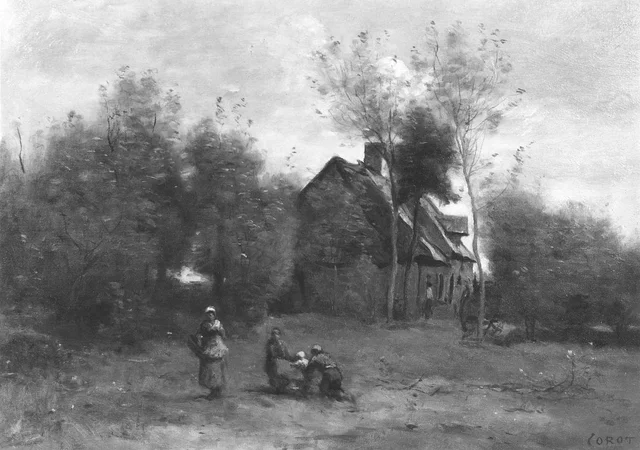 Farmyard at Sin, near Douai, with Children at PlayJean-Baptiste Camille Corot, 1872
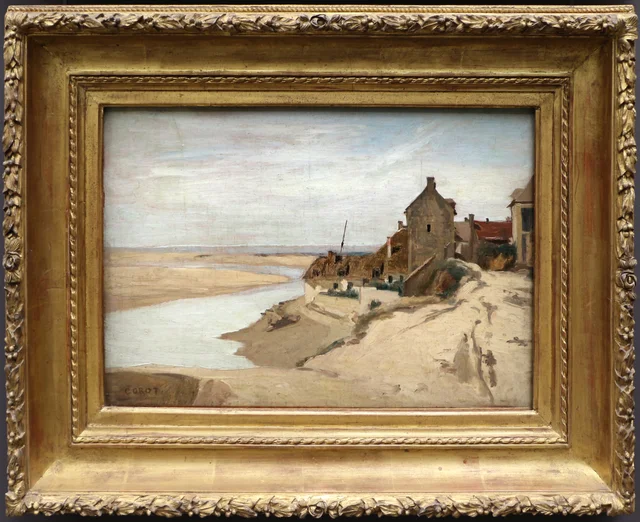 Fisherman's houses in Sainte-AdresseJean-Baptiste Camille Corot, 1835
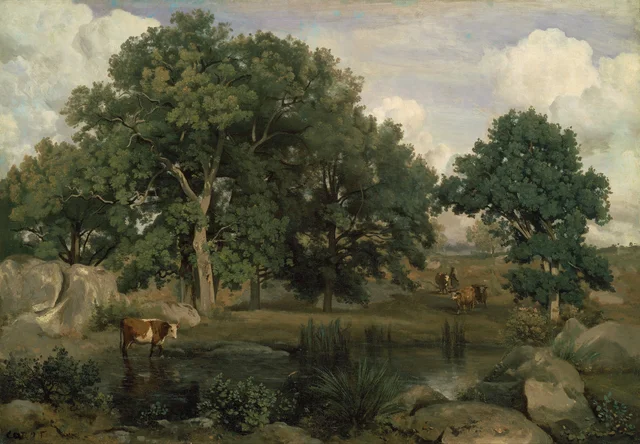 Forest of FontainebleauJean-Baptiste Camille Corot, 1846
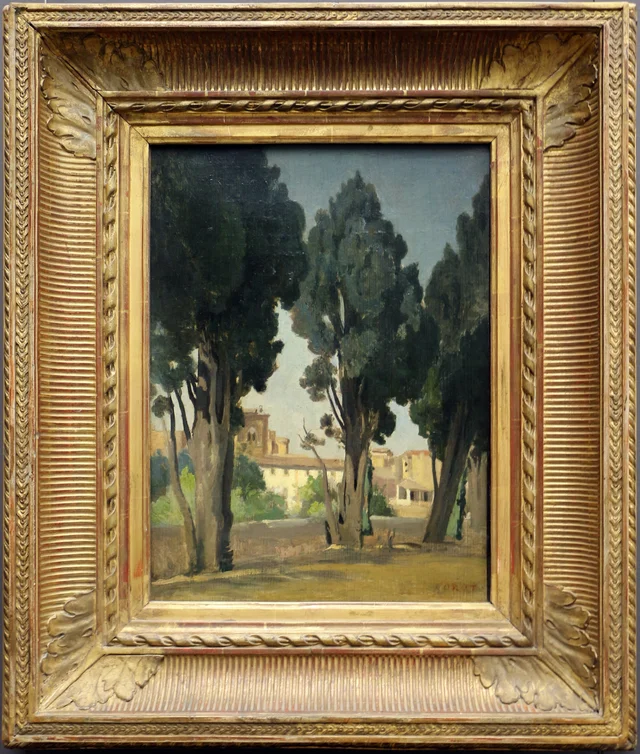 Garden terrace of the hospice Villeneuve-lès-AvignonJean-Baptiste Camille Corot, 1836
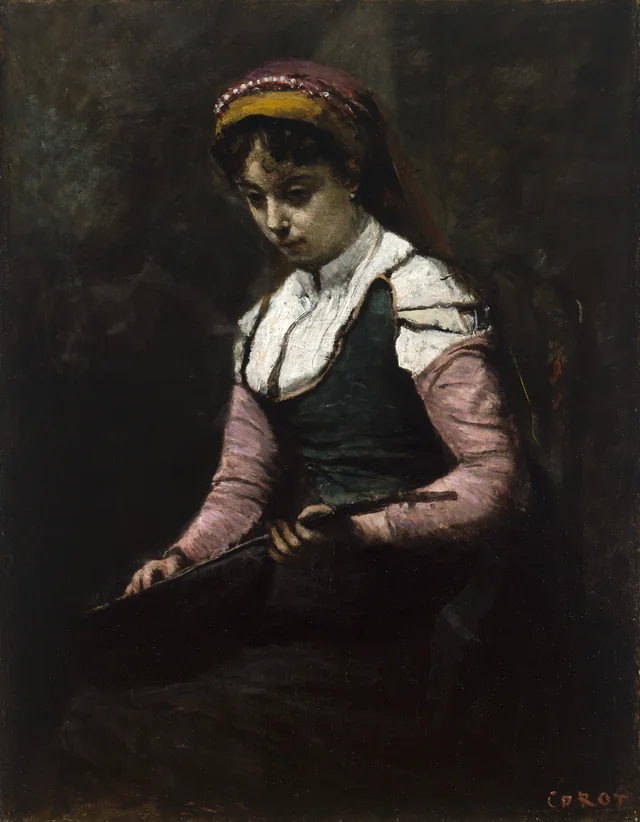 Girl with MandolinJean-Baptiste Camille Corot, 1860
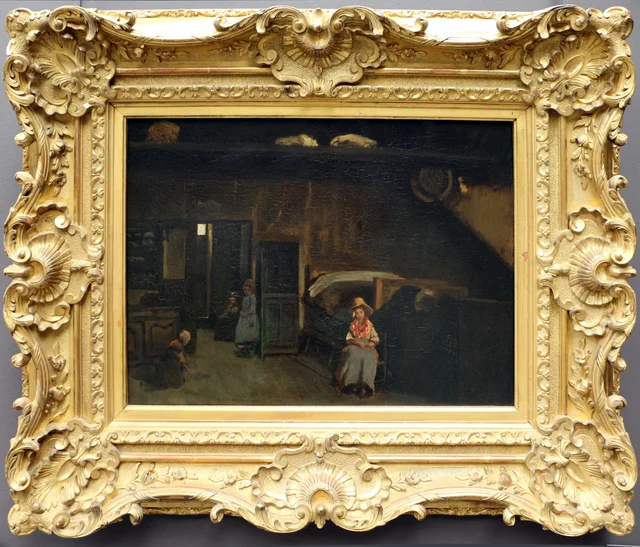 Intérieur au Mas-Bilier, près de LimogesJean-Baptiste Camille Corot, 1855
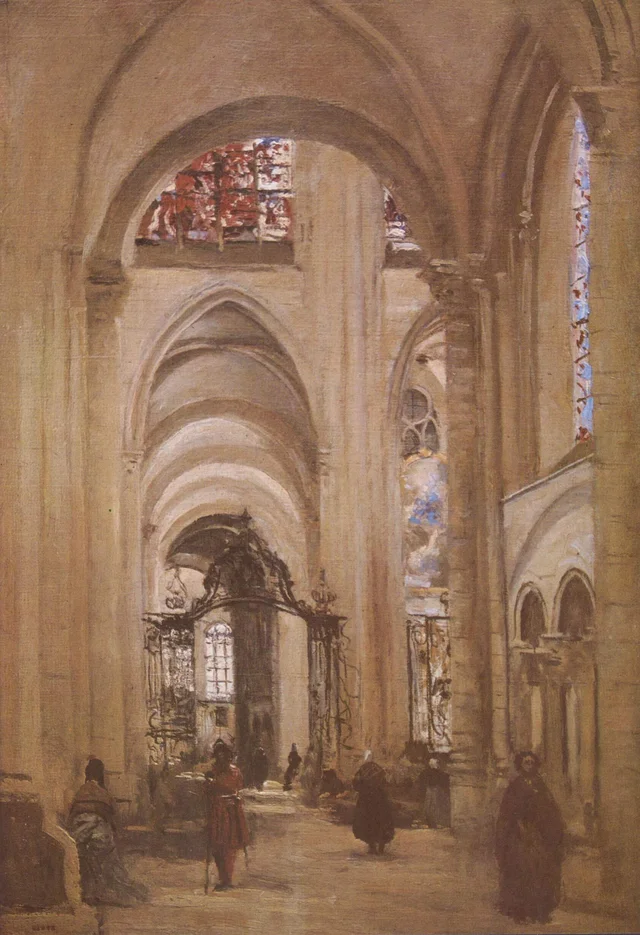 Interior of Sens CathedralJean-Baptiste Camille Corot, 1874
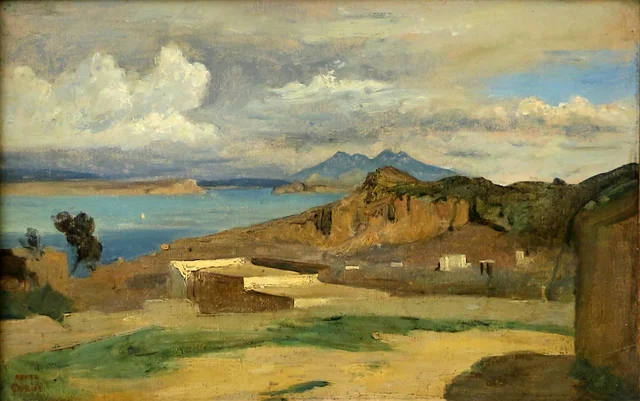 Ischia, view taken from the slopes of Mount EpomeoJean-Baptiste Camille Corot, 1828
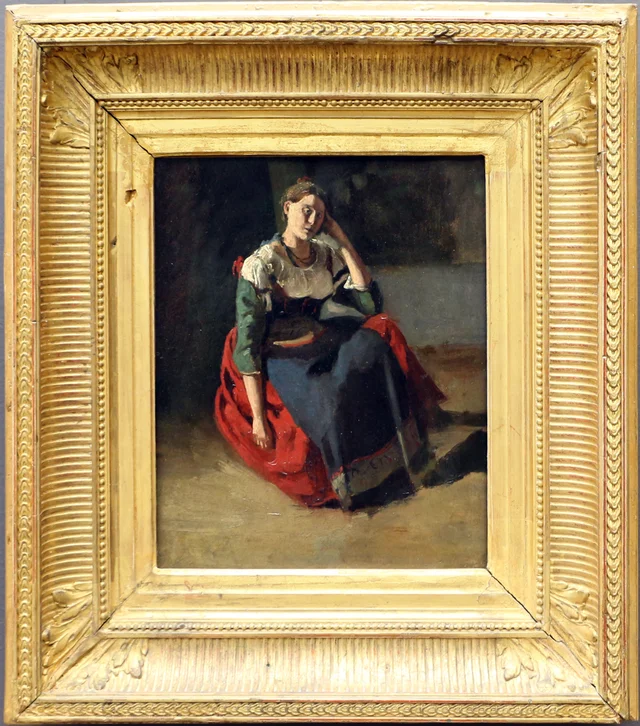 Italian sitting, leaning on her kneeJean-Baptiste Camille Corot, 1827
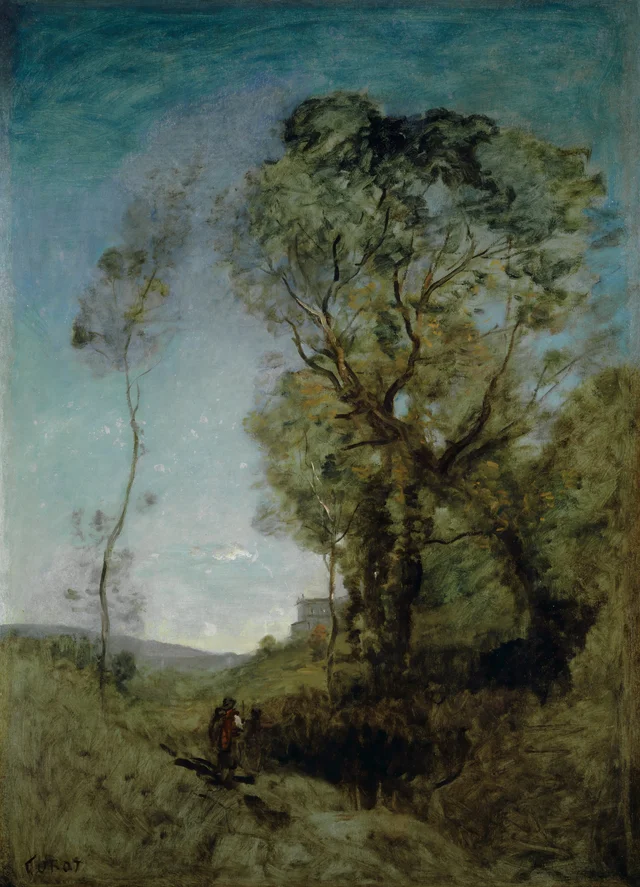 Italian Villa behind Pine TreesJean-Baptiste Camille Corot, 1860
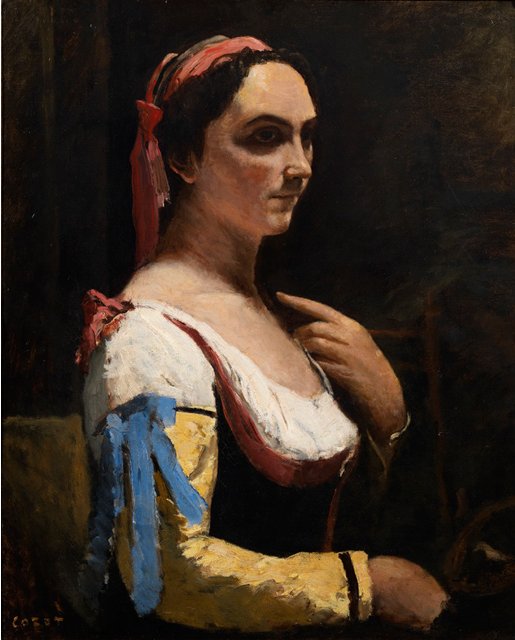 Italian WomanJean-Baptiste Camille Corot, 1870
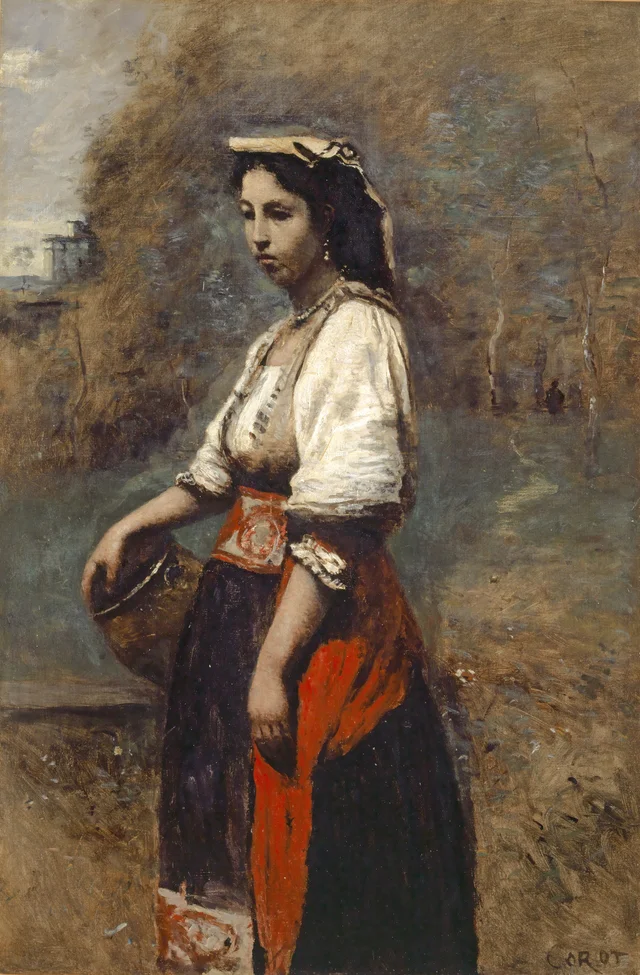 Italian woman at the fountainJean-Baptiste Camille Corot, 1867
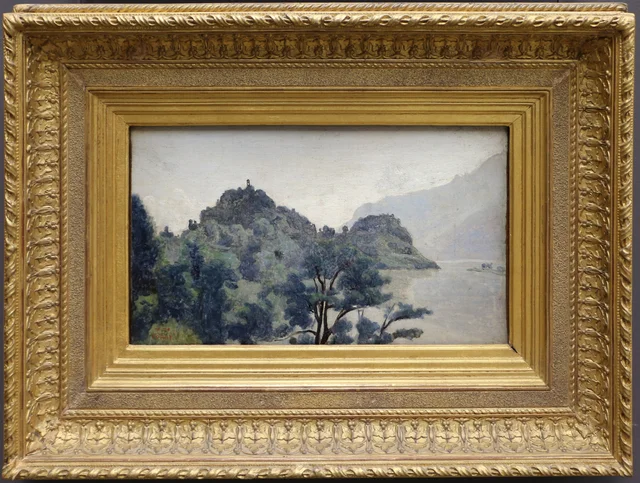 Lake BrienzJean-Baptiste Camille Corot, 1842
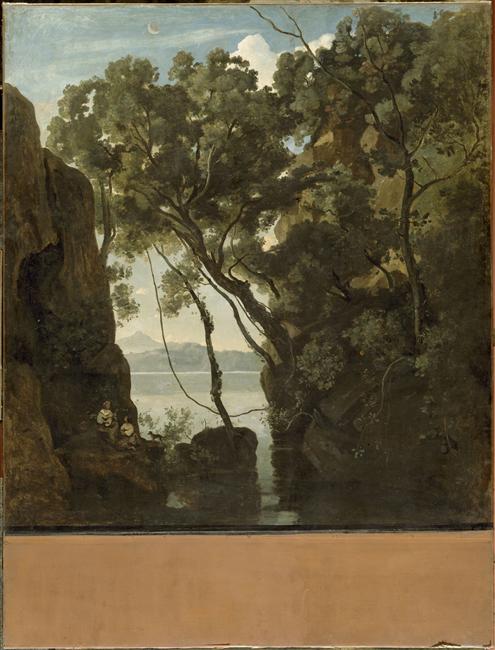 Lake NemiJean-Baptiste Camille Corot, 1841
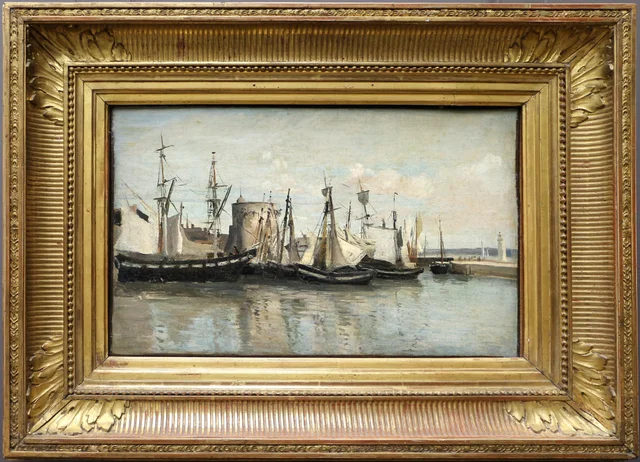 La Rochelle. Harbour EntranceJean-Baptiste Camille Corot, 1851
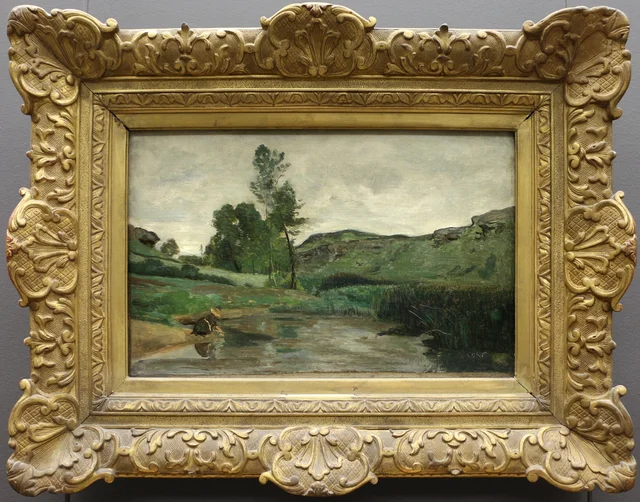 Laundress at the edge of the water in OptevozJean-Baptiste Camille Corot, 1852
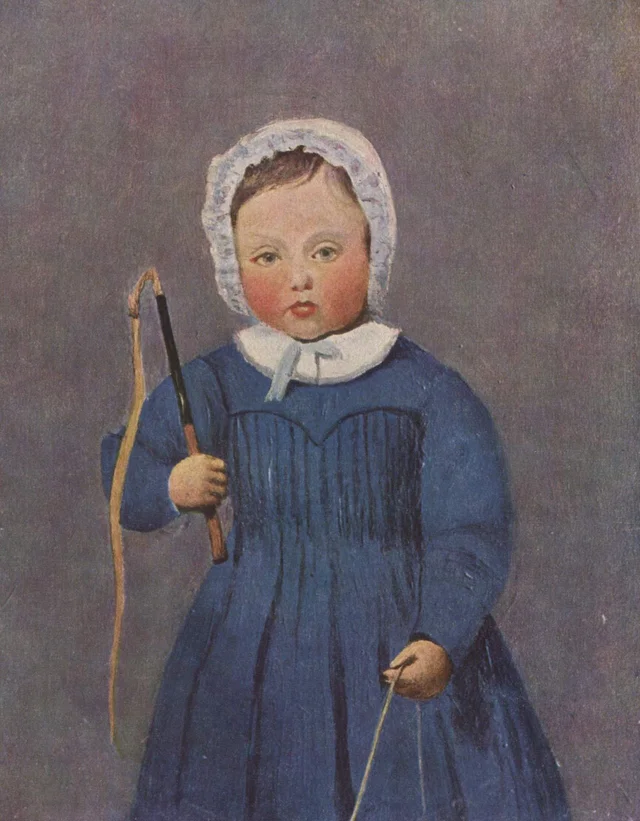 Louis Robert as a childJean-Baptiste Camille Corot, 1843
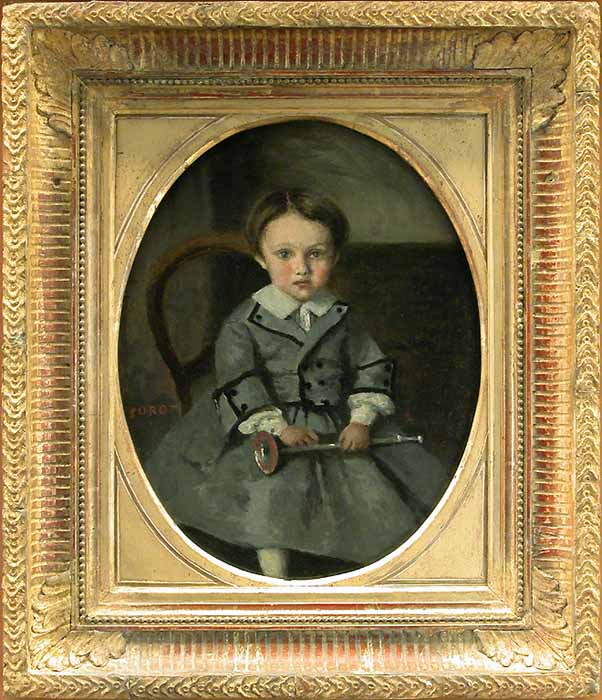 Maurice RobertJean-Baptiste Camille Corot, 1857
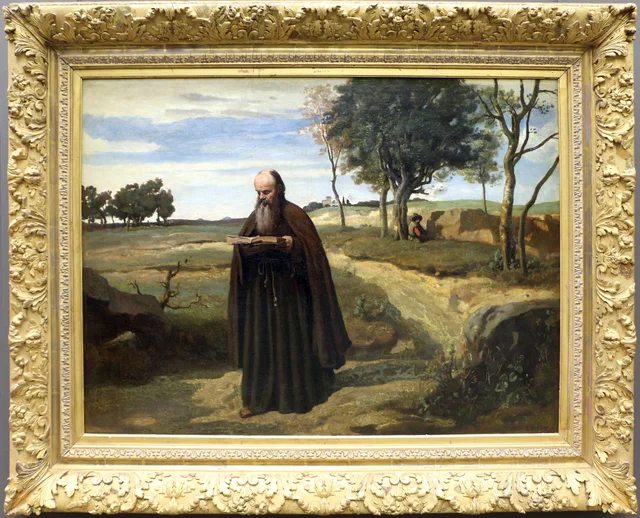 Monk ReadingJean-Baptiste Camille Corot, 1840
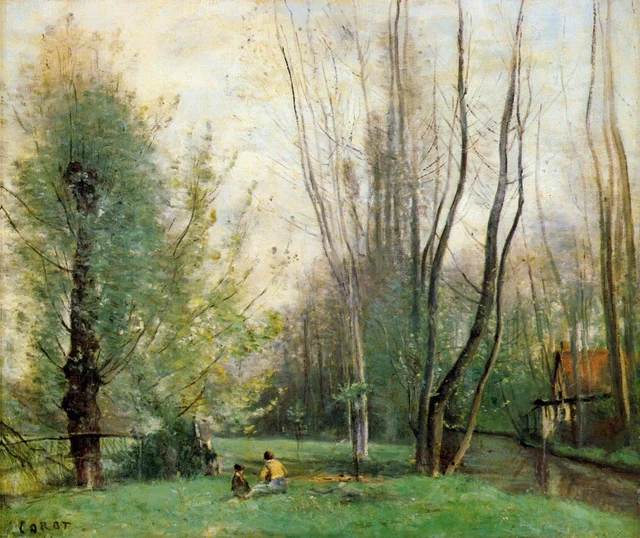 Morning near BeauvaisJean-Baptiste Camille Corot, 1860