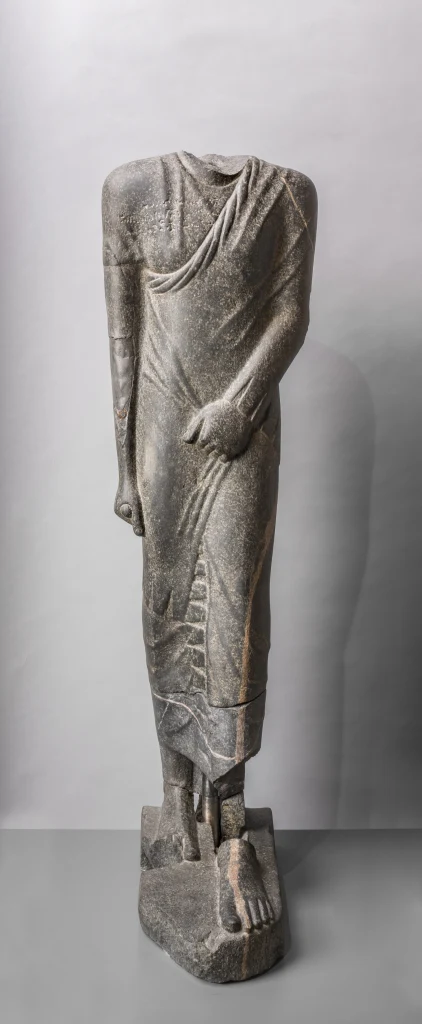
Statue of Petimuthes in 'Persian' Dress
Details
The story
In 103 BC the Ptolemaic family was at war with itself. Queen Cleopatra III ruled Egypt with her younger son, Ptolemy X. Her elder son, Ptolemy IX, whom she had driven out of Alexandria a few years before, held Cyprus, and when he crossed to Palestine with an army, mother and younger son answered with a campaign of their own. Ptolemy X went by sea to the Phoenician coast, and the queen laid siege to Ptolemais, the port known today as Acre, in Galilee.
The inscription on the back pillar of this statue refers to that war and mentions the capture of Ptolemais by Cleopatra III and Ptolemy X. The statue belonged to Petimuthes, a general from Thebes, and the museum dates it to the reign of Ptolemy X, between 107 and 88 BC. The text was completed with the help of a fragment found at Karnak, where Petimuthes promoted the building of a storehouse in the temple of Amun.
The head is lost. The body is dressed in the so-called Persian garment, with a fringed edge. Scholars named it after the Persian kings who ruled Egypt in the 6th and 5th centuries BC, when Egyptian officials appear in this dress, and the museum notes that from the Late Period on it was reserved for the highest dignitaries.
More works by Unknown Egyptian artist (Late Period or Ptolemaic)
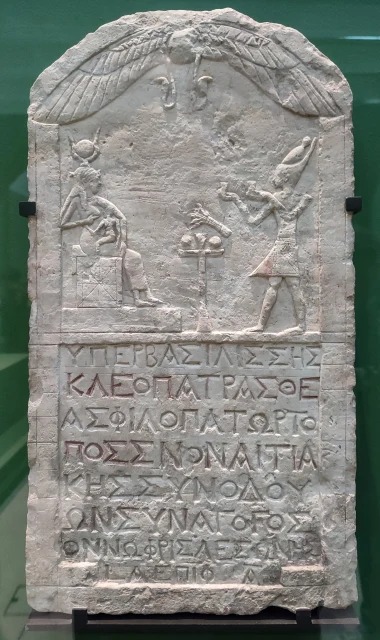 Arched Stela of Cleopatra VII Offering to Isis Nursing HarpocratesUnknown Egyptian artist (Late Period or Ptolemaic), -51
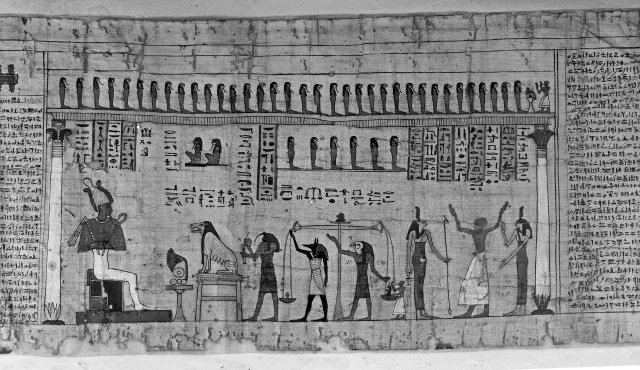 Book of the Dead of PetamunnebnesetawyUnknown Egyptian artist (Late Period or Ptolemaic)
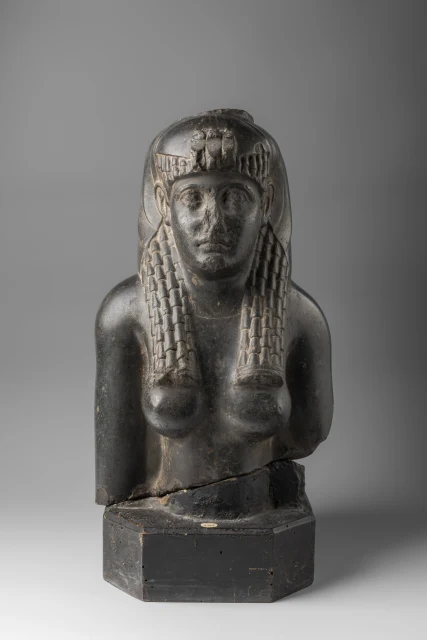 Bust of a Ptolemaic QueenUnknown Egyptian artist (Late Period or Ptolemaic), -125
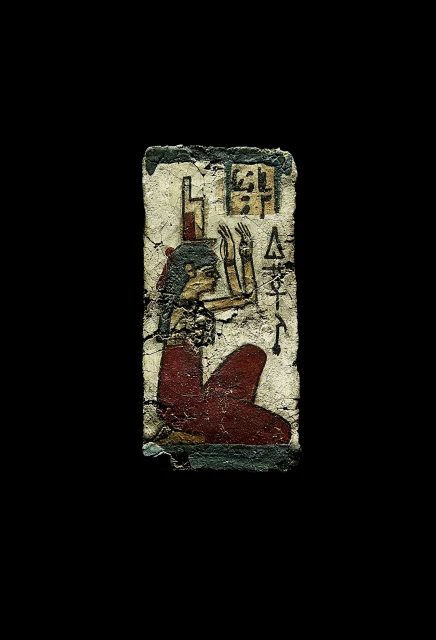 Cartonnage Plaque with Isis MourningUnknown Egyptian artist (Late Period or Ptolemaic)
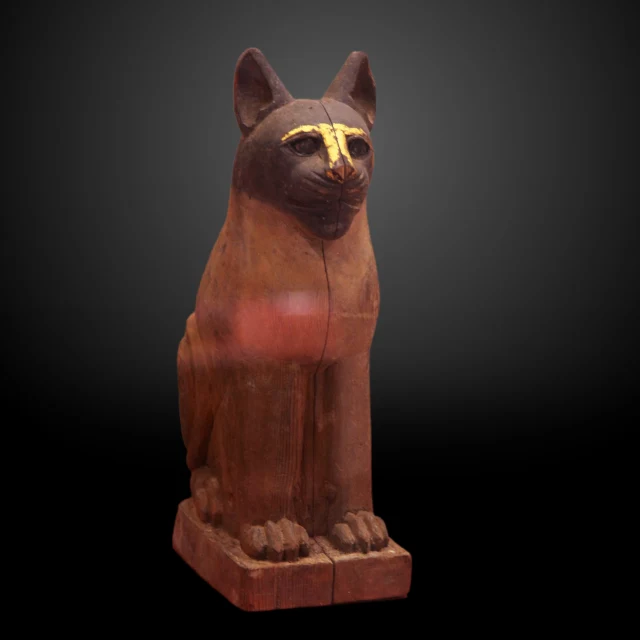 Cat CoffinUnknown Egyptian artist (Late Period or Ptolemaic), -498