The story
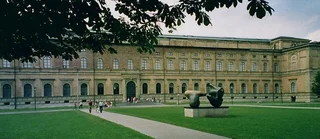
Walk along the south front of the Alte Pinakothek and the wall changes partway across, from carved stone to plain unrendered brick. That seam is deliberate. Allied bombing gutted about a third of the building in the war, and when the architect Hans Döllgast rebuilt it in the 1950s he chose not to fake the lost stonework. He filled the gap with bare brick, some of it salvaged from the rubble, so the wound stays visible.
The museum it patched up is one of the oldest picture galleries in the world, opened in 1836 by King Ludwig I of Bavaria to show the Wittelsbach family collection, which his ancestors had been assembling since the 16th century. The architect Leo von Klenze gave it long top-lit halls that were copied by museums across Europe.
Inside hangs one of the strangest self-portraits ever painted: Albrecht Dürer at 28, in 1500, facing straight out with a symmetry and steady gaze that European artists reserved for images of Christ. Nearby is one of the largest gatherings of Rubens anywhere, among it his enormous 'Great Last Judgment', a wall of tumbling bodies so large that the gallery was designed around its frame.
More articles
Collection
270 works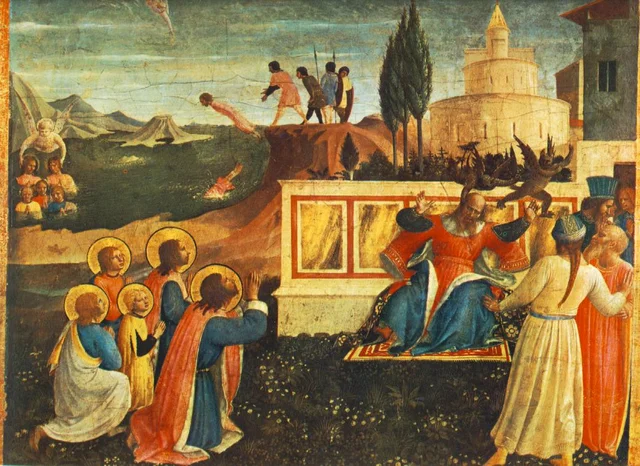 Saint Cosmas and Saint Damian SalvagedFra Angelico, 1439
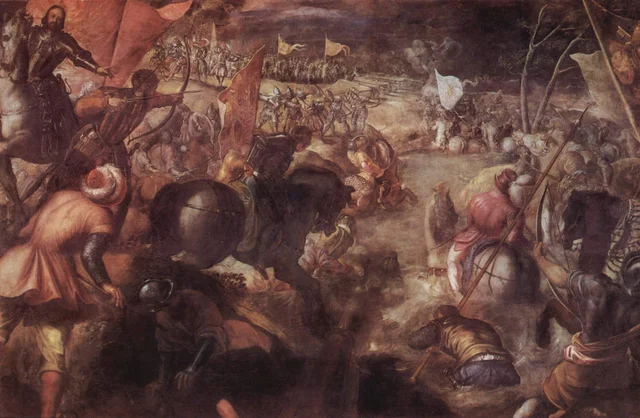 The Battle of the TaroJacopo Tintoretto, 1579
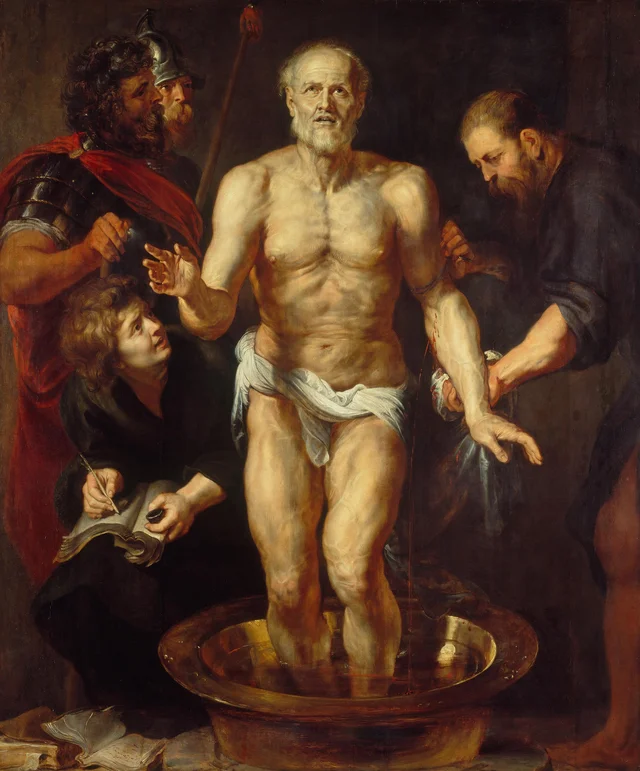 The Dying SenecaPeter Paul Rubens, 1612
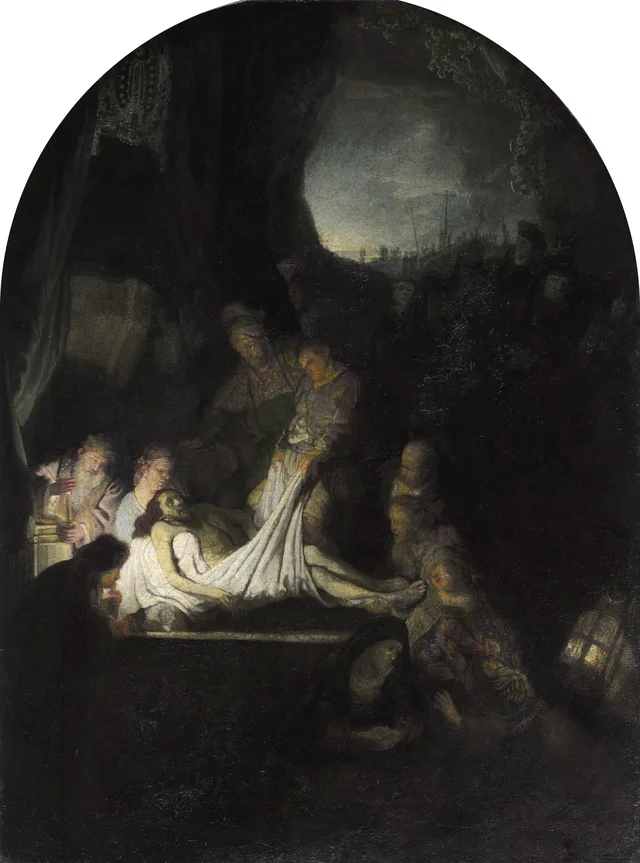 The EntombmentRembrandt, 1639
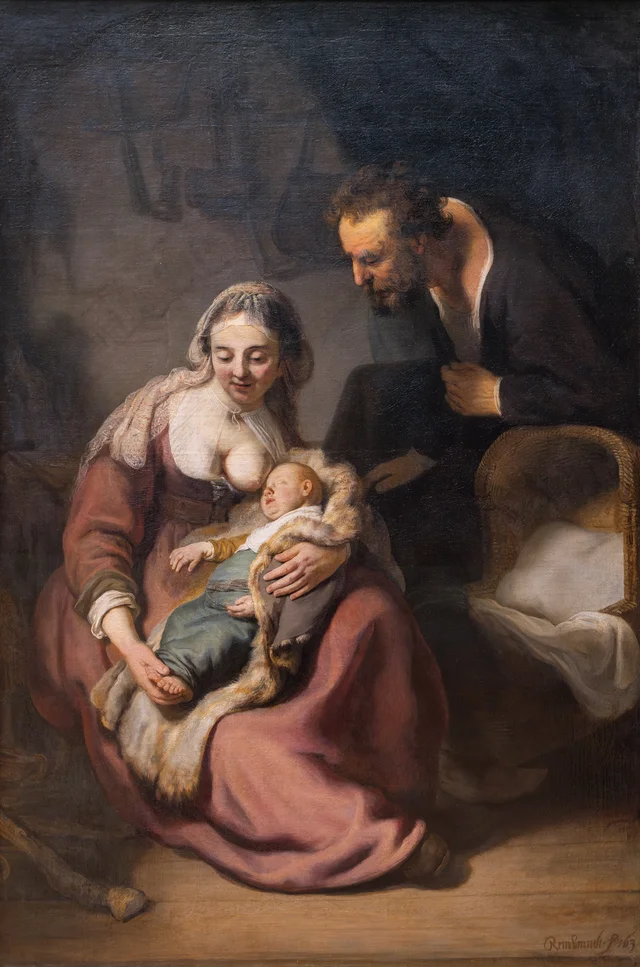 The Holy FamilyRembrandt, 1635
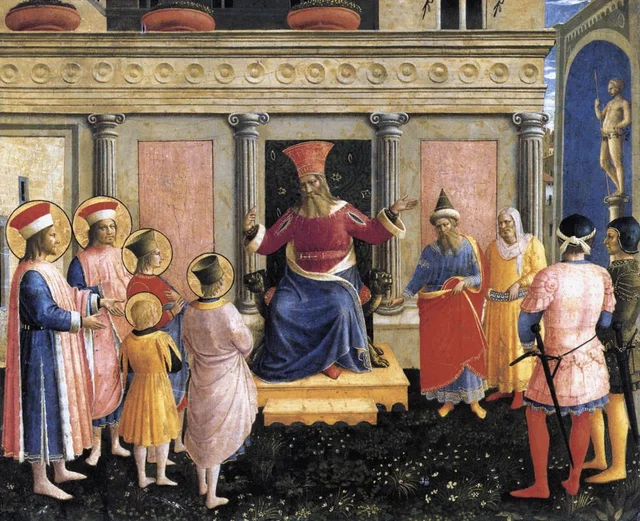 The Saints Cosmas and Damian with their Brothers before the Proconsul LysiasFra Angelico, 1439
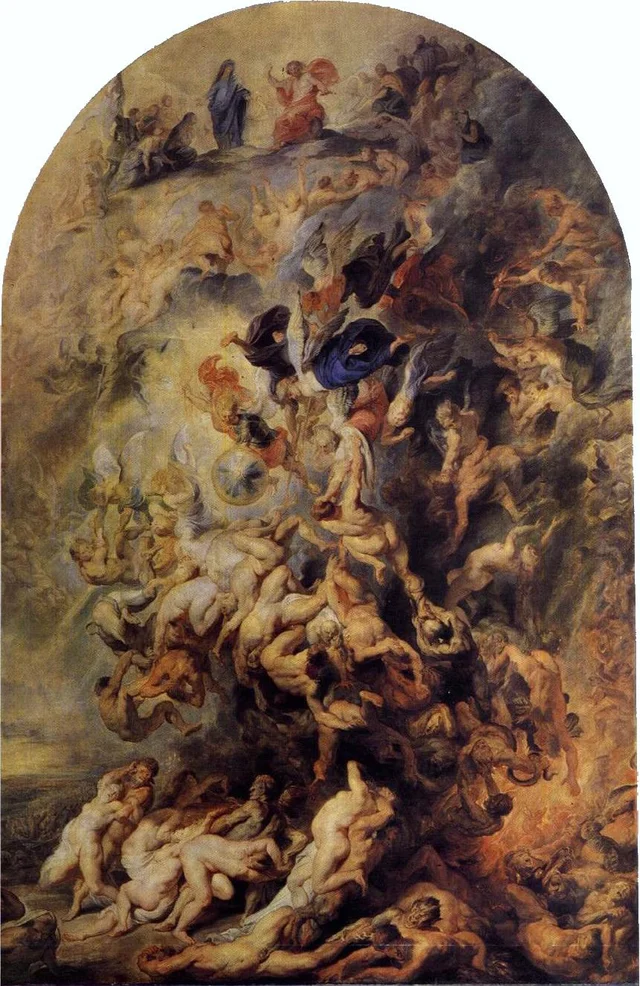 The Small Last JudgementPeter Paul Rubens, 1621
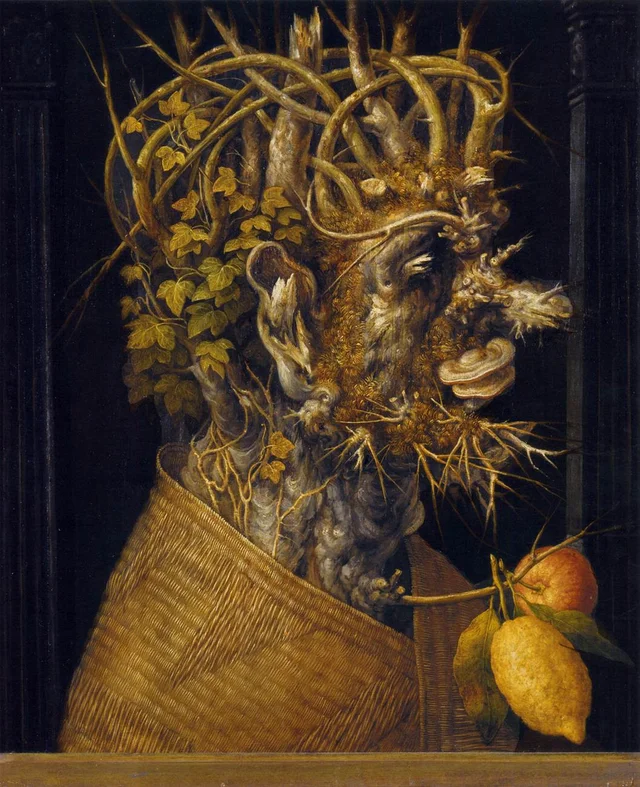 Allegory of WinterGiuseppe Arcimboldo, 1557
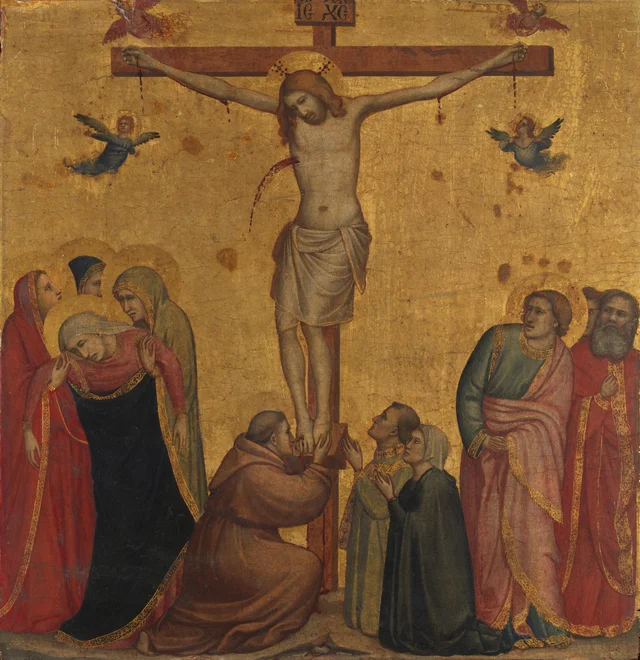 Christ on the CrossGiotto, 1305
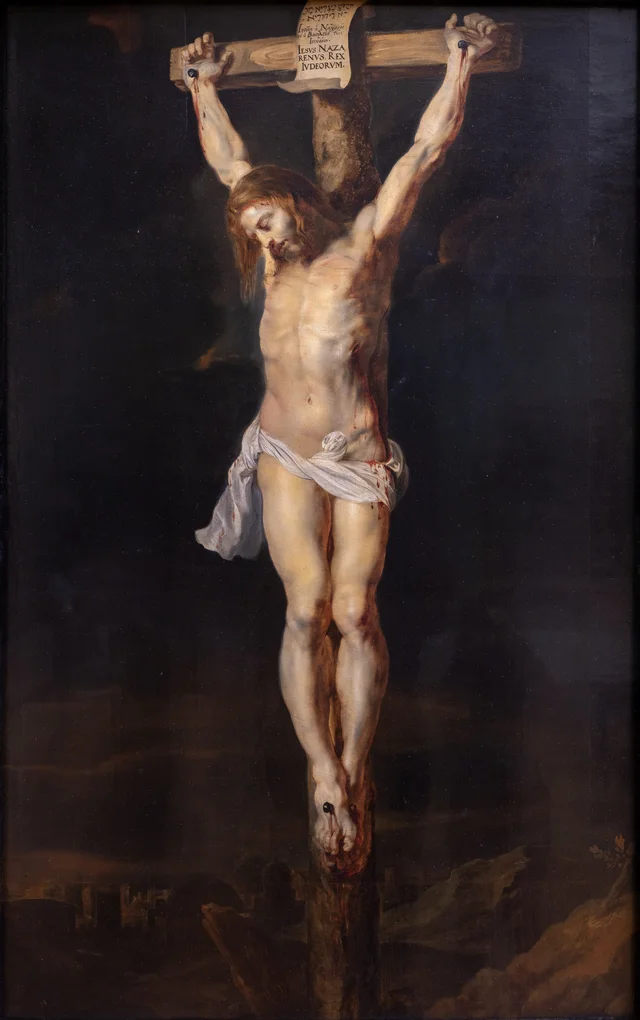 Christ on the CrossPeter Paul Rubens, 1615
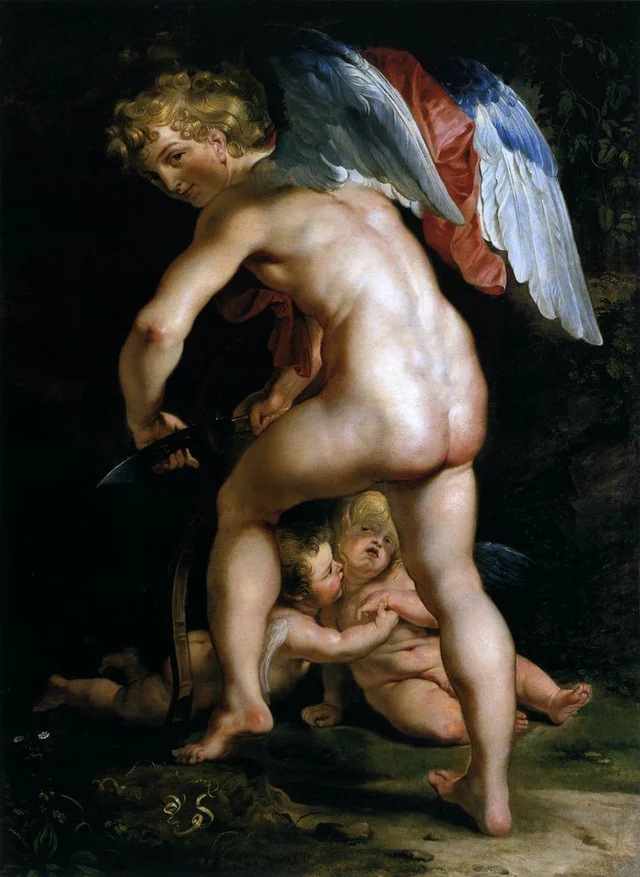 Cupid (Eros) Carves the BowPeter Paul Rubens, 1614
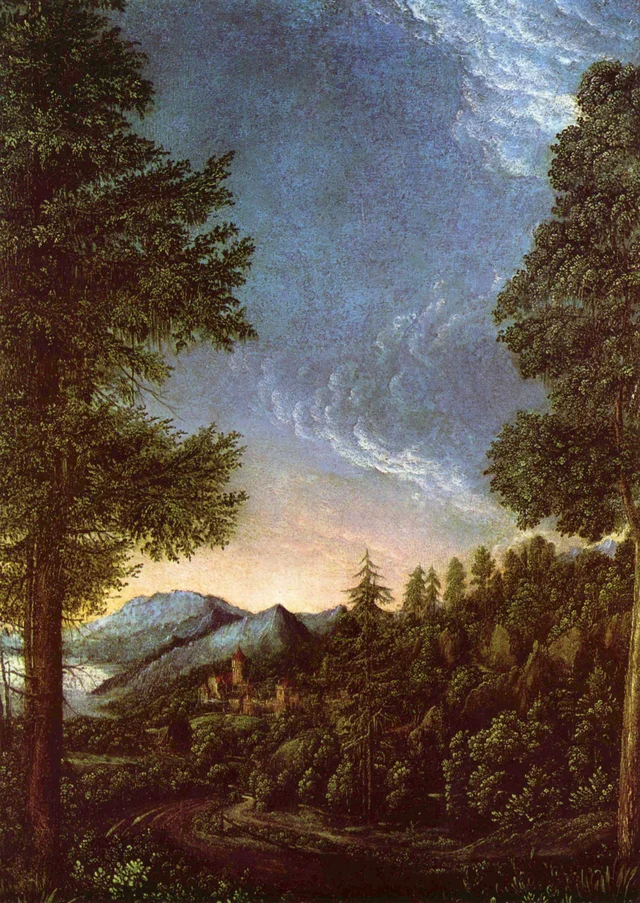 Danube Landscape with Wörth CastleAlbrecht Altdorfer, 1522
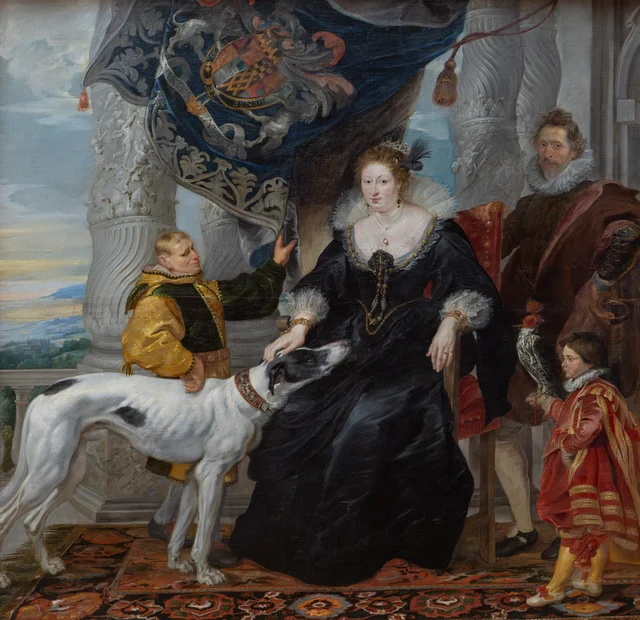 Double portrait of Alethea Talbot (1585-1654), Countess of Arundel and Sir Dudley Carleton (1573-1632), with two servantsPeter Paul Rubens, 1620
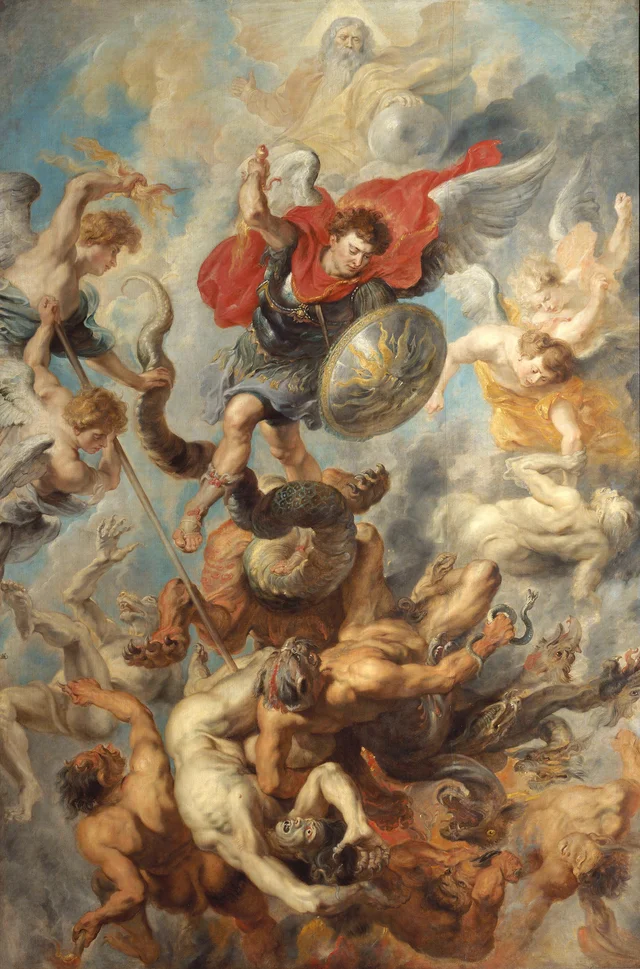 Fall of the rebel angelsPeter Paul Rubens, 1621
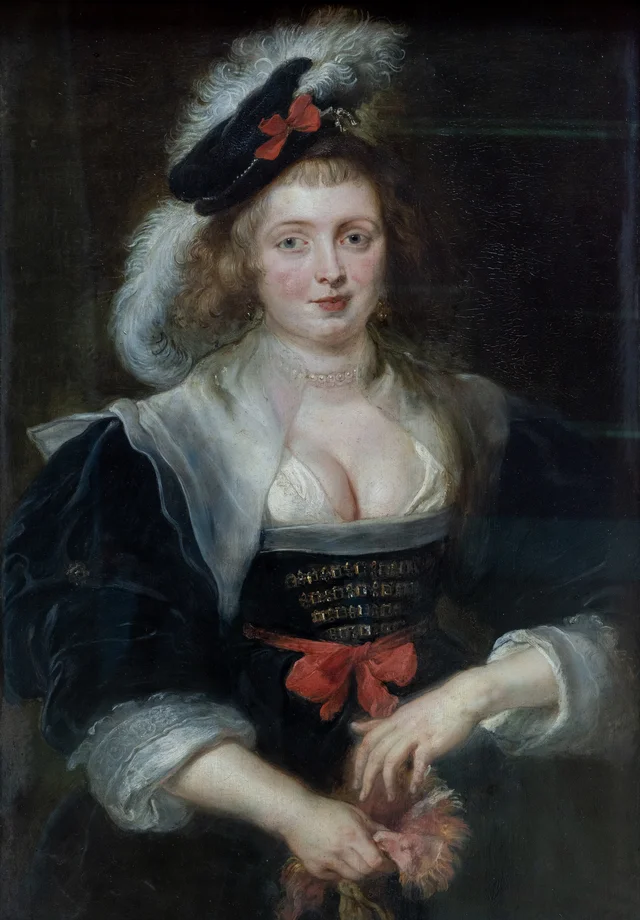 Helena Fourment Putting on a GlovePeter Paul Rubens, 1632
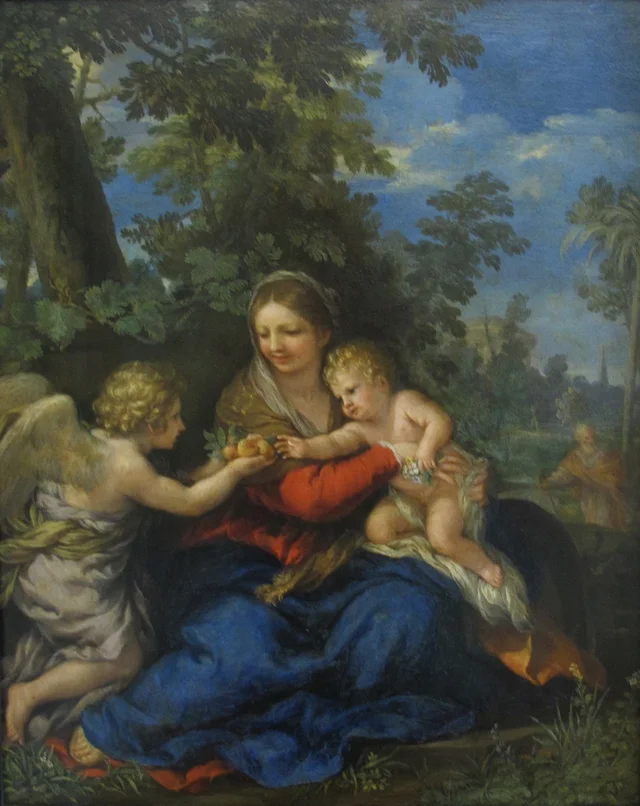 Holy Family Resting on the Flight to EgyptPietro da Cortona, 1643
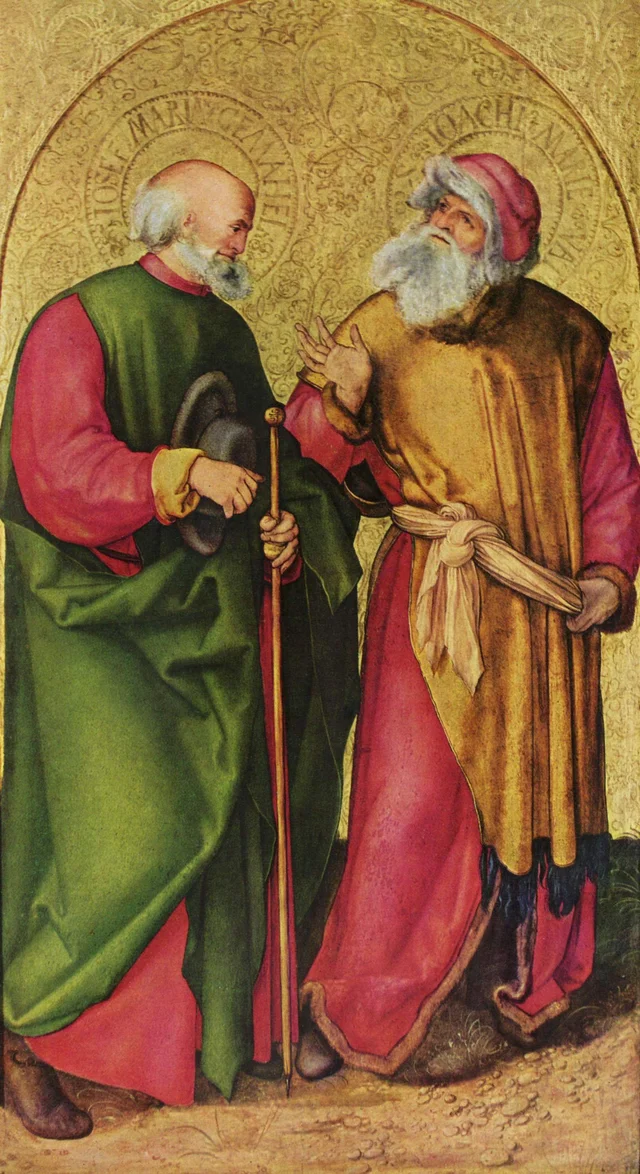 Jabach Altar: Saints Joseph and JoachimAlbrecht Dürer, 1504
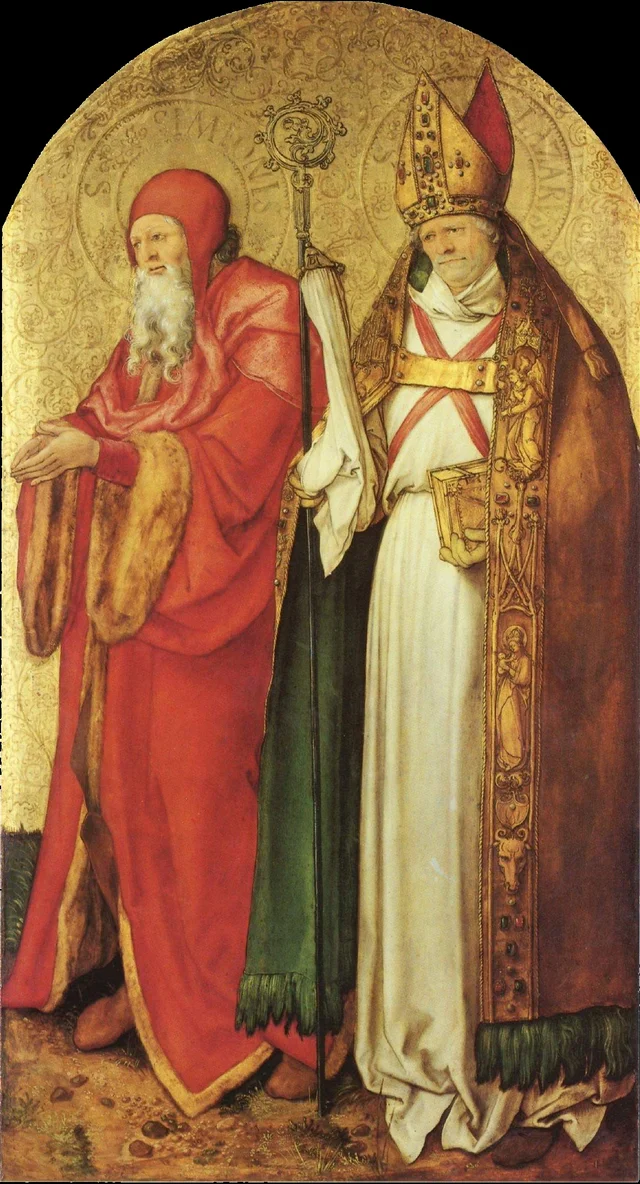 Jabach Altar: Saints Simeon and LazarusAlbrecht Dürer, 1500
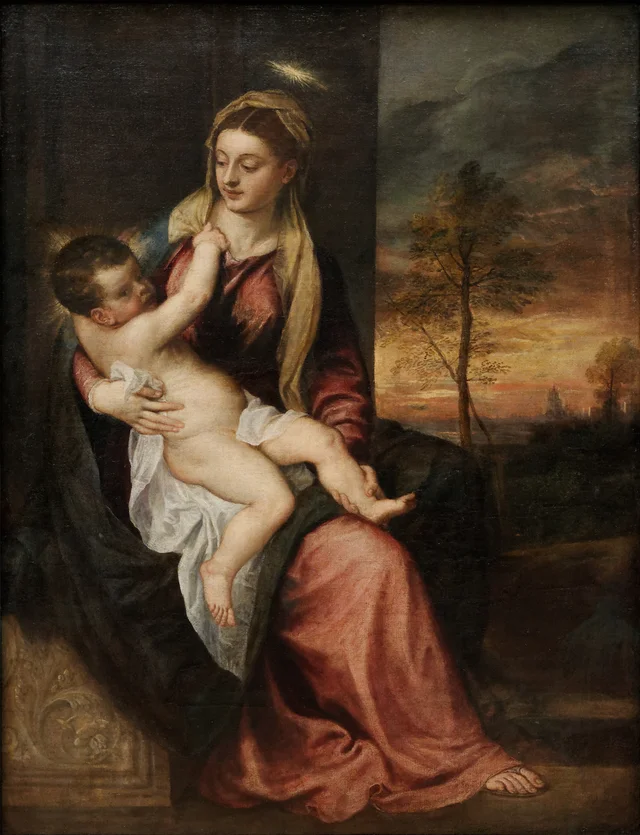 Madonna and Child in an Evening LandscapeTitian, 1560
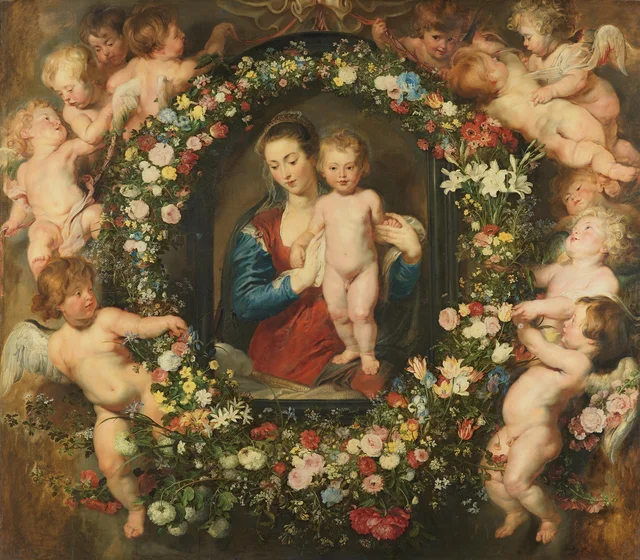 Madonna in a Garland of FlowersPeter Paul Rubens and Jan Brueghel the Elder, 1617
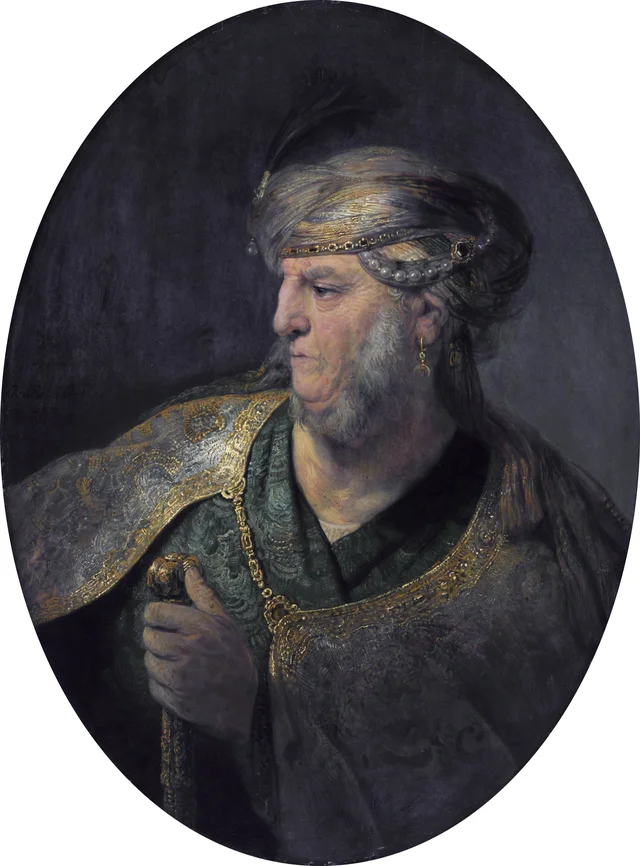 Man in Oriental DressRembrandt, 1633
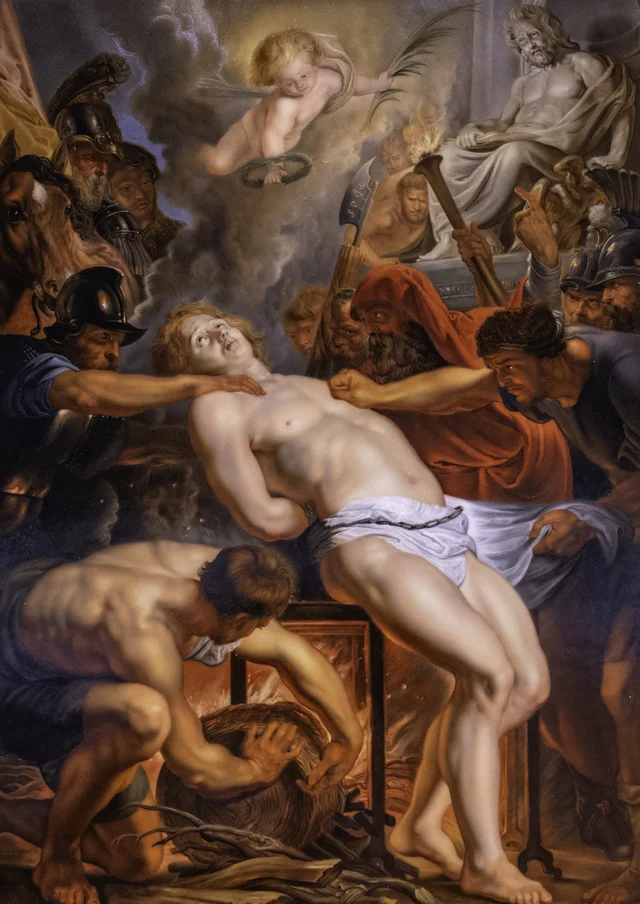 Martyrdom of Saint LawrencePeter Paul Rubens, 1613
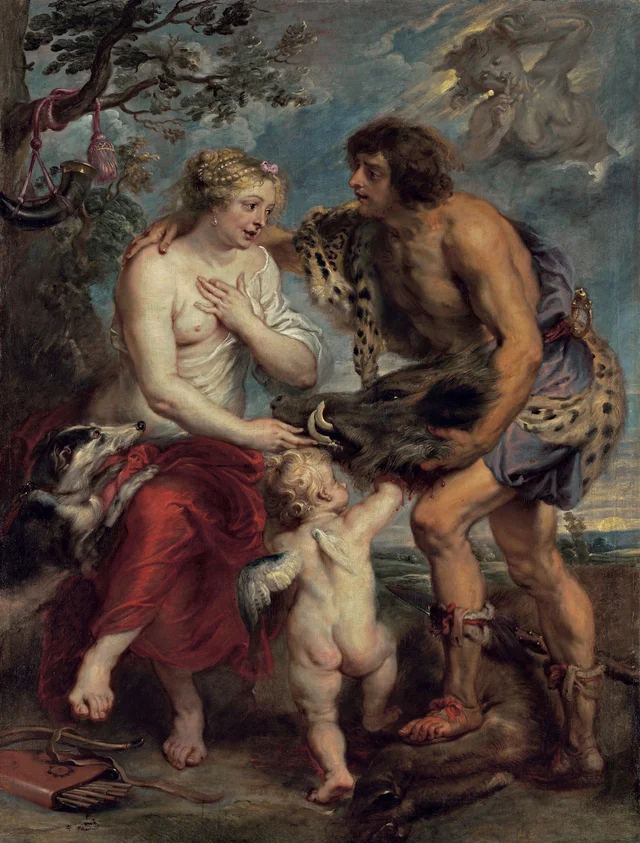 Meleager and AtalantePeter Paul Rubens, 1635
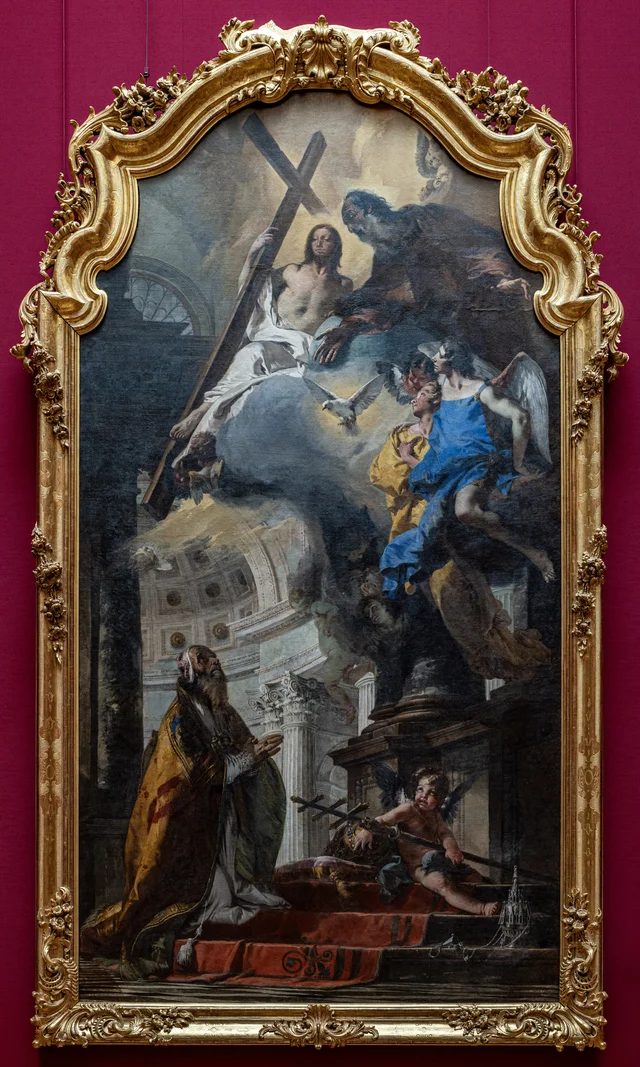 Pope St Clement Adoring the TrinityGiovanni Battista Tiepolo, 1737
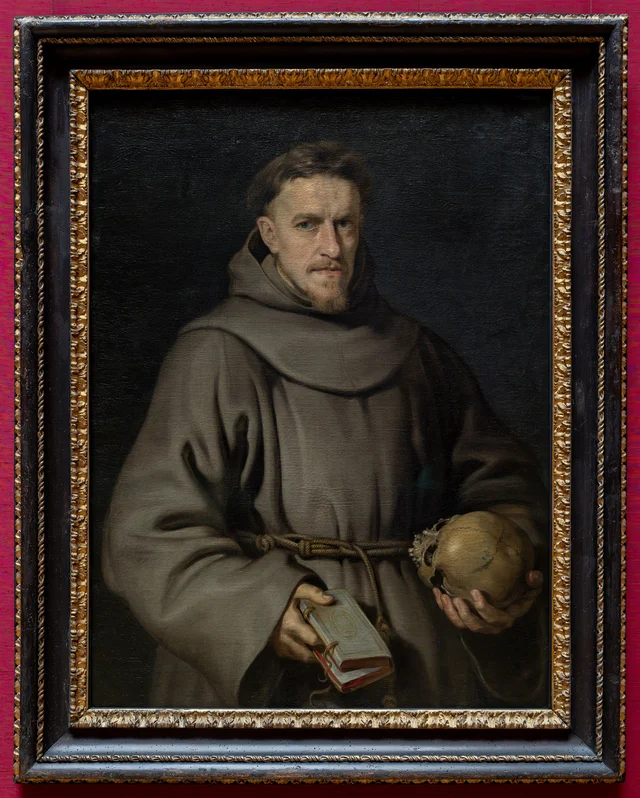 Portrait of a Franciscan FriarPeter Paul Rubens, 1615