The story
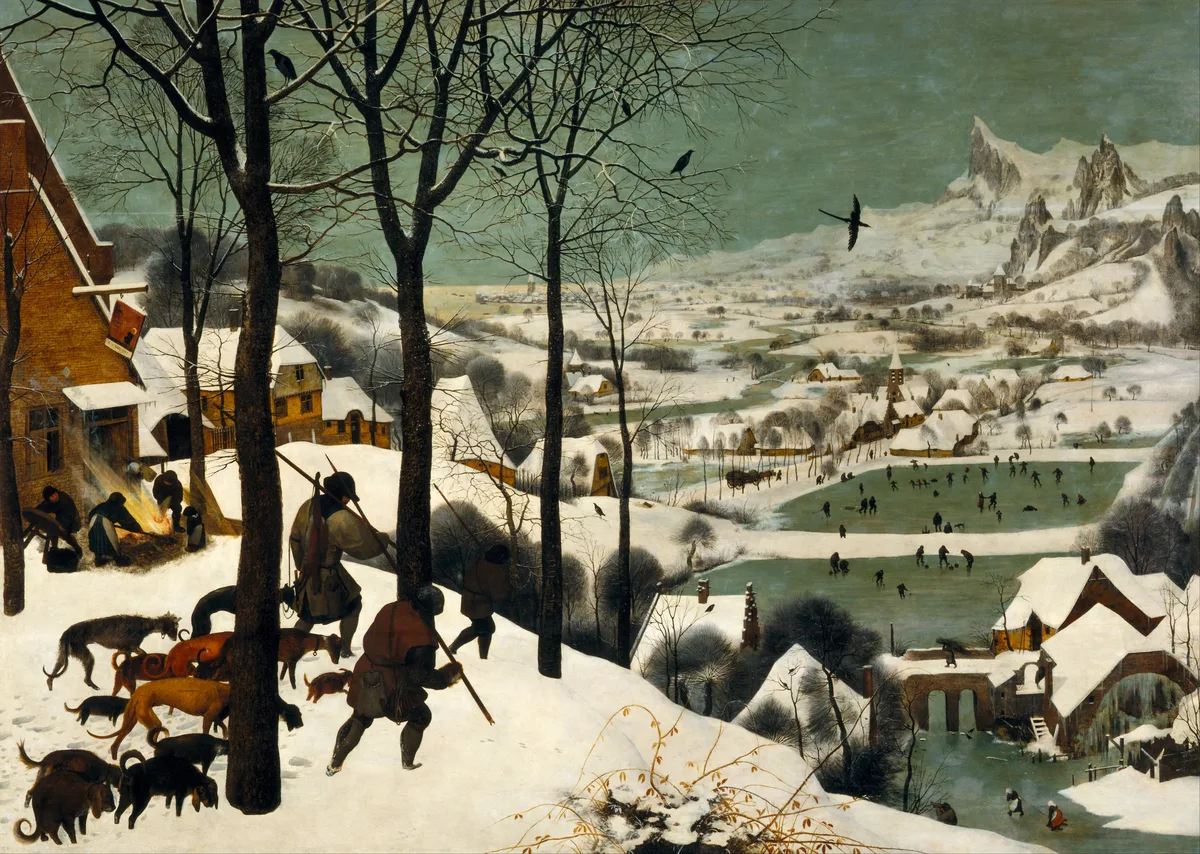
One room on the first floor holds more paintings by Pieter Bruegel the Elder than anywhere else on earth, around a dozen, including 'Hunters in the Snow', the line of tired hunters and their dogs trudging over a hill above a frozen valley, painted in 1565. That Vienna owns them at all comes down to the Habsburgs, the dynasty that ruled much of Europe for centuries and spent a good part of that power buying art.
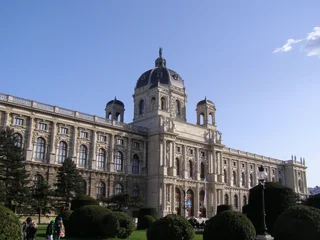
The museum was built to show exactly that off. Emperor Franz Joseph opened it in 1891 on the Ringstraße, the grand boulevard laid out where Vienna's old city walls had stood, in a palace of a building by Gottfried Semper and Karl von Hasenauer, its staircase decorated by the young Gustav Klimt before he became the Klimt of gold and scandal. The point was to gather the scattered imperial collections under one roof and let the public in.
So the walls read like an inventory of Habsburg reach. Vermeer's 'The Art of Painting', the artist seen from behind at his easel, which the family kept as one of its treasures. Rooms of Titian, Rubens and Velázquez, whose Spanish court portraits of small solemn princesses came to Vienna through the marriages that tied the two branches of the family together. And below the picture galleries sits the Kunstkammer, a warren of carved ivory, clockwork automata and gemstone cups assembled by emperors who wanted the strange and the ingenious as much as the beautiful. Its most famous object is a gold salt cellar made by Benvenuto Cellini for the king of France.
More articles
Collection
381 works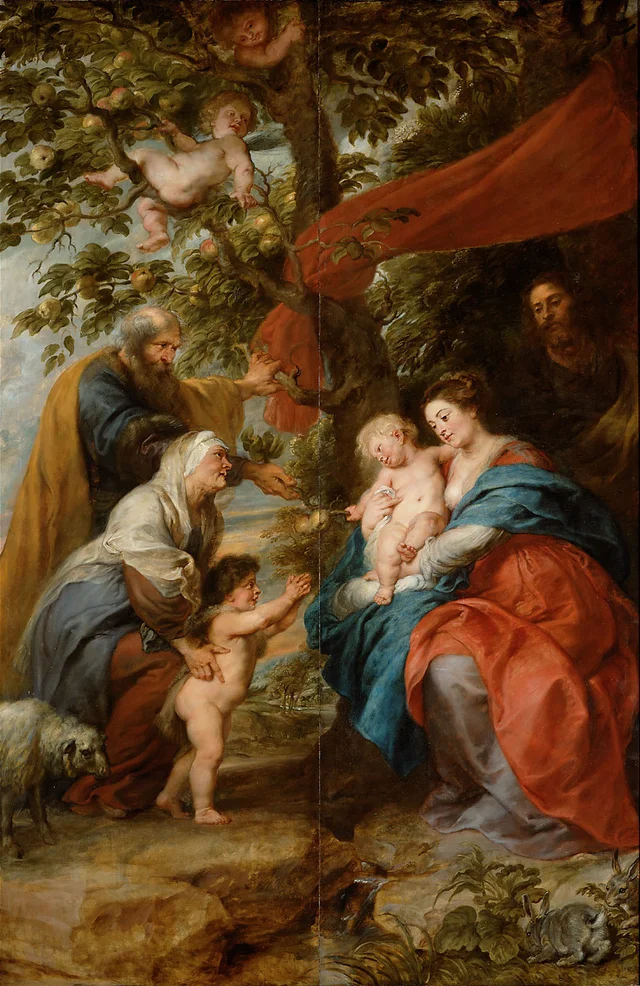 The Holy Family under the Apple TreePeter Paul Rubens, 1630
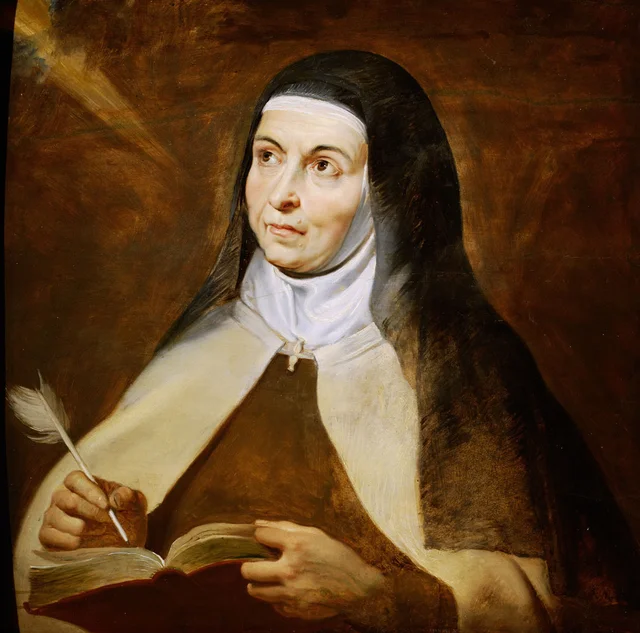 Theresa of AvilaPeter Paul Rubens, 1615
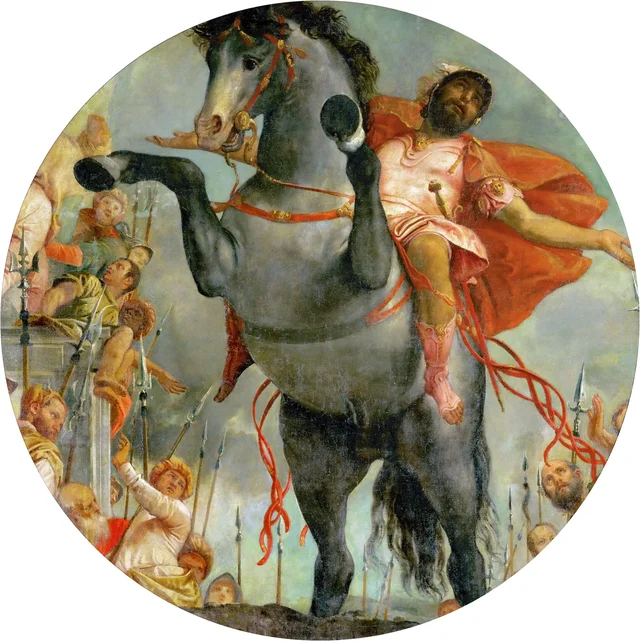 The sacrificial death of Marcus CurtiusPaolo Veronese, 1550
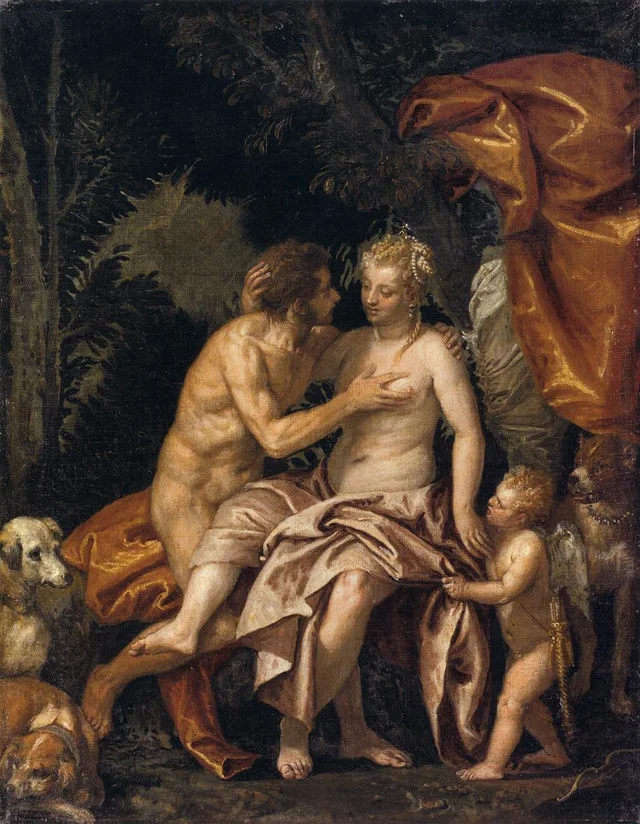 Venus and AdonisPaolo Veronese, 1586
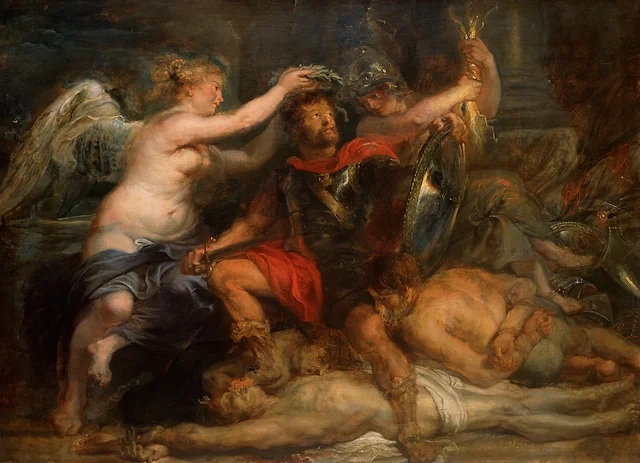 Victory crowns the HeroPeter Paul Rubens, 1632
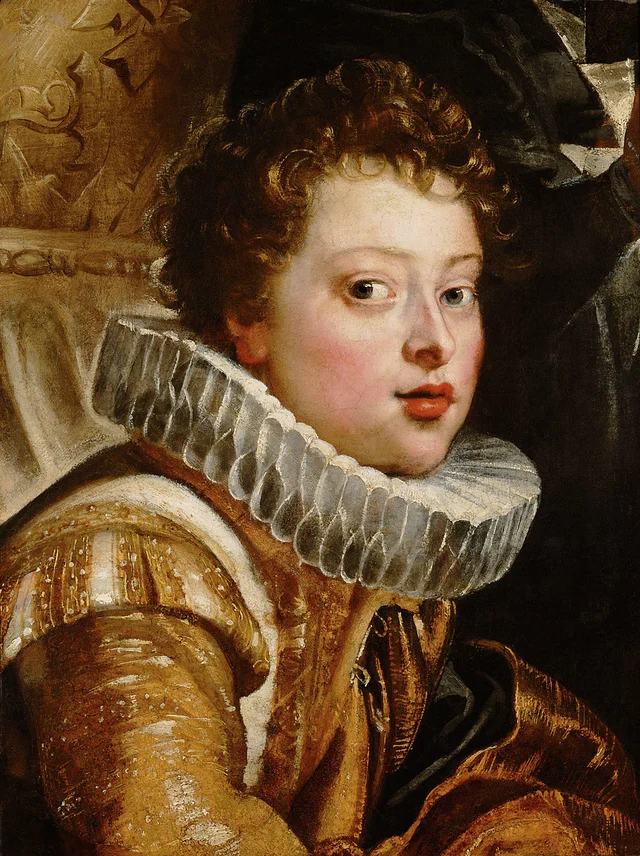 Vincenzo II Gonzaga (fragment)Peter Paul Rubens, 1604
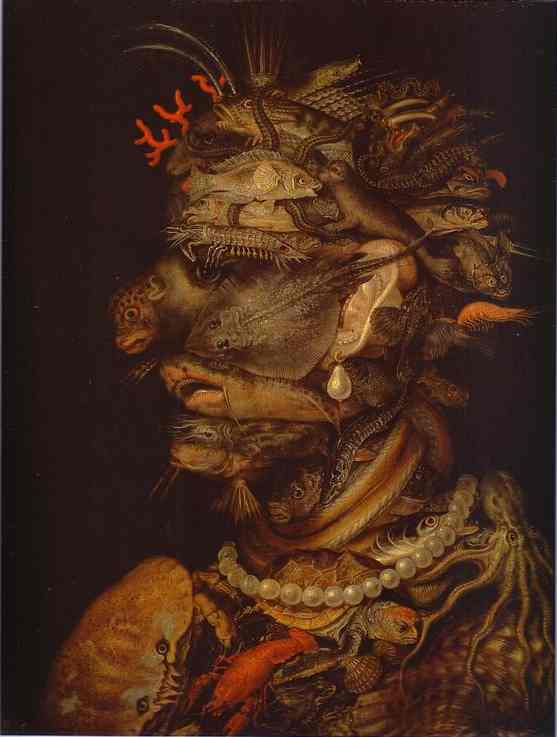 WaterGiuseppe Arcimboldo, 1566
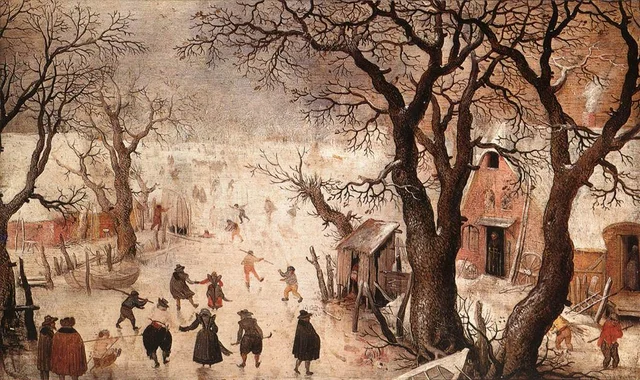 Winter LandscapeHendrick Avercamp, 1605
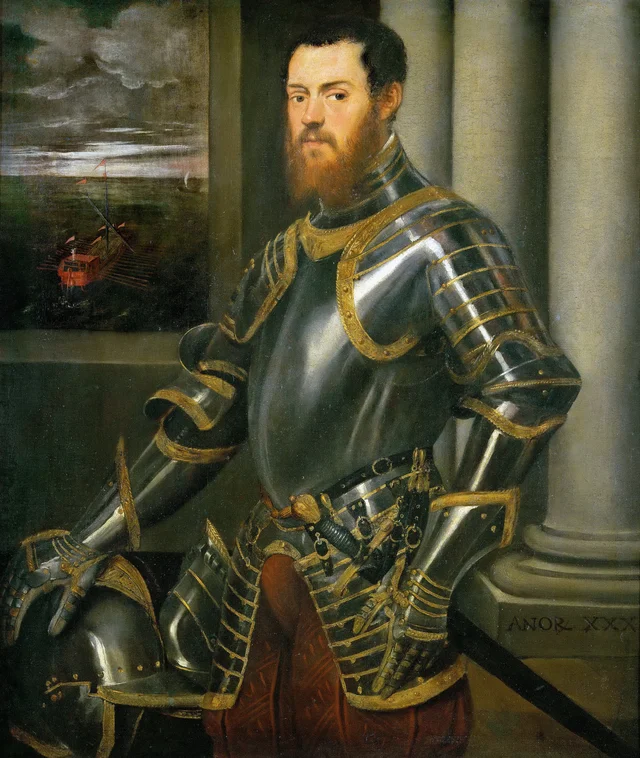 Young man in a gold-decorated suit of armourJacopo Tintoretto, 1557
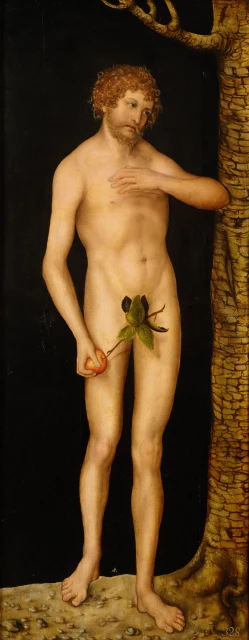 AdamLucas Cranach the Elder, 1515
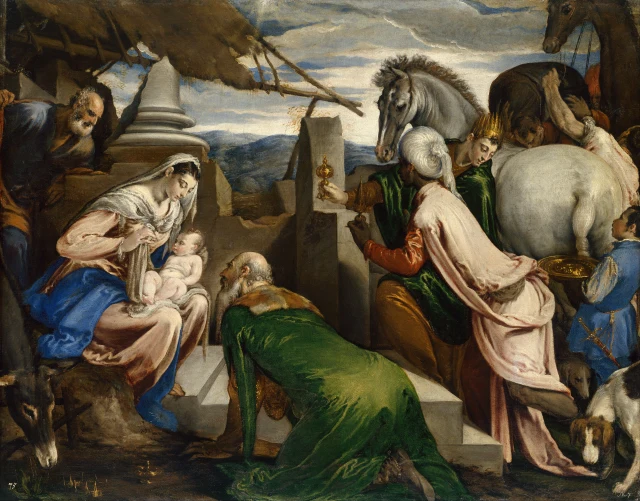 Adoration of the MagiJacopo Bassano, 1555
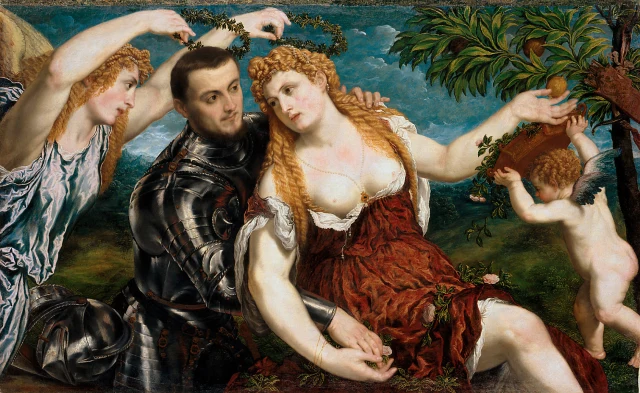 Allegory (Mars, Venus, Victoria and Cupid)Paris Bordone, 1560
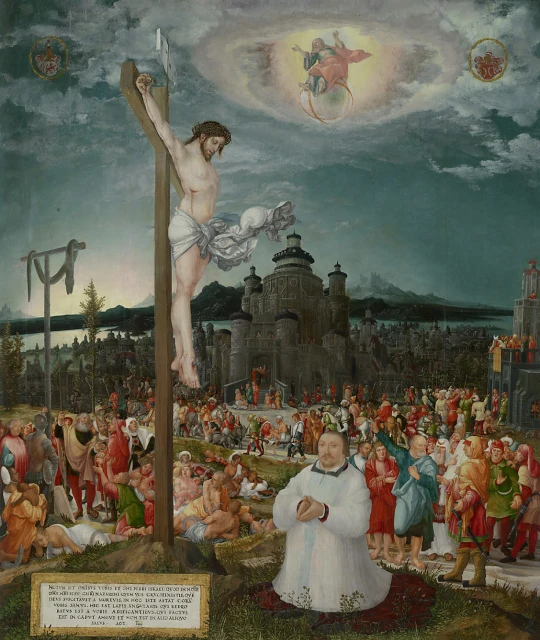 Allegory of SalvationWolf Huber, 1543
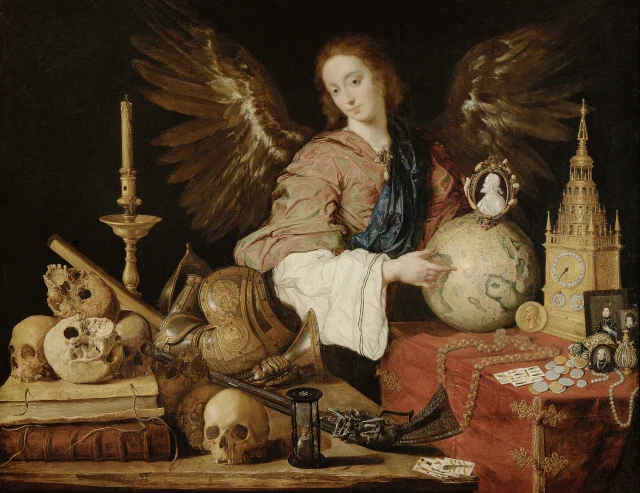 Allegory of VanitasAntonio de Pereda, 1634
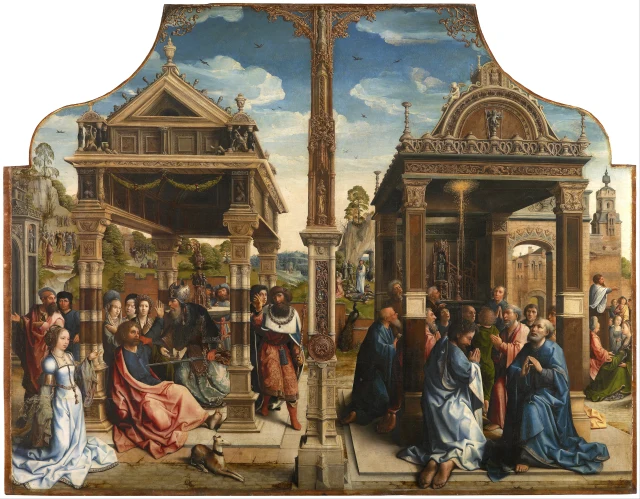 Altarpiece of Saints Thomas and MatthiasBernard van Orley, 1515
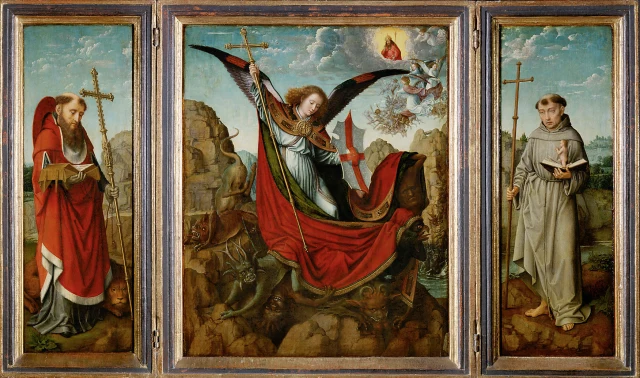 Altarpiece of the Archangel MichaelGerard David, 1510
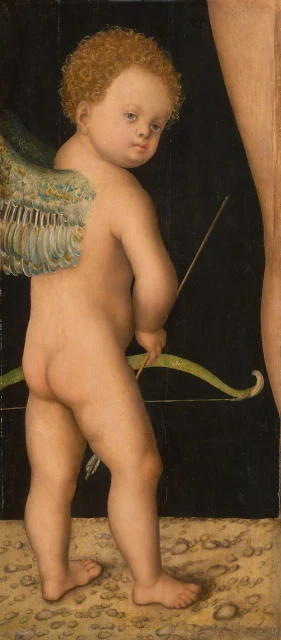 AmorLucas Cranach the Elder, 1530
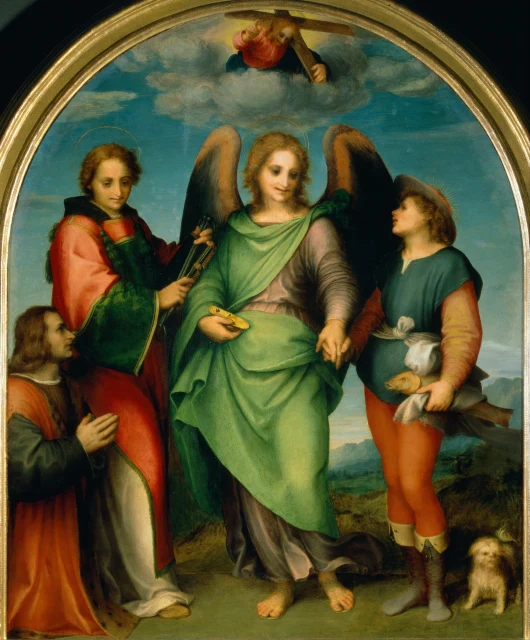 Archangel Raphael with Tobias, Saint Leonard and the Donor Leonardo di Lorenzo MorelliAndrea del Sarto, 1512
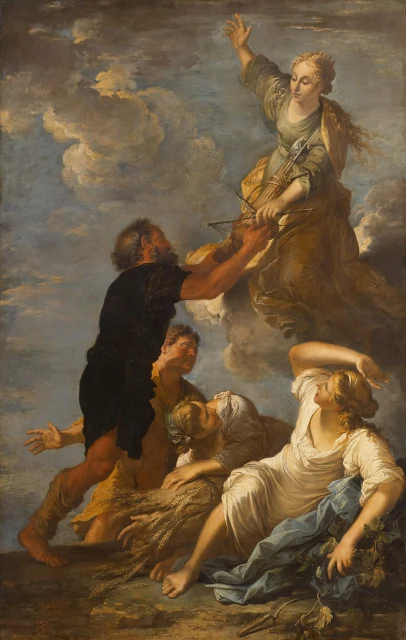 Astraea Leaving the EarthSalvator Rosa, 1665
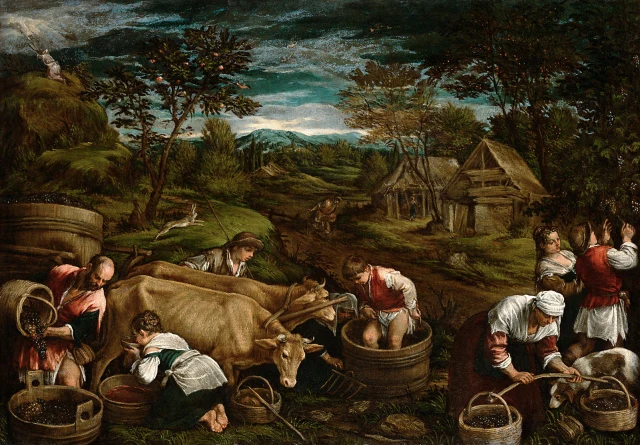 AutumnJacopo Bassano, 1576
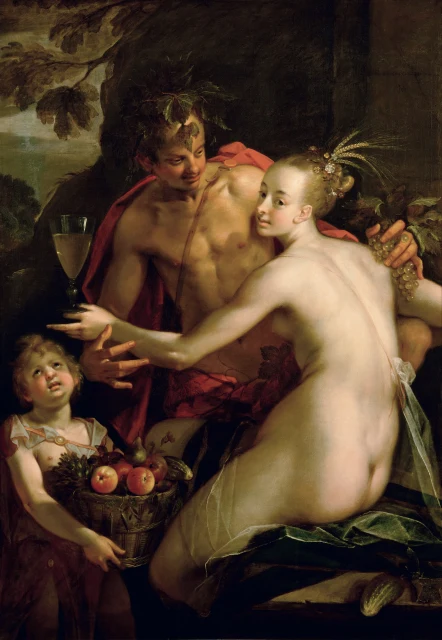 Bacchus, Ceres and AmorHans von Aachen, 1600
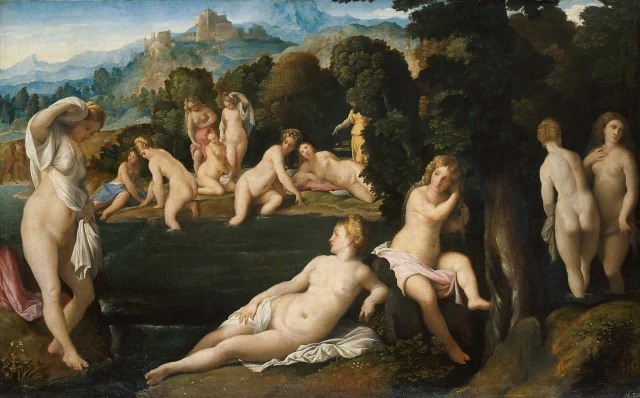 Bathing NymphsPalma Vecchio, 1527
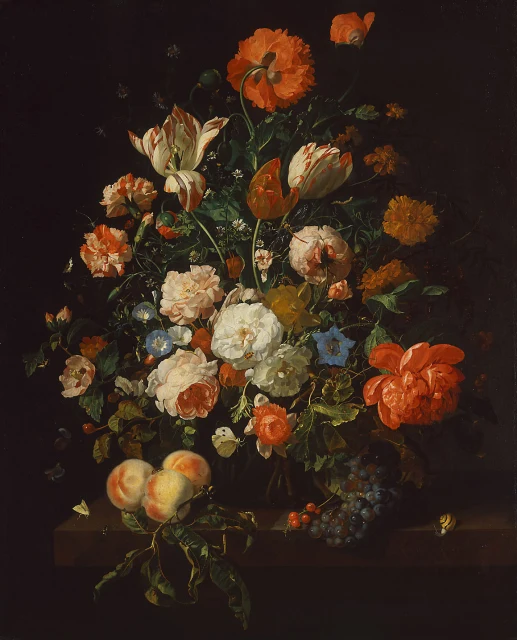 BouquetRachel Ruysch, 1706
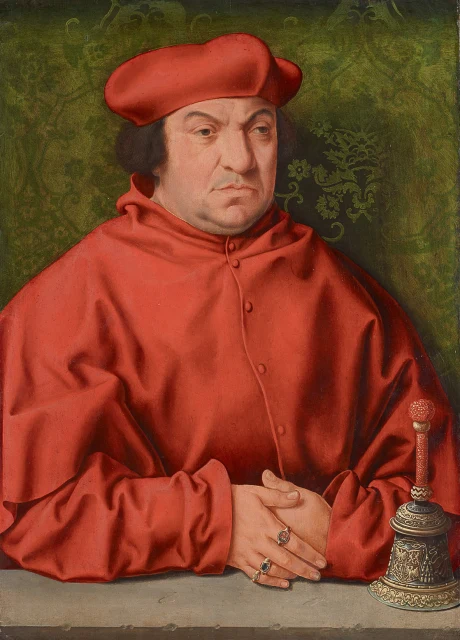 Cardinal Bernhard ClesiusBartholomaeus Bruyn the Elder, 1531
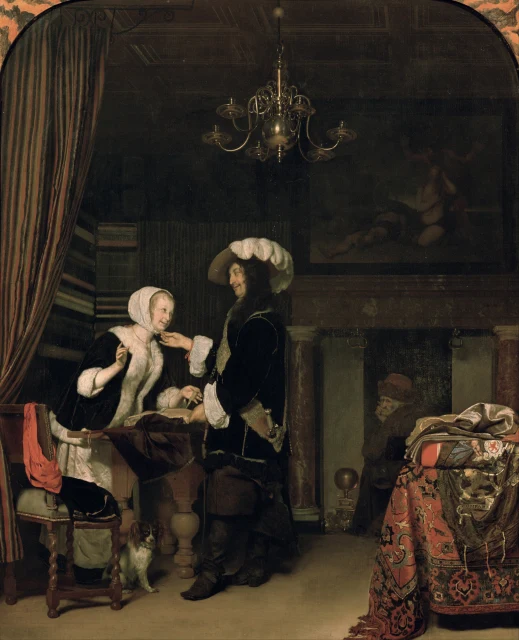 Cavalier in the ShopFrans van Mieris the Elder, 1660