The story
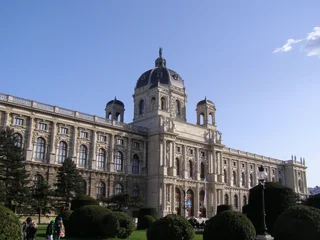
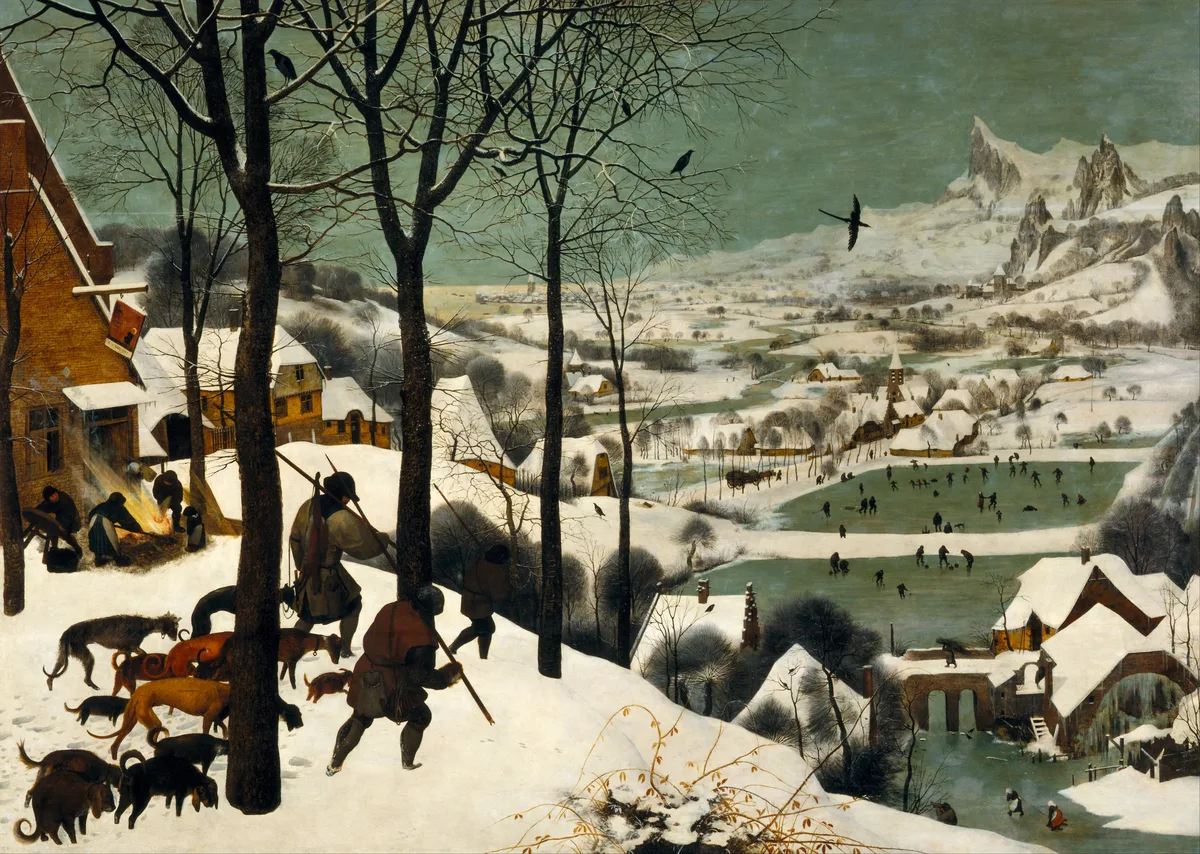
One room on the first floor holds more paintings by Pieter Bruegel the Elder than anywhere else on earth, around a dozen, including 'Hunters in the Snow', the line of tired hunters and their dogs trudging over a hill above a frozen valley, painted in 1565. That Vienna owns them at all comes down to the Habsburgs, the dynasty that ruled much of Europe for centuries and spent a good part of that power buying art.
The museum was built to show exactly that off. Emperor Franz Joseph opened it in 1891 on the Ringstraße, the grand boulevard laid out where Vienna's old city walls had stood, in a palace of a building by Gottfried Semper and Karl von Hasenauer, its staircase decorated by the young Gustav Klimt before he became the Klimt of gold and scandal. The point was to gather the scattered imperial collections under one roof and let the public in.
So the walls read like an inventory of Habsburg reach. Vermeer's 'The Art of Painting', the artist seen from behind at his easel, which the family kept as one of its treasures. Rooms of Titian, Rubens and Velázquez, whose Spanish court portraits of small solemn princesses came to Vienna through the marriages that tied the two branches of the family together. And below the picture galleries sits the Kunstkammer, a warren of carved ivory, clockwork automata and gemstone cups assembled by emperors who wanted the strange and the ingenious as much as the beautiful. Its most famous object is a gold salt cellar made by Benvenuto Cellini for the king of France.
More articles
Collection
381 works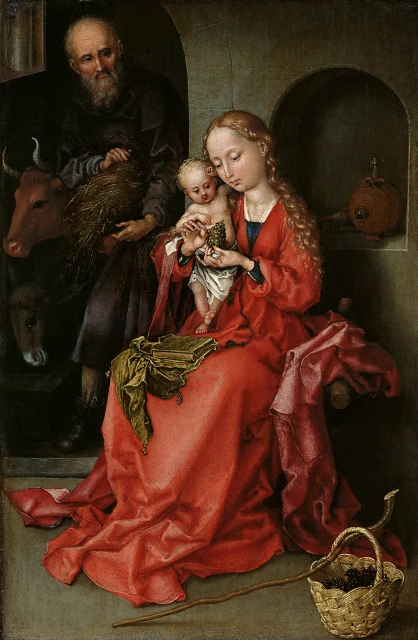 The Holy FamilyMartin Schongauer, 1485
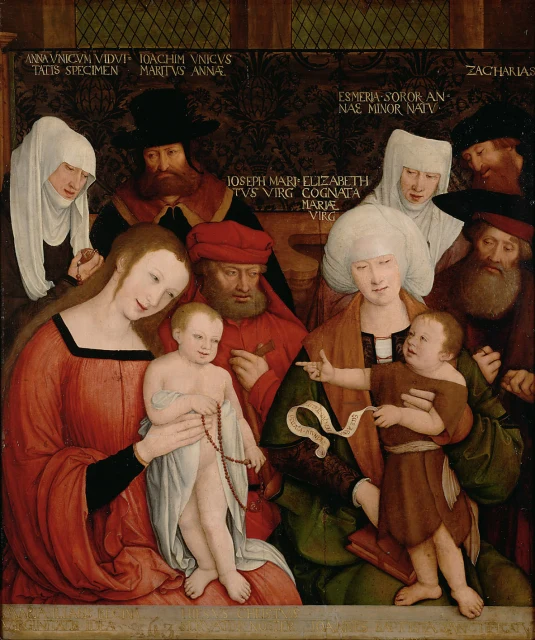 The Holy KinshipBernhard Strigel, 1516
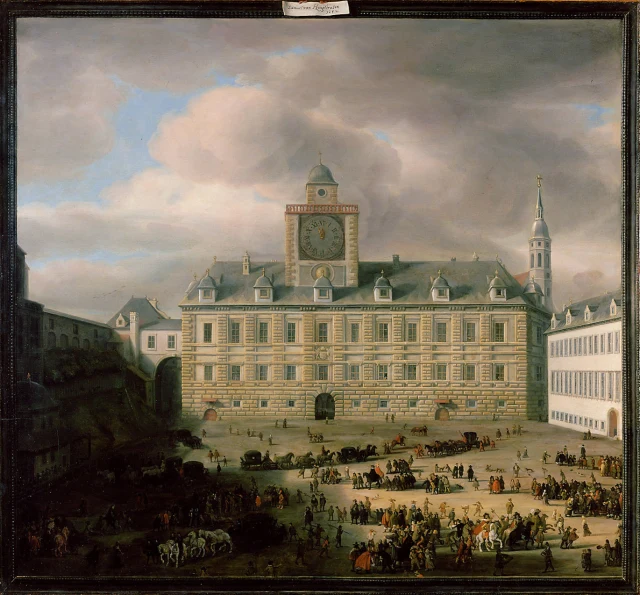 The Innerer Burgplatz in ViennaSamuel van Hoogstraten, 1652
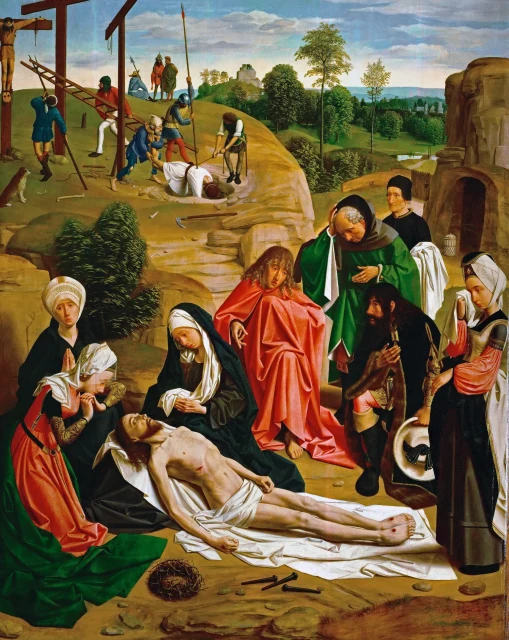 The Lamentation of ChristGeertgen tot Sint Jans, 1484
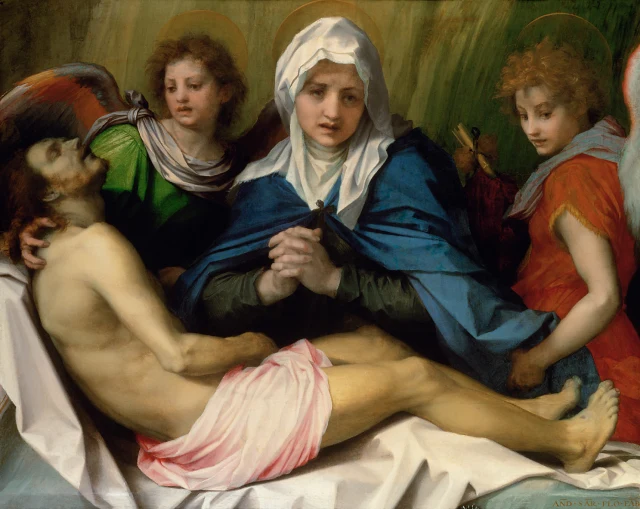 The Lamentation of ChristAndrea del Sarto, 1520
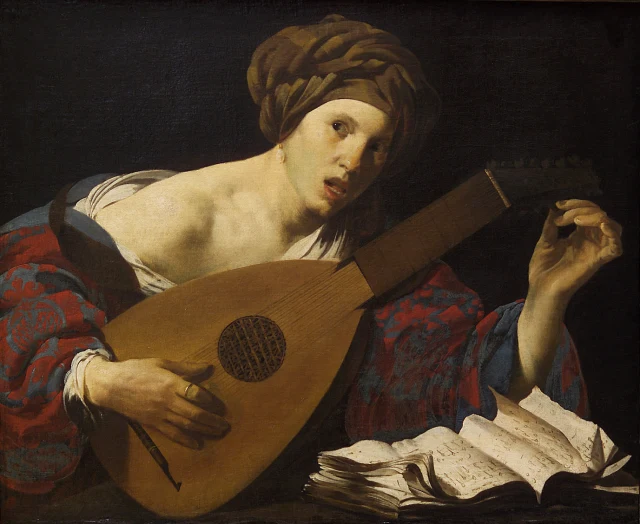 The Lute PlayerHendrick ter Brugghen, 1626
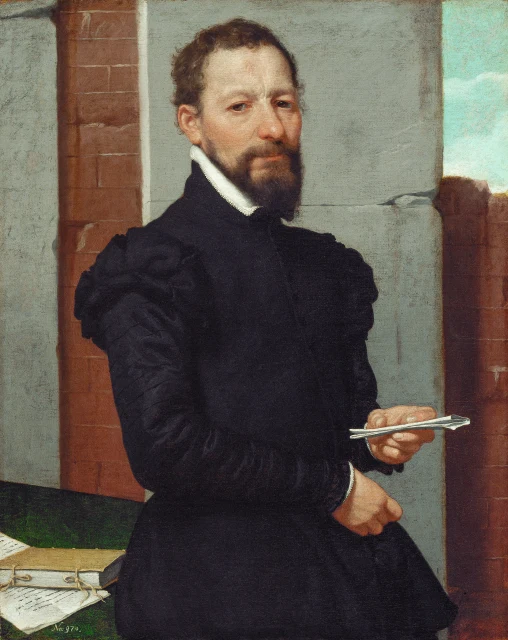 The Orator Giovan Pietro Maffeis (?)Giovanni Battista Moroni, 1562
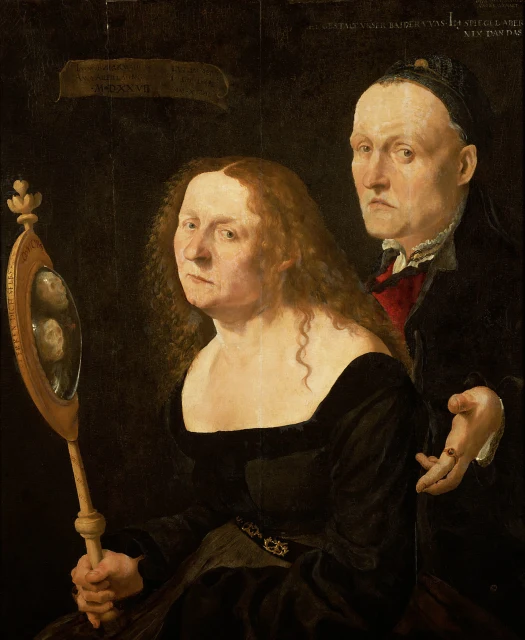 The Painter Hans Burgkmair the Elder and His Wife Anna, née AllerlayLukas Furtenagel, 1529
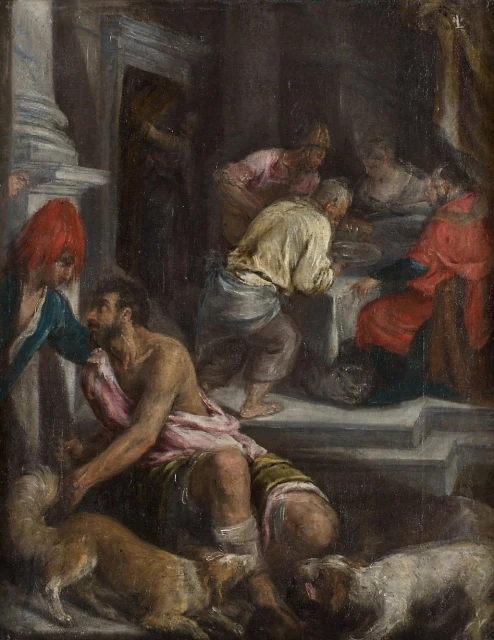 The Parable of the Rich Man and LazarusAttributed to Jacopo Bassano, 1559
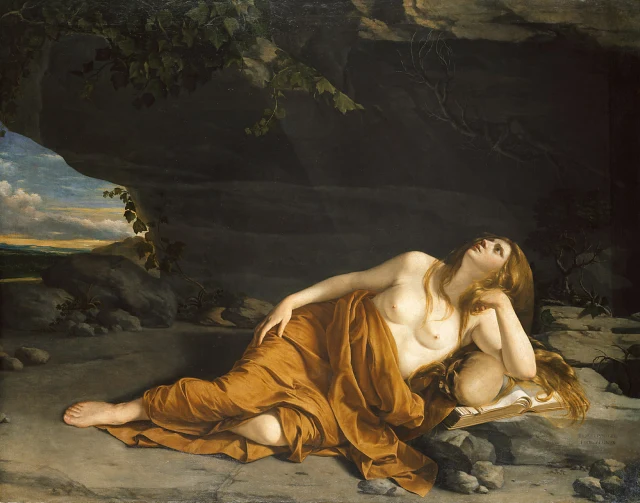 The Penitent Mary MagdaleneOrazio Gentileschi, 1625
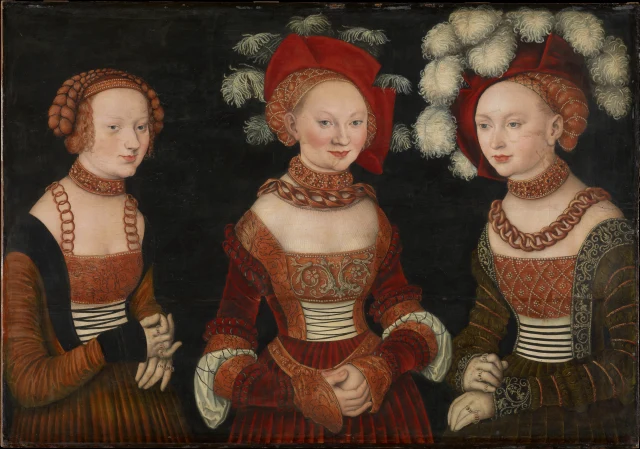 The Princesses Sibylla, Emilia and Sidonia of SaxonyLucas Cranach the Elder, 1535
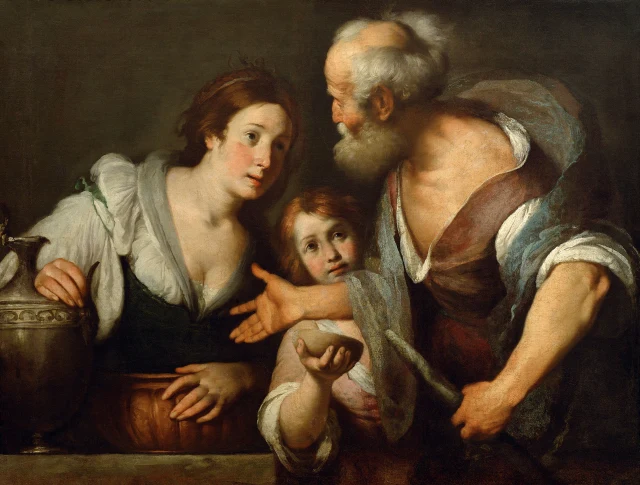 The Prophet Elijah and the Widow of ZarephathBernardo Strozzi, 1642
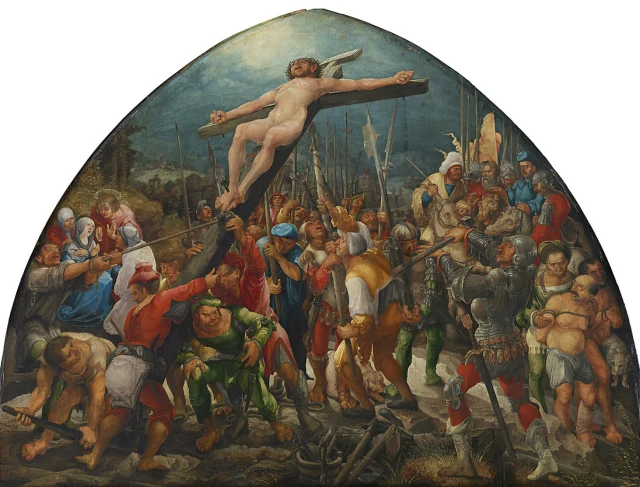 The Raising of the CrossWolf Huber, 1522
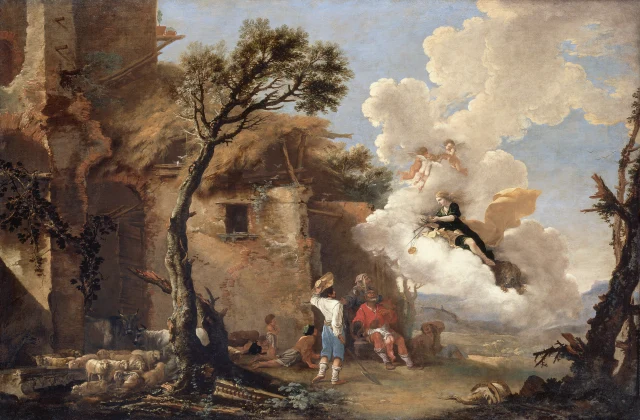 The Return of AstraeaSalvator Rosa, 1642
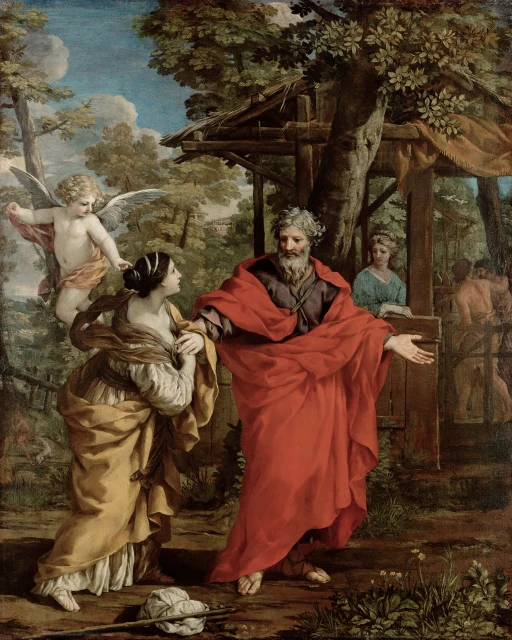 The Return of HagarPietro da Cortona, 1637
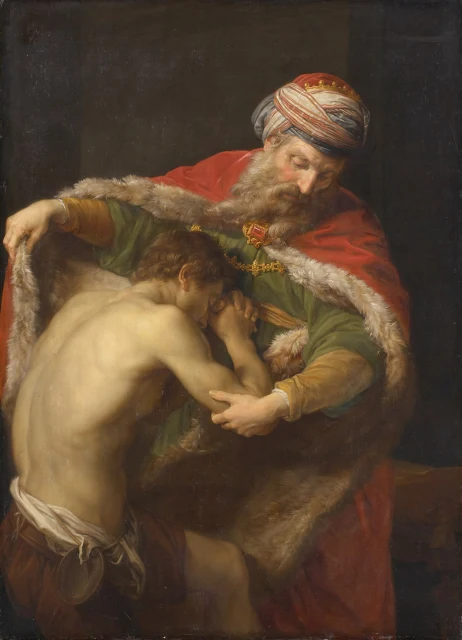 The Return of the Prodigal SonPompeo Batoni, 1773
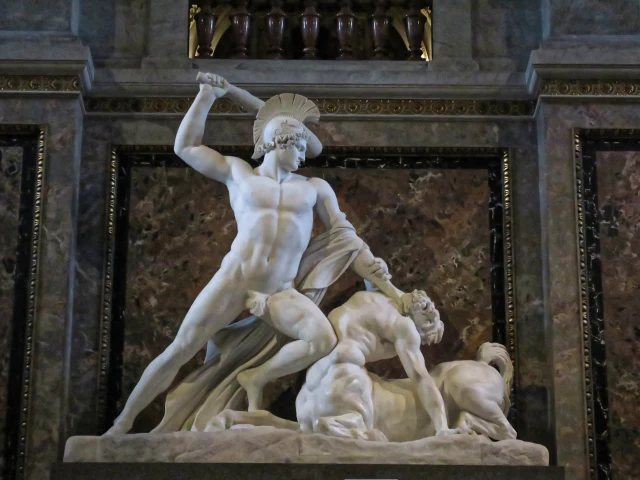 Theseus and the CentaurAntonio Canova, 1815
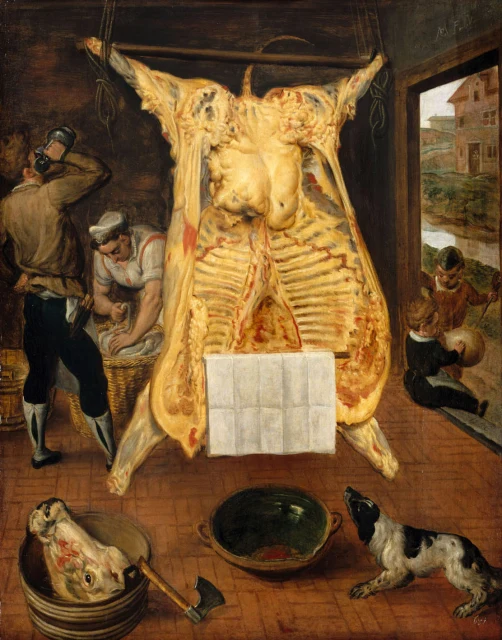 The Slaughtered OxMarten van Cleve, 1566
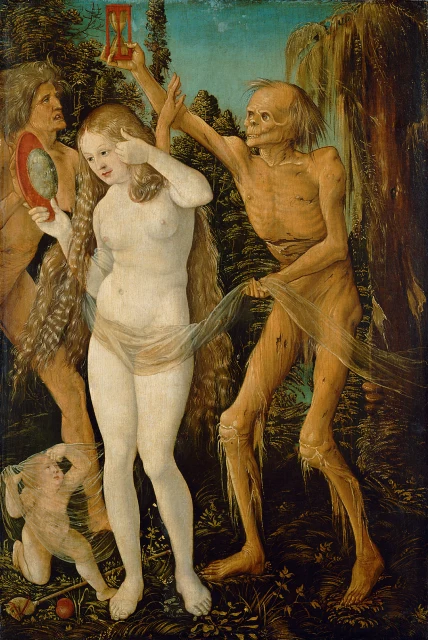 The Three Phases of Life and DeathHans Baldung Grien, 1509
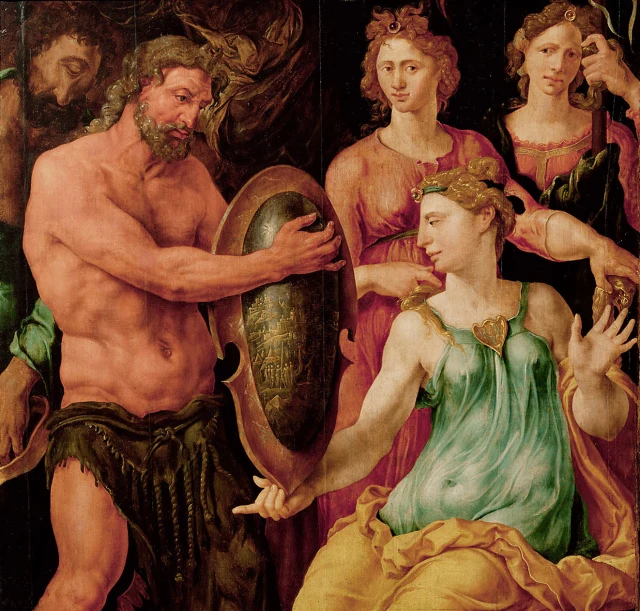 Thetis Receiving from Vulcan the Shield for AchillesMaarten van Heemskerck, 1540
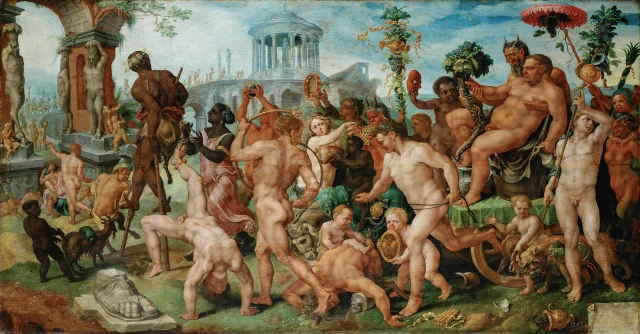 The Triumphal Procession of BacchusMaarten van Heemskerck, 1536
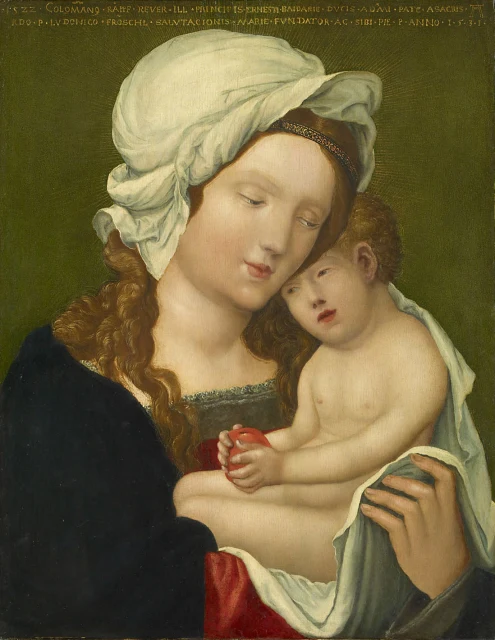 The Virgin and ChildAlbrecht Altdorfer, 1531
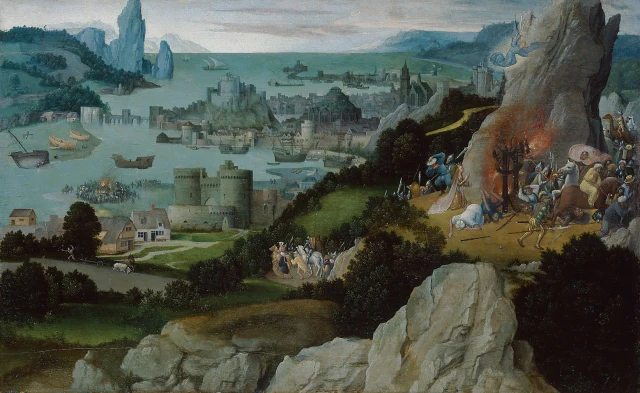 The Wheel Miracle of St. CatherineJoachim Patinir, 1515
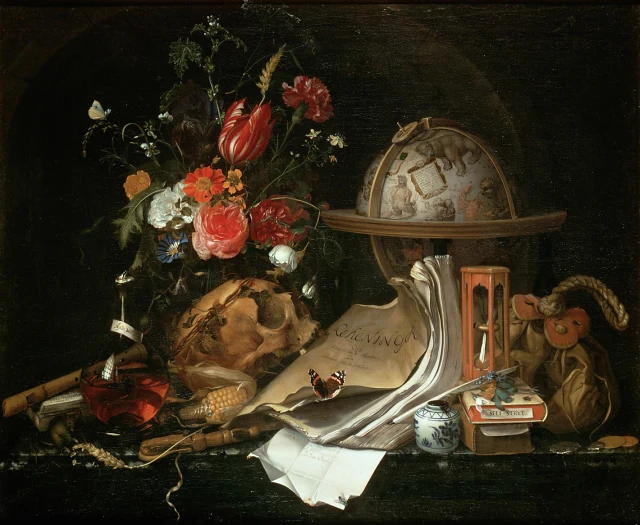 Vanitas Still LifeMaria van Oosterwijck, 1668
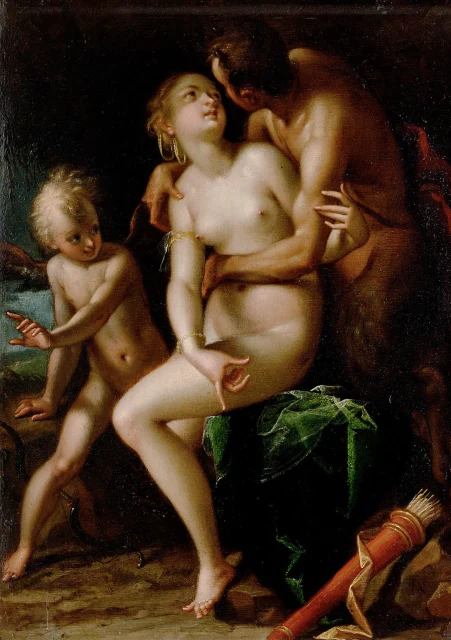 Venus, Cupid and a SatyrHans von Aachen, 1596