The story
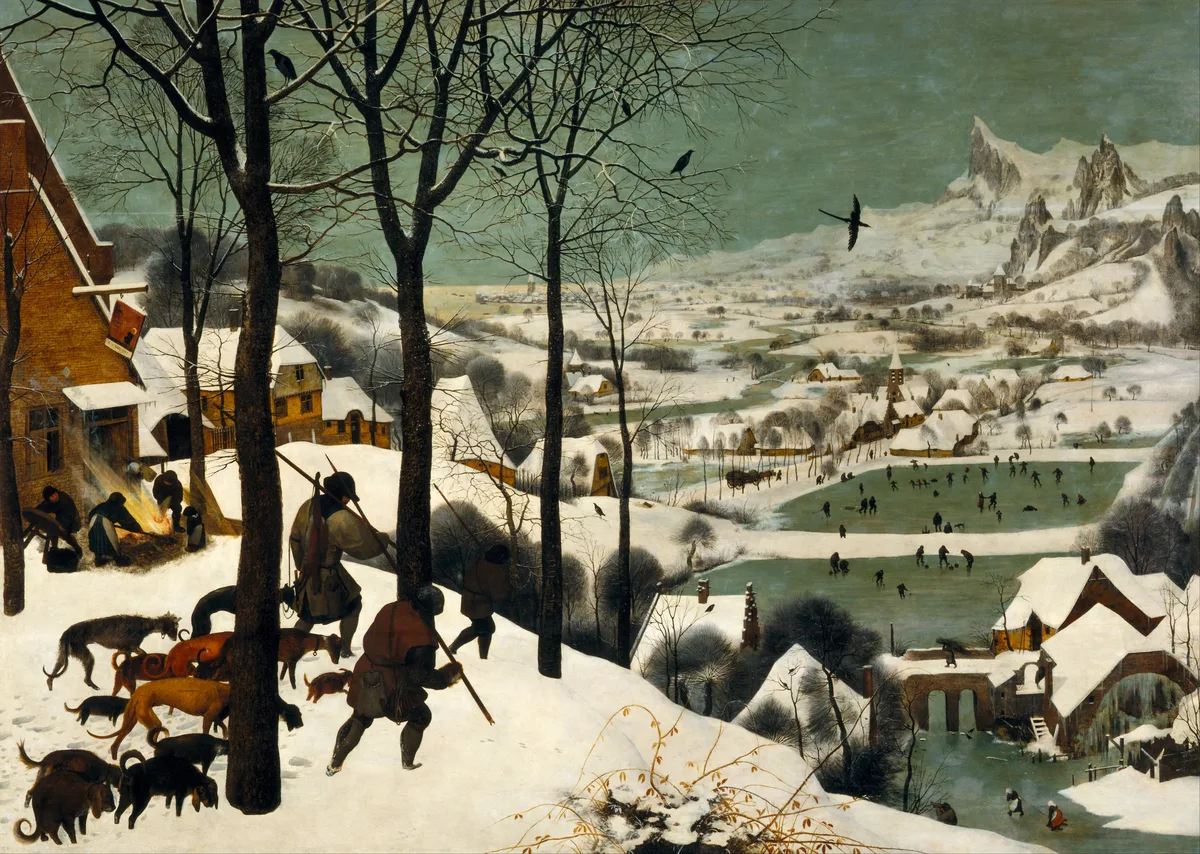
One room on the first floor holds more paintings by Pieter Bruegel the Elder than anywhere else on earth, around a dozen, including 'Hunters in the Snow', the line of tired hunters and their dogs trudging over a hill above a frozen valley, painted in 1565. That Vienna owns them at all comes down to the Habsburgs, the dynasty that ruled much of Europe for centuries and spent a good part of that power buying art.
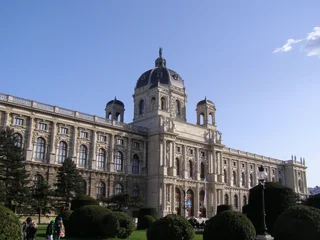
The museum was built to show exactly that off. Emperor Franz Joseph opened it in 1891 on the Ringstraße, the grand boulevard laid out where Vienna's old city walls had stood, in a palace of a building by Gottfried Semper and Karl von Hasenauer, its staircase decorated by the young Gustav Klimt before he became the Klimt of gold and scandal. The point was to gather the scattered imperial collections under one roof and let the public in.
So the walls read like an inventory of Habsburg reach. Vermeer's 'The Art of Painting', the artist seen from behind at his easel, which the family kept as one of its treasures. Rooms of Titian, Rubens and Velázquez, whose Spanish court portraits of small solemn princesses came to Vienna through the marriages that tied the two branches of the family together. And below the picture galleries sits the Kunstkammer, a warren of carved ivory, clockwork automata and gemstone cups assembled by emperors who wanted the strange and the ingenious as much as the beautiful. Its most famous object is a gold salt cellar made by Benvenuto Cellini for the king of France.
More articles
Collection
381 works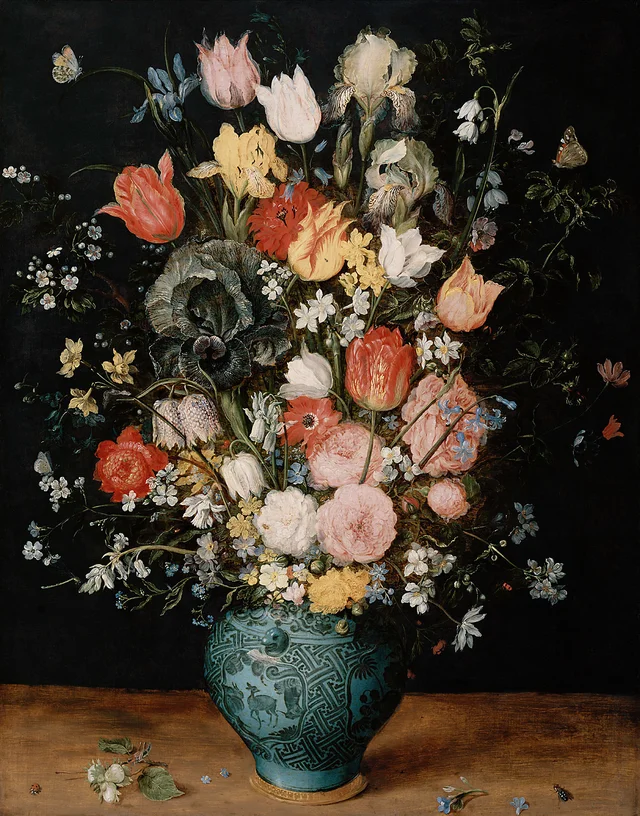 Bouquet of Flowers in a Blue VaseJan Brueghel the Elder, 1608
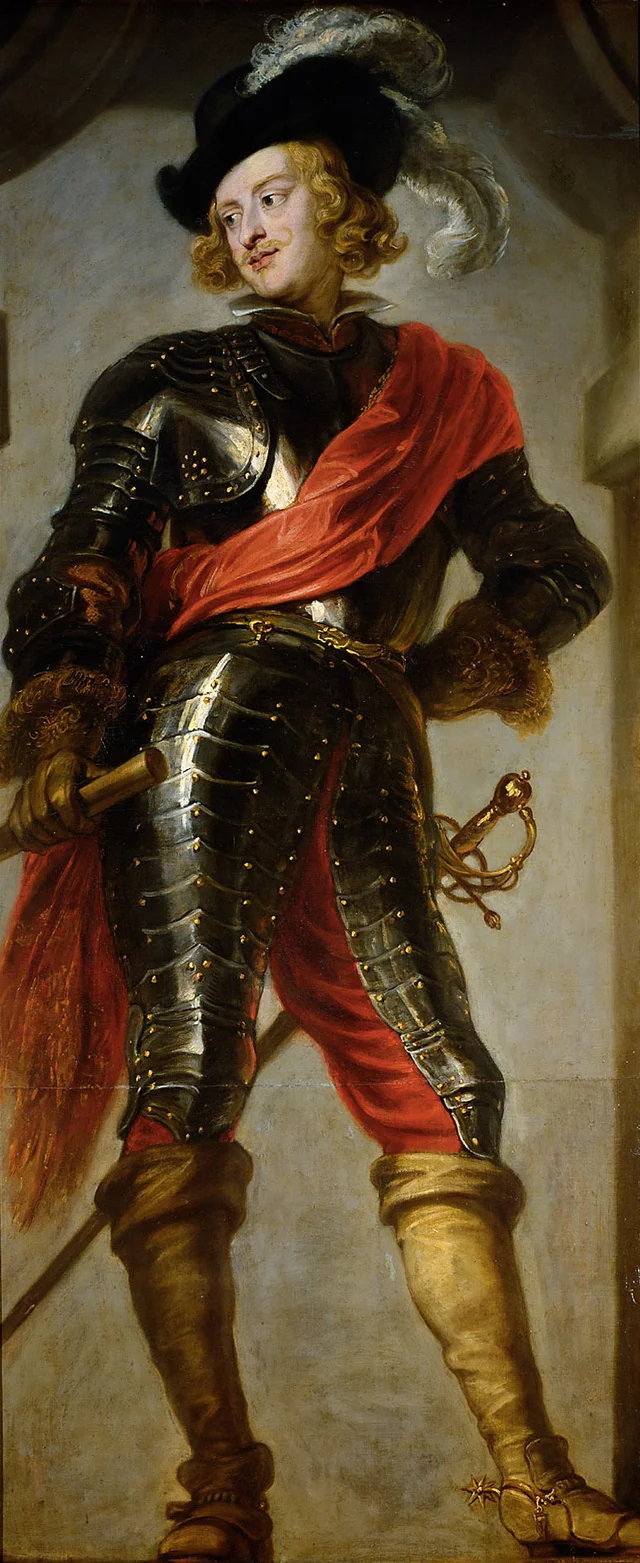 Cardinal-Infante Ferdinand of AustriaJan van den Hoecke, 1634
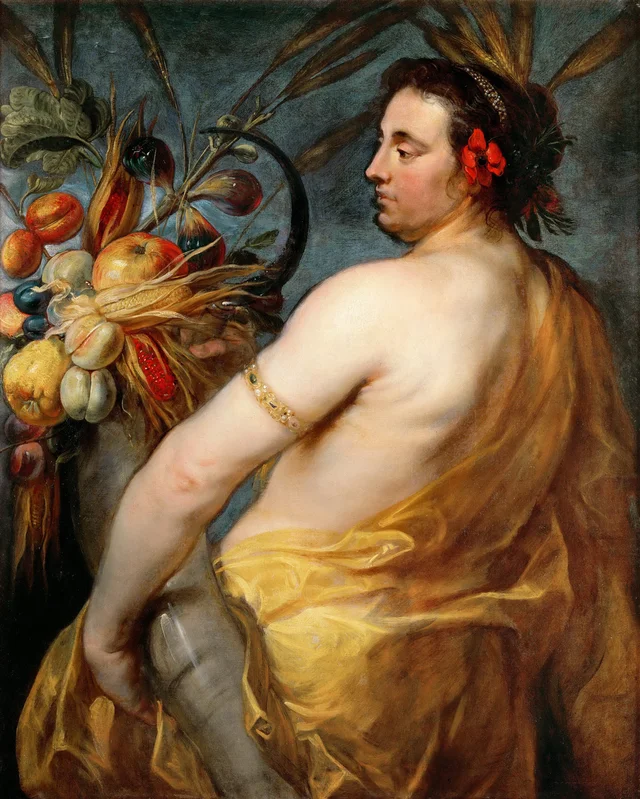 Ceres (Allegory of Summer)Jan Boeckhorst, 1635
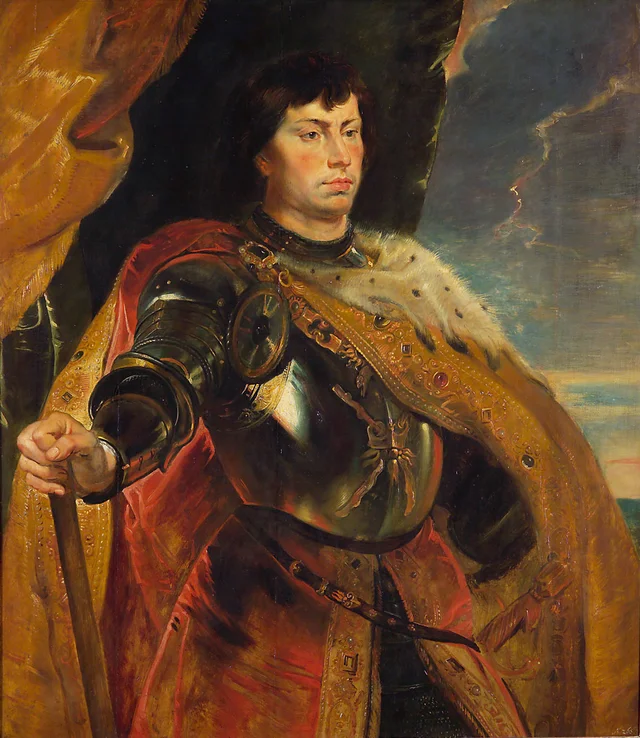 Charles the BoldPeter Paul Rubens, 1618
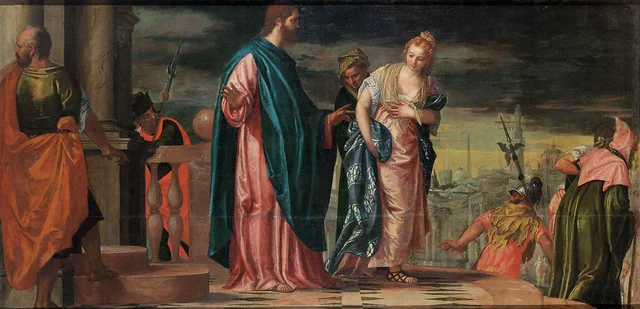 Christ and the AdulteressPaolo Veronese, 1585
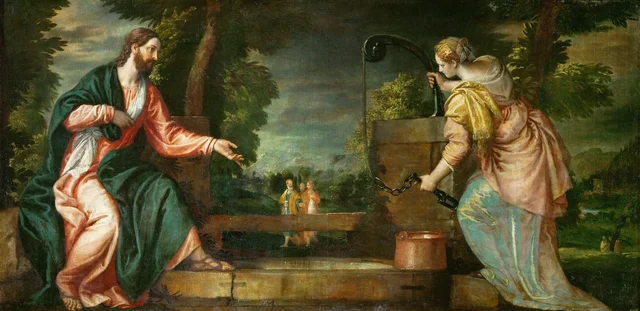 Christ and the Woman of SamariaPaolo Veronese, 1585
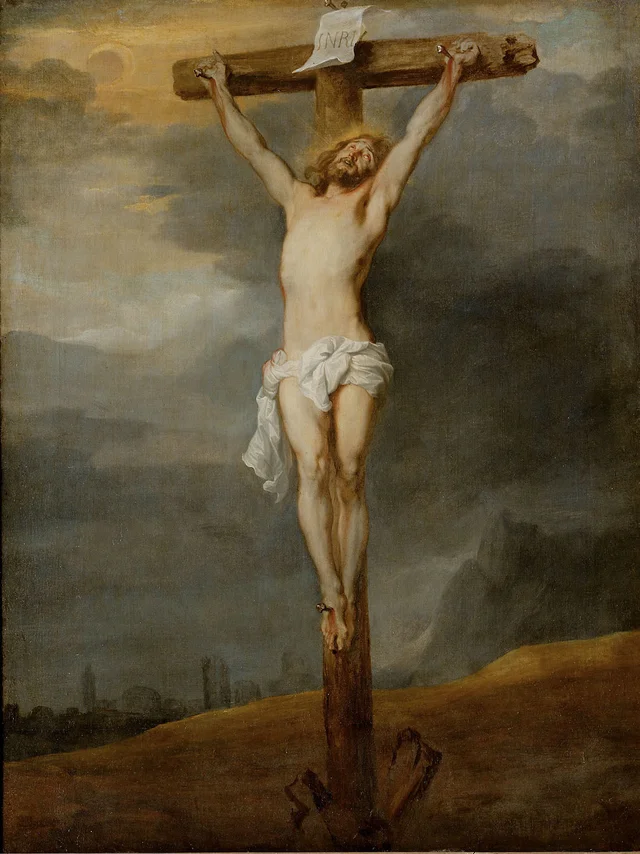 Christ on the CrossAnthony van Dyck, 1629
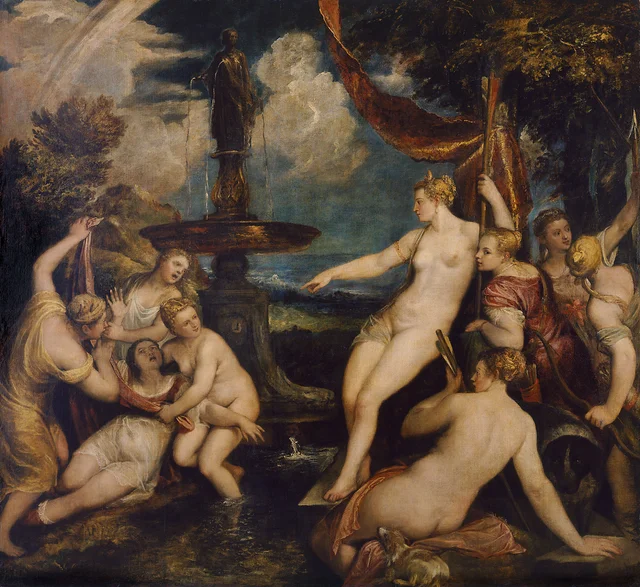 Diana and CallistoTitian, 1566
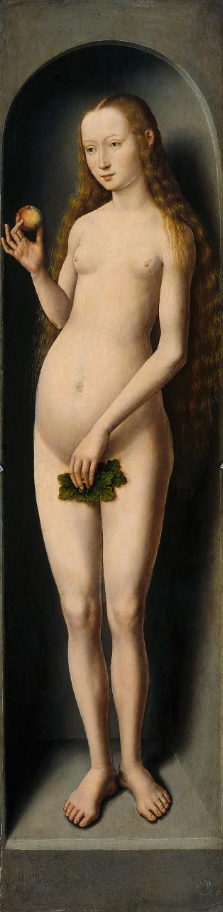 EveHans Memling, 1485
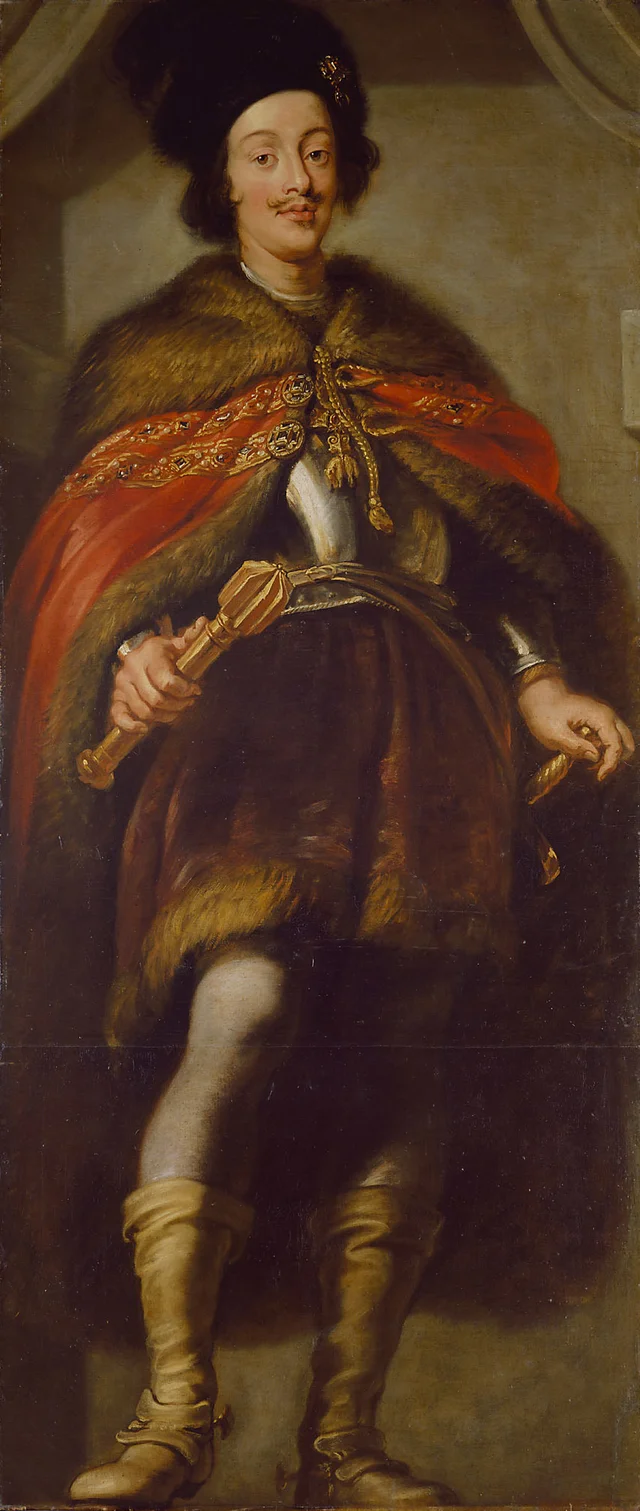 Ferdinand III of Bohemia and HungaryJan van den Hoecke, 1634
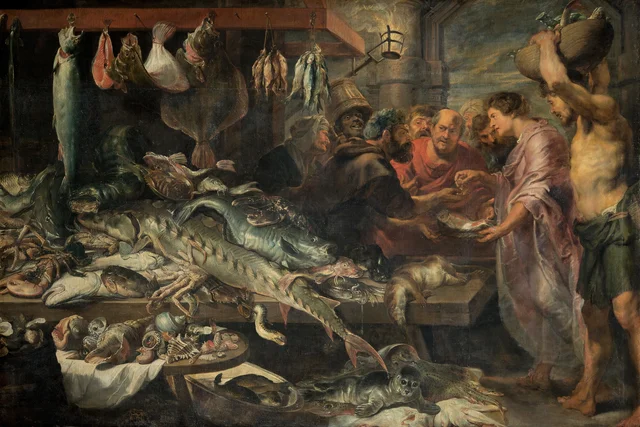 Fish market (Tribute Money?)Frans Snyders, 1621
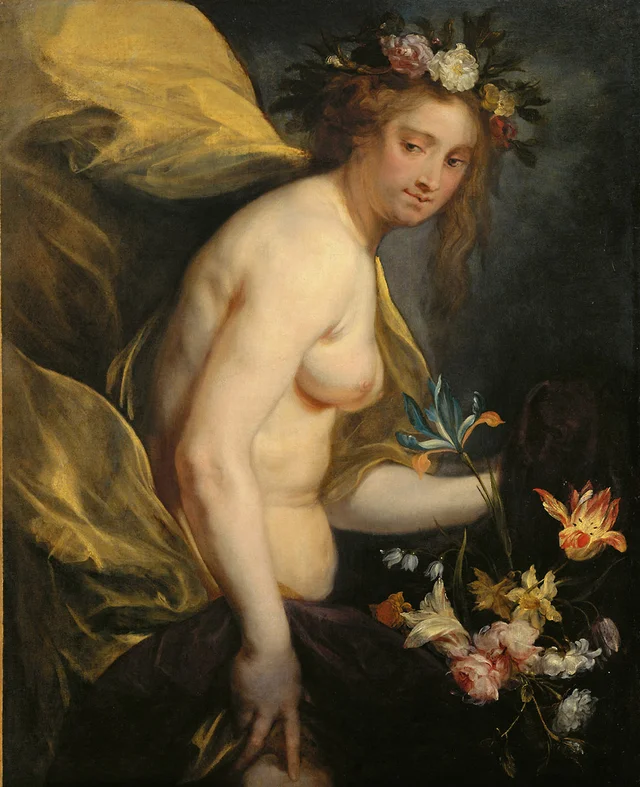 Flora (Allegory of Spring)Jan Boeckhorst, 1635
 Gastmahl des Königs BelsazarJacopo Tintoretto, 1543
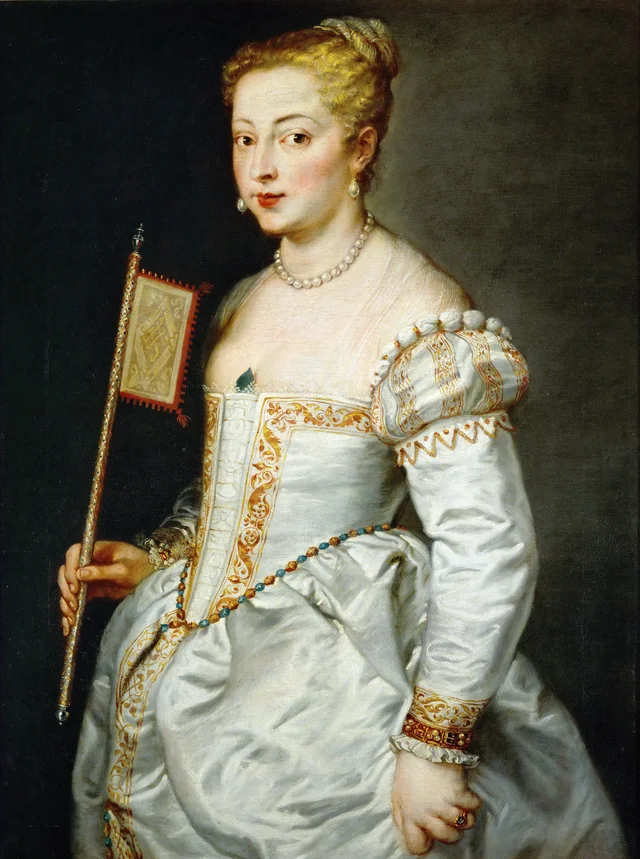 Girl with a FanPeter Paul Rubens, 1629
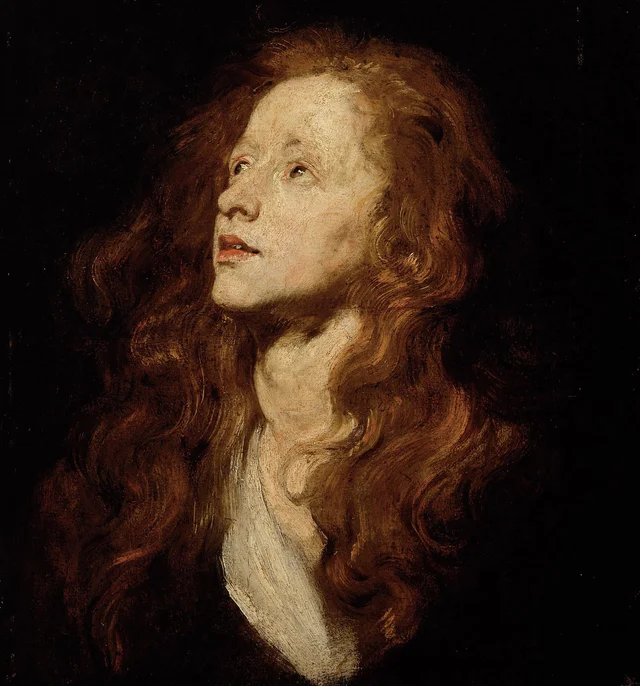 Head Study of a Woman Looking UpAnthony van Dyck, 1619
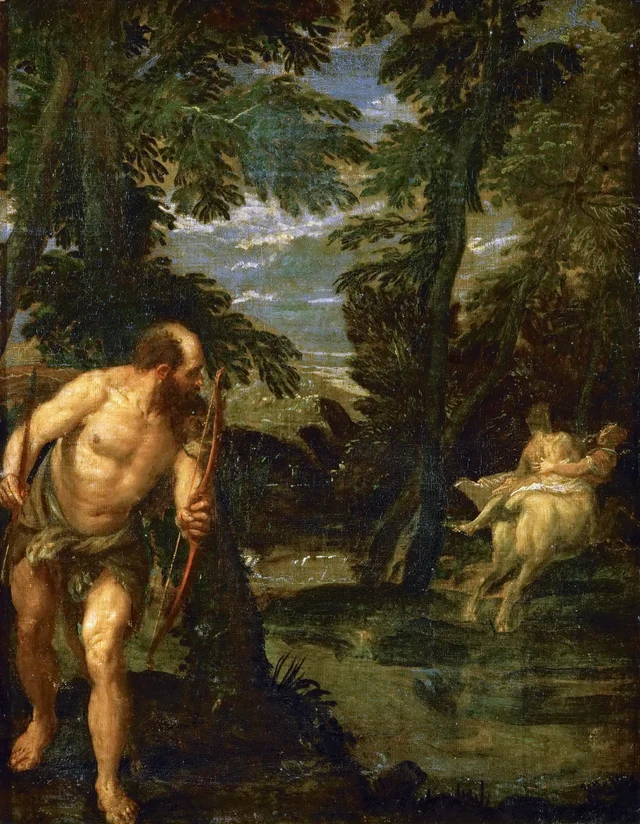 Hercules, Deianira and the Centaur NessusPaolo Veronese, 1586
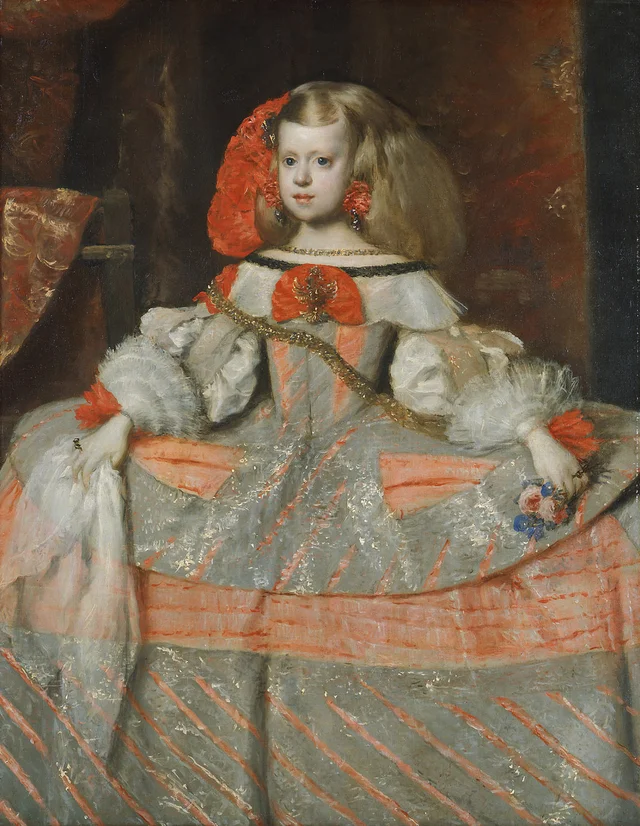 Infanta Margarita Teresa (1651-1673)Juan Bautista Martínez del Mazo, 1661
 Königin von Saba vor SalomonJacopo Tintoretto, 1543
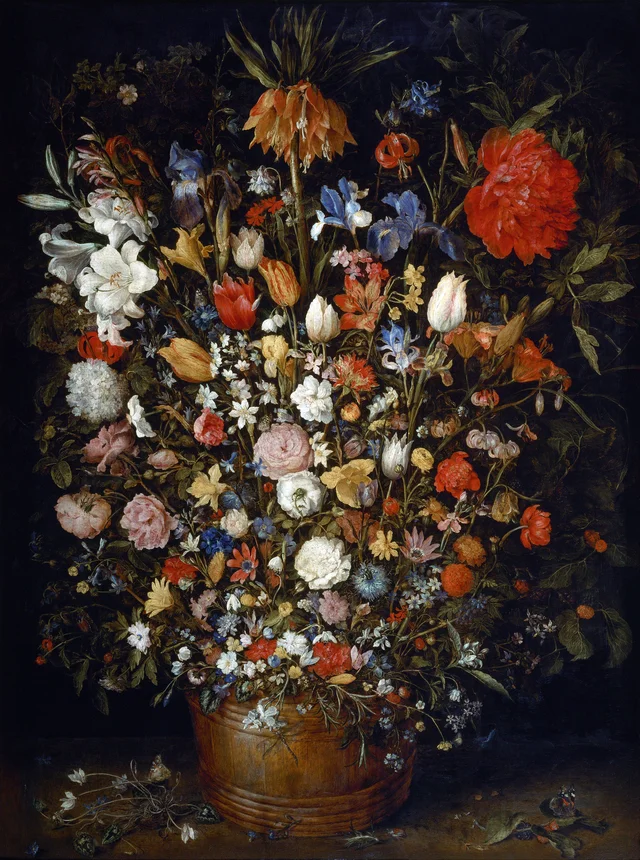 Large Flower Bouquet in Wooden VaseJan Brueghel the Elder, 1607
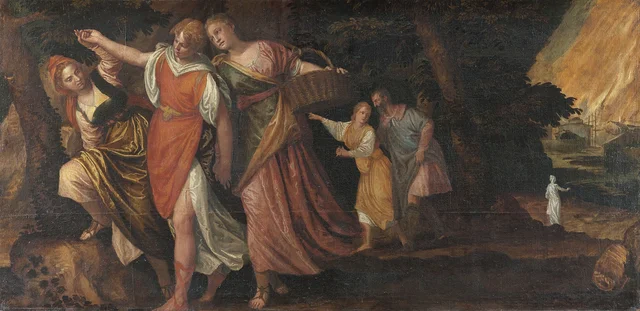 Lot and His Daughters Fleeing SodomPaolo Veronese, 1585
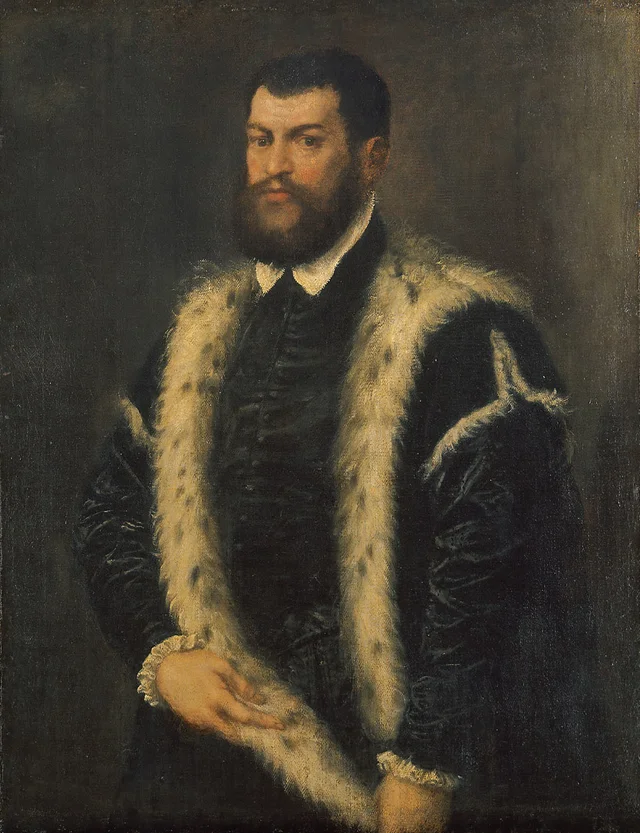 Man with Ermine CoatTitian, 1560
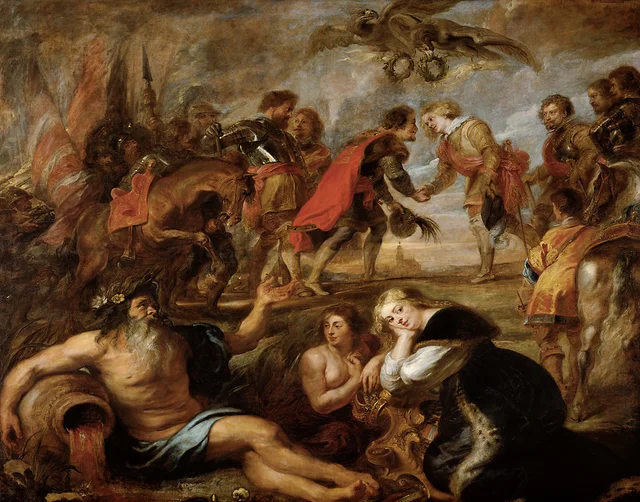 Meeting of King Ferdinand and Cardinal-infante Ferdinand at NördlingenPeter Paul Rubens, 1635
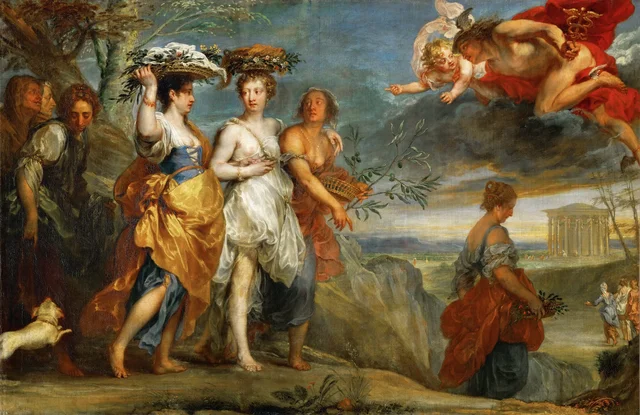 Mercury beholds HerseJan Boeckhorst, 1650
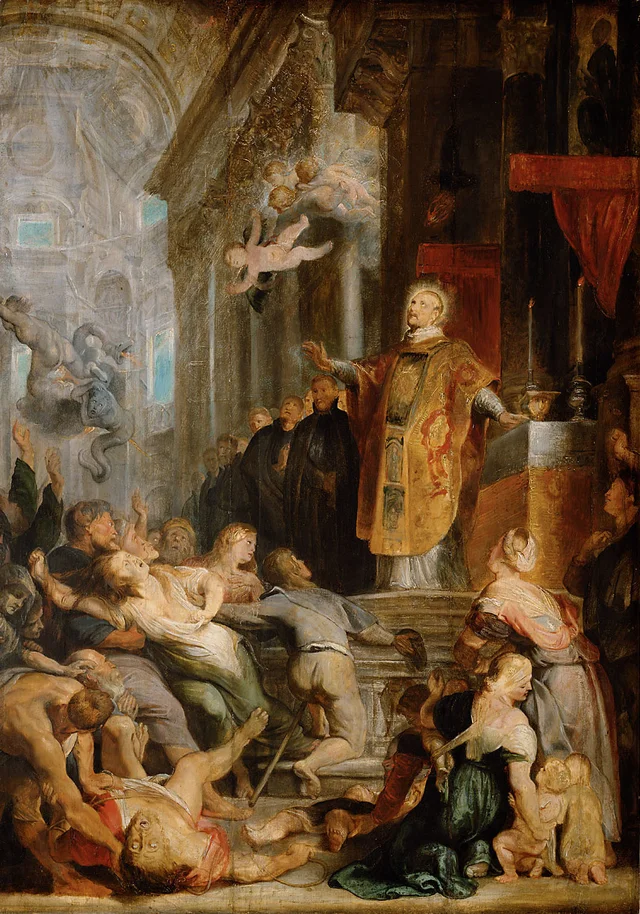 Miracle of Saint Ignatius of Loyola (study)Peter Paul Rubens, 1615
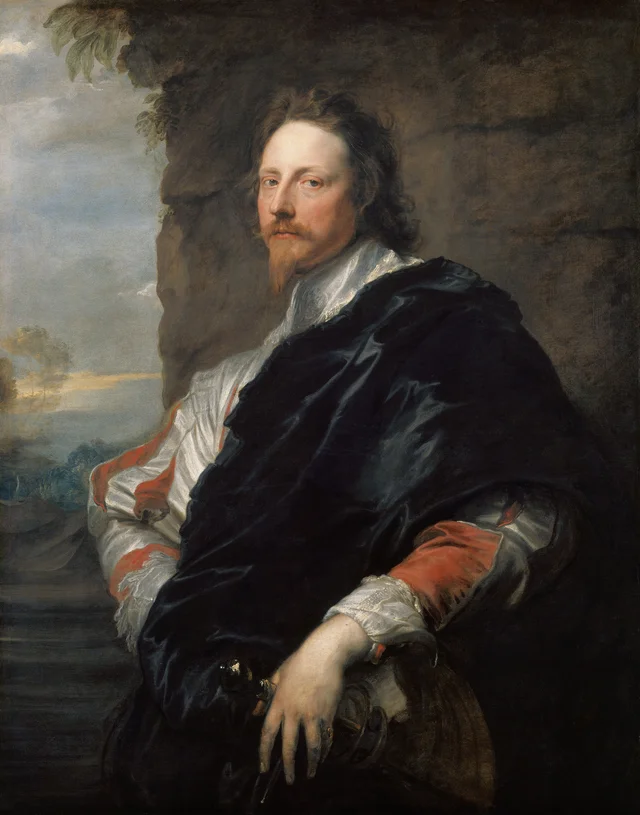 Nicolas LanierAnthony van Dyck, 1628