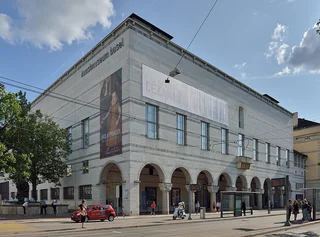
The story
Basel can claim the oldest public art collection in the world, and it began as a rescue. In 1661 the collection assembled by the Amerbach family, rich in works by Hans Holbein the Younger, was about to be sold to Amsterdam. The city and its university bought it instead, and a few years later they put it on show, which made it a museum open to ordinary citizens more than a century before the Louvre.
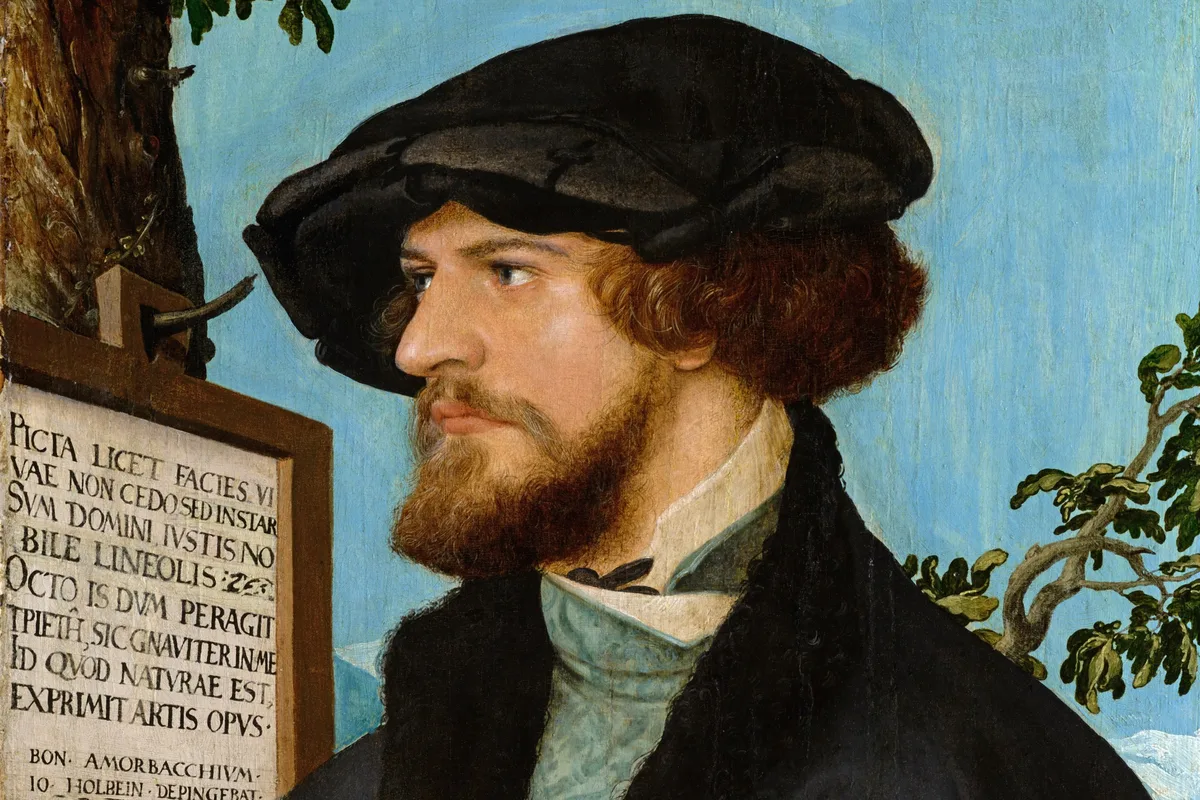
That Holbein group is still the heart of the place. Holbein lived and worked in Basel before he left for the English court, and the museum holds his portraits, designs and the unsettling Dead Christ in the Tomb, a narrow, coffin-shaped panel of a corpse so bleakly real that Dostoevsky, who saw it here, said it could make a believer lose their faith.
The building of 1936 carries the story onward through Böcklin, a deep run of Cubism and a floor of postwar and contemporary art, all of it added over the centuries to the cabinet the Amerbachs sold in 1661.
More articles
Collection
430 works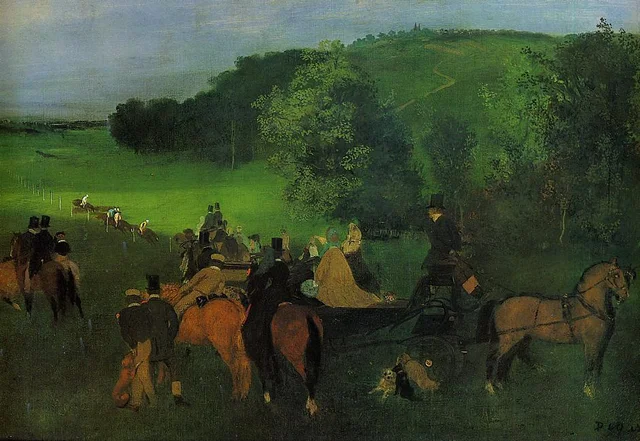 At the RacecourseEdgar Degas, 1861
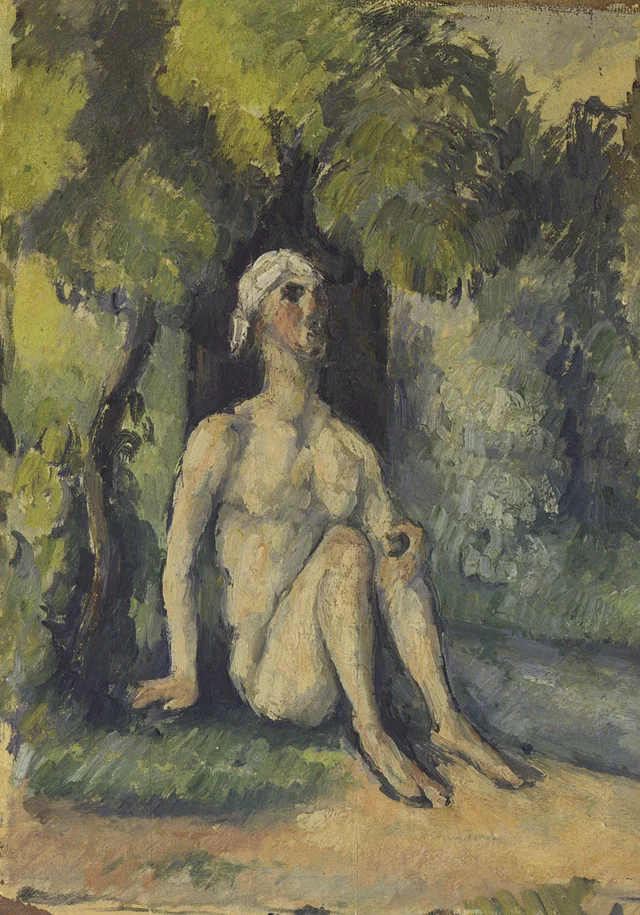 Baigneur assis au bord de l'eauPaul Cézanne, 1876
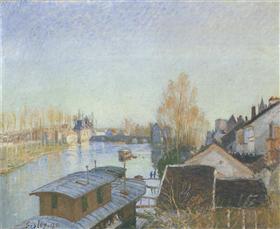 Banks of the Loing near MoretAlfred Sisley, 1890
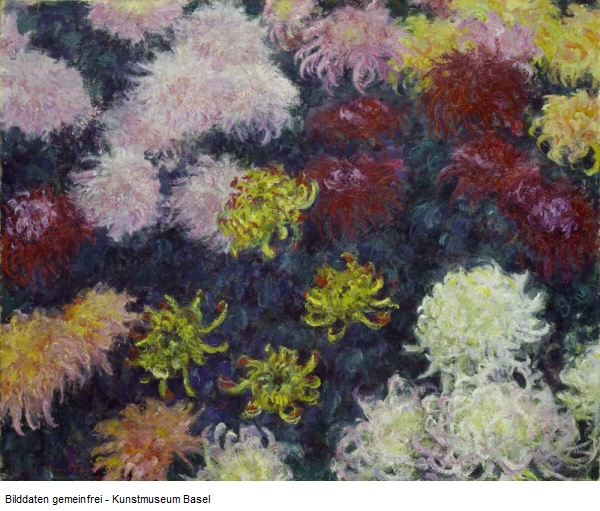 Bed of ChrysanthemumsClaude Monet, 1897
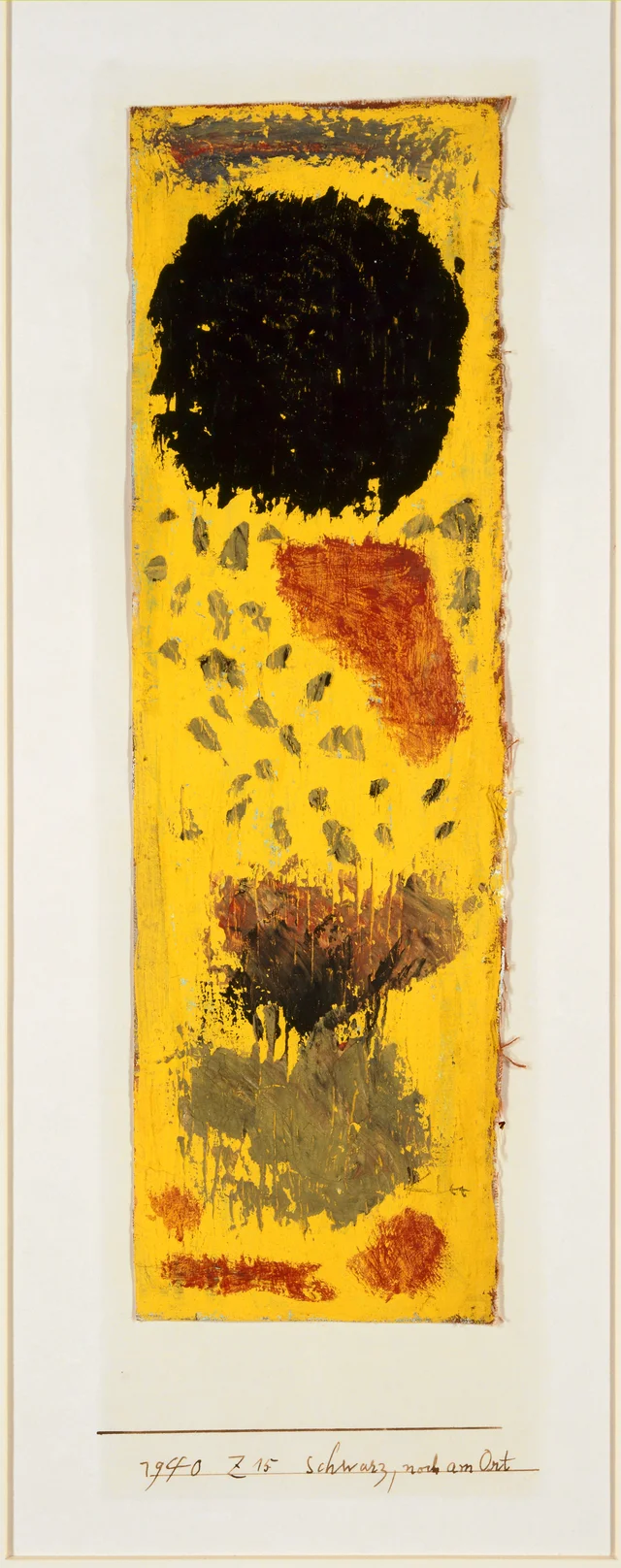 Black, Still in PlacePaul Klee, 1940
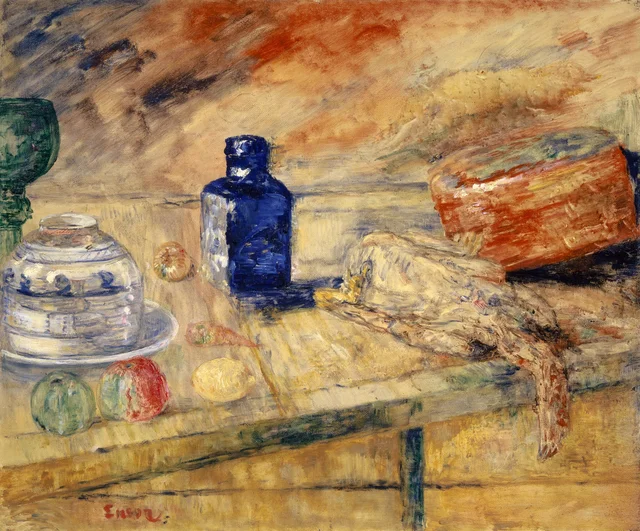 Blue Flask and ChickenJames Ensor, 1925
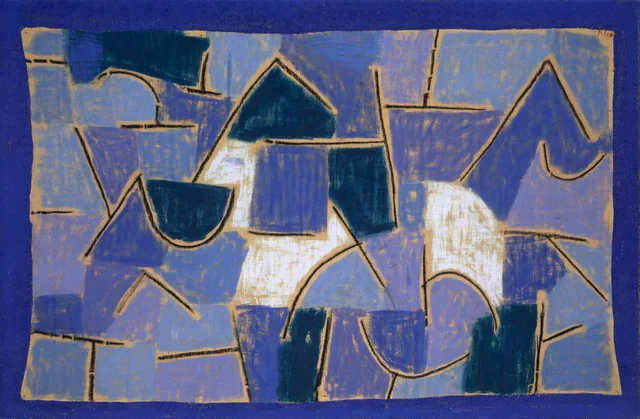 Blue NightPaul Klee, 1937
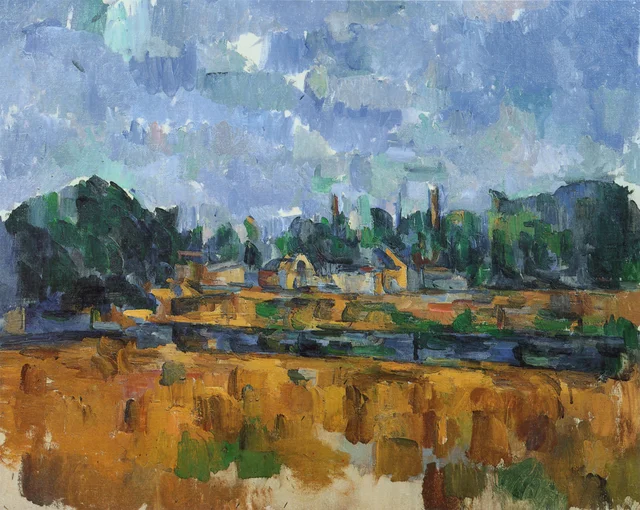 Bords d'une rivièrePaul Cézanne, 1904
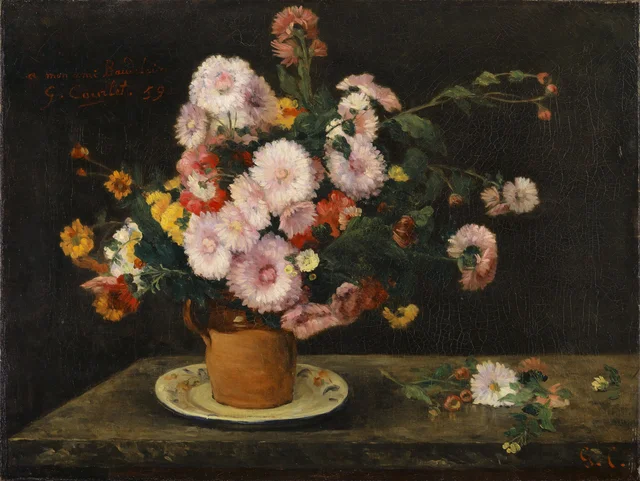 Bouquet of AstersGustave Courbet, 1859
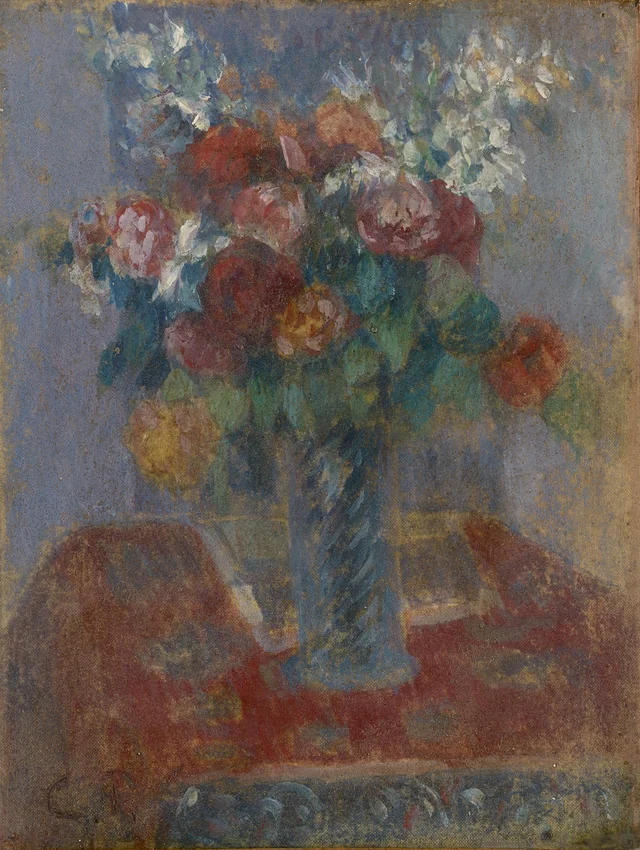 Bouquet of FlowersCamille Pissarro, 1900
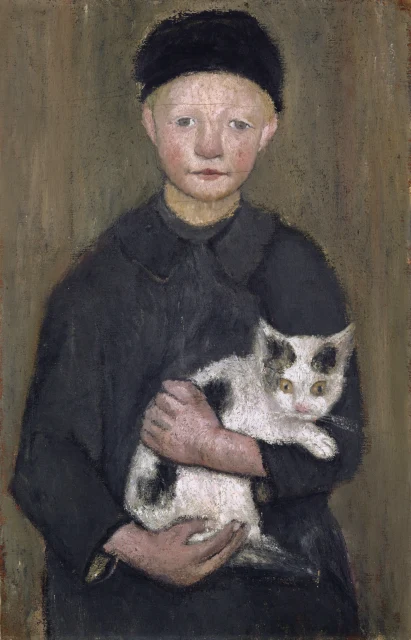 Boy with CatPaula Modersohn-Becker, 1903
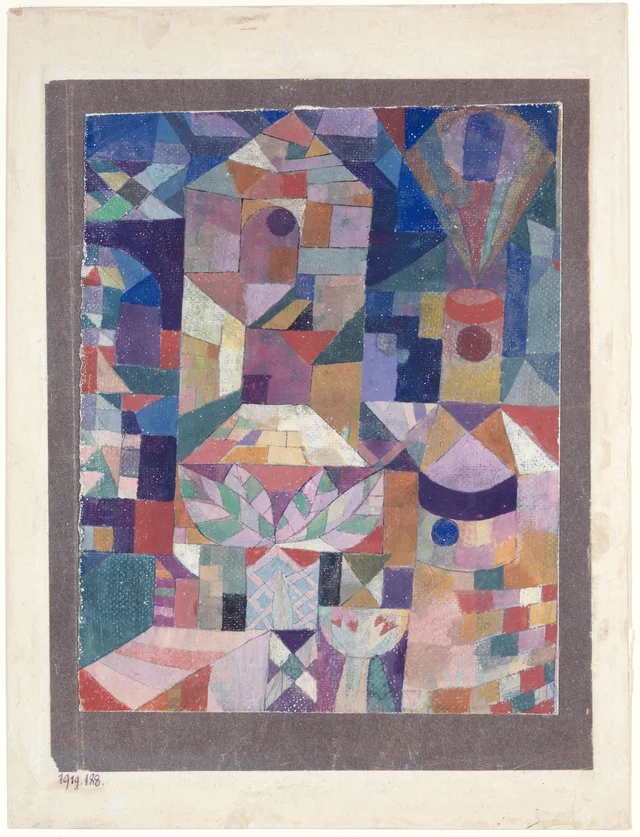 BurggartenPaul Klee, 1919
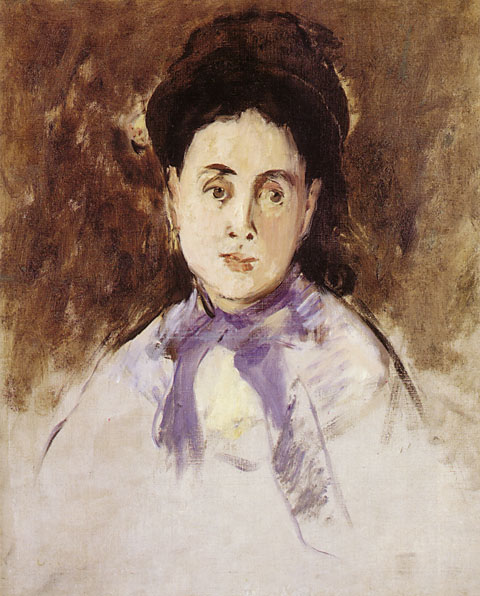 Bust of a Woman (Madame Bourdin)Édouard Manet, 1870
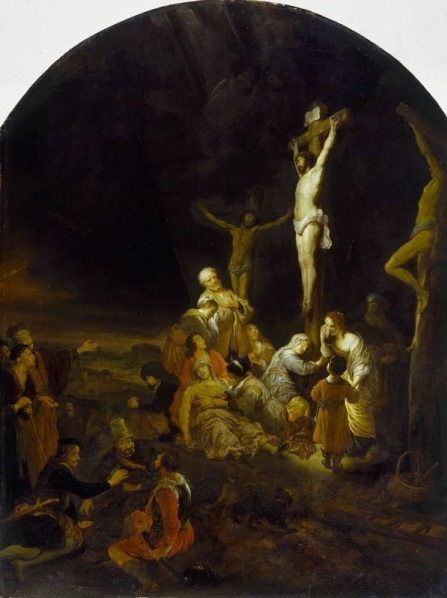 CalvaryGovert Flinck, 1649
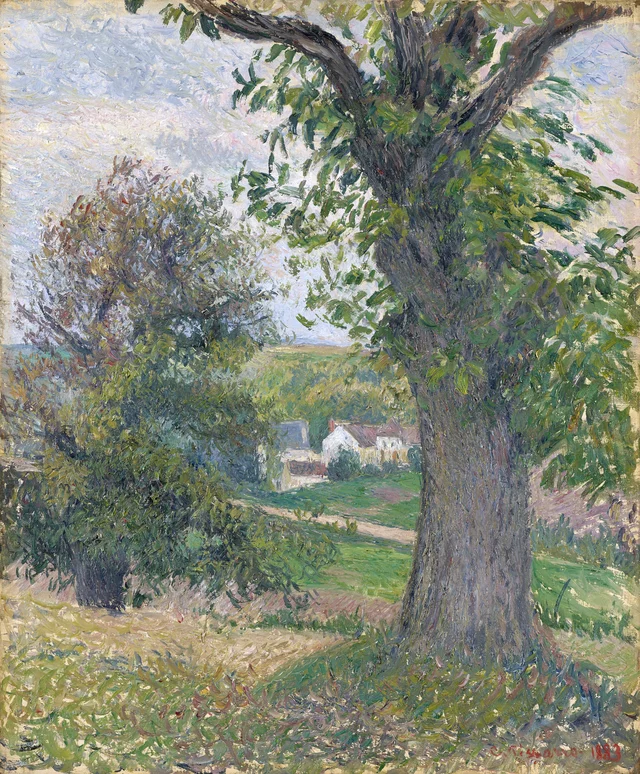 Chestnut trees in OsnyCamille Pissarro, 1883
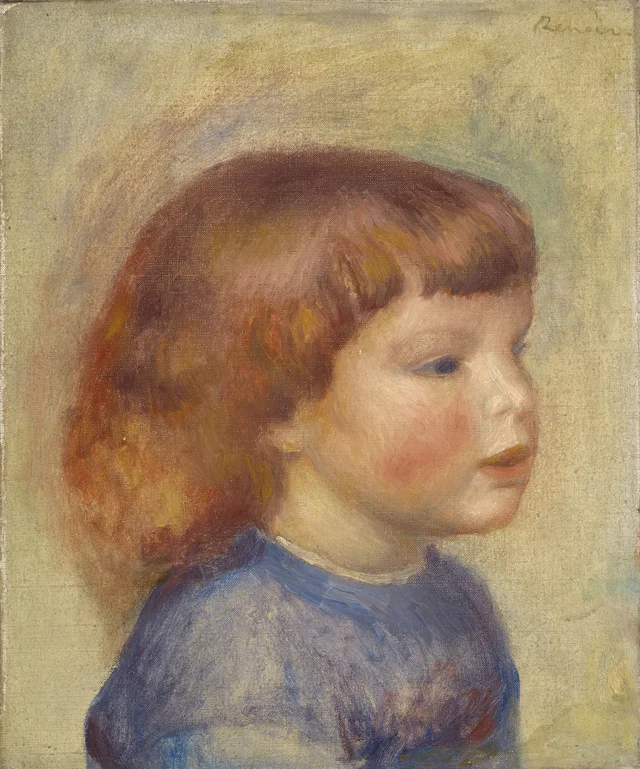 Child's HeadPierre-Auguste Renoir, 1906
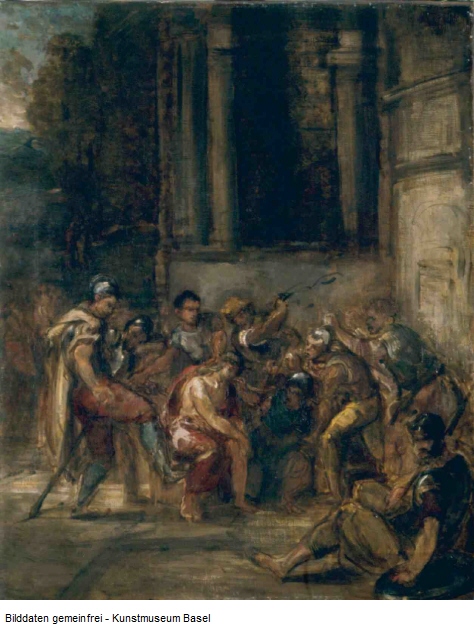 Christ in the PraetoriumEugène Delacroix, 1849
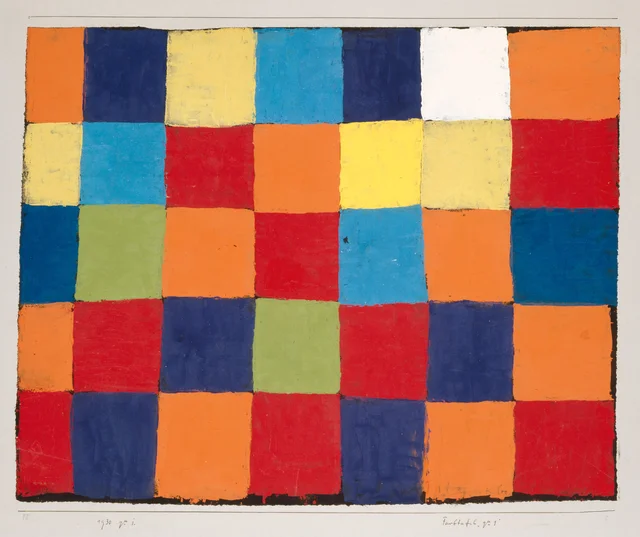 Colour Table “Qu 1”Paul Klee, 1930
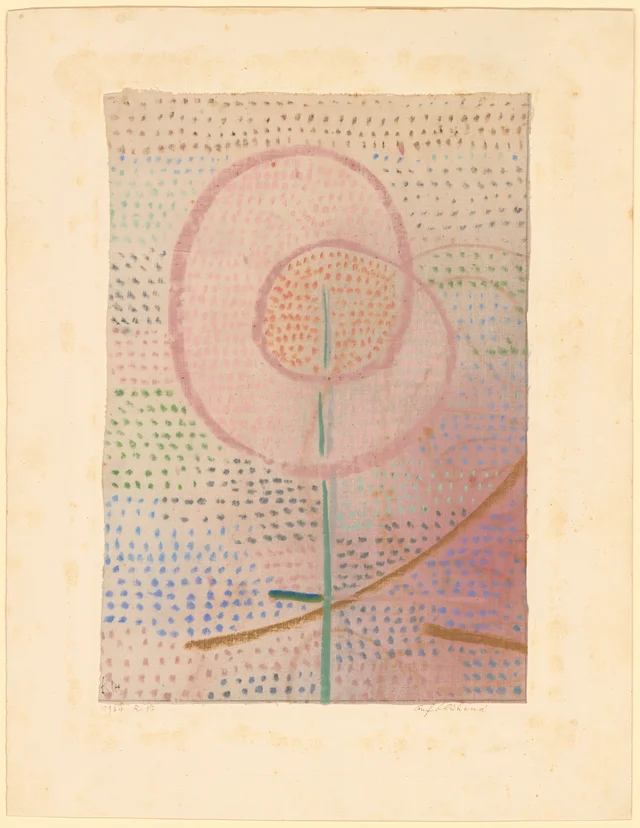 Coming into BloomPaul Klee, 1934
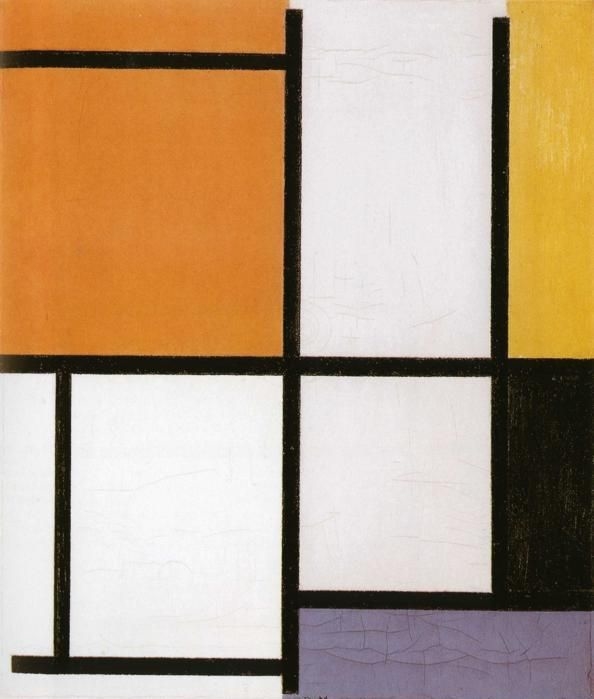 CompositionPiet Mondrian, 1921
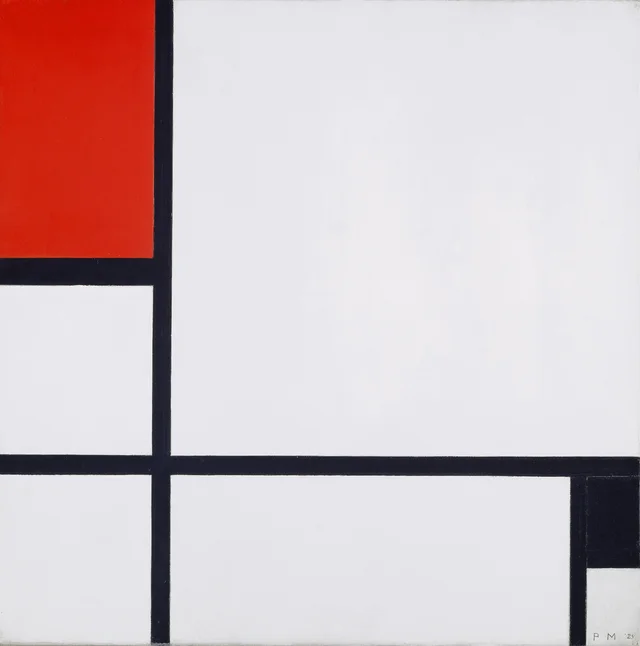 Composition no. IPiet Mondrian, 1929
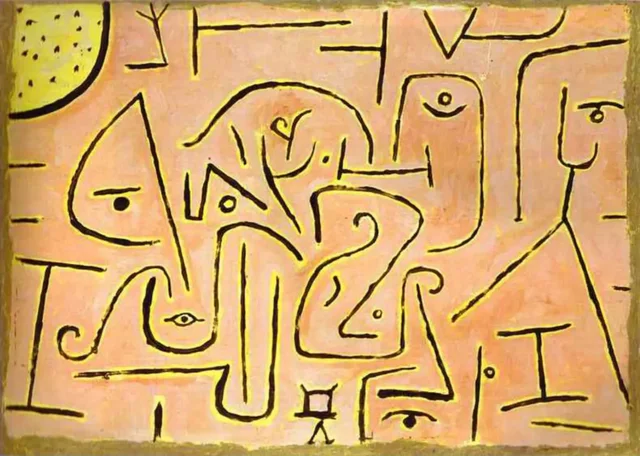 ContemplatingPaul Klee, 1938
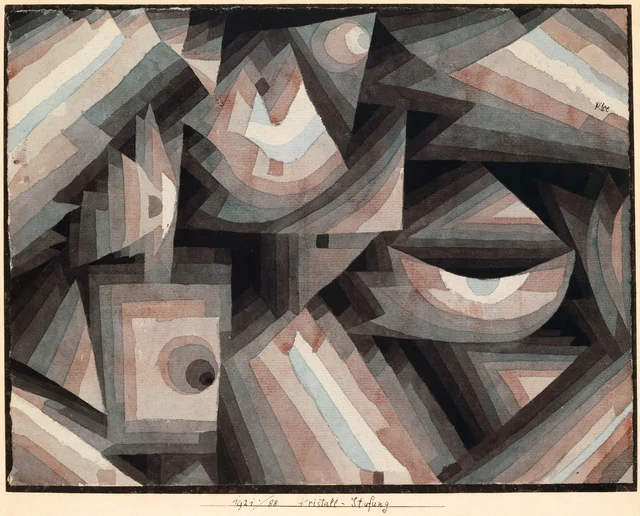 Crystal GradationPaul Klee, 1921
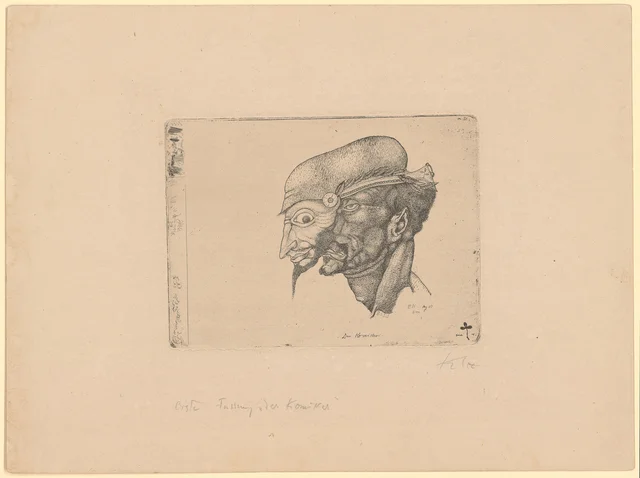 Der KomikerPaul Klee, 1903
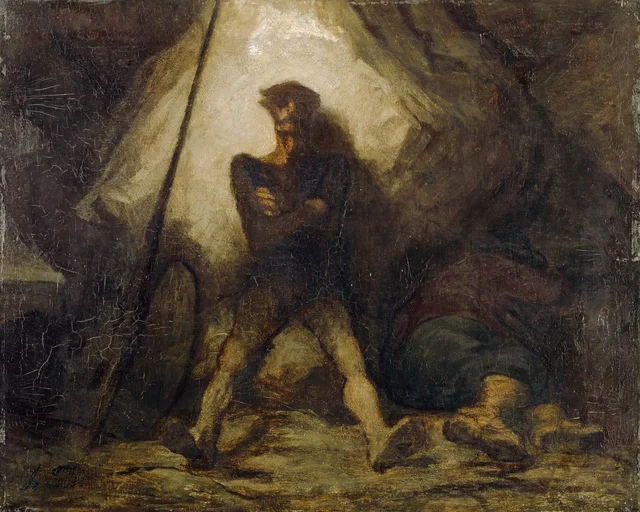 Don Quixote’s VigilHonoré Daumier, 1855