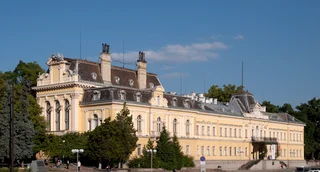
The story
In one of the halls of Kvadrat 500, a dark, muscular figure hunches in the shadows, and the only bright thing in the picture is a pair of pale eyes staring straight out. This is Lucifer, painted around 1890 by Franz von Stuck, a German Symbolist known in Munich as the city's ‘painter prince’. Ferdinand, Bulgaria's ruler, bought it from Stuck's studio in 1891 for the royal collection. The artist liked to tell how the prince's ministers crossed themselves the first time they saw his fallen angel.
Kvadrat 500, or ‘Square 500’, is the main home of Bulgaria's National Gallery, and the building had an earlier life. It went up in the 1880s as the State Printing House, a neoclassical block by the Viennese architect Friedrich Schwanberg, damaged in the bombing of Sofia in 1944 and rebuilt more than once. A reconstruction finished in 2014 joined the old printing house to the neighbouring gallery, and the museum opened here in 2015. Around 1,700 works hang across 28 halls on four floors, drawn from a fund of more than 40,000 that runs from Bulgarian painting of the 19th century onward to European, Asian, African and American art.
The name covers more than this one building. The National Gallery also occupies The Palace, the former royal residence a short walk away, keeps a Museum of Christian Art in the crypt beneath the Alexander Nevsky cathedral, and runs the Sofia Arsenal for contemporary art. Its Bulgarian rooms begin in the 1890s, the decade a newly independent country was starting to gather painters of its own.
More articles
Collection
108 works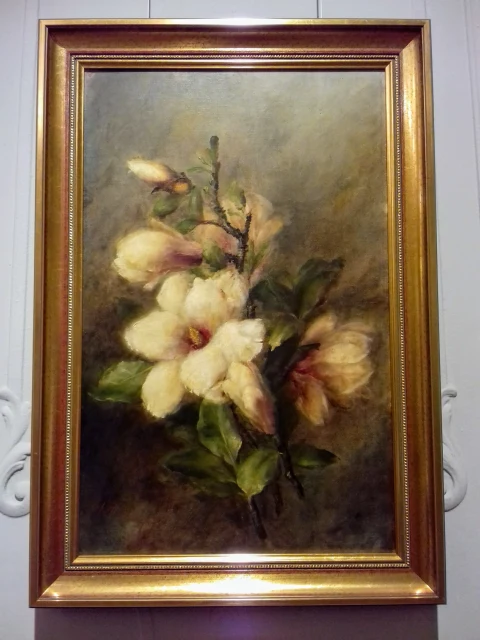 FlowersAnna Hen-Yosifova
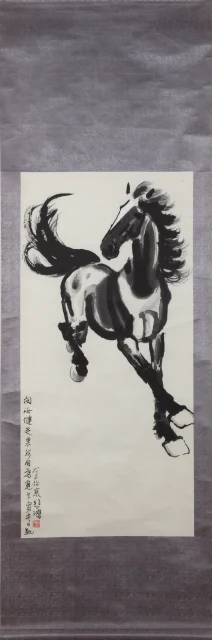 FoalXu Beihong, 1948
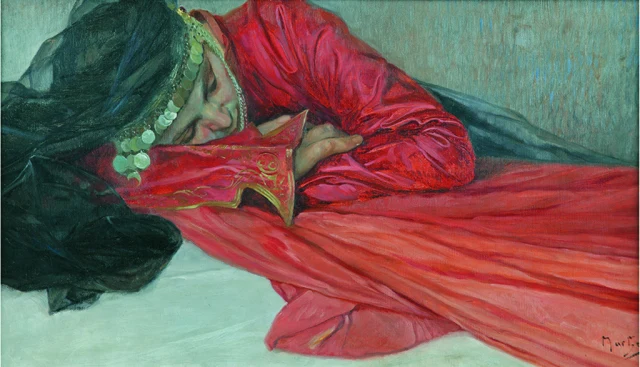 Girl in Oriental CostumeAlphonse Mucha
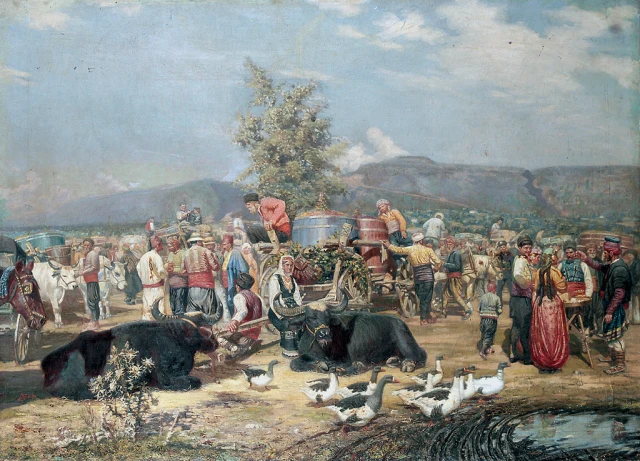 Grape MarketAnton Mitov, 1894
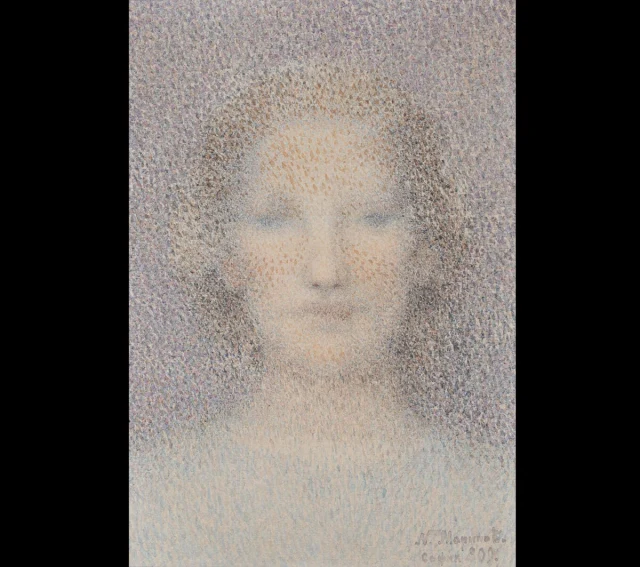 HeadNikola Marinov, 1909
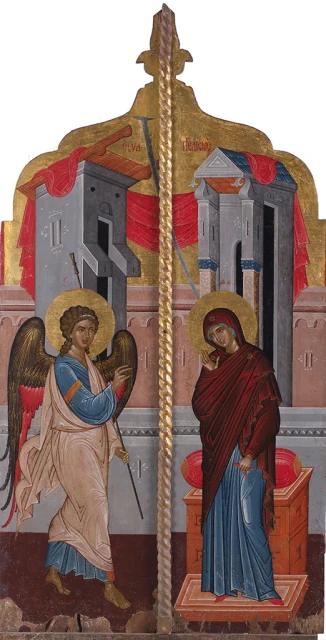 Holy DoorsAnonymous, 1500
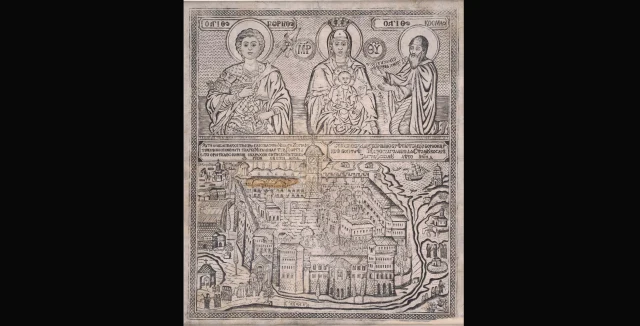 Holy Glorious Great Martyr GeorgeAthonite Engraver, 1834
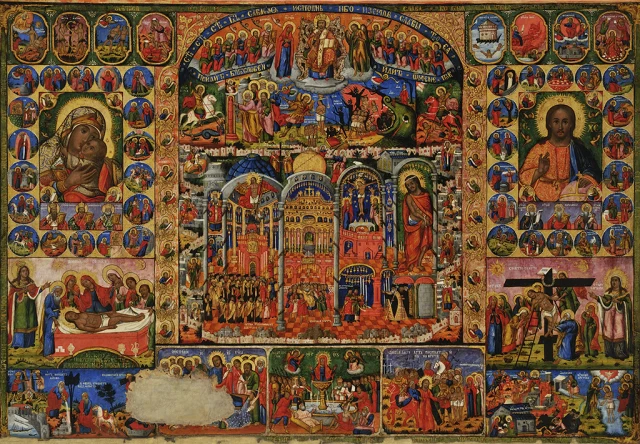 IerusalymitikaAnonymous, 1857
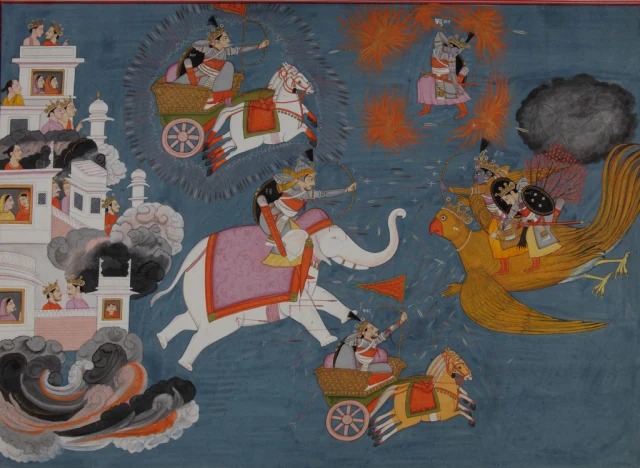 Illustration from the MahabharataPurkhu of Kangra, 1790
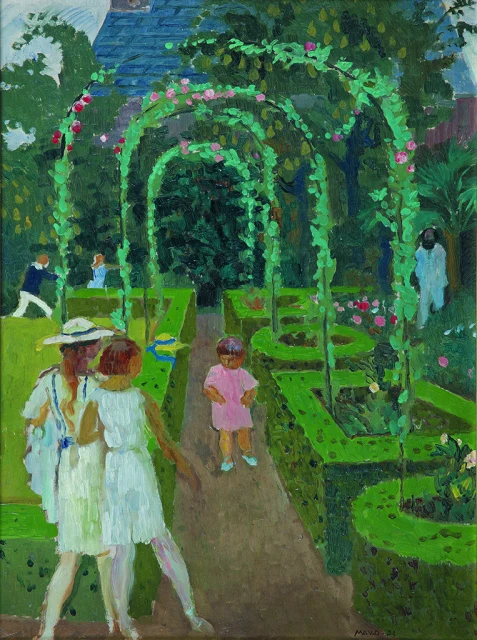 In the GardenMaurice Denis, 1921
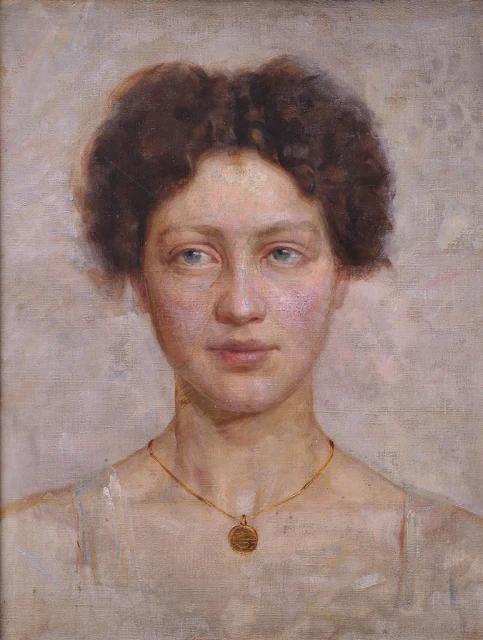 Italian WomanGeorgi Mitov, 1898
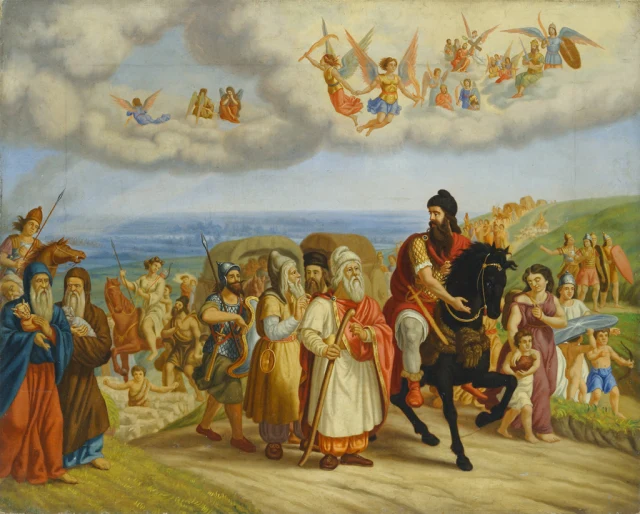 Khan Asparuh and his Entourage March to the DanubeNikolai Pavlovich, 1868
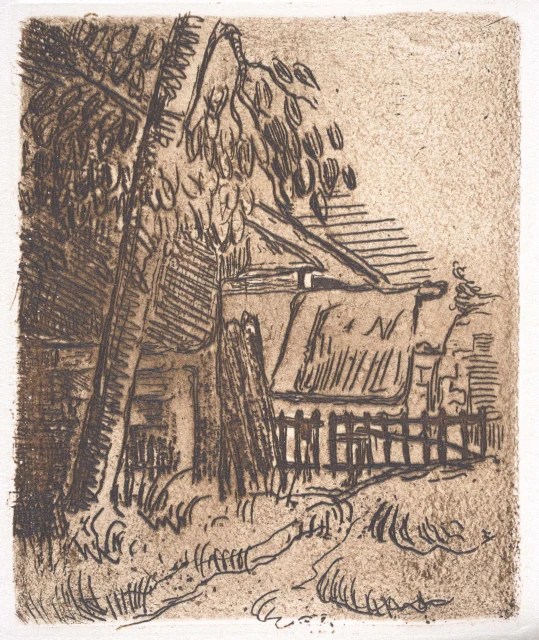 Landscape from AuvergnePaul Cézanne, 1873
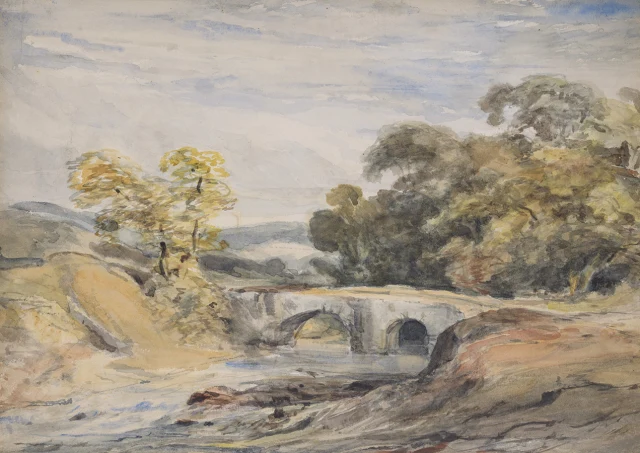 Landscape with BridgeEugène Delacroix
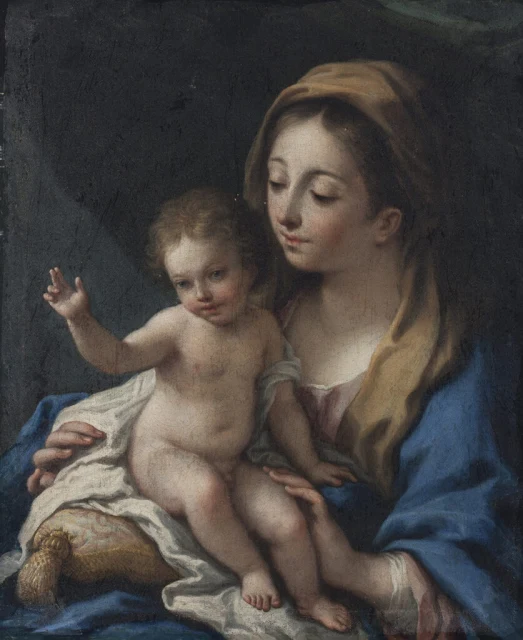 Madonna and ChildSchool of Antonio da Correggio
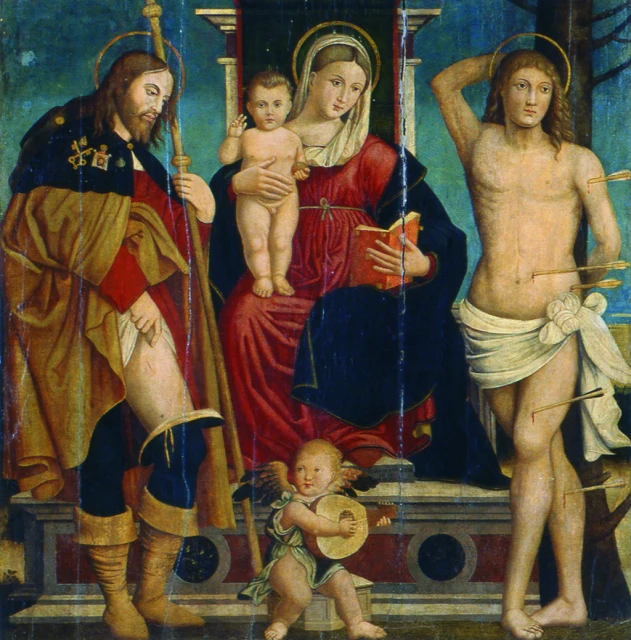 Madonna and Child, St Roch and St SebastianGiovanni Rosso (Giovanni da Mel), 1526
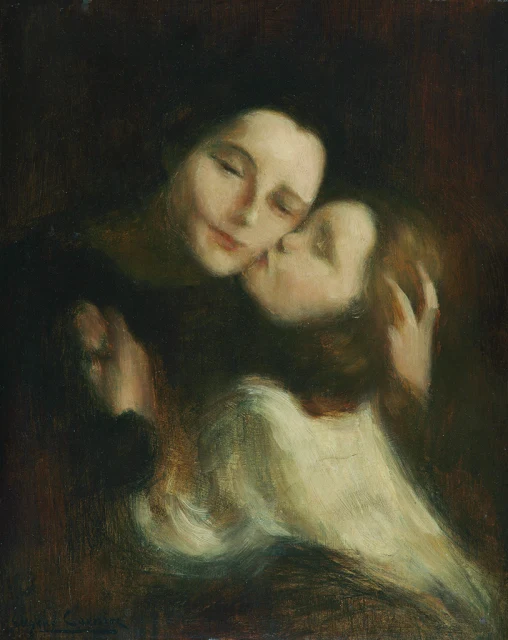 Mother and ChildEugène Carrière, 1885
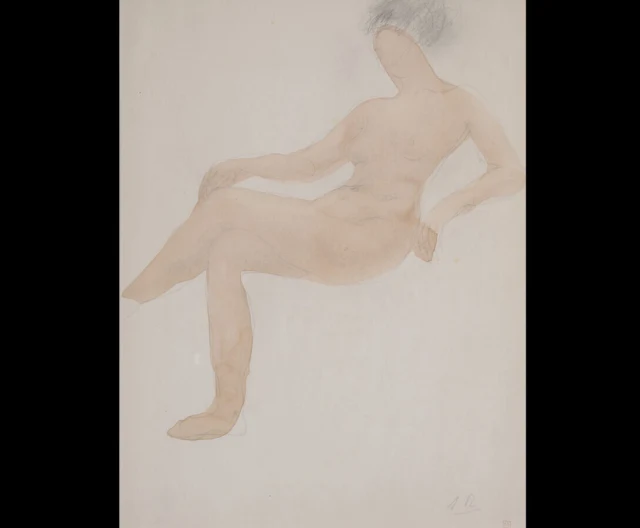 NudeAuguste Rodin
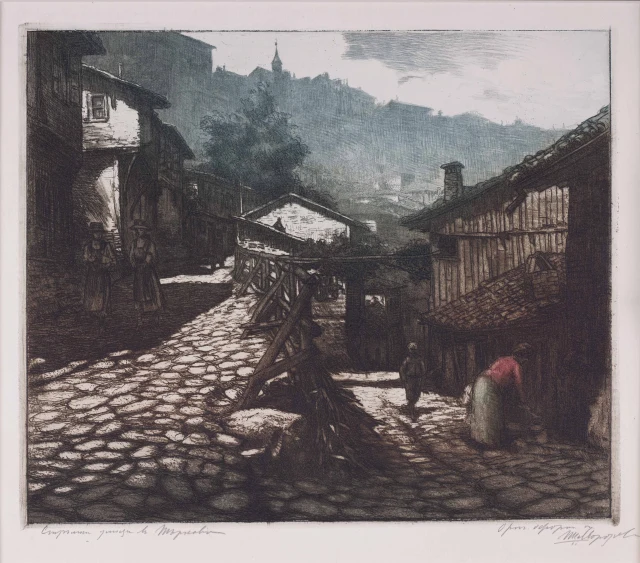 Old-Time Street in TarnovoPetar Morozov, 1923
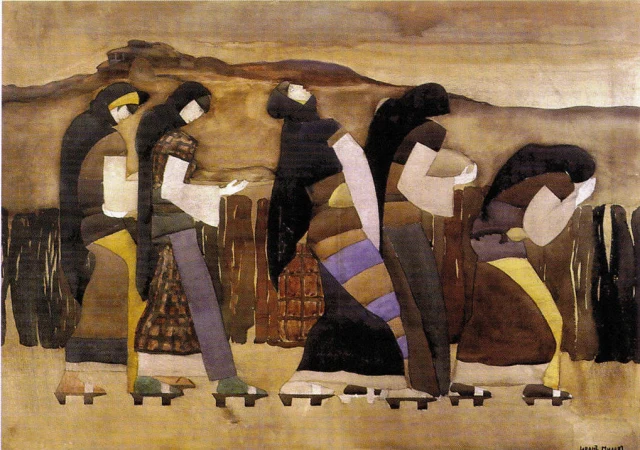 Our Mothers Always Wear BlackIvan Milev, 1926
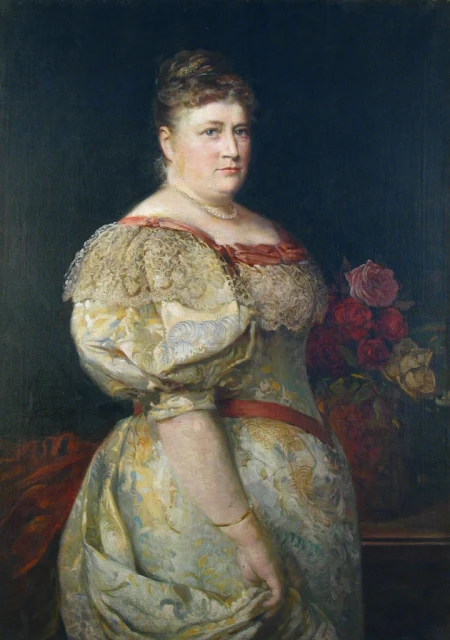 Portrait of Amalia GavrilovaIvan Mrkvička, 1896
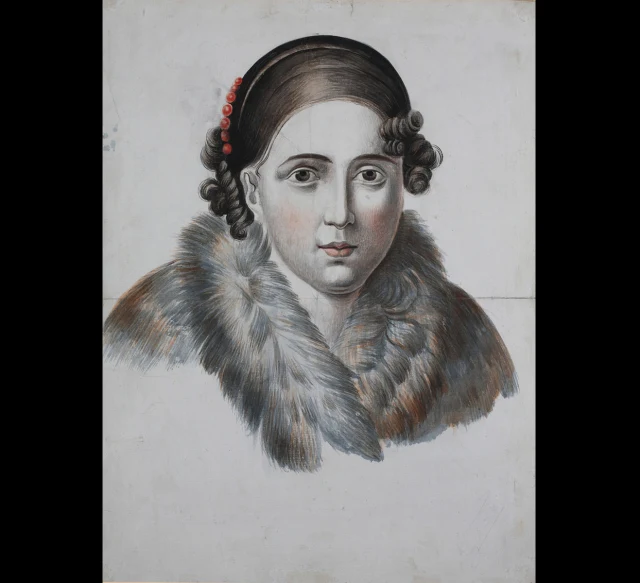 Portrait of a Young WomanZahari Zograf, 1839