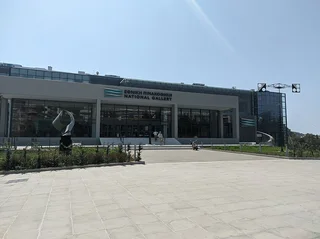
The story
Two paintings of the same siege face each other on the first floor, and they are why many Greek visitors come. Theodoros Vryzakis painted the breakout from Missolonghi, a western Greek town under Ottoman siege, and the welcome given there to Lord Byron, the English poet who died there in 1824 fighting for the Greeks. Nearby, a lone fighter in a white foustanella kilt rides across a battlefield in a canvas Eugène Delacroix painted in 1856, decades after the Greek revolt became a cause in Paris.
The gallery reopened on 24 March 2021, a day before that revolution's 200th anniversary, after eight years closed for work that more than doubled its space. Inside is Greek painting since independence: Nikolaos Gyzis, whose last canvas, Behold the Bridegroom Arriving, was unfinished when he died in 1901, the harbours of Konstantinos Volanakis, Théodore Ralli's Orientalist scenes, and Konstantinos Maleas flattening Delphi and Santorini into planes of colour in the 1920s. Gyzis, Nikiforos Lytras and Georgios Jakobides all trained at the Munich academy, and Jakobides is the painter the government called home in 1900 to organise this gallery.
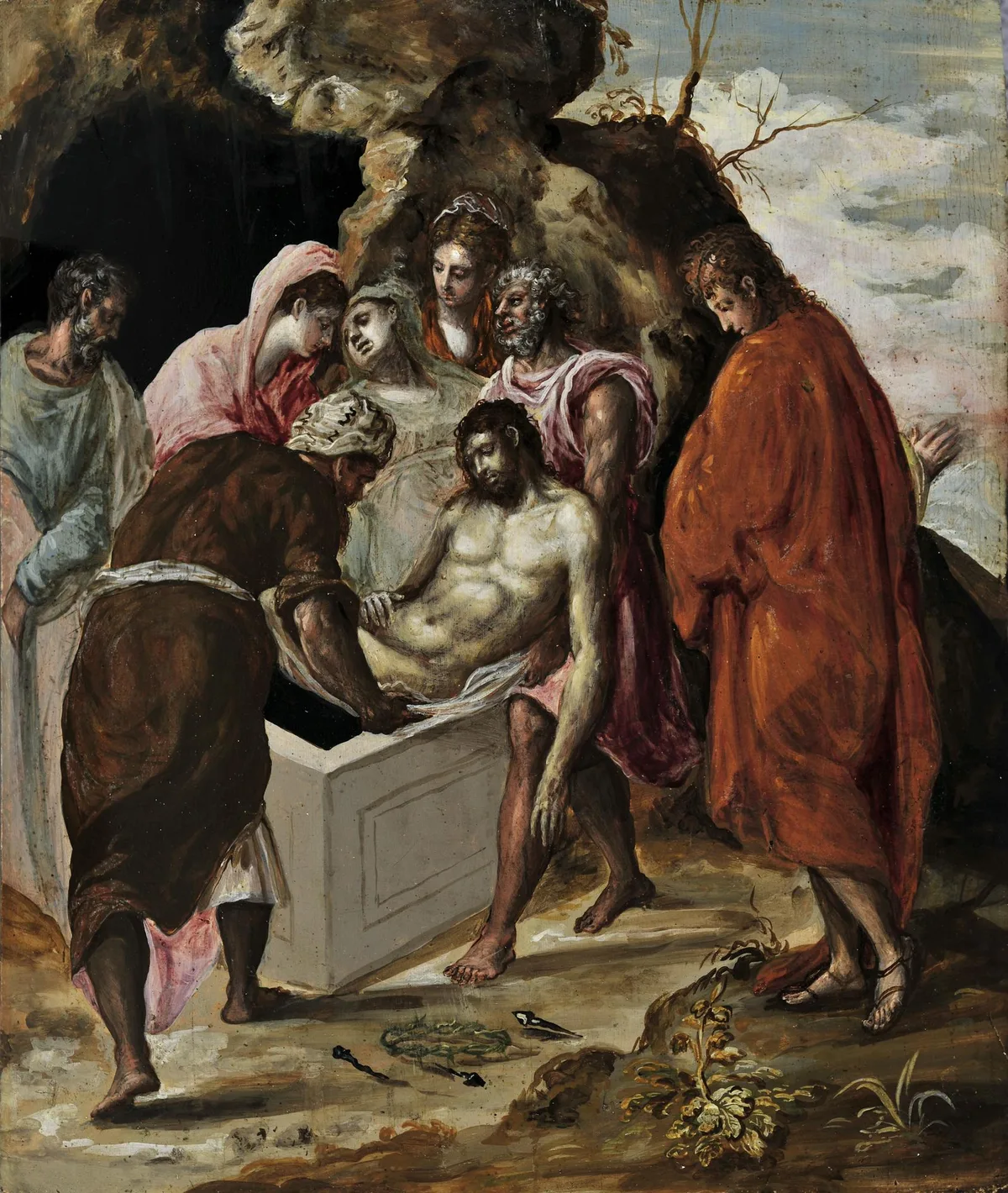
Three El Grecos anchor the European side. The Concert of the Angels, bought by the Greek state in 1931, was unfinished when the Cretan-born painter died in Toledo in 1614, while The Entombment of Christ and Saint Peter were bought in the 1990s with public donations. Near them hang an Adoration of the Shepherds by the Flemish painter Jacob Jordaens and a windmill Piet Mondrian painted in 1905, before abstraction.
Sculpture lives at the National Glyptotheque across town, and four annexes lie outside Athens, in Nafplio, Corfu, Sparta and Aegina. The 19th-century rooms carry the name of Evripidis Koutlidis, a collector whose foundation's pictures hang beside the state's own, so one Gyzis and the next can have different owners.
More articles
Collection
100 works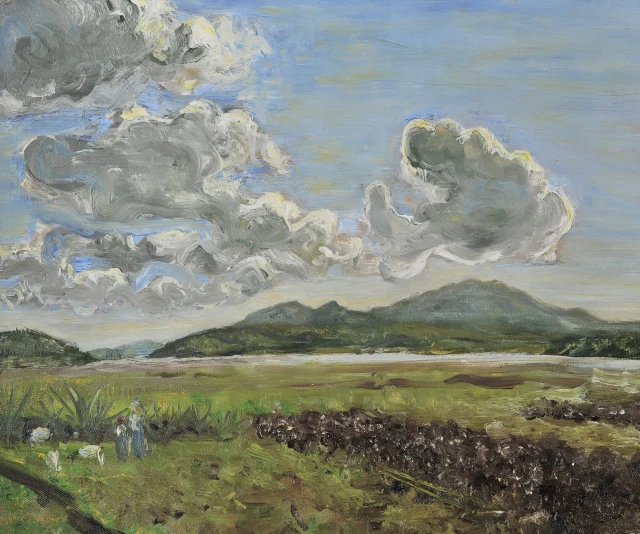 CloudsMarkos Zavitzianos
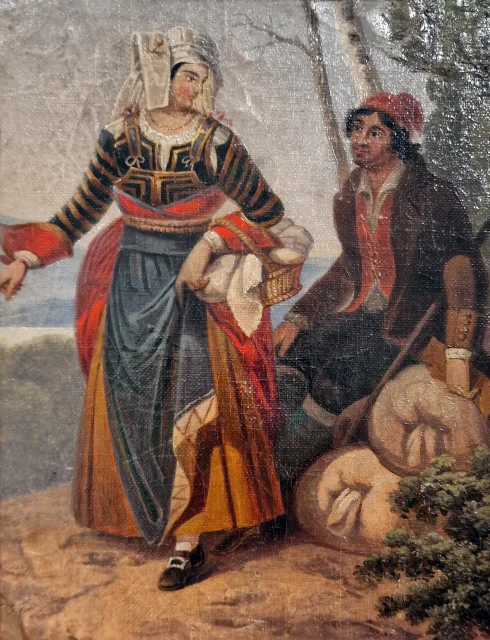 Corfiot Woman and Young ManDionysios Tsokos
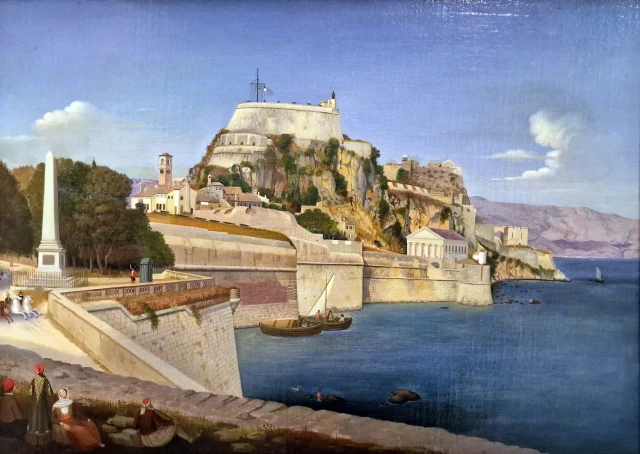 Corfu with the FortressFrancesco Pige, 1849
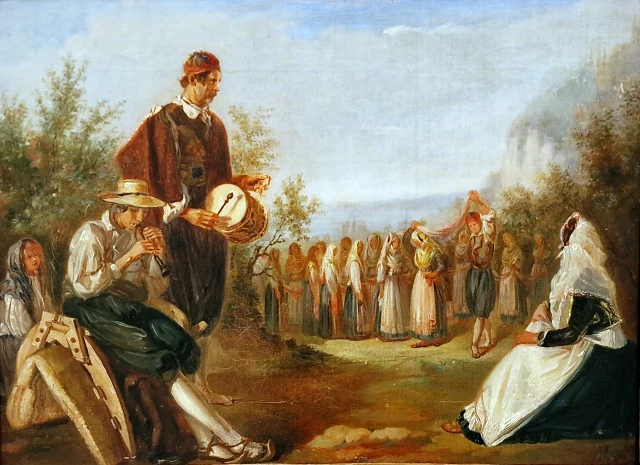 Dance in CorfuDionysios Vegias, 1842
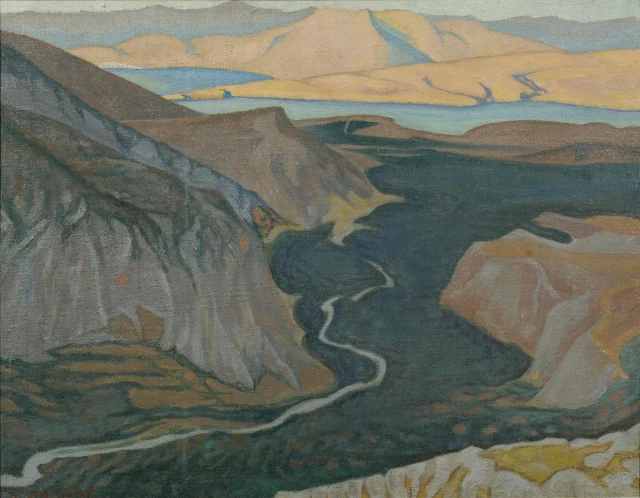 DelphiKonstantinos Maleas, 1922
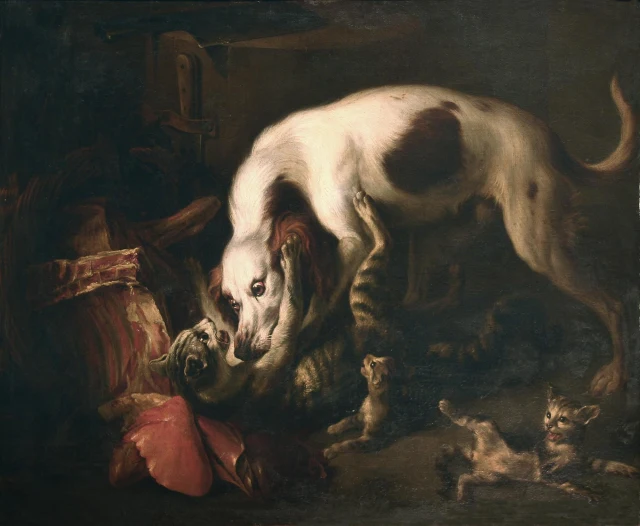 Dog and CatsAlexandre-François Desportes
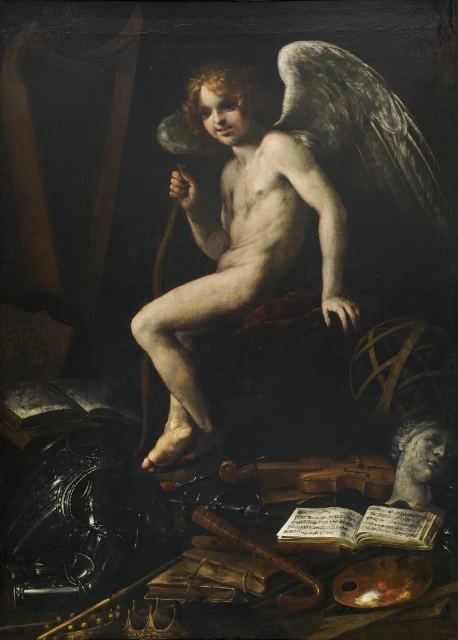 Eros TriumphantAstolfo Petrazzi, 1625
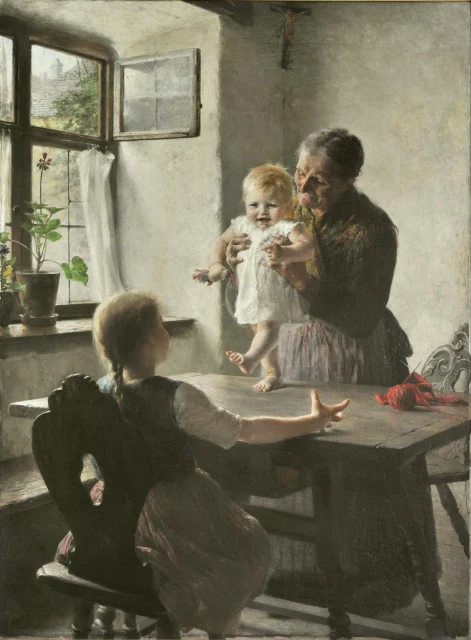 First StepsGeorgios Jakobides, 1892
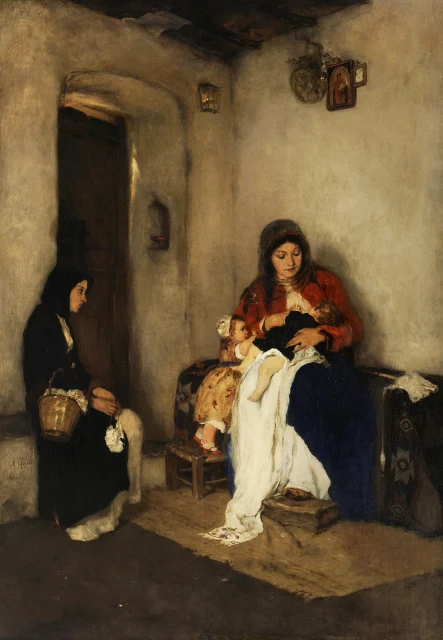 Foster MotherNikolaos Gyzis, 1882
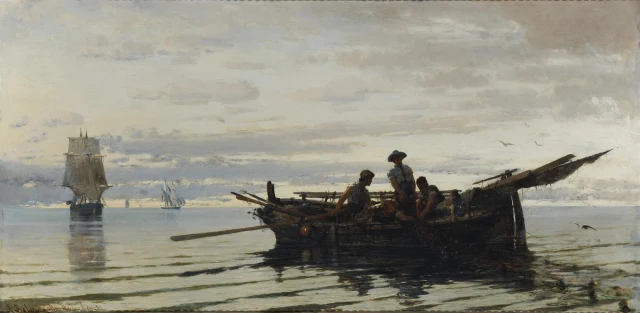 Gathering the NetsKonstantinos Volanakis, 1871
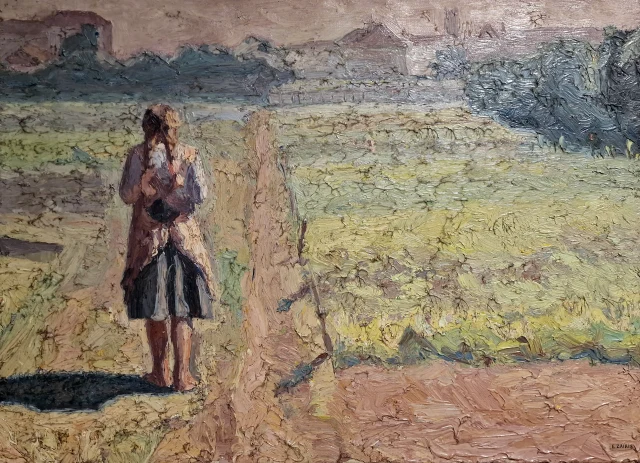 Girl in the Vegetable GardenEmmanouil Zairis, 1918
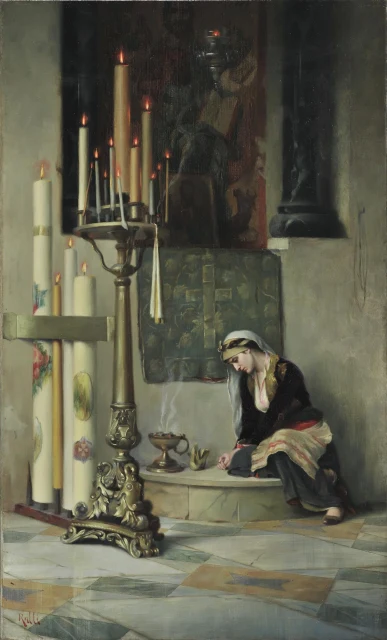 IncenseThéodore Ralli, 1907
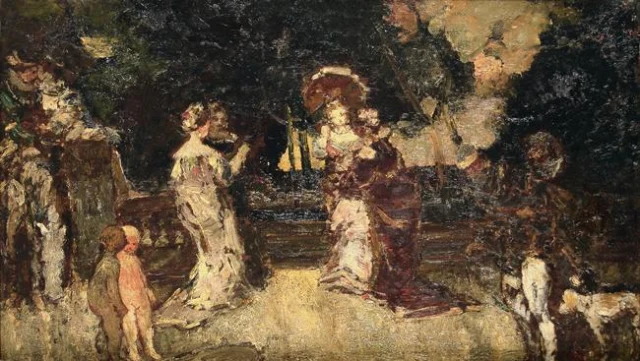 In the ParkAdolphe Joseph Thomas Monticelli
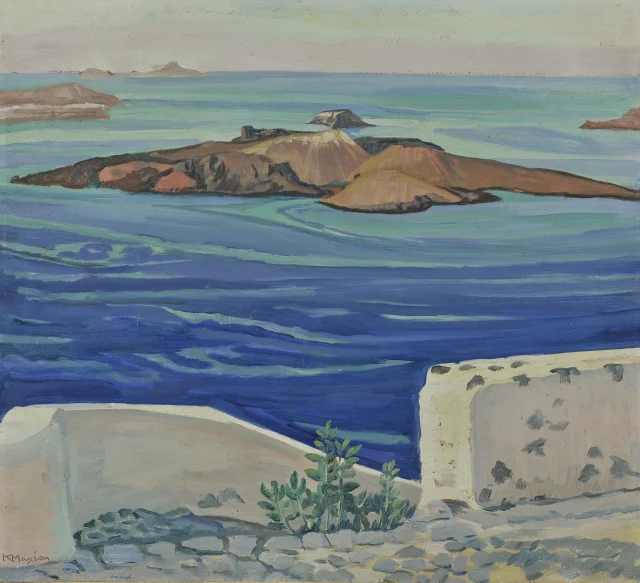 Kammeni, SantoriniKonstantinos Maleas, 1924
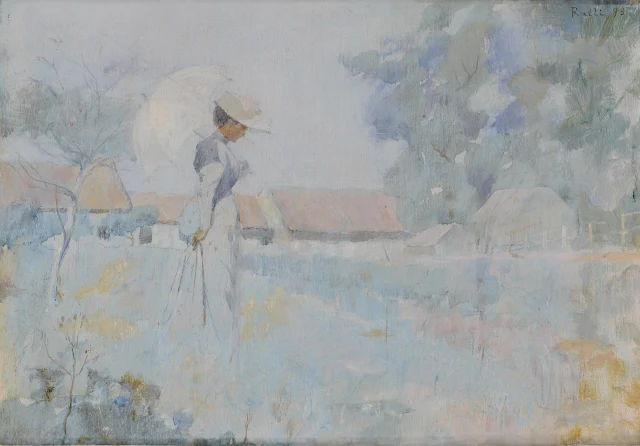 Lady in the CountrysideThéodore Ralli, 1893
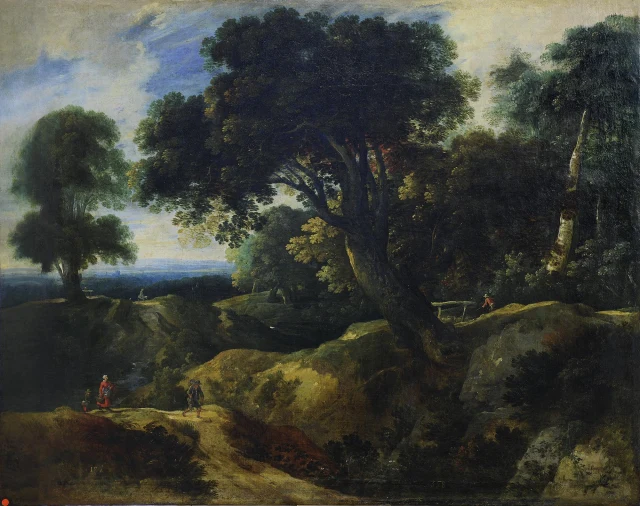 LandscapeJacques Fouquier, 1627
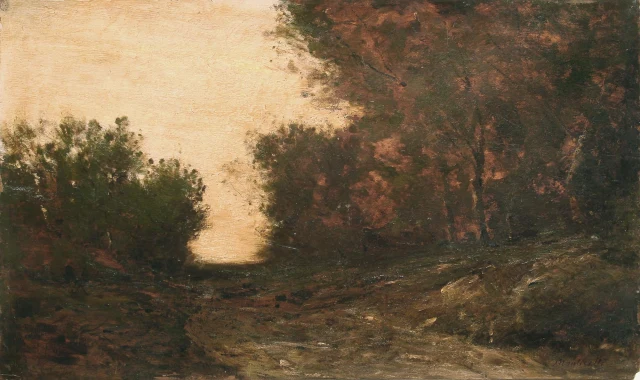 LandscapeAdolphe Joseph Thomas Monticelli
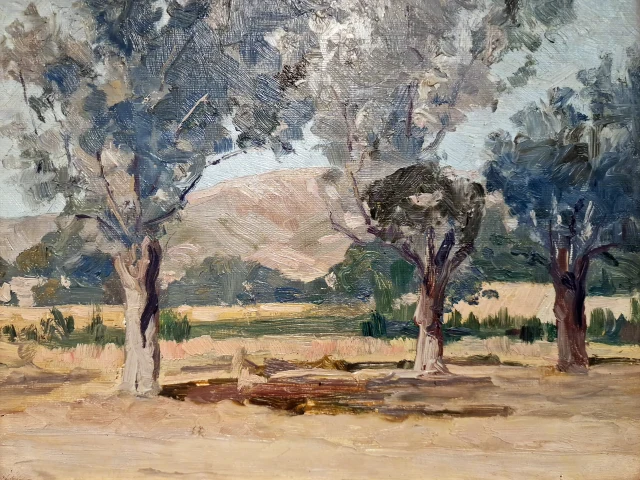 LandscapeOdysseas Phokas, 1901
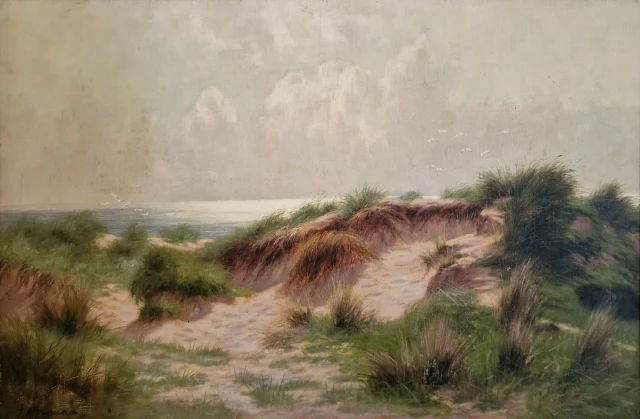 LandscapeIoannis Altamouras, 1877
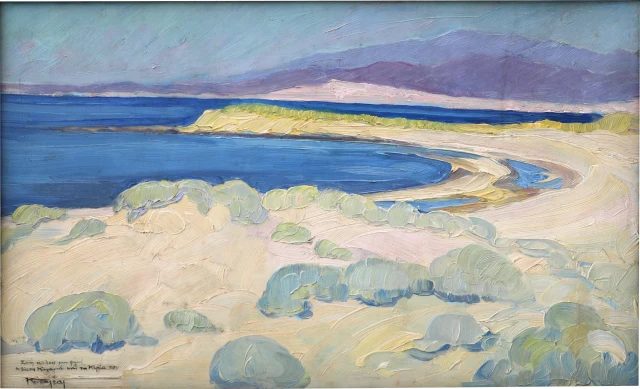 Landscape by the seaKonstantinos Maleas, 1919
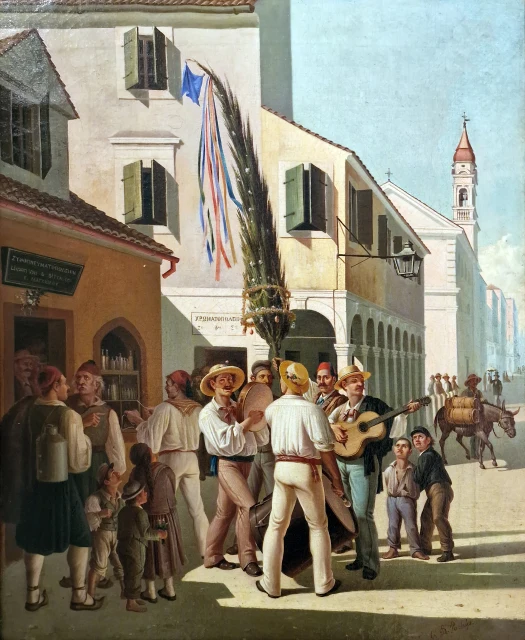 May Day in CorfuCharalambos Pachis, 1878
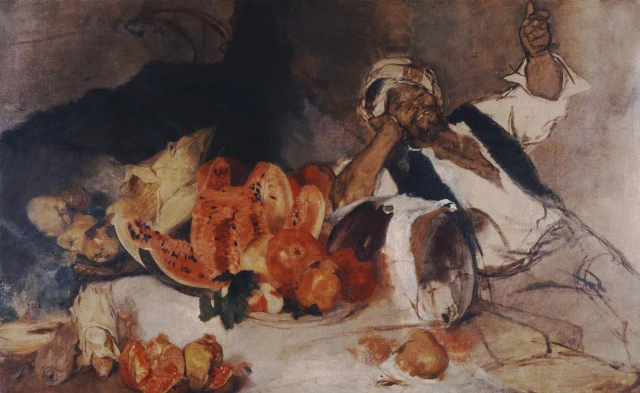 Middle Easterner with FruitNikolaos Gyzis, 1873
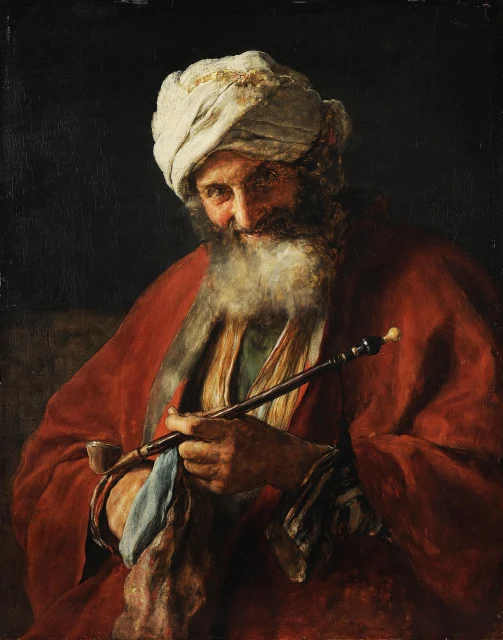 Middle Easterner with PipeNikolaos Gyzis, 1873
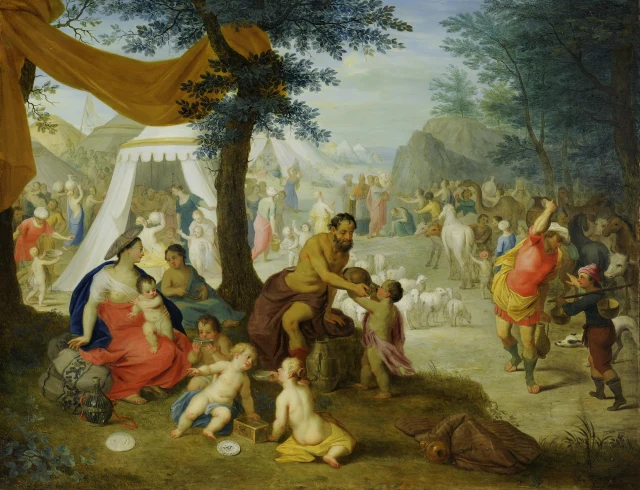 Moses Makes Water Gush from a RockJacob Andries Beschey
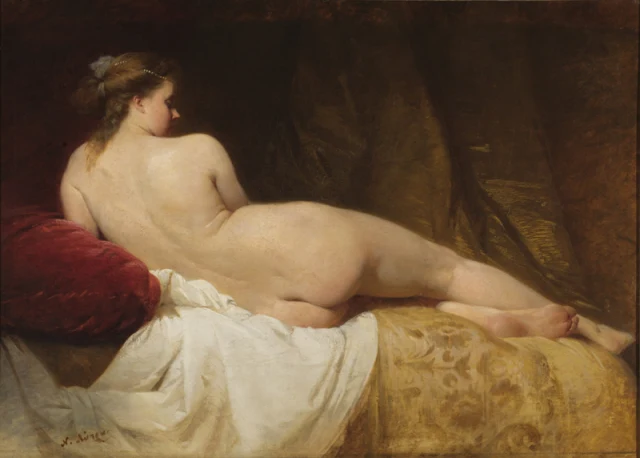 NudeNikiforos Lytras, 1868