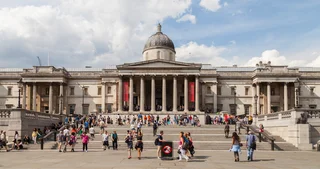
The story
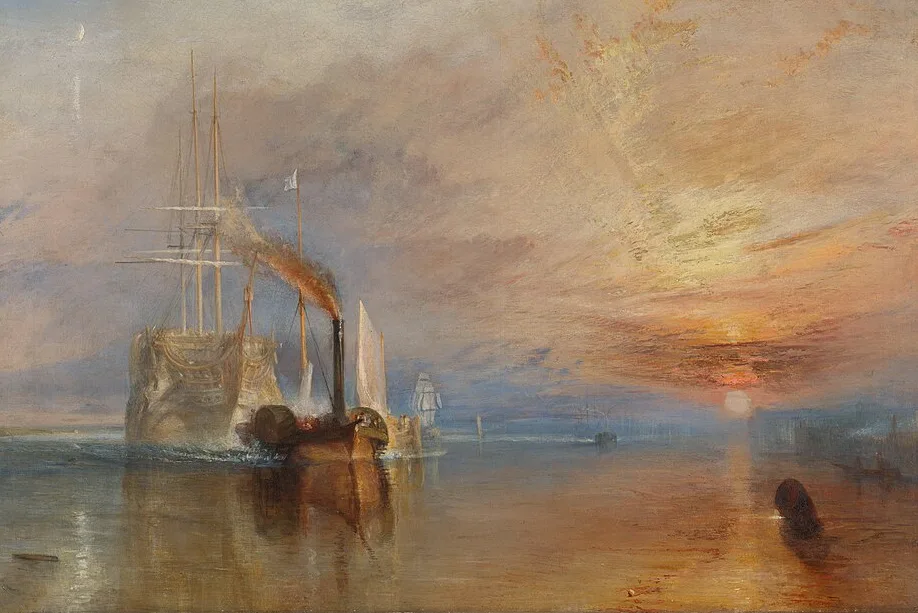
After war broke out, and with invasion expected in 1940, the National Gallery's pictures were sent away from London. By the summer of 1941 they were hidden in a slate mine in the mountains of North Wales. Someone had suggested shipping them to Canada, and Churchill answered: hide them in caves and cellars, but not one picture shall leave this island. Deep in the Manod quarry, in brick chambers built to keep humidity and temperature stable, van Eyck's Arnolfini Portrait and Turner's Fighting Temeraire waited out the Blitz while the pianist Myra Hess gave lunchtime concerts in the emptied galleries back in London.
The gallery had always belonged to the public rather than a palace. It began in 1824, when Parliament bought 38 paintings from the banker John Julius Angerstein, and it was planted deliberately at Trafalgar Square, in the centre of London, so that a clerk or a carter could reach it as easily as a lord. Its permanent collection remains free to enter.
Through the war the staff kept bringing single masterpieces back from Wales, one at a time, to hang in the bare building as a Picture of the Month for a city under bombing. The same rooms today hold the Wilton Diptych, Van Gogh's Sunflowers and Constable's Hay Wain, open to anyone who walks up the steps from the square.
More articles
Collection
648 works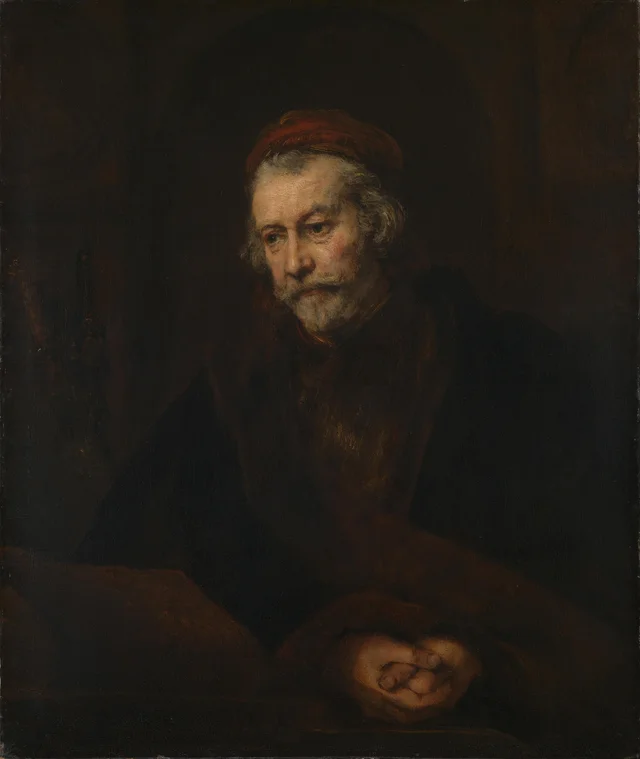 Portrait of a Man as the Apostle PaulRembrandt, 1659
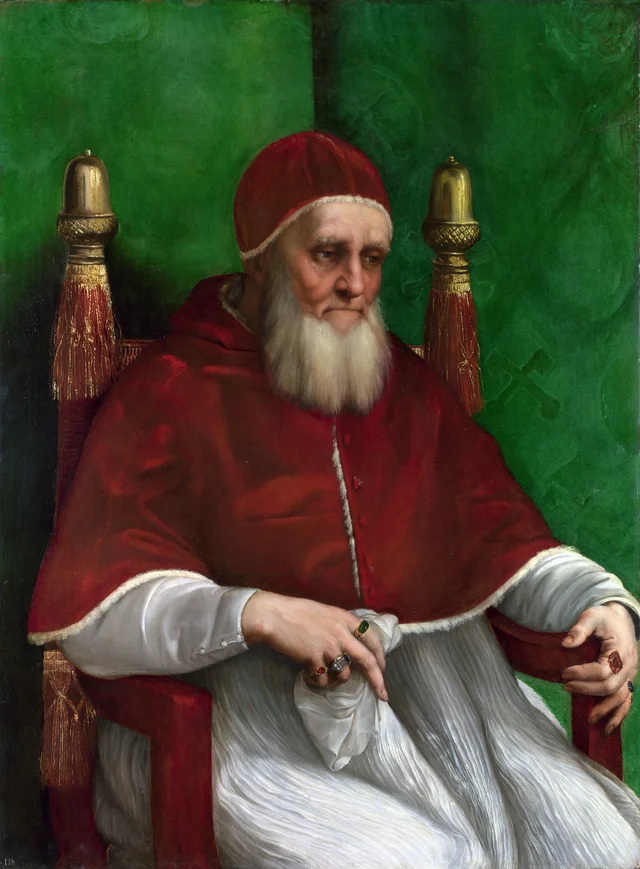 Portrait of Pope Julius IIRaphael, 1511
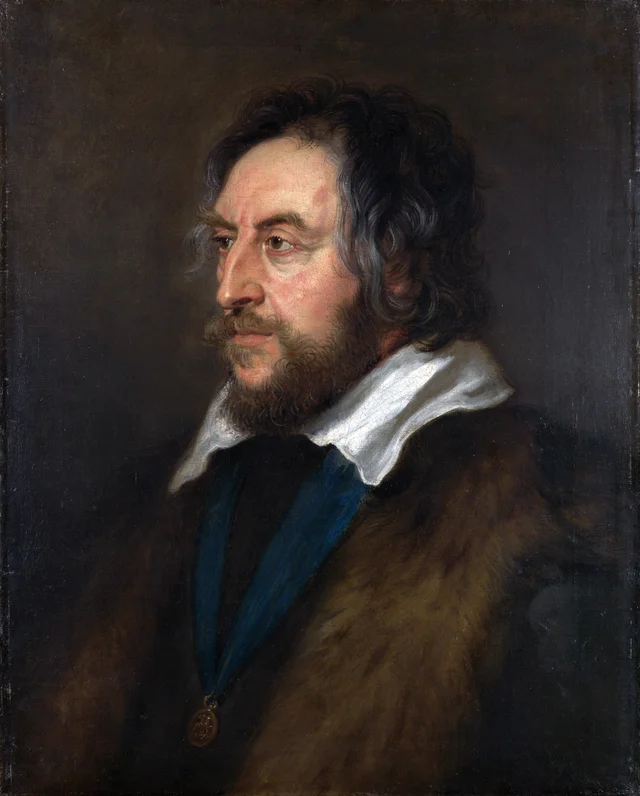 Portrait of Thomas Howard, 2nd Earl of ArundelPeter Paul Rubens, 1630
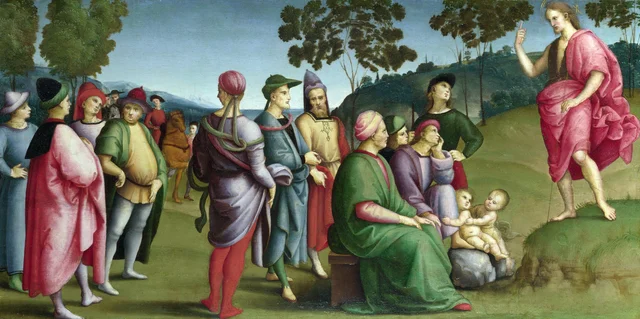 Saint John the Baptist PreachingRaphael, 1505
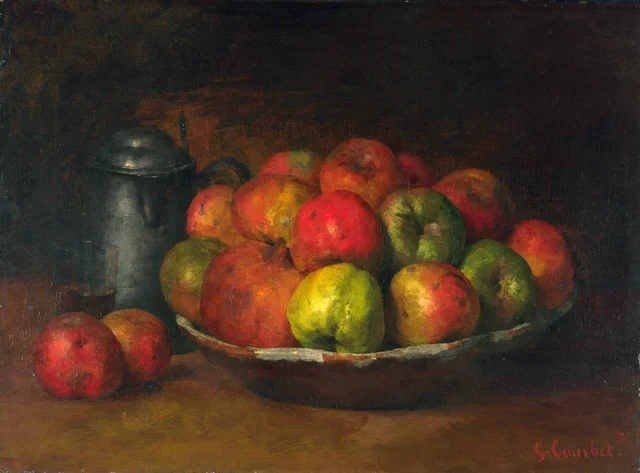 Still Life with Apples and a PomegranateGustave Courbet, 1871
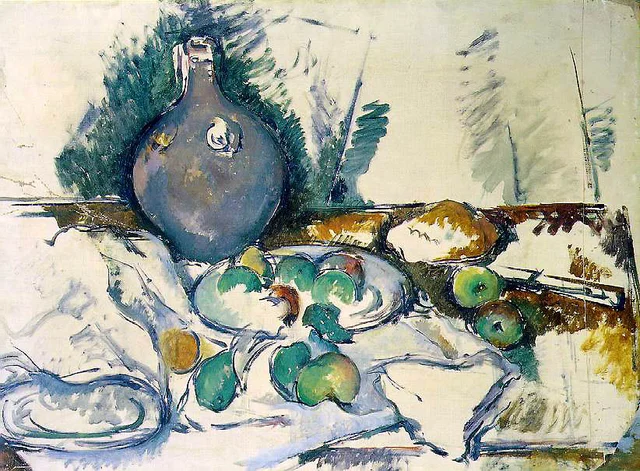 Still Life with Water JugPaul Cézanne, 1892
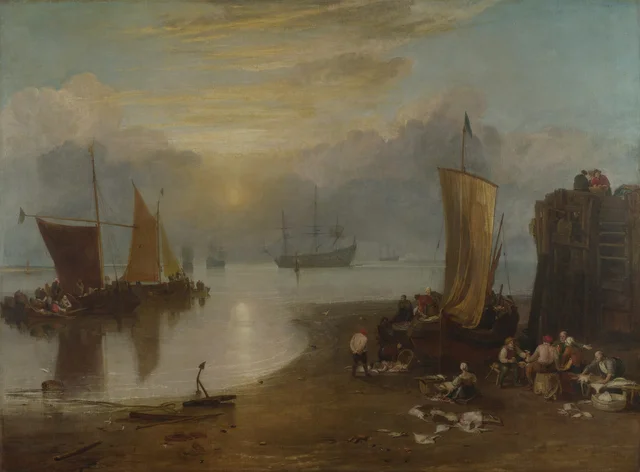 Sun Rising through VapourJ. M. W. Turner, 1806
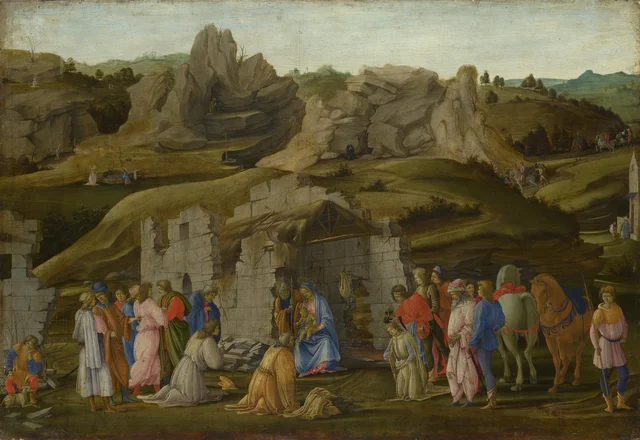 The Adoration of the KingsFilippino Lippi, 1480
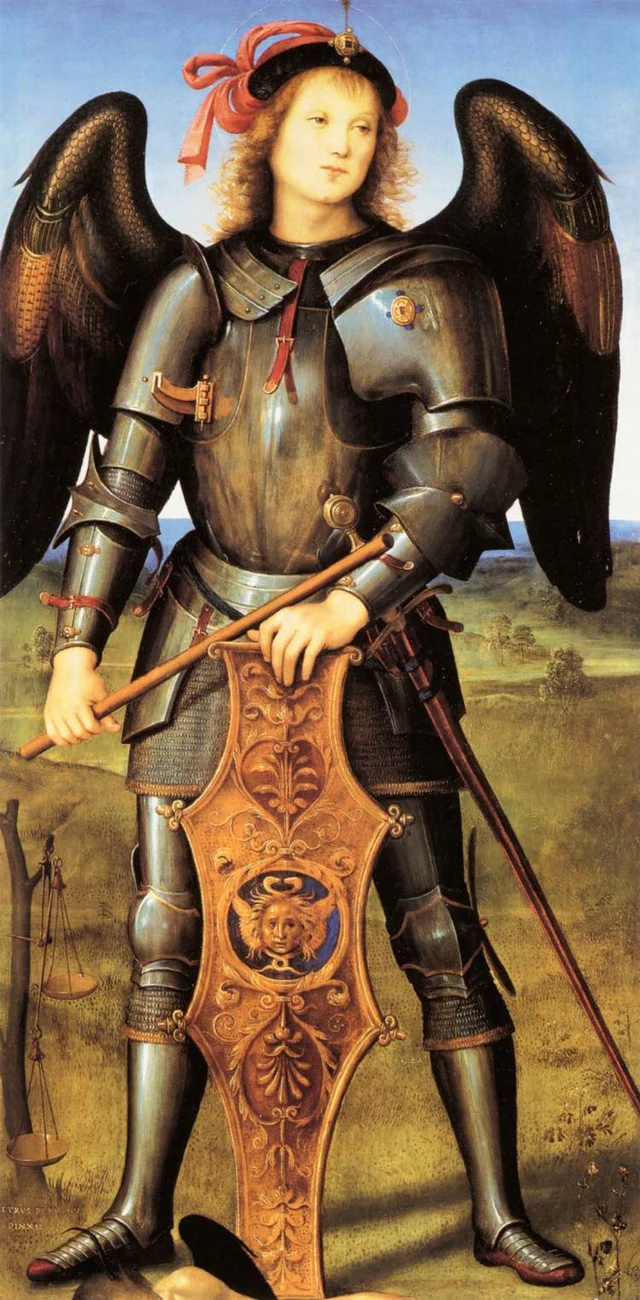 The Archangel MichaelPietro Perugino, 1496
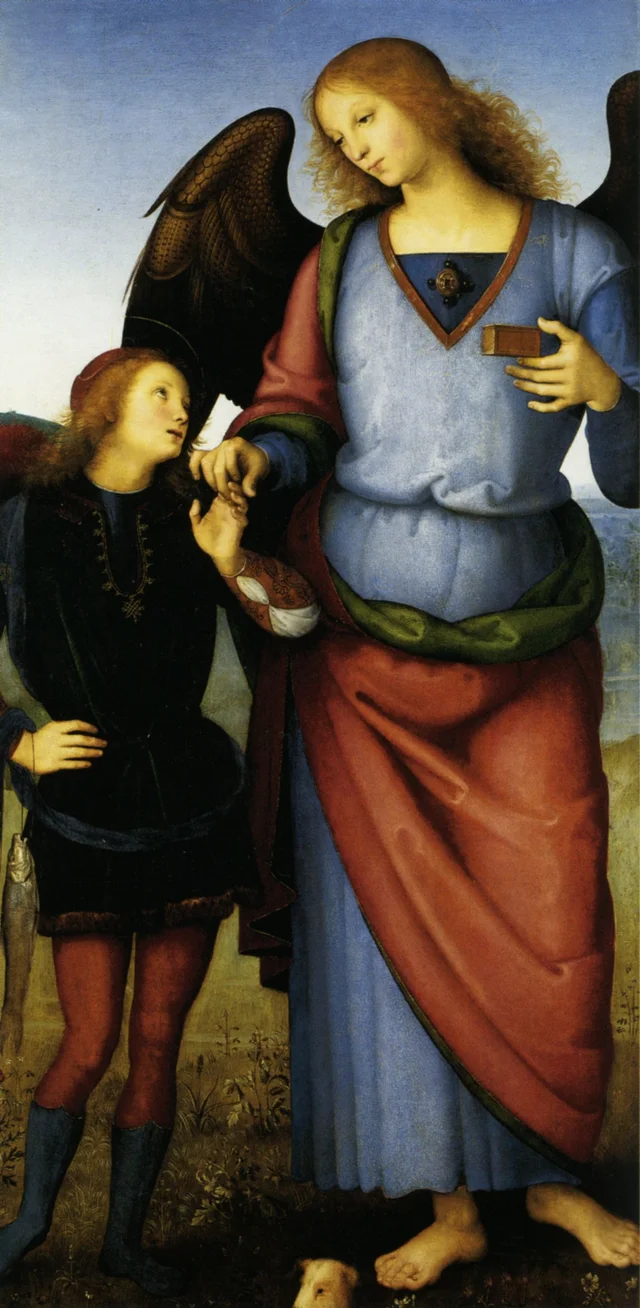 The Archangel Raphael with TobiasPietro Perugino, 1496
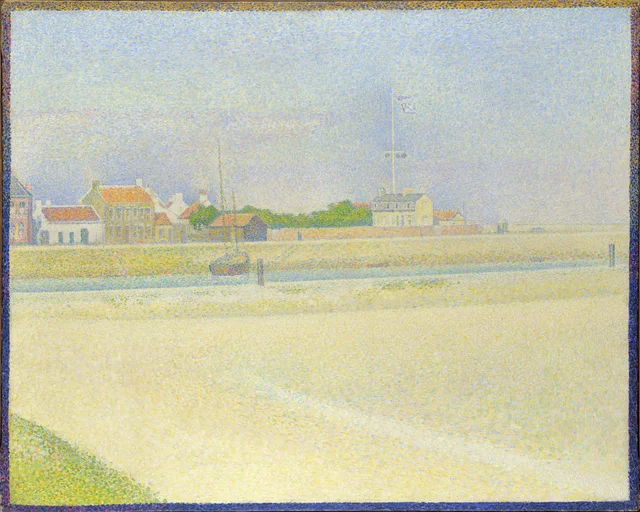 The Channel of Gravelines, Grand Fort-PhilippeGeorges Seurat, 1890
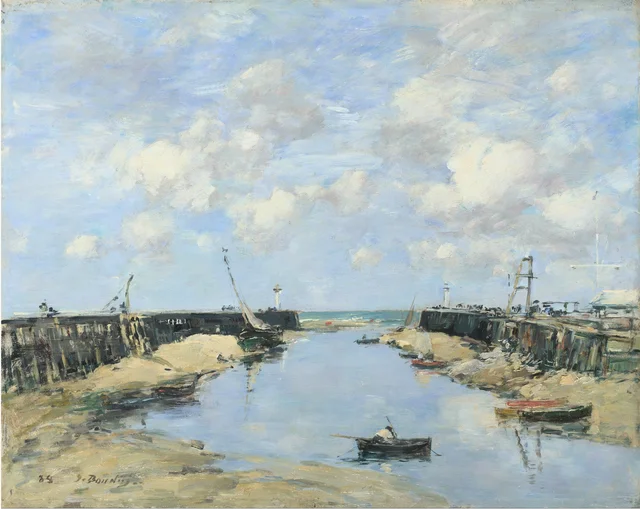 The Entrance to Trouville HarbourEugène Louis Boudin, 1888
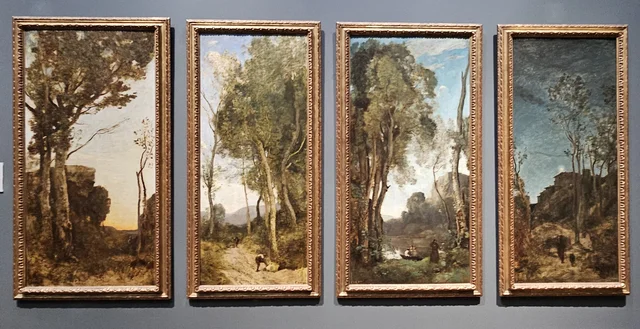 The Four Times of DayJean-Baptiste Camille Corot, 1858
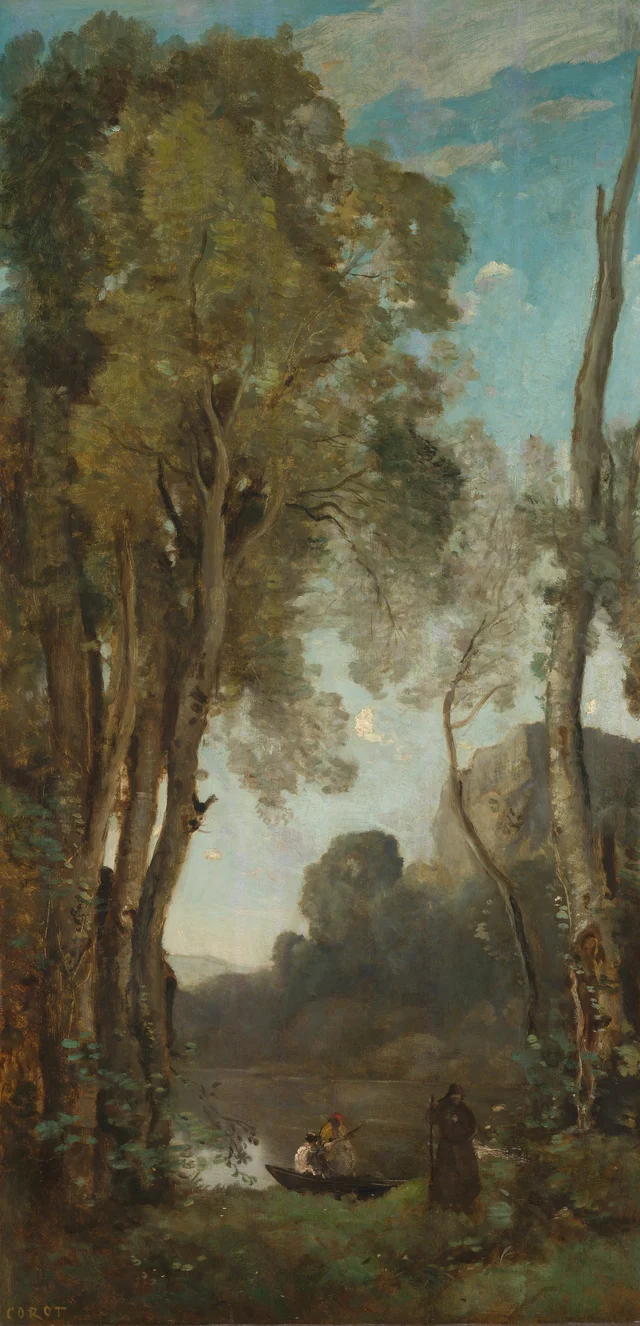 The Four Times of Day: EveningJean-Baptiste Camille Corot, 1858
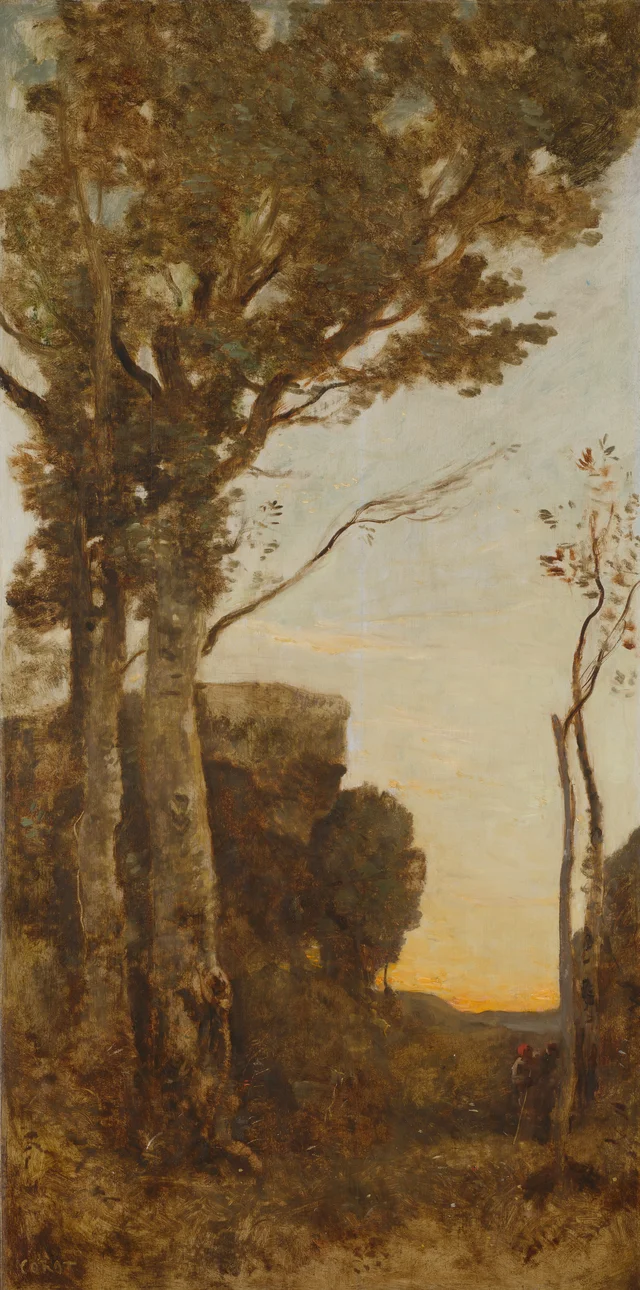 The Four Times of Day: MorningJean-Baptiste Camille Corot, 1858
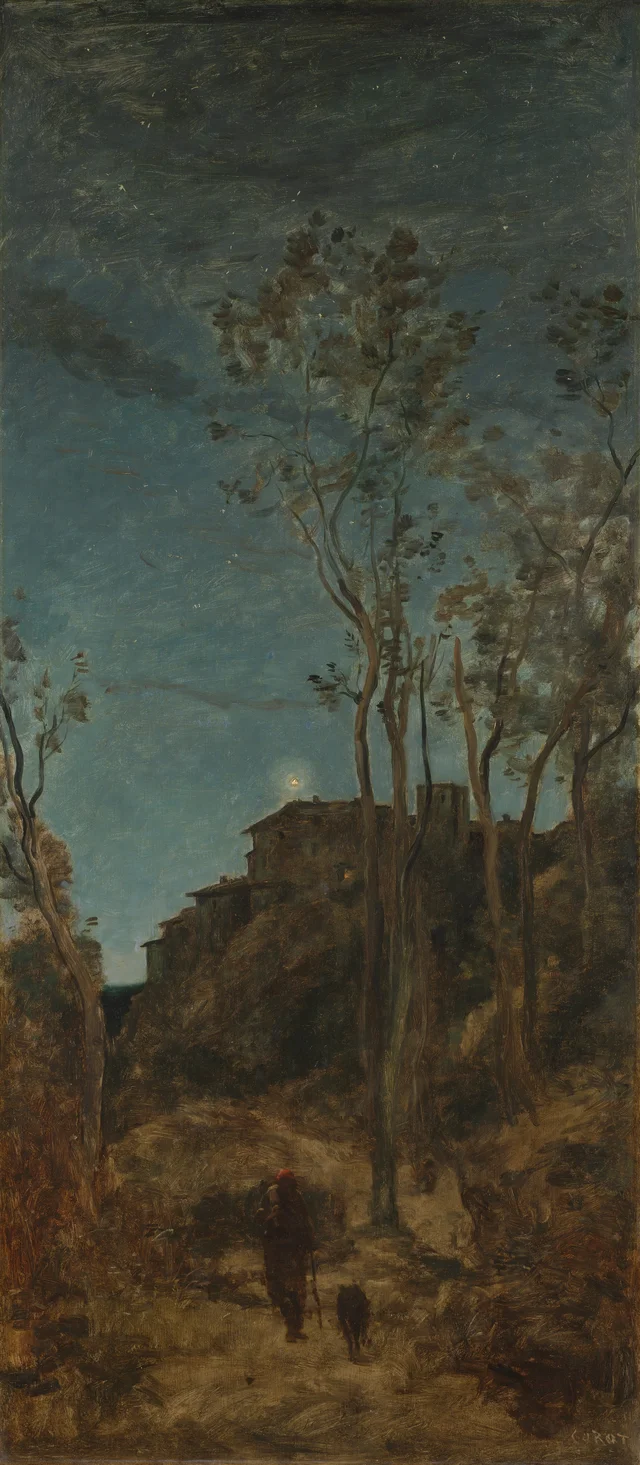 The Four Times of Day: NightJean-Baptiste Camille Corot, 1858
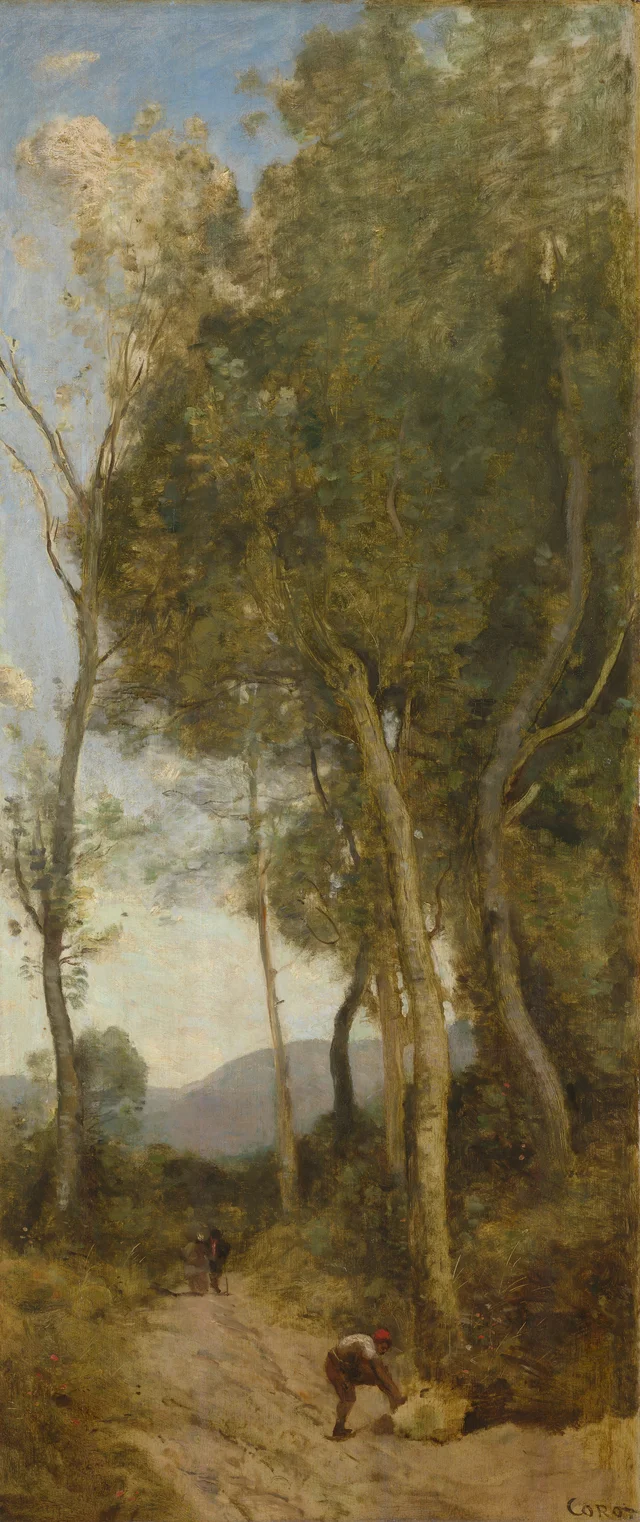 The Four Times of Day: NoonJean-Baptiste Camille Corot, 1850
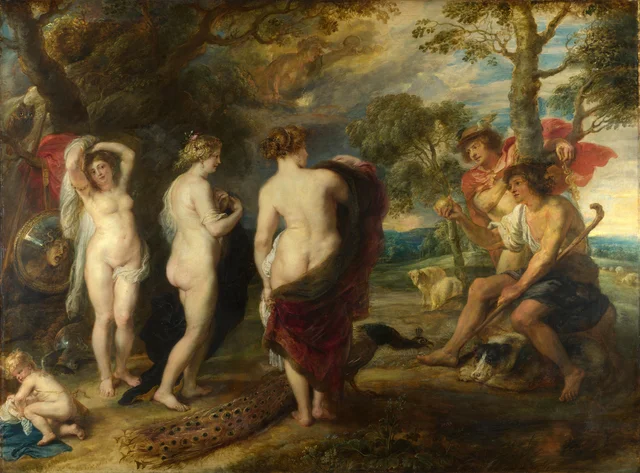 The Judgment of ParisPeter Paul Rubens, 1633
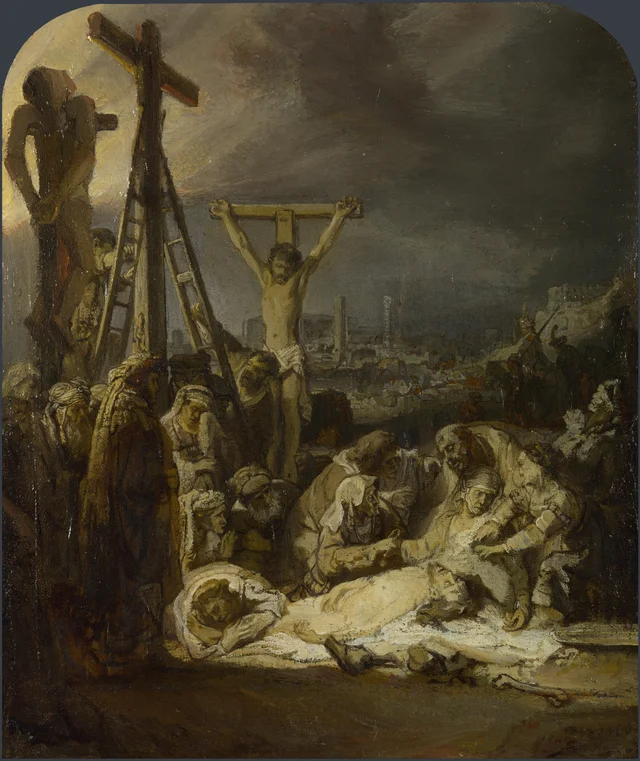 The lamentation over the dead ChristRembrandt, 1635
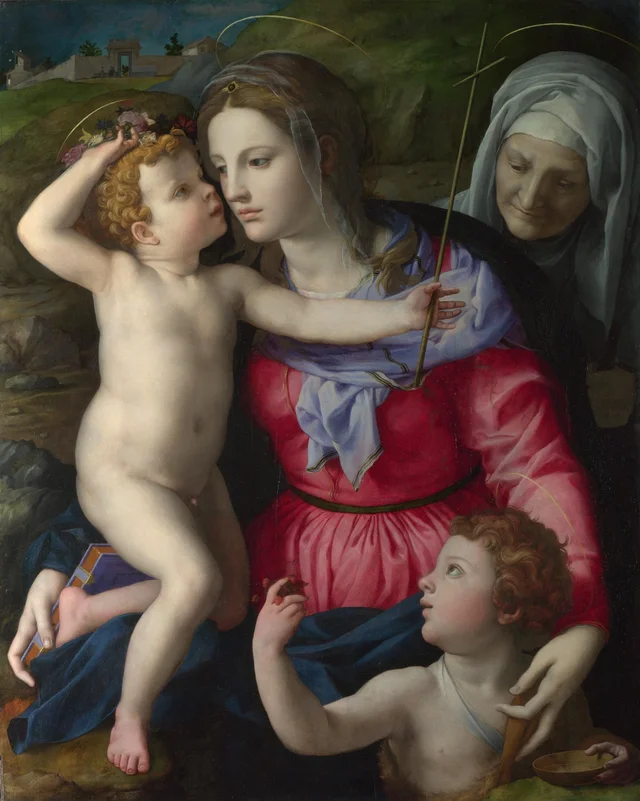 The Madonna and Child with SaintsBronzino, 1540
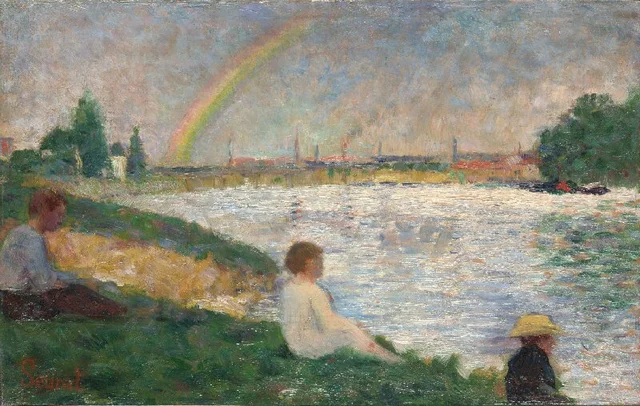 The Rainbow: Study for 'Bathers at Asnières'Georges Seurat, 1883
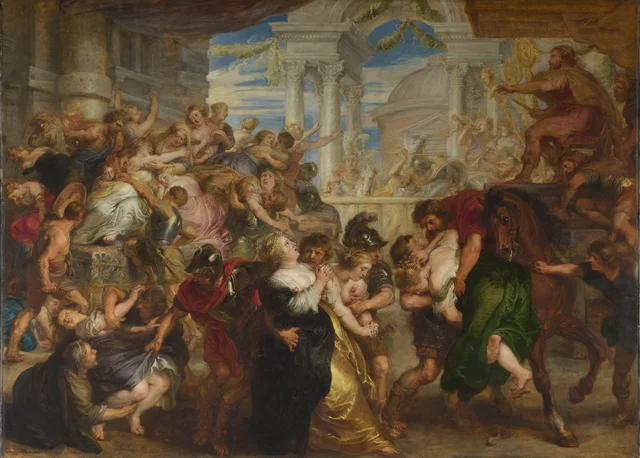 The Rape of the Sabine WomenPeter Paul Rubens, 1635
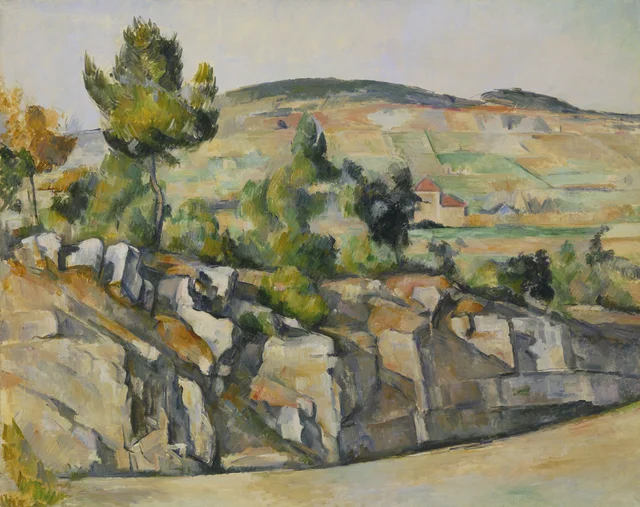 The Road in ProvencePaul Cézanne, 1891
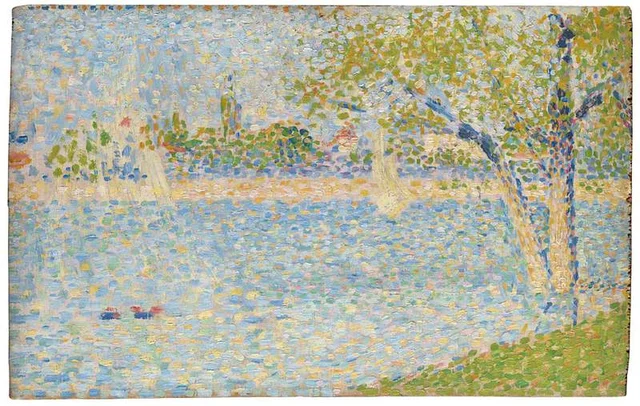 The Seine seen from La Grande JatteGeorges Seurat, 1888
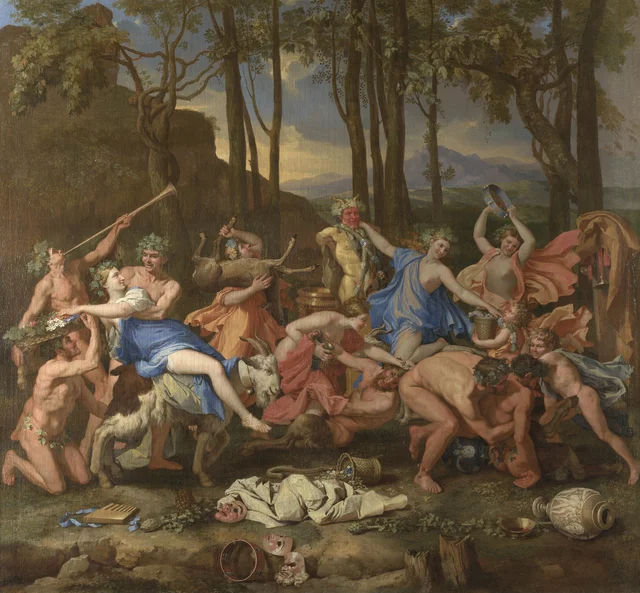 The Triumph of PanNicolas Poussin, 1636