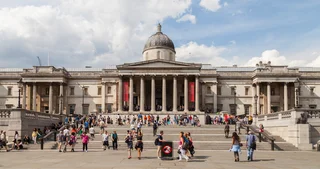
The story
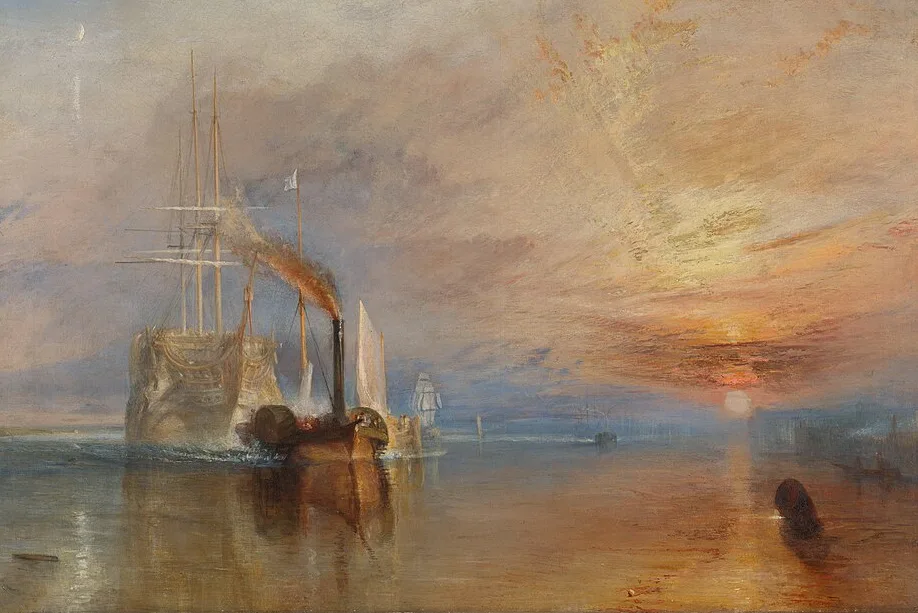
After war broke out, and with invasion expected in 1940, the National Gallery's pictures were sent away from London. By the summer of 1941 they were hidden in a slate mine in the mountains of North Wales. Someone had suggested shipping them to Canada, and Churchill answered: hide them in caves and cellars, but not one picture shall leave this island. Deep in the Manod quarry, in brick chambers built to keep humidity and temperature stable, van Eyck's Arnolfini Portrait and Turner's Fighting Temeraire waited out the Blitz while the pianist Myra Hess gave lunchtime concerts in the emptied galleries back in London.
The gallery had always belonged to the public rather than a palace. It began in 1824, when Parliament bought 38 paintings from the banker John Julius Angerstein, and it was planted deliberately at Trafalgar Square, in the centre of London, so that a clerk or a carter could reach it as easily as a lord. Its permanent collection remains free to enter.
Through the war the staff kept bringing single masterpieces back from Wales, one at a time, to hang in the bare building as a Picture of the Month for a city under bombing. The same rooms today hold the Wilton Diptych, Van Gogh's Sunflowers and Constable's Hay Wain, open to anyone who walks up the steps from the square.
More articles
Collection
648 works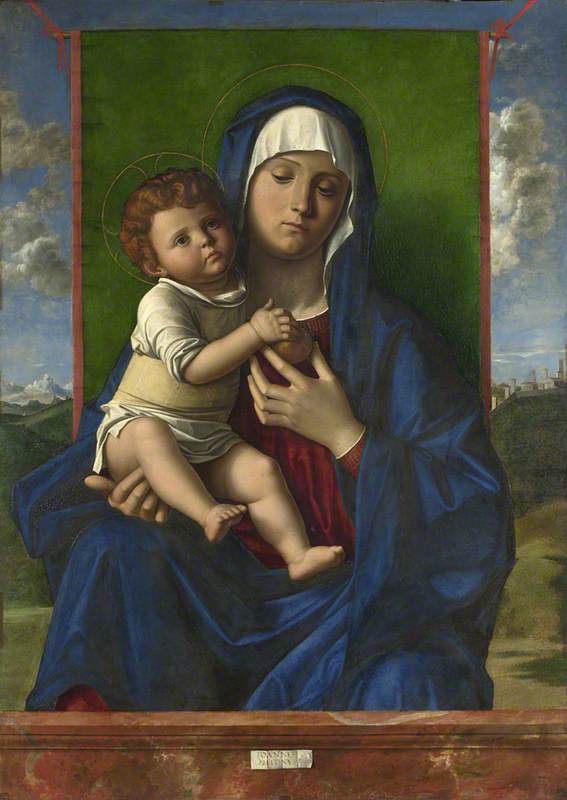 The Virgin and ChildGiovanni Bellini, 1485
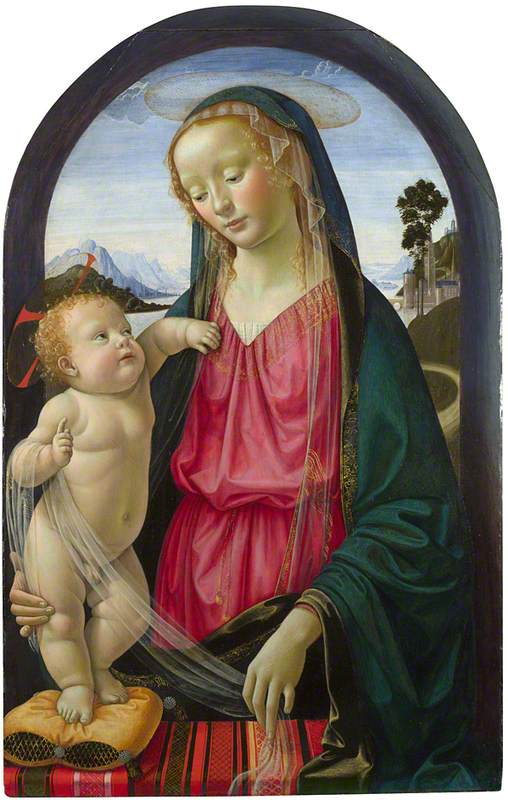 The Virgin and ChildDomenico Ghirlandaio, 1485
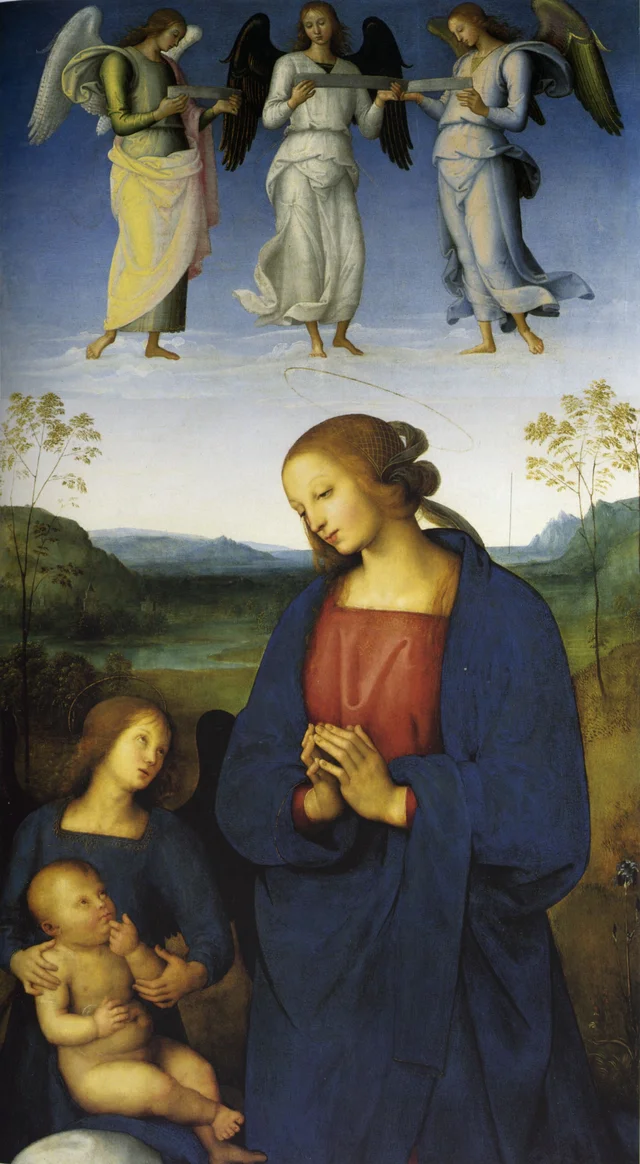 The Virgin and Child with an AngelPietro Perugino, 1496
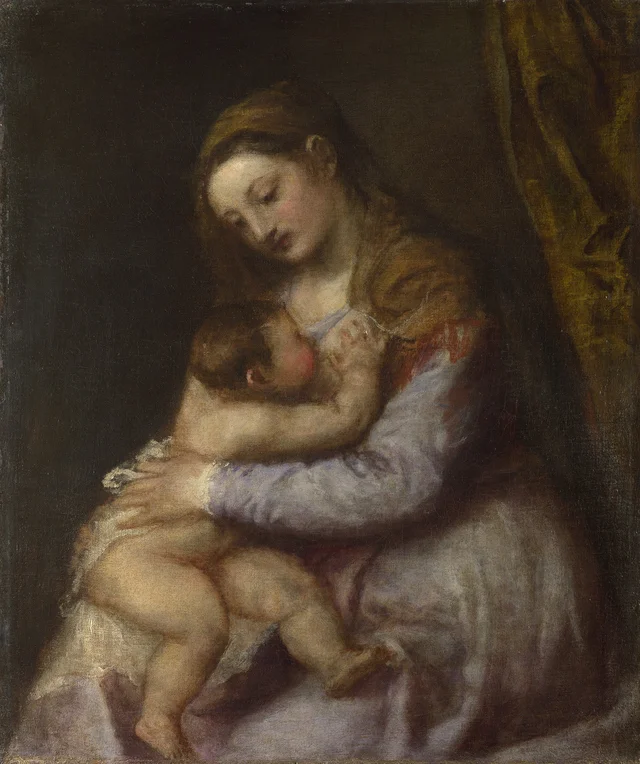 The Virgin suckling the Infant ChristTitian, 1570
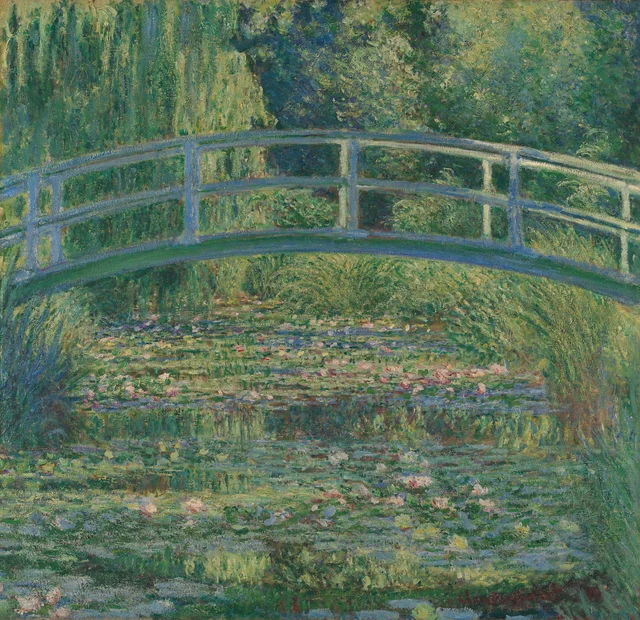 The Water-Lily PondClaude Monet, 1899
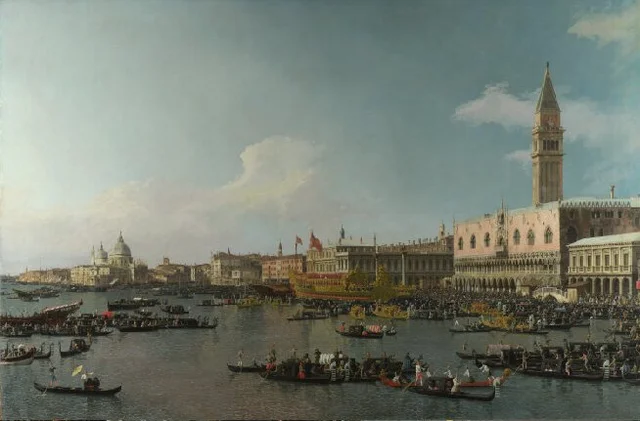 Venice: The Basin of San Marco on Ascension DayCanaletto, 1740
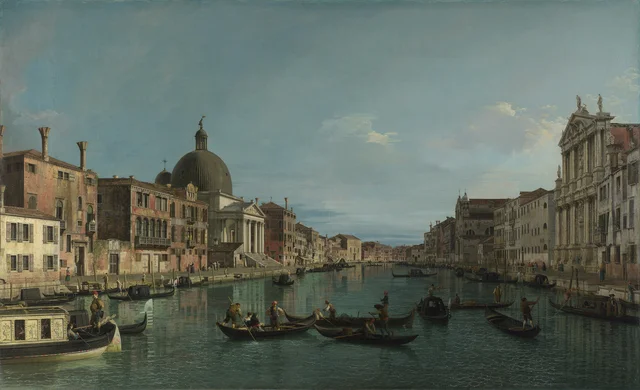 Venice: The Upper Reaches of the Grand Canal with S. Simeone PiccoloCanaletto, 1740
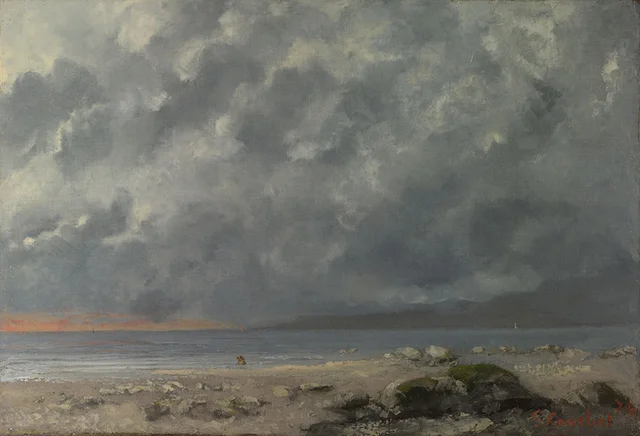 View of Lac LémanGustave Courbet, 1874
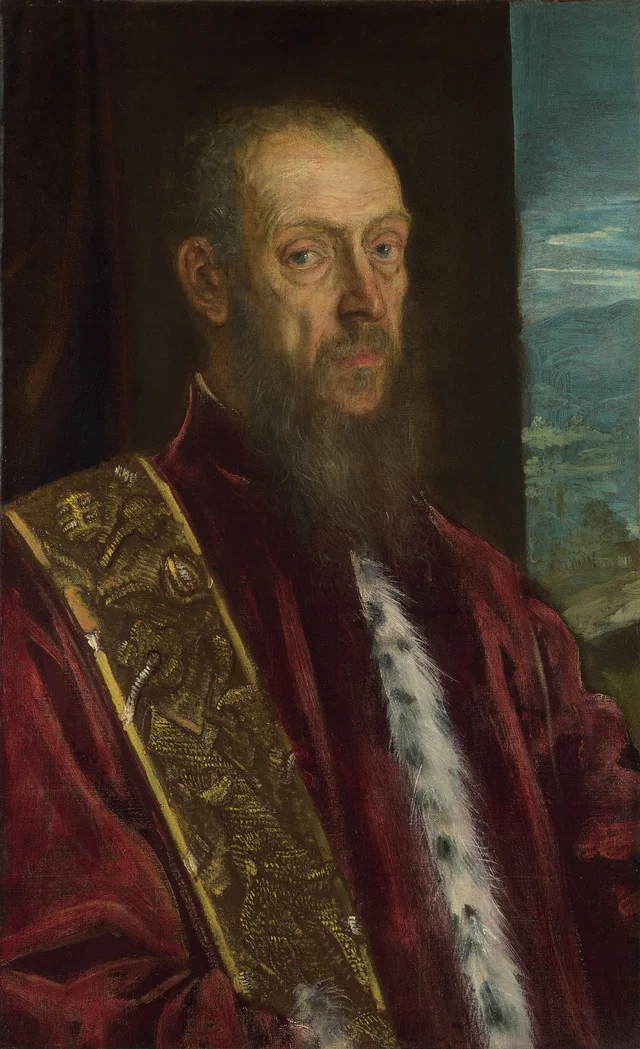 Vincenzo MorosiniJacopo Tintoretto, 1577
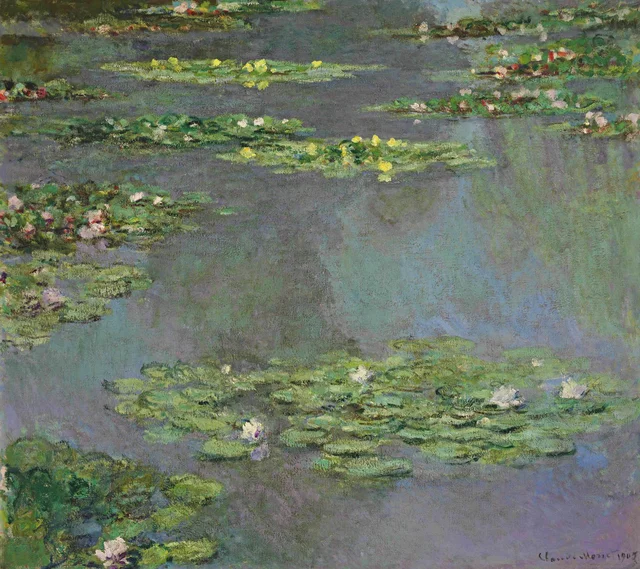 Water LiliesClaude Monet, 1905
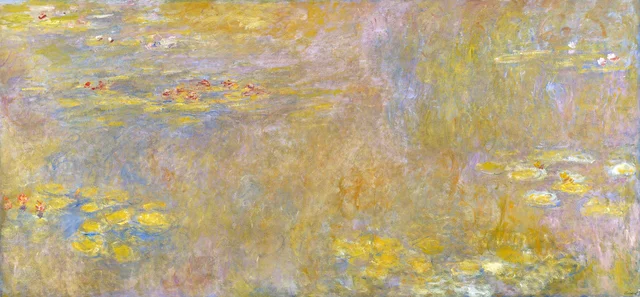 Water-LiliesClaude Monet, 1916
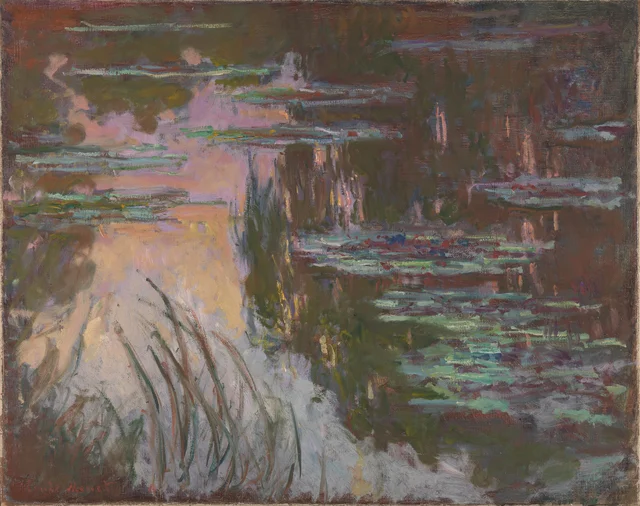 Water-Lilies, Setting SunClaude Monet, 1907
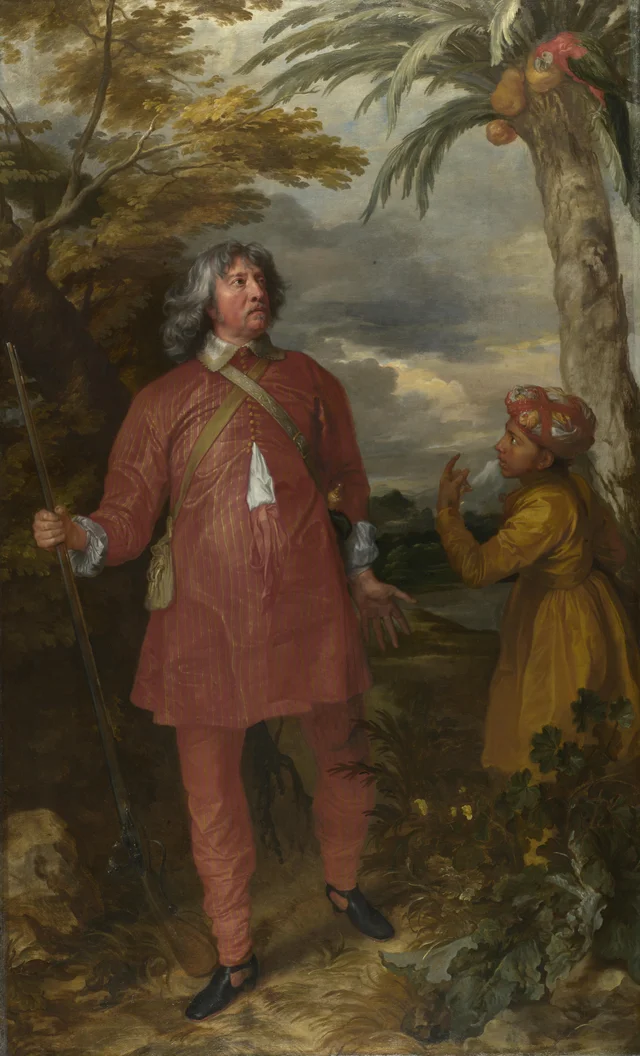 William Feilding, 1st Earl of DenbighAnthony van Dyck, 1633
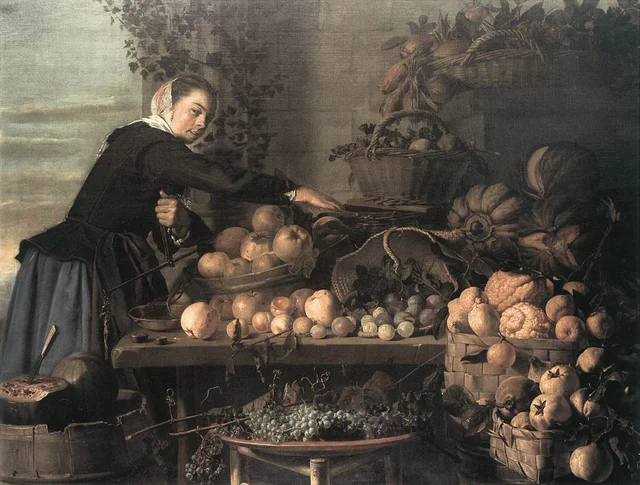 Young Woman with a Display of Fruit and VegetablesFrans Hals, 1630
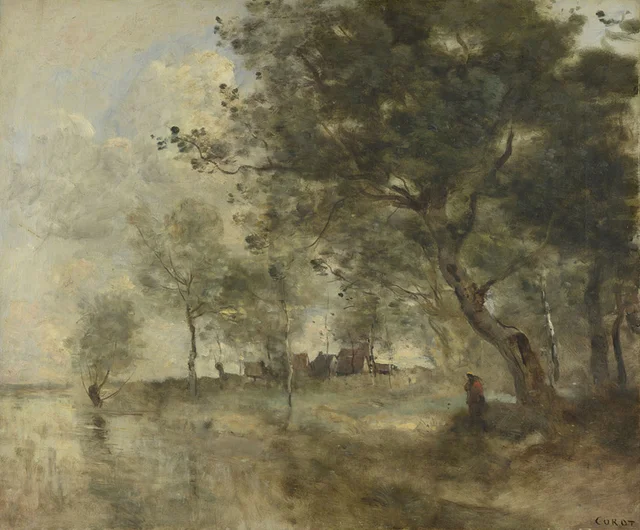 A FloodJean-Baptiste Camille Corot, 1872
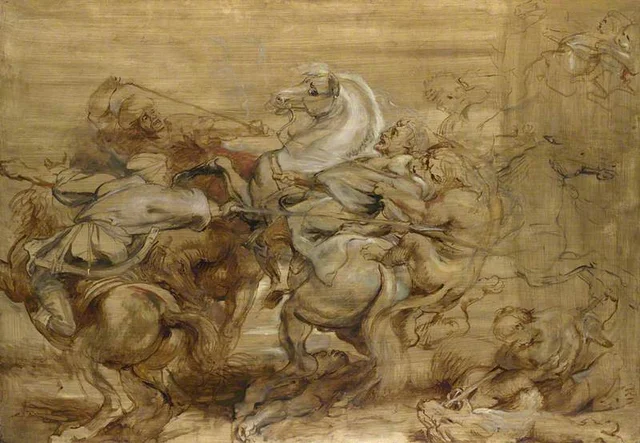 A Lion HuntPeter Paul Rubens, 1614
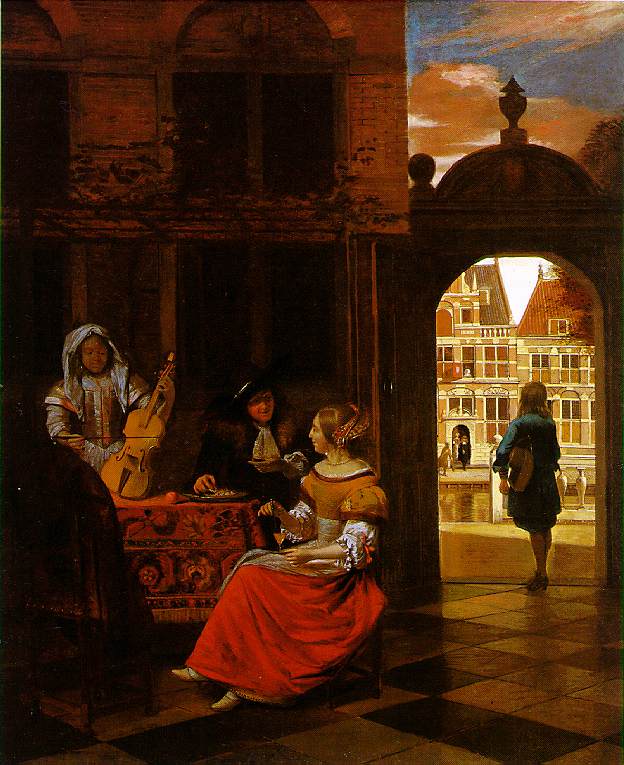 A Musical Party in a CourtyardPieter de Hooch, 1677
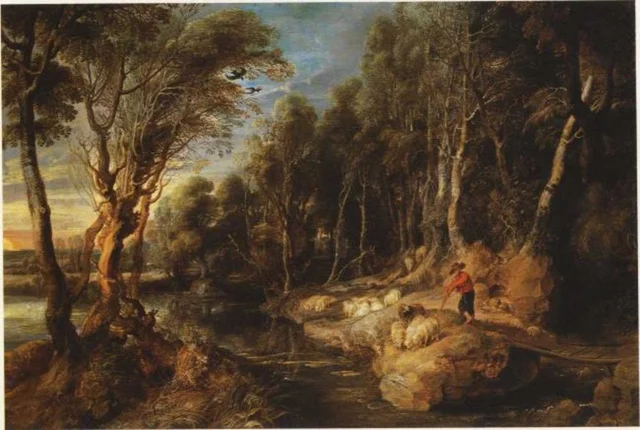 A Shepherd with his Flock in a Woody LandscapePeter Paul Rubens, 1618
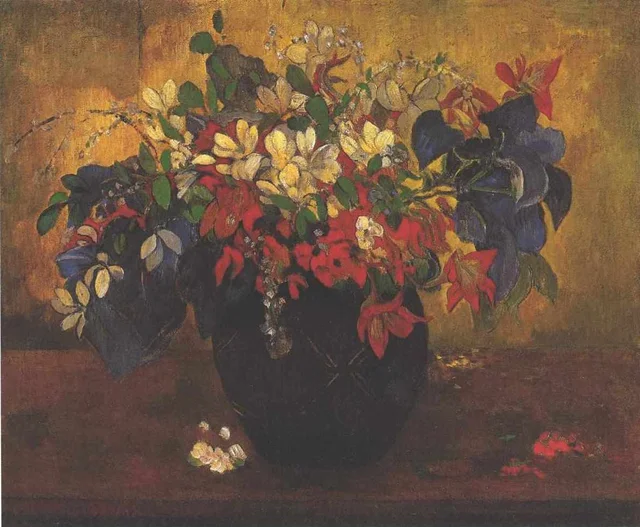 A Vase of FlowersPaul Gauguin, 1896
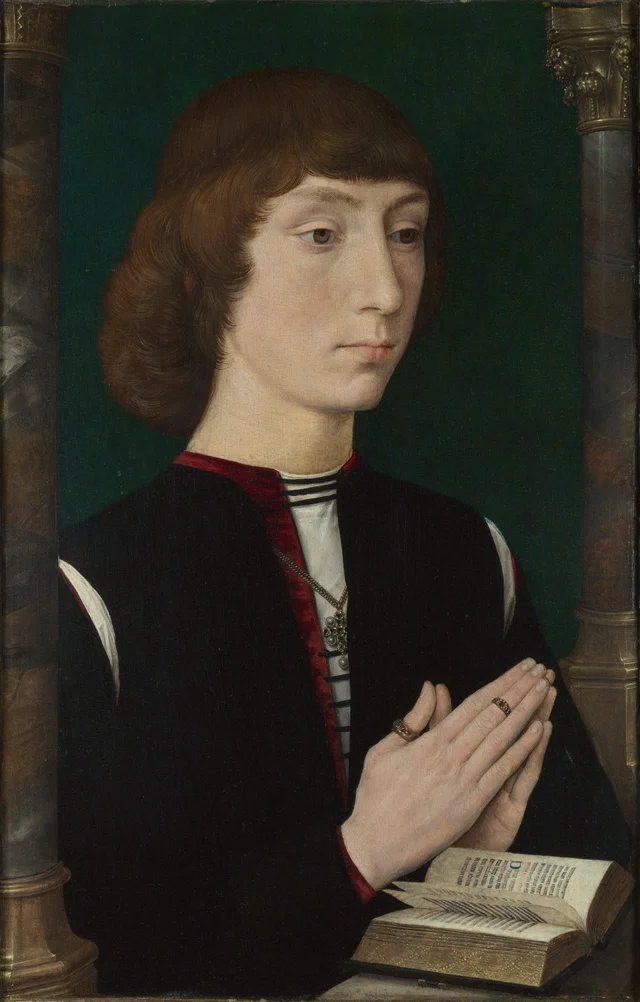 A Young Man at PrayerHans Memling, 1475
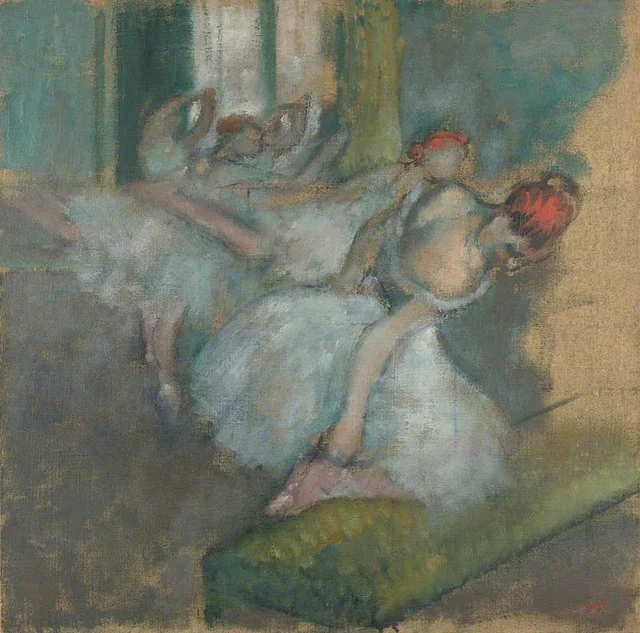 Ballet DancersEdgar Degas, 1895
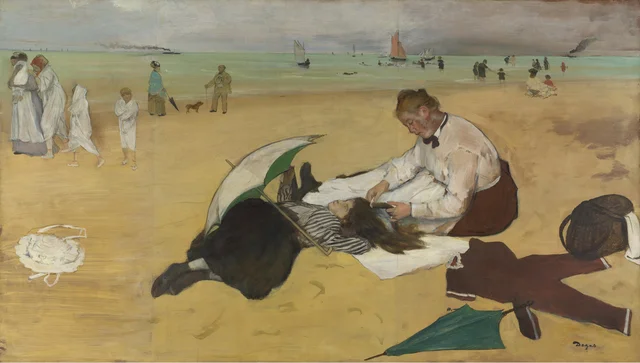 Beach SceneEdgar Degas, 1876
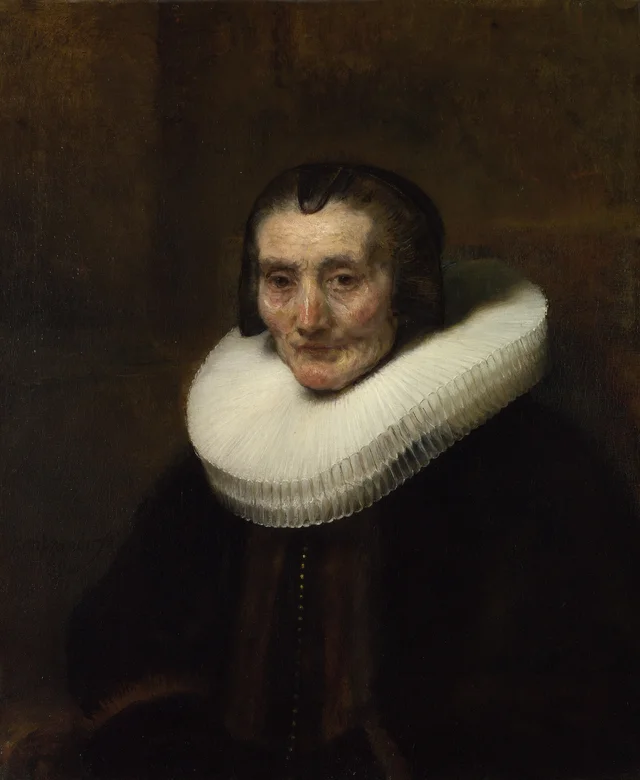 Bust of Margaretha de GeerAttributed to Rembrandt, 1661
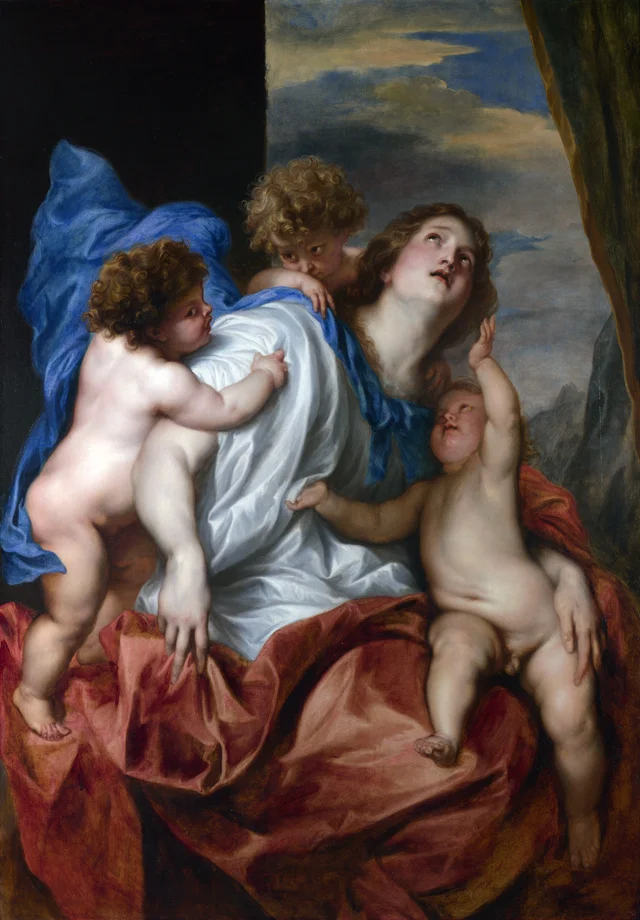 CharityAnthony van Dyck, 1627
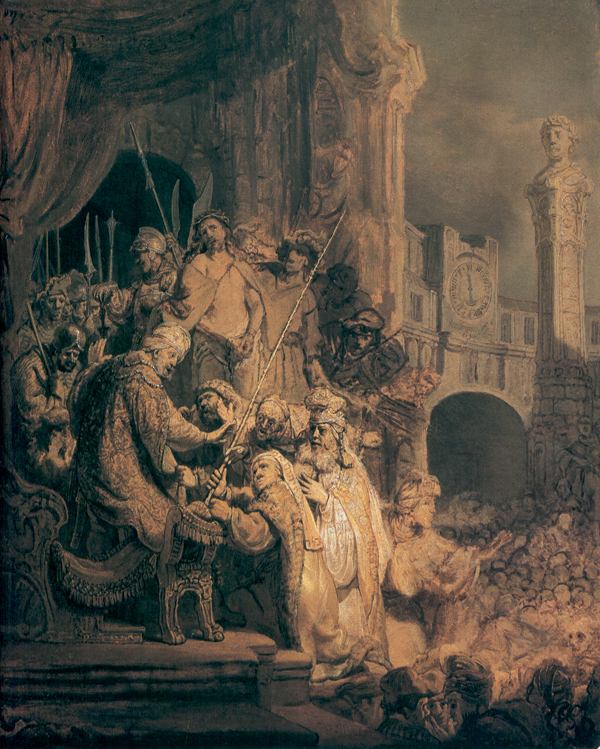 Christ before Pilate (Ecce Homo)Rembrandt, 1634