The story
Tate is really four galleries, and its most-visited one used to make electricity. Tate Modern occupies the old Bankside Power Station on the south bank of the Thames in London, a brick hulk with a single tall chimney, designed by Giles Gilbert Scott, the man behind the red telephone box. After it closed, the turbine hall that once held the generators was left as a vast empty room five storeys high, and since 2000 it has been used for enormous commissioned works — a crack running the length of the floor, a giant indoor sun of mist and light.
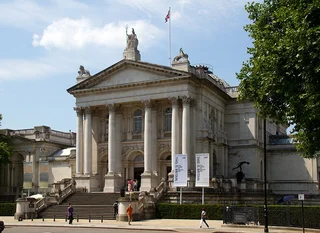
The institution started with sugar. Henry Tate made his money on the sugar cube, and in 1897 he paid to build a gallery for British art at Millbank, upriver, on the site of a demolished prison. That building is now Tate Britain, and it holds the Turner Bequest, the thousands of oils and watercolours J.M.W. Turner left to the nation on his death in 1851.
Between them the two London sites split the collection by era, with Tate Britain taking British art back to the 16th century and Tate Modern taking international modern and contemporary work. Two more galleries carry the name outside the capital, Tate Liverpool and Tate St Ives on the Cornish coast, the latter built above a beach where some of the painters it shows once worked.
Collection
118 works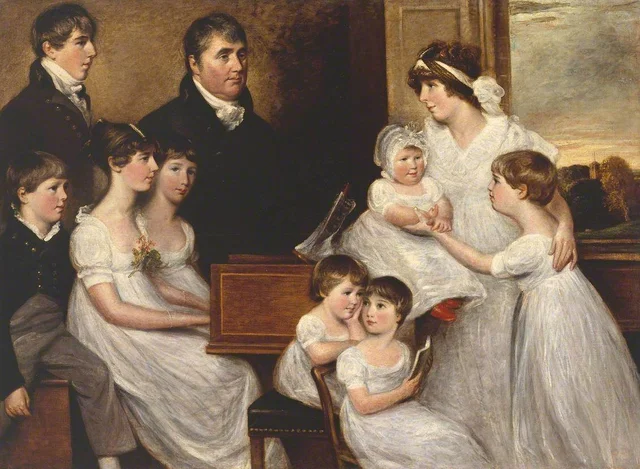 The Bridges FamilyJohn Constable, 1804
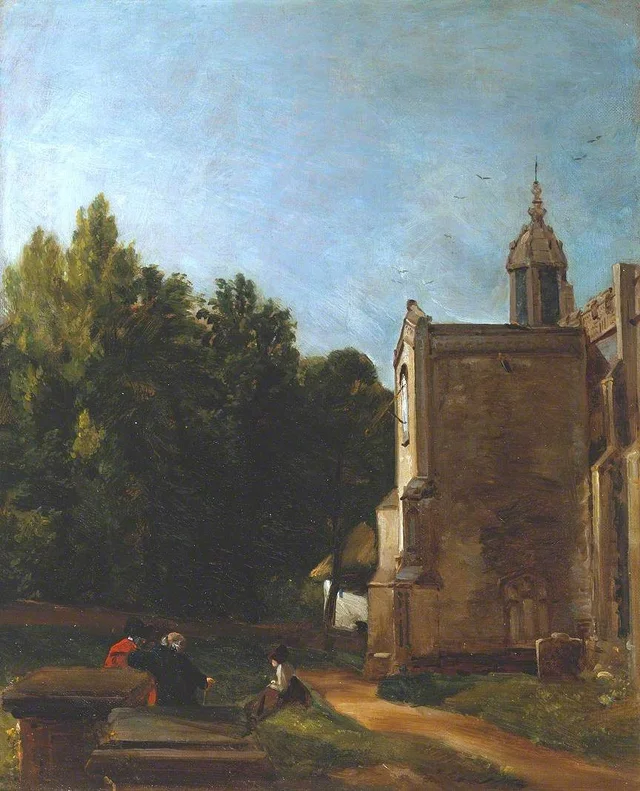 The Church Porch, East BergholtJohn Constable, 1810
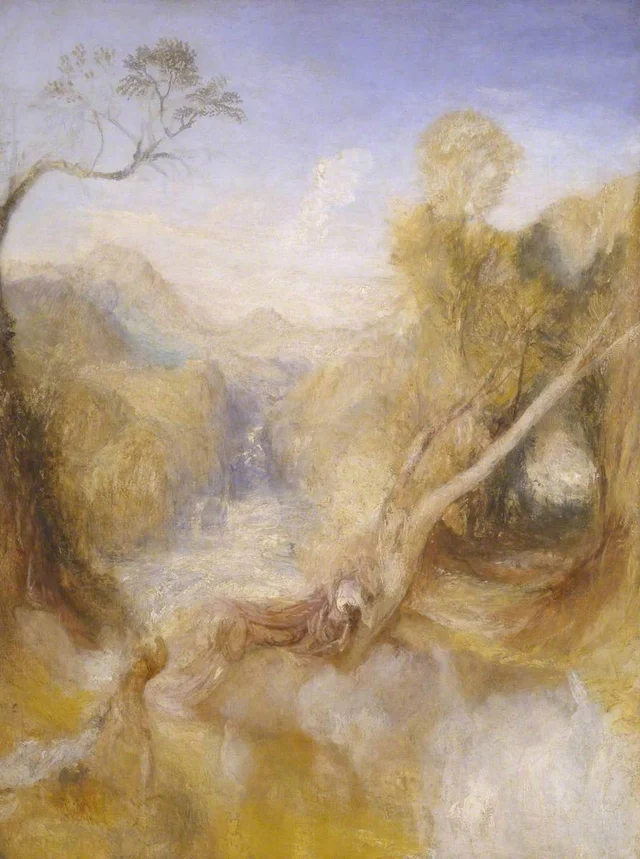 The Death of Actaeon, with a Distant View of Montjovet, Val d’AostaJ. M. W. Turner, 1837
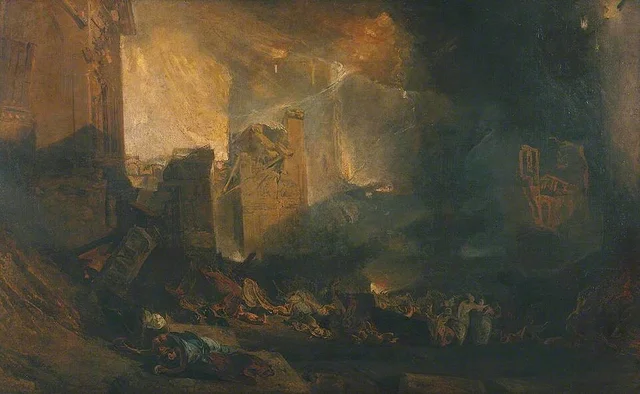 The Destruction of SodomJ. M. W. Turner, 1805
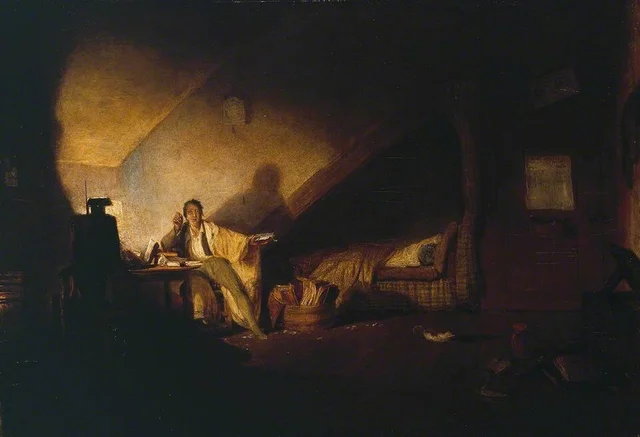 The Garreteer’s PetitionJ. M. W. Turner, 1809
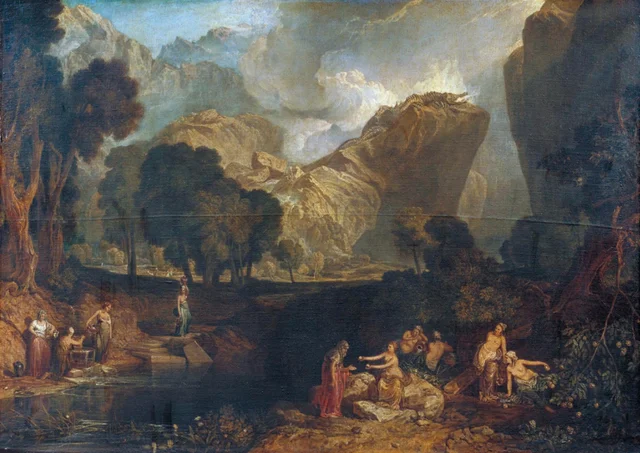 The Goddess of Discord Choosing the Apple of Contention in the Garden of the HesperidesJ. M. W. Turner, 1806
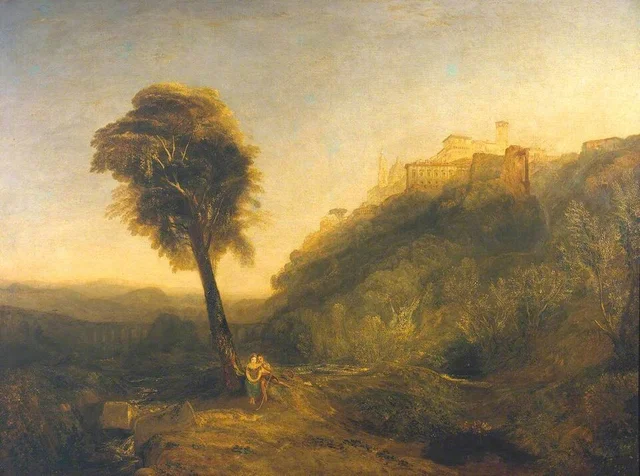 The Loretto NecklaceJ. M. W. Turner, 1829
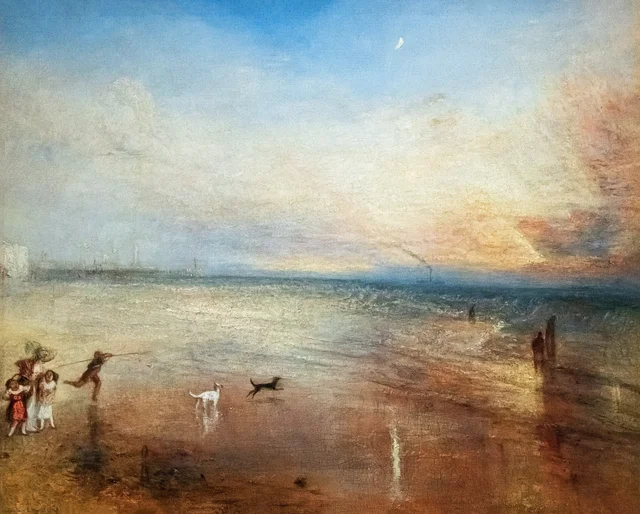 The New Moon; or, ‘I’ve lost My Boat, You shan’t have Your Hoop’J. M. W. Turner, 1840
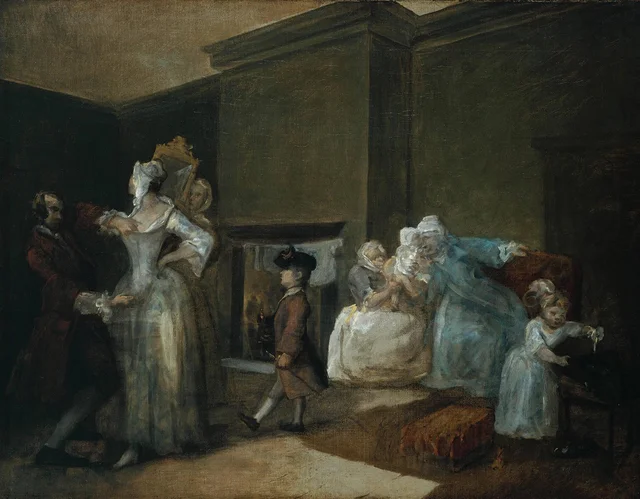 The Staymaker (? The Happy Marriage V: The Fitting of the Ball Gown)William Hogarth, 1745
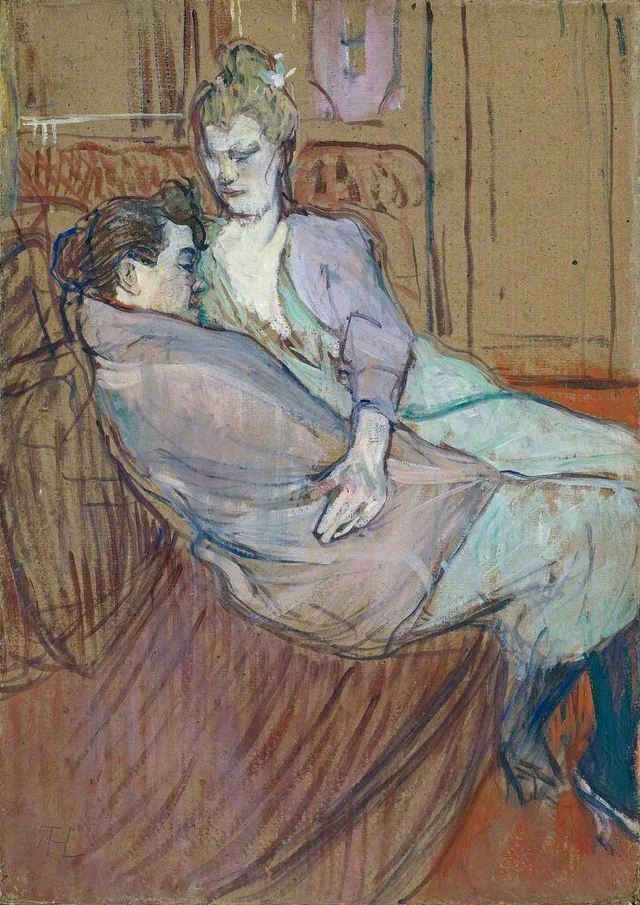 The Two FriendsHenri de Toulouse-Lautrec, 1894
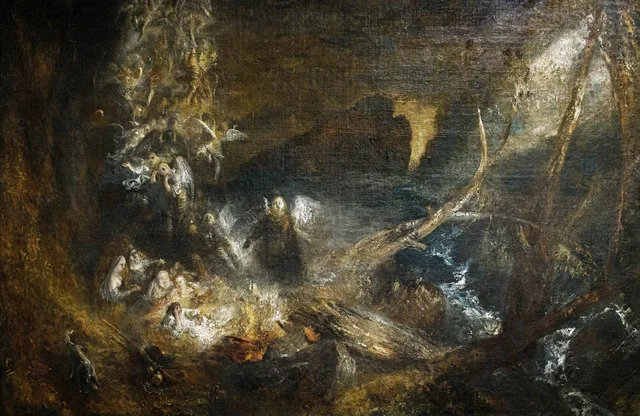 The Vision of Jacob’s Ladder (?)J. M. W. Turner, 1830
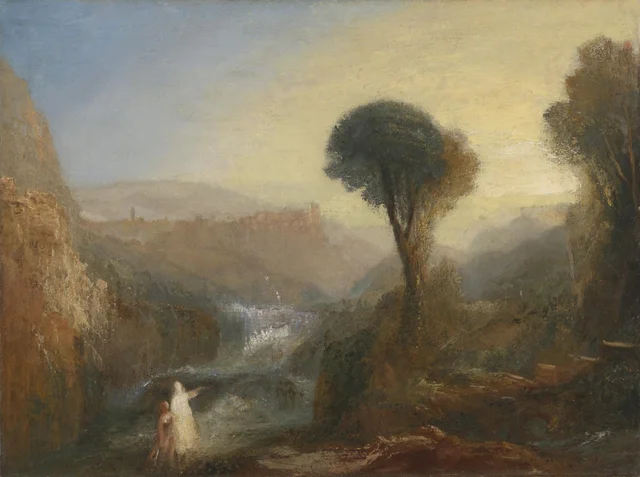 Tivoli: Tobias and the AngelJ. M. W. Turner, 1835
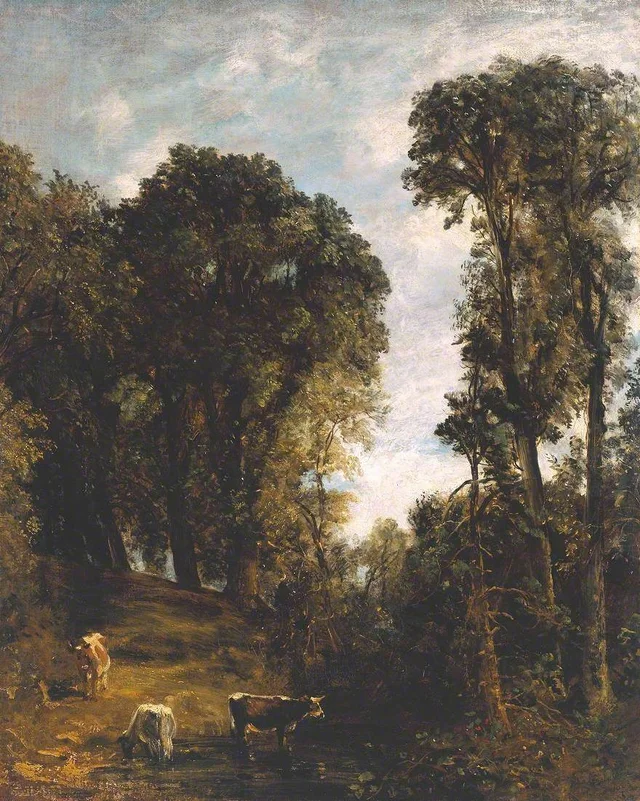 Trees at HampsteadJohn Constable, 1829
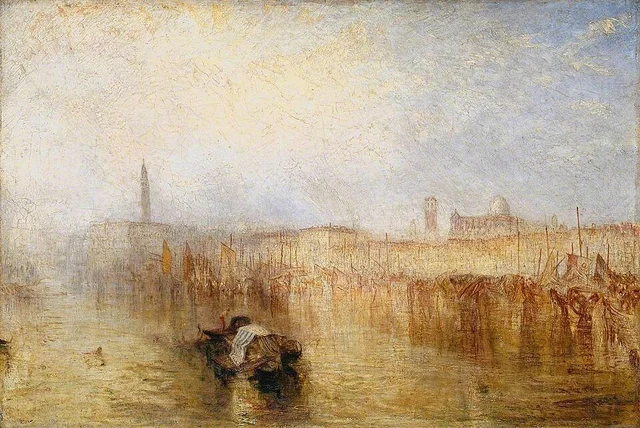 Venice Quay, Ducal PalaceJ. M. W. Turner, 1844
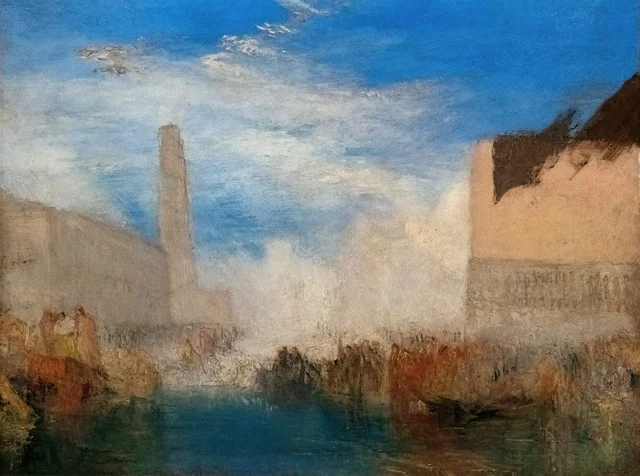 Venice, the Piazzetta with the Ceremony of the Doge Marrying the SeaJ. M. W. Turner, 1835
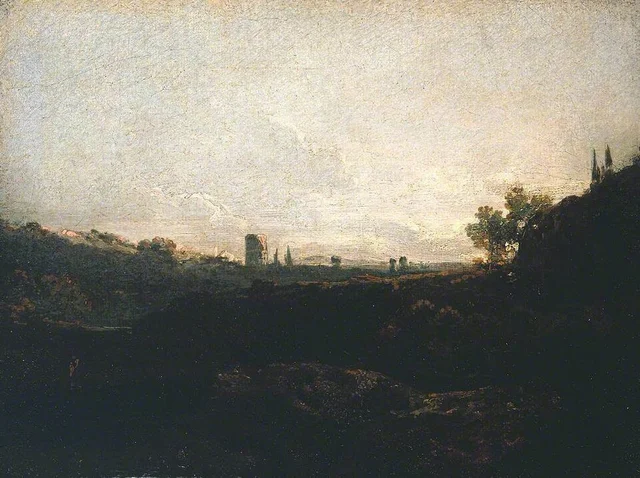 View of a TownJ. M. W. Turner, 1798
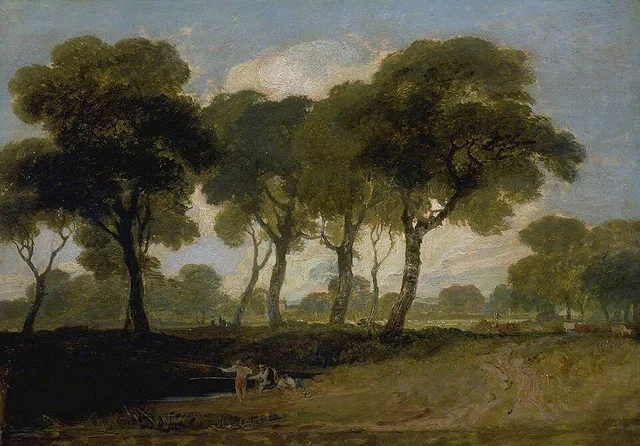 View on Clapham CommonJ. M. W. Turner, 1802
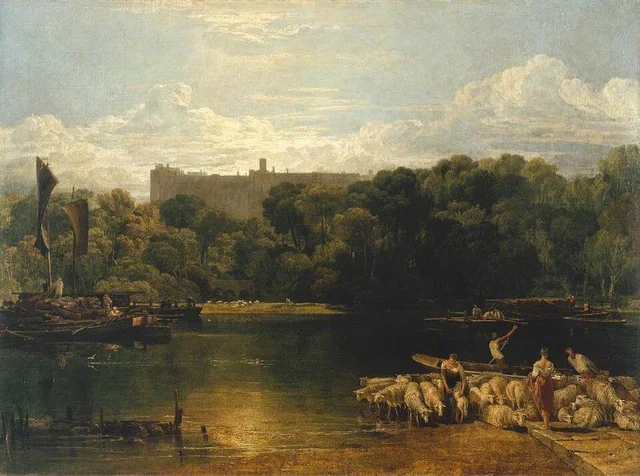 Windsor Castle from the ThamesJ. M. W. Turner, 1805