The story
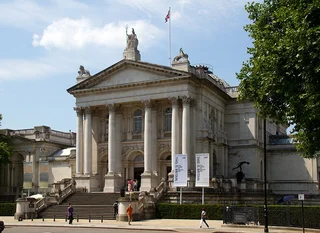
Tate is really four galleries, and its most-visited one used to make electricity. Tate Modern occupies the old Bankside Power Station on the south bank of the Thames in London, a brick hulk with a single tall chimney, designed by Giles Gilbert Scott, the man behind the red telephone box. After it closed, the turbine hall that once held the generators was left as a vast empty room five storeys high, and since 2000 it has been used for enormous commissioned works — a crack running the length of the floor, a giant indoor sun of mist and light.
The institution started with sugar. Henry Tate made his money on the sugar cube, and in 1897 he paid to build a gallery for British art at Millbank, upriver, on the site of a demolished prison. That building is now Tate Britain, and it holds the Turner Bequest, the thousands of oils and watercolours J.M.W. Turner left to the nation on his death in 1851.
Between them the two London sites split the collection by era, with Tate Britain taking British art back to the 16th century and Tate Modern taking international modern and contemporary work. Two more galleries carry the name outside the capital, Tate Liverpool and Tate St Ives on the Cornish coast, the latter built above a beach where some of the painters it shows once worked.
Collection
118 works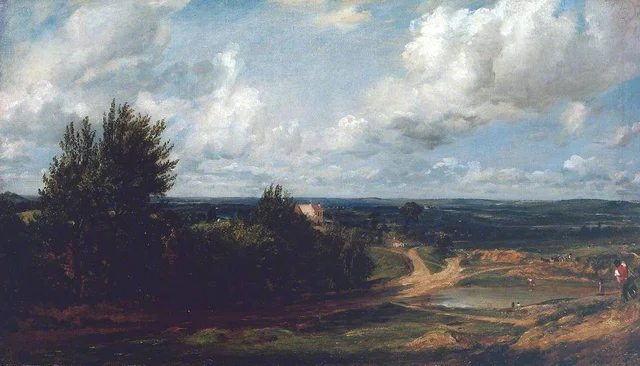 Hampstead Heath, with the House Called ‘The Salt Box’John Constable, 1819
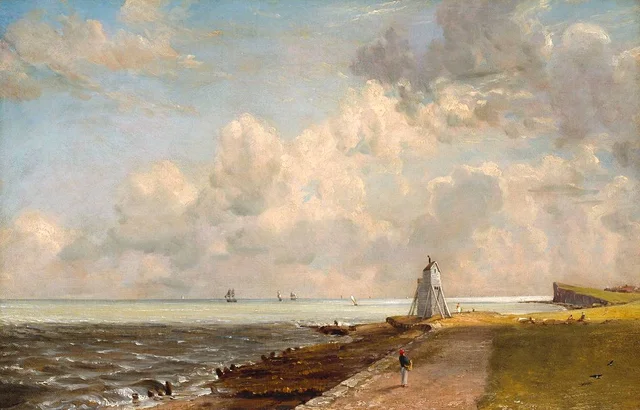 Harwich LighthouseJohn Constable, 1820
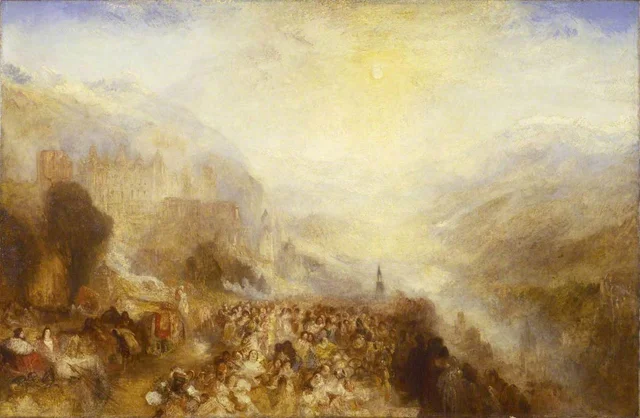 HeidelbergJ. M. W. Turner, 1844
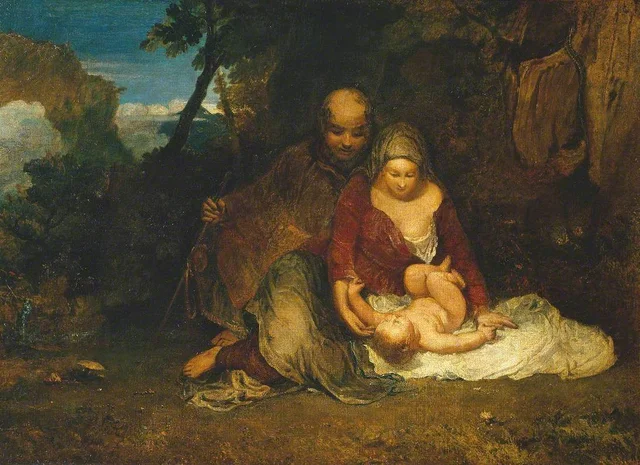 Holy FamilyJ. M. W. Turner, 1803
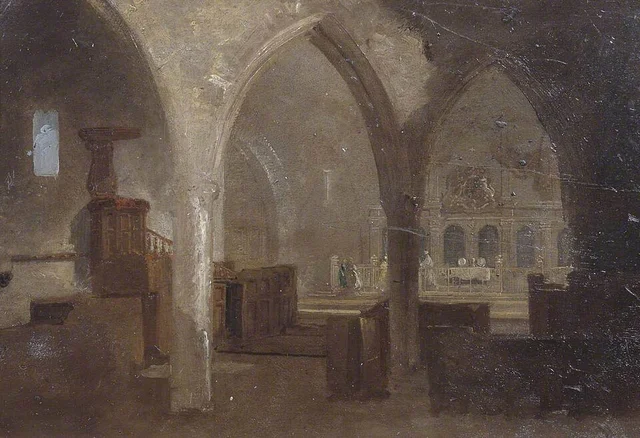 Interior of a Gothic ChurchJ. M. W. Turner, 1797
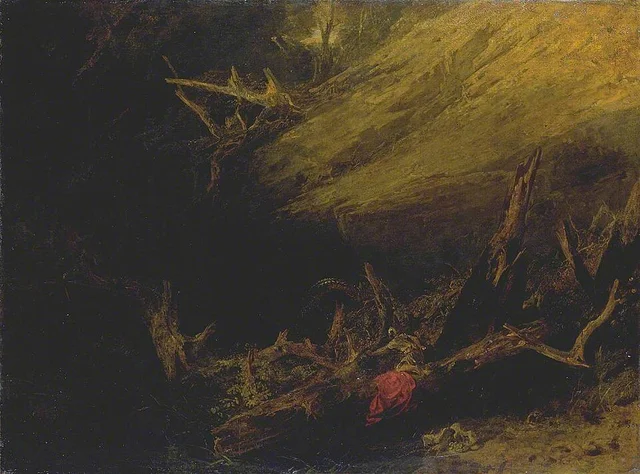 JasonJ. M. W. Turner, 1802
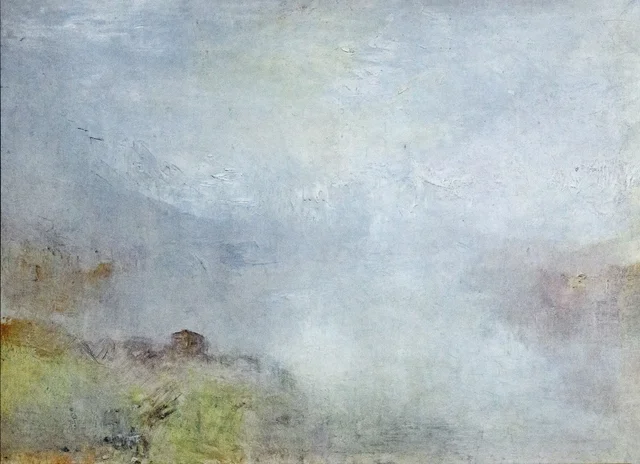 Lake Lucerne: the Bay of Uri from above BrunnenJ. M. W. Turner, 1844
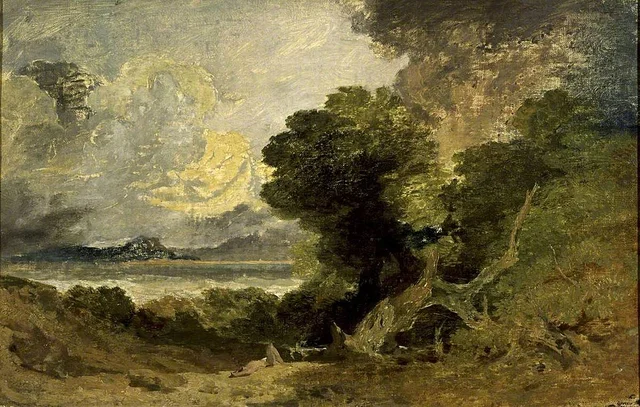 Landscape with Lake and Fallen TreeJ. M. W. Turner, 1800
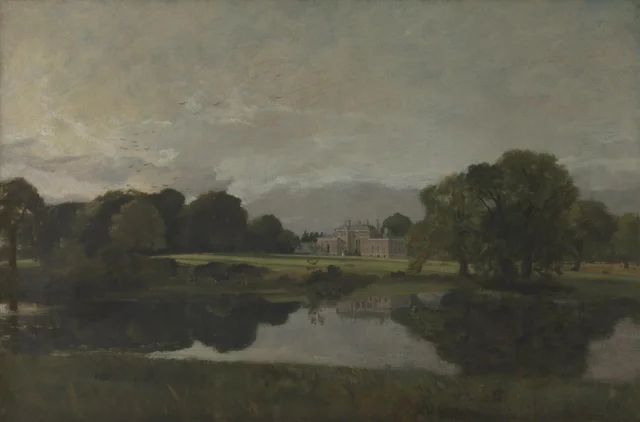 Malvern Hall, WarwickshireJohn Constable, 1809
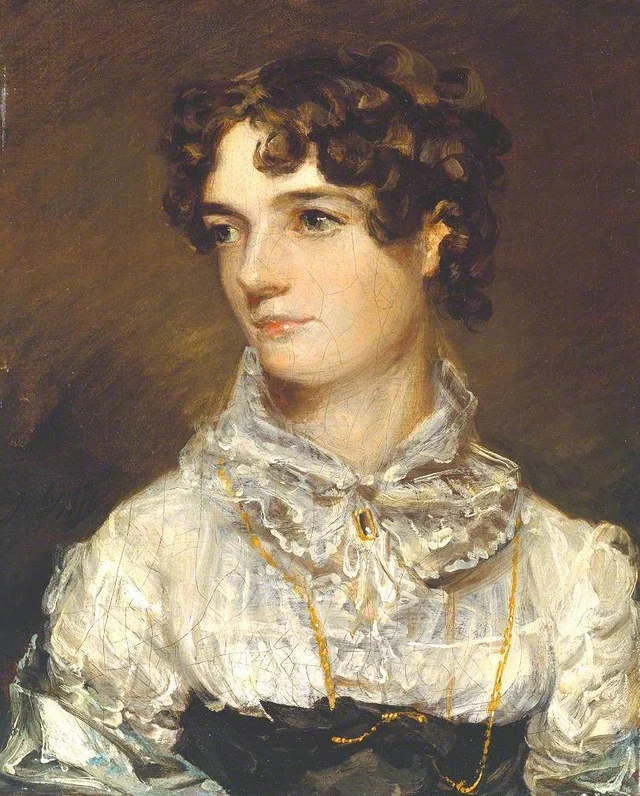 Maria Bicknell, Mrs John ConstableJohn Constable, 1816
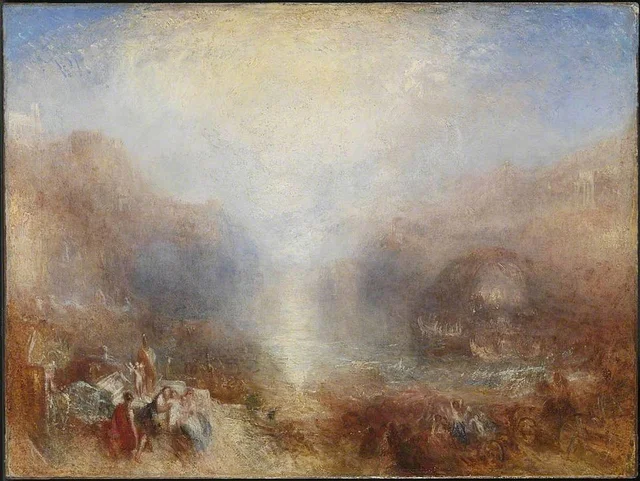 Mercury Sent to Admonish AeneasJ. M. W. Turner, 1850
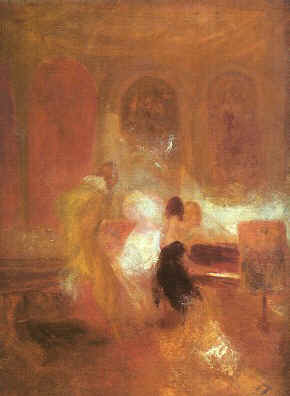 Music Party East Cowes CastleJ. M. W. Turner, 1835
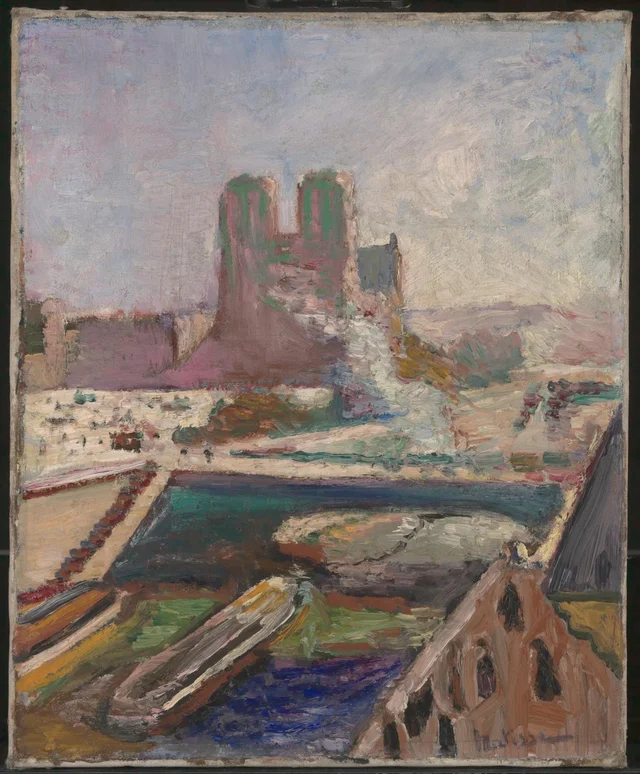 Notre-DameHenri Matisse, 1900
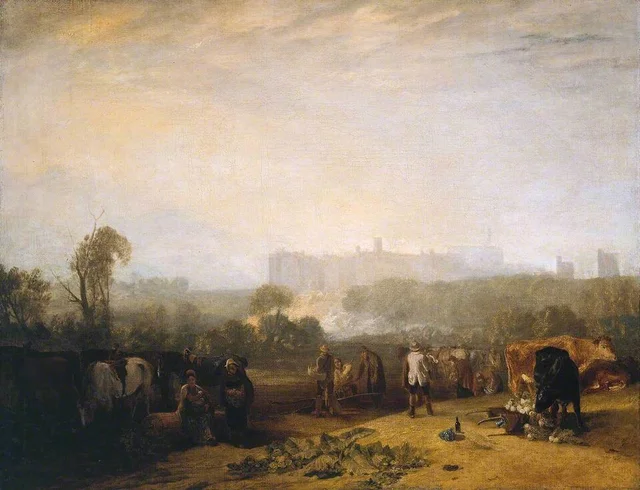 Ploughing Up Turnips, near Slough (‘Windsor’)J. M. W. Turner, 1809
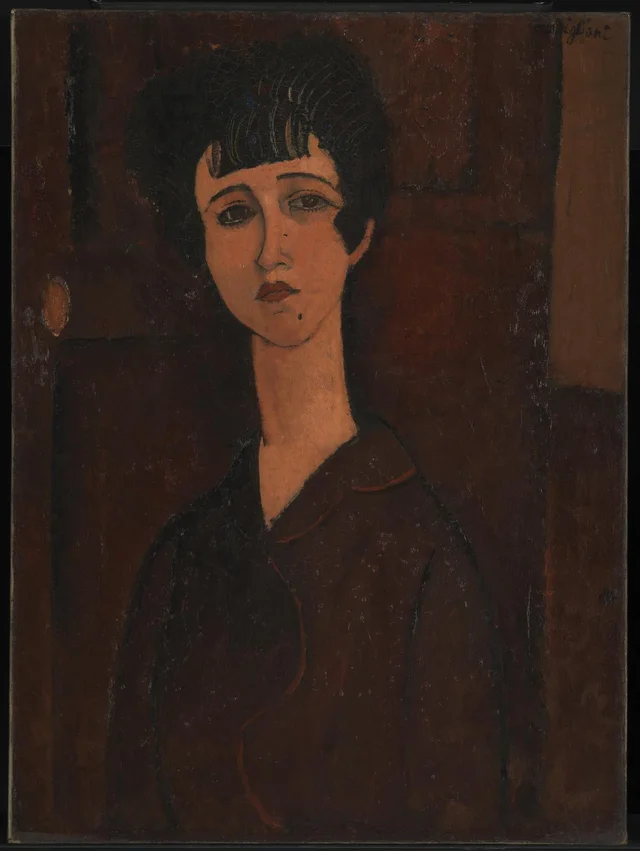 Portrait of a GirlAmedeo Modigliani, 1917
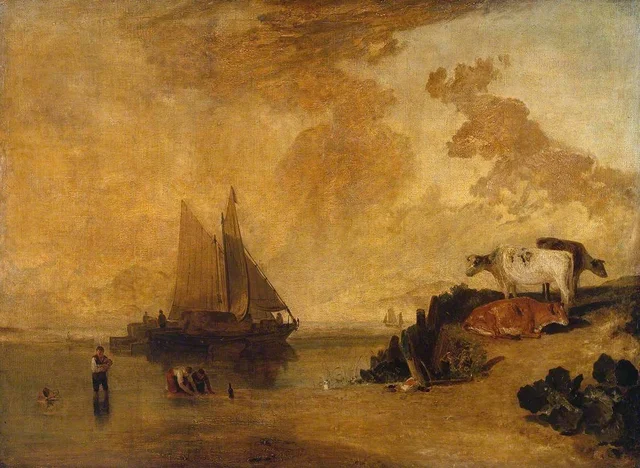 River Scene with CattleJ. M. W. Turner, 1810
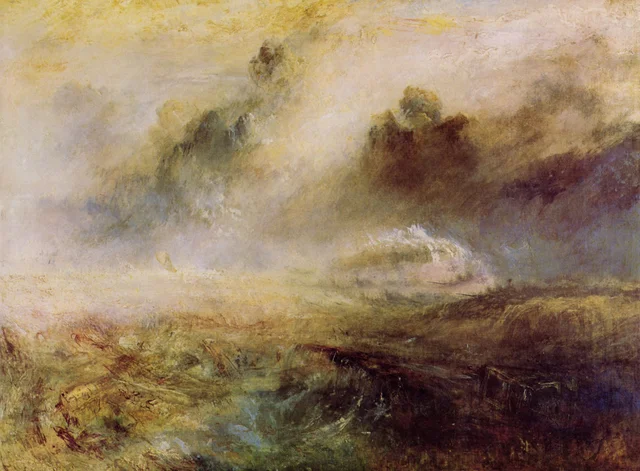 Rough Sea with WreckageJ. M. W. Turner, 1840
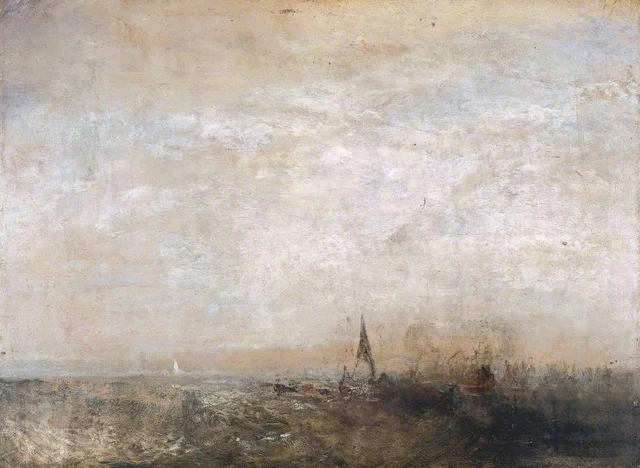 ShippingJ. M. W. Turner, 1827
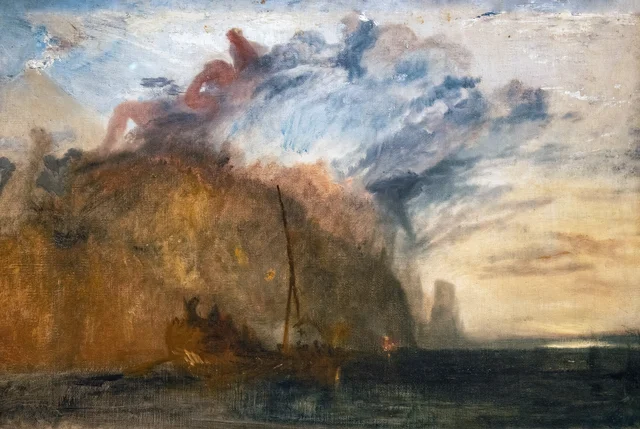 Sketch for ‘Ulysses Deriding Polyphemus’J. M. W. Turner, 1827
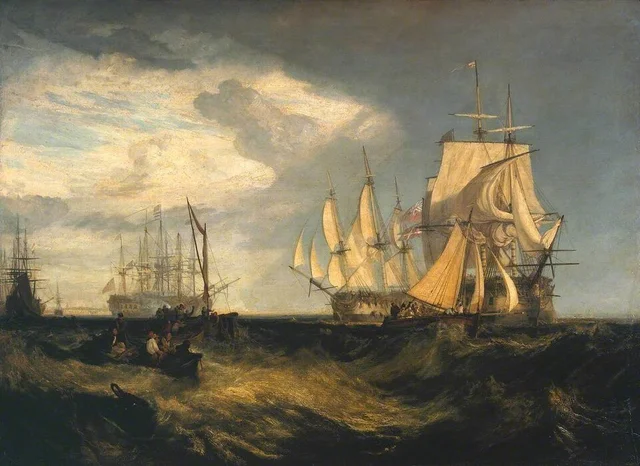 Spithead: Two Captured Danish Ships Entering Portsmouth HarbourJ. M. W. Turner, 1808
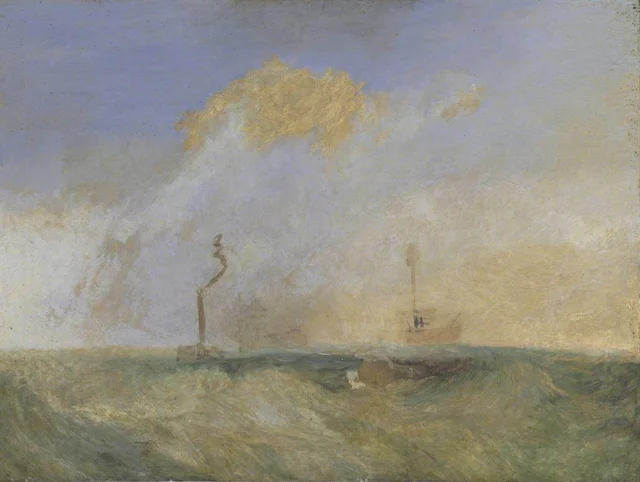 Steamer and Lightship; a study for ‘The Fighting Temeraire’J. M. W. Turner, 1838
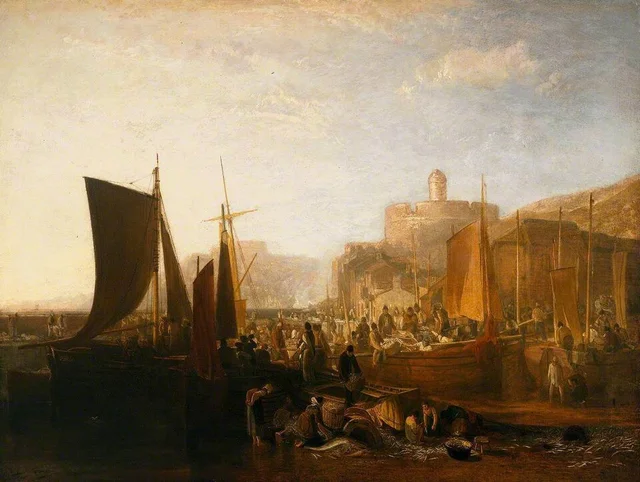 St Mawes at the Pilchard SeasonJ. M. W. Turner, 1812
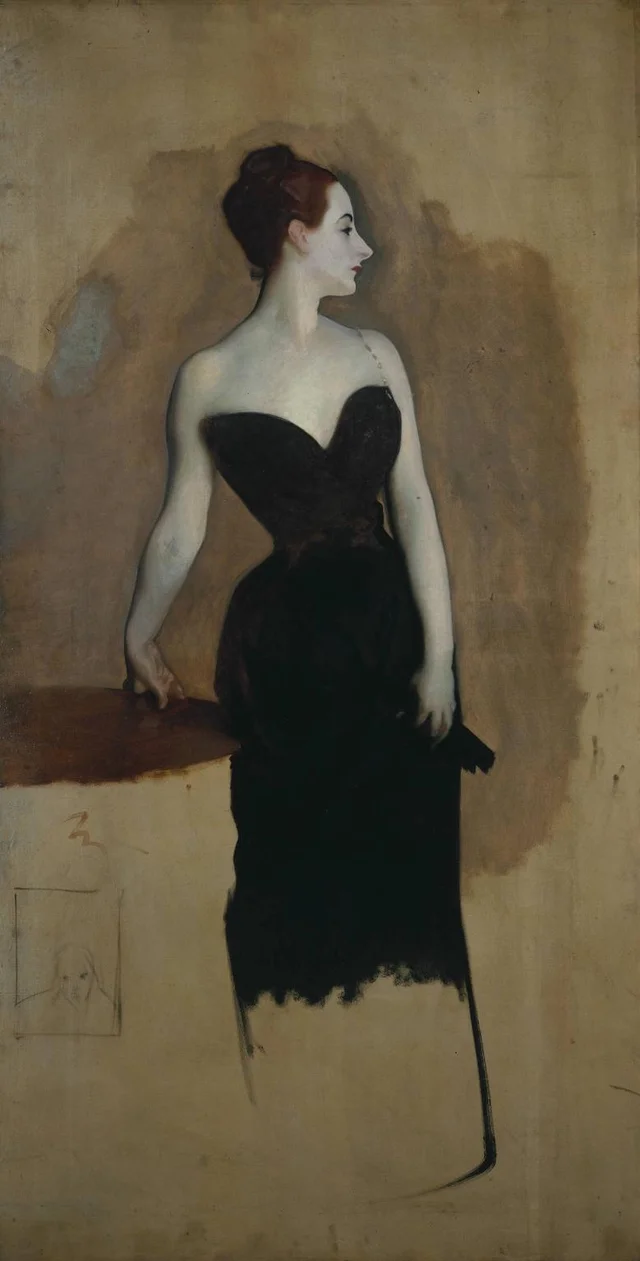 Study of Mme GautreauJohn Singer Sargent, 1884
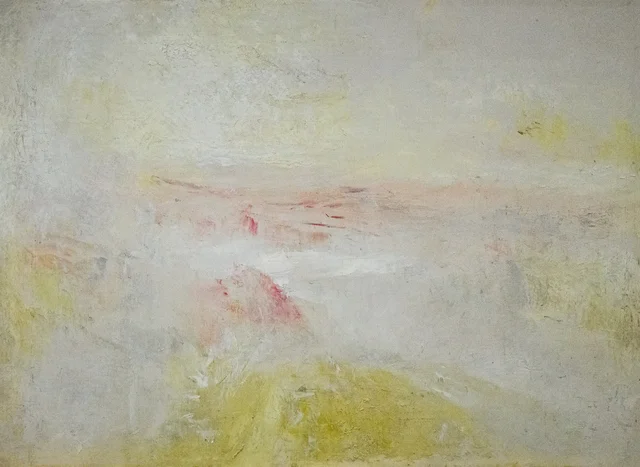 Sunset From the Top of the RigiJ. M. W. Turner, 1844
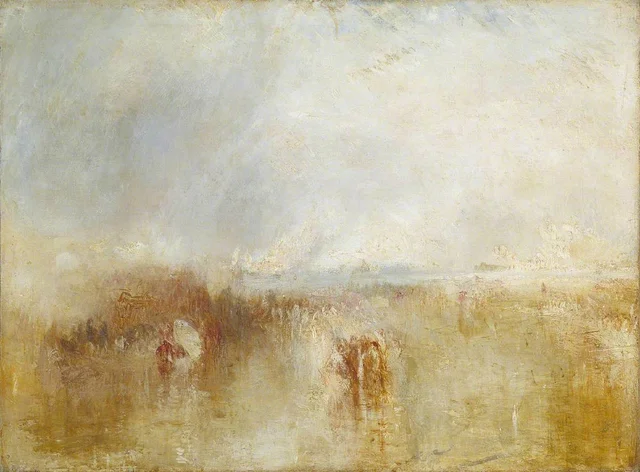 The Arrival of Louis-Philippe at the Royal Clarence Yard, Gosport, 8 October 1844J. M. W. Turner, 1844