The story
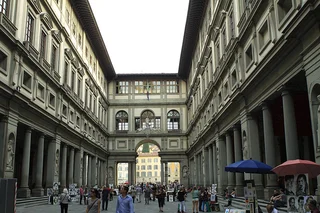
The word uffizi just means offices. Cosimo I de' Medici, who had made himself the first Grand Duke of Tuscany, wanted the city's magistracies and guilds gathered in one place, and in 1560 he had Giorgio Vasari design this long U-shaped block running down to the river Arno. The top floor, lit by its endless windows, was later glazed and hung with the family's art, and the offices quietly became a gallery.
Everything in it belongs to Florence because of one woman. Anna Maria Luisa de' Medici, the last of the line, signed a pact in 1737 leaving the entire Medici collection to the Tuscan state on a single condition, that nothing ever leave the city. Without that clause the Botticellis and Raphaels would have been scattered across the auction houses of Europe.
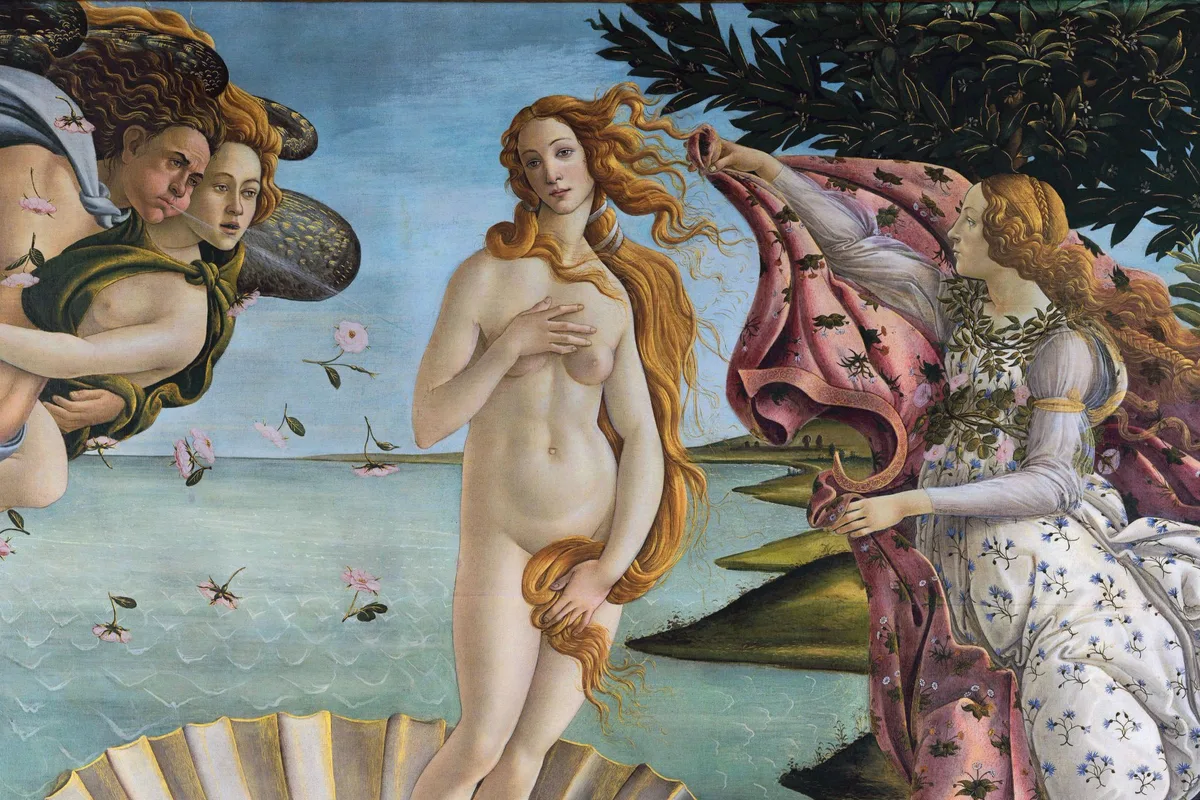
Instead they are still here. Sandro Botticelli's 'Birth of Venus', the goddess arriving on a shell, and the 'Primavera', with its orange grove and dancing figures, hang in the same set of rooms. A raised walkway called the Vasari Corridor still links the gallery across the river to the Pitti Palace, built so the Medici could pass between home and office without touching the street. In 1993 a Mafia car bomb exploded just outside, killing five people and damaging dozens of works, and the gallery has kept one scarred painting on view as a record of that night.
More articles
Collection
742 works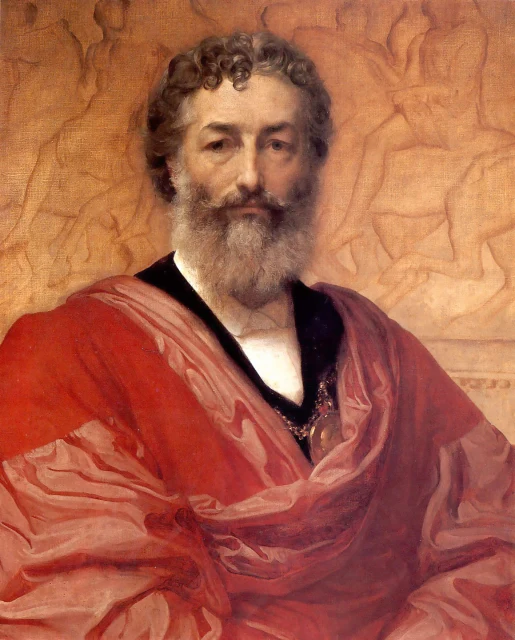 Self-portraitFrederic Leighton, 1880
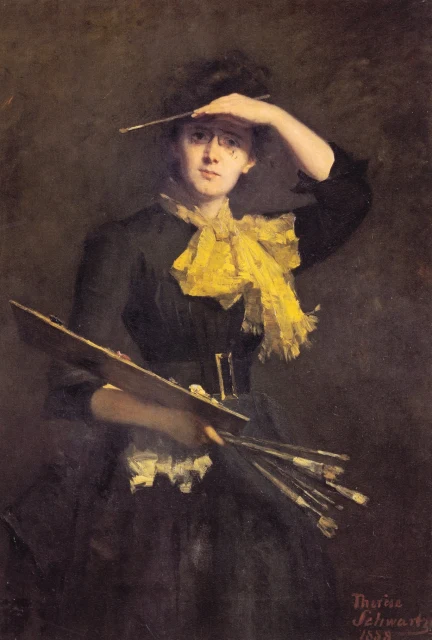 Self-portraitThérèse Schwartze, 1888
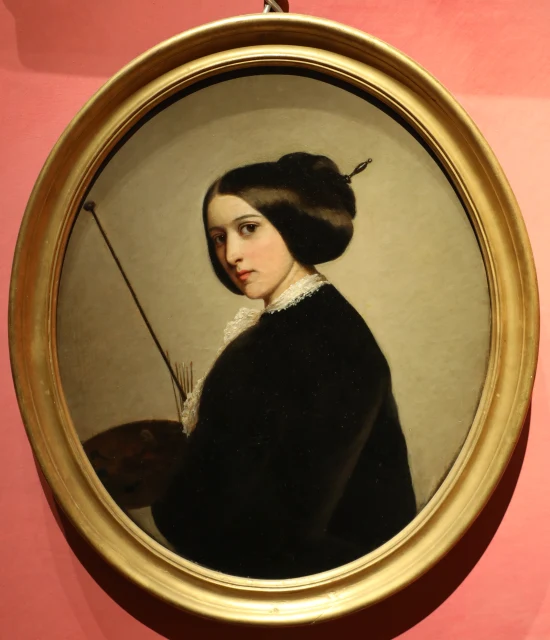 Self-portraitEmma Gaggiotti Richards, 1860
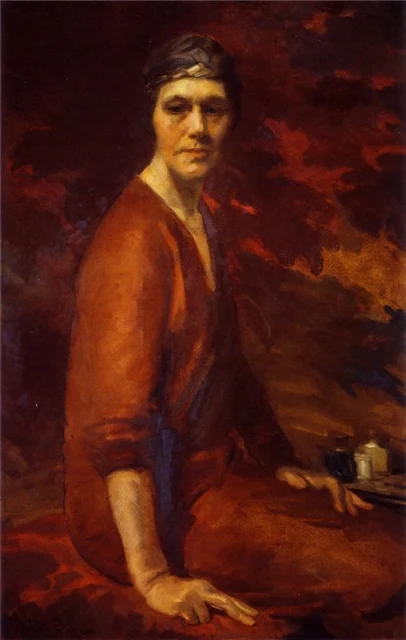 Self-portraitCecilia Beaux, 1925
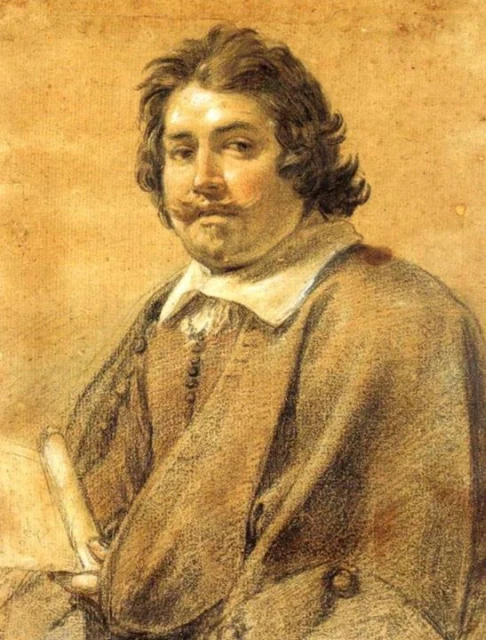 Self-portraitSimon Vouet, 1620
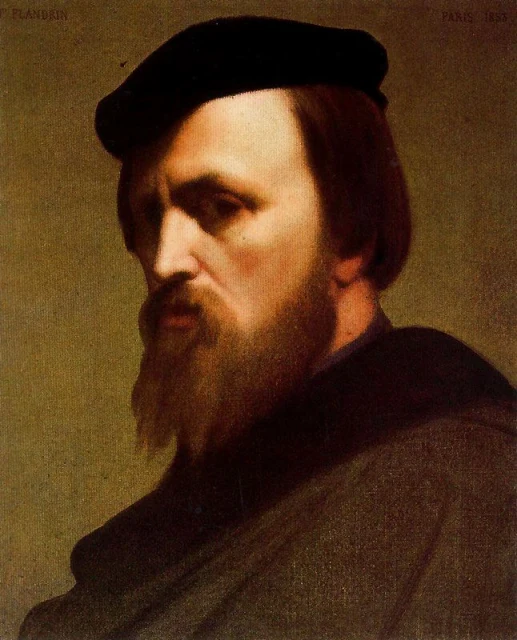 Self-portraitHippolyte Flandrin, 1853
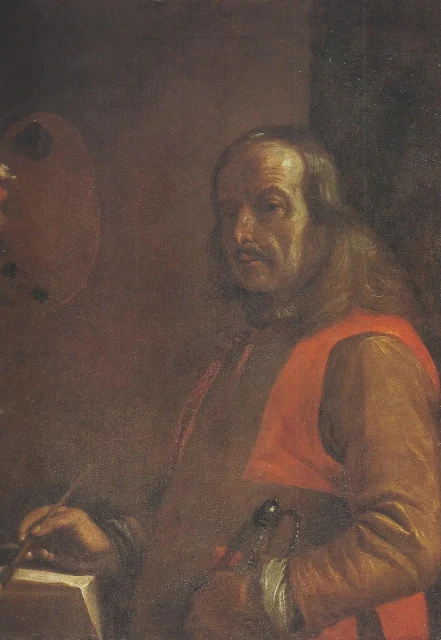 Self-portraitMattia Preti, 1695
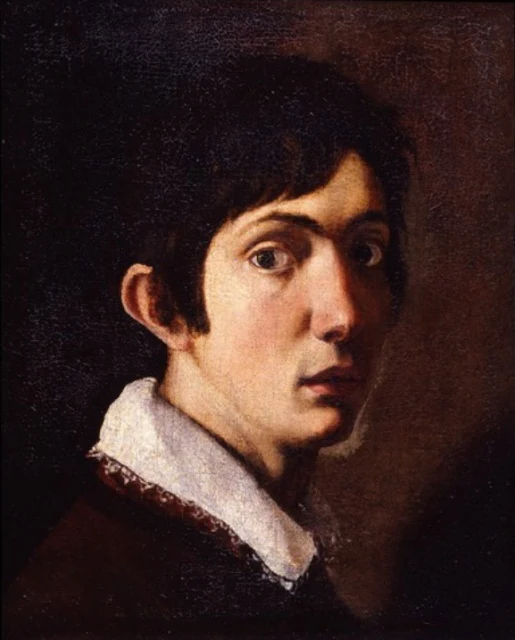 Self-portraitFrancesco Furini
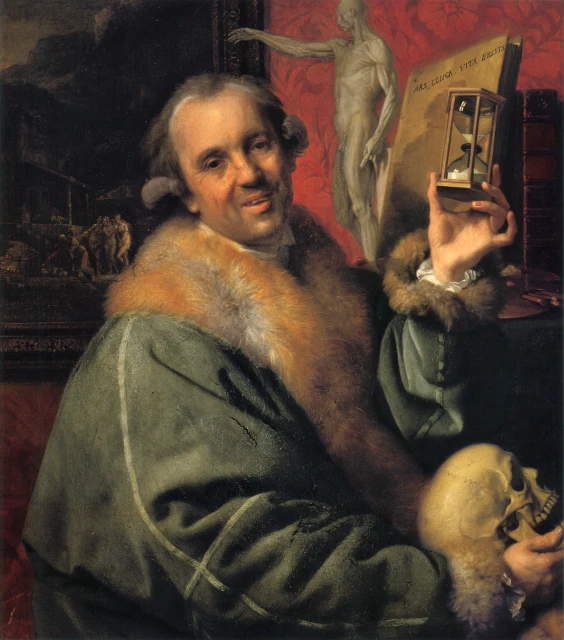 Self-portraitJohann Zoffany, 1776
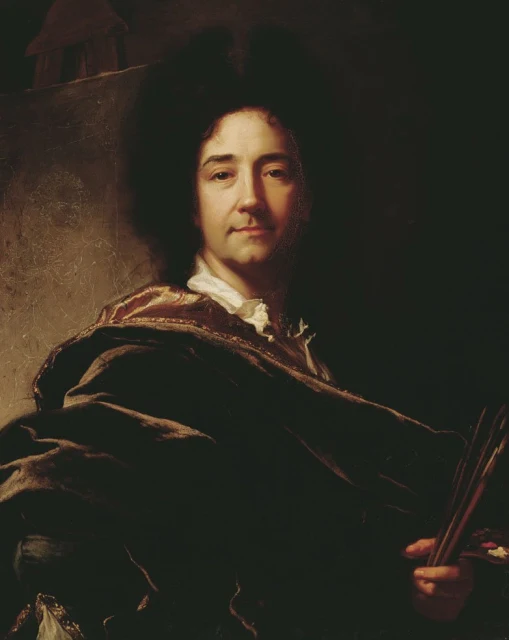 Self-portraitHyacinthe Rigaud, 1716
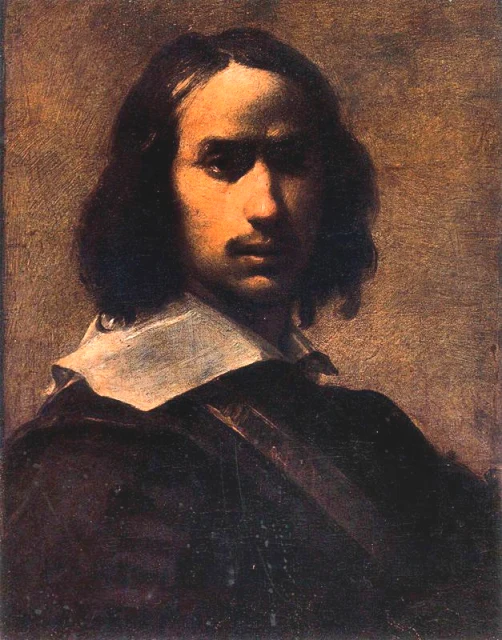 Self-portraitFrancesco Cairo, 1630
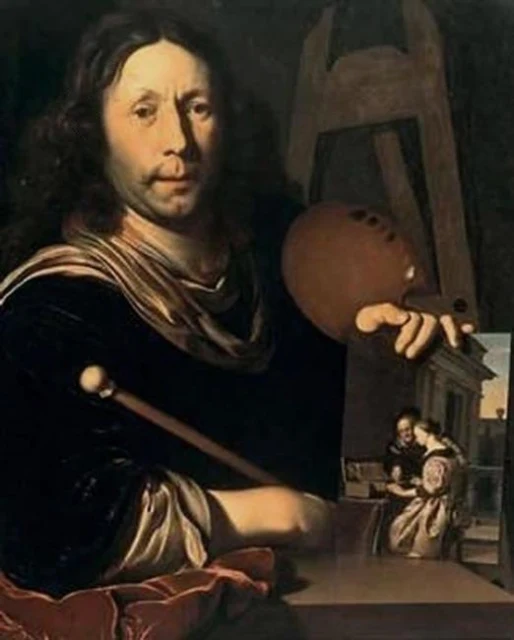 Self-portraitFrans van Mieris the Elder, 1677
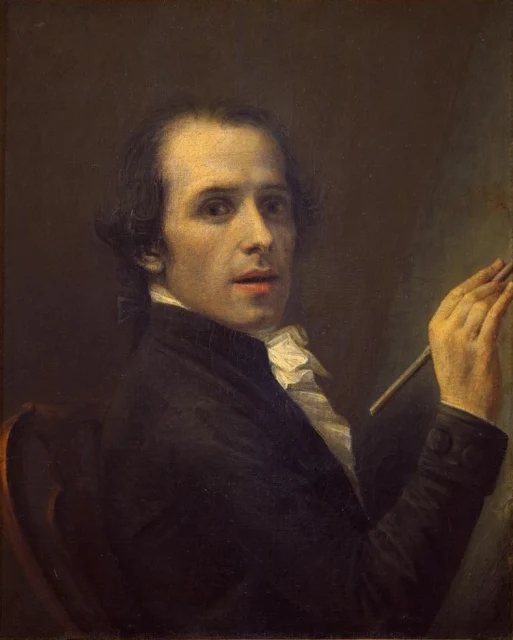 Self-portraitAntonio Canova, 1792
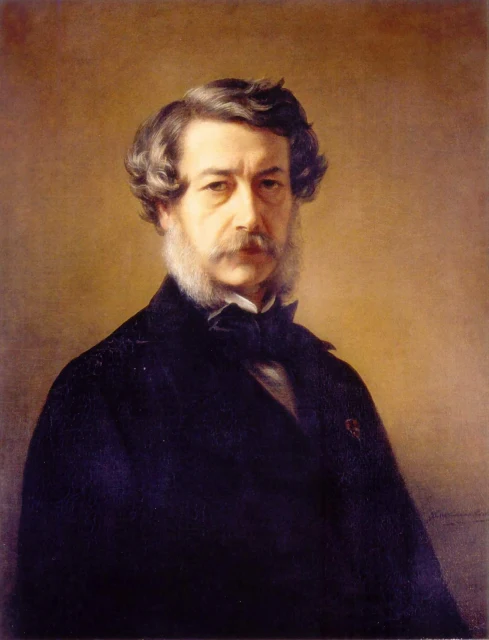 Self-portraitFranz Xaver Winterhalter, 1868
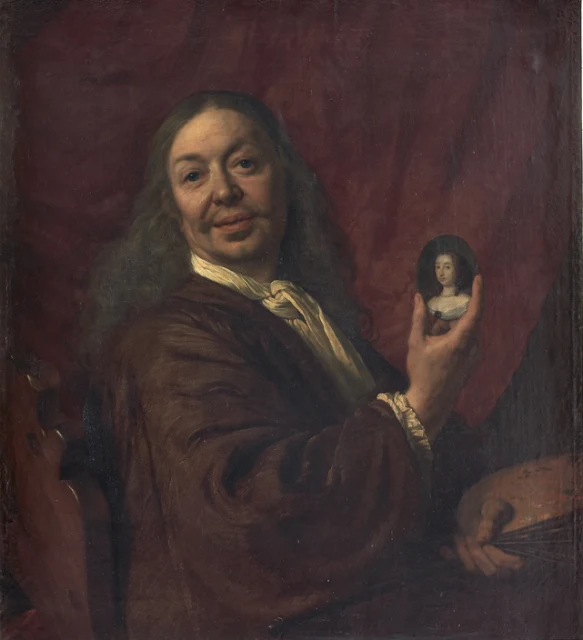 Self-portraitBartholomeus van der Helst, 1667
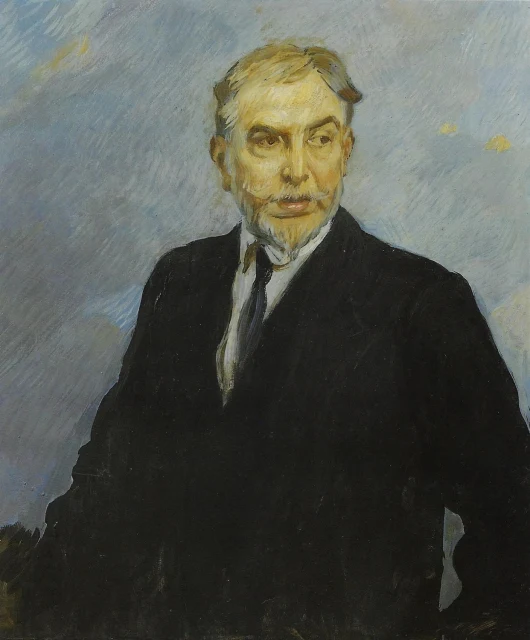 Self-portraitEttore Tito, 1919
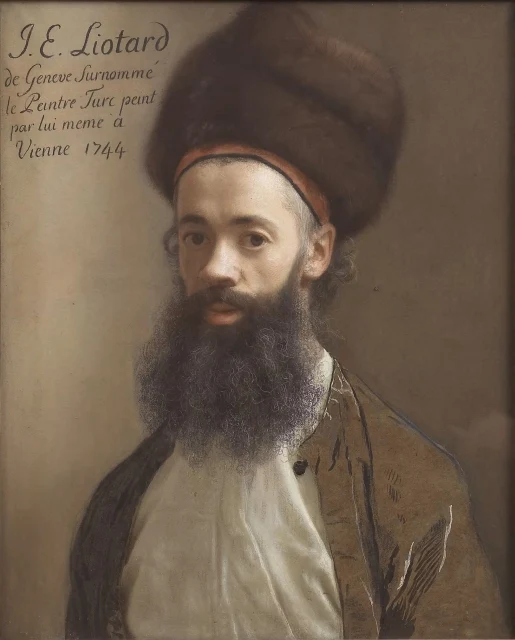 Self-portraitJean-Étienne Liotard, 1744
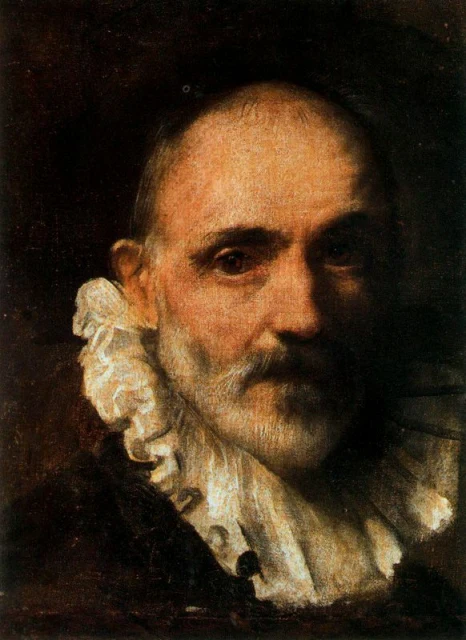 Self-portraitFederico Barocci, 1605
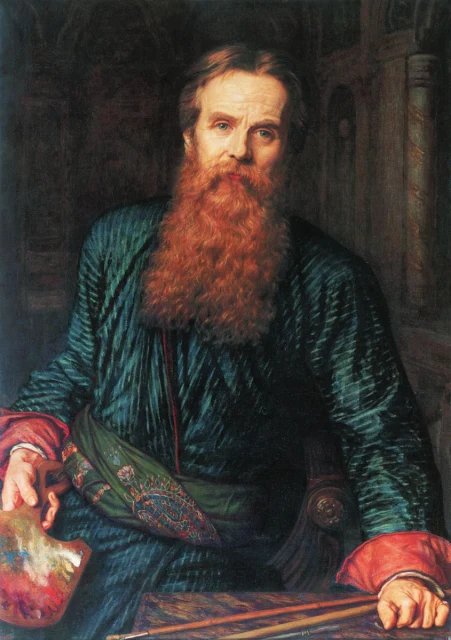 Self-portraitWilliam Holman Hunt, 1867