La historia
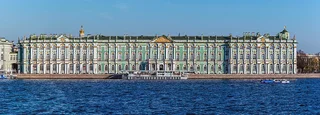
La mayor parte del Hermitage se encuentra dentro del Palacio de Invierno, la residencia barroca en blanco y verde de los zares rusos a orillas del Neva, en San Petersburgo. La colección nació allí como un placer privado. En 1764 la emperatriz Catalina la Grande se quedó con 225 pinturas holandesas y flamencas que un comerciante berlinés, Johann Gotzkowsky, había reunido para el rey de Prusia, quien, arruinado tras una larga guerra, nunca las pagó. Catalina sí lo hizo, y las colgó en unas salas tan privadas que las llamó su ermita, un retiro donde casi a nadie se le permitía entrar.
Dos siglos y medio de compras después, es una de las mayores colecciones de arte del mundo. Se sube la Escalera de Jordán entre oro y espejos y se avanza hacia las pinturas por las que la gente viene: El regreso del hijo pródigo de Rembrandt, con las manos del anciano padre posadas sobre la espalda del hijo harapiento, y dos pequeñas Madonnas de Leonardo da Vinci, la Benois y la Litta, pintadas cuando era joven. En una sala, un Reloj del Pavo Real de tamaño natural, un autómata inglés del siglo XVIII, aún despliega su cola dorada cuando se le da cuerda.
El edificio ha pasado por mucho. Un incendio arrasó el palacio en 1837, la revolución de 1917 barrió al último zar de estas salas, y cuando las tropas alemanas sitiaron Leningrado en 1941 el personal embaló más de un millón de objetos y los envió al este, a los Urales, dejando los marcos vacíos colgados en las paredes. Los guías daban visitas de aquellos marcos desnudos durante el asedio. Las obras regresaron al terminar, y los gatos que se mantienen en los sótanos para cazar ratas, una tradición que se remonta a los tiempos de Catalina, siguen en nómina.
Colección
248 obras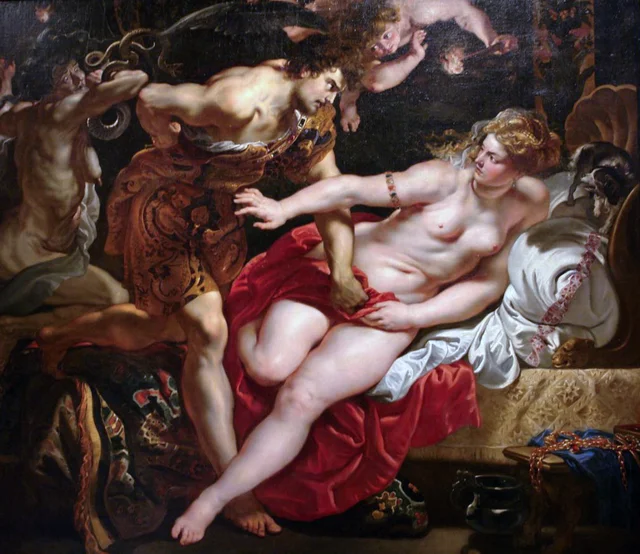 Tarquino y LucreciaPedro Pablo Rubens, 1610
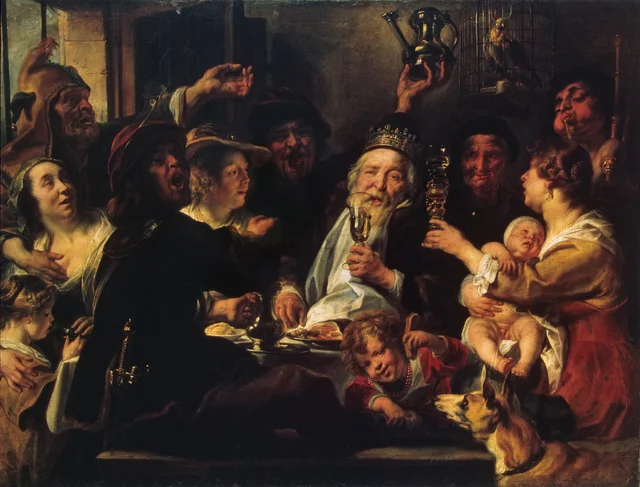 El rey del habaJacob Jordaens, 1638
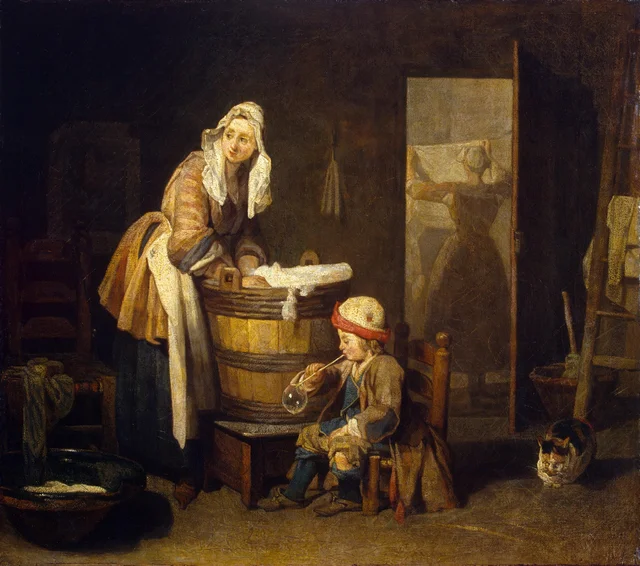 La lavanderaJean-Baptiste-Siméon Chardin, 1730
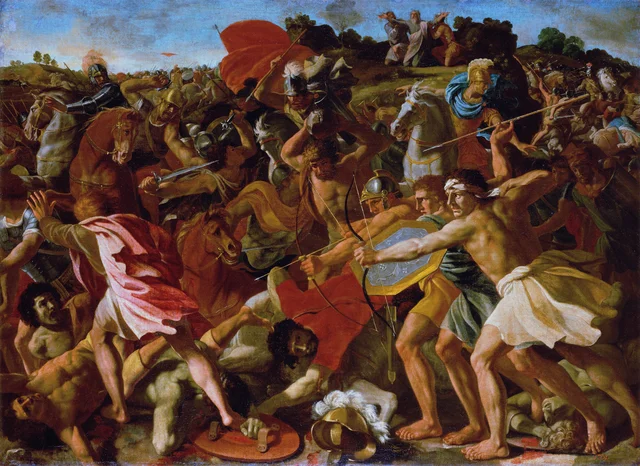 La victoria de Josué sobre los amalecitasNicolas Poussin, 1623
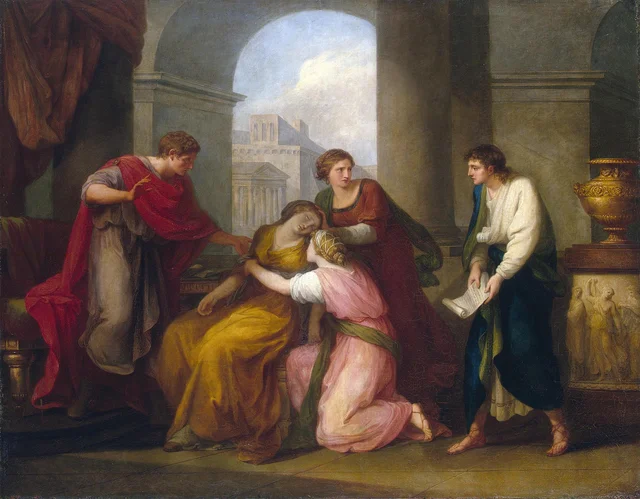 Virgilio leyendo la Eneida a Augusto y OctaviaAngelica Kauffmann, 1788
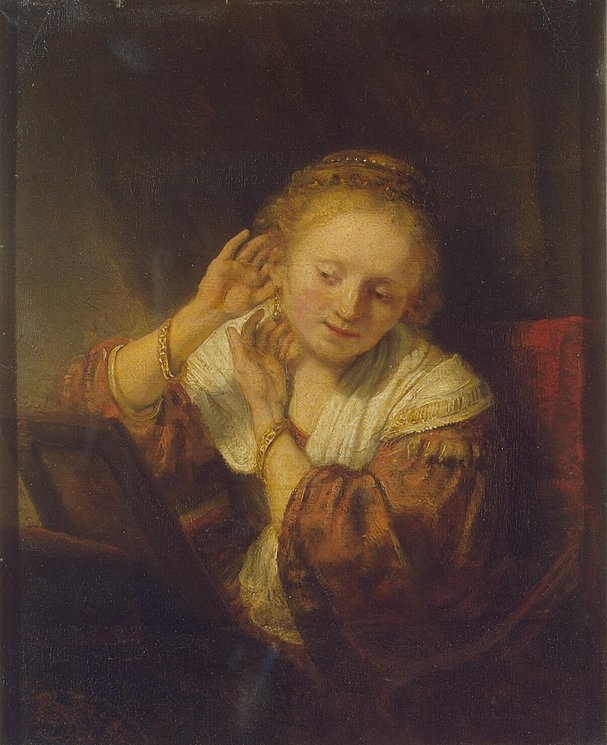 Joven con pendientesRembrandt, 1654
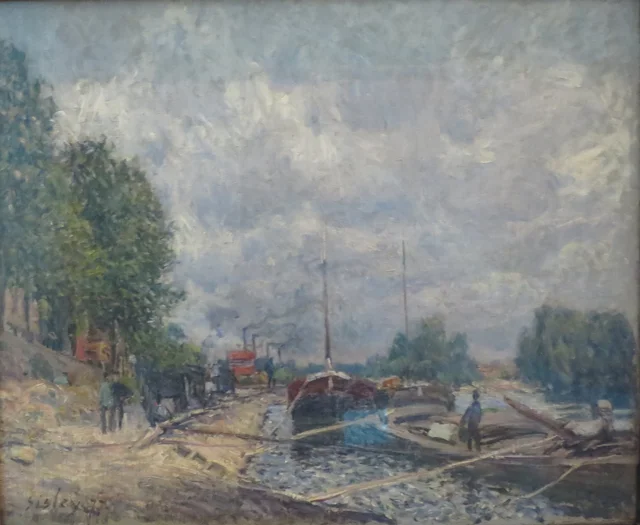 Barcazas en BillancourtAlfred Sisley, 1877
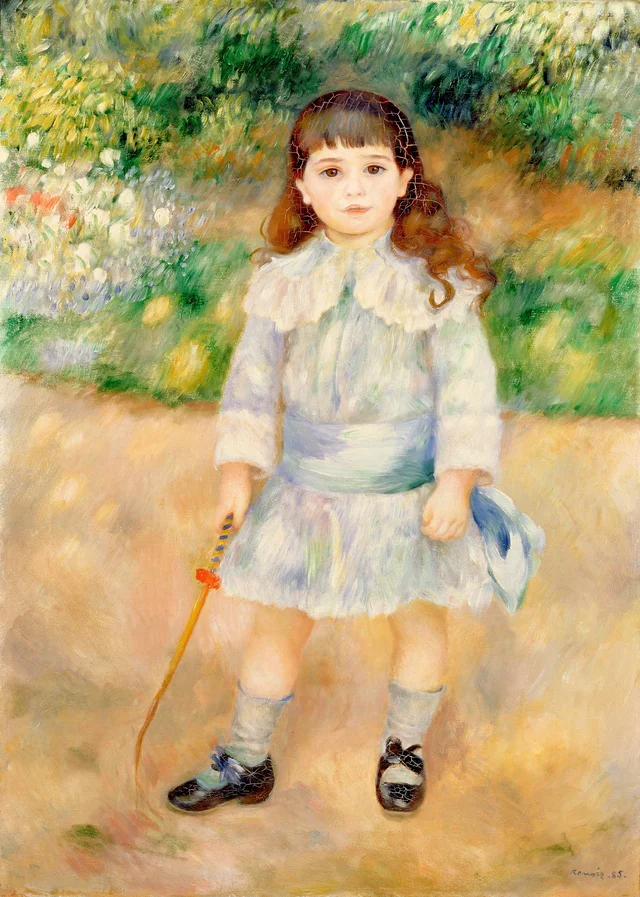 Niño con un látigoPierre-Auguste Renoir, 1885
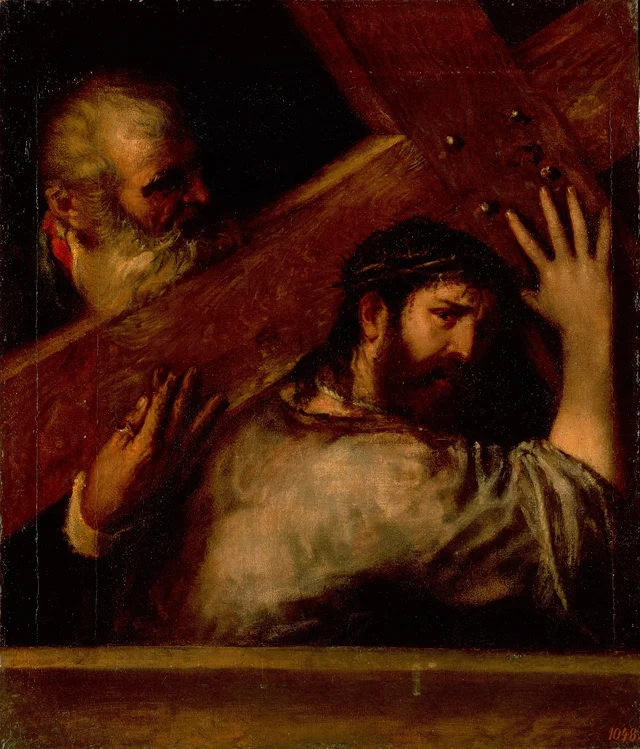 El camino del CalvarioTiziano, 1565
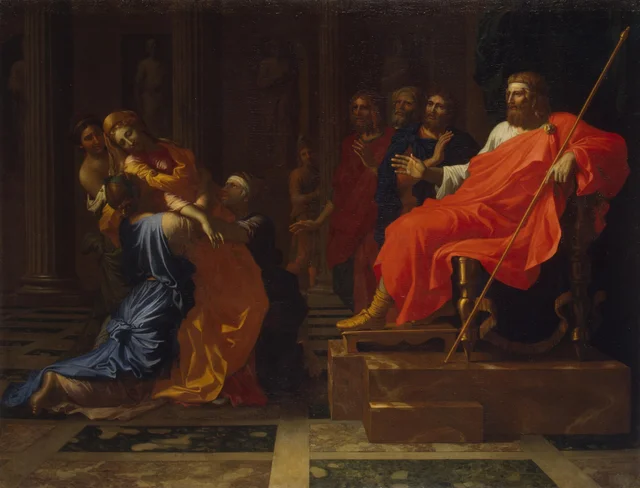 Ester ante AsueroNicolas Poussin, 1655
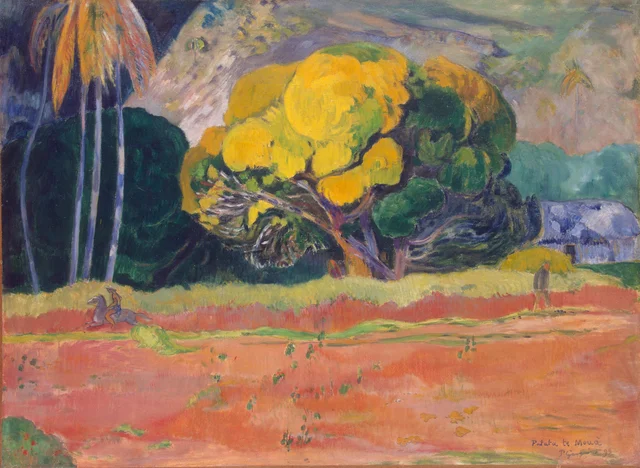 Fatata te Moua (Al pie de la montaña)Paul Gauguin, 1892
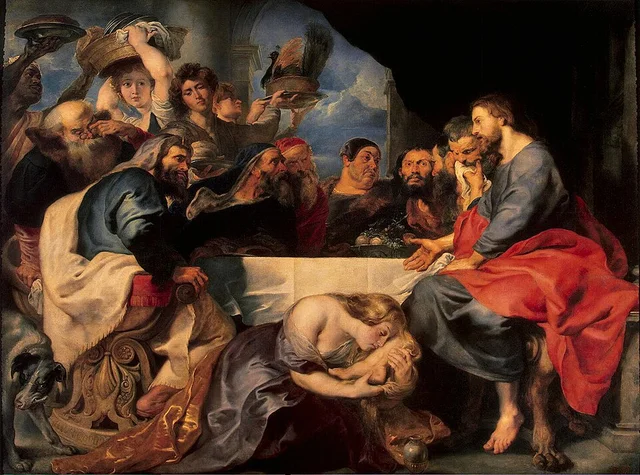 El festín en casa de Simón el fariseoPedro Pablo Rubens, 1619
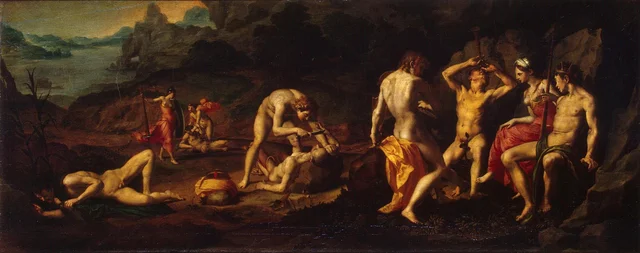 Desuello de MarsiasBronzino, 1531
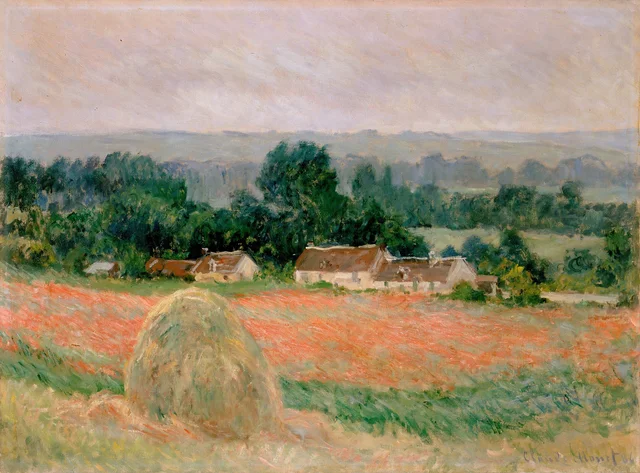 Almiar en GivernyClaude Monet, 1886
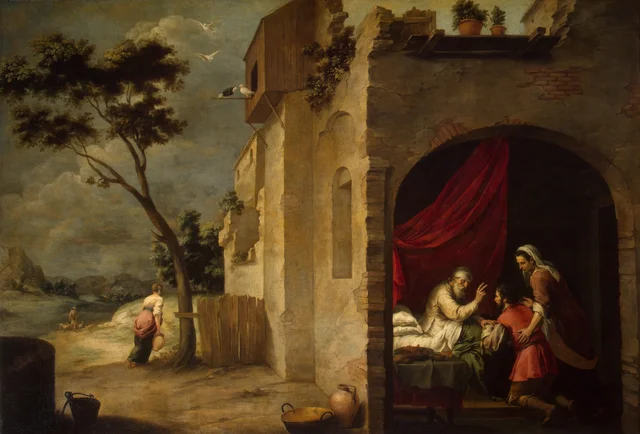 Isaac bendiciendo a JacobBartolomé Esteban Murillo, 1667
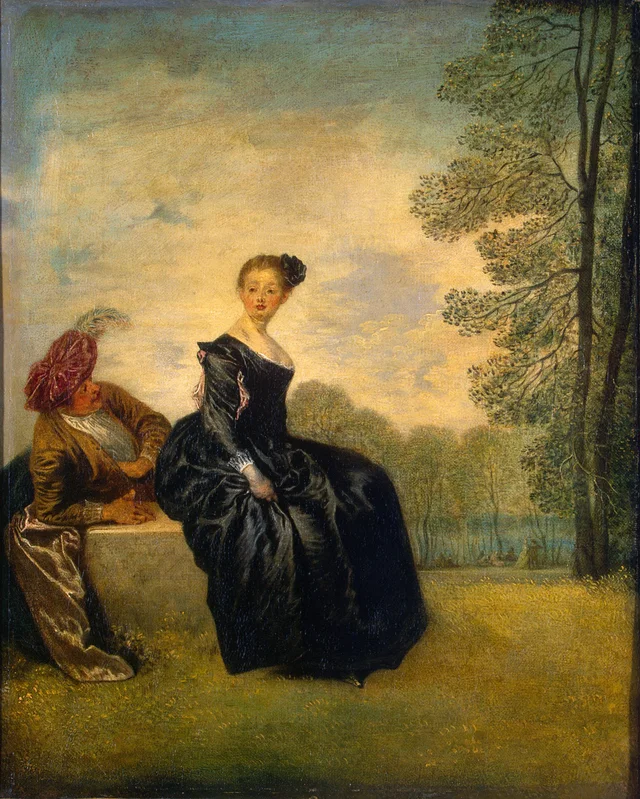 La EnfurruñadaJean-Antoine Watteau, 1718
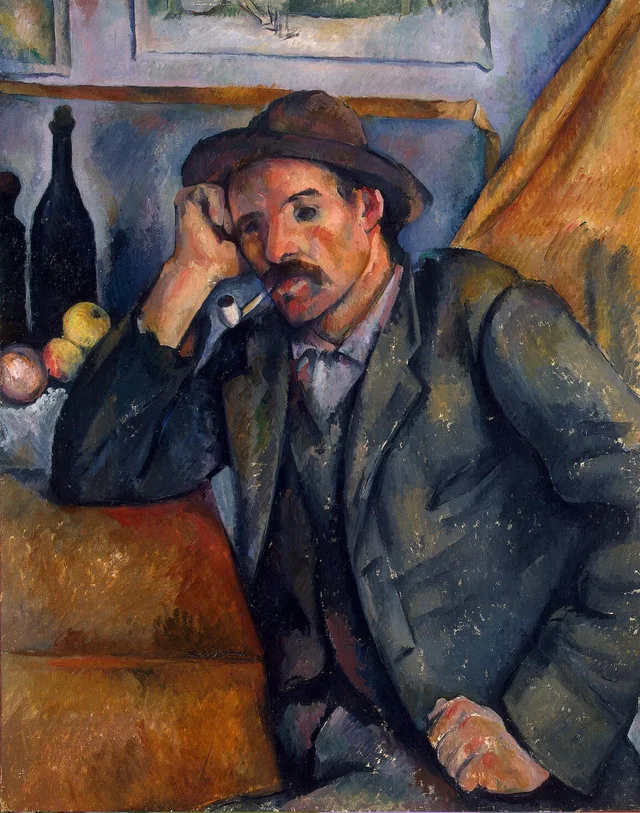 El fumador de pipaPaul Cézanne, 1891
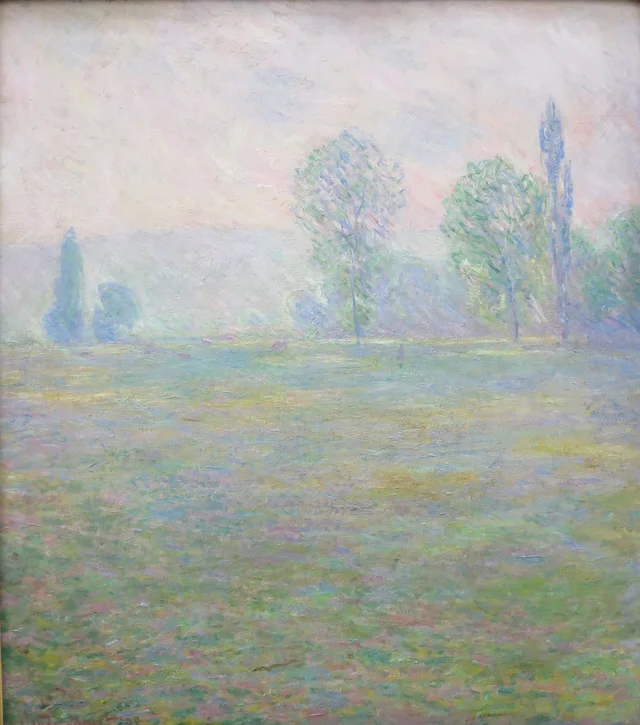 Praderas en GivernyClaude Monet, 1888
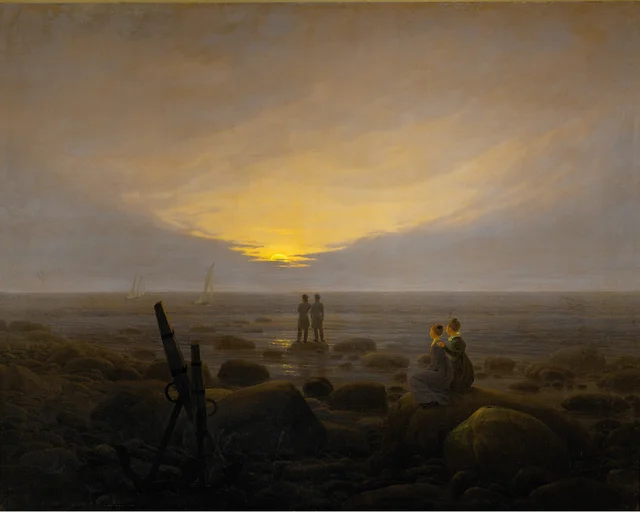 Salida de la luna sobre el marCaspar David Friedrich, 1821
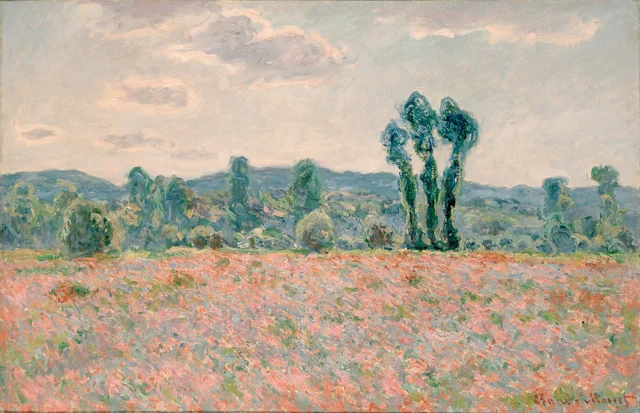 Campo de amapolasClaude Monet, 1890
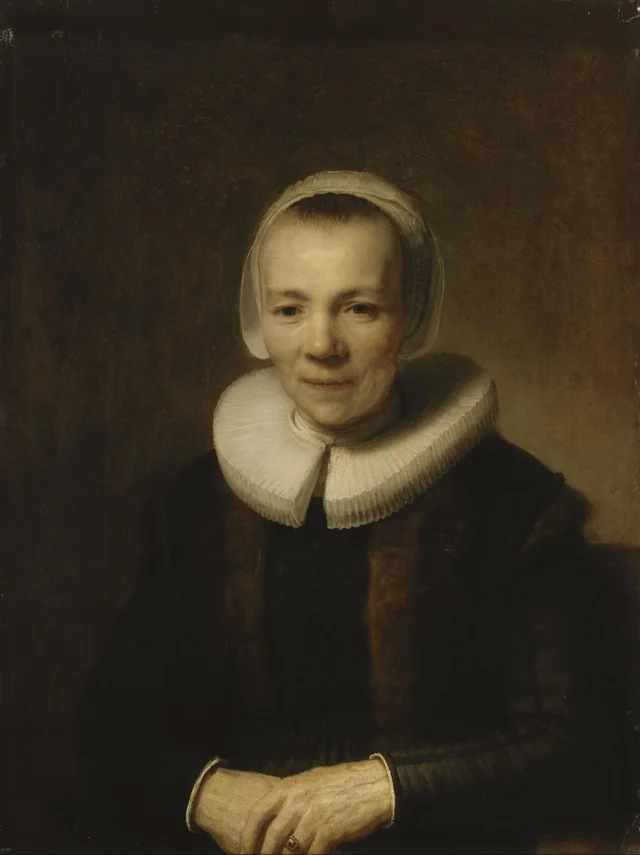 Retrato de Baertje MartensRembrandt, 1640
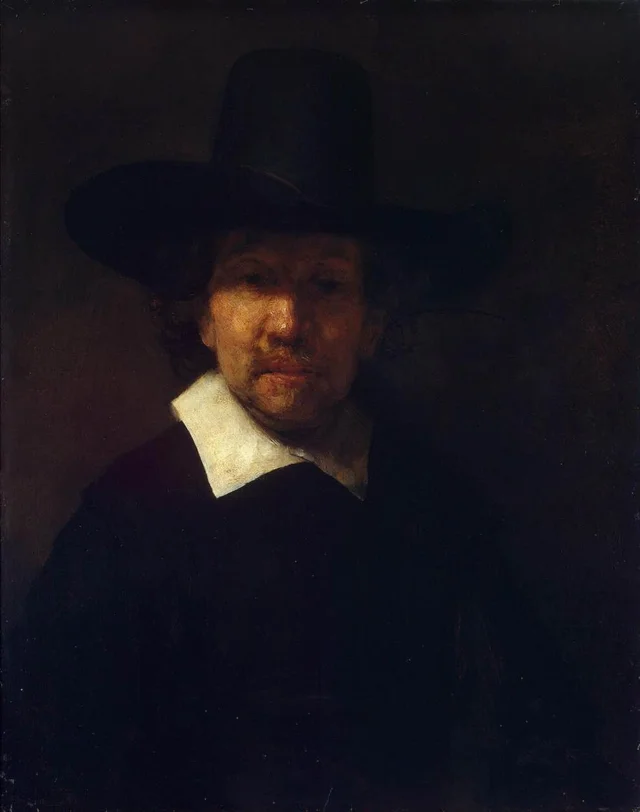 Retrato de Jeremias de DeckerRembrandt, 1666
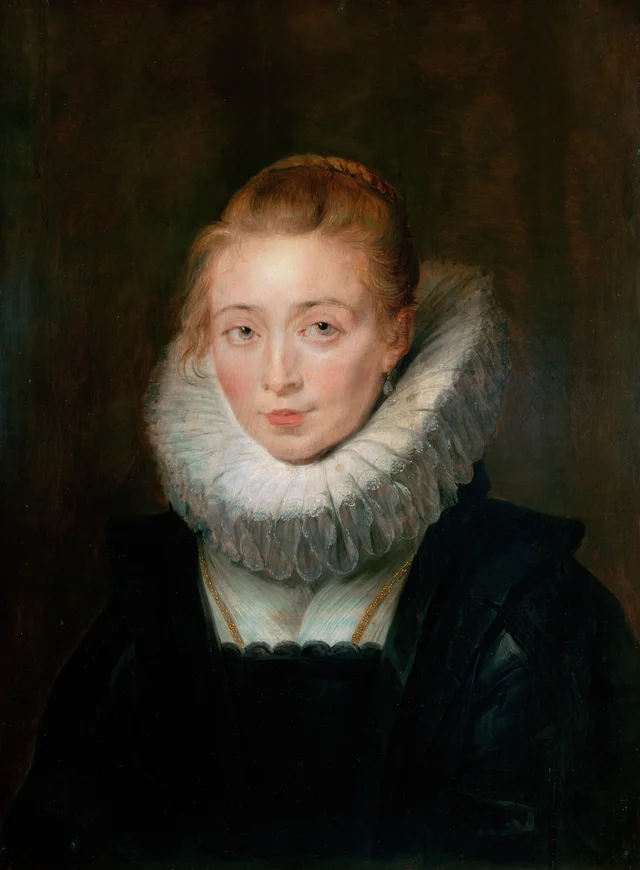 Retrato de una dama de compañía de la infanta IsabelPedro Pablo Rubens, 1625
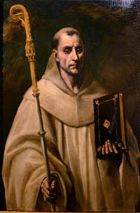 San BernardoEl Greco, 1577
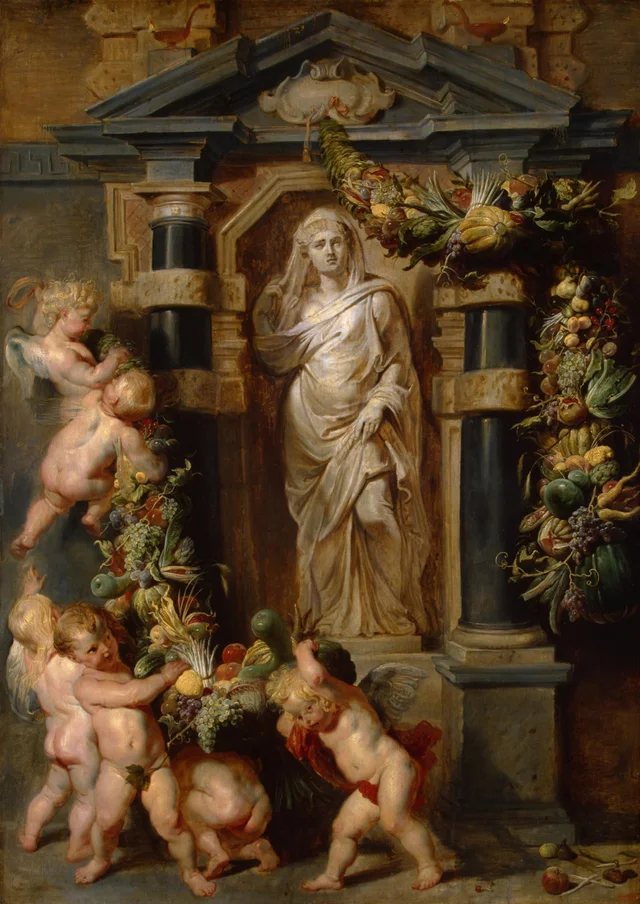 Estatua de CeresPedro Pablo Rubens, 1615