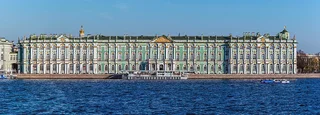
La historia
La mayor parte del Hermitage se encuentra dentro del Palacio de Invierno, la residencia barroca en blanco y verde de los zares rusos a orillas del Neva, en San Petersburgo. La colección nació allí como un placer privado. En 1764 la emperatriz Catalina la Grande se quedó con 225 pinturas holandesas y flamencas que un comerciante berlinés, Johann Gotzkowsky, había reunido para el rey de Prusia, quien, arruinado tras una larga guerra, nunca las pagó. Catalina sí lo hizo, y las colgó en unas salas tan privadas que las llamó su ermita, un retiro donde casi a nadie se le permitía entrar.
Dos siglos y medio de compras después, es una de las mayores colecciones de arte del mundo. Se sube la Escalera de Jordán entre oro y espejos y se avanza hacia las pinturas por las que la gente viene: El regreso del hijo pródigo de Rembrandt, con las manos del anciano padre posadas sobre la espalda del hijo harapiento, y dos pequeñas Madonnas de Leonardo da Vinci, la Benois y la Litta, pintadas cuando era joven. En una sala, un Reloj del Pavo Real de tamaño natural, un autómata inglés del siglo XVIII, aún despliega su cola dorada cuando se le da cuerda.
El edificio ha pasado por mucho. Un incendio arrasó el palacio en 1837, la revolución de 1917 barrió al último zar de estas salas, y cuando las tropas alemanas sitiaron Leningrado en 1941 el personal embaló más de un millón de objetos y los envió al este, a los Urales, dejando los marcos vacíos colgados en las paredes. Los guías daban visitas de aquellos marcos desnudos durante el asedio. Las obras regresaron al terminar, y los gatos que se mantienen en los sótanos para cazar ratas, una tradición que se remonta a los tiempos de Catalina, siguen en nómina.
Colección
248 obras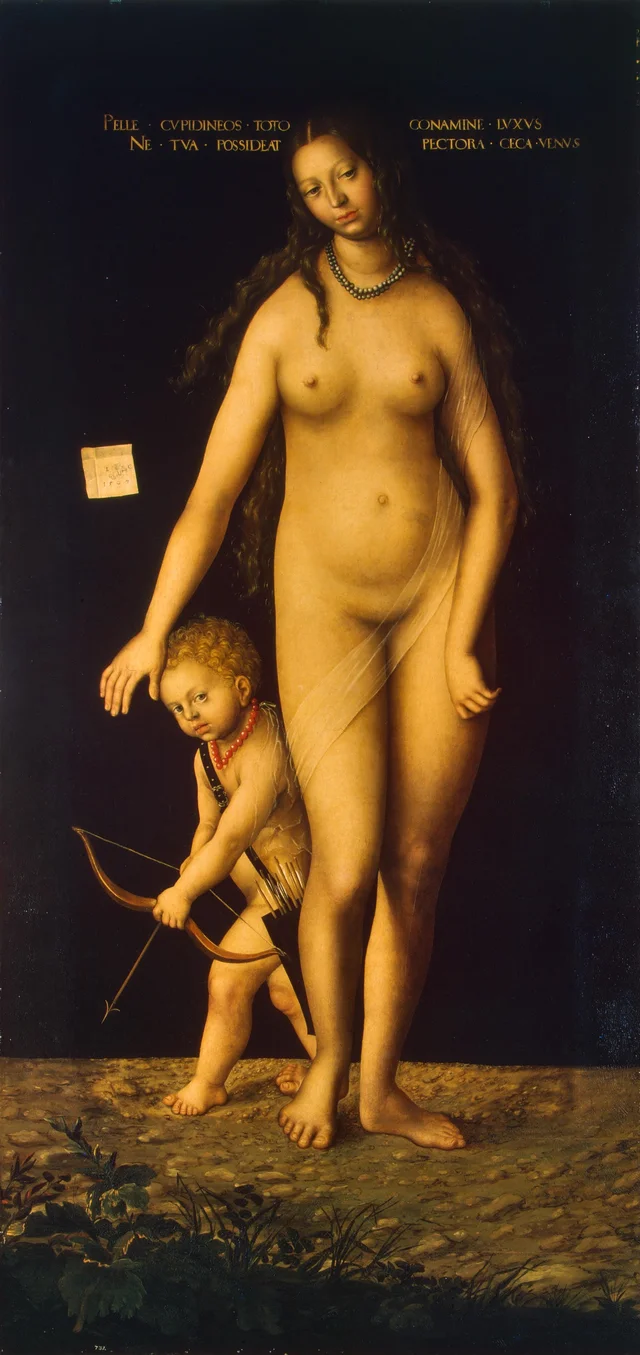 Venus y CupidoLucas Cranach el Viejo, 1509
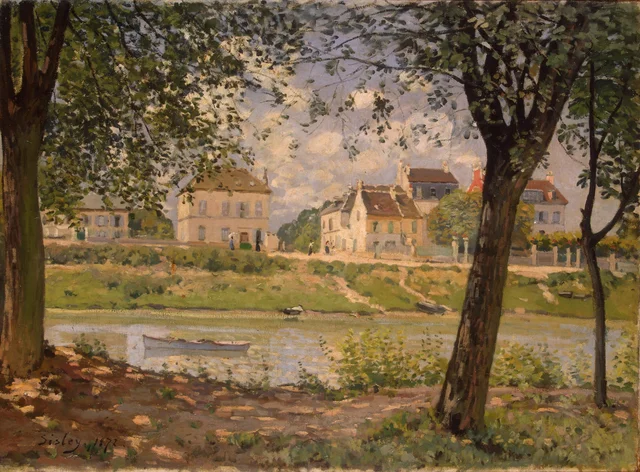 Pueblo a orillas del SenaAlfred Sisley, 1872
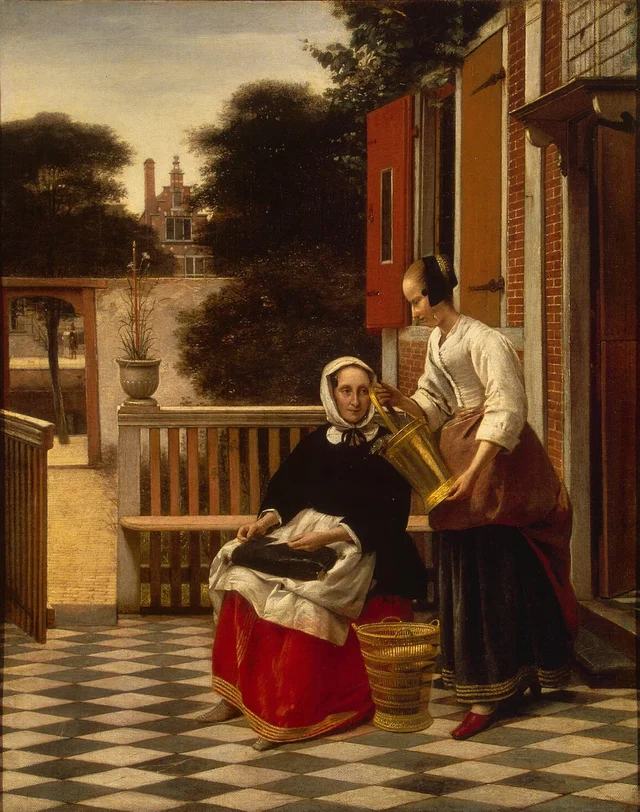 Mujer y criada con un cubo de pescado en un patioPieter de Hooch, 1660
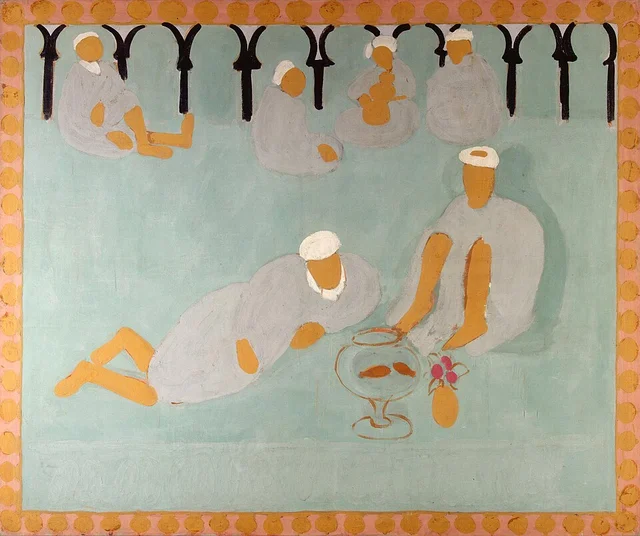 Café árabeHenri Matisse, 1913
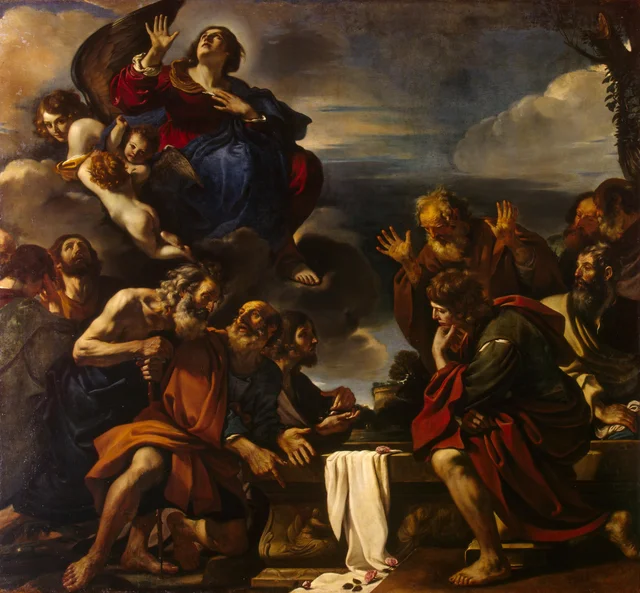 La Asunción de la Virgen MaríaGuercino, 1623
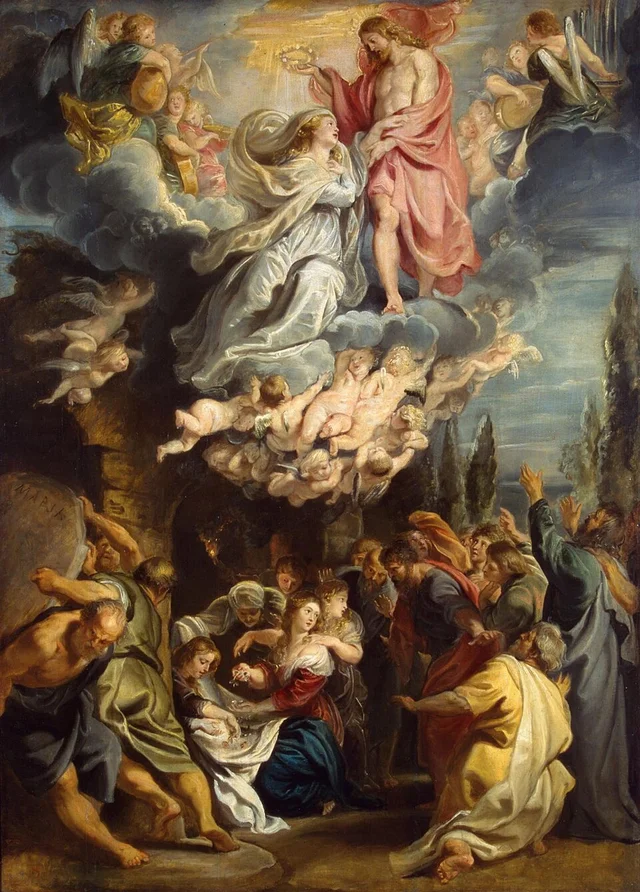 Coronación y Asunción de la VirgenPedro Pablo Rubens, 1611
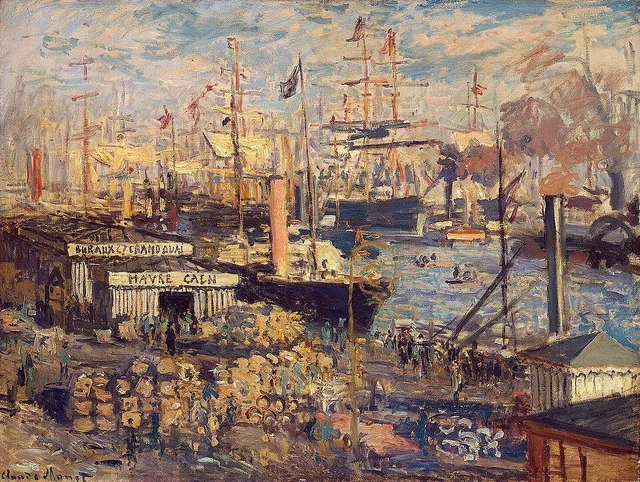 El muelle de Le HavreClaude Monet, 1874
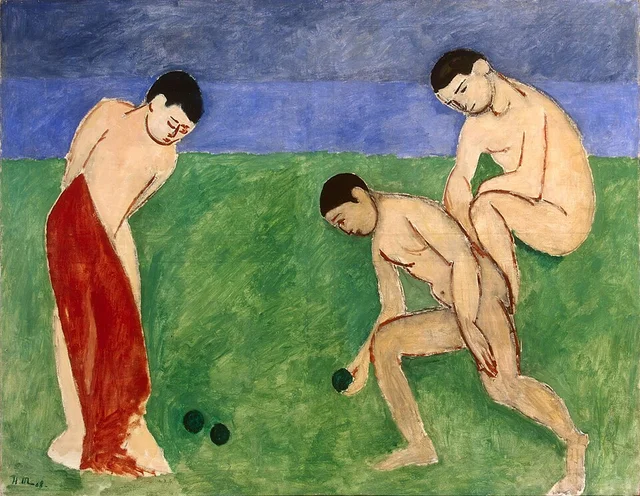 Juego de bolosHenri Matisse, 1908
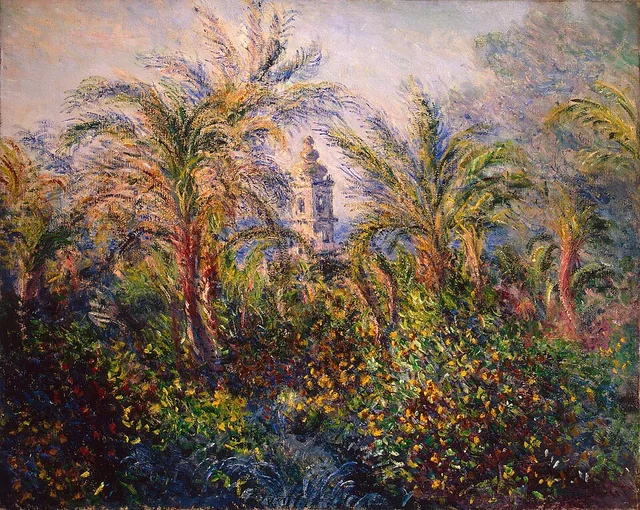 Jardín en Bordighera, impresión de la mañanaClaude Monet, 1884
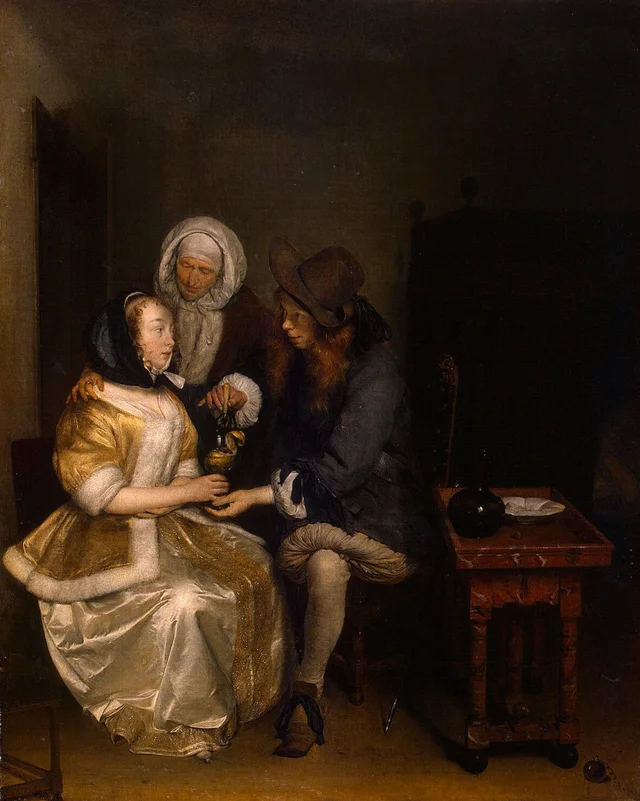 El vaso de limonadaGerard ter Borch, 1663
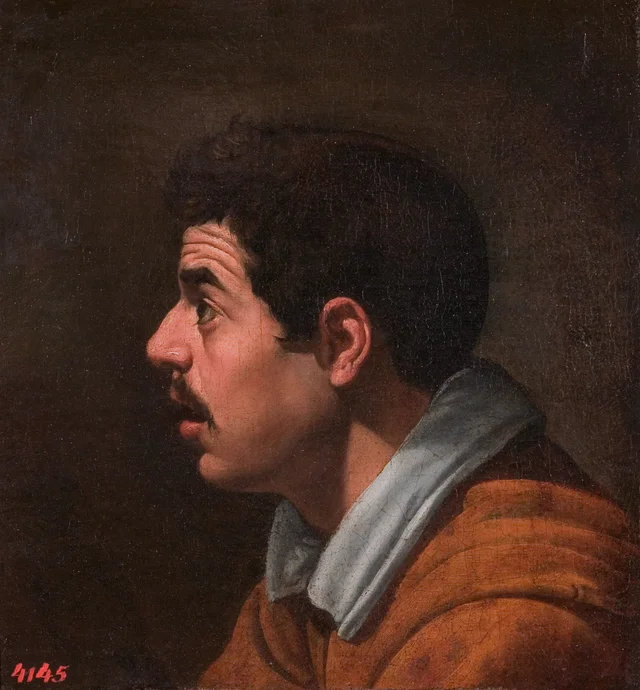 Cabeza de hombre de perfilDiego Velázquez, 1618
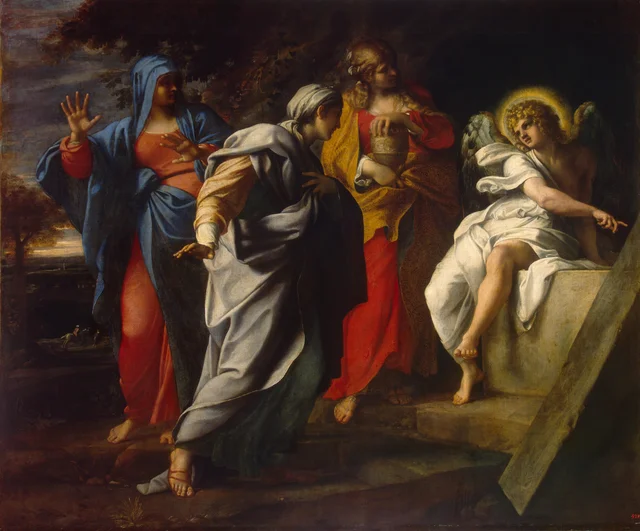 Las santas mujeres en el sepulcro de CristoAnnibale Carracci, 1590
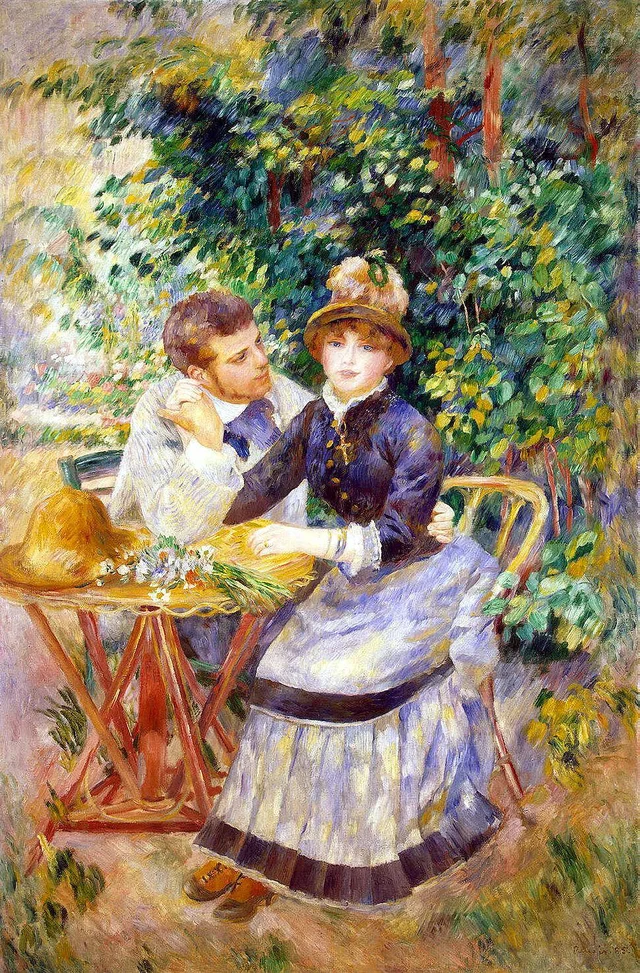 En el jardínPierre-Auguste Renoir, 1885
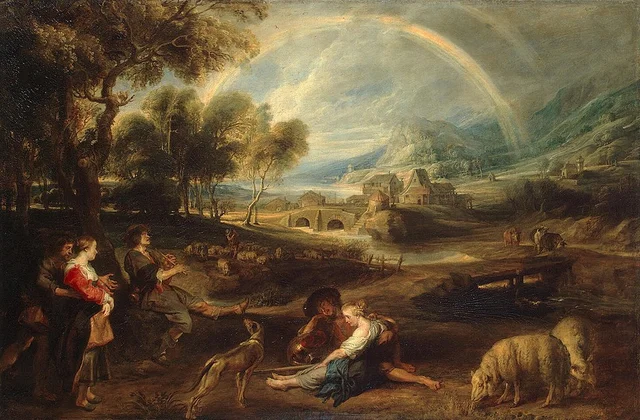 Paisaje con arcoírisPedro Pablo Rubens, 1632
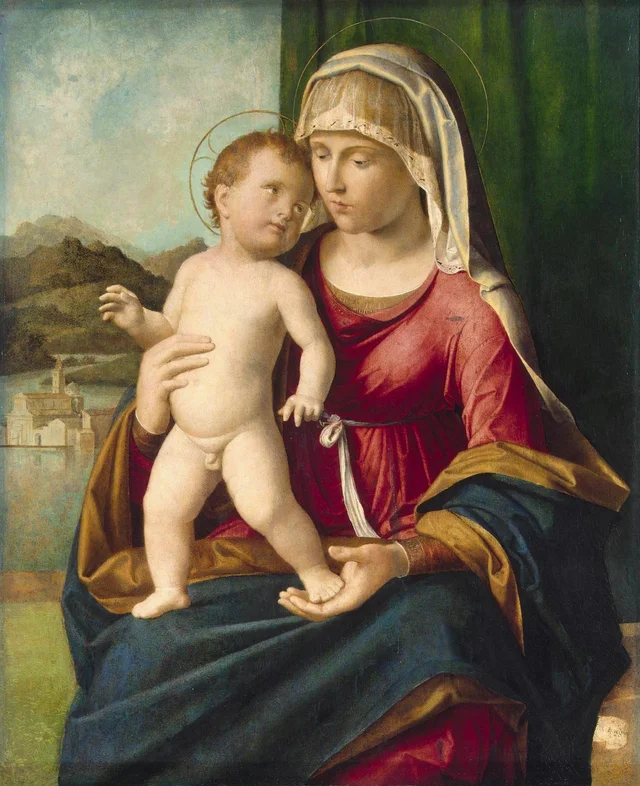 Virgen con el NiñoGiovanni Battista Cima da Conegliano, 1496
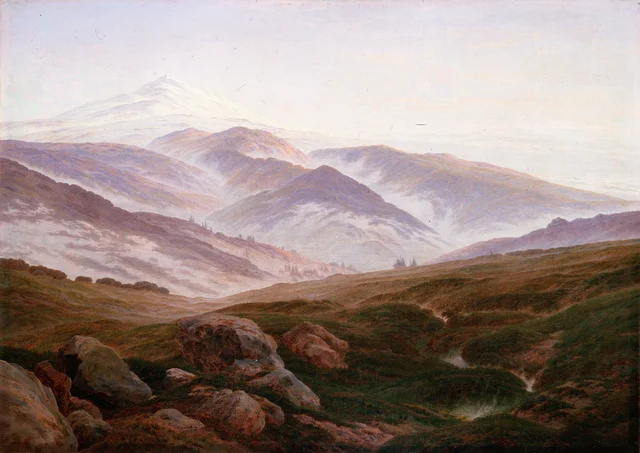 Recuerdo de los montes GigantesCaspar David Friedrich, 1835
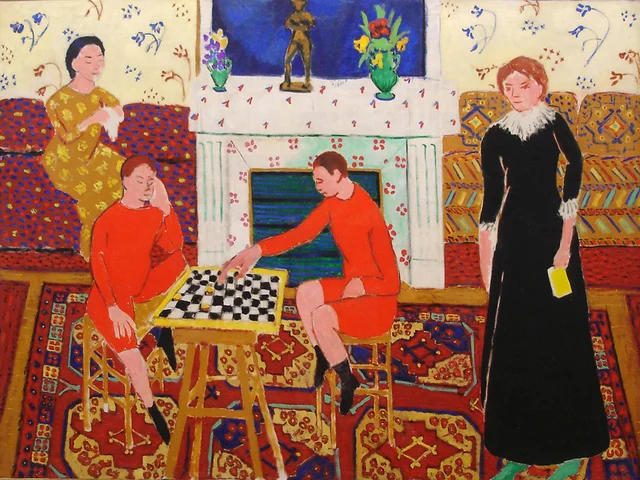 La familia del pintorHenri Matisse, 1911
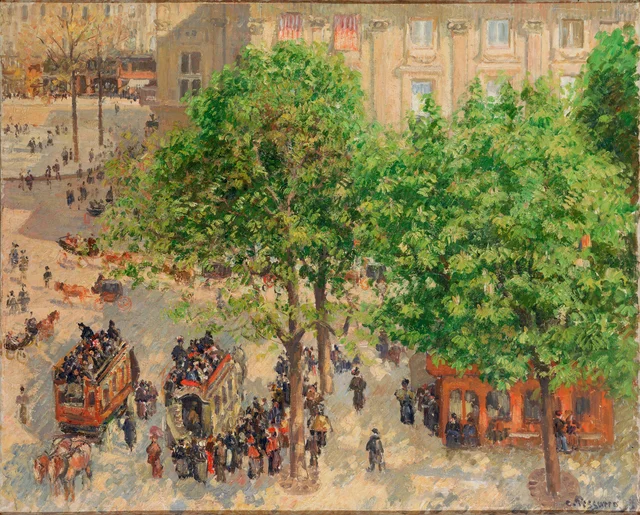 La Plaza del Théâtre-Français en primaveraCamille Pissarro, 1898
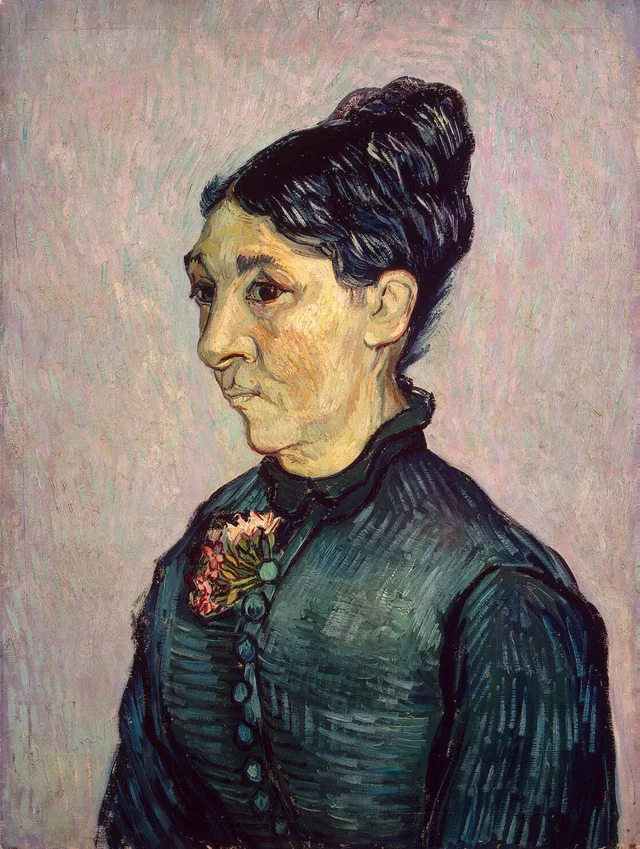 Retrato de Madame TrabucVincent van Gogh, 1889
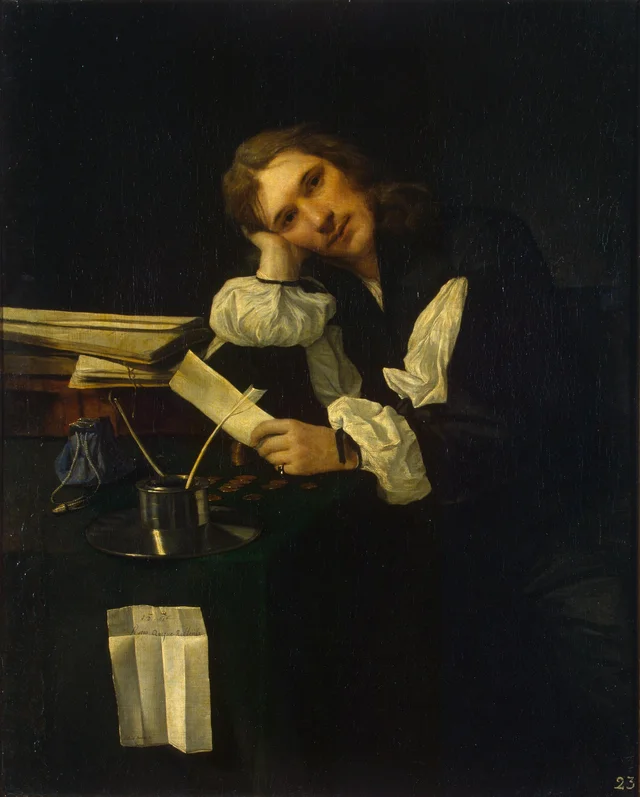 Retrato de un jovenMichiel Sweerts, 1656
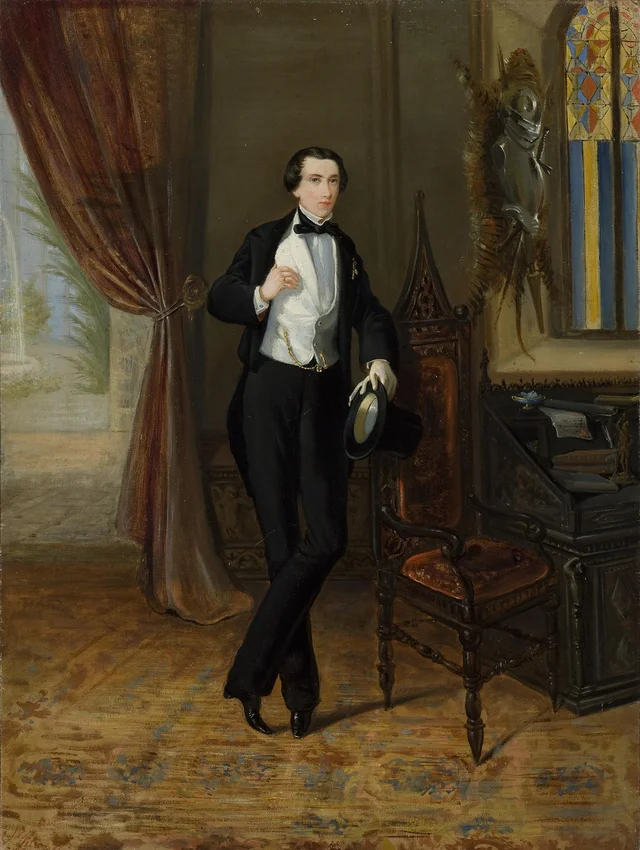 Retrato del joven príncipe N. B. YusúpovVincenzo Petrocelli, 1851
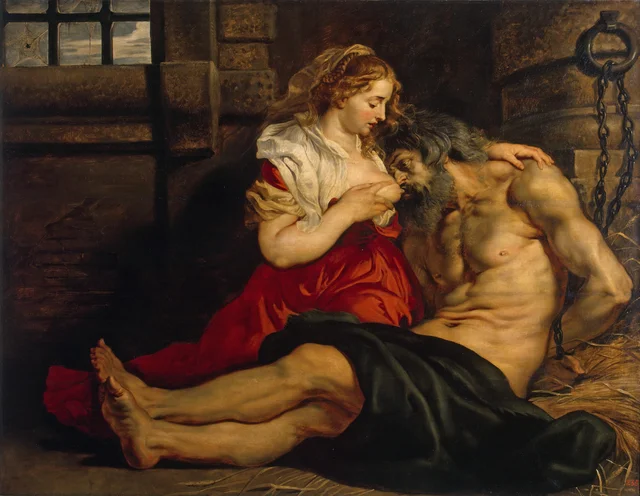 Caridad romanaPedro Pablo Rubens, 1612
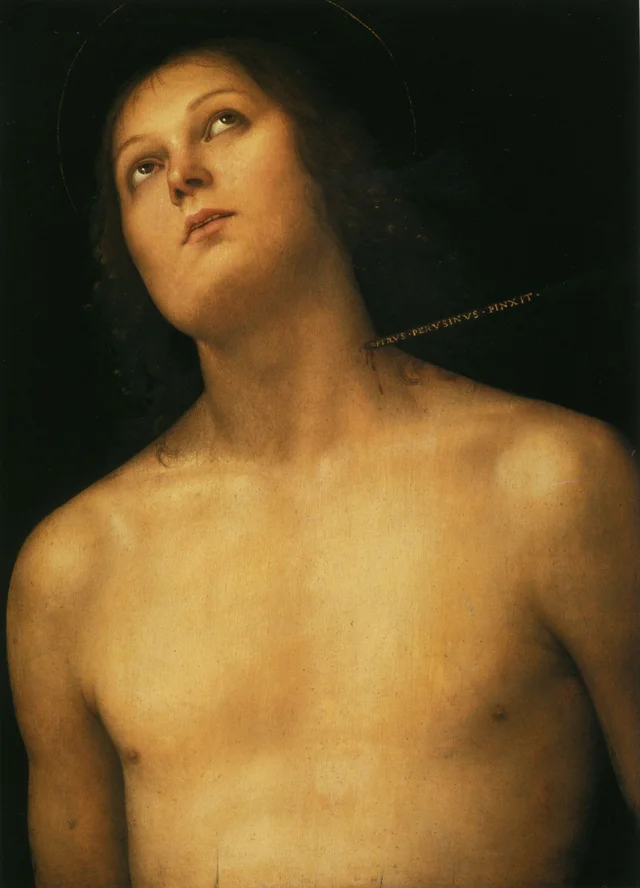 San SebastiánPietro Perugino, 1493
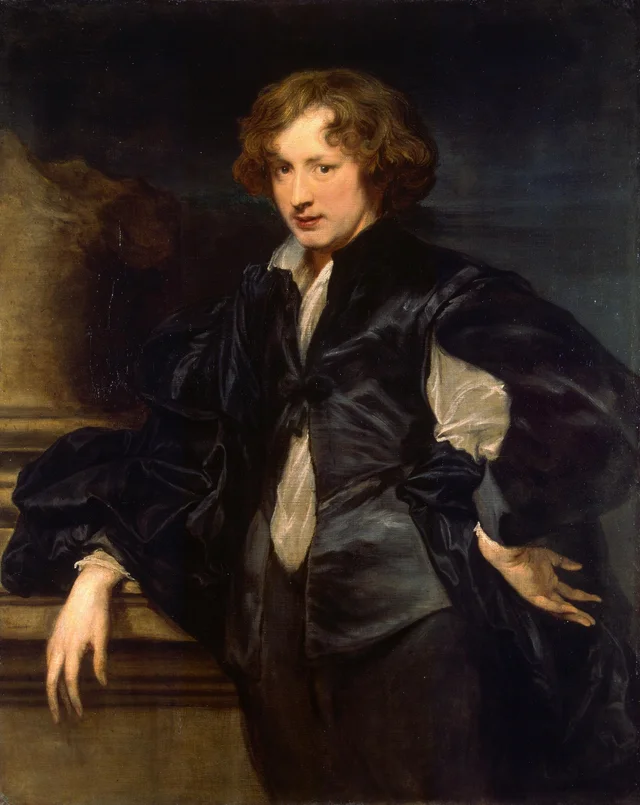 AutorretratoAnton van Dyck, 1622
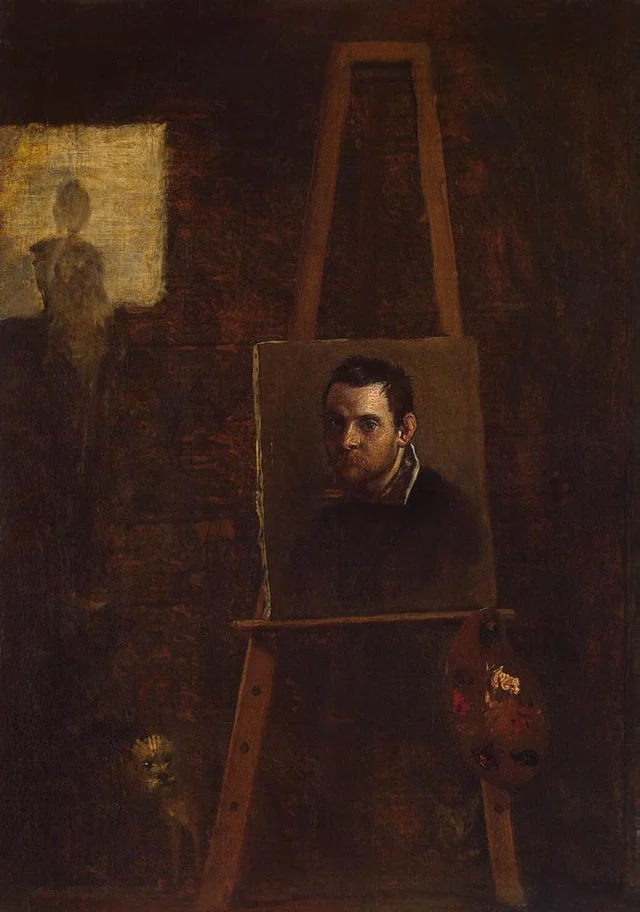 Autorretrato en el caballeteAnnibale Carracci, 1604