La historia
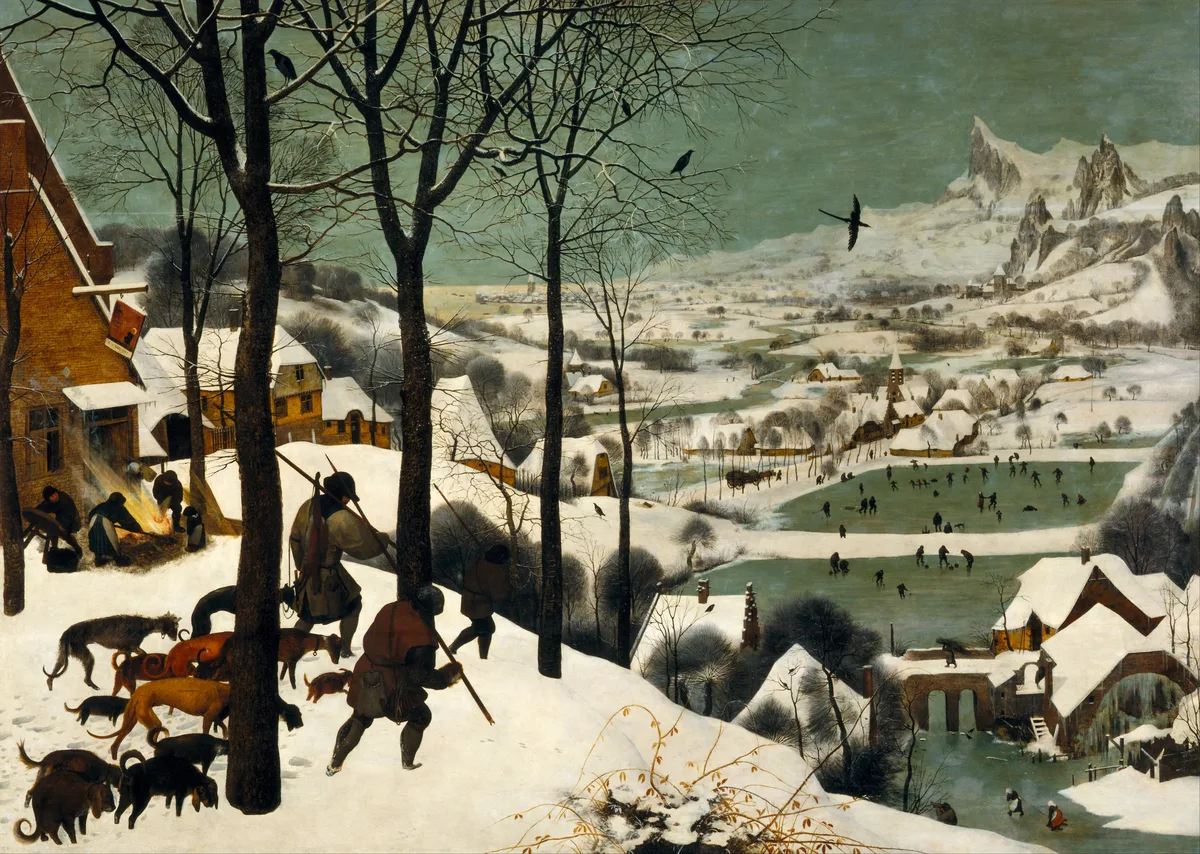
Una sala de la primera planta reúne más pinturas de Pieter Bruegel el Viejo que ningún otro lugar de la tierra, alrededor de una docena, entre ellas Cazadores en la nieve, la hilera de cazadores cansados y sus perros avanzando penosamente sobre una colina por encima de un valle helado, pintada en 1565. Que Viena las posea se debe a los Habsburgo, la dinastía que gobernó buena parte de Europa durante siglos y empleó buena parte de ese poder en comprar arte.
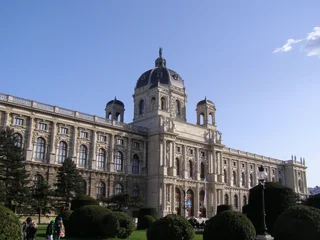
El museo se construyó justo para lucir todo eso. El emperador Francisco José lo inauguró en 1891 en la Ringstraße, el gran bulevar trazado donde se alzaban las viejas murallas de Viena, en un edificio palaciego de Gottfried Semper y Karl von Hasenauer, con la escalinata decorada por el joven Gustav Klimt antes de convertirse en el Klimt del oro y el escándalo. La idea era reunir bajo un solo techo las dispersas colecciones imperiales y dejar entrar al público.
Así, las paredes se leen como un inventario del alcance de los Habsburgo. El arte de la pintura de Vermeer, con el artista visto de espaldas ante su caballete, que la familia guardó como uno de sus tesoros. Salas de Tiziano, Rubens y Velázquez, cuyos retratos cortesanos españoles de pequeñas y solemnes infantas llegaron a Viena por los matrimonios que unían las dos ramas de la familia. Y bajo las pinacotecas está la Kunstkammer, un laberinto de marfiles tallados, autómatas de relojería y copas de piedras preciosas reunido por emperadores que deseaban lo extraño y lo ingenioso tanto como lo bello. Su objeto más famoso es un salero de oro que Benvenuto Cellini hizo para el rey de Francia.
Más artículos
Colección
381 obras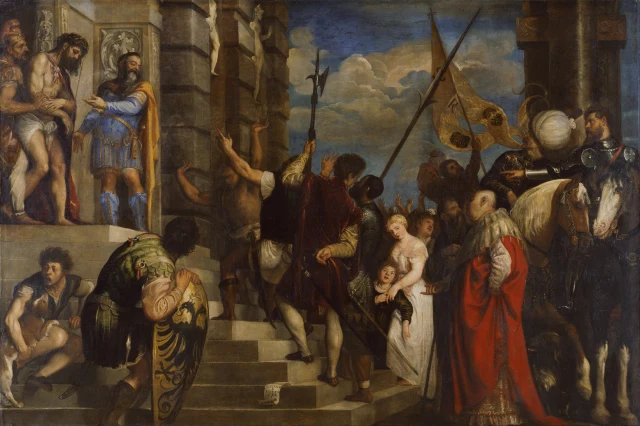 Ecce HomoTiziano, 1543
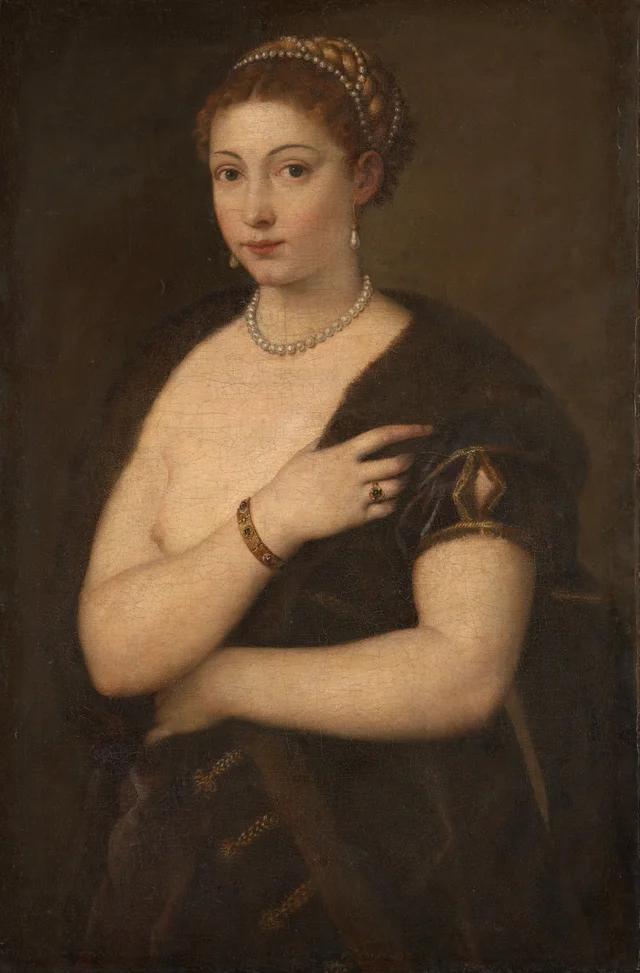 Muchacha con pielesTiziano, 1535
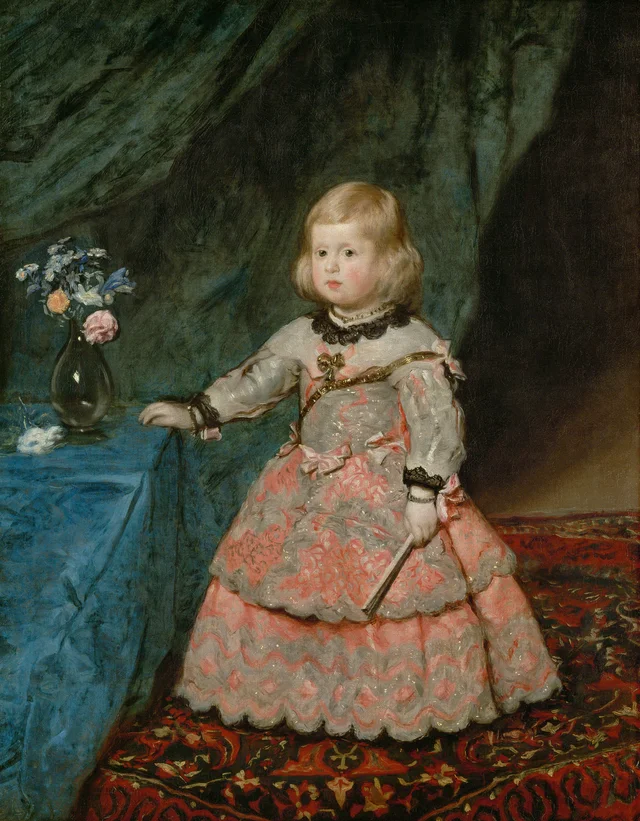 La infanta Margarita TeresaDiego Velázquez, 1653
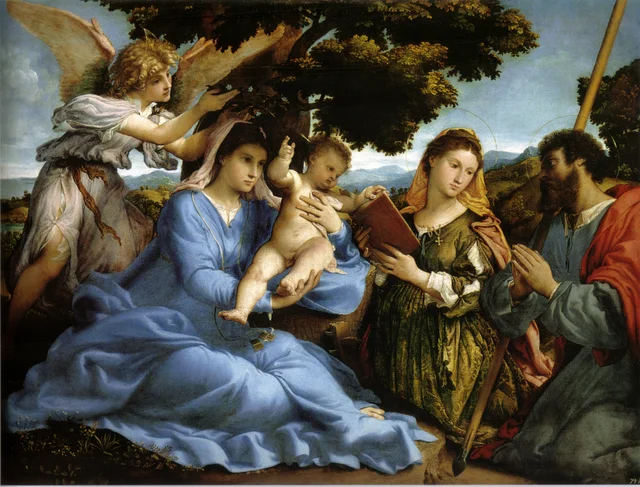 La Virgen y el Niño con santa Catalina, Santiago el Mayor y un ángelLorenzo Lotto, 1527
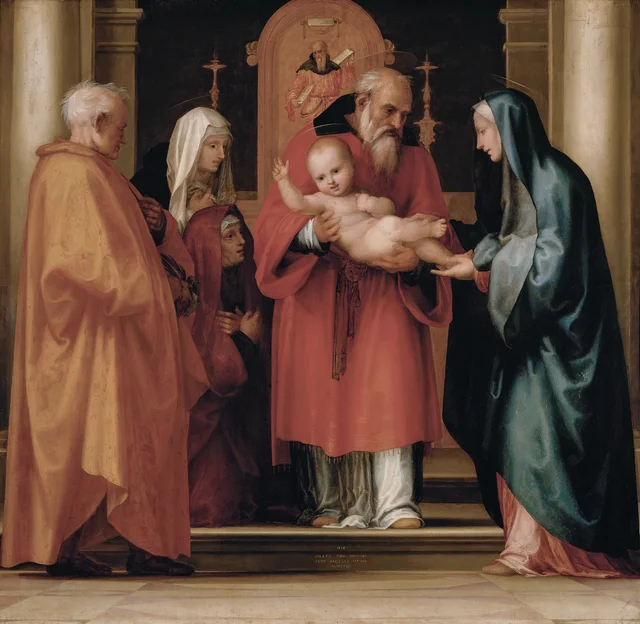 Presentación de Cristo en el temploFra Bartolomeo, 1516
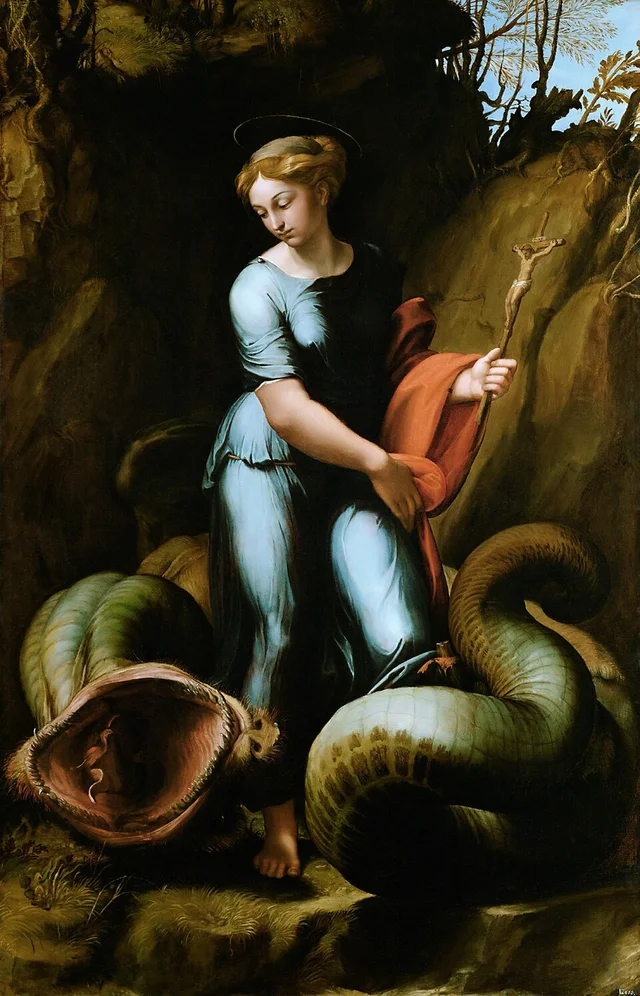 Santa Margarita y el dragónRafael, 1518
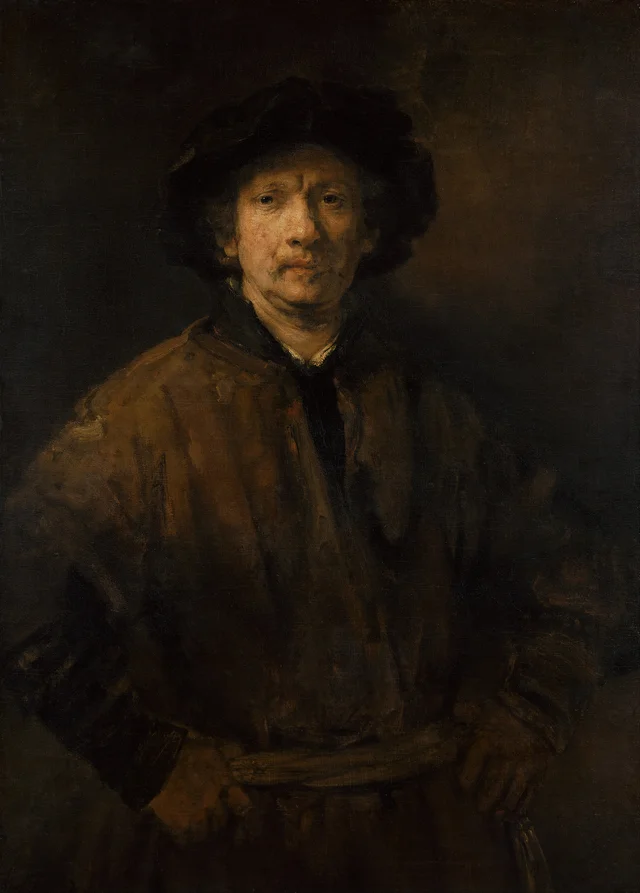 AutorretratoRembrandt, 1652
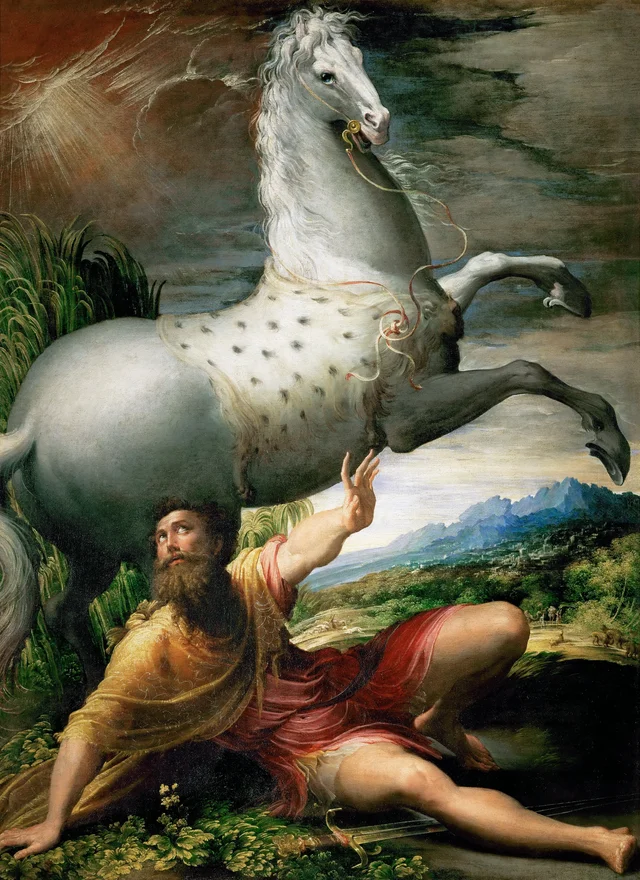 La conversión de san PabloParmigianino, 1527
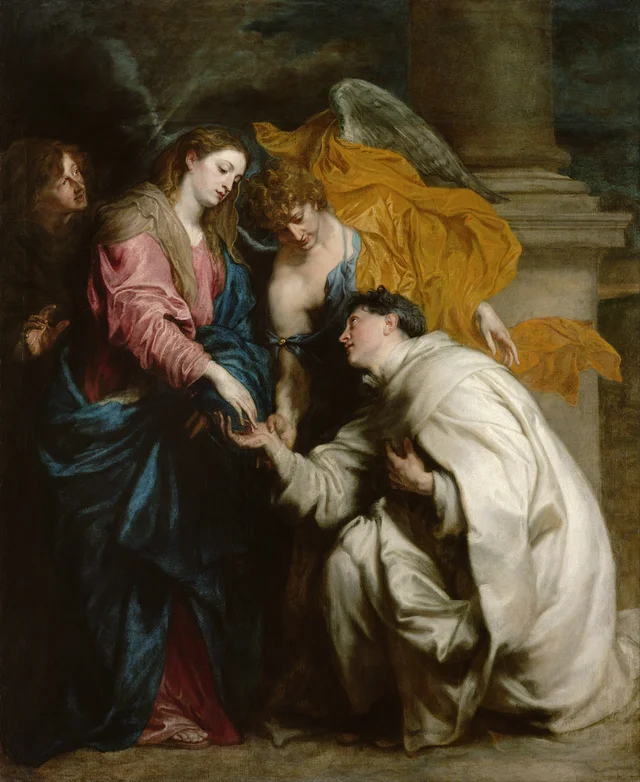 La visión del beato Hermann JosephAnton van Dyck, 1629
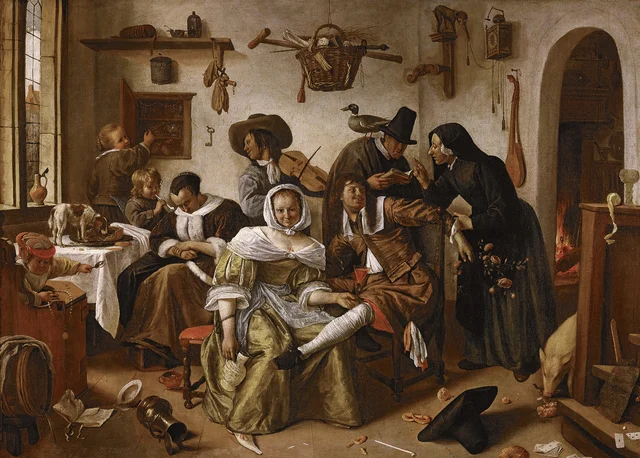 Cuidado con el lujoJan Steen, 1663
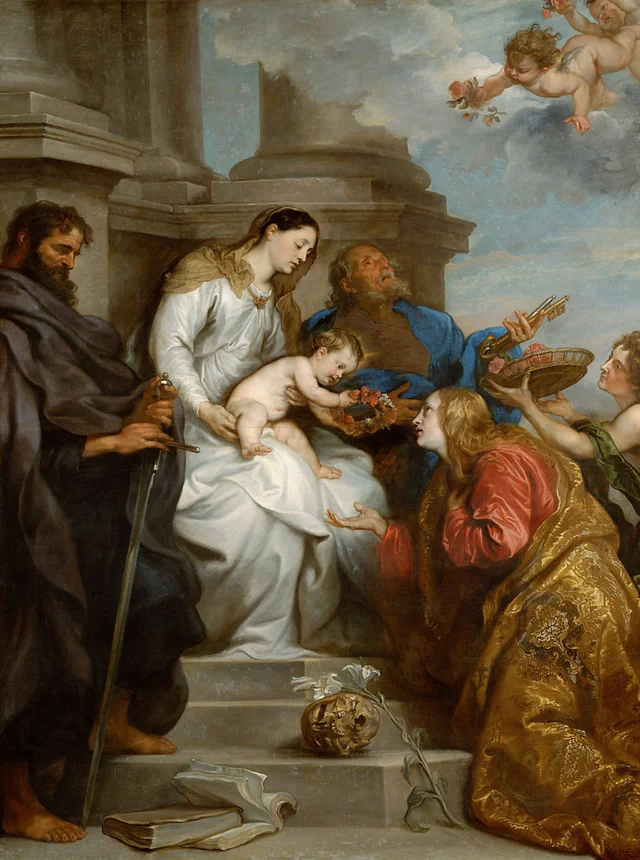 Coronación de santa RosalíaAnton van Dyck, 1629
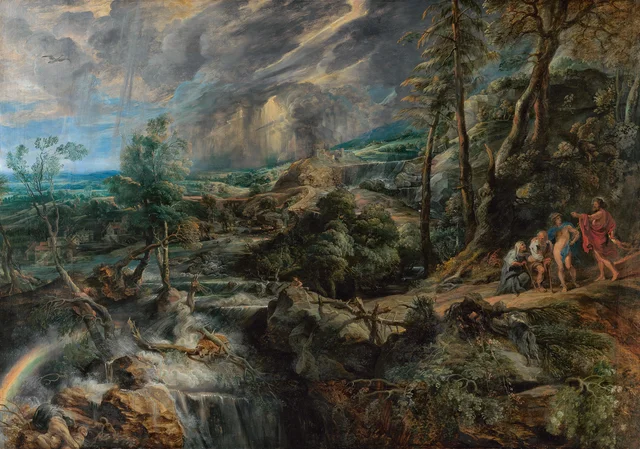 Paisaje con Filemón y BaucisPedro Pablo Rubens, 1620
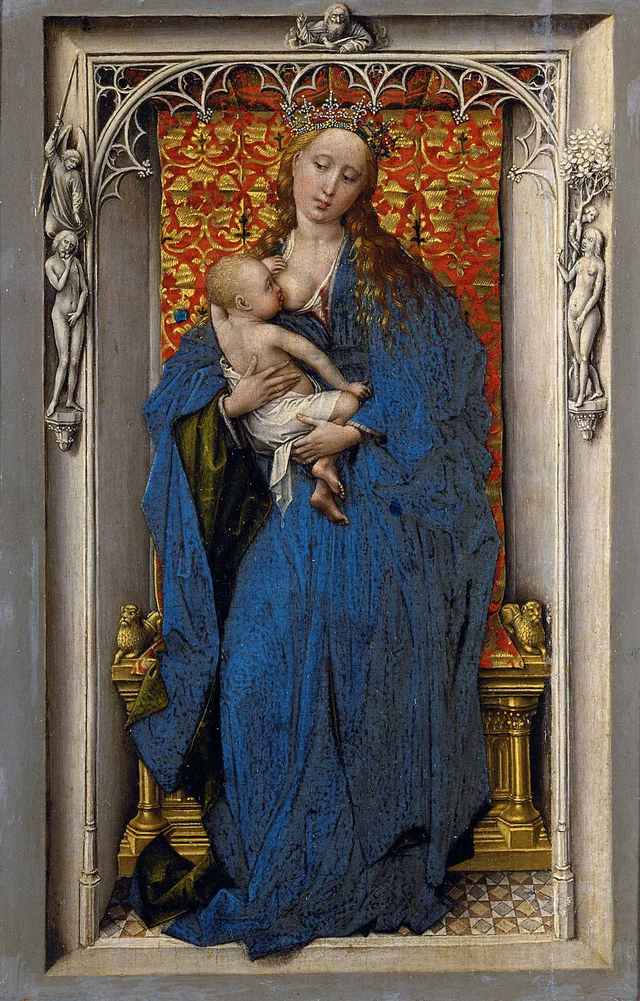 La Virgen en pieRogier van der Weyden, 1451
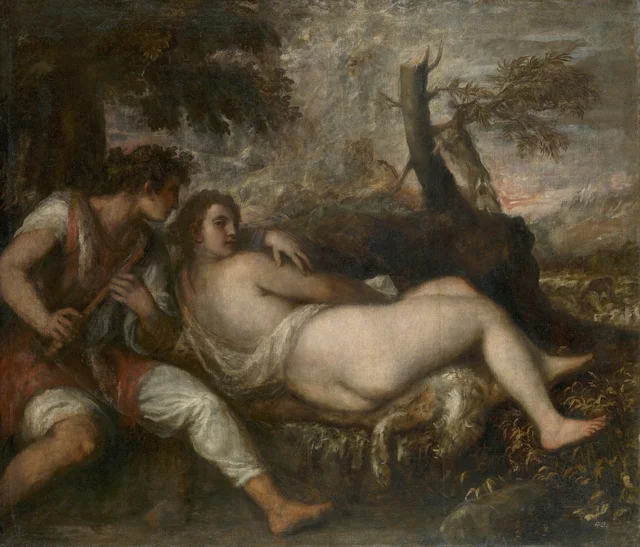 Ninfa y pastorTiziano, 1570
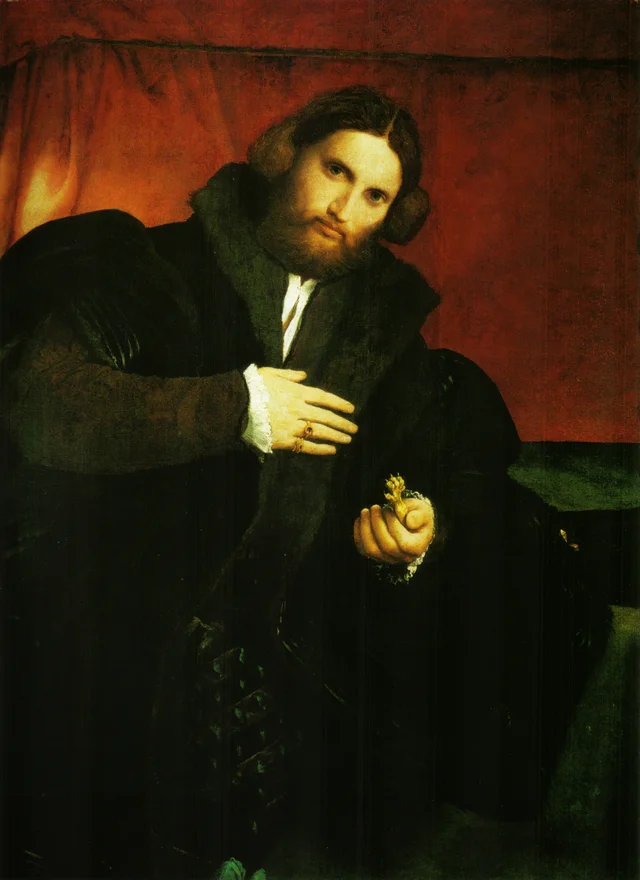 Retrato de un caballero con una garra de leónLorenzo Lotto, 1527
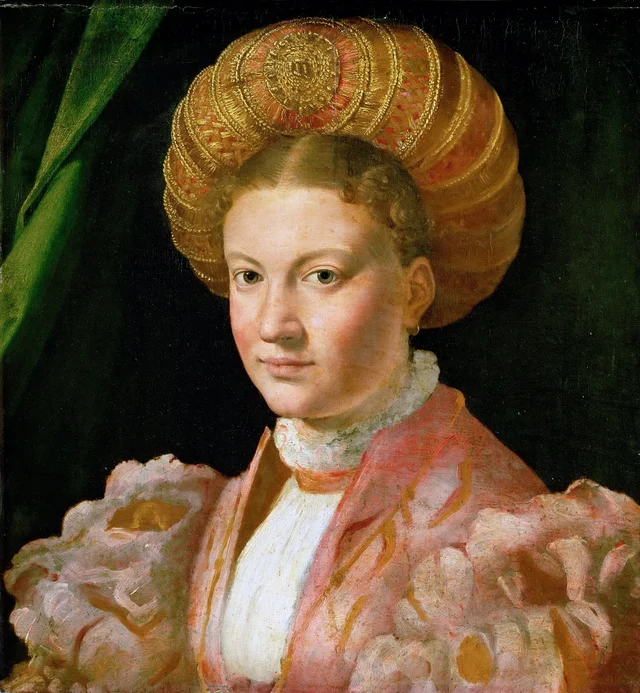 Retrato de una jovenParmigianino, 1530
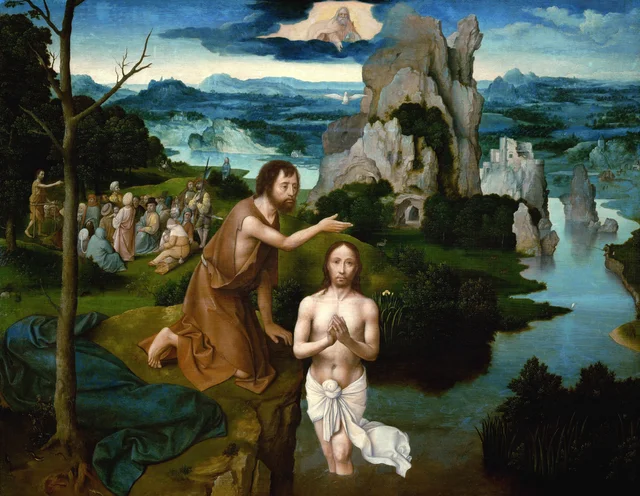 El bautismo de CristoJoachim Patinir, 1510
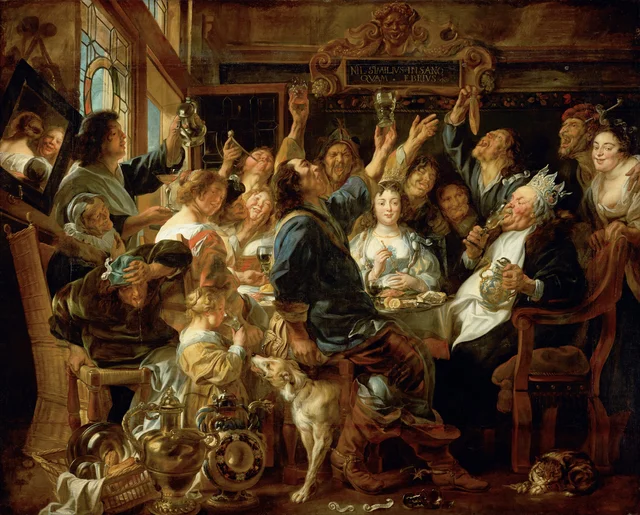 El rey bebeJacob Jordaens, 1640
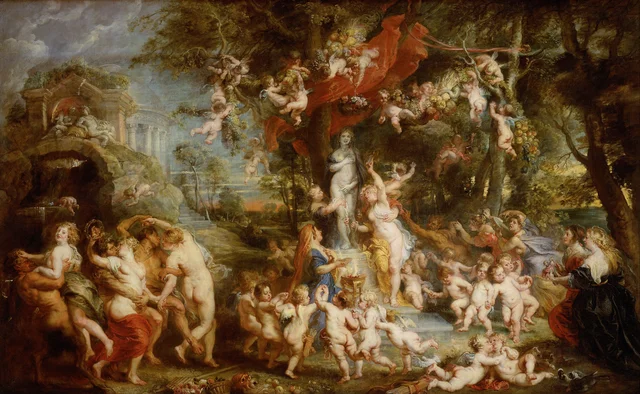 La fiesta de VenusPedro Pablo Rubens, 1636
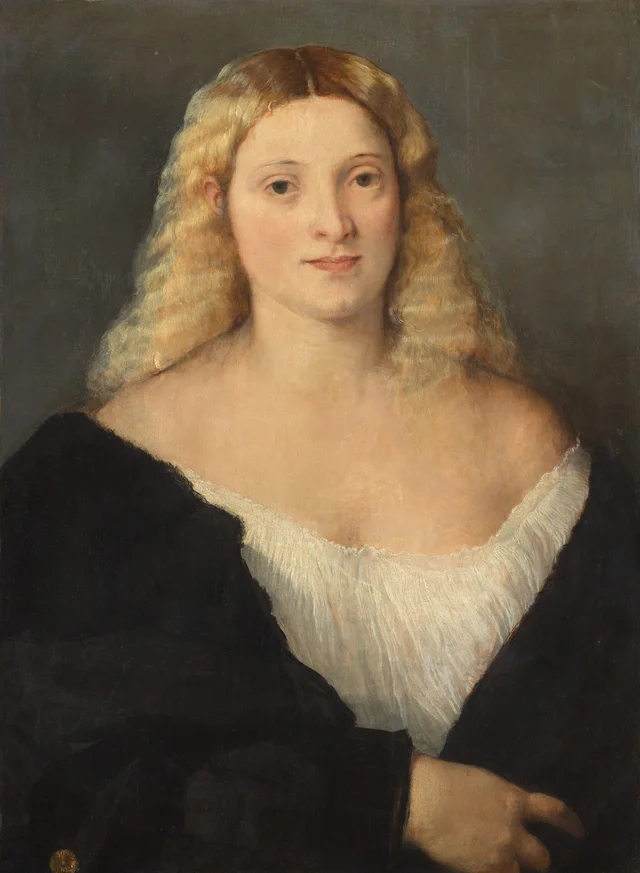 Joven con vestido negroTiziano, 1520
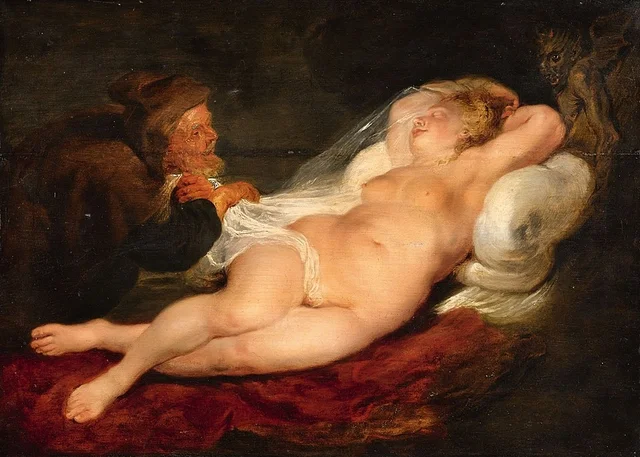 Angélica y el ermitañoPedro Pablo Rubens, 1620
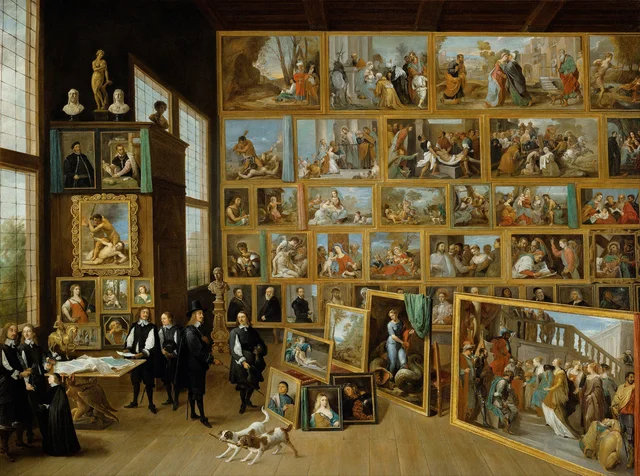 El archiduque Leopoldo Guillermo en su galería de BruselasDavid Teniers el Joven, 1651
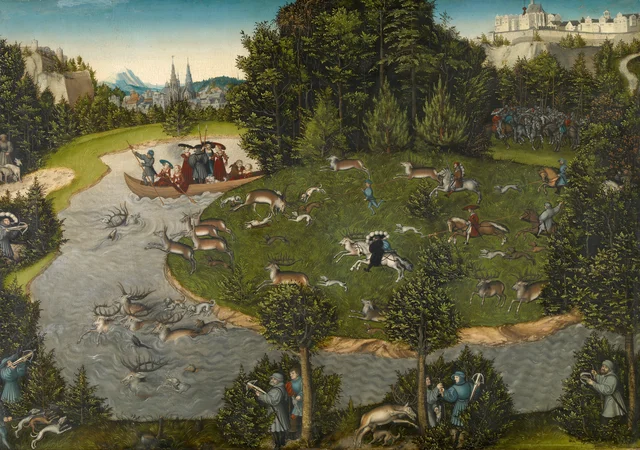 Cacería de ciervos con el elector Federico el Sabio de SajoniaLucas Cranach el Viejo, 1529
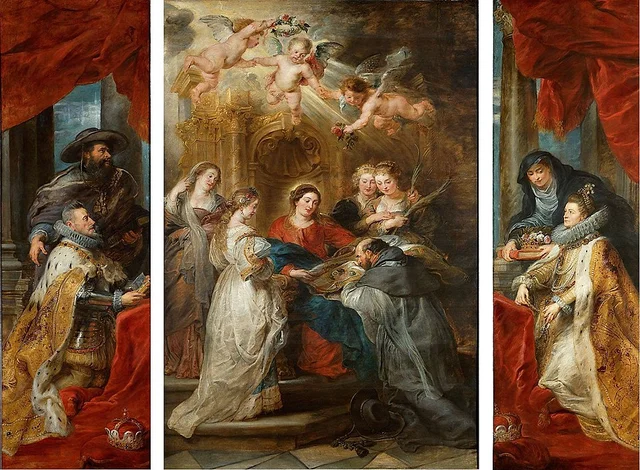 Retablo de San IldefonsoPedro Pablo Rubens, 1630
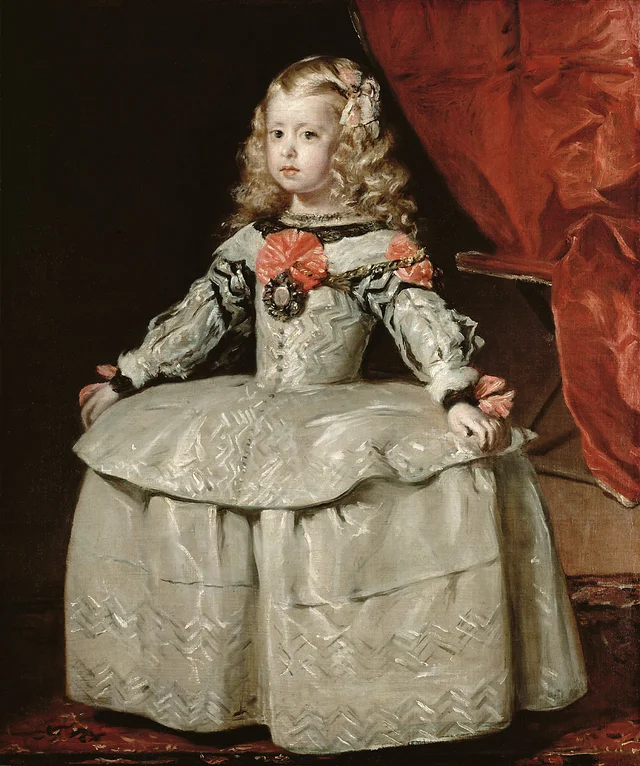 La infanta Margarita Teresa con vestido blanco y plateadoDiego Velázquez, 1656