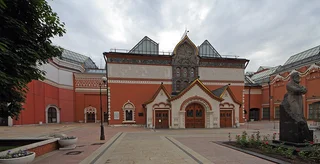
La historia
La galería lleva el nombre de un solo hombre porque fue, literalmente, el proyecto de un solo hombre. Pável Tretiakov, un comerciante textil de Moscú, empezó a comprar pintura rusa en la década de 1850 con un propósito claro: formar una colección nacional en una época en que los coleccionistas serios perseguían el arte europeo. Compraba directamente a los artistas vivos, llenó su casa hasta que los cuadros desplazaron a la familia, y en 1892 entregó toda la colección, unas 2.000 obras, a la ciudad de Moscú como regalo.
El edificio que él amplió se convirtió en un hito por derecho propio. Su fachada de cuento, toda de ladrillo rojo, piedra blanca y un hastial apuntado como salido de un relato popular, la diseñó después de 1900 el pintor Víktor Vasnetsov, de modo que el envoltorio hace juego con el arte ruso del interior.
Y ese arte es la historia misma de la pintura rusa. Aquí está la Trinidad de Andréi Rubliov, el icono del siglo XV tenido por el más grande del arte ruso, y los enormes lienzos de los Ambulantes, los realistas que rompieron con la academia. Uno de ellos, el cuadro de Iliá Repin en que Iván el Terrible sostiene al hijo que acaba de matar, ha sido atacado dos veces por visitantes, rajado en 1913 y golpeado de nuevo en 2018, y cada vez restaurado con esmero. Cerca cuelgan los atentos retratos de Kramskói y las vastas y abarrotadas escenas de la historia rusa de Súrikov, y toda una sala de iconos medievales que el museo muestra como arte.
Colección
112 obras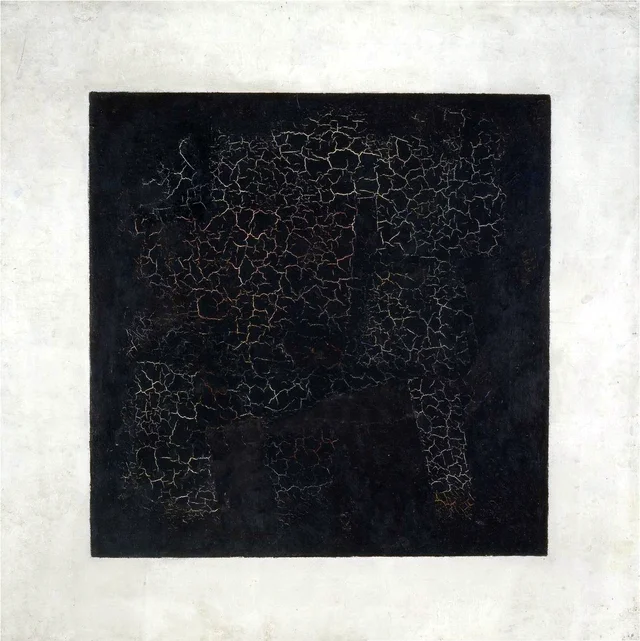 Cuadrado negro (1915)Kazimir Malévich, 1915
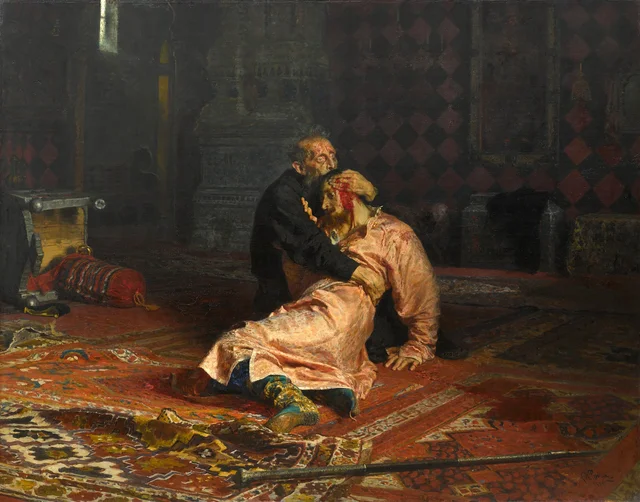 Iván el Terrible y su hijo Iván el 16 de noviembre de 1581Iliá Repin, 1883
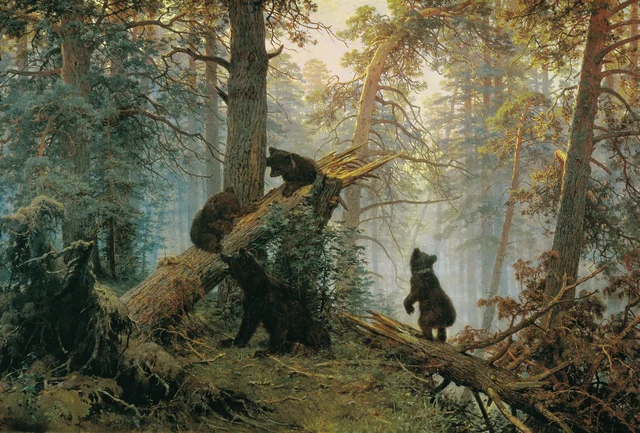 Mañana en un bosque de pinosIván Shishkin, 1889
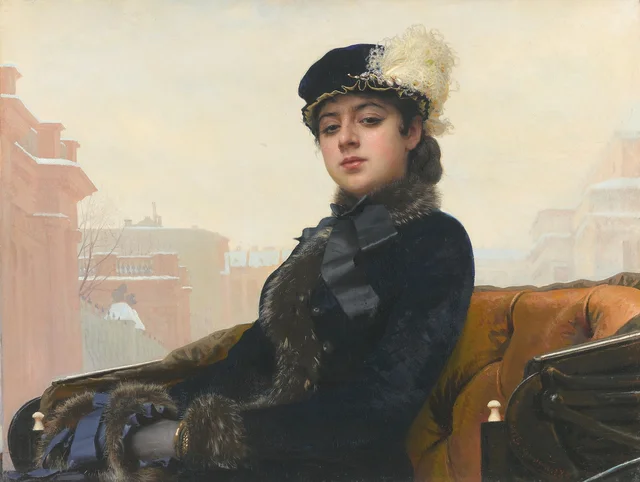 Retrato de una desconocidaIván Kramskói, 1883
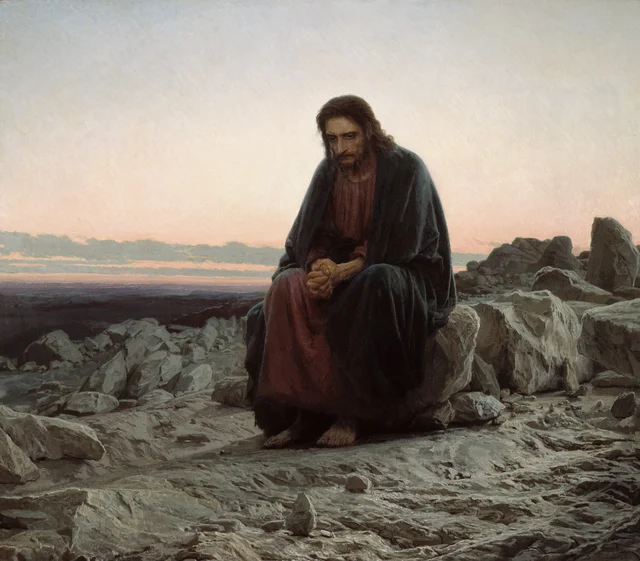 Cristo en el desiertoIván Kramskói, 1872
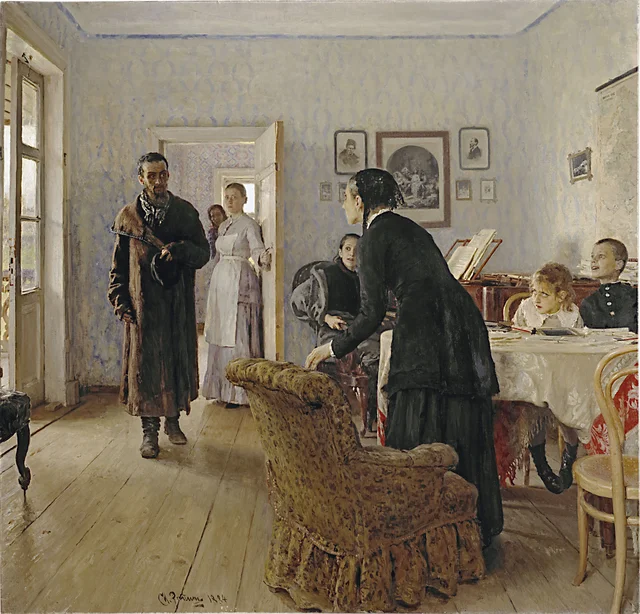 No le esperabanIliá Repin, 1888
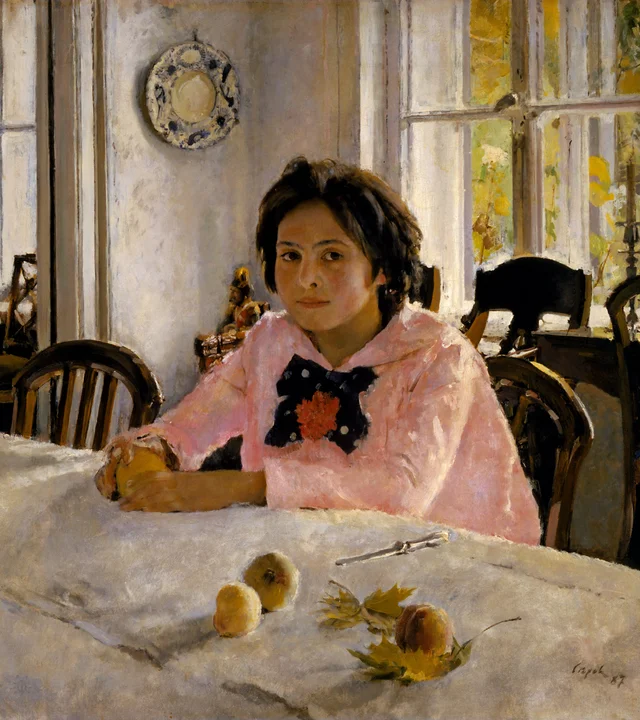 Niña con melocotonesValentín Serov, 1887
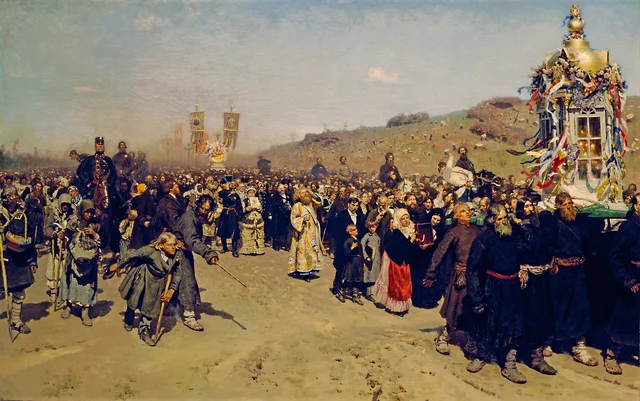 Procesión religiosa en la provincia de KurskIliá Repin, 1880
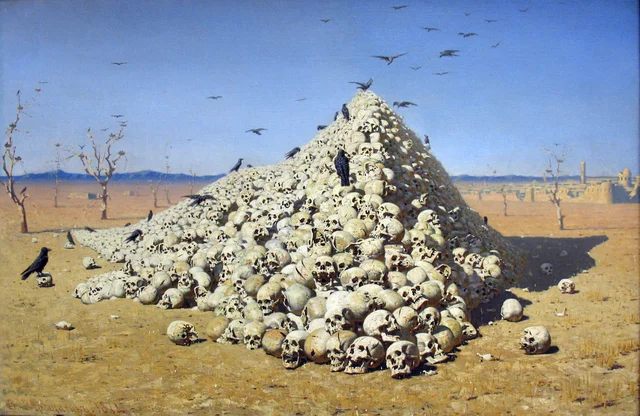 Apoteosis de la guerraVasili Vereschaguin, 1871
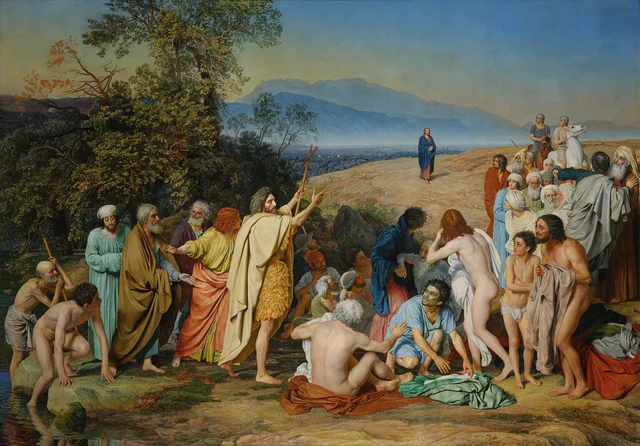 La aparición de Cristo ante el puebloAleksandr Ivánov, 1847
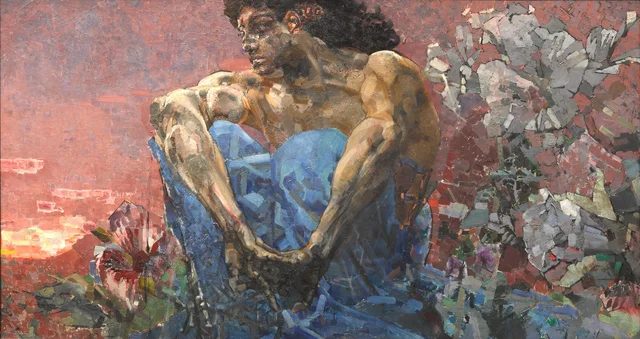 El demonio sentadoMijaíl Vrúbel, 1890
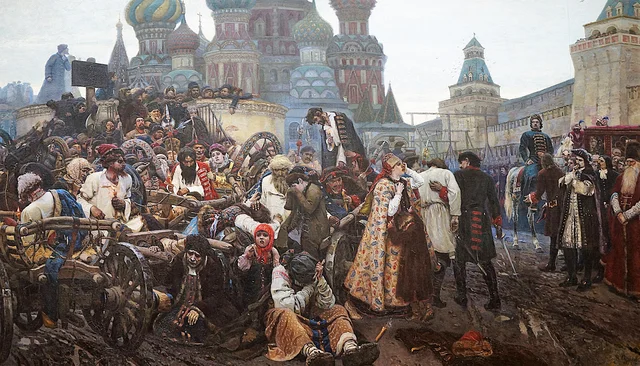 La mañana de la ejecución de los streltsíVasili Súrikov, 1881
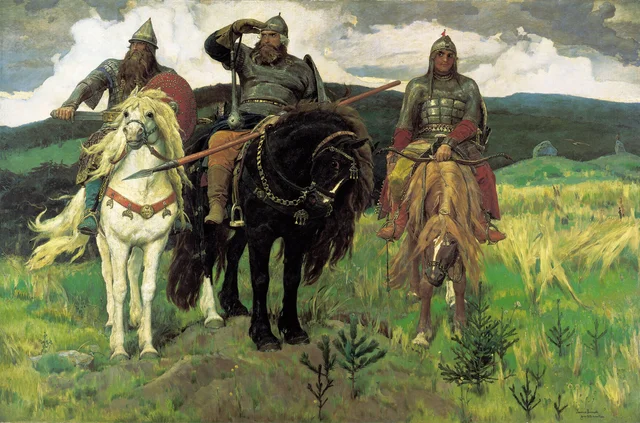 Los bogatyresVíktor Vasnetsov, 1898
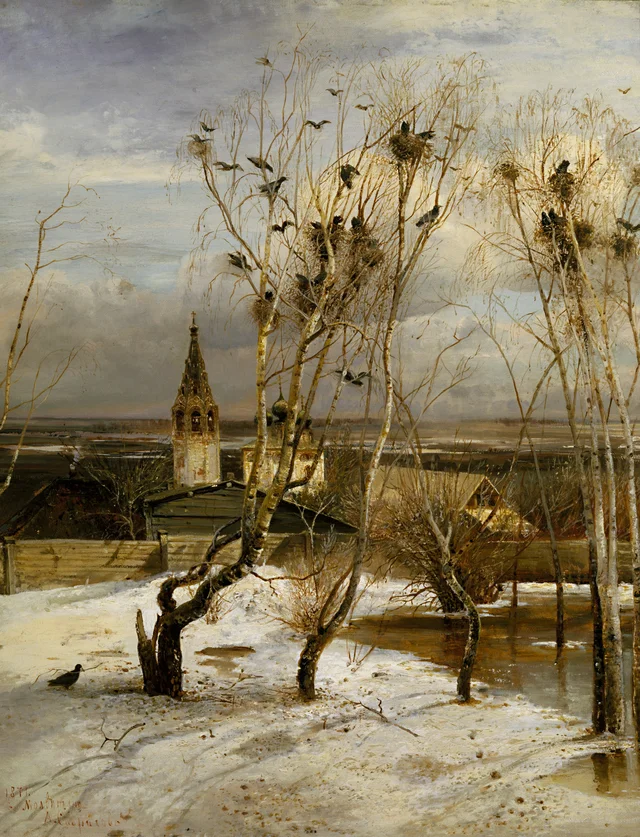 Han llegado los grajosAlekséi Savrásov, 1871
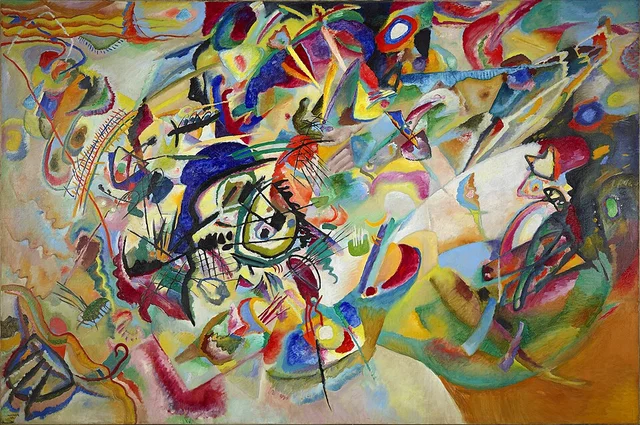 Composición VIIVasili Kandinski, 1913
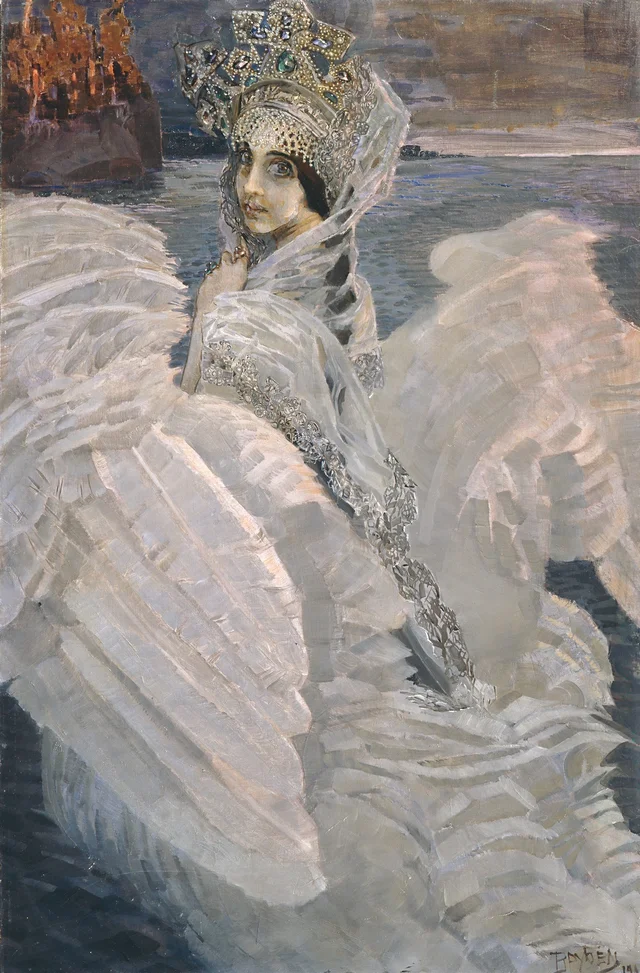 La princesa cisneMijaíl Vrúbel, 1900
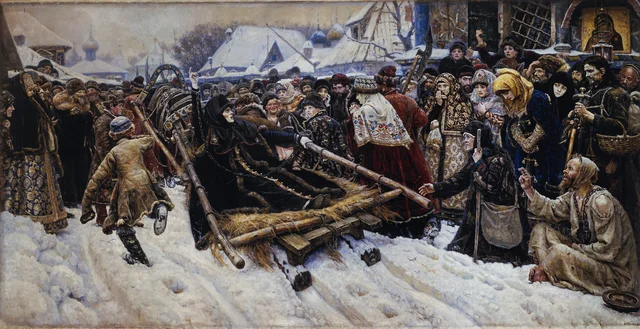 La boyarda MorózovaVasili Súrikov, 1887
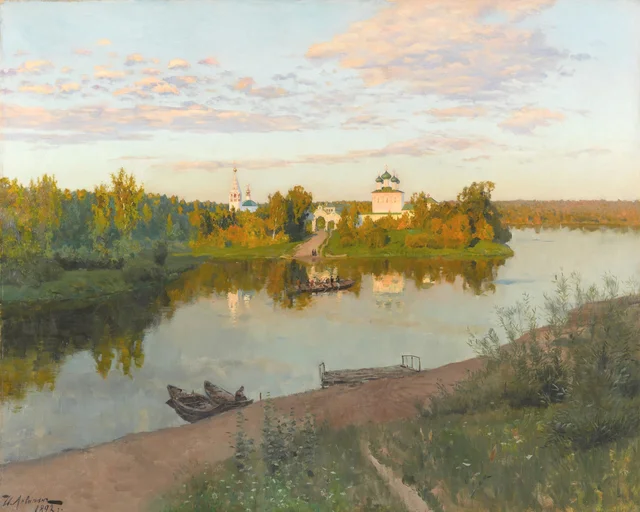 Campanas vespertinasIsaak Levitán, 1892
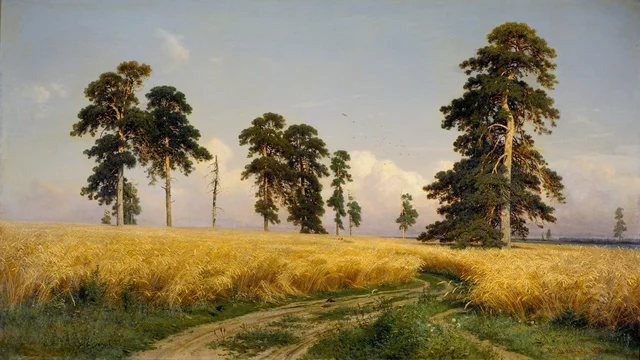 CentenoIván Shishkin, 1878
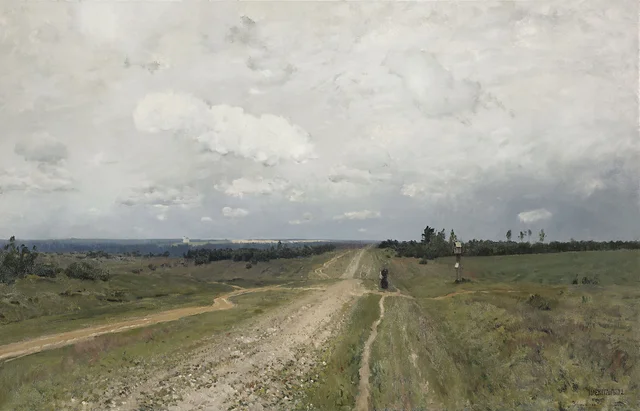 El camino de VladímirIsaak Levitán, 1892
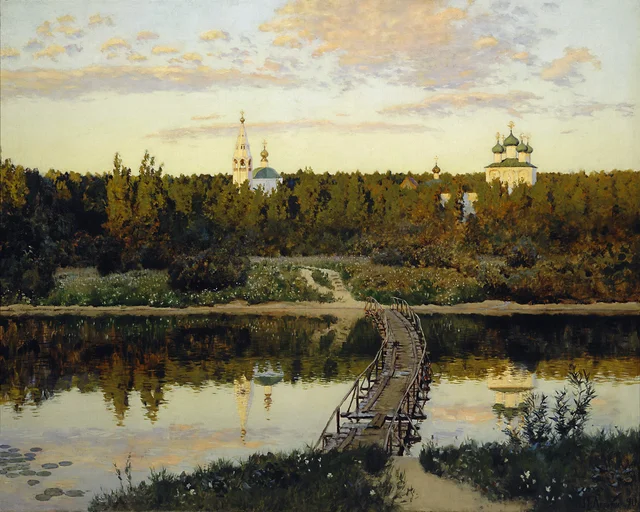 Un monasterio tranquiloIsaak Levitán, 1890
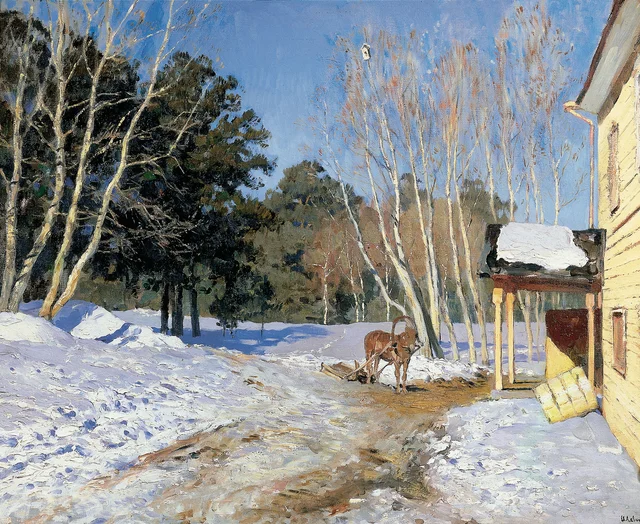 MarzoIsaak Levitán, 1895
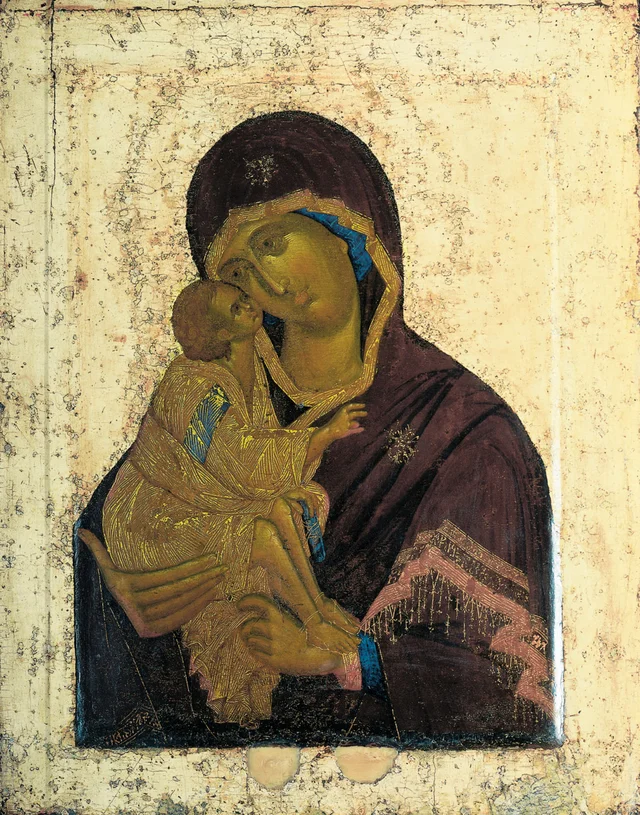 Virgen del DonTeófanes el Griego, 1382
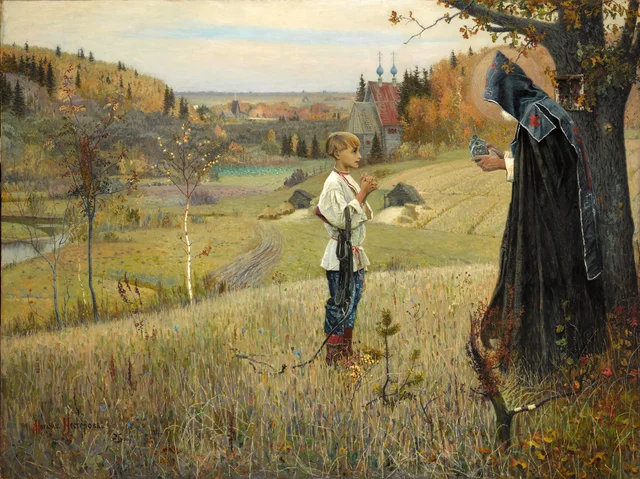 La visión al joven BartoloméMijaíl Nésterov, 1889
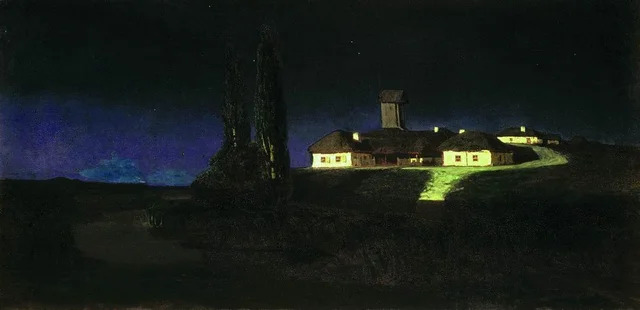 Noche ucranianaArjip Kuindzhi, 1876