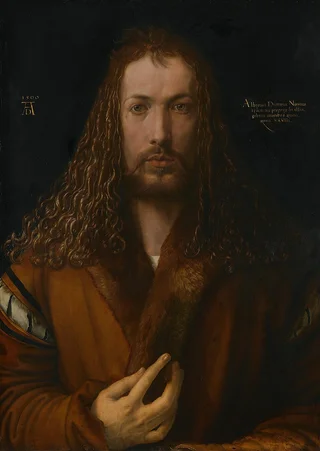
Albrecht Dürer
1471–1528 · Saint-Empire romain germanique · Renaissance allemande
L'histoire
En 1515, un rhinocéros vivant arrive à Lisbonne, cadeau parti d'un sultan des Indes à destination du roi du Portugal — le premier animal de ce genre vu en Europe depuis les arènes romaines. Albrecht Dürer, resté à Nuremberg, en Allemagne, ne l'approcha jamais. Il ne reçut qu'une lettre et un croquis sommaire, transmis par les réseaux marchands. À partir de cette description de seconde main, il grava un bois représentant la bête, et le résultat est magnifiquement faux. La peau y est rendue comme des plaques d'armure boulonnées, une petite corne supplémentaire se tord sur les épaules, les pattes sont couvertes d'écailles comme celles d'un lézard. Il imprima même une légende garantissant son exactitude. Le vrai rhinocéros se noya peu après dans un naufrage au large de l'Italie, si bien que presque personne ne put le contredire.
La version cuirassée de Dürer devint le rhinocéros de l'imaginaire européen, recopiée dans les manuels et encyclopédies pendant 250 ans. Et c'est bien là tout Dürer : il avait compris que l'image imprimée était un pouvoir d'un genre nouveau. Un tableau reste accroché dans une seule pièce, mais un bois gravé pouvait être tiré à des centaines d'exemplaires et vendu à travers tout le continent ; il poussa ce médium plus loin que quiconque, signant chaque feuille d'un monogramme, un A enveloppant un D, telle une marque déposée avant l'heure.
Fils d'un orfèvre de Nuremberg, formé seul à penser en mathématicien la proportion et la perspective, il vécut au moment où la Réforme s'abattit sur l'Allemagne. Il admirait Martin Luther et s'affligea dans son journal d'une fausse rumeur selon laquelle Luther aurait été capturé. La gravure que beaucoup considèrent comme son sommet, Melencolia I de 1514, reste une énigme toujours débattue : une figure ailée et pensive, entourée des outils de la géométrie, assise, inactive, au milieu d'eux.
Autres articles
 Article · 45 min de lectureLe musée Thyssen-Bornemisza : vingt tableaux achetés par un père et son fils
 Article · 47 min de lectureLa Gemäldegalerie de Berlin : 20 tableaux que Berlin a achetés, perdus et divisés
 Article · 40 min de lectureLa galerie des Maîtres anciens de Dresde : 15 tableaux achetés, rebaptisés et rendus
 Article · 47 min de lectureGalerie des Offices : le musée qui a survécu aux Médicis
 Article · 51 min de lectureLe Kunsthistorisches Museum de Vienne : 25 œuvres et comment elles sont arrivées chez les Habsbourg
 Article · 45 min de lectureL’Alte Pinakothek : 20 tableaux et comment ils sont arrivés à Munich
Œuvres
92 œuvres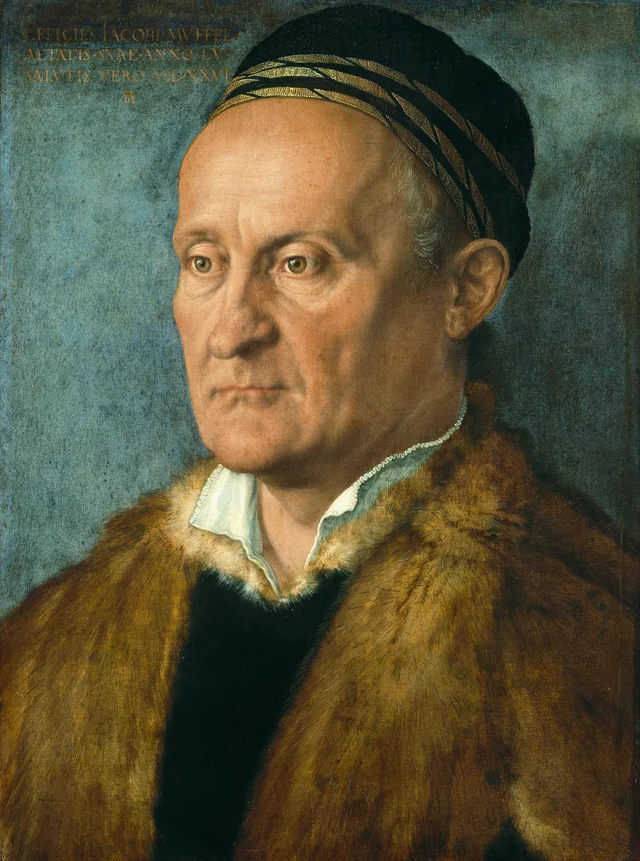 Portrait de Jakob MuffelAlbrecht Dürer, 1526
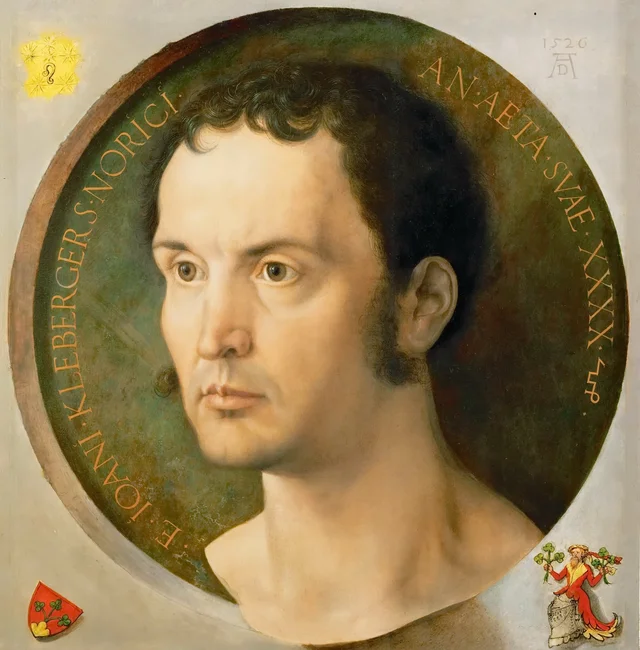 Portrait de Johann KleebergerAlbrecht Dürer, 1526
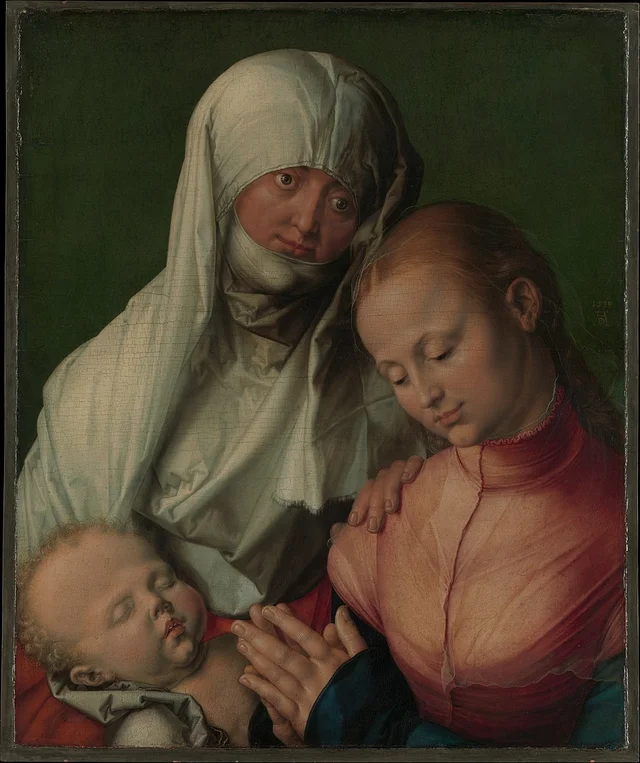 La Vierge à l'Enfant avec sainte AnneAlbrecht Dürer, 1519
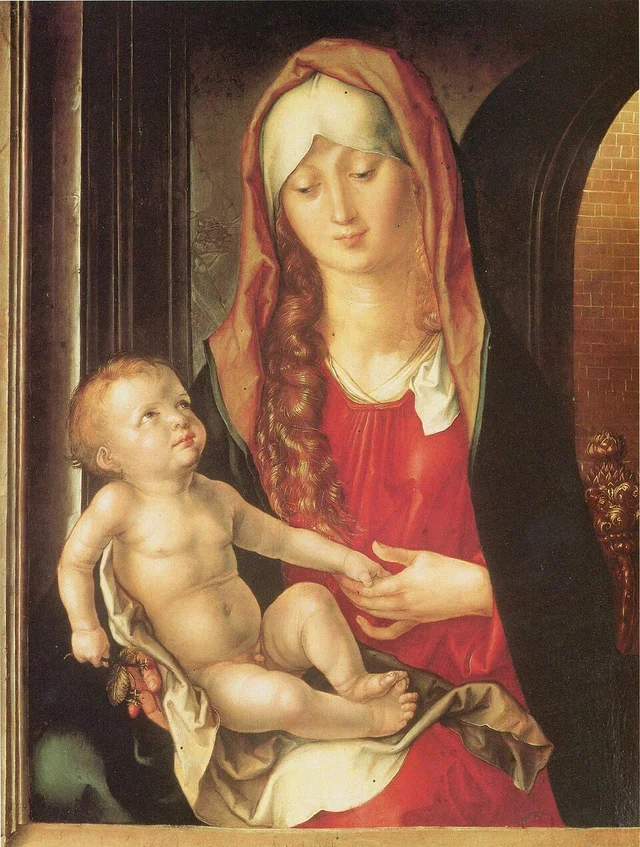 La Madone de BagnacavalloAlbrecht Dürer, 1495
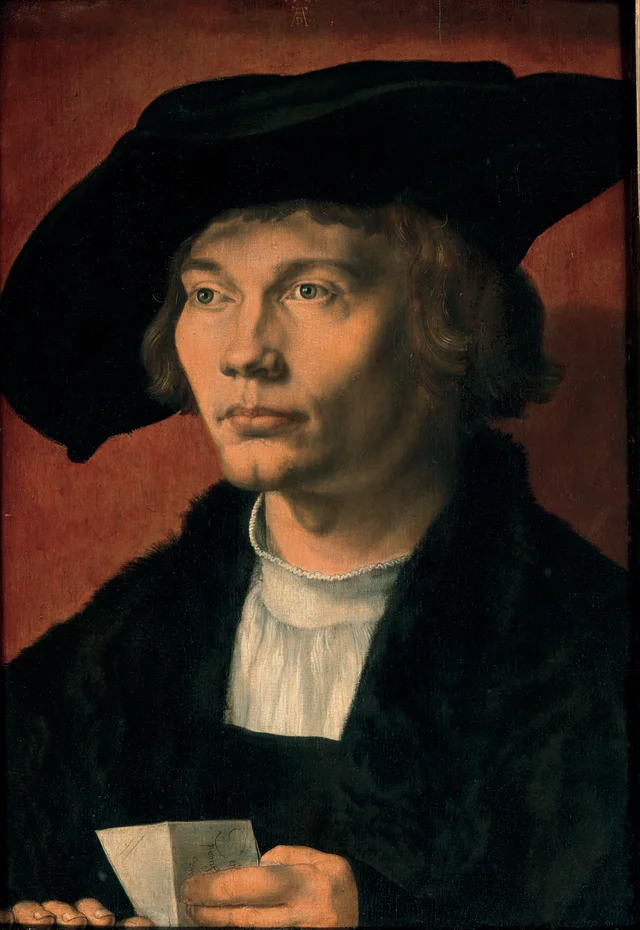 Portrait de Bernhart von ReesenAlbrecht Dürer, 1521
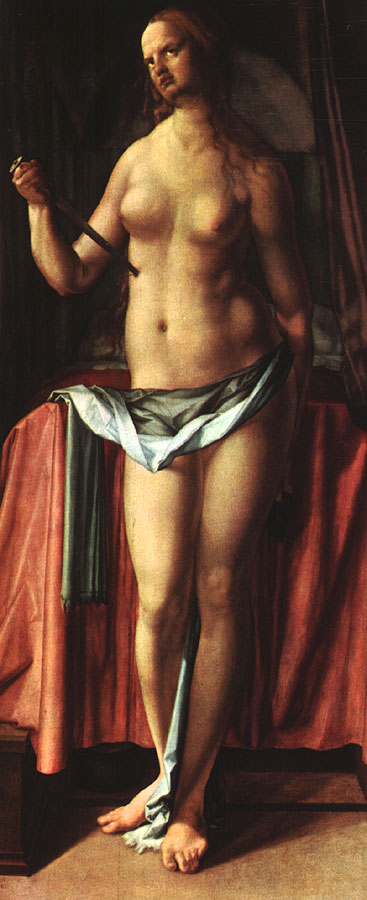 Le Suicide de LucrèceAlbrecht Dürer, 1518
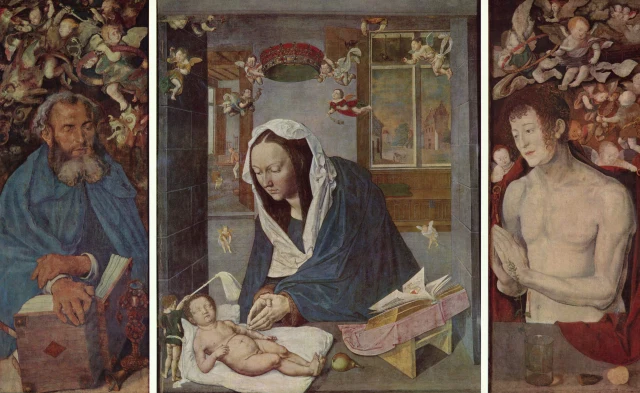 Retable de DresdeAlbrecht Dürer, 1496
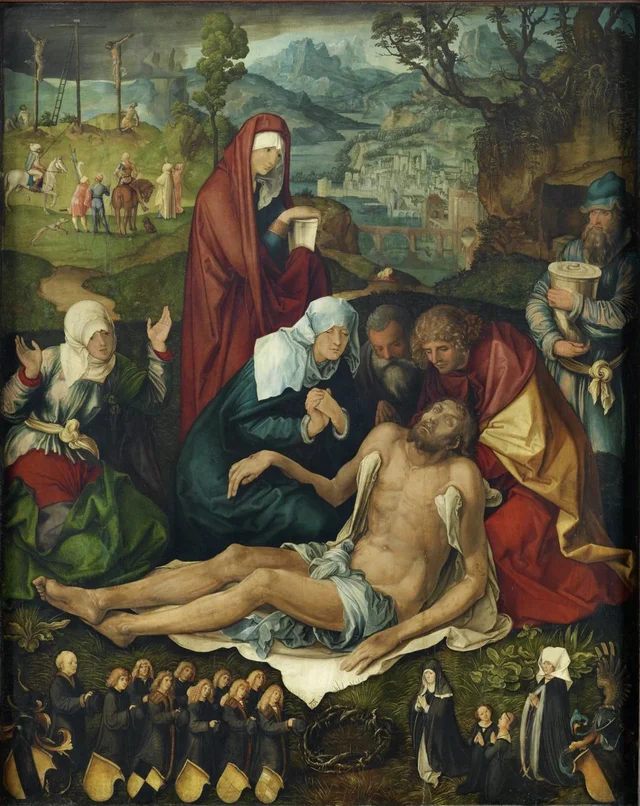 La Lamentation du ChristAlbrecht Dürer, 1498
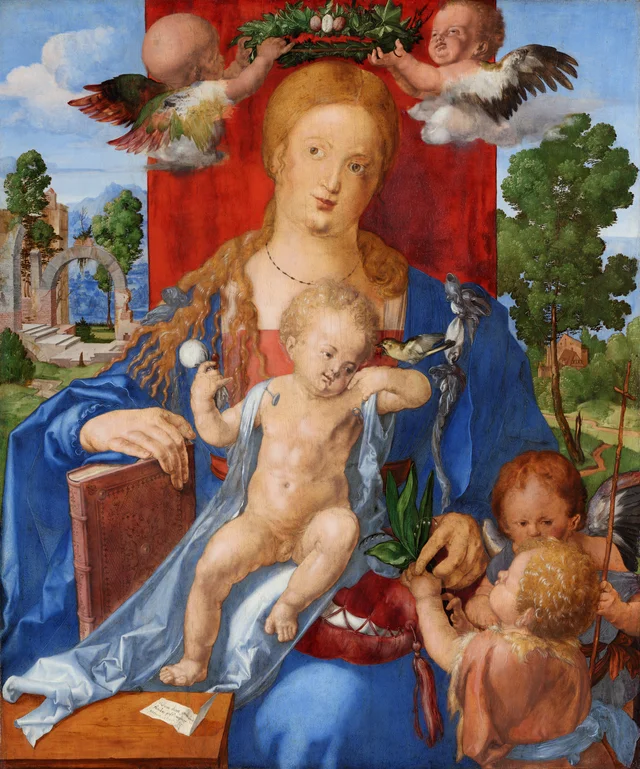 La Vierge au chardonneretAlbrecht Dürer, 1506
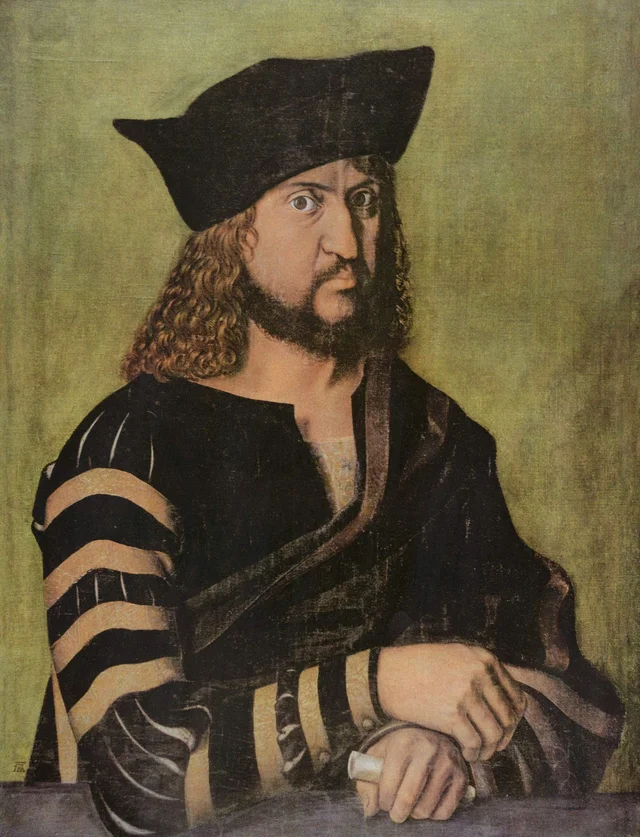 Portrait de Frédéric III de SaxeAlbrecht Dürer, 1496
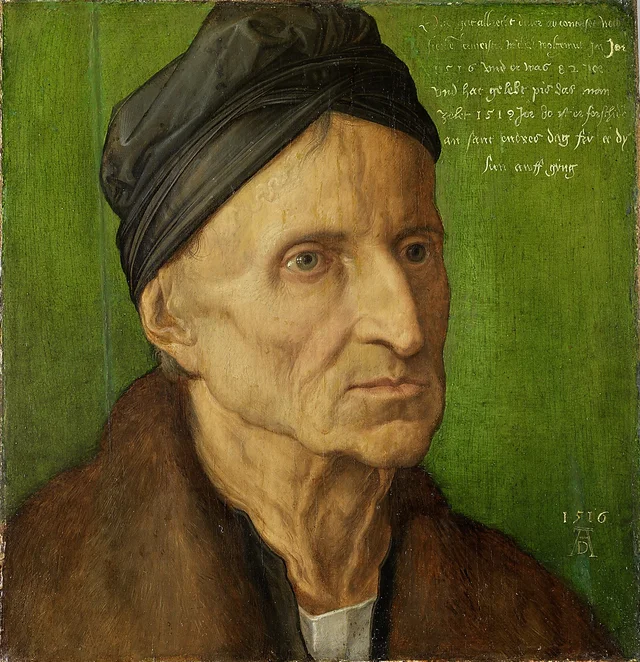 Portrait du peintre nurembergeois Michael WolgemutAlbrecht Dürer, 1516
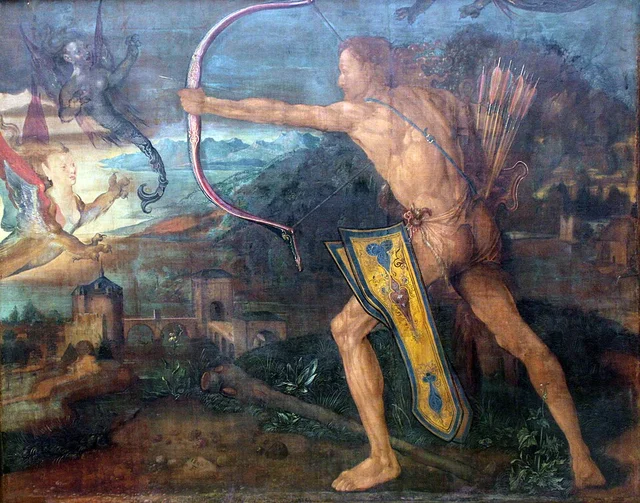 Hercule tuant les oiseaux du lac StymphaleAlbrecht Dürer, 1500
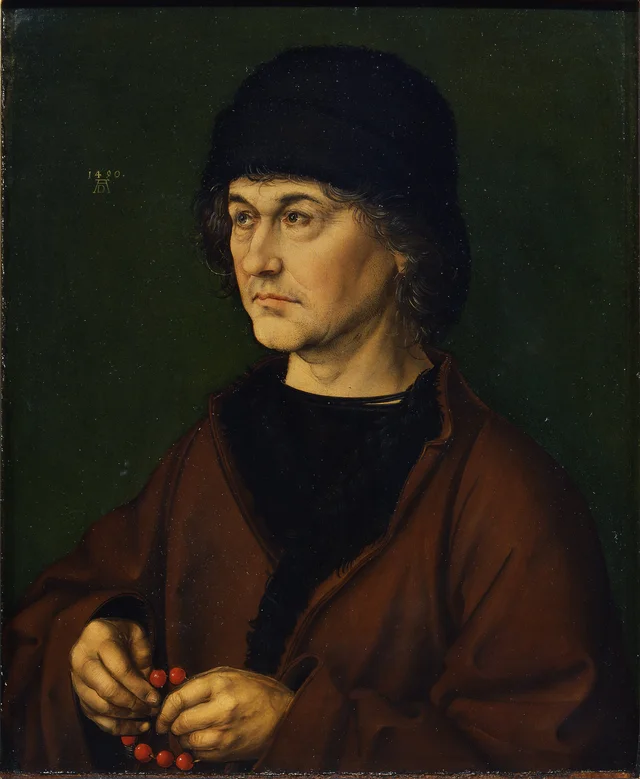 Portrait du père de l'artisteAlbrecht Dürer, 1490
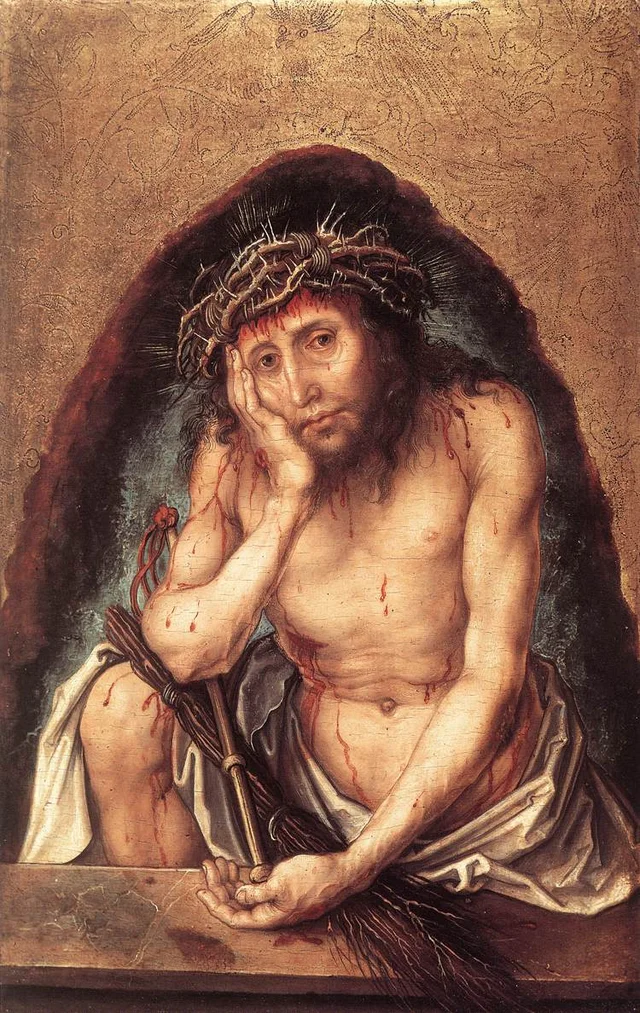 Le Christ comme homme de douleursAlbrecht Dürer, 1493
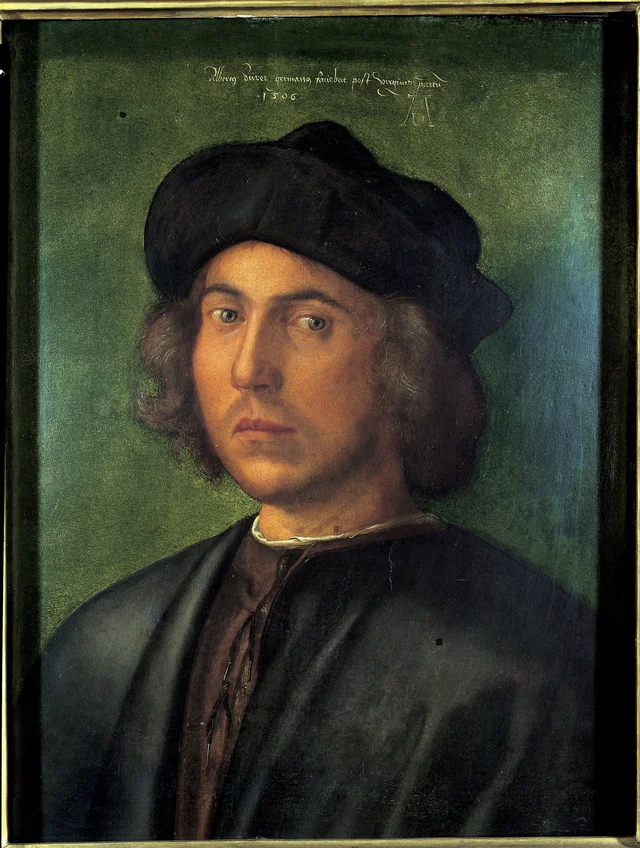 Portrait d'un jeune hommeAlbrecht Dürer, 1506
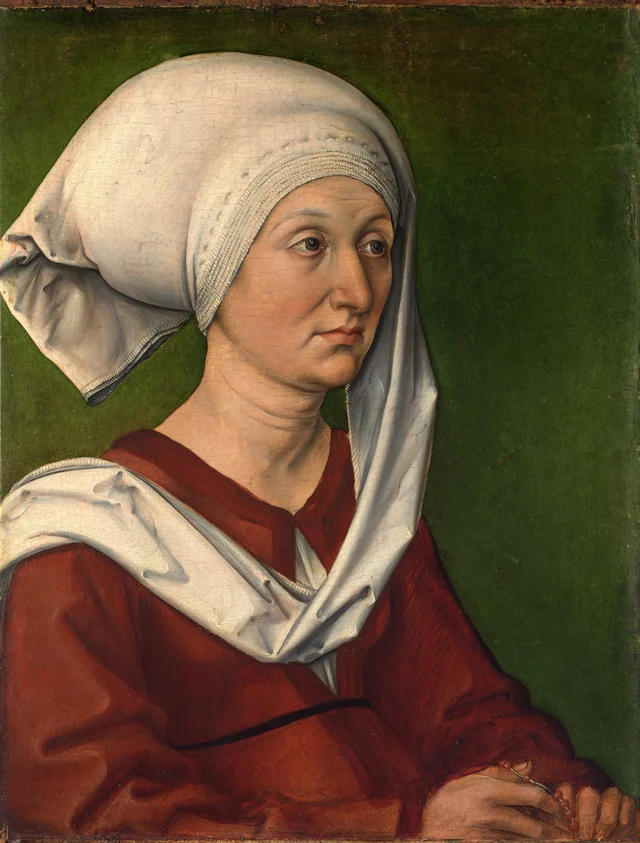 Portrait de Barbara HolperAlbrecht Dürer, 1490
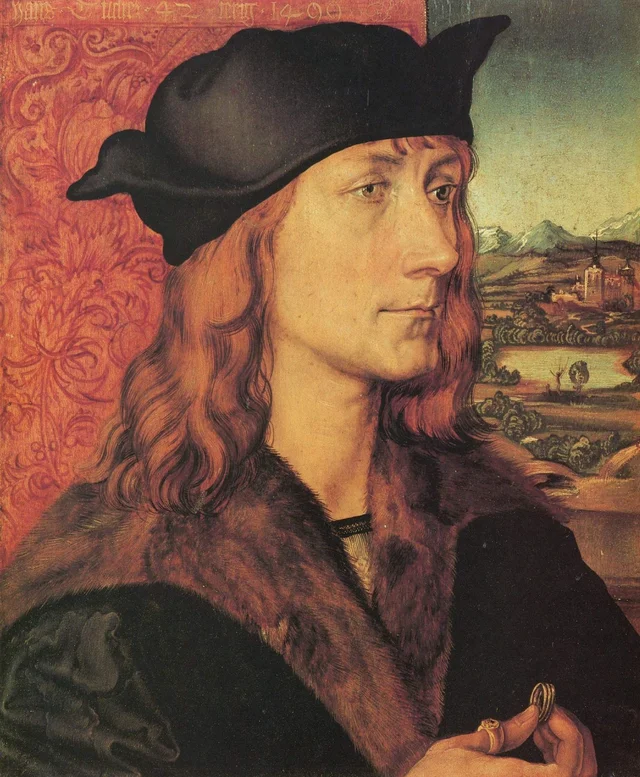 Portrait de Hans TucherAlbrecht Dürer, 1499
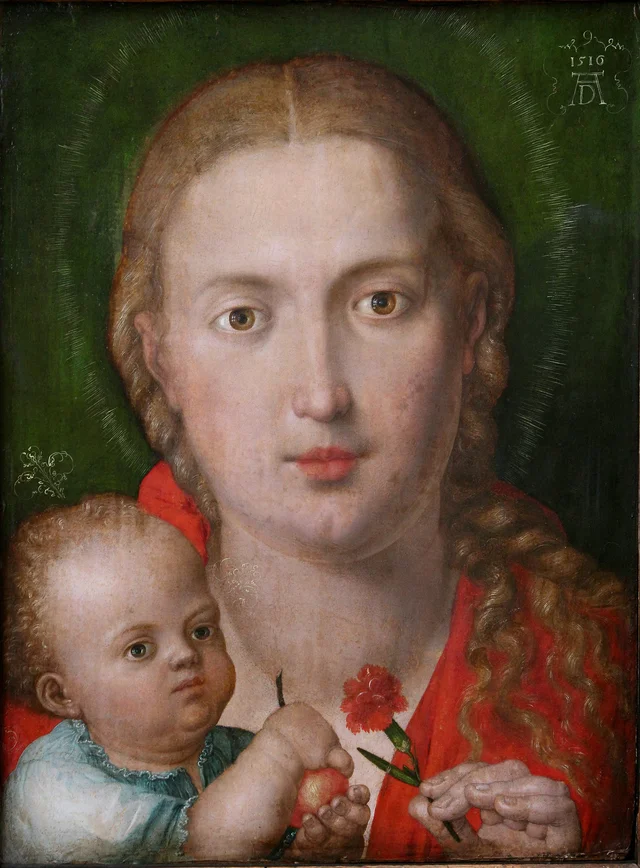 La Vierge à l'œilletAlbrecht Dürer, 1516
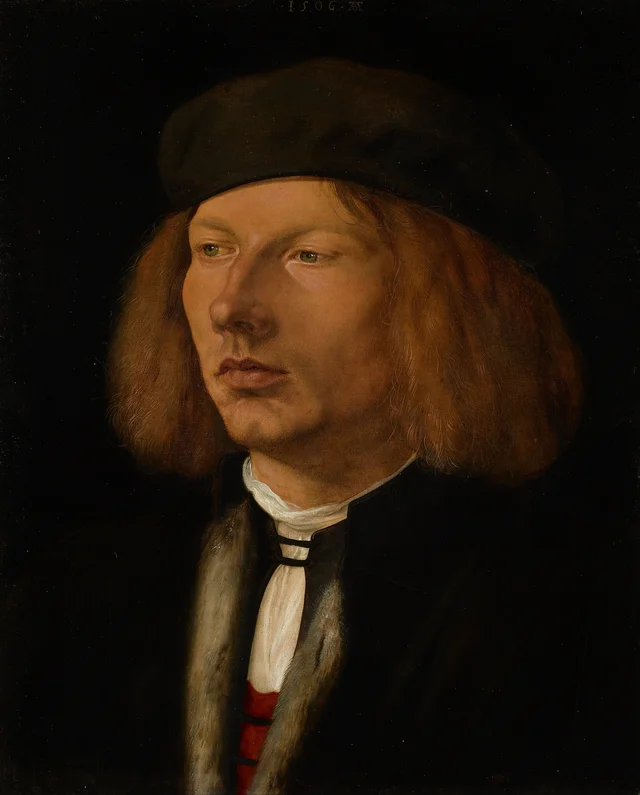 Burkard von SpeyerAlbrecht Dürer, 1506
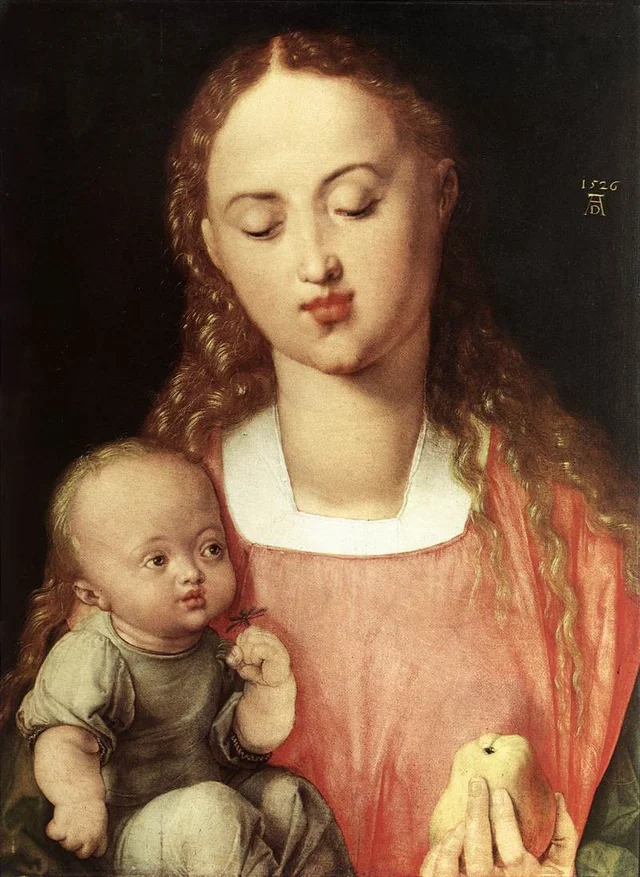 Vierge à l'EnfantAlbrecht Dürer, 1526
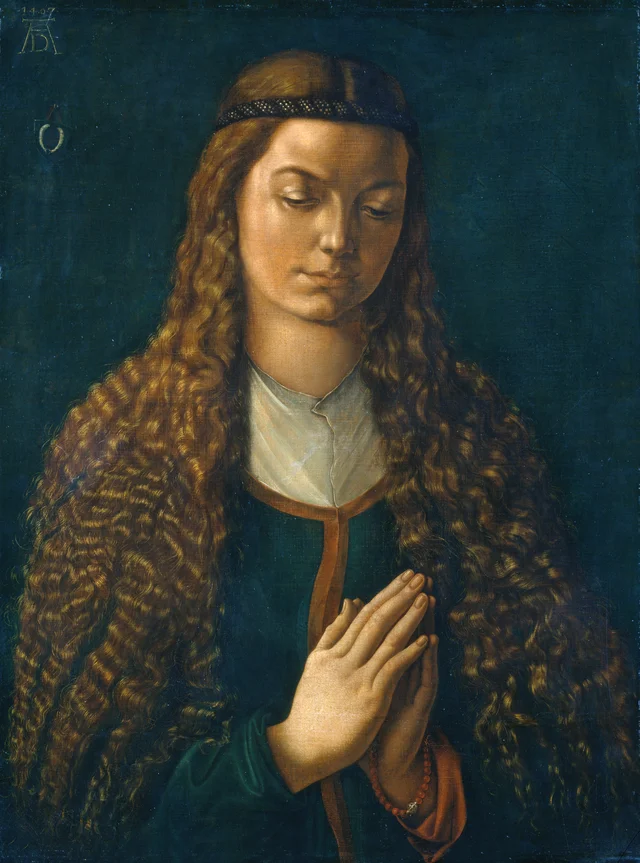 Portrait de la jeune Fürleger aux cheveux dénouésAlbrecht Dürer, 1497
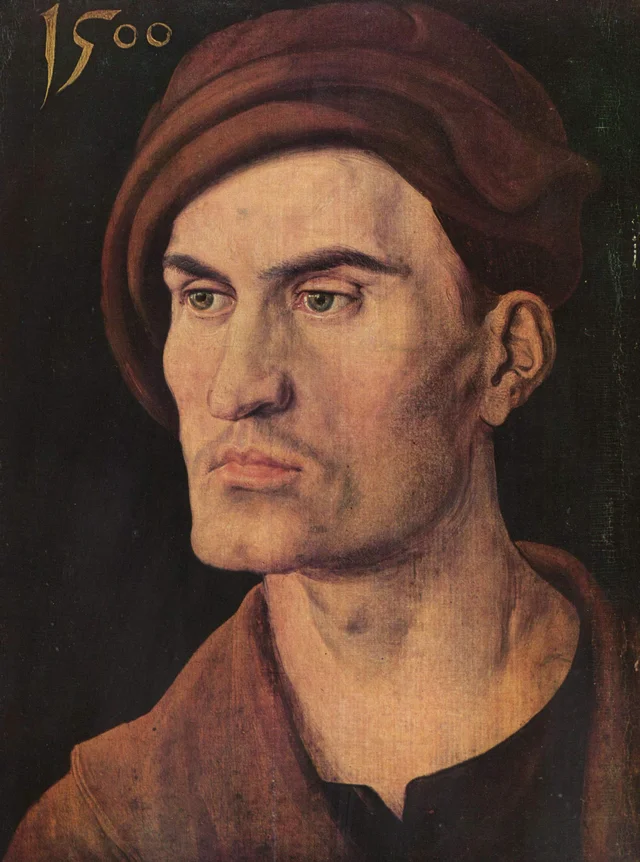 Portrait d'un jeune hommeAlbrecht Dürer, 1500
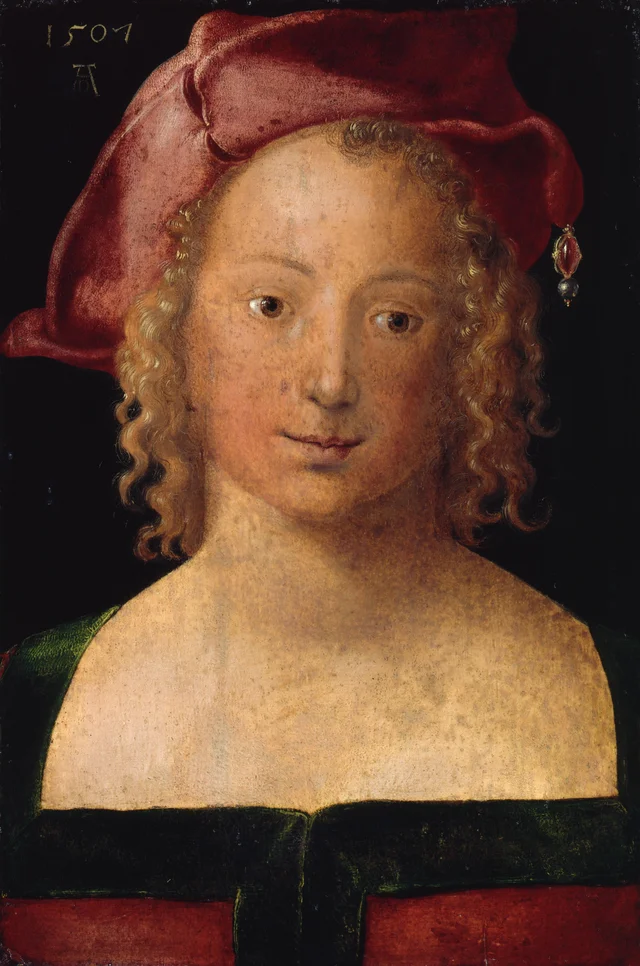 Portrait d'une jeune femme au béret (rouge)Albrecht Dürer, 1507
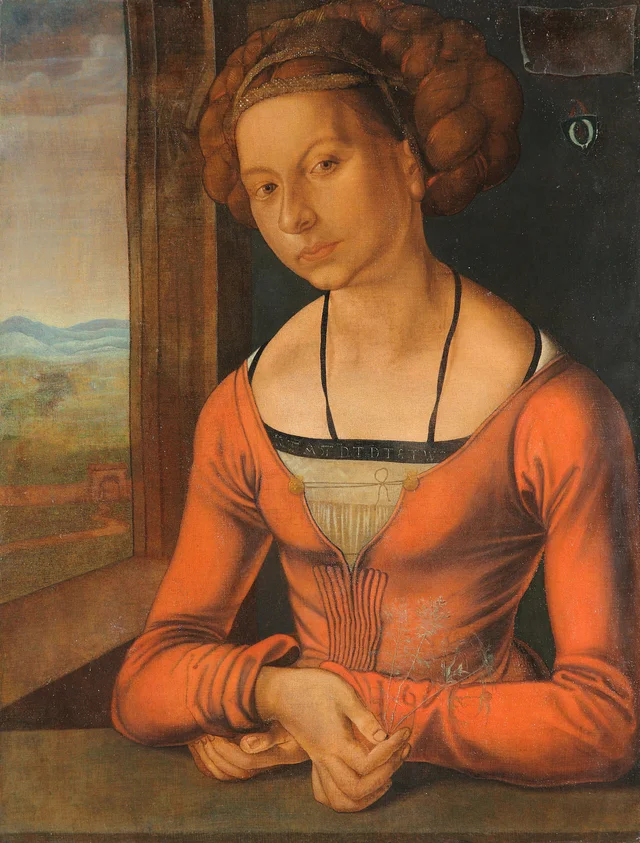 Portrait d'une jeune femme aux cheveux tressésAlbrecht Dürer, 1497
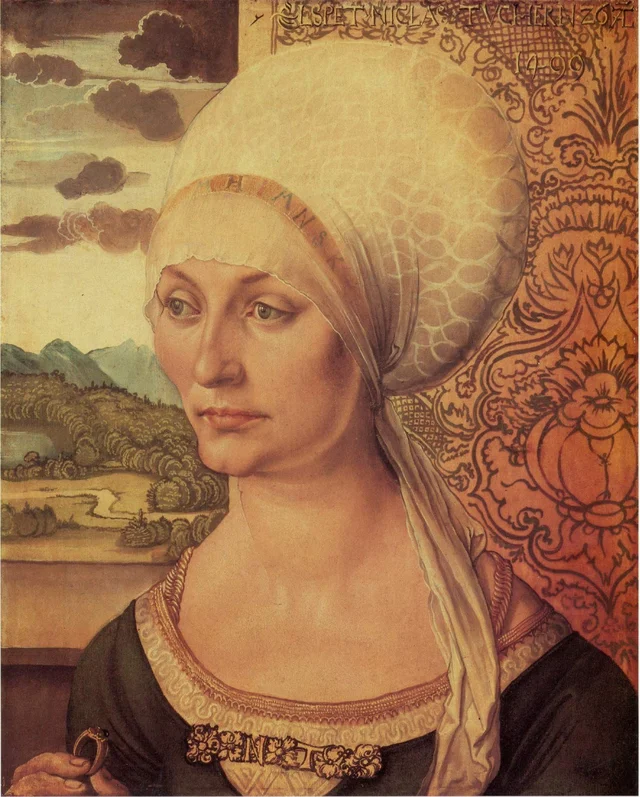 Portrait d'Elspeth TucherAlbrecht Dürer, 1499