Francisco Goya
1746–1828 · Espagne · Romantisme
L'histoire
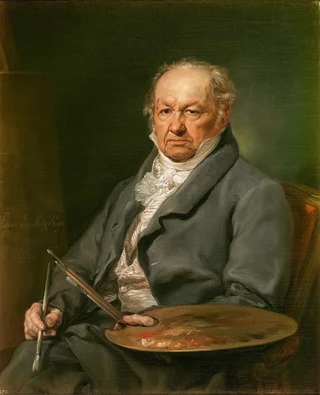
Francisco Goya s'éleva presque aussi haut qu'un peintre pouvait le faire dans l'Espagne du XVIIIe siècle. Venu d'Aragon, il gravit les échelons jusqu'à devenir premier peintre du roi à Madrid, produisant de brillants cartons de tapisserie et de flatteurs portraits royaux. Puis, à l'hiver 1792, une maladie que nul n'a jamais pu nommer le terrasse — mois de fièvre, vertiges, bourdonnements dans la tête —, et à son terme il est totalement sourd, et le restera 35 ans. Il conserve son poste à la cour, mais son œuvre se tourne vers l'intérieur et vers l'ombre.
Enfermé dans son silence, il réalise une série de gravures, les Caprices, peuplées de sorcières, d'ânes et de monstres, l'une portant pour légende que le sommeil de la raison engendre des monstres. Puis l'histoire rattrapa cette obscurité intime. En 1808, les armées de Napoléon déferlent sur l'Espagne, placent le frère de l'empereur sur le trône, et Madrid se soulève ; les Français fusillent les rebelles par groupes, toute la nuit. Des années plus tard, Goya peindra cette nuit-là : un homme en chemise blanche, bras grands ouverts devant un peloton d'exécution sans visage, une seule lanterne posée au sol entre eux. On l'appelle souvent le premier grand tableau moderne de la guerre, sans la moindre gloire.
Vers la fin, il alla plus loin encore. Vieux, sourd, meurtri par ce qu'il avait vécu, il couvrit les murs de sa maison de campagne, près de Madrid, de peintures destinées à n'être vendues — scènes noires, intimes, cauchemardesques, dont un dieu géant dévorant l'un de ses enfants. Il ne leur donna jamais de titre ; on les appelle les Peintures noires. Il ne les emporta même pas avec lui lorsque, à près de 80 ans et en délicatesse avec la couronne espagnole, il quitta le pays pour Bordeaux, en France, où il mourut. Les peintures murales furent décollées des décennies plus tard et sont aujourd'hui accrochées à Madrid.
Autres articles
Œuvres
374 œuvres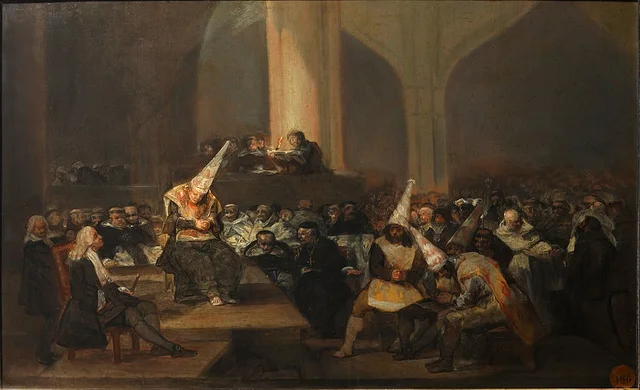 Le Tribunal de l'InquisitionFrancisco Goya, 1812
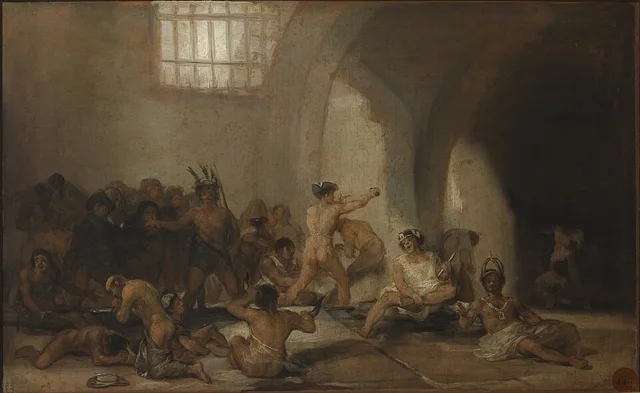 La Maison de fousFrancisco Goya, 1814
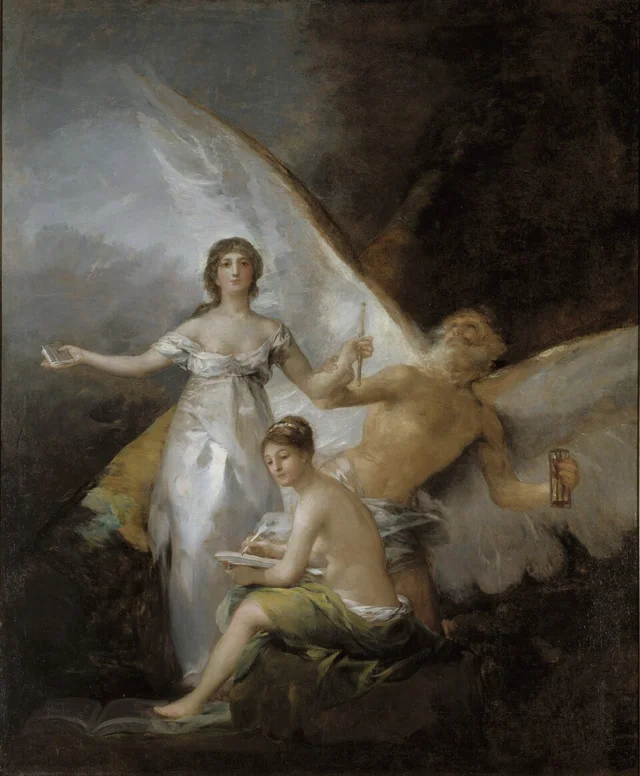 La Vérité, le Temps et l'HistoireFrancisco Goya, 1797
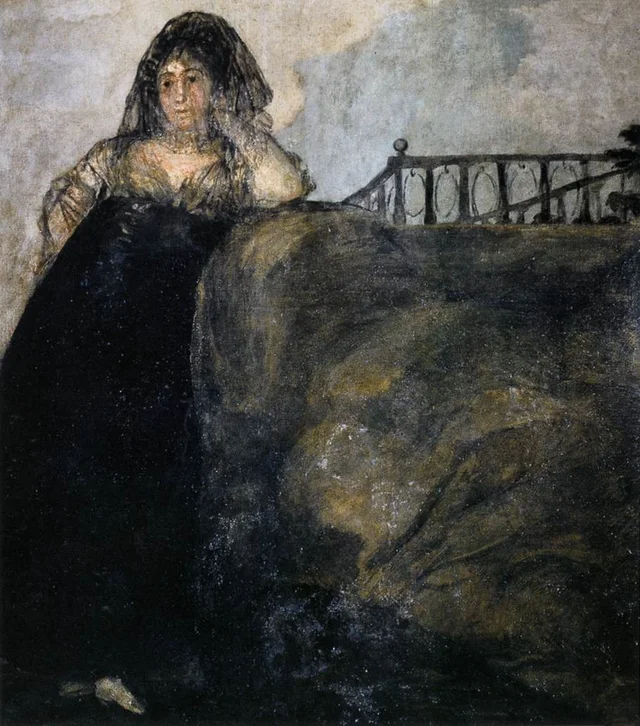 La LeocadiaFrancisco Goya, 1819
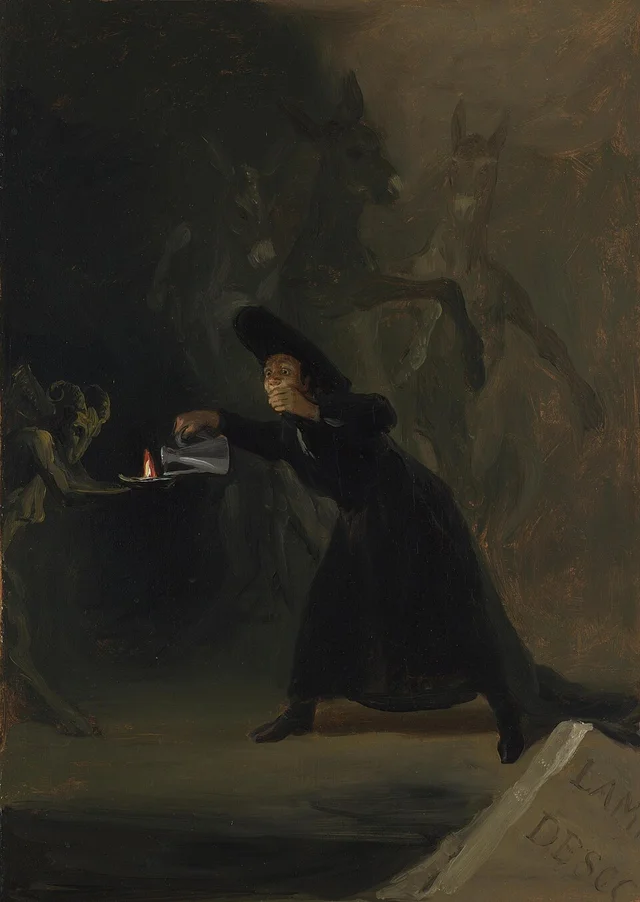 L'EnsorceléFrancisco Goya, 1798
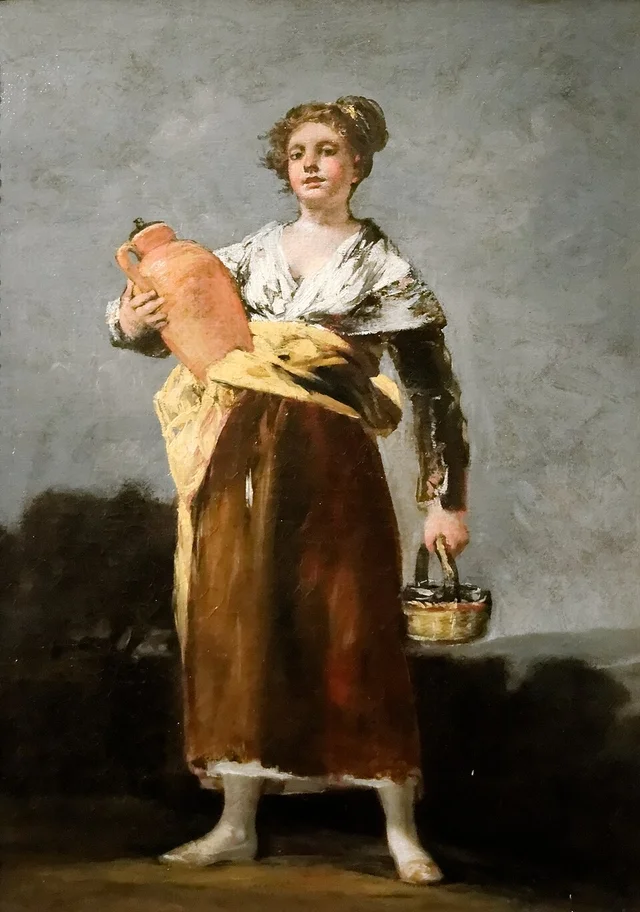 La Porteuse d'eauFrancisco Goya, 1808
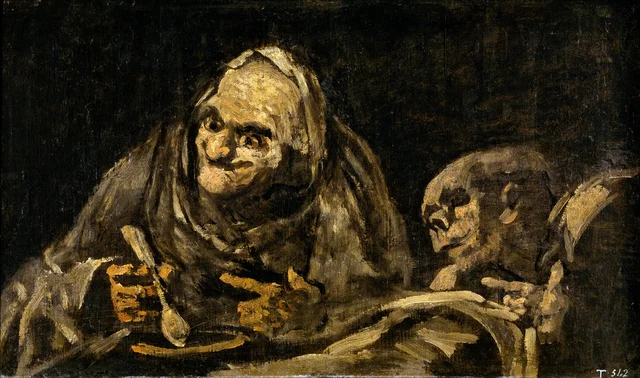 Deux vieillards mangeant de la soupeFrancisco Goya, 1819
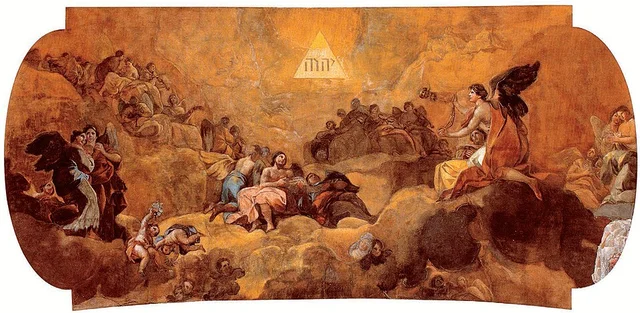 L'Adoration du nom de DieuFrancisco Goya, 1772
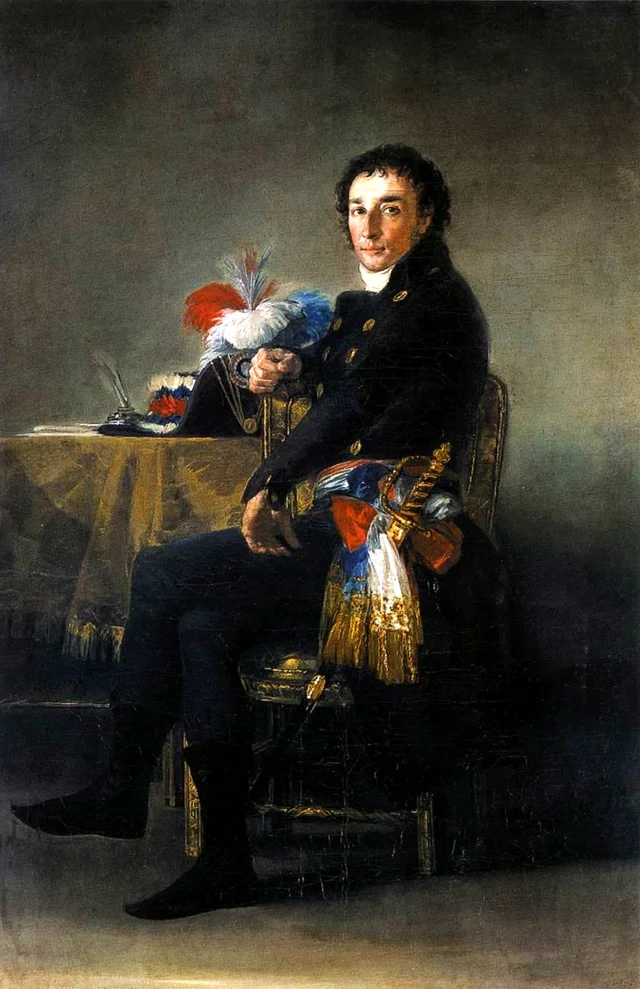 Ferdinand GuillemardetFrancisco Goya, 1798
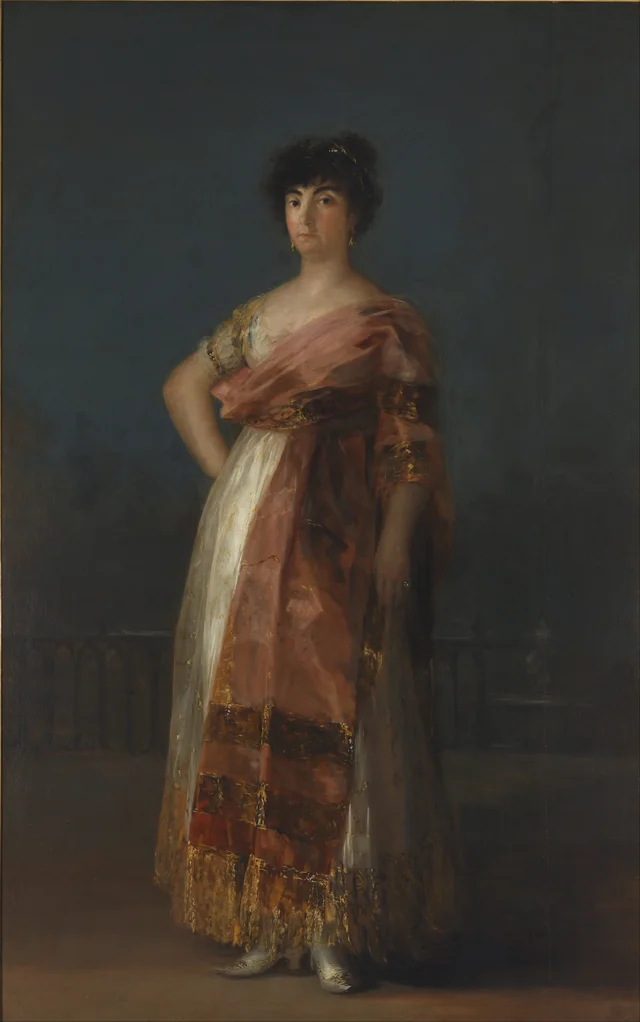 La TiranaFrancisco Goya, 1799
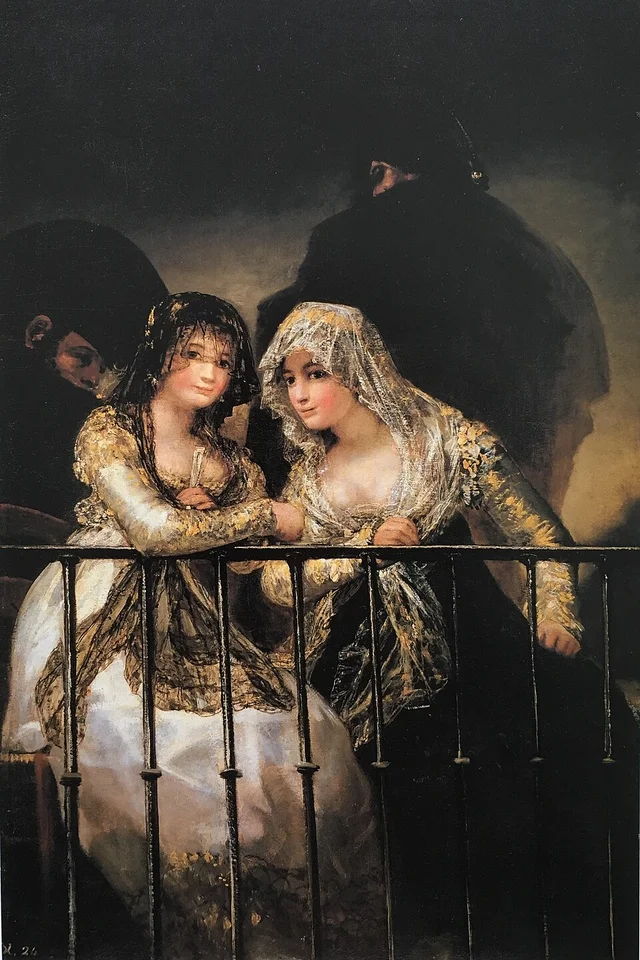 Majas au balconFrancisco Goya, 1810
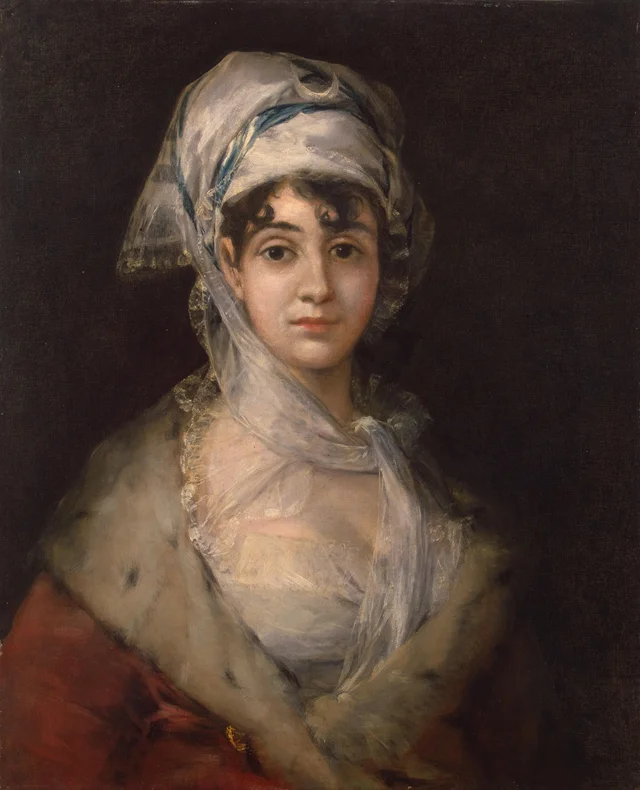 Portrait de l’actrice Antonia ZárateFrancisco Goya, 1810
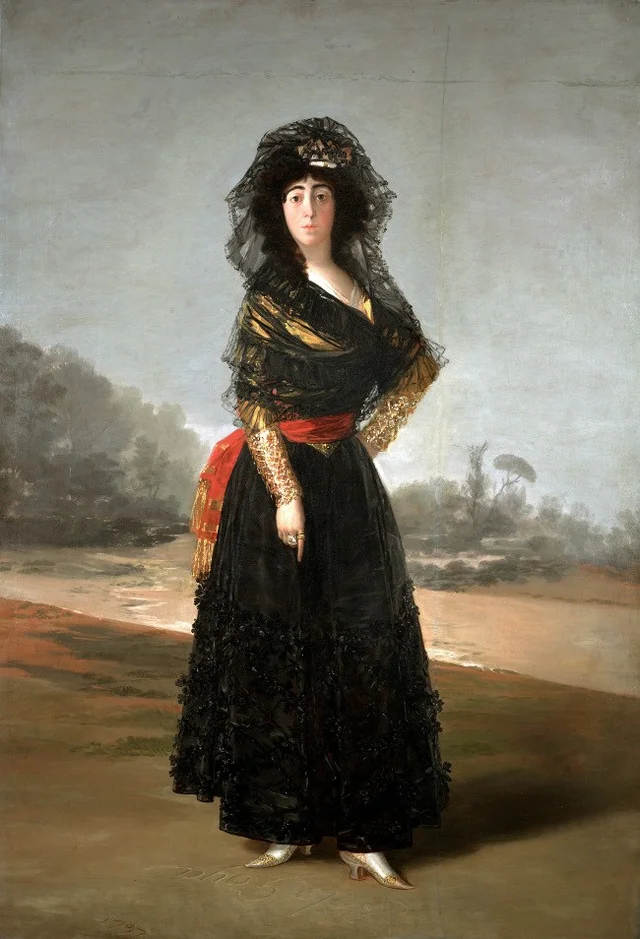 La Duchesse noireFrancisco Goya, 1797
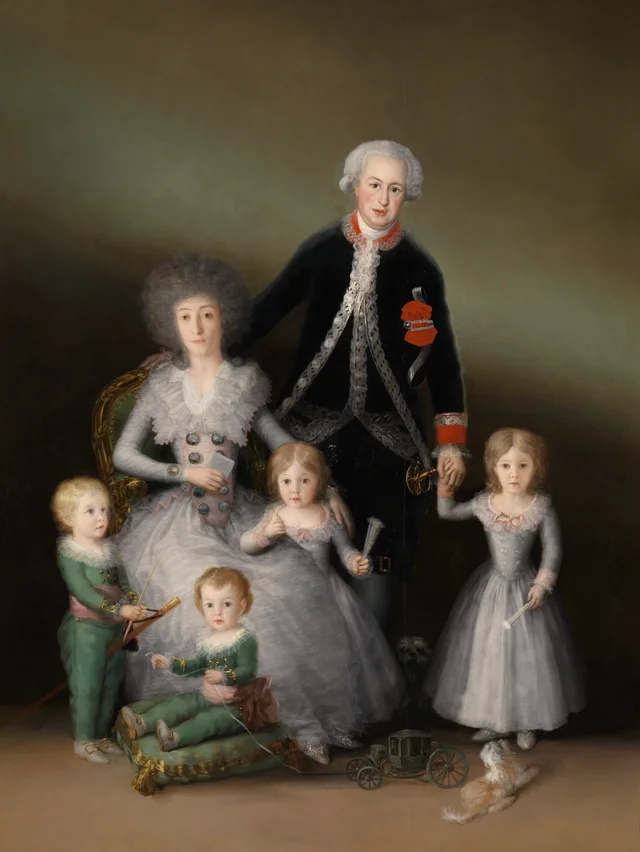 Le Duc et la Duchesse d'Osuna et leurs enfantsFrancisco Goya, 1788
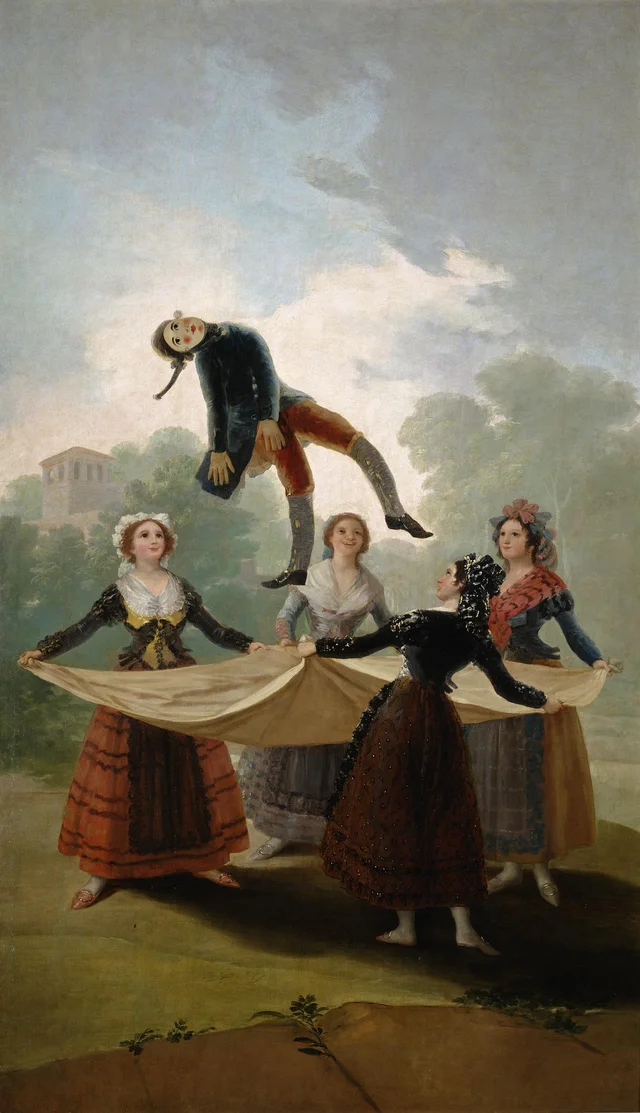 Le PantinFrancisco Goya, 1791
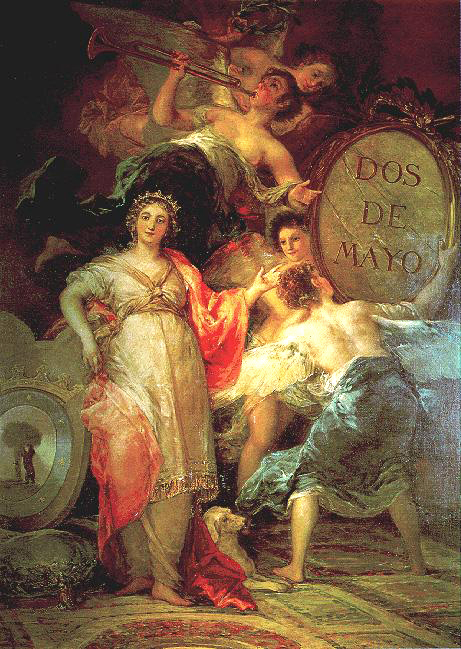 Allégorie de la ville de MadridFrancisco Goya, 1809
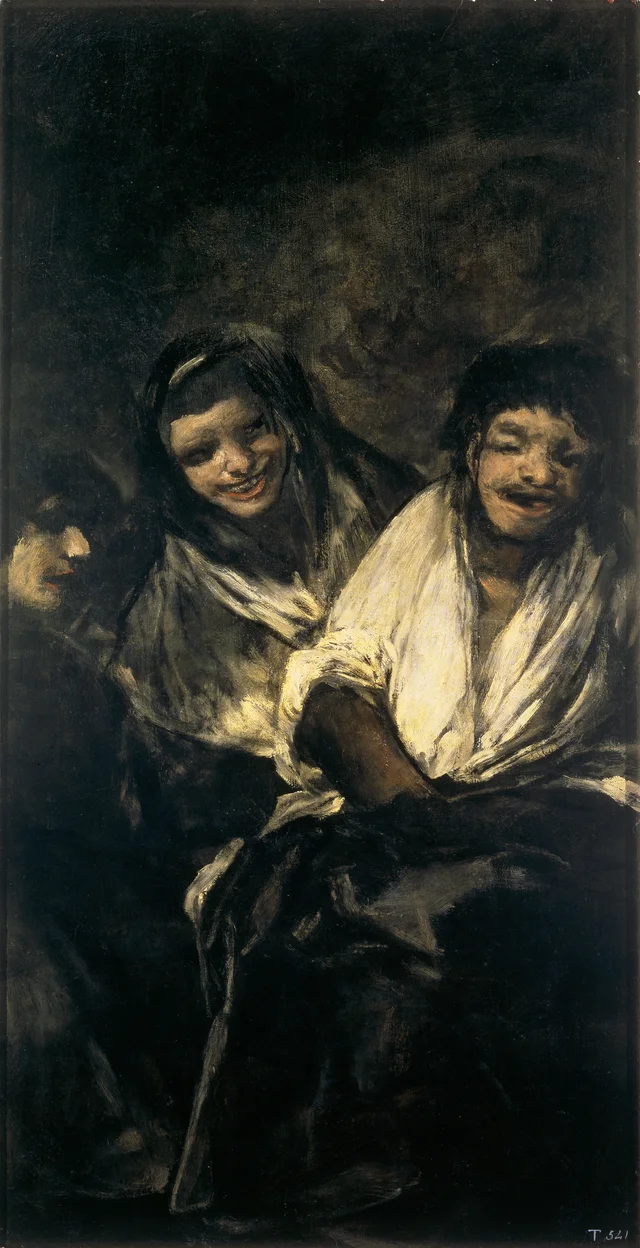 Homme moqué par deux femmesFrancisco Goya, 1819
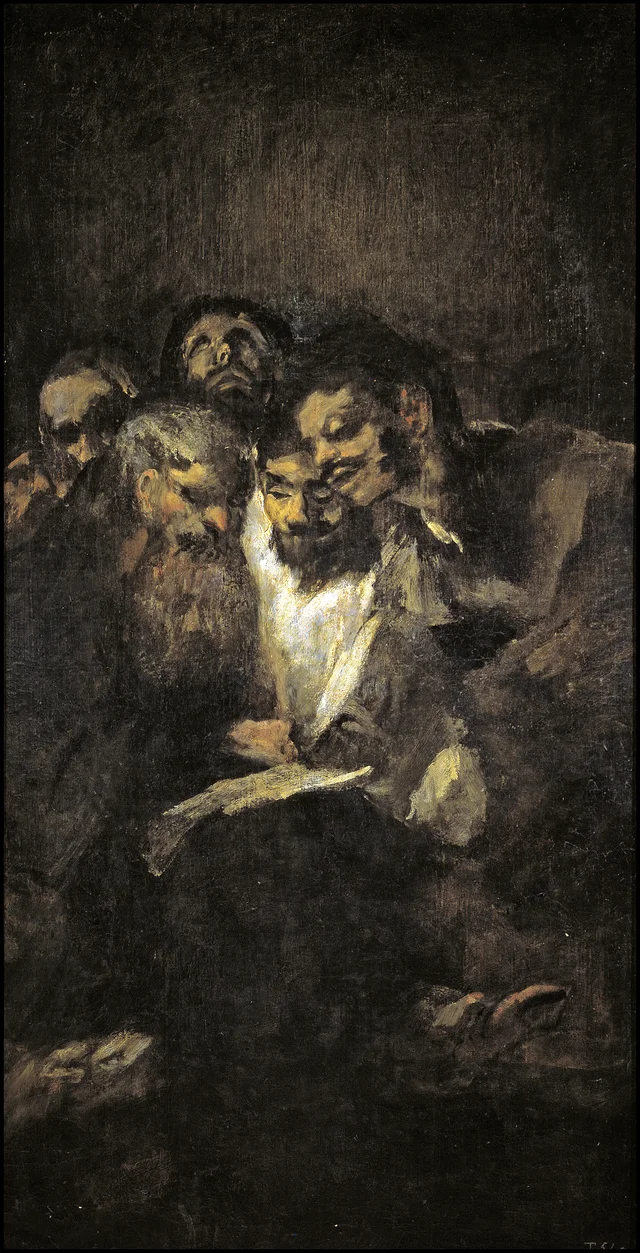 Hommes lisantFrancisco Goya, 1819
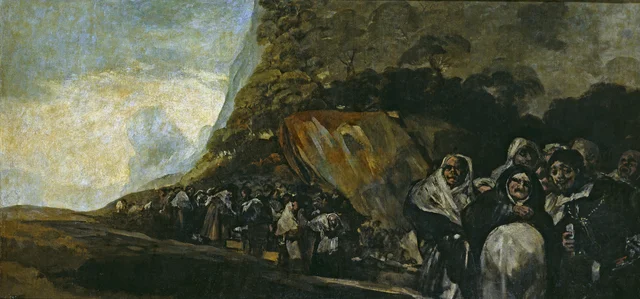 Le Pèlerinage de saint IsidoreFrancisco Goya, 1819
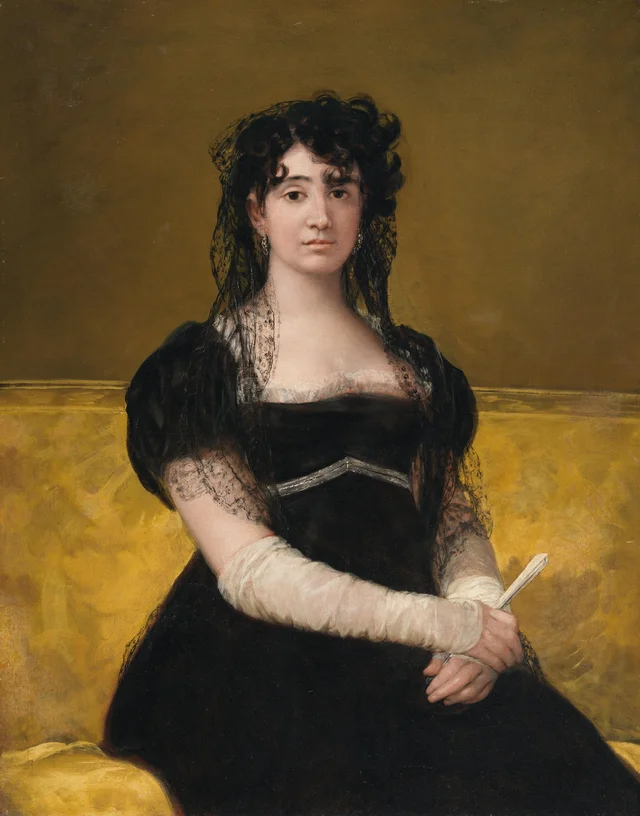 Portrait de doña Antonia ZárateFrancisco Goya, 1805
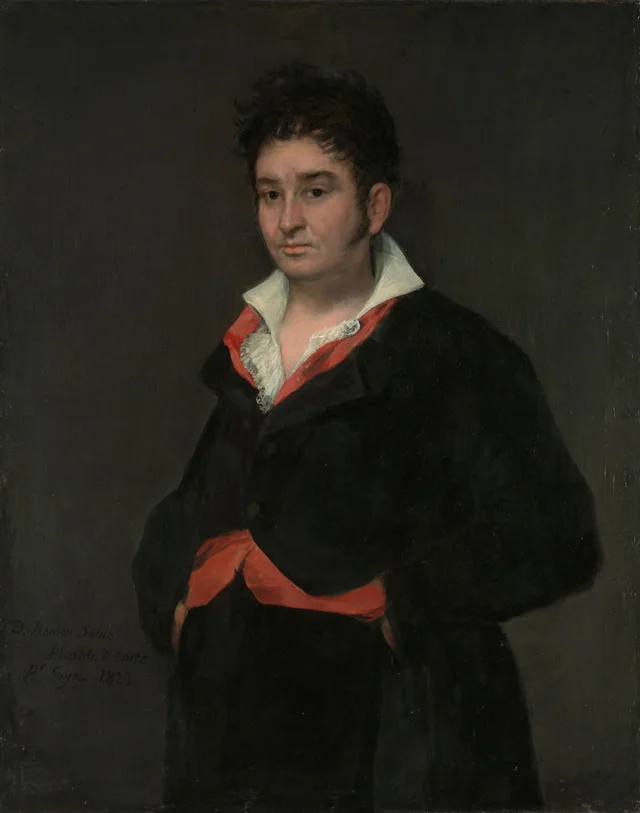 Portrait de don Ramón SatuéFrancisco Goya, 1823
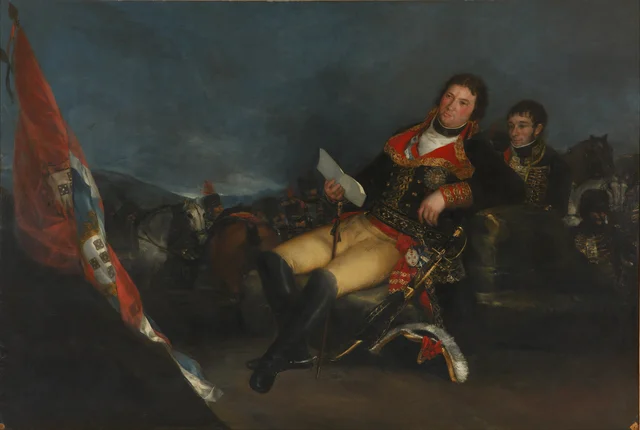 Portrait de Manuel GodoyFrancisco Goya, 1801
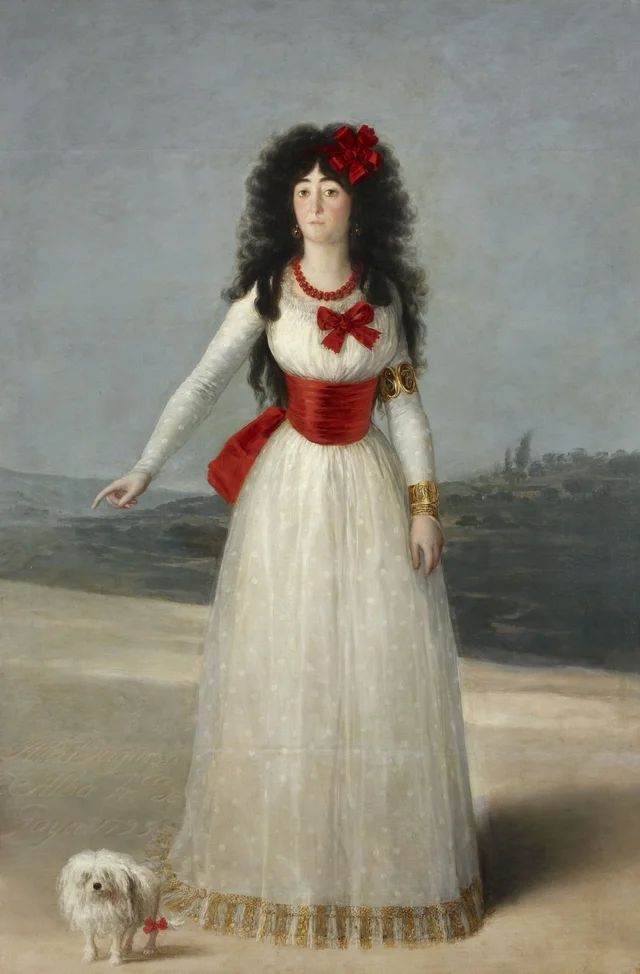 Portrait de la duchesse d'AlbeFrancisco Goya, 1795
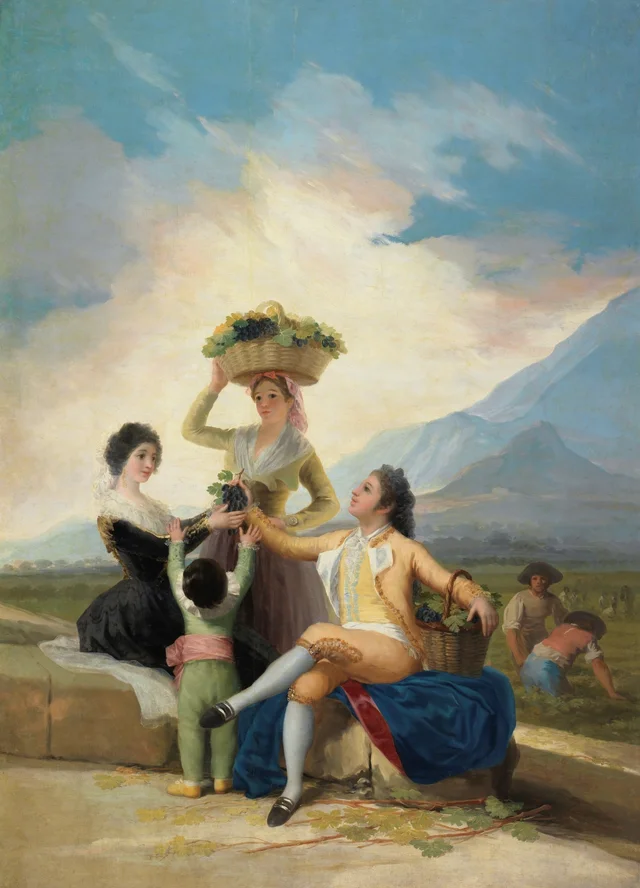 La VendangeFrancisco Goya, 1786
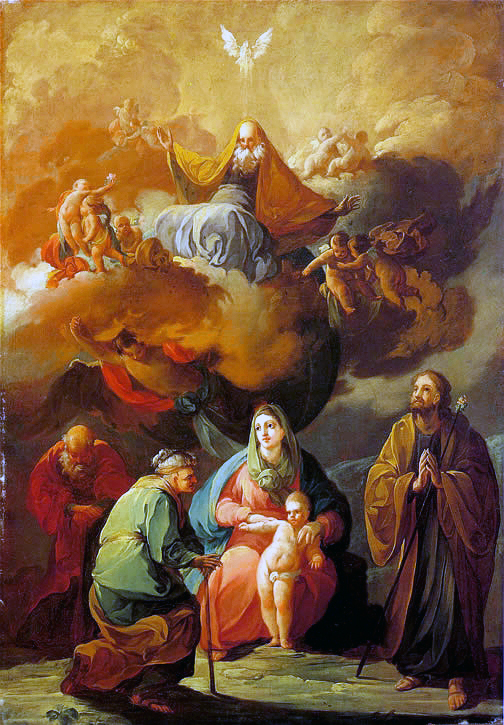 La Sainte Famille avec saint Joachim et sainte Anne devant la gloire éternelleFrancisco Goya, 1769