L'histoire
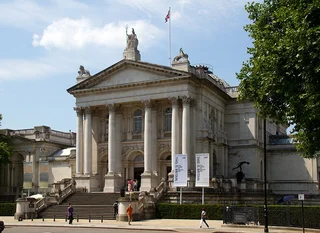
Tate, ce sont en réalité quatre galeries, et la plus fréquentée servait autrefois à produire de l'électricité. La Tate Modern occupe l'ancienne centrale électrique de Bankside, sur la rive sud de la Tamise à Londres, une masse de brique surmontée d'une seule haute cheminée, dessinée par Giles Gilbert Scott, l'homme de la cabine téléphonique rouge. Après sa fermeture, la salle des turbines qui abritait les générateurs resta comme un immense espace vide de cinq étages de haut, et depuis 2000 on y présente d'énormes œuvres de commande, une fissure courant sur toute la longueur du sol, un gigantesque soleil intérieur de brume et de lumière.
L'institution est née du sucre. Henry Tate fit fortune avec le sucre en morceaux, et en 1897 il paya la construction d'une galerie d'art britannique à Millbank, en amont, sur le site d'une prison démolie. Ce bâtiment est aujourd'hui la Tate Britain, et il conserve le legs Turner, les milliers d'huiles et d'aquarelles que J.M.W. Turner laissa à la nation à sa mort en 1851.
Entre elles, les deux sites londoniens se partagent la collection par époque, la Tate Britain remontant l'art britannique jusqu'au XVIe siècle et la Tate Modern prenant l'art moderne et contemporain international. Deux autres galeries portent le nom hors de la capitale, la Tate Liverpool et la Tate St Ives sur la côte de Cornouailles, cette dernière bâtie au-dessus d'une plage où certains des peintres qu'elle montre travaillèrent jadis.
Collection
118 œuvres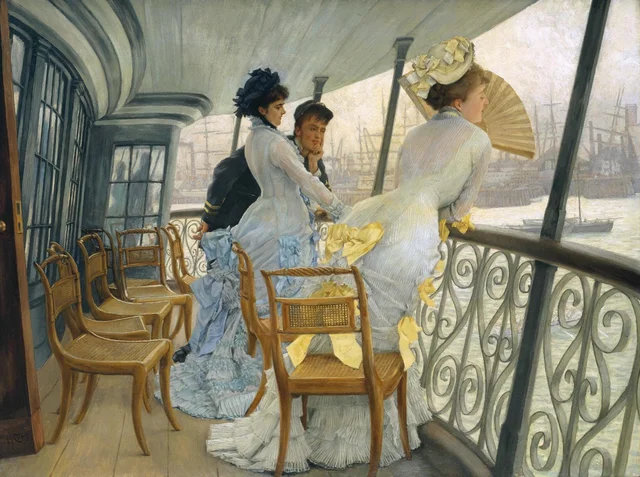 La Galerie du HMS Calcutta (Portsmouth)James Tissot, 1876
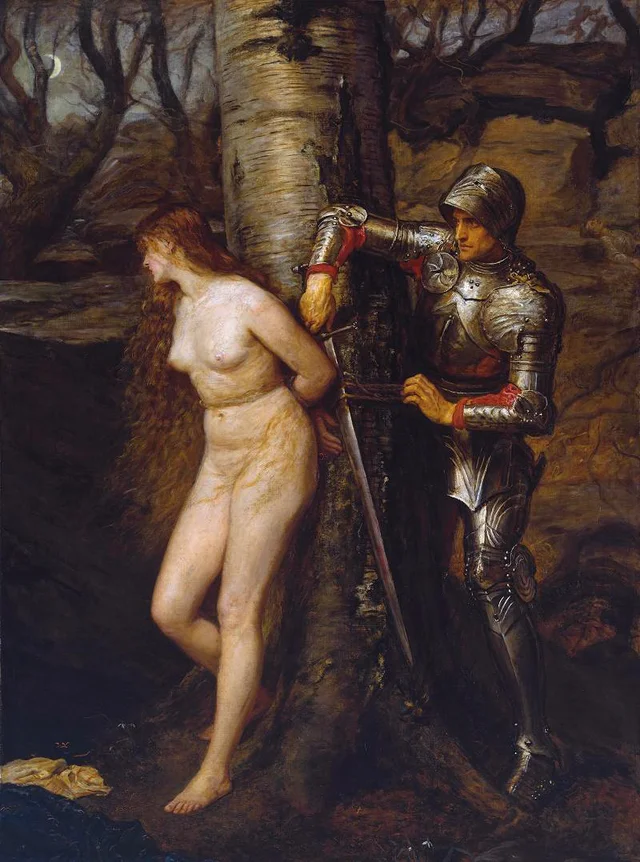 Le Chevalier errantJohn Everett Millais, 1870
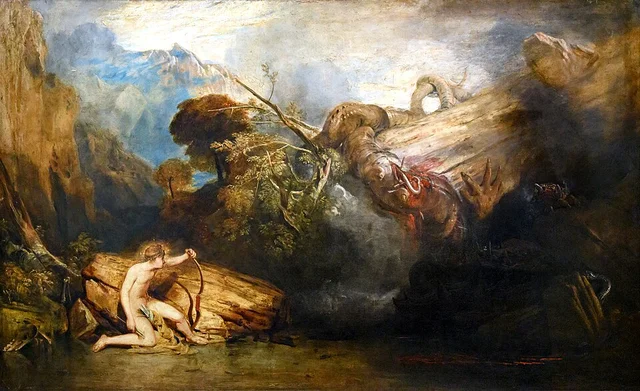 Apollon et PythonJ. M. W. Turner, 1811
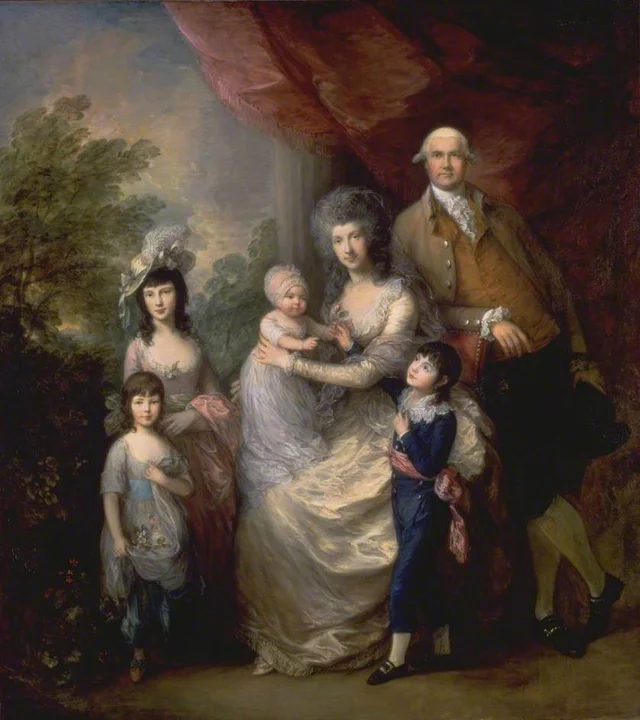 La famille BaillieThomas Gainsborough, 1784
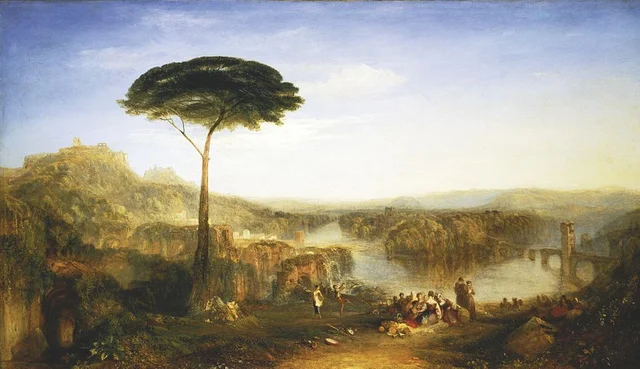 Le Pèlerinage de Childe Harold – ItalieJ. M. W. Turner, 1832
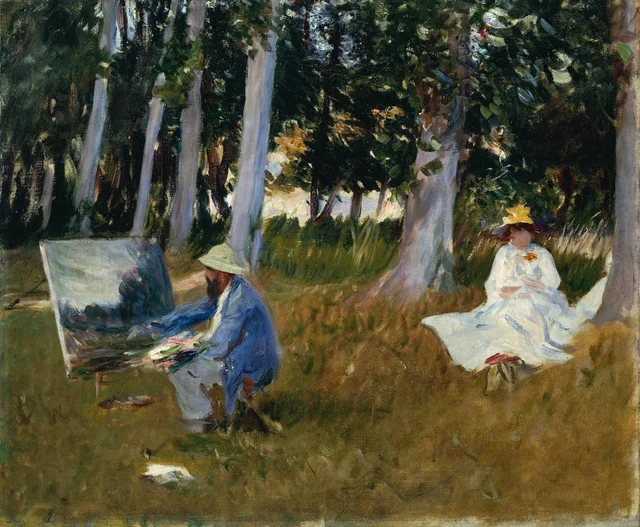 Claude Monet peignant à la lisière d'un boisJohn Singer Sargent, 1885
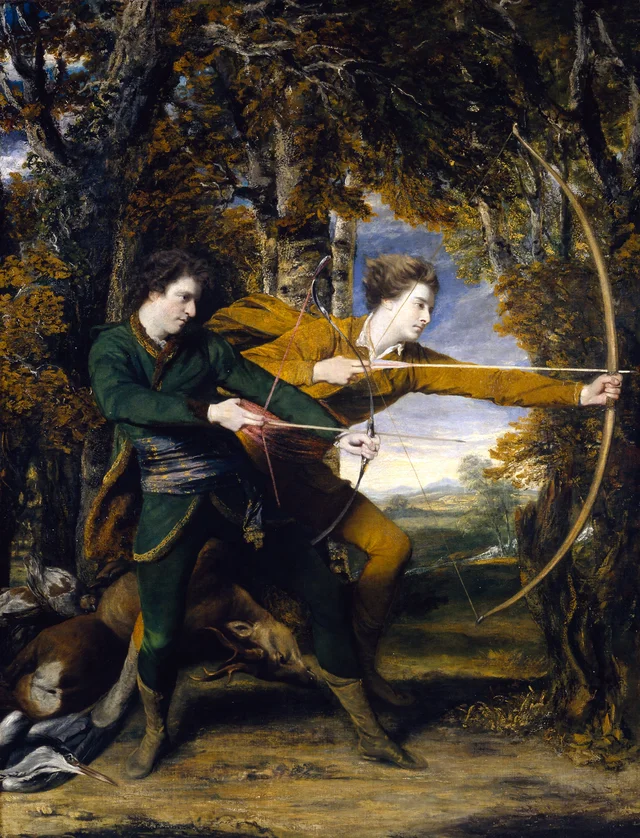 Le colonel Acland et Lord Sydney : les archersJoshua Reynolds, 1769
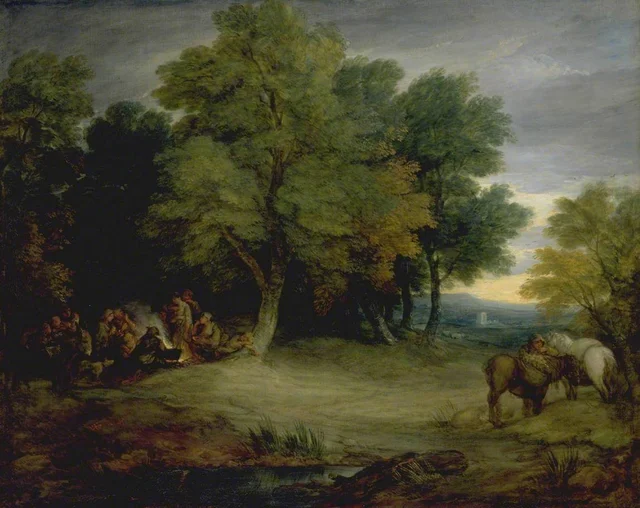 Campement de gitans au coucher du soleilThomas Gainsborough, 1779
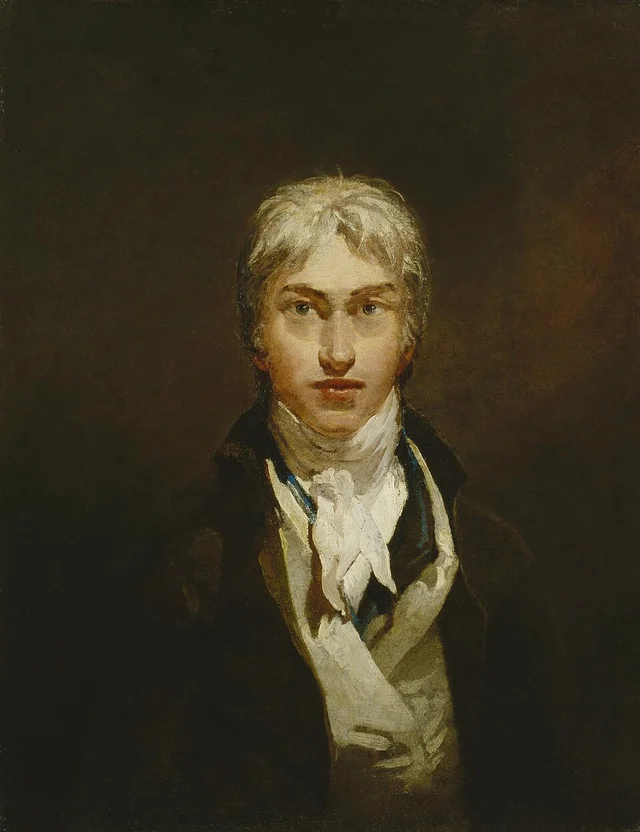 AutoportraitJ. M. W. Turner, 1799
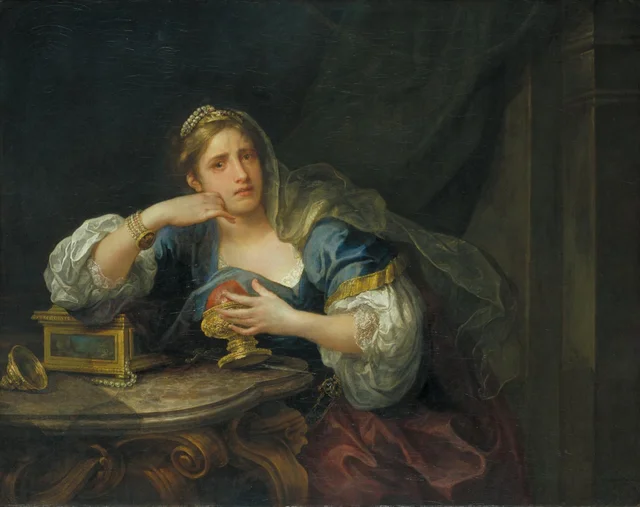 Sigismonde pleurant sur le cœur de GuiscardoWilliam Hogarth, 1759
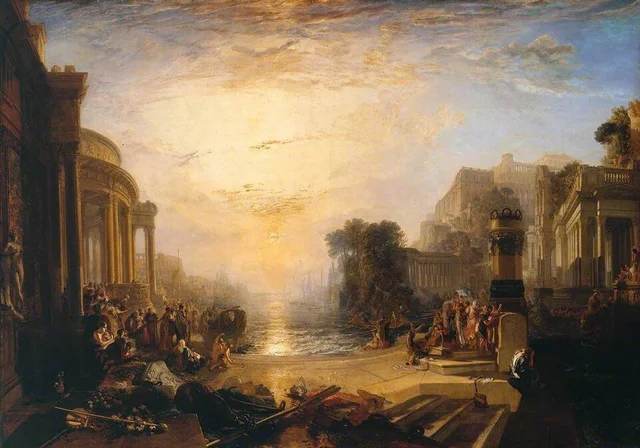 Le Déclin de l'Empire carthaginois...J. M. W. Turner, 1817
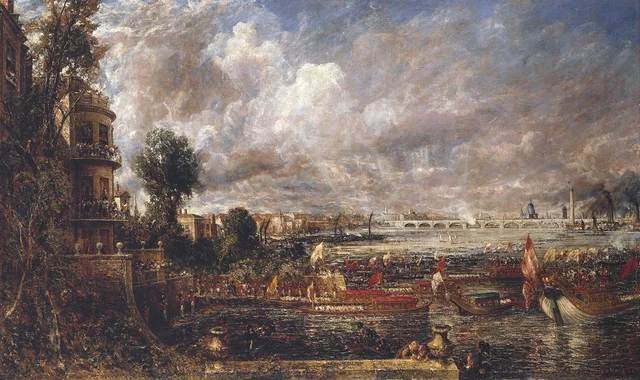 L'Ouverture du pont de Waterloo (« Whitehall Stairs, 18 juin 1817 »)John Constable, 1832
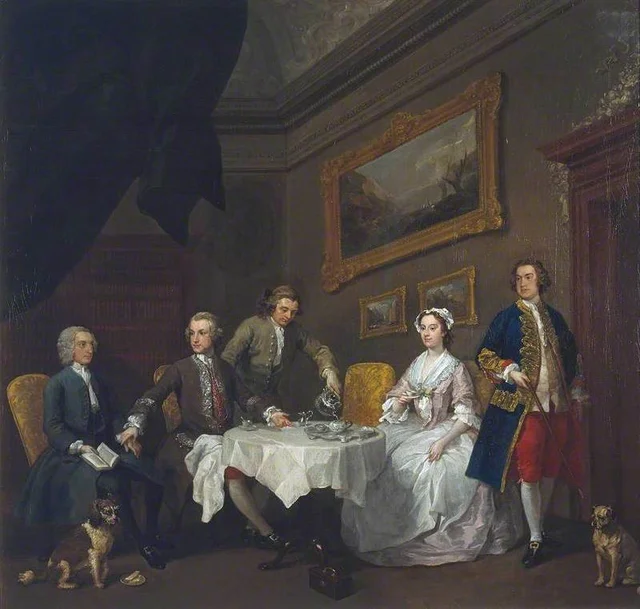 La famille StrodeWilliam Hogarth, 1738
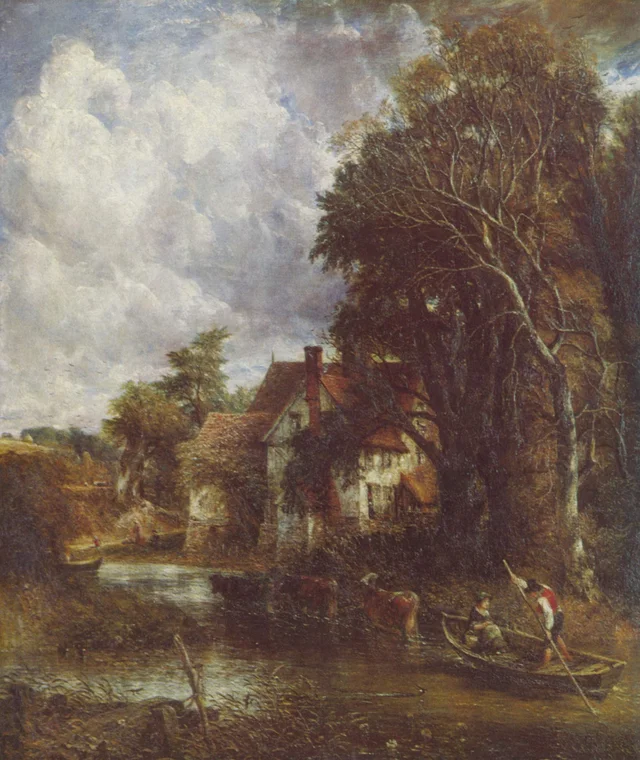 La Ferme de la valléeJohn Constable, 1835
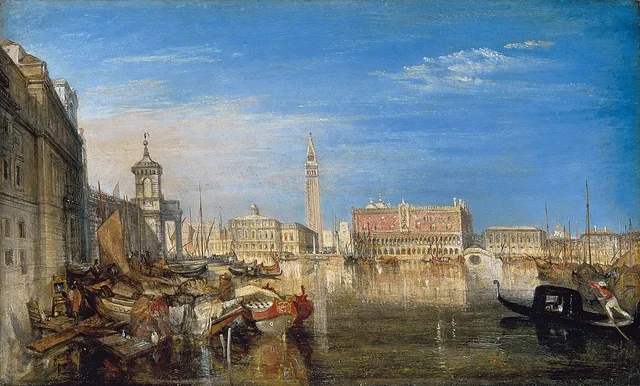 Le Pont des Soupirs, le Palais des Doges et la Douane, Venise : peinture à la CanalettoJ. M. W. Turner, 1833
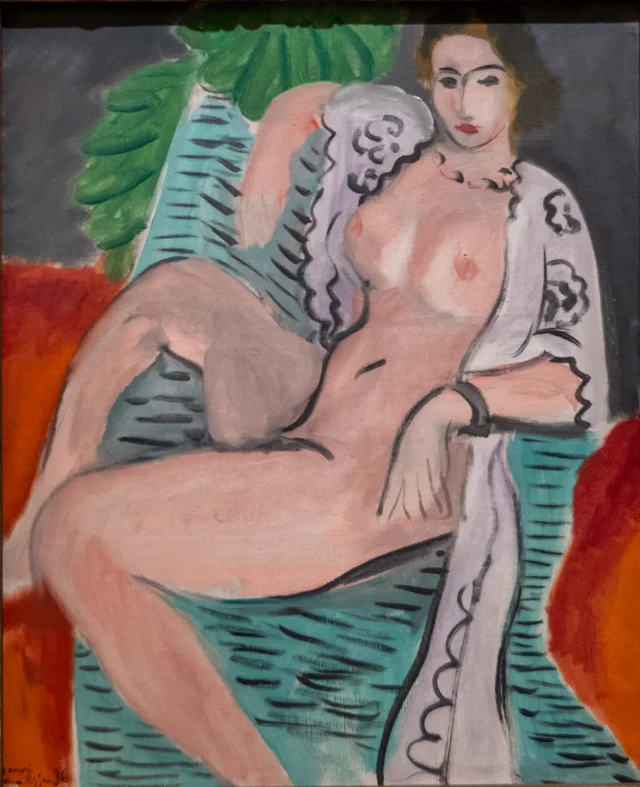 Nu drapéHenri Matisse, 1936
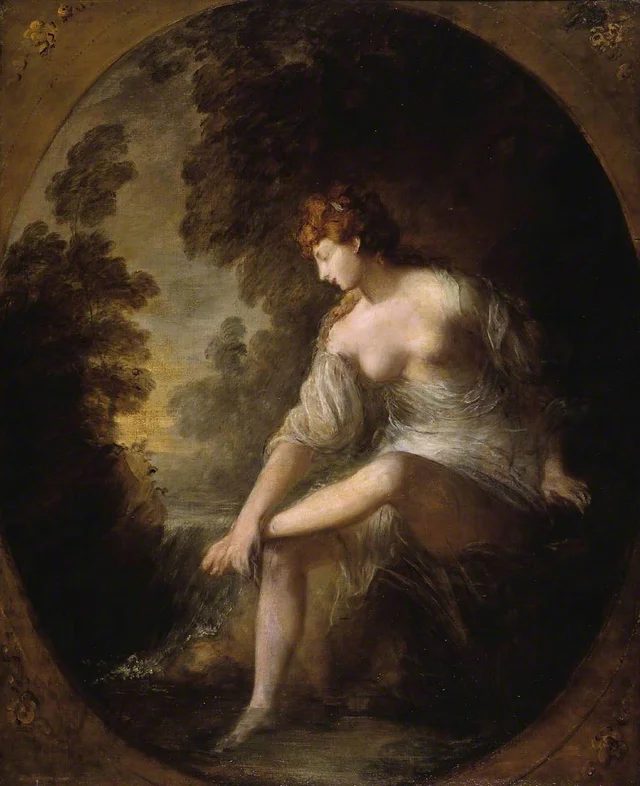 MusidoraThomas Gainsborough, 1784
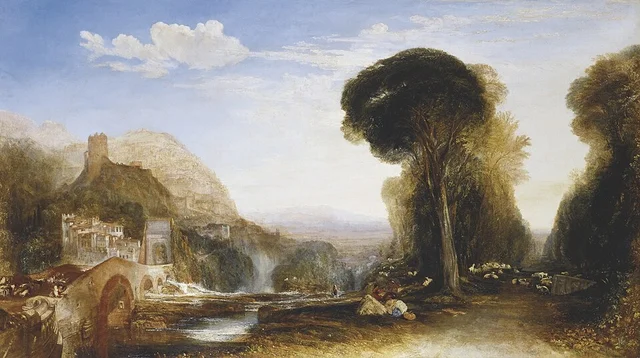 Palestrina, compositionJ. M. W. Turner, 1828
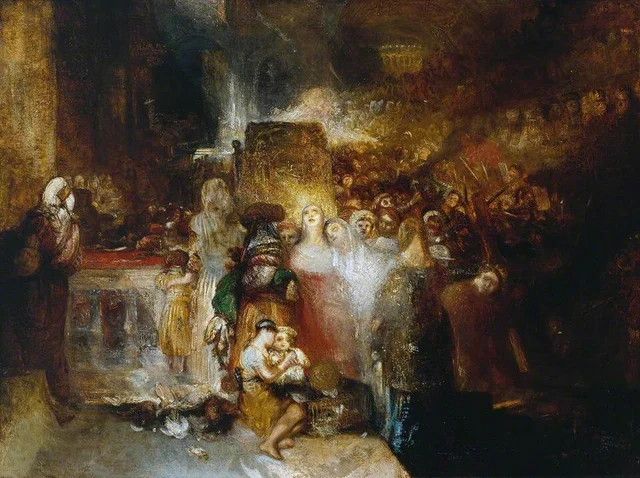 Pilate se lavant les mainsJ. M. W. Turner, 1830
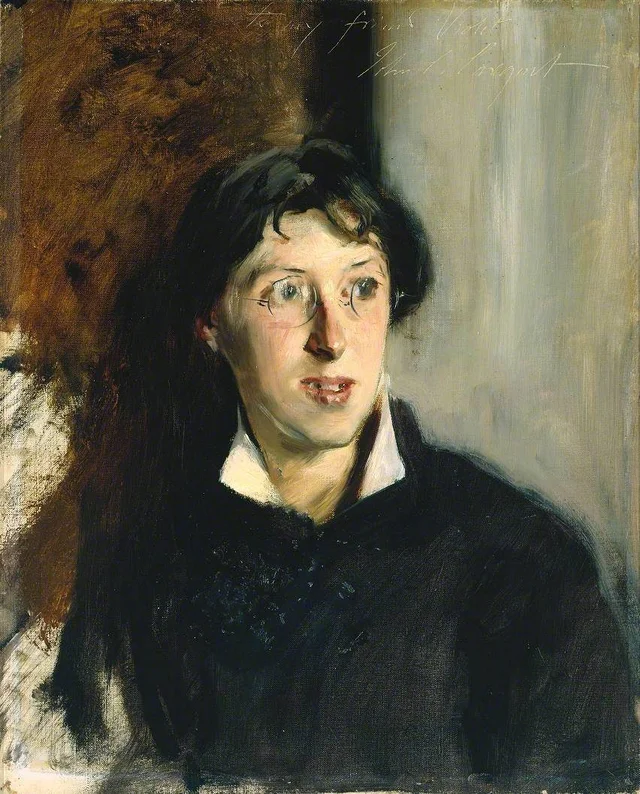 Portrait de Vernon LeeJohn Singer Sargent, 1881
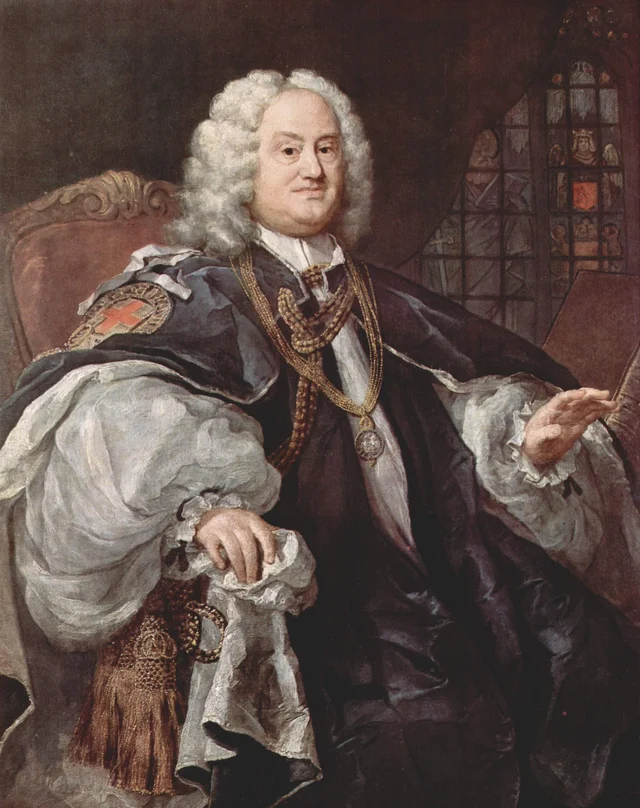 Portrait de Benjamin HoadlyWilliam Hogarth, 1741
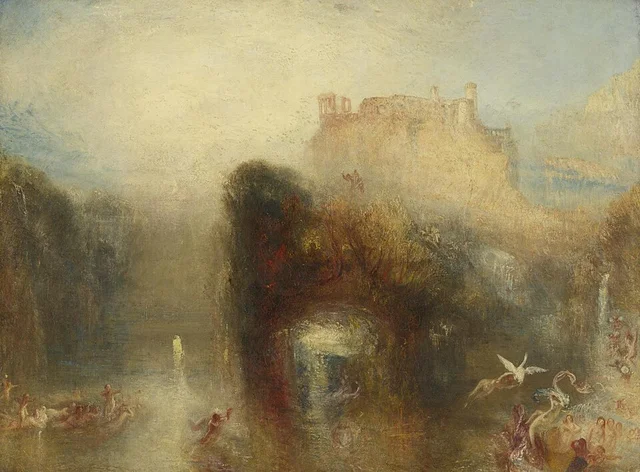 La Grotte de la reine MabJ. M. W. Turner, 1846
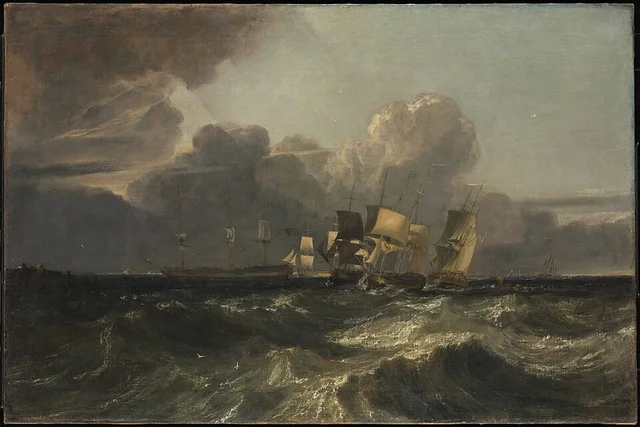 Navires venant mouiller (« La Marine d'Egremont »)J. M. W. Turner, 1802
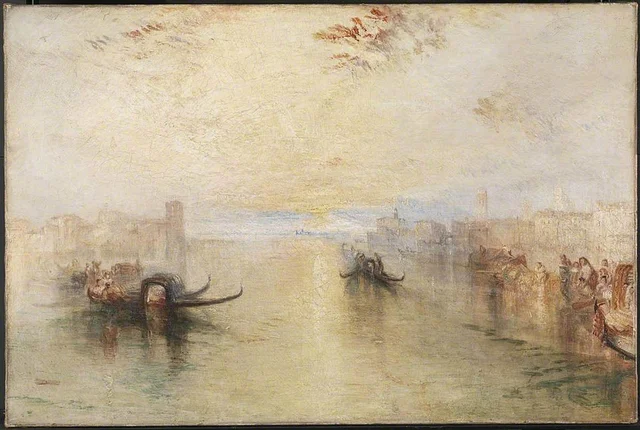 Saint-Benoît, vue vers FusinaJ. M. W. Turner, 1843
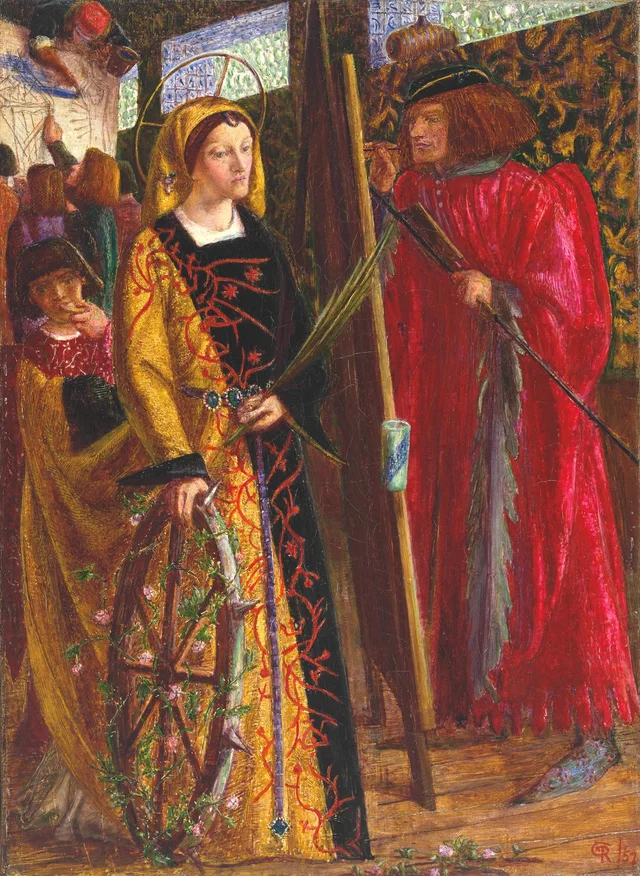 Sainte CatherineDante Gabriel Rossetti, 1857