L'histoire
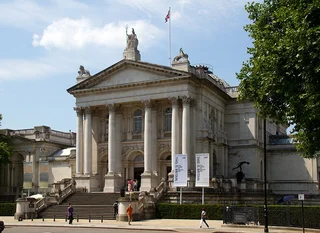
Tate, ce sont en réalité quatre galeries, et la plus fréquentée servait autrefois à produire de l'électricité. La Tate Modern occupe l'ancienne centrale électrique de Bankside, sur la rive sud de la Tamise à Londres, une masse de brique surmontée d'une seule haute cheminée, dessinée par Giles Gilbert Scott, l'homme de la cabine téléphonique rouge. Après sa fermeture, la salle des turbines qui abritait les générateurs resta comme un immense espace vide de cinq étages de haut, et depuis 2000 on y présente d'énormes œuvres de commande, une fissure courant sur toute la longueur du sol, un gigantesque soleil intérieur de brume et de lumière.
L'institution est née du sucre. Henry Tate fit fortune avec le sucre en morceaux, et en 1897 il paya la construction d'une galerie d'art britannique à Millbank, en amont, sur le site d'une prison démolie. Ce bâtiment est aujourd'hui la Tate Britain, et il conserve le legs Turner, les milliers d'huiles et d'aquarelles que J.M.W. Turner laissa à la nation à sa mort en 1851.
Entre elles, les deux sites londoniens se partagent la collection par époque, la Tate Britain remontant l'art britannique jusqu'au XVIe siècle et la Tate Modern prenant l'art moderne et contemporain international. Deux autres galeries portent le nom hors de la capitale, la Tate Liverpool et la Tate St Ives sur la côte de Cornouailles, cette dernière bâtie au-dessus d'une plage où certains des peintres qu'elle montre travaillèrent jadis.
Collection
118 œuvres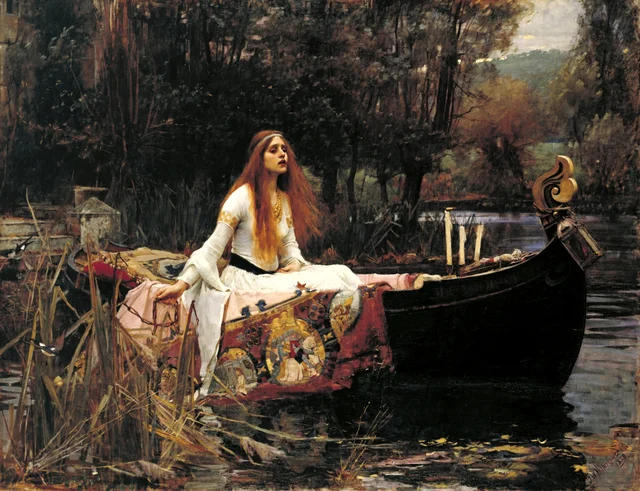 La Dame de ShalottJohn William Waterhouse, 1888
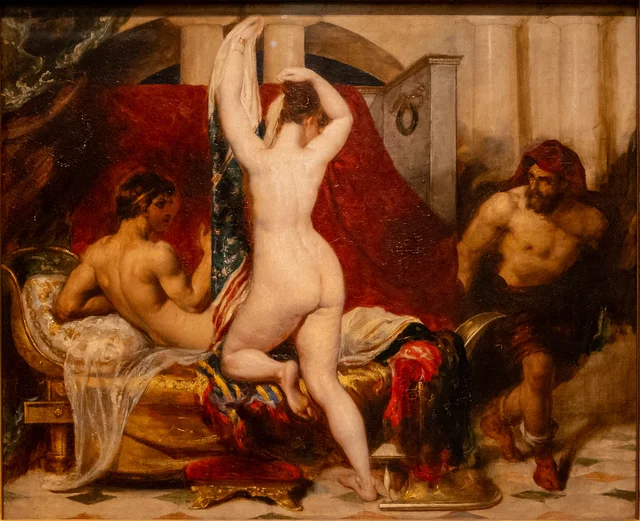 Candaule, roi de Lydie, montre furtivement sa femme à Gygès, l'un de ses ministres, tandis qu'elle se coucheWilliam Etty, 1830
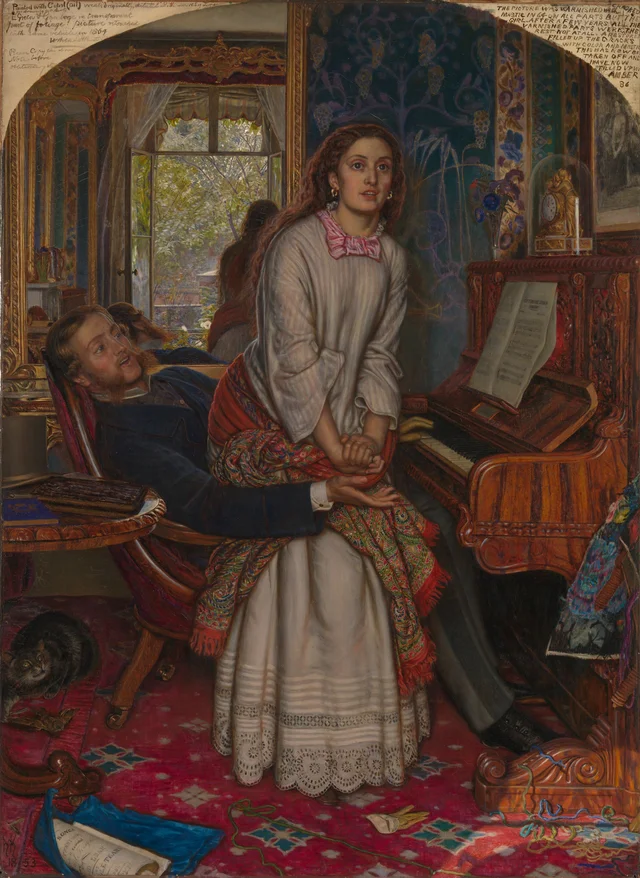 L'Éveil de la conscienceWilliam Holman Hunt, 1853
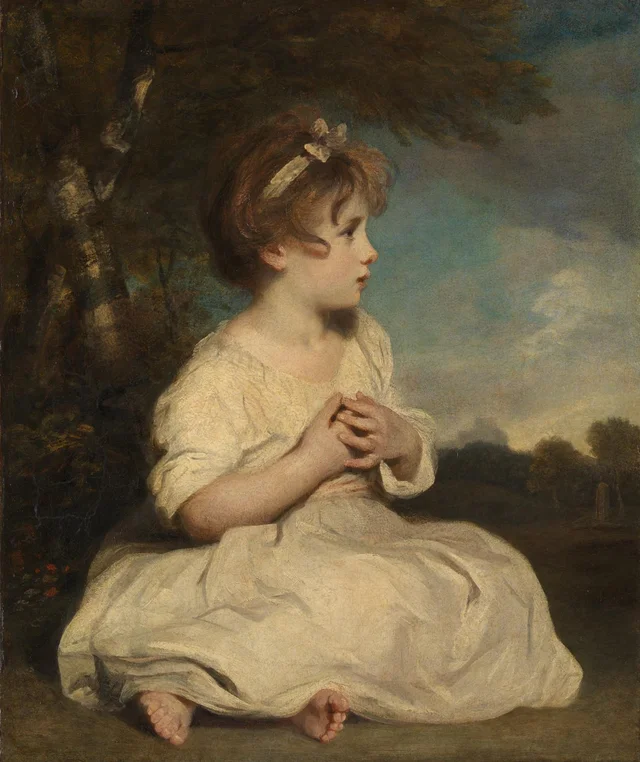 L'Âge de l'innocenceJoshua Reynolds, 1788
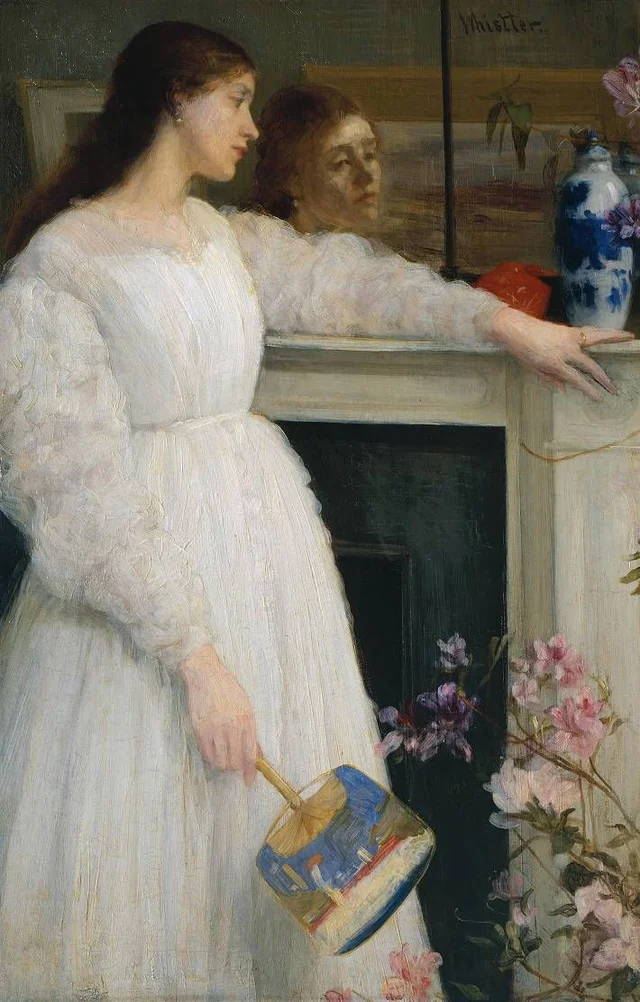 Symphonie en blanc no 2 : La Petite Fille blancheJames McNeill Whistler, 1864
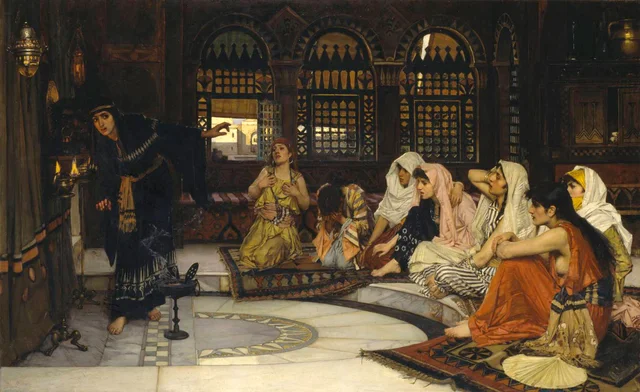 La Consultation de l'oracleJohn William Waterhouse, 1884
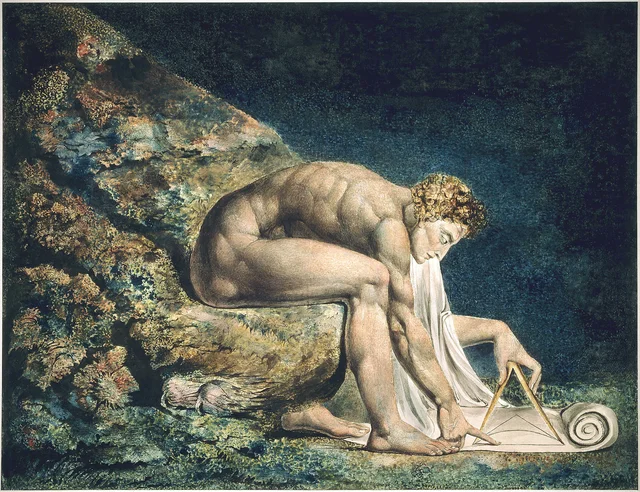 NewtonWilliam Blake, 1795
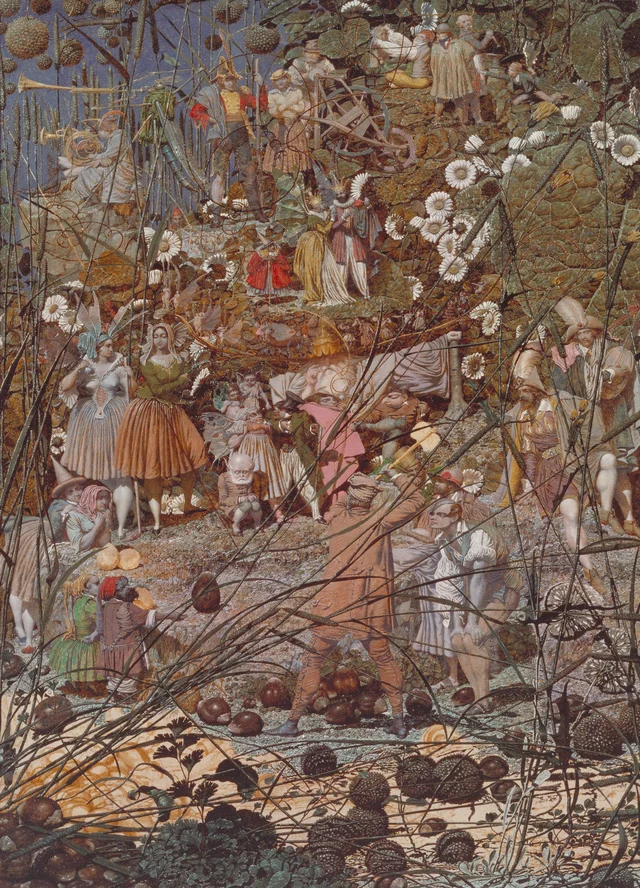 Le Coup de maître du bûcheron-féeRichard Dadd, 1855
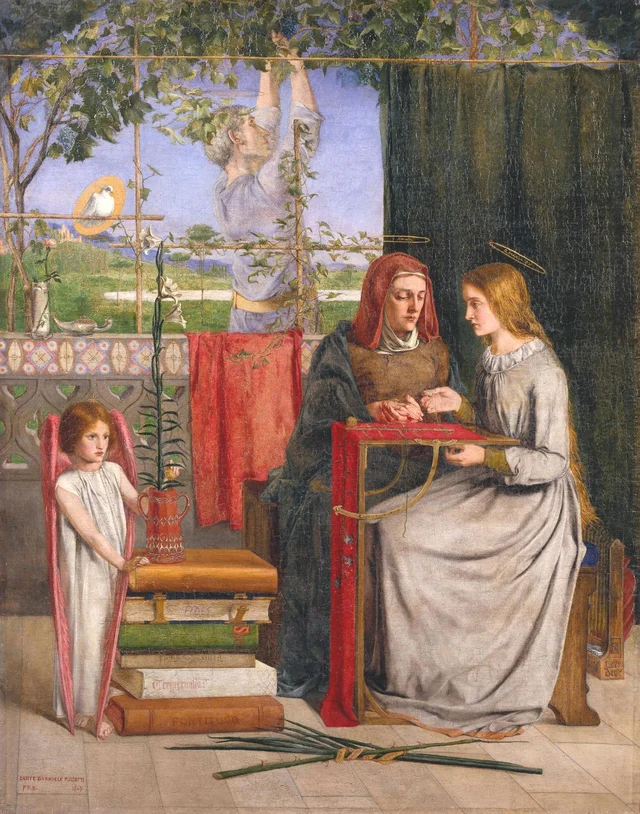 L’Enfance de la Vierge MarieDante Gabriel Rossetti, 1849
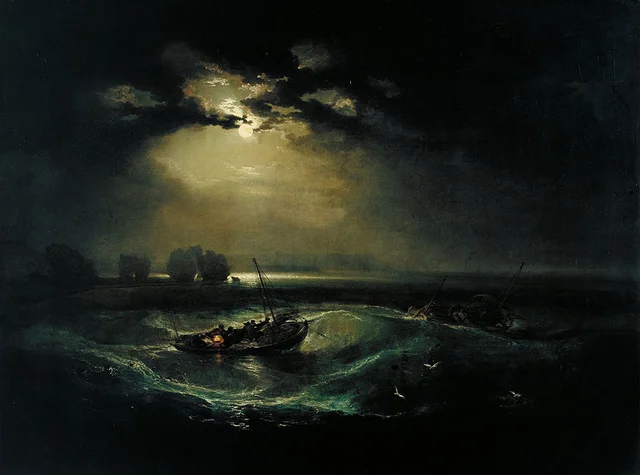 Pêcheurs en merJ. M. W. Turner, 1796
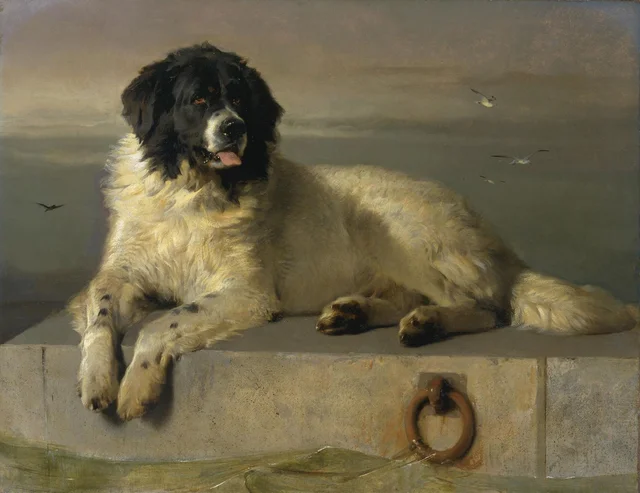 Un membre distingué de la Société humanitaireEdwin Landseer, 1831
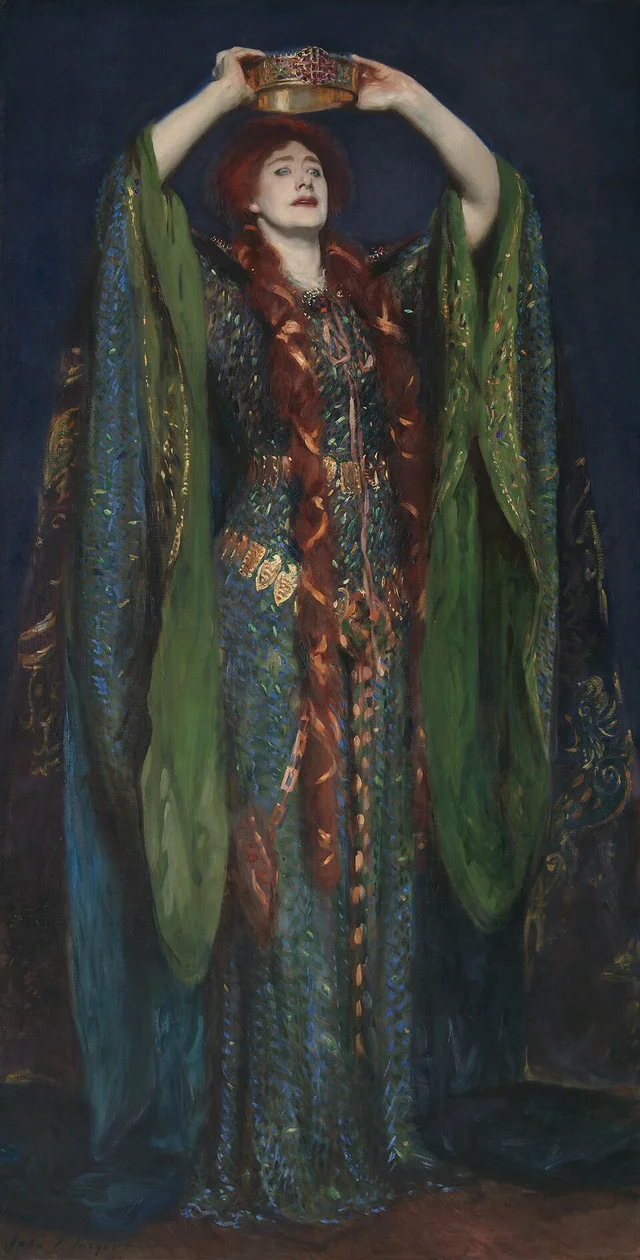 Ellen Terry en Lady MacbethJohn Singer Sargent, 1889
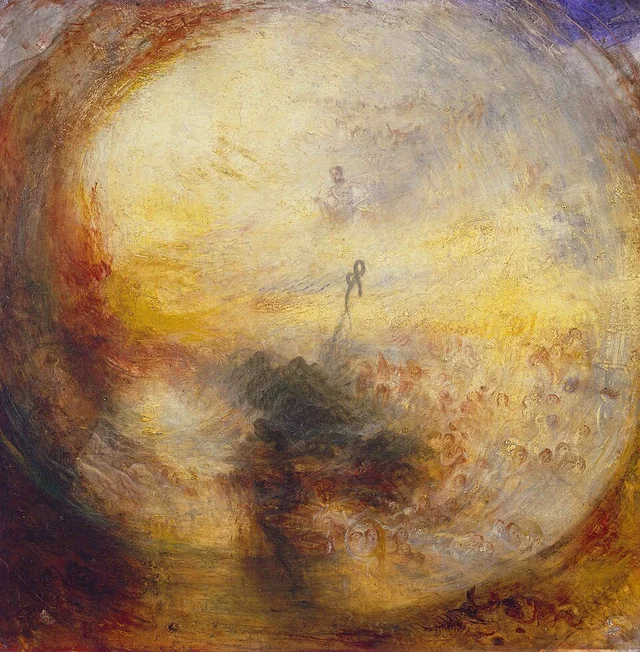 Lumière et couleur (la théorie de Goethe) – Le Matin après le Déluge – Moïse écrivant la GenèseJ. M. W. Turner, 1843
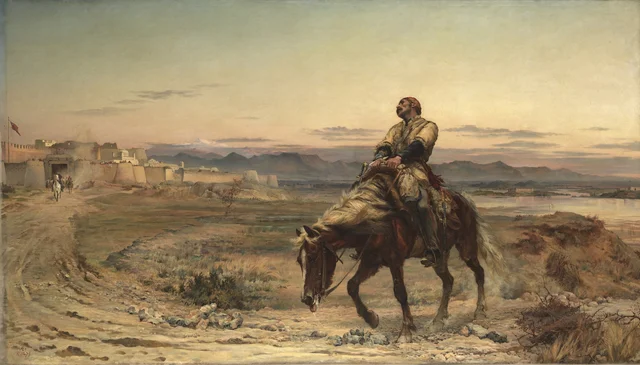 Les Restes d'une arméeElizabeth Thompson, 1879
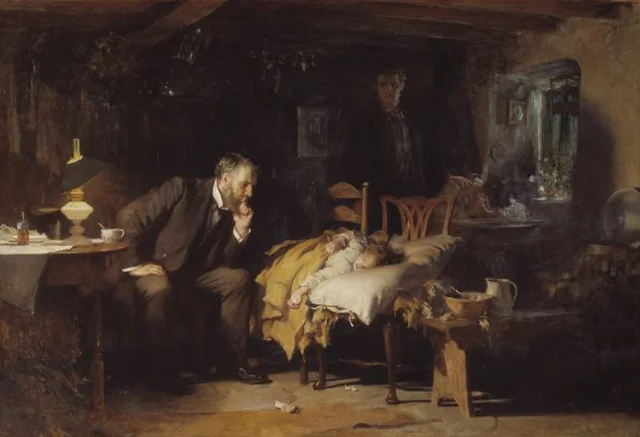 Le MédecinLuke Fildes, 1891
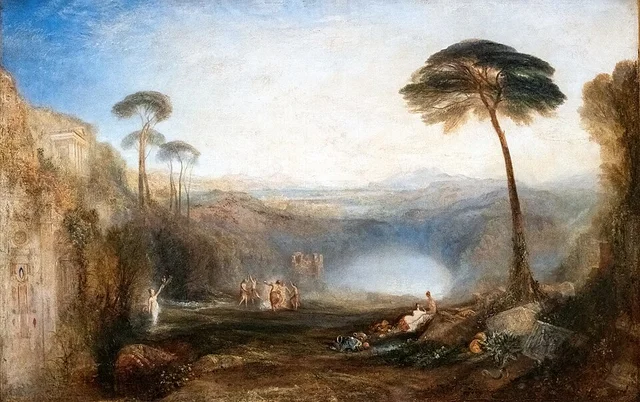 Le Rameau d'orJ. M. W. Turner, 1834
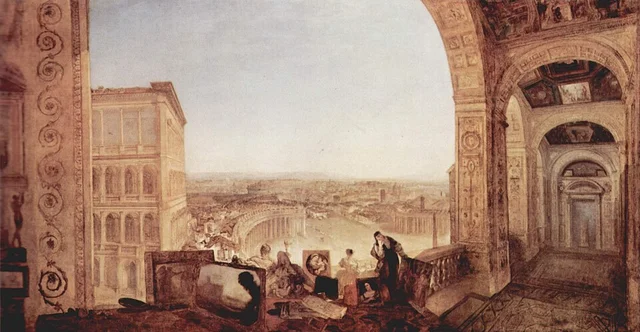 Rome, vue du Vatican. Raphaël, accompagné de la Fornarina, préparant ses tableaux pour la décoration des LogesJ. M. W. Turner, 1820
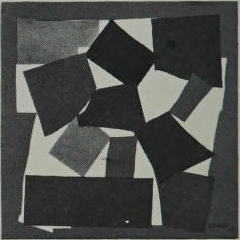 L'EscargotHenri Matisse, 1953
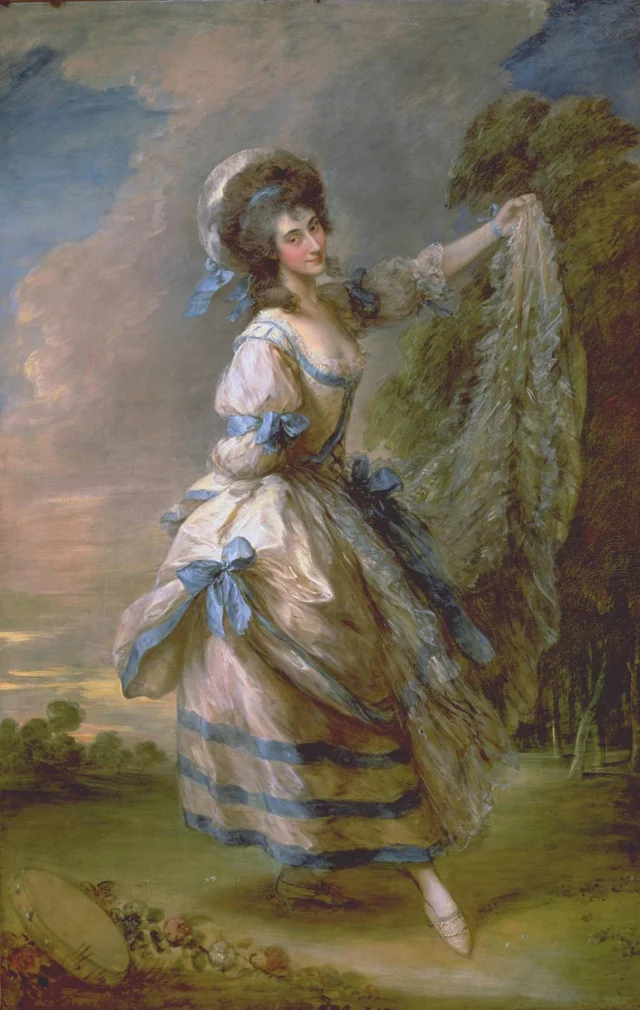 Giovanna BaccelliThomas Gainsborough, 1782
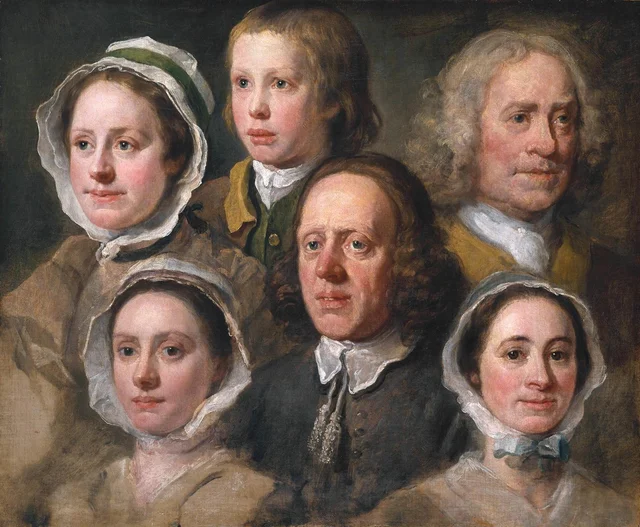 Les Domestiques de HogarthWilliam Hogarth, 1752
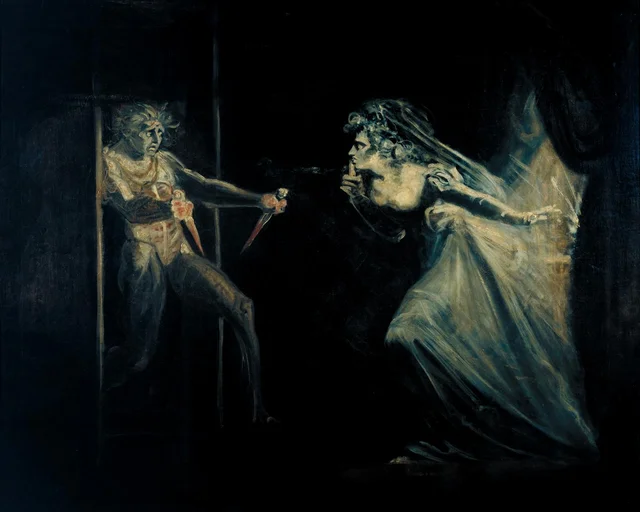 Lady Macbeth s'emparant des poignardsJohann Heinrich Füssli, 1812
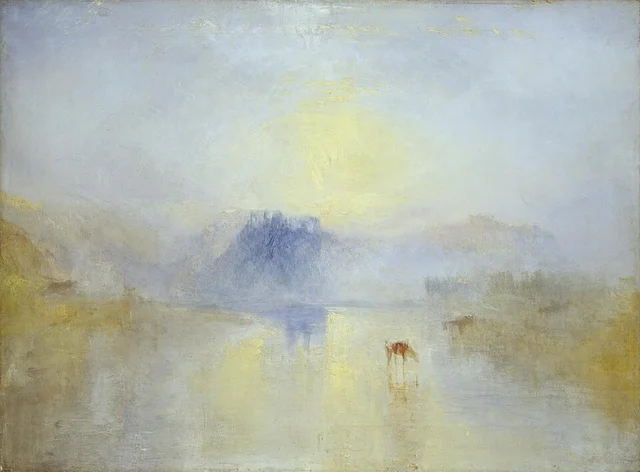 Château de Norham, lever du soleilJ. M. W. Turner, 1845
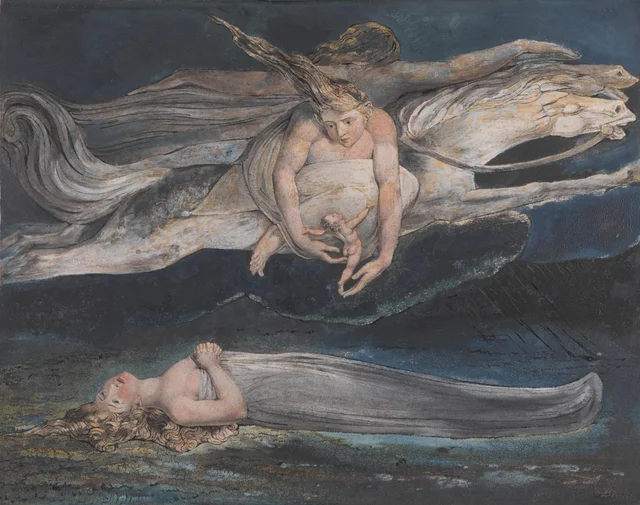 La PitiéWilliam Blake, 1795
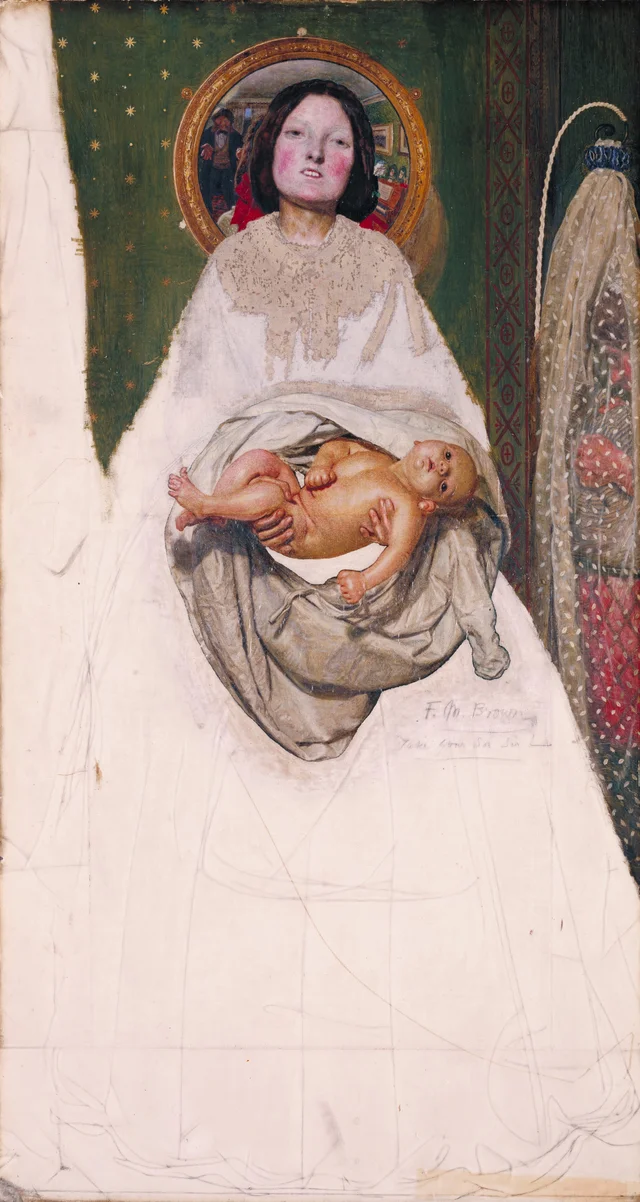 Prenez votre fils, Monsieur !Ford Madox Brown, 1851
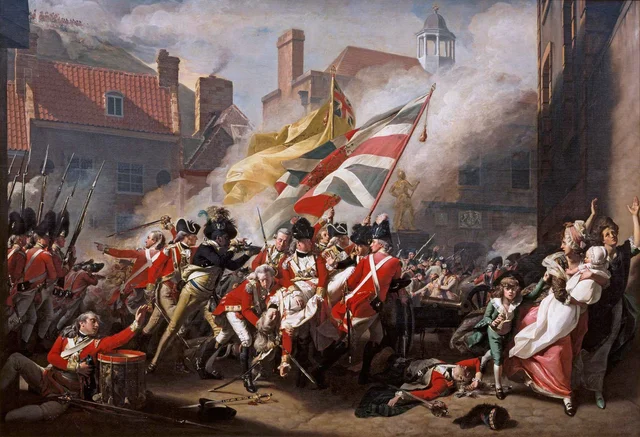 La Mort du major Peirson, le 6 janvier 1781John Singleton Copley, 1783